Home Gym
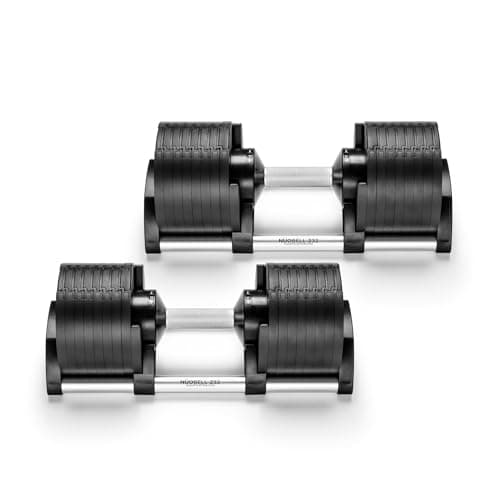
Best Adjustable Dumbbells UK: 6 Top Picks for 2026
The best adjustable dumbbells in the UK for 2026, from quick-dial sets to heavy 40kg and 50kg options. Budget to premium picks researched and ranked.
Reviews and buying guides for home gym essentials, including adjustable dumbbells, weight benches, vibration plates and other strength kit for training at home.
Showing 171 of 171 results
The best adjustable dumbbells in the UK for 2026, from quick-dial sets to heavy 40kg and 50kg options. Budget to premium picks researched and ranked.
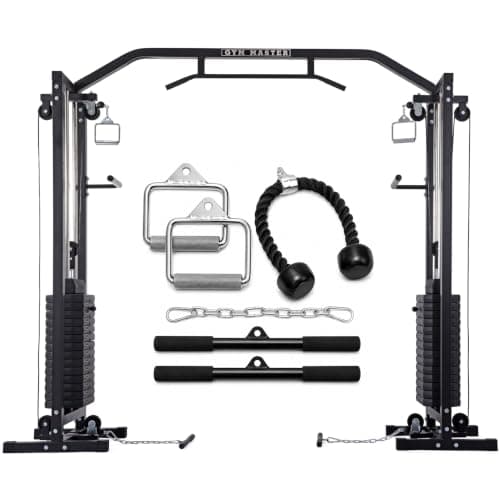
The best cable machines in the UK for 2026, from dual cable machines and functional trainers to wall-mounted and folding designs. Honest picks for any home gym and budget.
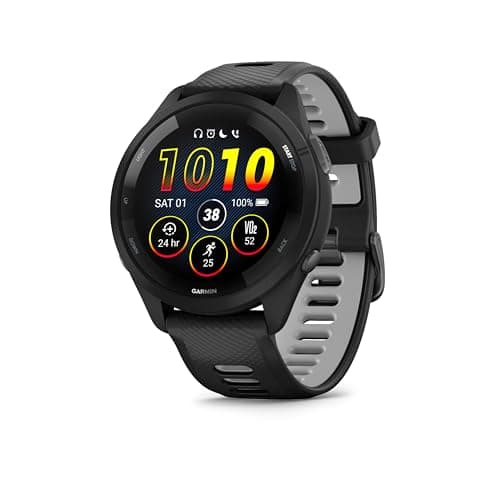
The best Garmin watch for most UK buyers in 2026 is the Forerunner 265, but not for everyone. Five models compared honestly, from the £162 Forerunner 165 to the fēnix 8.
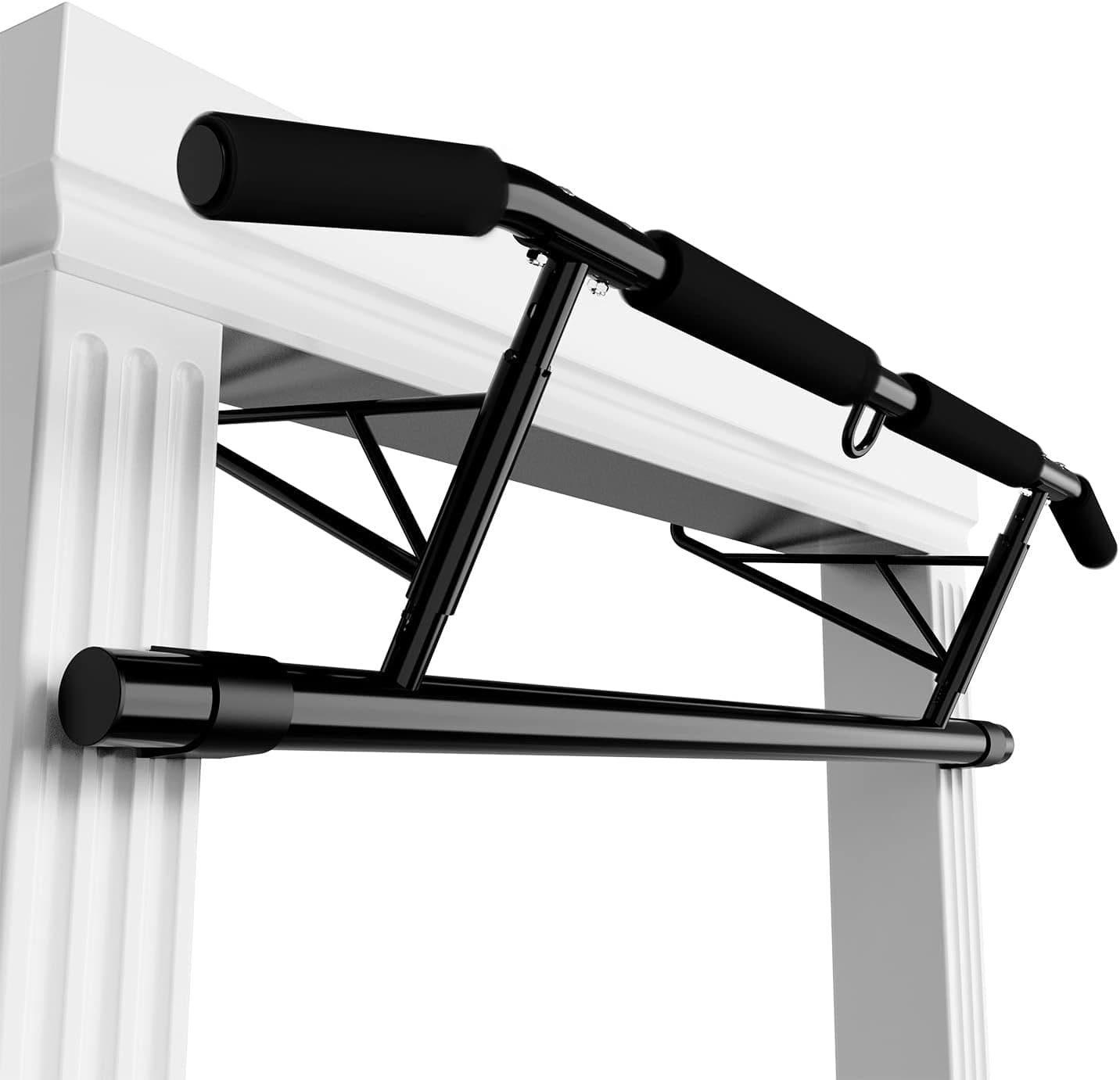
The best pull up bars in the UK for 2026: no-drill doorway bars, wall mounted pull-up bars and free standing power towers, with frame sizes, weight ratings and honest picks for every budget.
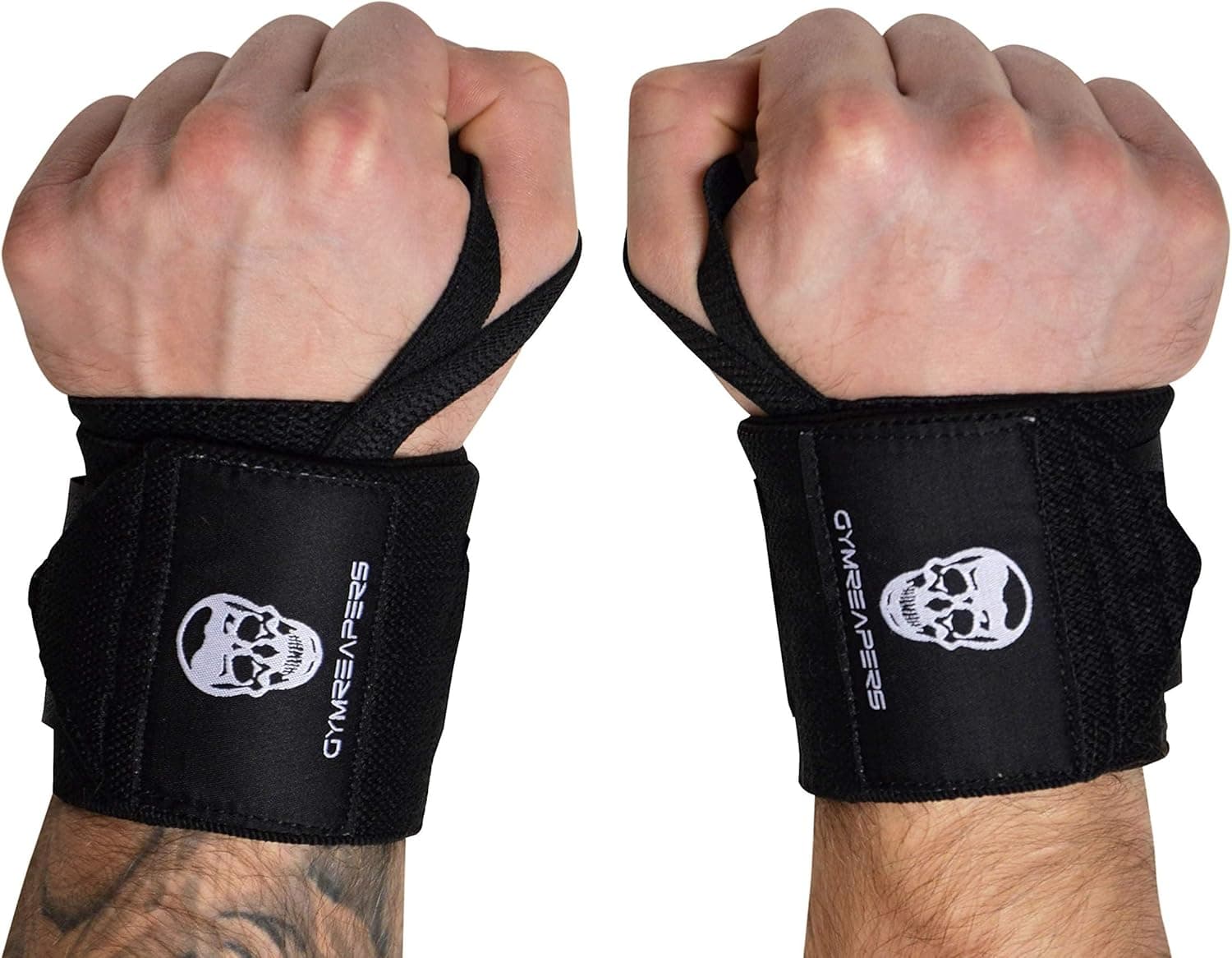
The best wrist wraps in the UK for 2026, from stiff powerlifting wraps to flexible CrossFit ones, plus how to wrap them properly. Honest picks for heavy pressing at every budget.
A space-planning guide to compact squat racks: floor and ceiling heights for squats, pressing and pull-ups, the small-room options and a measuring checklist.
How a folding squat rack works, which walls can take one, fixings, ceiling height, folded depth, safety arms and UK prices, plus how it compares to a half rack.
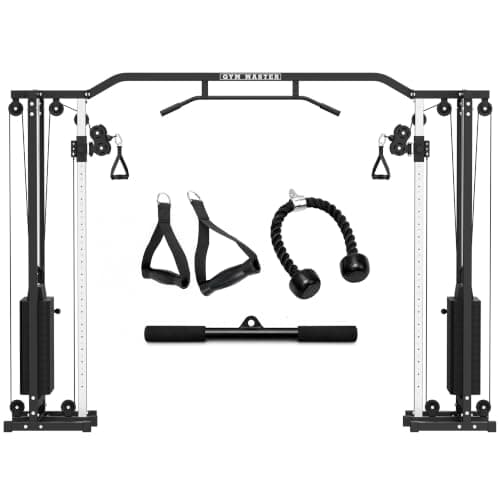
GYM MASTER adjustable pulley cable crossover review: 20 pulley heights, two 90kg concrete-filled stacks, and how it differs from the £379 model.
What a half rack is, how it compares with a full power rack and squat stands on safety, space and ceiling height, what to check before buying and UK prices.
What a lat pulldown machine is, the five types you can fit at home, the specs that matter (ceiling height, cable ratio, load) and realistic UK prices.
Is a Nordic curl bench worth it? How dedicated benches compare with GHDs, floor straps and door anchors, what to check before buying, and a simple progression.
Rack attachments ranked by usefulness, from spotter arms and dip bars to landmines and jammer arms, plus how to check upright size, hole diameter and spacing.
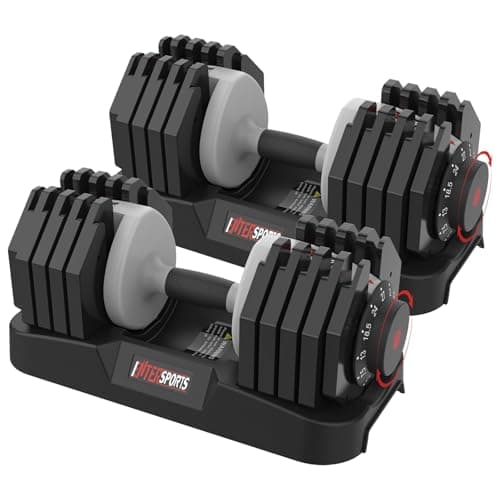
EnterSports 27kg adjustable dumbbells review: 10 settings from 2 to 27kg, uneven 2.5 to 3kg jumps, dial lock, wobble and who should pick it over the 20kg pair.
What a glute ham developer is, how a GHD machine differs from a Roman chair, the exercises it's built for, how to set it up, UK price bands and cheaper substitutes.
Which lat pulldown attachment to use or buy: straight, angled, V-bar, neutral-grip, rope and D-handles explained, plus how to choose a rack-mounted pulldown unit.
What a Roman chair is, how it differs from a hyperextension bench, GHD and captain's chair, 45-degree vs horizontal, how to set the pad height, the best exercises and what to check before you buy.
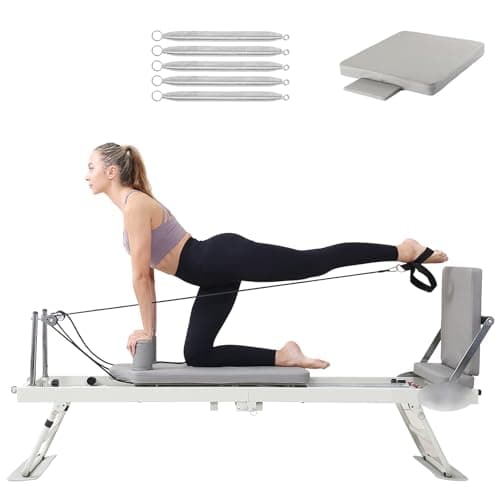
The best reformer pilates machines for home use in the UK in 2026, from a £259 foldable to a £788 wooden frame. Honest picks, real specs and how to choose a pilates machine.

The best adult weighted blankets in the UK for 2026, with honest picks for hot sleepers, heavier users and daytime use, plus how to choose the right weight and what the research shows.
Are vibration plates worth it? Yes for balance, bone health support and low-impact warm-ups; no for weight loss or replacing strength training. The evidence.
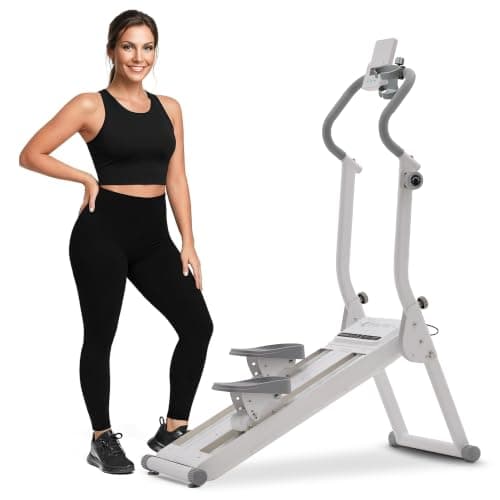
Our ExacMe magnetic stair climber review covers its 16 magnetic resistance levels, 48cm stride, 158kg user limit, app and noise claims, and who should buy it.
What a cambered bar is, the three main types (cambered squat bar, bowed bench bar, cambered Swiss bar), what each one does, how much they weigh and how to buy one.
What a landmine attachment is, the rack-mounted, plate-post and floor platform types, how to check bar and rack fit, safety tips, and the best exercises to do.
What a safety squat bar is, how much it weighs, how it changes your squat compared with a straight bar, who it suits and what to check before buying one in the UK.
What a Swiss bar (football or multi-grip bar) is, how much it weighs, why the neutral grip suits sore shoulders, the best exercises and what to check when buying.
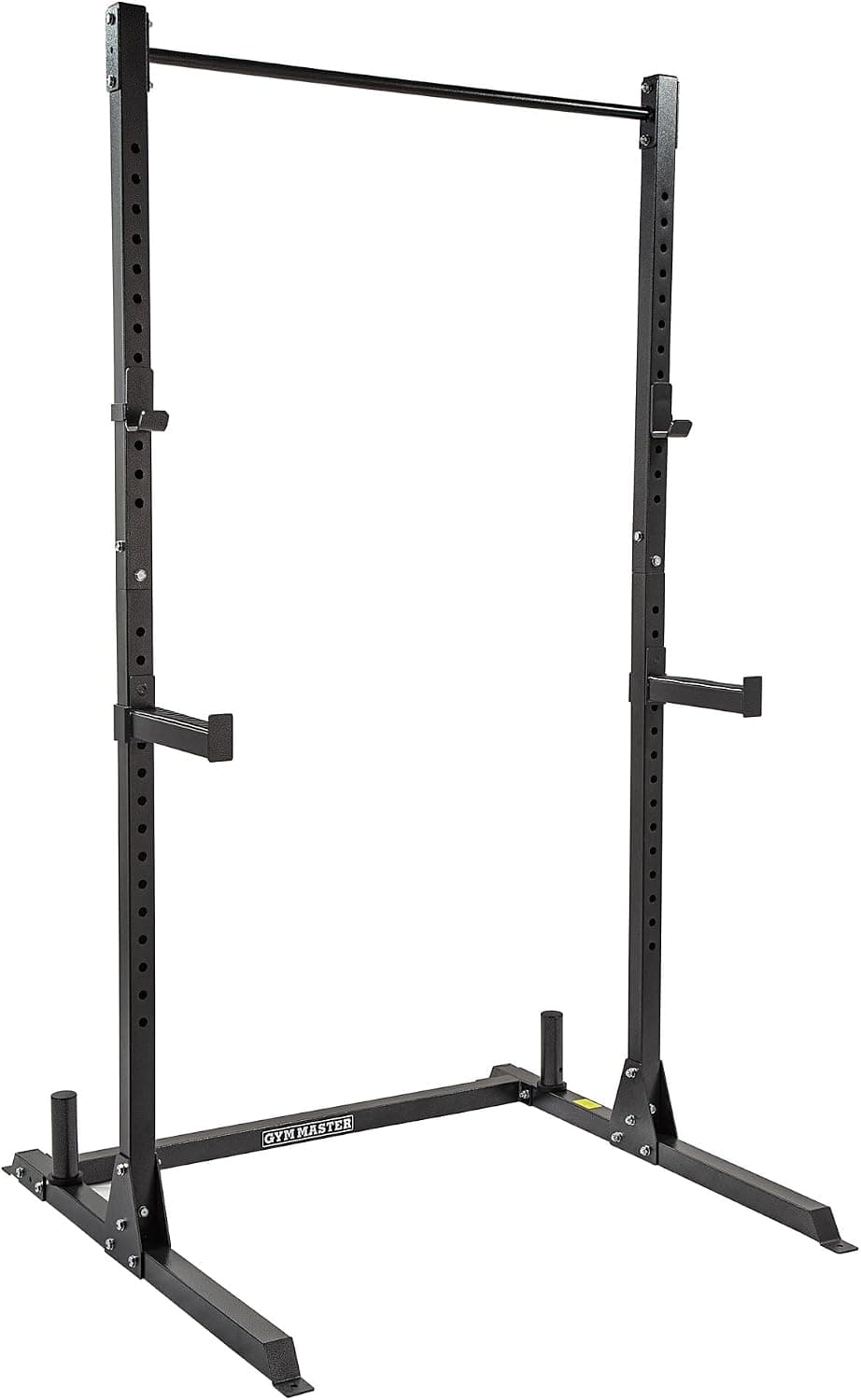
The best squat racks in the UK for 2026, compared on weight rating, height range and spotters. Cheap squat stands, half racks and a full cage for home gyms at every budget.
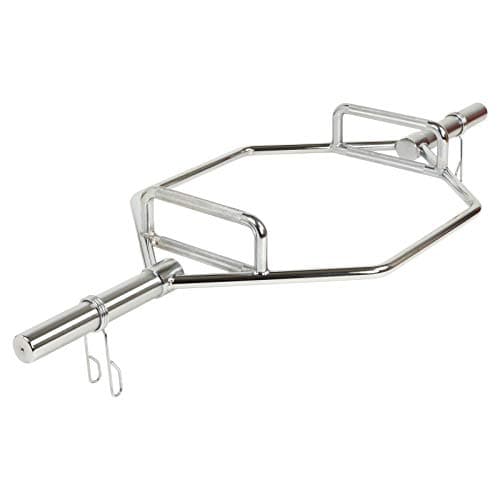
The best trap bars and hex bars in the UK for 2026, for home and garage gyms. Honest picks for deadlifts, shrugs and farmer's carries, from budget 1 inch shrug bars to premium open frames.
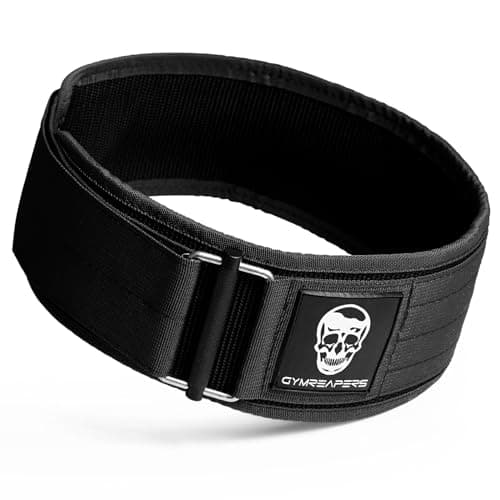
The best weight lifting belt for UK lifters in 2026, from an £18 leather belt to a 13mm lever belt. Thickness, buckle type and sizing compared for squats and deadlifts.
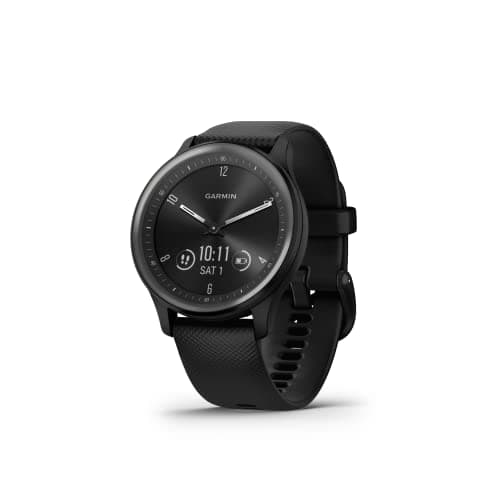
Garmin vivomove Sport review for UK buyers: analogue hands over a hidden OLED, Body Battery and Pulse Ox at £150, but no GPS, no Garmin Pay and a tiny screen.
Are adjustable dumbbells worth it? We run the UK numbers on cost and floor space against a fixed hex set, then cover dial, twist and spin-lock types, drop risk and who should skip them.
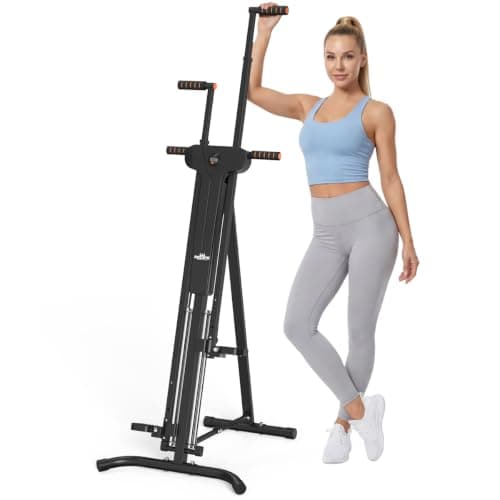
Our Relife vertical climber review covers its 4 guide rails, 150kg limit, 5 step levels and folding frame, and asks whether £516 is fair when rivals cost far less.
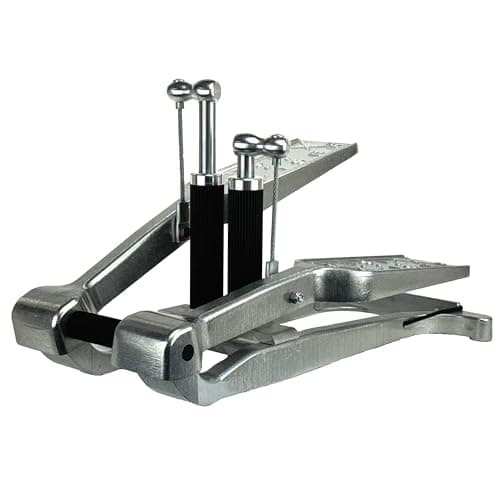
Our Xiser mini stepper review covers the cast alloy build, hydraulic resistance, sprint use and warranty, and explains who should save £500 and buy a cheap stepper instead.
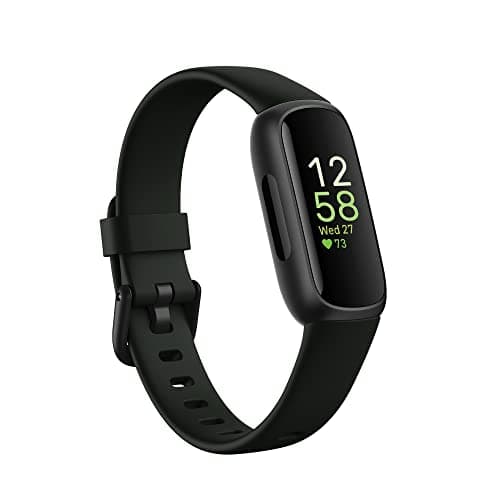
An honest Fitbit Inspire 3 review covering its AMOLED screen, 10-day battery, sleep and heart rate tracking, connected GPS, the Premium paywall and who should buy it.
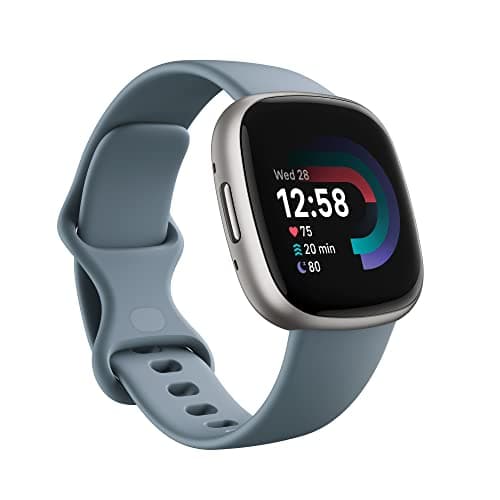
Our Fitbit Versa 4 review covers built-in GPS, 6+ day battery, Google Maps and Wallet, the lost third-party apps and Wi-Fi, and who should buy it at £179.
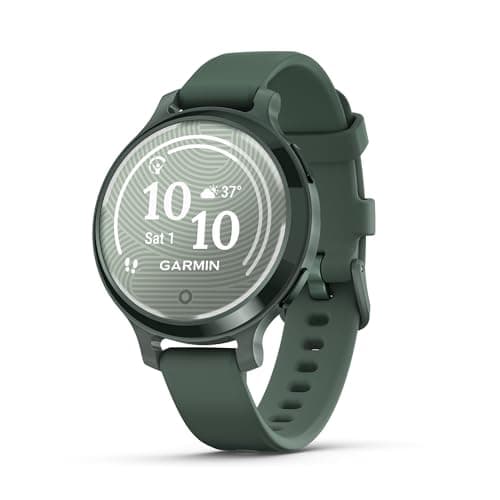
An honest Garmin Lily 2 Active review: built-in GPS on a 38mm, 29g case, 9 day battery, Garmin Pay, and the greyscale screen and missing music storage to weigh against the price.
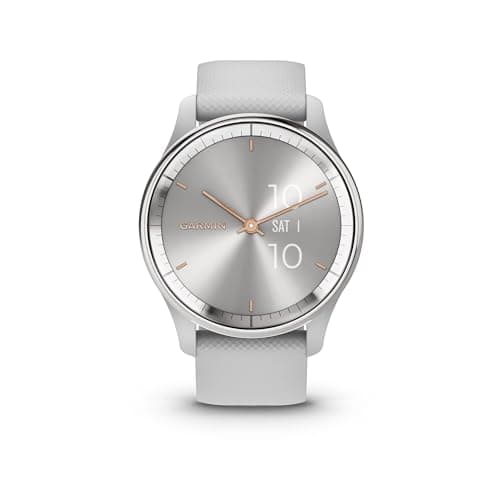
Garmin vivomove Trend review for UK buyers: analogue hands over a hidden touchscreen, Body Battery, Garmin Pay, Qi charging, and the 5 day battery and missing GPS to weigh up at £232.
How much does a Smith machine bar weigh? It varies by machine, commonly about 6kg to 20kg effective, and counterbalanced bars can be close to zero. Here's how to check yours.
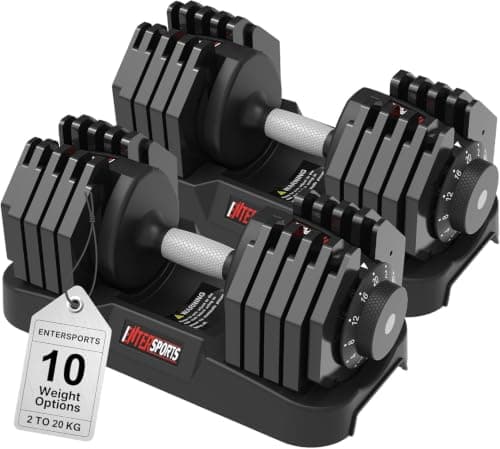
EnterSports 20kg adjustable dumbbells review: ten 2kg steps, twist-handle selector, what the 20kg ceiling means and how it compares with Bowflex and Strongway.
How much does an EZ bar weigh? Olympic EZ bars are usually 7kg to 10kg and standard 1 inch bars around 5kg. UK bar weights and how to count your curl load.
A men's Olympic barbell weighs 20kg and a women's 15kg. See what standard, technique, Smith, EZ and trap bars weigh, and how to weigh your own bar at home.
How much does a trap bar weigh? Most Olympic hex bars weigh 20kg to 27kg, but budget bars can be under 15kg. Real UK bar weights and how to count your lift.
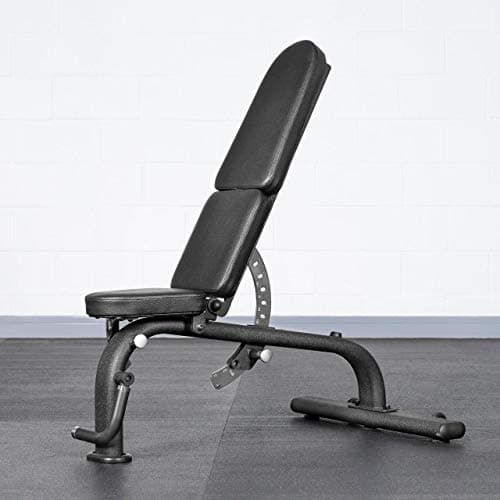
Our METIS Adjustable Weights Bench review: the 40kg steel frame, 10 backrest angles, 3 seat positions, what we couldn't confirm, and who should buy it.
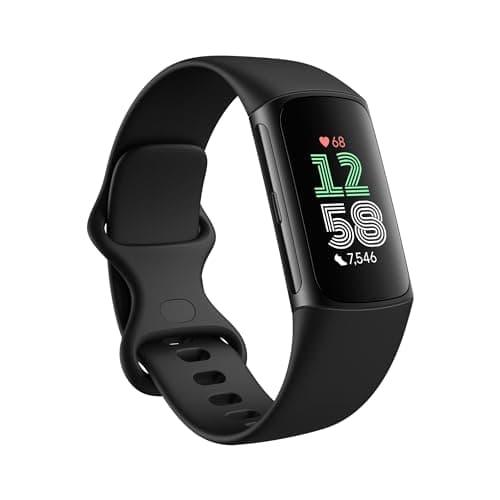
An honest Fitbit Charge 6 review covering its built-in GPS, redesigned heart rate sensor, AMOLED screen, 7-day battery, Premium paywall and who should buy it.
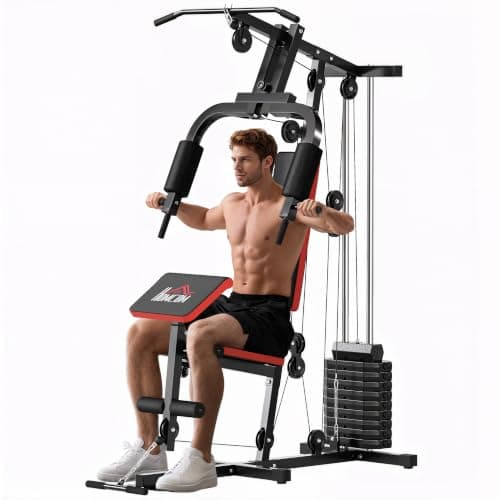
Our HOMCOM 65kg multi gym review: the 65kg stack, lat pulldown, chest press, pec fly and leg station, 135cm footprint, 100kg user limit, £335.99 price and how it compares with Strongway and Marcy.
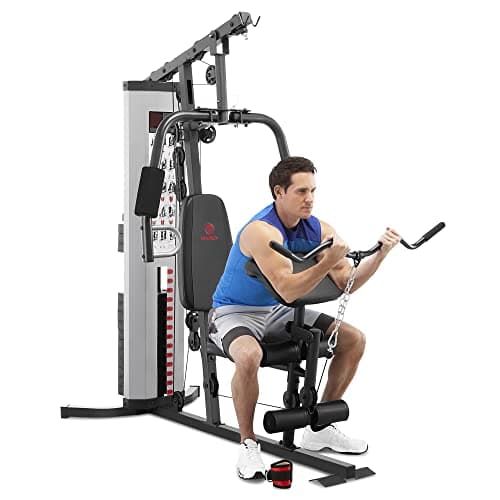
Our Marcy MWM988 multi gym review: the 150lb stack versus the 90kg claim, dual action press arms, preacher curl pad, leg developer, 198cm height and who it suits in the UK.
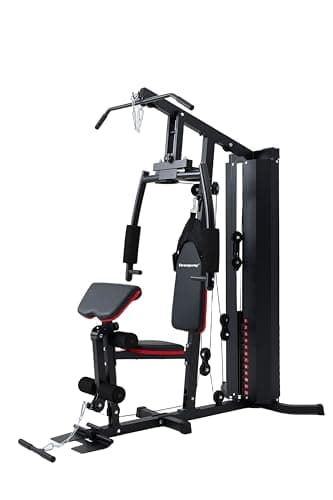
Our Strongway 72kg dual pulley multi gym review: the 72kg stack, chest press and pec deck, preacher pad, leg curl station, 165cm footprint, £469.95 price and how it differs from Strongway's 100kg machine.
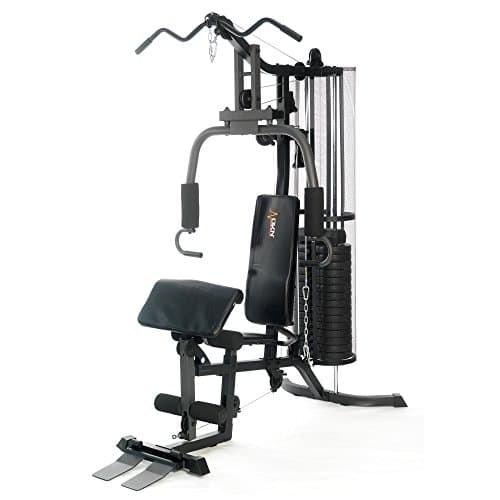
The best multi gyms in the UK for 2026, from 45kg compact stations to 102kg weight stacks, Smith machines and cable cages. Footprints, user limits and who each one suits.
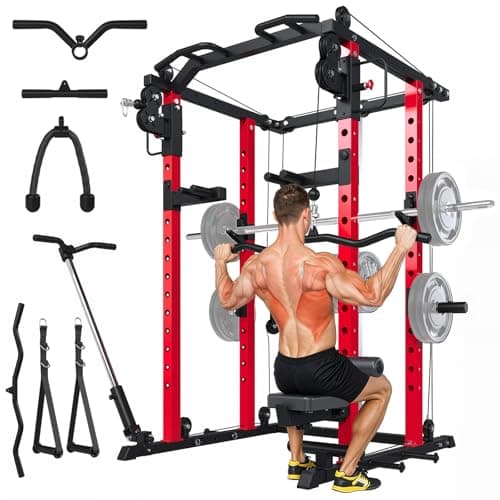
The best power cages and power racks in the UK for 2026. Honest picks across budgets, with the steel gauge, weight capacity, pull-up bars and footprint that matter for a home gym.
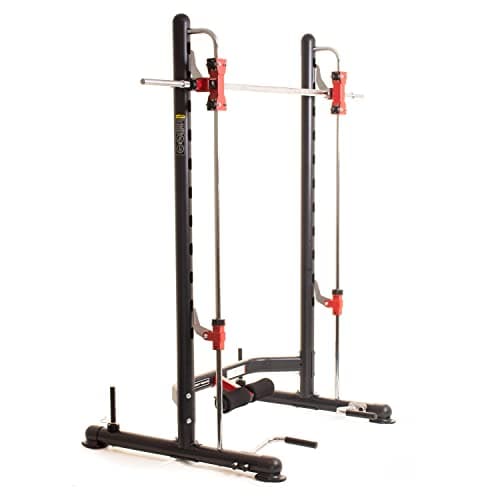
The best Smith machines for a UK home gym in 2026, from a compact budget frame to full Smith machine gym stations with cable stacks. Honest picks, prices and who each one suits.
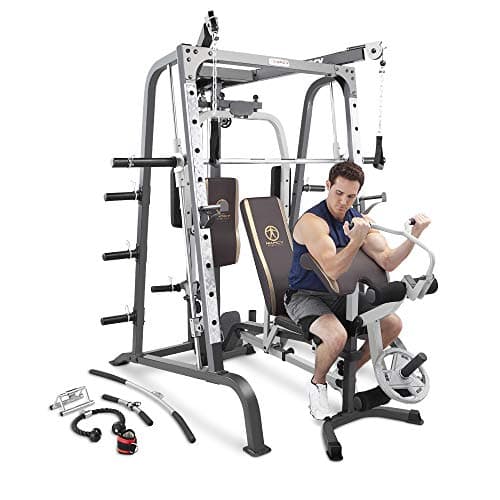
Our Marcy MD9010 review: the linear bearing Smith bar, 136kg Smith capacity, 3-station pulleys, leg developer, 169kg frame and whether it's worth £1,299 in the UK.
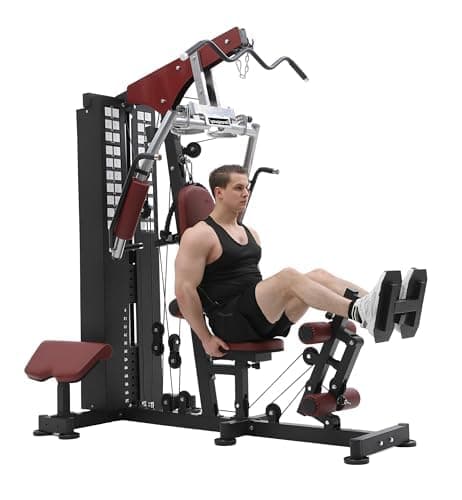
Our Strongway 100kg multi gym review: the 100kg stack, dual pulleys, chest press and pec deck, preacher pad, 158kg frame, the 72kg version and who it suits in the UK.
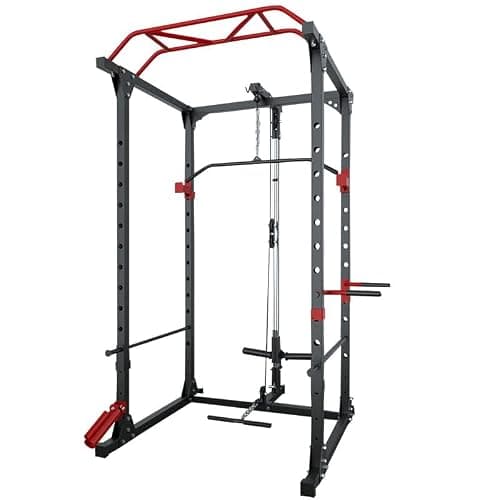
An honest Strongway MultiGym Power Cage review covering the 400kg capacity, dual pulley system, landmine and dip attachments, plus the assembly and ceiling height you need.
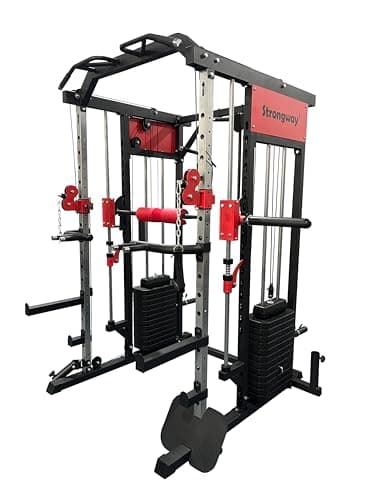
An honest Strongway Multi Gym Smith Machine review covering the 177kg dual weight stacks, 350kg capacity, landmine and dip attachments, the assembly job and who it actually suits.
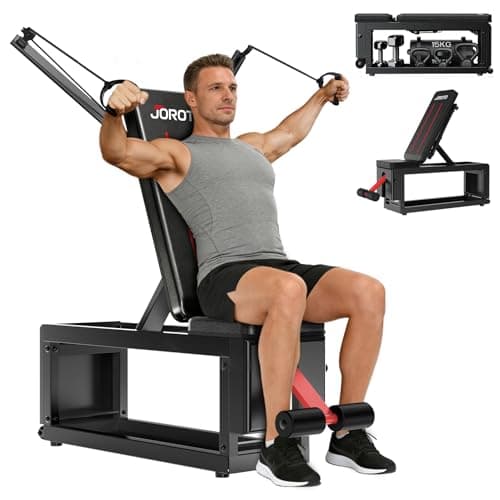
Our JOROTO MD85 weight bench review: the 7-position backrest, 9-position pulling arm, built-in storage, what the 450kg rating means and who should buy it.
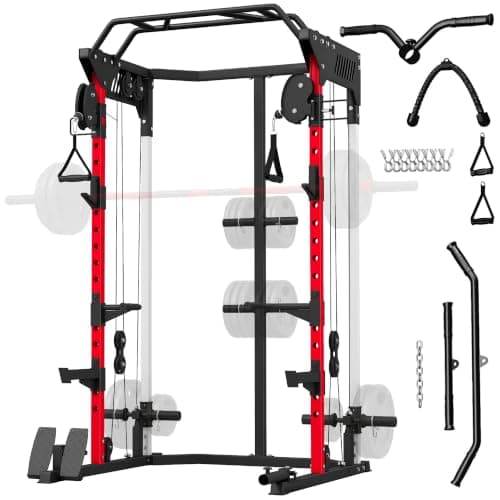
Our SPORTNOW Power Cage with cable pulley review: the 900kg rating, 19-position dual pulleys, real footprint, what the listing leaves out and how it compares.
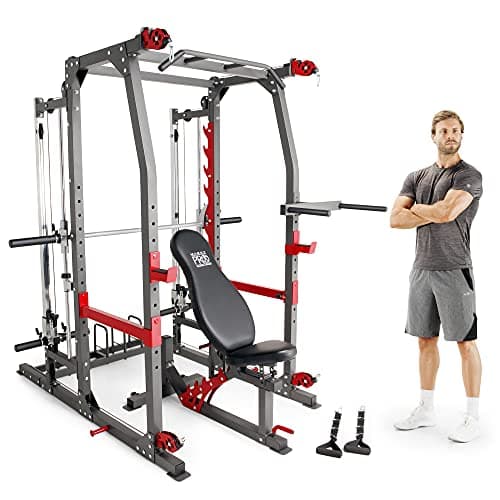
Our Marcy SM-4903 review: the linear bearing Smith bar, adjustable bench, dual pulleys, pull-up and dip stations, the 2.2m footprint and who should buy it in the UK.
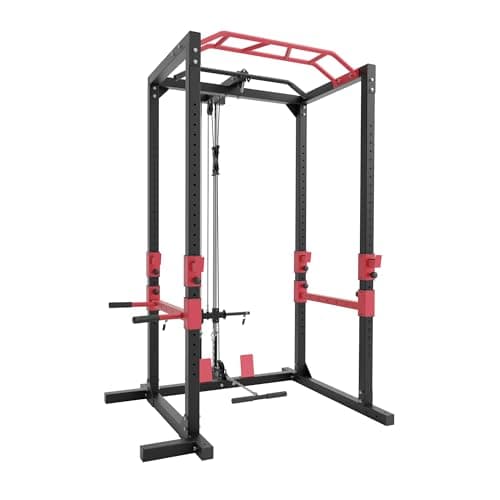
Our Ultrasport Power Rack review: the spotter arms, pull-up and dip stations, lat pulldown and low row, the real load limits, the 4 year warranty and who it suits.
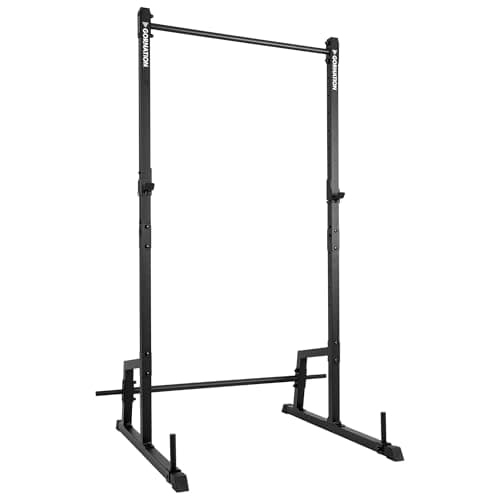
Our GORNATION Pull Up Station review: 250 kg capacity, height up to 220 cm, barbell hooks and push-up bars, plus the ceiling height and price catches to know first.
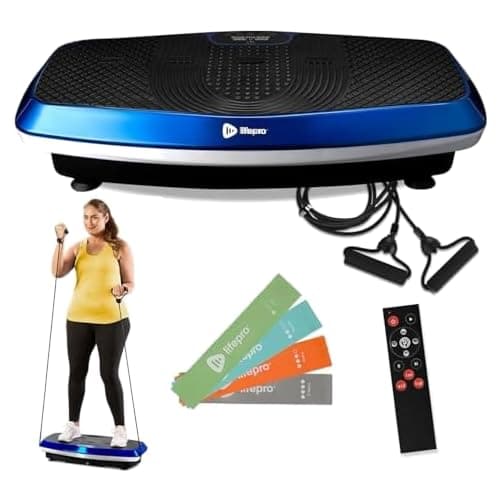
An honest LifePro Hovert 3D vibration plate review: dual 200W motors, 3D oscillation, linear and pulsation modes, 99 speeds, 150kg limit and a lifetime warranty, plus what the evidence says vibration plates can and can't do.
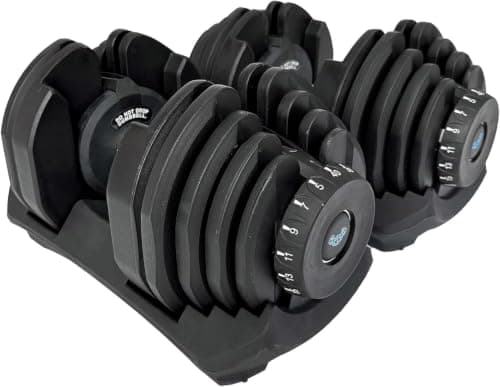
An honest BRAINGAIN adjustable dumbbells review: 17 weight settings, a twist-to-select handle, cast iron plates and a 2-year UK warranty, plus what '40kg pair' really means for £369.
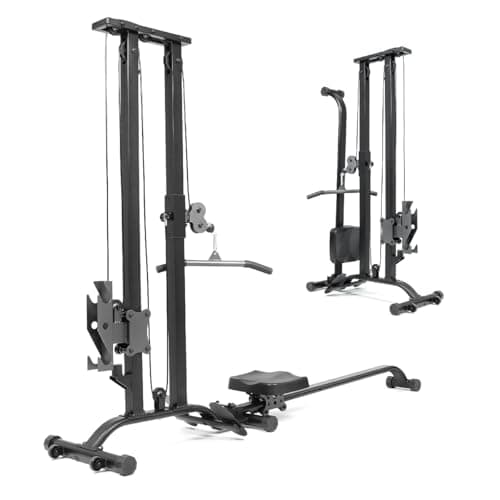
An honest TOUSAINS CR63 cable machine review: plate-loaded lat pulldown and low row, a 180kg frame rating and a fold-flat design, plus the seat and height limits the listing skips.
An honest GRDSGRD foldable Pilates reformer review covering the five alloy springs, sitting box, rebounder, 4-position footbar, 300lb frame and fold-away storage, plus how it compares with the TODO and ZERELEK reformers.
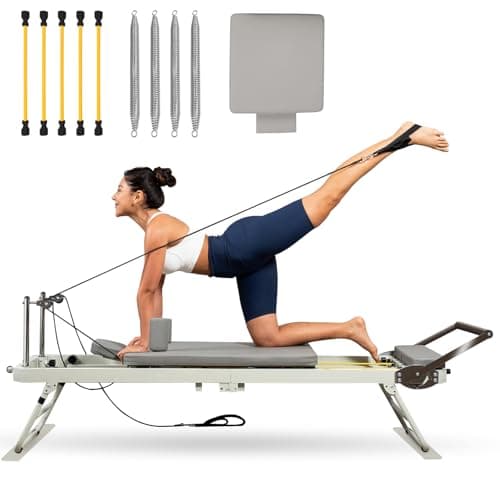
An honest TODO foldable Pilates reformer review covering the 4 springs and 5 cords, 153lb total resistance, 400lb frame, jump board, adjustable footbar and the 5ft 9in user height limit hidden in the listing.
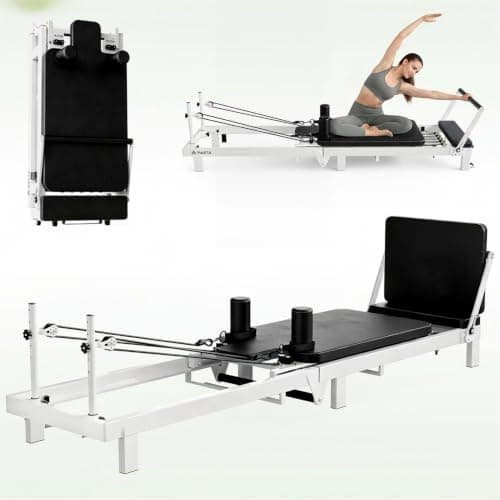
An honest ZERELEK foldable Pilates reformer review covering the spring and cord dual resistance, 400lb carbon steel frame, jump board, 4-position footbar, fold-away storage and how it compares with the AeroPilates 287.
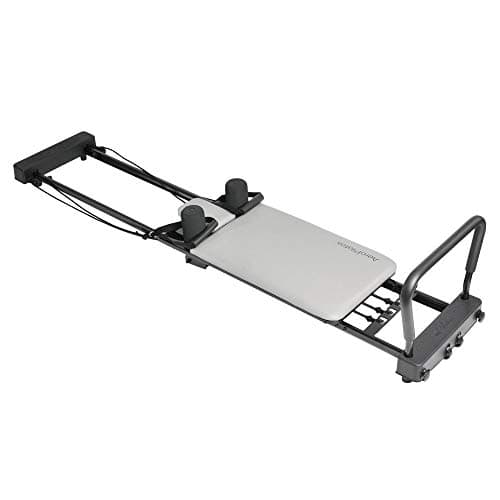
An honest AeroPilates Reformer 287 review covering the three bungee resistance cords, 300lb capacity, 216cm footprint, what it does well for home Pilates and where a spring reformer still wins.
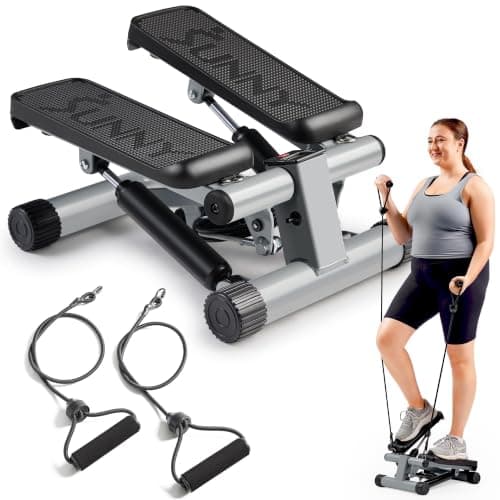
The best stepper machines in the UK for 2026. Mini steppers, twist steppers and vertical stair climbers compared on price, build and quiet running for home use.
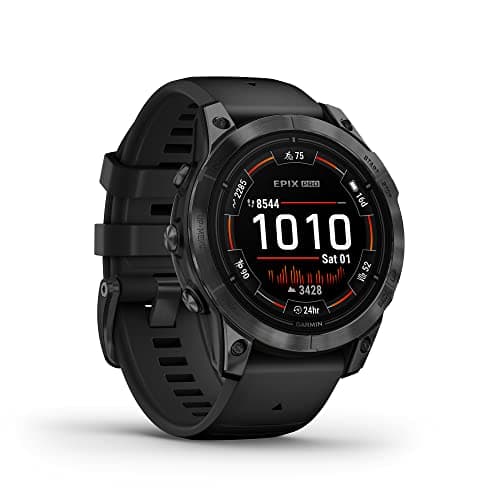
An honest Garmin epix Pro Gen 2 47mm review covering the AMOLED screen, 16-day battery, LED flashlight, hill and endurance scores, mapping and whether it beats a fenix.
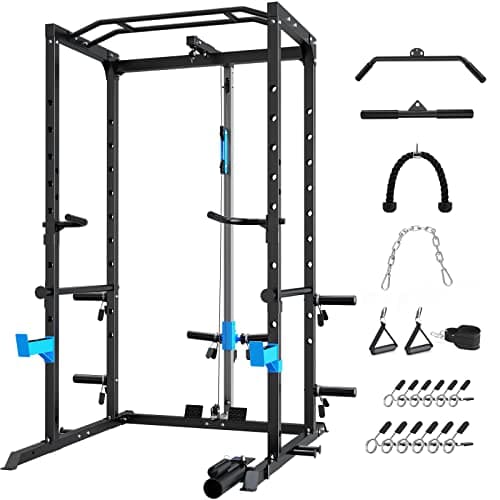
Honest review of the WINNOW WN-896 power cage with pulley system: 1.5mm steel, 10 J-hook levels, landmine, lat pulldown and the ceiling height nobody mentions.
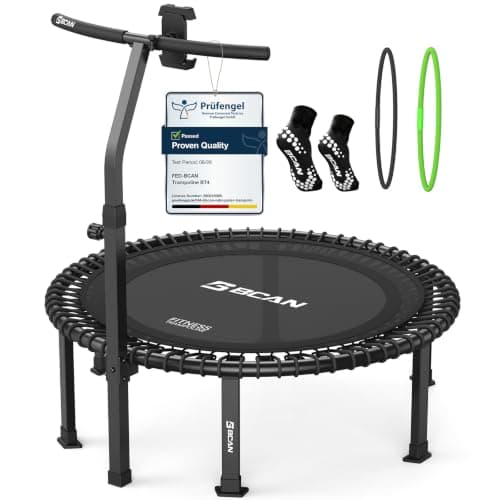
An honest BCAN BT4 Soft Land Pro review covering the 102cm mat, 60 latex bungee cords, 227kg capacity, adjustable handle and the non-folding frame, plus who it suits.
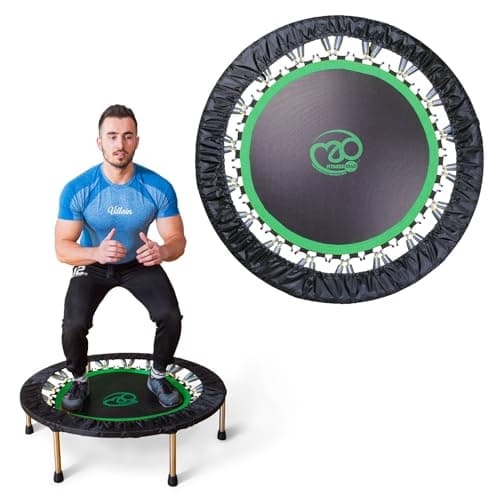
A review of the Fitness Mad Studio Pro Rebounder: the 40 inch mat, 21 coil barrel springs, 125kg user limit, folding legs, and whether spring beats bungee for a home rebounder.
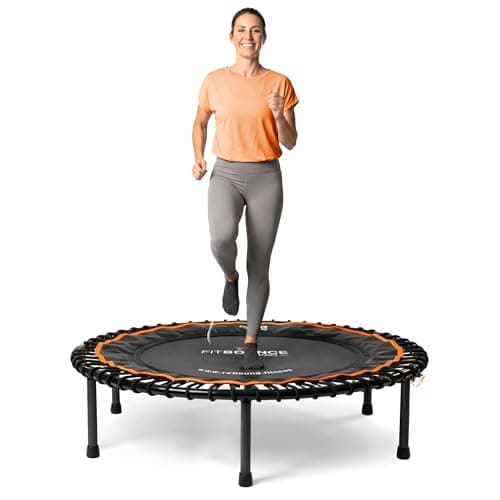
An honest Fit Bounce Pro XL review covering the 87cm bounce area, 72 bungee connectors, the 150kg limit and why it beats the smaller Fit Bounce Pro II for seven pounds more.
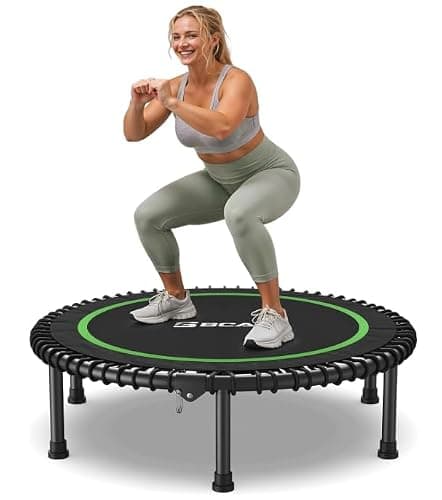
An honest review of the BCAN foldable mini trampoline with 32 bungees, a 204kg limit and a half-folding frame, covering the bounce, the noise, the 85 percent claim and how it compares with BCAN's spring model.
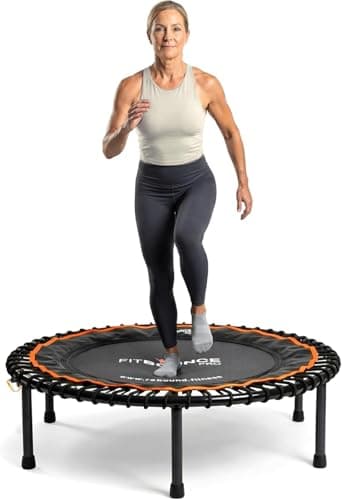
An honest Fit Bounce Pro II review covering the 60 bungee connectors, the half-folding legs, the 120kg limit, the detox claims that do not hold up, and whether it beats a £113 rival.
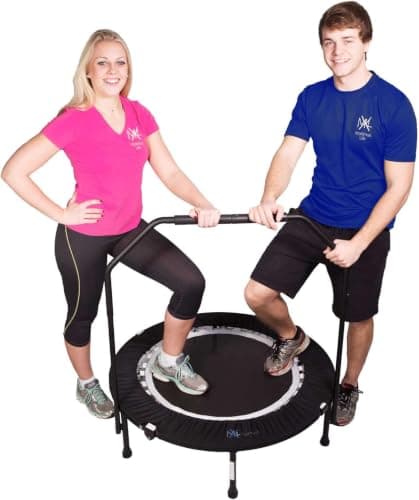
An honest MaXimus PRO folding rebounder review covering the spring bounce, the quarter-fold design, the 130kg limit, the 87 percent impact claim and who should buy it.
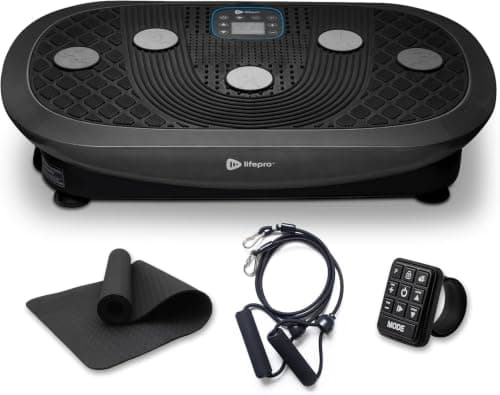
A LifePro Rumblex Plus 4D vibration plate review covering the three motors, 60 speeds, 226kg capacity and wrist remote, plus what whole body vibration research actually shows.
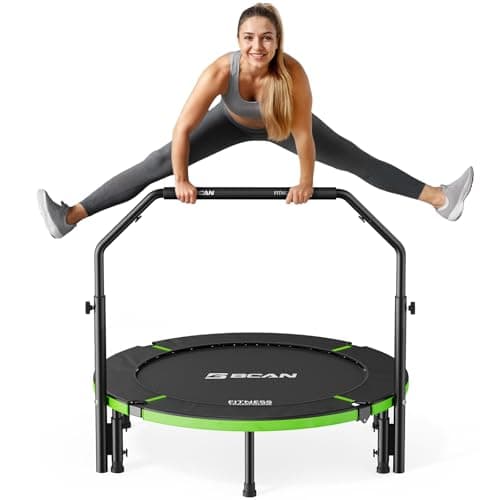
An honest BCAN 102cm rebounder review covering the 32-spring bounce, 150kg limit, adjustable handle, folding legs, noise and whether the calorie claims stack up.
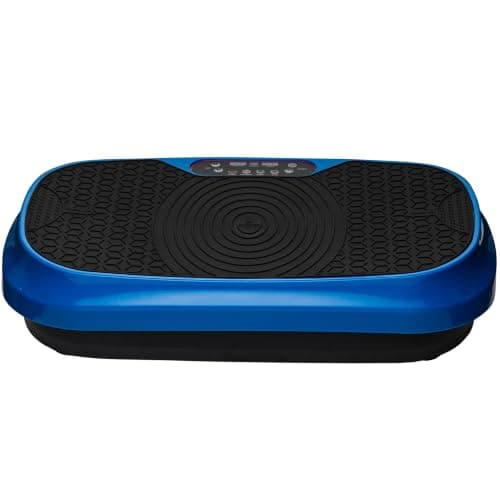
An honest LifePro Waver Mini vibration plate review covering the 200W motor, 99 speeds, 10kg build, band kit and what the research really says about vibration and fat loss.
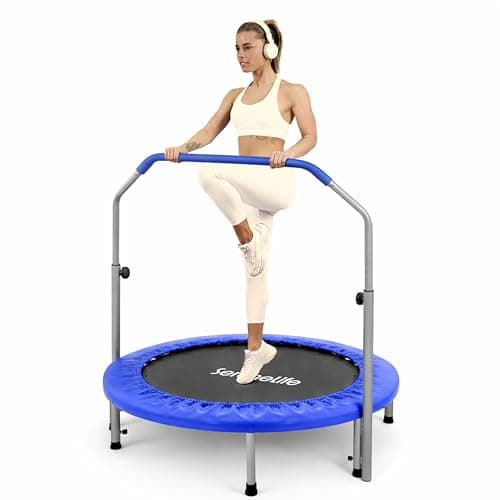
An honest SereneLife 102cm foldable trampoline review covering the 100kg limit, five-position handle, folding frame and carry bag, plus who should spend more.
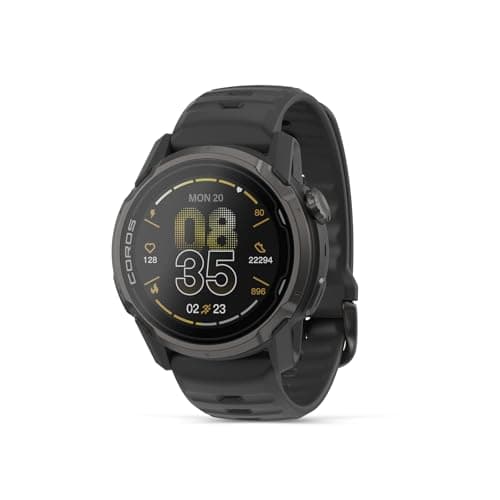
An honest COROS APEX 4 (42mm) review covering the MIP screen, 41 hour GPS battery, offline maps, ECG, speaker and voice notes, plus who should buy it and who should not.
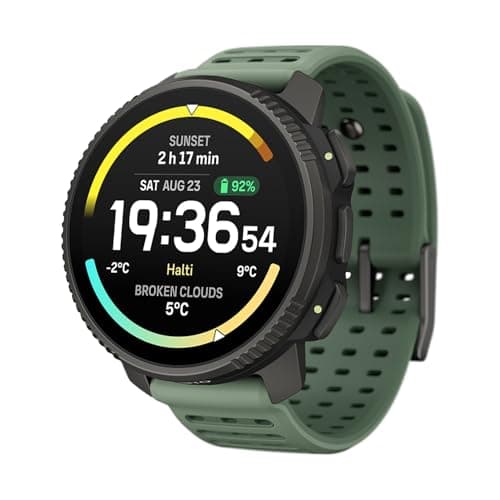
An honest Suunto Vertical 2 review covering the 2,000 nit AMOLED screen, 65 hour dual band GPS, the new flashlight, maps and the software niggles, plus who should buy it.
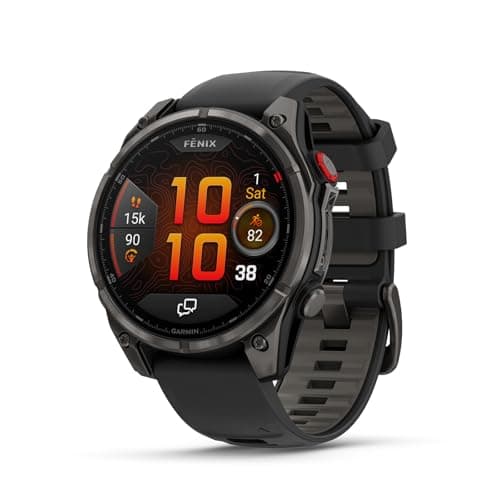
An honest Garmin fenix 8 Pro (47mm AMOLED) review covering inReach satellite messaging, LTE calls, the 15 day battery, the 40m dive rating and the subscription you cannot avoid.
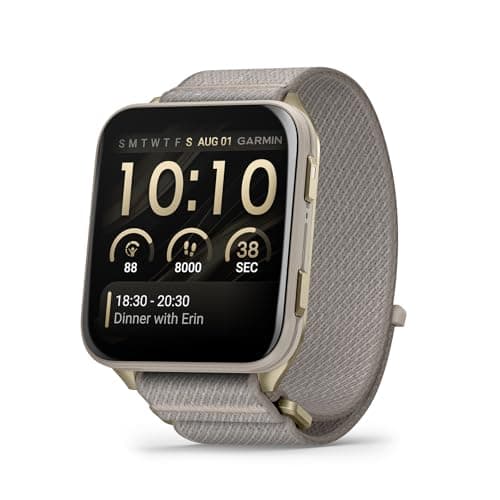
An honest Garmin Venu X1 review covering the 2in AMOLED screen, 8mm titanium-backed case, 34g weight, 8 day battery, the missing ECG and whether £599.99 makes sense.
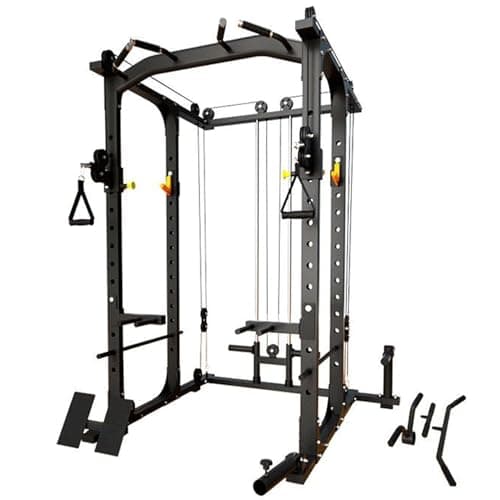
An honest review of the Modern Fitness multi-function power squat rack with dual pulley cable crossover: 1000kg frame rating, real dimensions, the ceiling height problem and what you still have to buy.
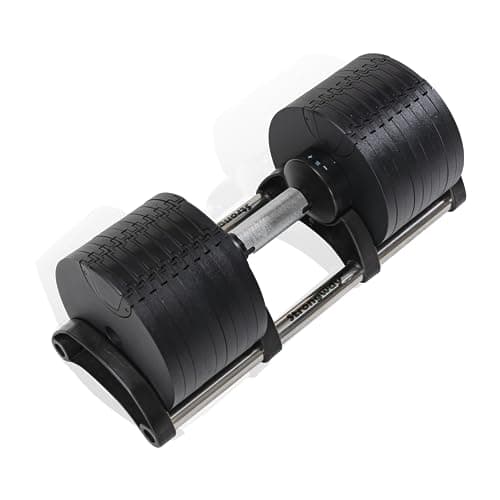
An honest review of the Strongway 32kg adjustable dumbbell pair: nine weight settings, the silicone-coated plates, the 4kg jumps that annoy beginners and the listing trap to watch for.
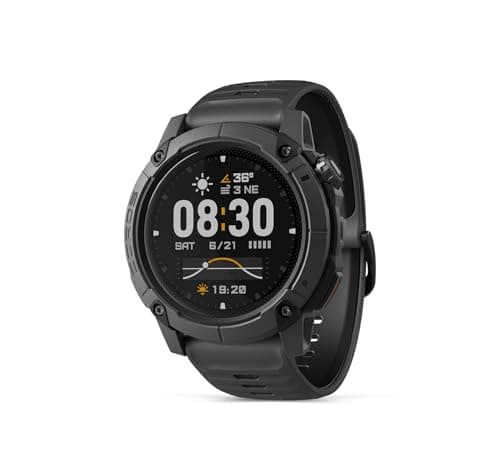
An honest COROS NOMAD review covering the 1.3 inch MIP touchscreen, 22 day battery, free offline topo maps, the voice-note adventure journal and the missing torch.
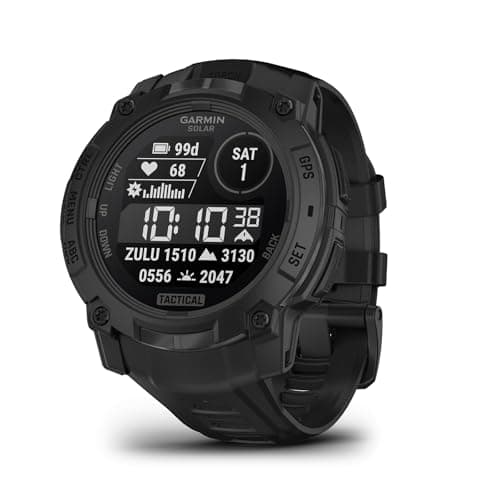
An honest Garmin Instinct 3 Tactical Edition review covering solar battery life, stealth mode, night vision compatibility, the green torch, and whether civilians should buy it.
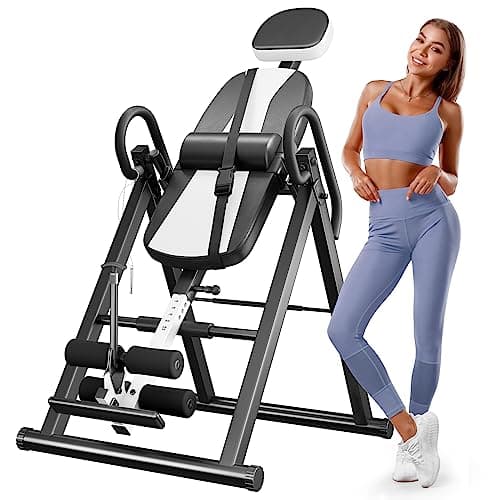
The best inversion tables in the UK for 2026, compared on weight capacity, height range, ankle locks and build. Honest picks from budget frames to the FDA-registered Teeter.
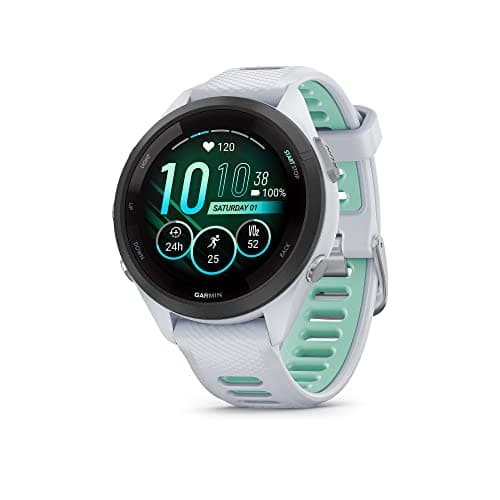
An honest Garmin Forerunner 265S review covering the 42mm case, AMOLED screen, dual-frequency GPS, training readiness and the real battery life, plus who should buy it.
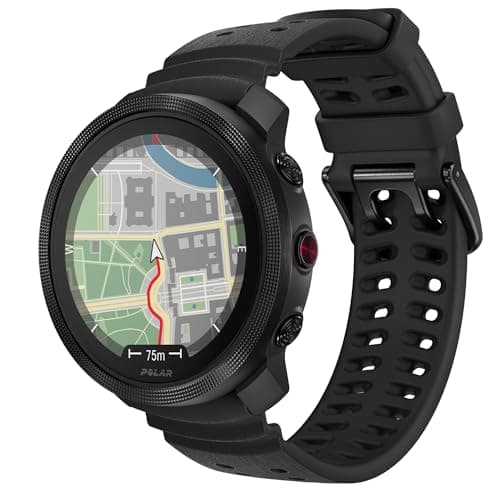
An honest Polar Vantage M3 review covering the AMOLED screen, dual-frequency GPS, offline komoot maps, wrist ECG and 7-day battery, plus where Polar still trails Garmin.
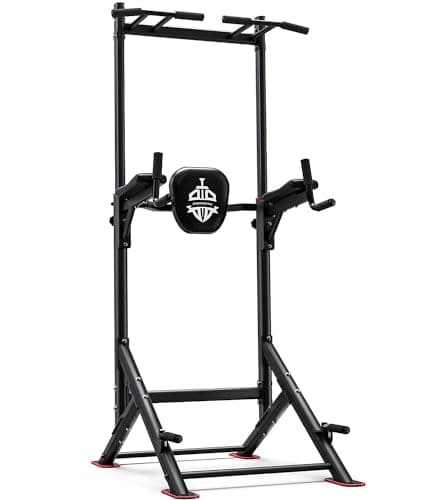
An honest Sportsroyals Power Tower review covering the pull up and dip stations, the load rating confusion, ceiling height you need and whether it beats a wall mounted bar.
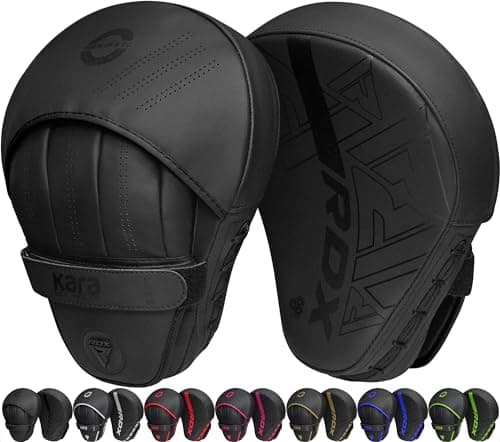
The best boxing pads in the UK for 2026. Focus mitts and hook and jab pads for home training, coaching and kicks, with honest picks from £12 to £50.
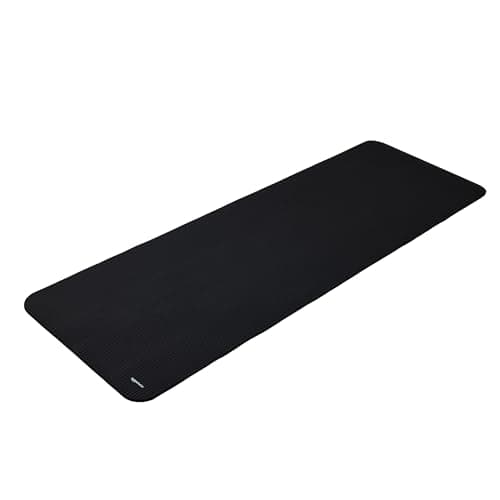
The best exercise mats in the UK for 2026. Thick NBR and TPE mats for HIIT, core work and home workouts, compared on cushioning, grip, size and price.
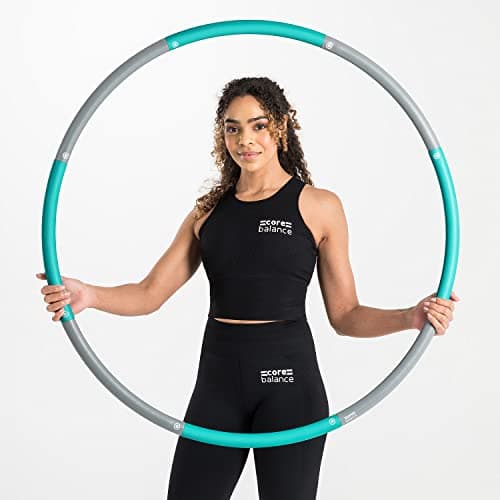
The best weighted hula hoops in the UK for 2026, from no-drop smart infinity hoops to padded spinning hoops with adjustable weight. Honest picks for waist training and cardio at home.
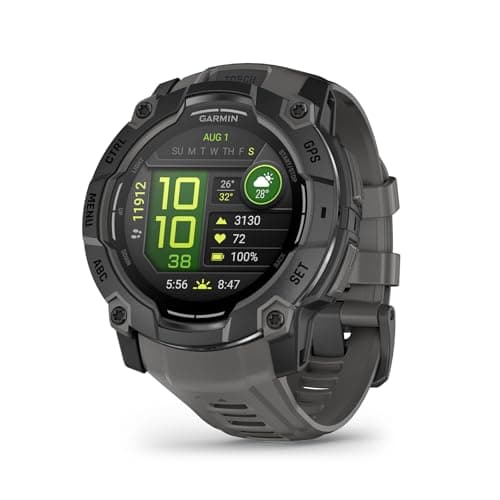
An honest Garmin Instinct 3 AMOLED 50mm review covering the 24 day battery, the LED torch, multi-band GPS, the missing maps and music, and whether to buy the Solar instead.
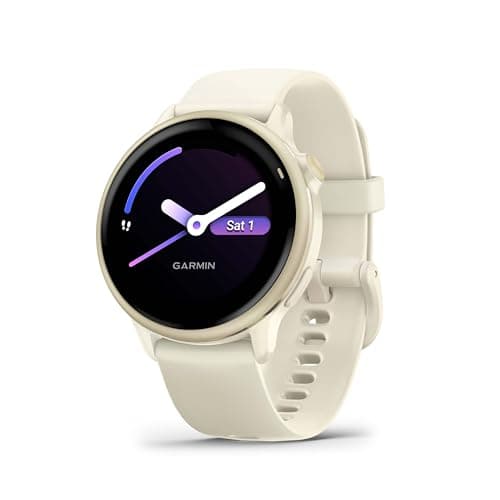
An honest Garmin vivoactive 6 review covering the 11 day battery, 8GB of music storage, 80 plus sport apps, and the barometric altimeter and multi-band GPS it leaves out.
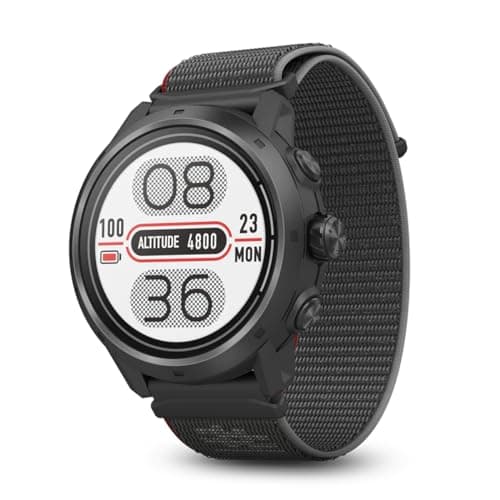
An honest COROS APEX 2 Pro review covering the 66-hour GPS battery, dual-frequency accuracy, sapphire and titanium build, offline maps and who should buy it instead of a Garmin.
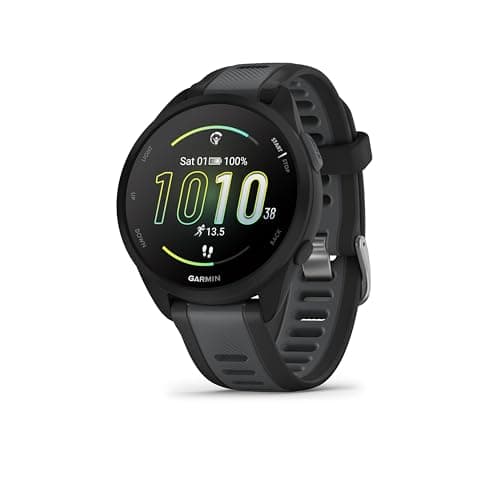
An honest Garmin Forerunner 165 Music review covering the AMOLED screen, 11-day battery, music storage, what Garmin left out compared with the 265, and who should buy it.
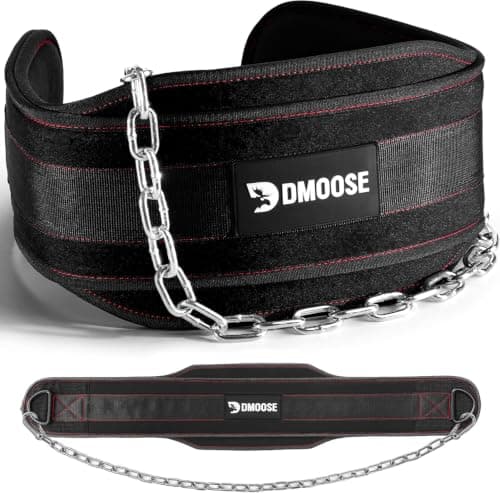
The best dip belts on Amazon UK for 2026, compared on padding, chain length and load rating. Honest picks for weighted dips, pull ups and chin ups at every budget.
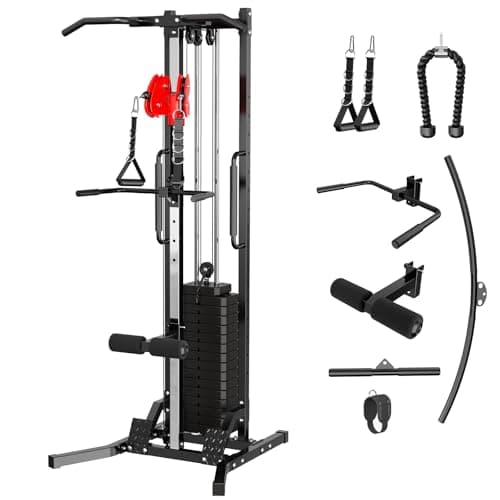
An honest JX FITNESS Cable Crossover Machine review covering the 70kg dual stacks, 16 pulley heights, the 224cm ceiling problem, assembly across four boxes and real value.
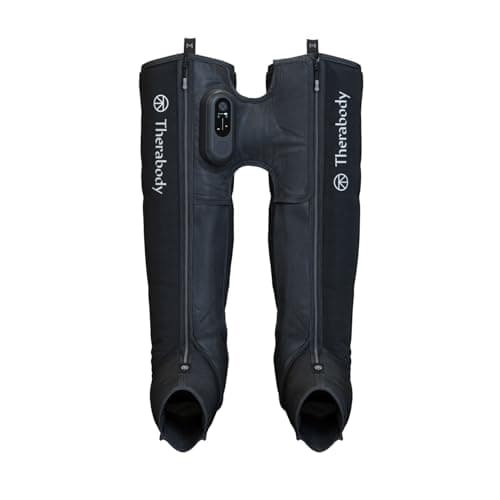
An honest Therabody JetBoots Prime review covering the wireless design, 4 TruGrade chambers, 3 hour battery, packability and the honest limits of compression recovery.
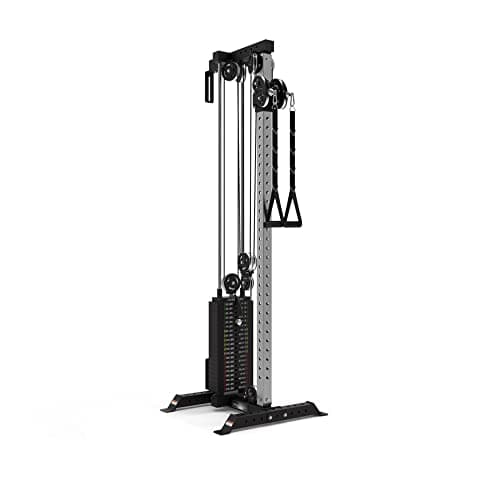
An honest Bells of Steel Cable Tower review covering the 210lb stack, the 2:1 pulley ratio most buyers misjudge, the 30-plus height settings and who it actually suits.
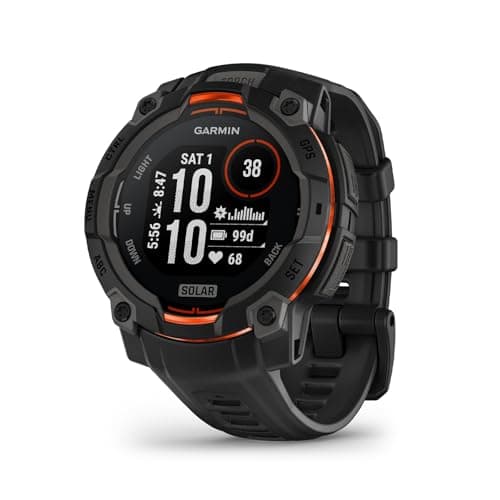
An honest Garmin Instinct 3 Solar review covering the 28 day battery, the solar claim, the new LED torch, multi-band GPS and who should buy it over a Forerunner.
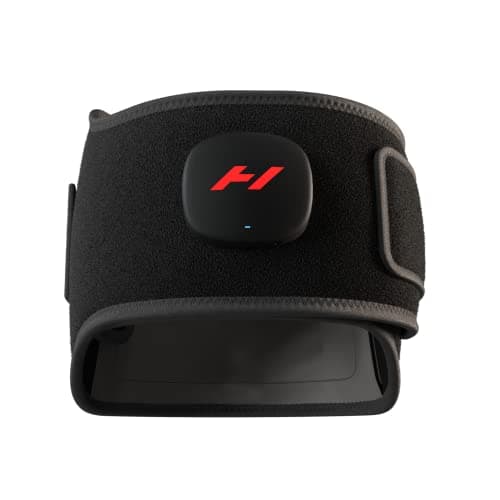
An honest Hyperice Venom 2 Back review covering the three heat levels, vibration patterns, 3 hour battery and app control, plus whether it beats a hot water bottle.
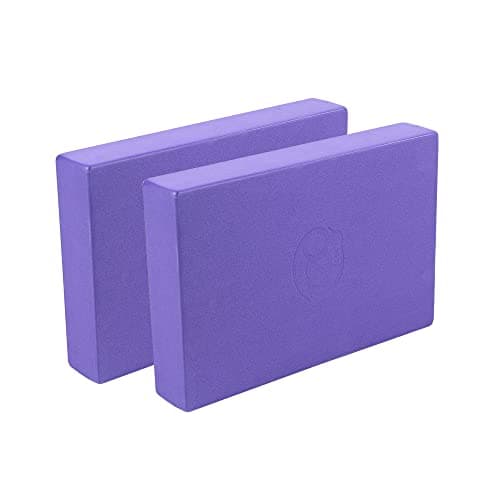
The best yoga blocks in the UK for 2026. Foam versus cork, the sizes that matter, and five picks from budget EVA bricks to FSC-certified cork, all on Amazon UK.
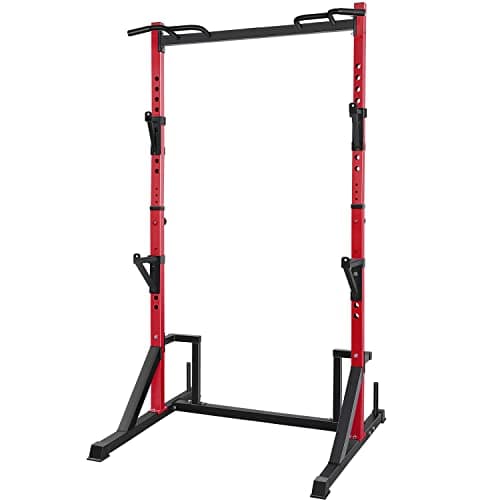
A CANPA power rack review covering its 800lb rating, 2 inch steel frame, 17-hole J-hooks, pull up bar and plate storage, plus what it gets wrong versus a commercial cage.
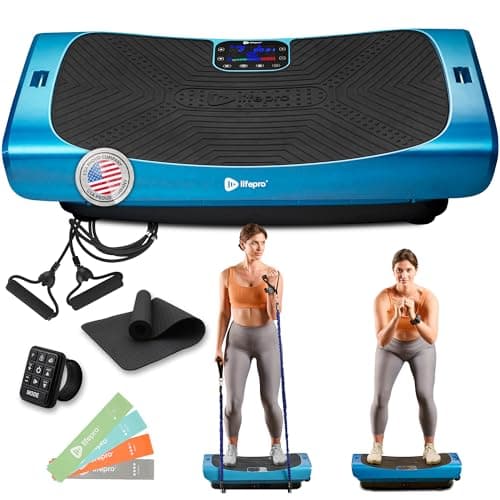
A LifePro Rumblex 4D Pro review covering its triple motor 4D vibration, wide platform, build, accessories and noise, plus what whole body vibration research really shows.
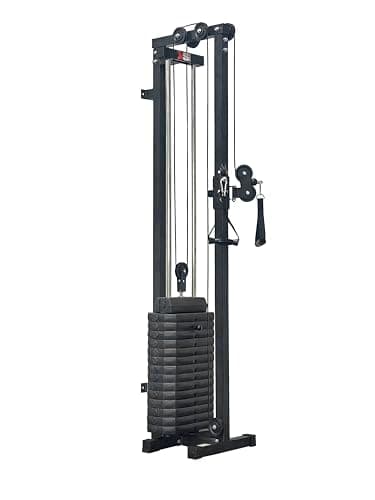
An XS Sports Cable Pulley Crossover Machine review covering its 68kg plate stack, dual adjustable pulleys, wall fixing requirements and who this space-saving trainer suits.
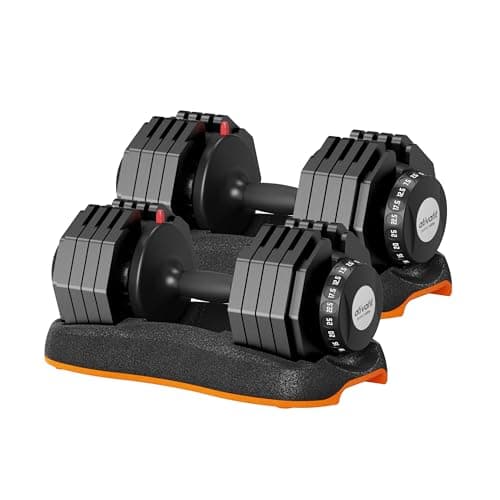
An honest ATIVAFIT adjustable dumbbells review covering the 2 to 25kg dial system, build quality, the 2.5kg jumps, who it suits and where it falls short of Bowflex and NUOBELL.
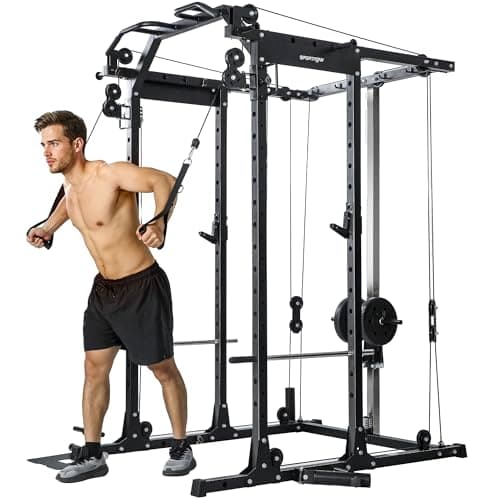
An honest review of the SPORTNOW 300kg cable crossover machine and power cage: dual pulleys, lat pulldown, landmine and T-bar, plate loaded. What it does well and what it costs you.
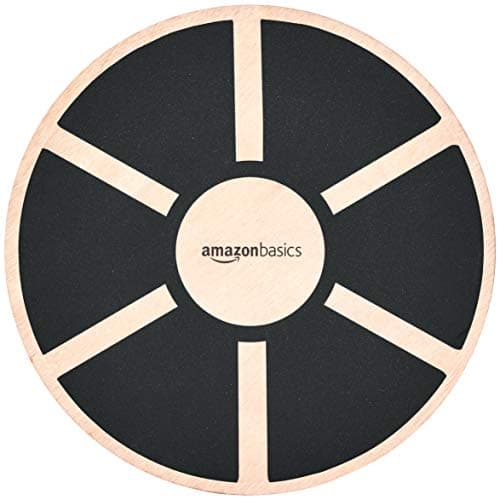
The best balance boards in the UK for 2026. Wobble boards for ankle rehab, rocker boards for standing desks and roller boards for real balance training, compared.
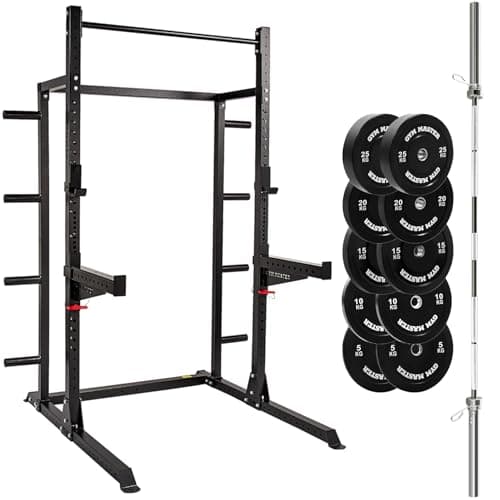
An honest GYM MASTER GM2 half power rack review covering the 350kg frame, 36 height levels, the included barbell and 150kg of bumper plates, and who should skip it.
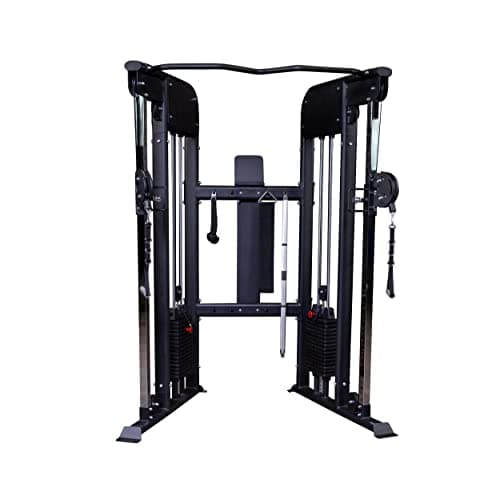
An honest Body-Solid GFT100 functional trainer review covering the dual 160lb stacks, 2:1 ratio, 11 gauge frame, chinning bar and 287kg footprint, plus who should not buy it.
An honest DKN Studio 7400 multi gym review covering the 80kg stack, double pulley, chest and butterfly stations, preacher pad and leg developer, plus the assembly nobody warns you about.
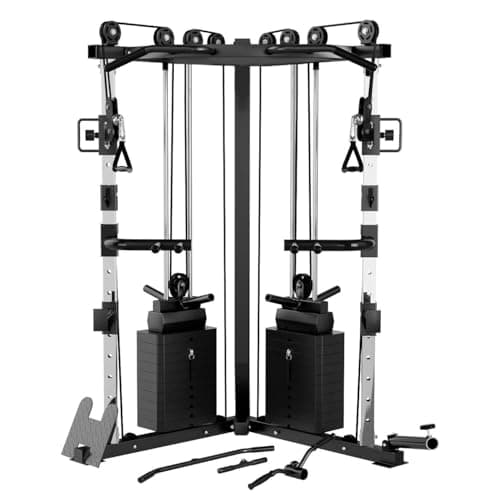
An honest Strongway Cable Crossover review covering the dual 88.5kg stacks, the integrated rack and pull up bar, the ceiling height you need and who it suits.
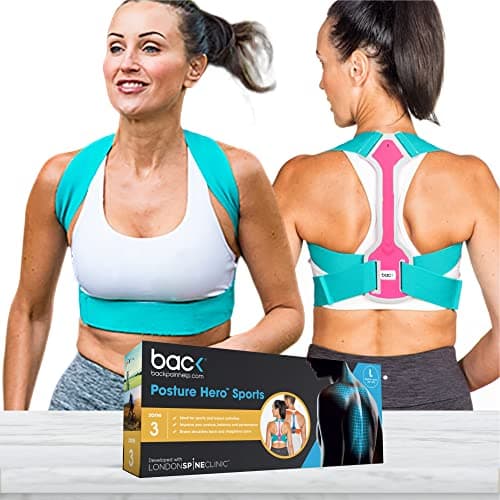
The best posture correctors in the UK for 2026, tested against owner reviews and the evidence. Honest picks, real cons, and the exercises that actually fix posture.
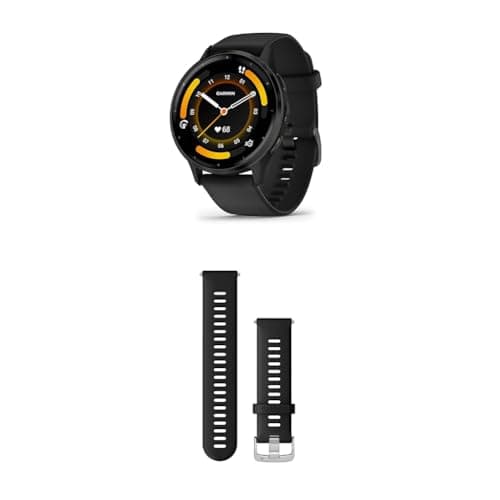
An honest Garmin Venu 3 review covering the 45mm AMOLED screen, 14 day battery, Bluetooth calling, Sleep Coach and rep counting, plus whether a Forerunner suits you better.
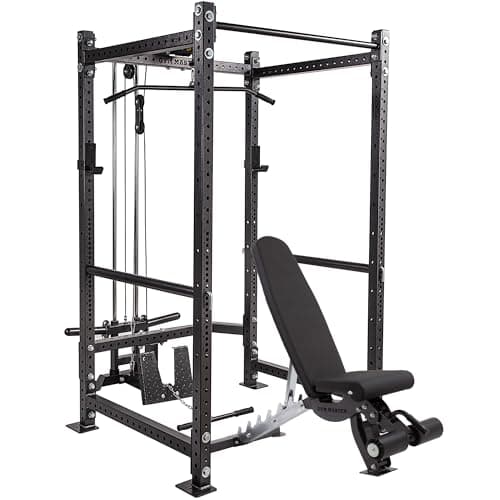
An honest GYM MASTER GM3 power rack review covering the 11-gauge steel build, 180kg cable system, included FID bench, the bolt-down requirement and who should skip it.
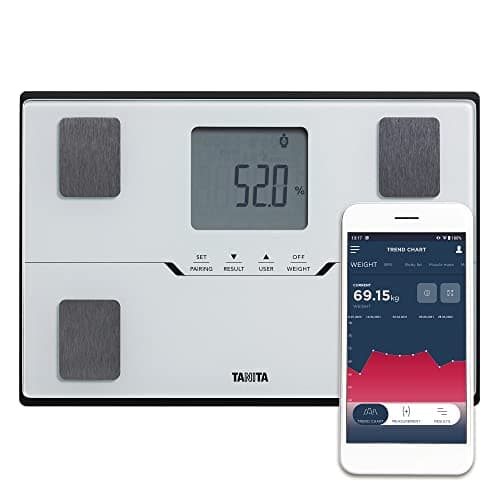
The best smart scales in the UK for 2026, from Tanita's four-electrode models to cheap Bluetooth trackers. What the body fat numbers mean and which scales are worth buying.
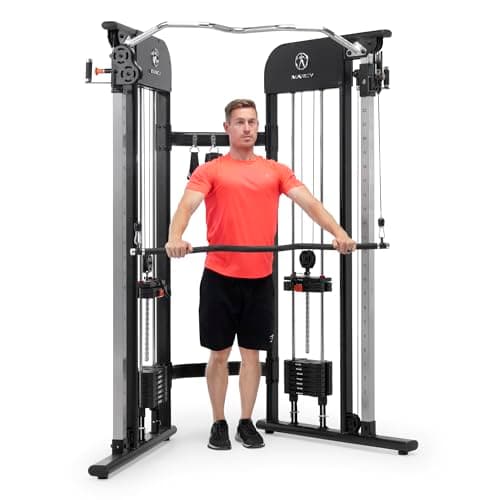
An honest Marcy MFT-942 functional trainer review covering the dual 45kg stacks, the 2:1 pulley ratio that halves the load, 24 micro-adjustments, kerbside delivery and who should actually buy it.
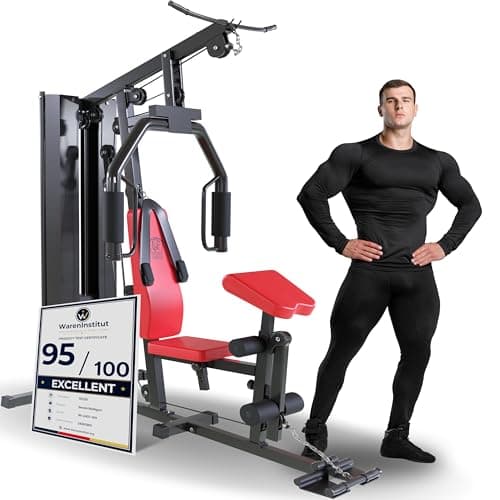
An honest Senshi Japan Multi Gym review covering its 90kg weight stack, lat pulldown, pec deck and cable stations, build, footprint and value, plus who should buy it.
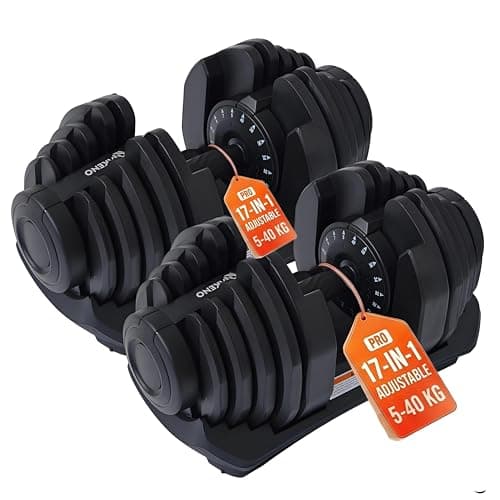
An honest HAKENO 15 in 1 adjustable dumbbells review: two 24kg dumbbells, the dial fast-adjust, where the length gets awkward, durability and value vs Bowflex and Nuobell.
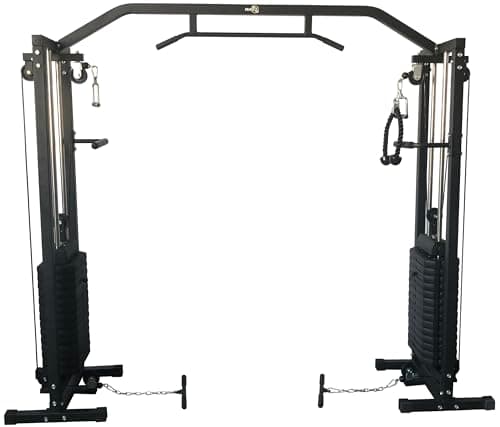
An honest RIP X 180kg Cable Crossover Machine review: the real resistance behind the 180kg figure, pulleys, pull up bar, ceiling height, assembly and value.
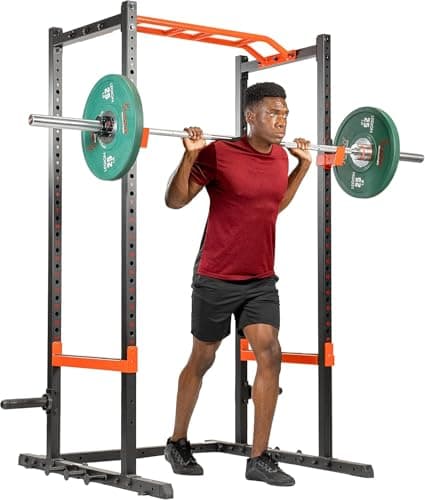
An honest review of the Sunny Health & Fitness Power Zone power cage: 455kg frame rating, safety bars, pull-up bar and whether it belongs in your home gym.
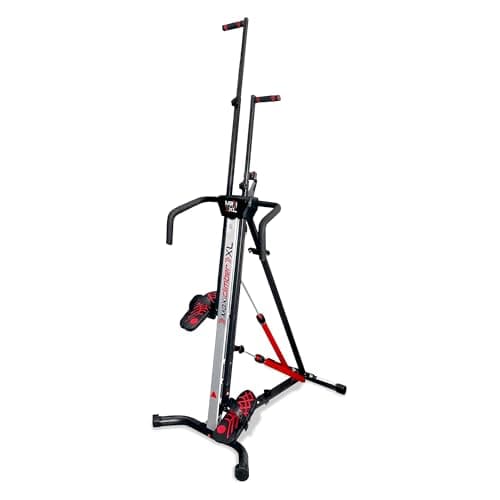
The best vertical climbers in the UK for 2026. Honest picks from the adjustable-resistance MaxiClimber XL-2000 to a budget classic and a 2-in-1 stepper climber.
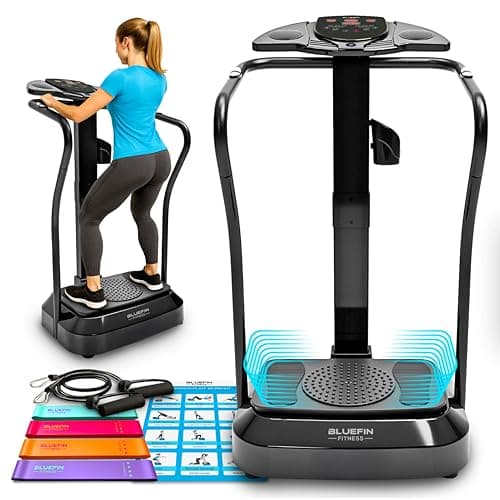
An honest Bluefin Fitness Pro vibration plate review: 180 speed levels, built-in speakers, resistance bands, 150kg capacity, and a clear look at what whole-body vibration can and cannot do.
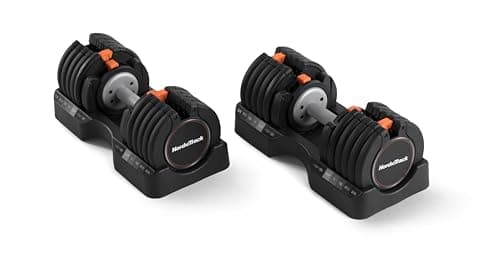
An honest NordicTrack Select-A-Weight 25kg adjustable dumbbell review covering the dial system, build, weight range, value and who should buy this premium pair.
An honest Strongway 177KG multi gym review covering the stations, weight, build quality, assembly, footprint and value, plus who this all-in-one home gym suits and who it does not.
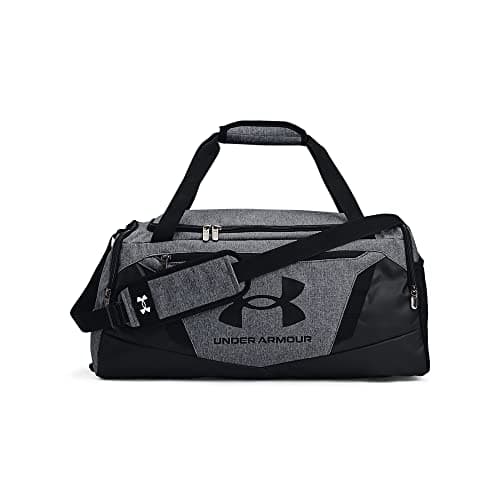
The best gym bags in the UK for 2026, from the Under Armour Undeniable 5.0 to budget duffles with wet pockets and shoe compartments. Honest picks for every kit list and budget.
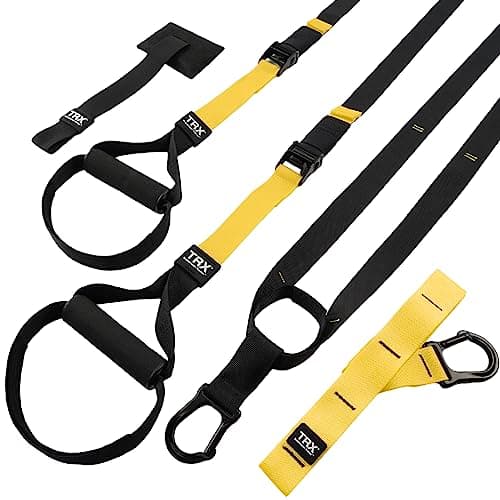
The best suspension trainers in the UK for 2026, from the original TRX to budget sling trainers under £30. Honest picks for home, travel and garage gym training.
An honest GYM MASTER Cable Crossover Machine review covering the 180kg stack, dual adjustable pulleys, pull up bar, assembly, ceiling height and who should buy it.
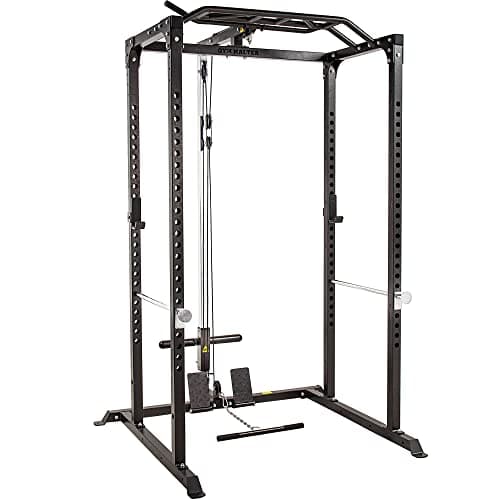
An honest GYM MASTER GM1 Power Rack review covering its build, safety spotters, pull-up bar, optional cable pulley, weight limits and who this budget home cage suits.
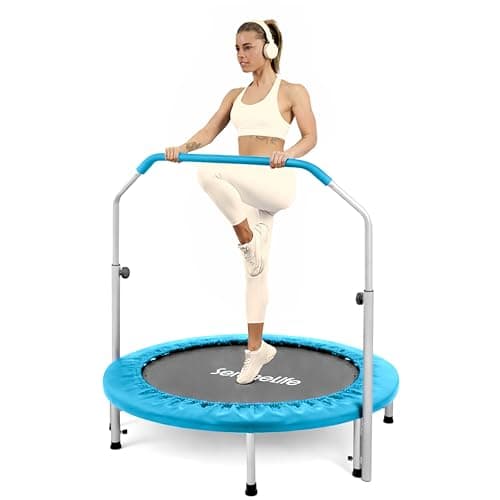
The best rebounders and mini trampolines in the UK for 2026. Bungee and spring models compared on bounce quality, noise, weight limits and value for home workouts.
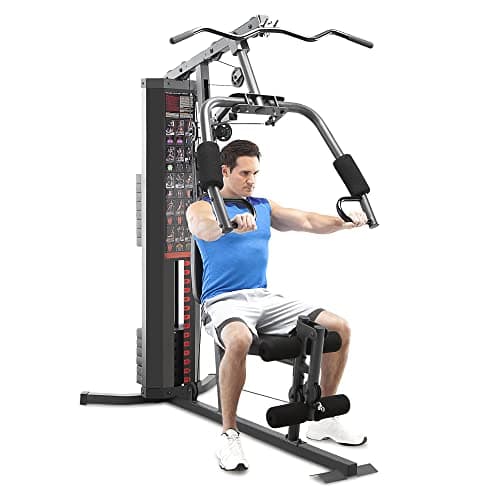
An honest Marcy MWM-990 review covering its 150lb weight stack, press arm, lat pulldown, leg developer and preacher pad, plus who this home gym suits and who it does not.
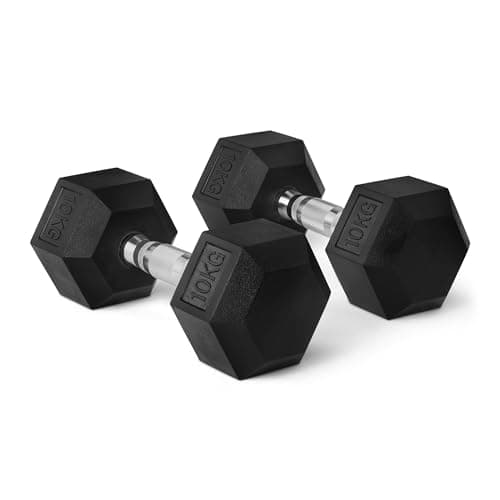
The best hex dumbbells in the UK for 2026. Rubber encased sets, budget pairs and heavy singles for a home gym, with honest picks and buying advice for every budget.
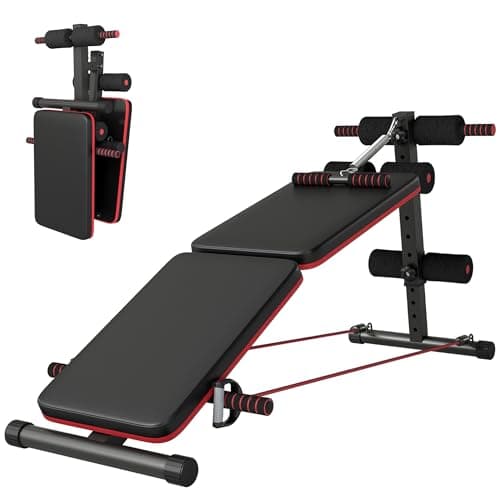
The best sit up benches in the UK for 2026, from folding decline benches to adjustable core stations. Honest picks for home ab training at every budget.
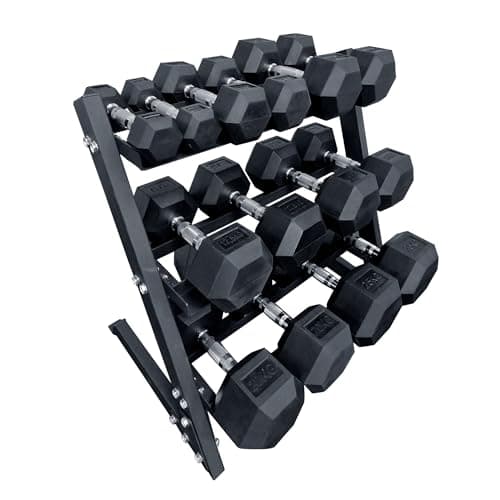
The best dumbbell sets in the UK for 2026, from complete hex sets with a rack to light neoprene sets for toning. Honest picks for home workouts at every budget.
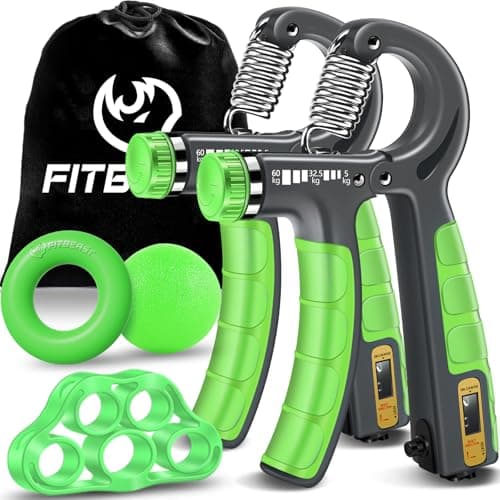
The best grip strengtheners in the UK for 2026, from adjustable hand grippers to fixed Captains of Crush and full training kits. Honest picks for stronger hands and forearms.
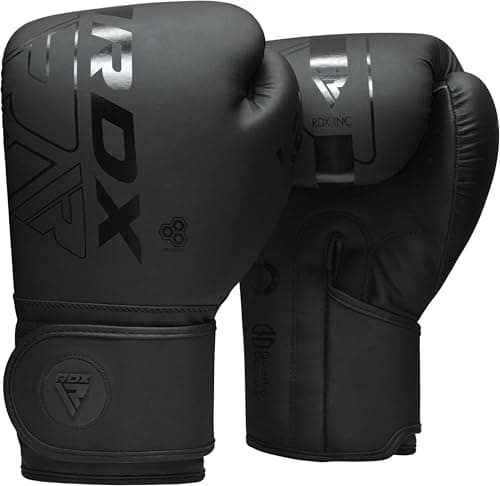
The best boxing gloves in the UK for 2026, from budget bag gloves to premium sparring gloves. Honest picks for training, sparring and beginners, plus how to pick the right size.
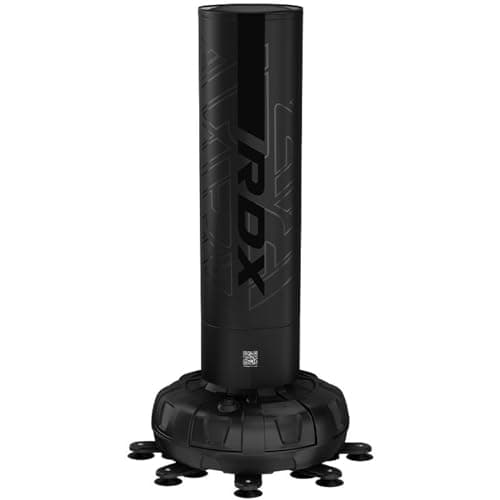
The best punch bags in the UK for 2026, from free standing pedestal bags to hanging heavy bags and kids sets. Honest picks for home boxing at every budget.
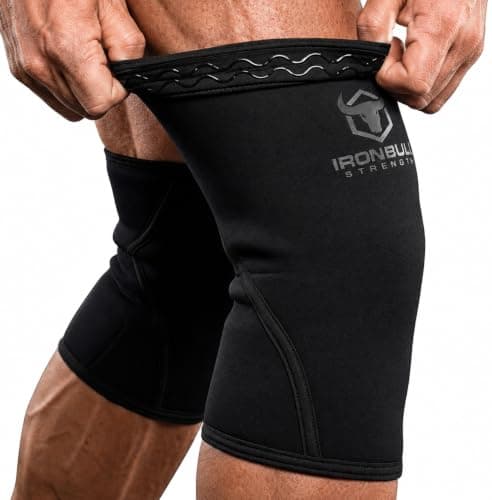
The best knee sleeves in the UK for 2026 for squats, powerlifting and CrossFit. Honest 5mm and 7mm picks at every budget, plus what knee sleeves actually do.
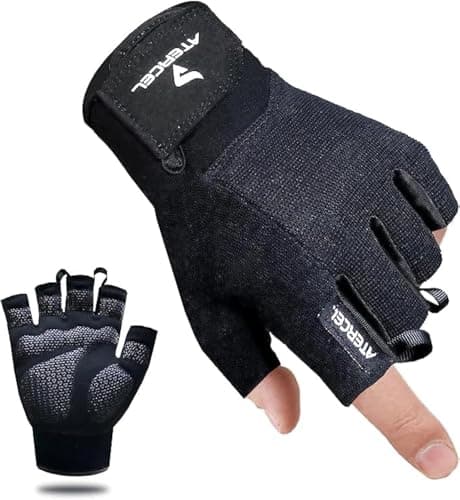
The best gym gloves in the UK for 2026, from full-palm lifting gloves to breathable open-palm designs and options with wrist support. Honest picks for men and women at every budget.
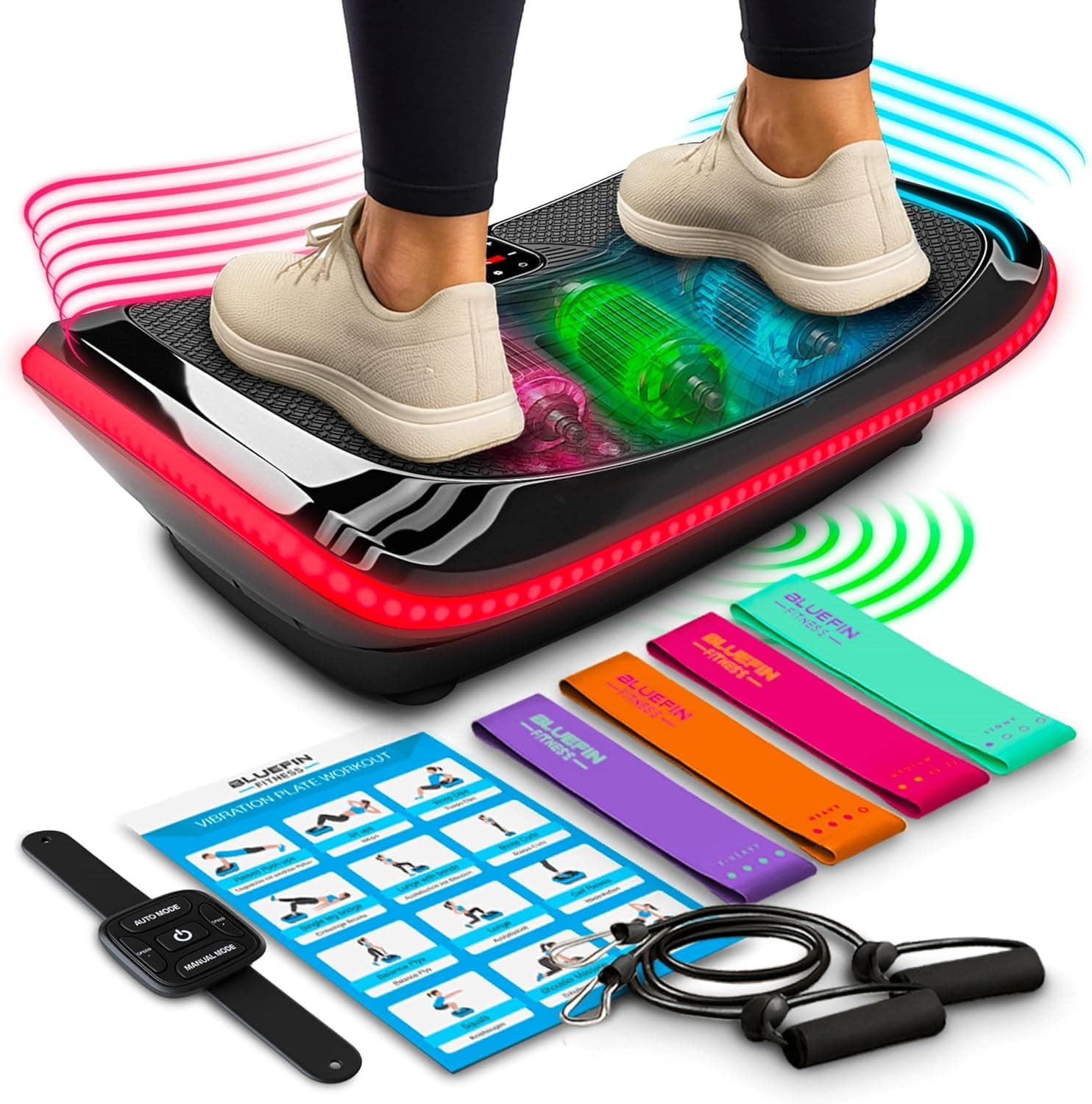
An honest Bluefin 4D vibration plate review covering the triple-motor design, remote, Bluetooth speakers, 150kg limit and the real evidence on vibration training, plus who should buy it.
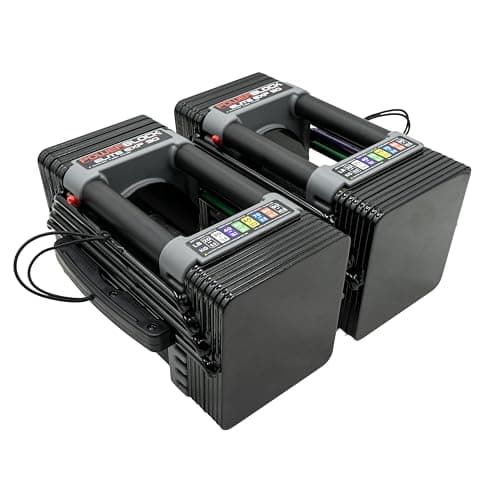
An honest PowerBlock Elite EXP review covering the selector-pin design, 5 to 50lb range, expandability to 90lb, compact footprint and durability, plus who should buy it and who should not.
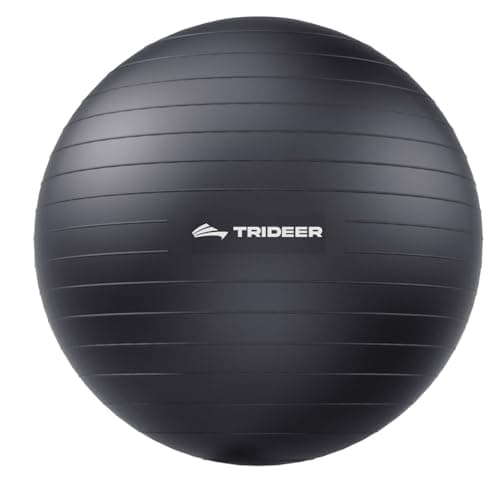
The best exercise balls in the UK for 2026, from budget anti-burst gym balls to heavy-duty stability balls and pregnancy balls. Honest picks for home workouts at every budget.
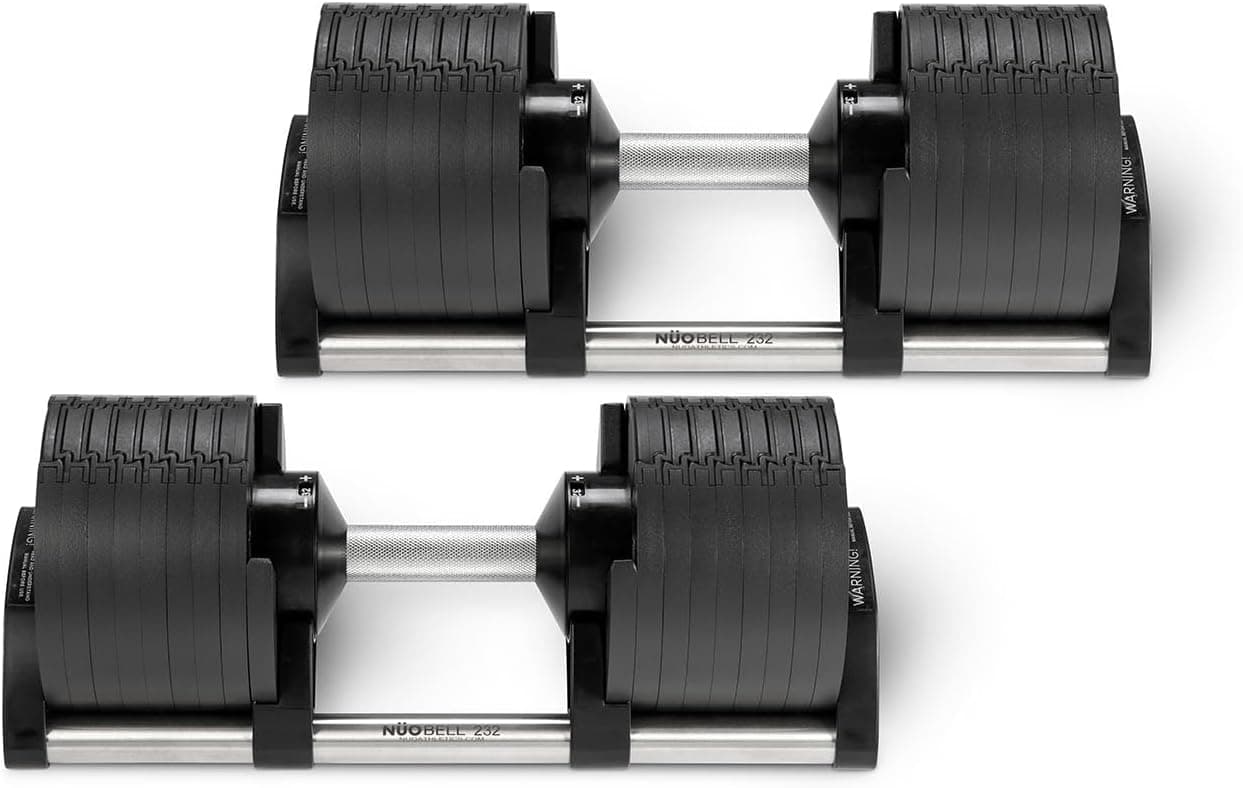
An honest NÜOBELL 2-32kg adjustable dumbbell review covering the twist-handle mechanism, all-metal build, compact size, weight range and value, plus who should buy them.
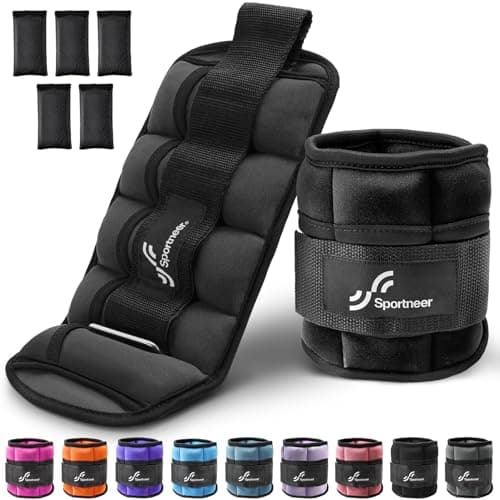
The best ankle weights in the UK for 2026, from adjustable strap sets to Bala Bangles and cheap starter pairs. Honest picks for walking, Pilates and glute work.
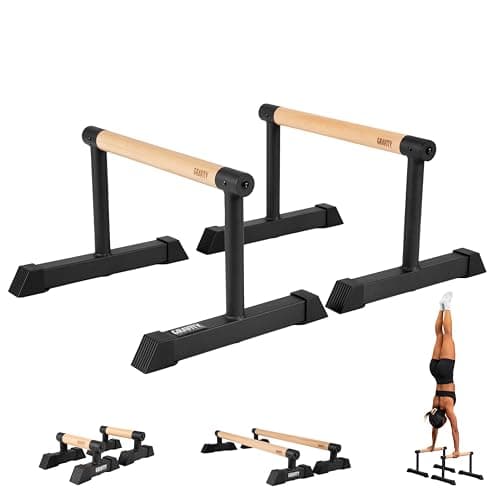
The best parallettes in the UK for 2026 for L-sits, handstands and dips. Low and high, wood and steel picks with verified specs, honestly compared.
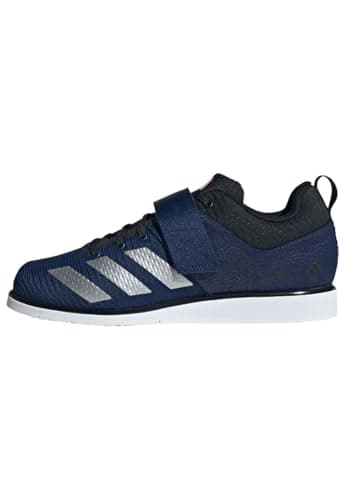
The best weightlifting shoes in the UK for 2026, from heeled squat shoes to flat deadlift trainers and CrossFit all-rounders. Honest picks at every budget.
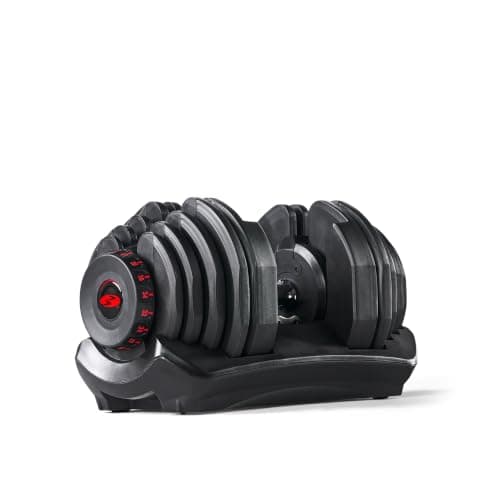
An honest Bowflex SelectTech 1090 review: 17 settings from 4kg to 41kg per dumbbell, the dial system, the drop problem, 1090 vs 552 and whether it is worth it.
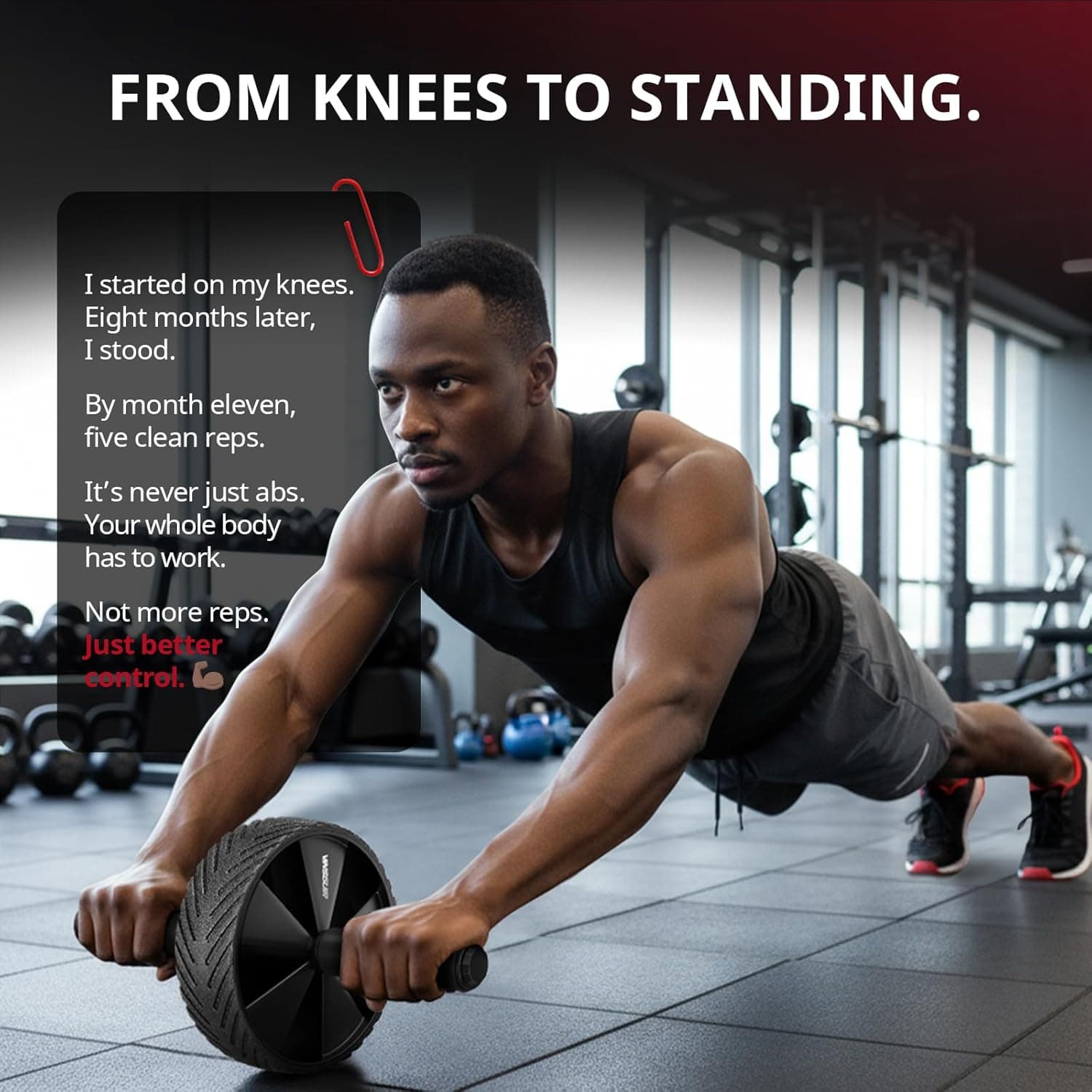
The best ab rollers in the UK for 2026, from cheap single wheels to wide dual-wheel and auto-rebound models. Honest picks for stronger abs at every budget.
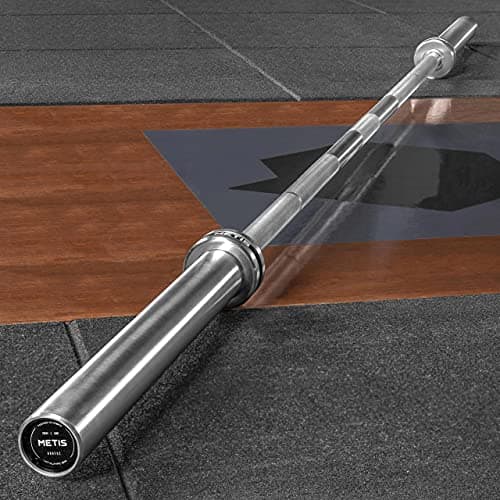
The best barbell picks in the UK for 2026. Olympic 7ft bars (plus a shorter option) compared on knurling, weight rating, sleeve spin and value for home gyms.
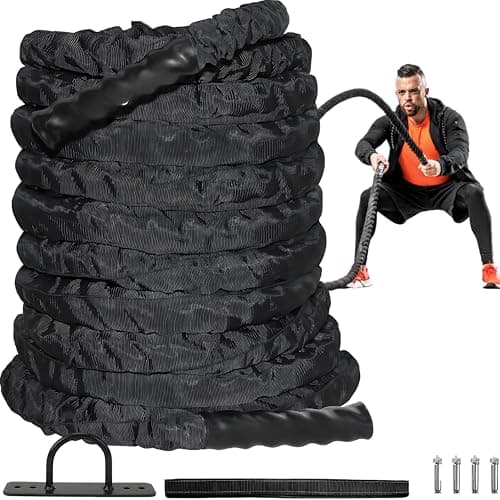
The best battle ropes in the UK for 2026 for HIIT and conditioning. Honest picks across 38mm and 50mm, 9m to 15m lengths, with notes on material, anchors and sleeves.
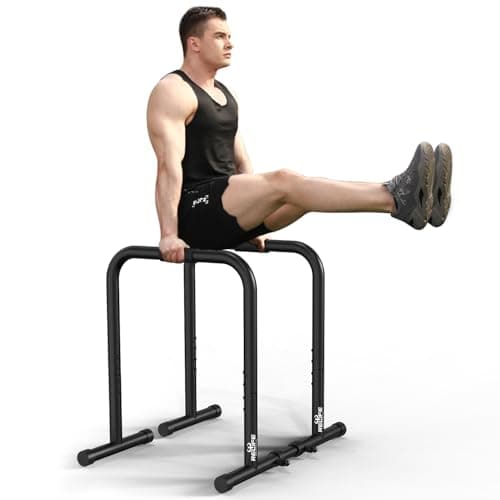
The best dip station and dip bars in the UK for 2026, from budget parallel bars to heavy-duty stations for dips, L-sits and push ups. Honest picks at every budget.
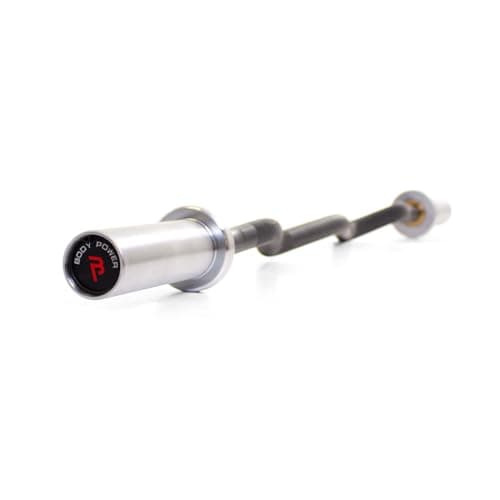
The best EZ bar picks in the UK for 2026, from budget Olympic curl bars to premium and tricep/Swiss bars. Honest help on bar weight, knurling, sleeve fit and collars.
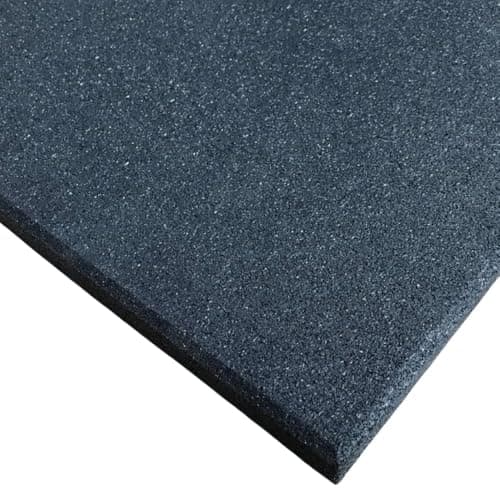
The best gym flooring in the UK for 2026, from interlocking rubber tiles to EVA foam mats and heavy duty rolls. Honest picks to protect floors, dampen noise and lift safely at every budget.
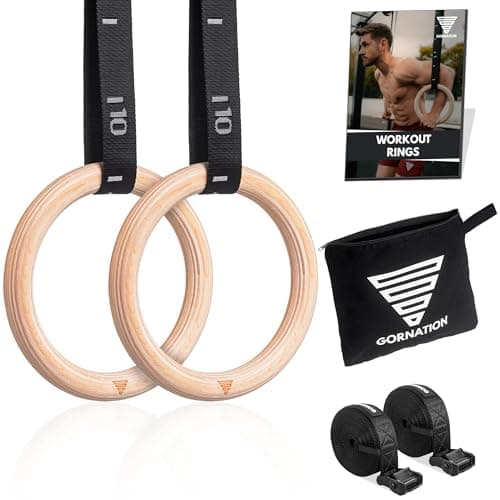
The best gymnastic rings in the UK for 2026 for calisthenics, from premium birch wood to budget plastic. Honest picks on grip, straps, weight rating and beginner friendliness.
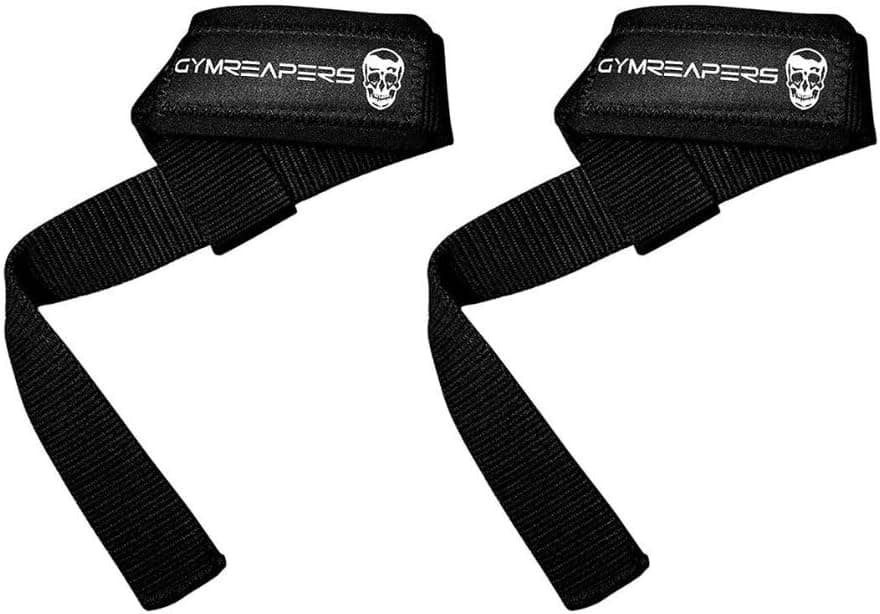
The best lifting straps in the UK for 2026, from padded lasso straps to figure-8 and budget cotton. Honest picks for deadlifts, rows and pulldowns at every budget.
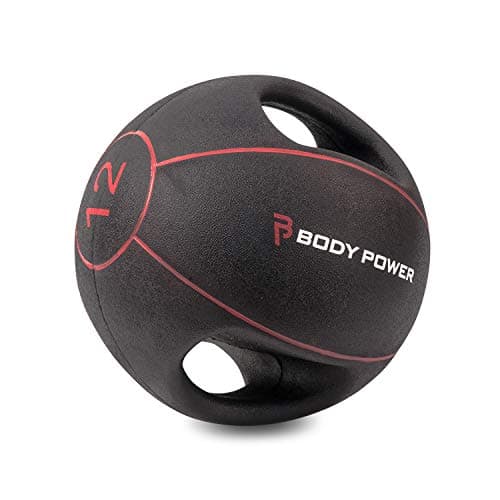
The best medicine balls in the UK for 2026, covering dual-grip, slam and wall balls. Honest picks on bounce, grip, weight options and durability for core and conditioning.
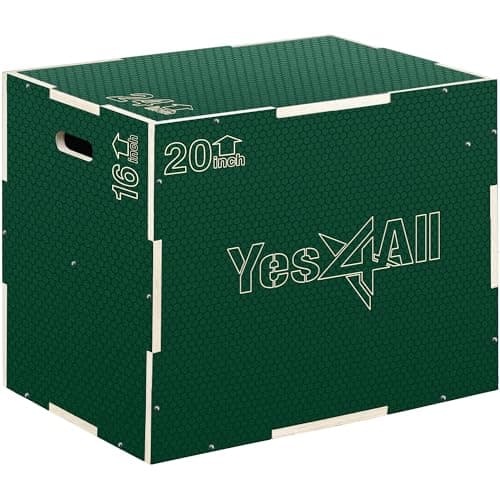
The best plyo box options in the UK for 2026, from 3-in-1 wooden boxes to soft foam and stackable jump boxes. Honest picks for box jumps and step-ups at every budget.
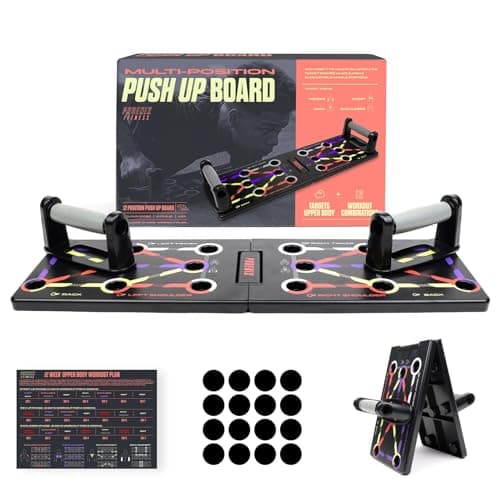
The best push up boards in the UK for 2026. We compare colour-coded press up boards on target zones, build quality, grips, included resistance bands and value.
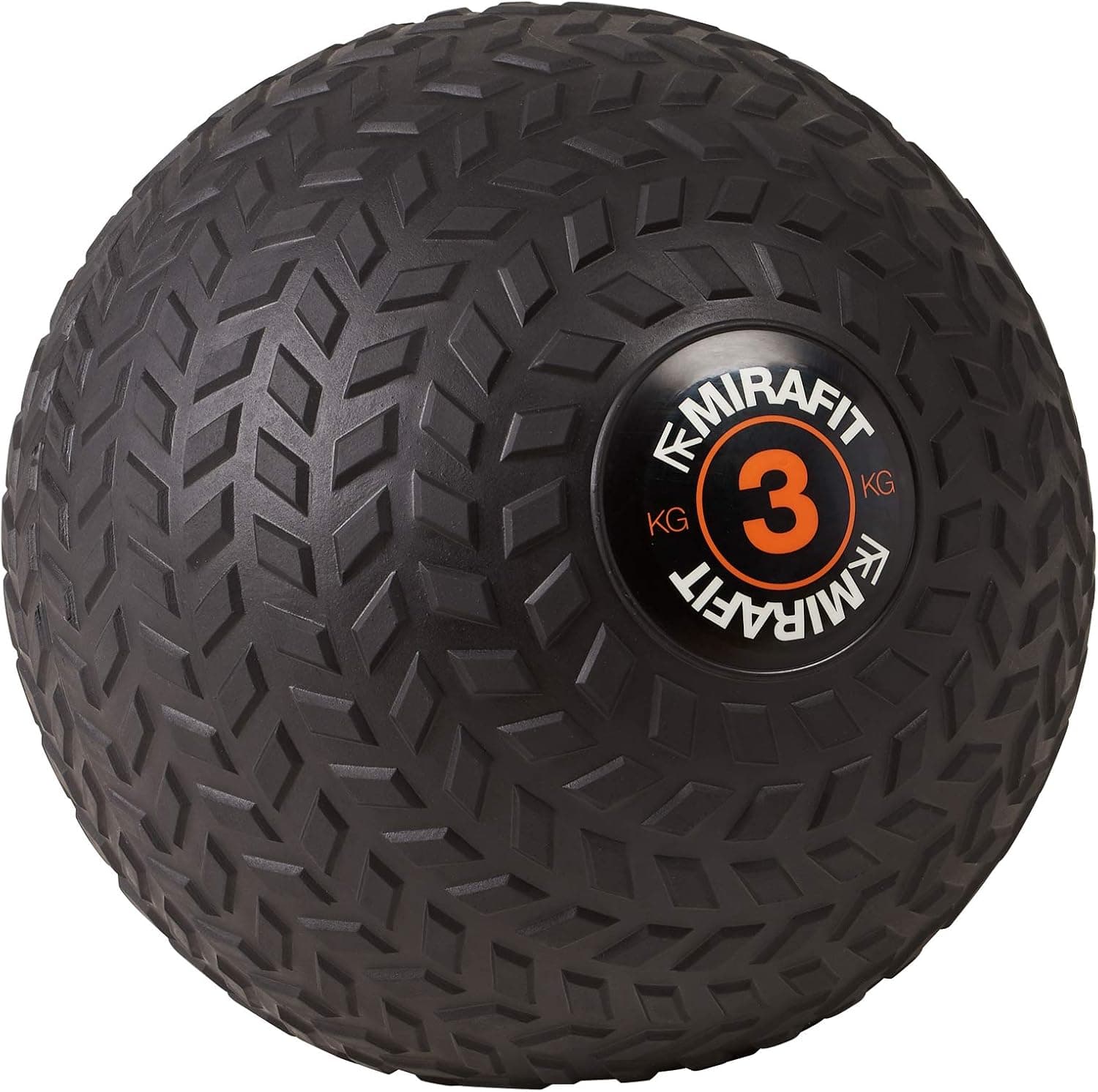
The best slam balls in the UK for 2026. No-bounce, sand-filled dead balls for slams, throws and HIIT, picked across every weight and budget with honest pros and cons.
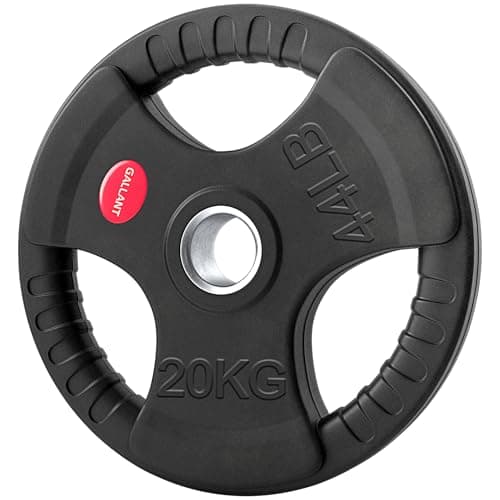
The best weight plates in the UK for 2026, from Olympic bumper plates to rubber tri-grip and cast iron. Honest picks on bore size, accuracy, bounce and floor protection at every budget.
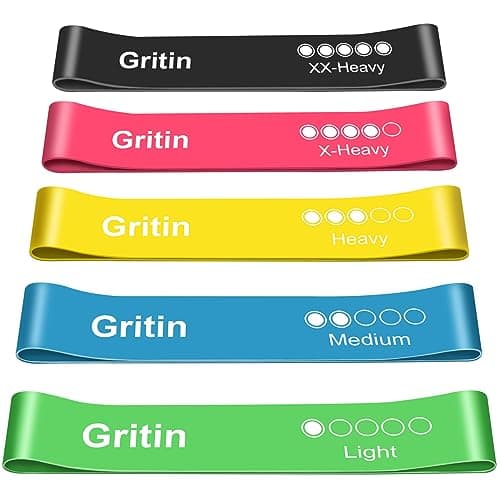
An honest Gritin Resistance Bands review covering the five resistance levels, latex durability and snapping risk, grip, real-world uses for legs, glutes and physio, plus whether the set is worth it.
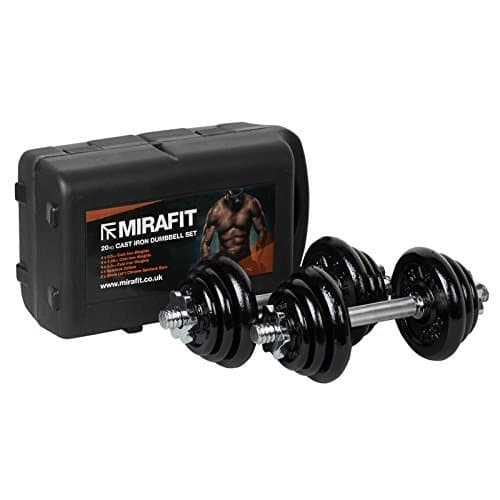
An honest Mirafit Adjustable Dumbbells review covering the spinlock plate system, weight range, knurling, build quality, how quick weight changes really are, and value against selector dumbbells like the Bowflex.
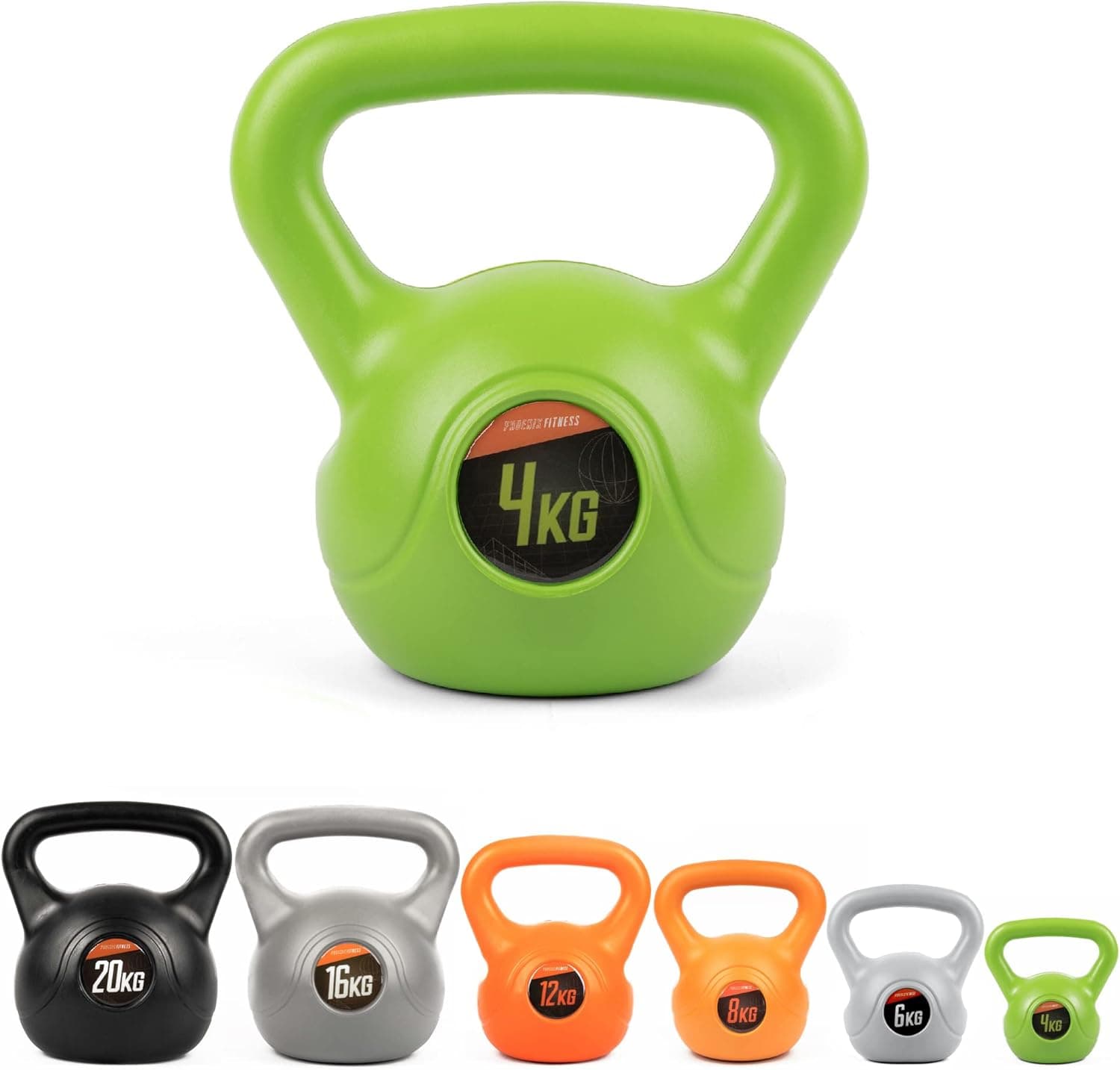
The best kettlebell set picks in the UK, from cast iron and vinyl to adjustable. Honest buying guide covering 20kg kettlebells, sets and the best value weights.
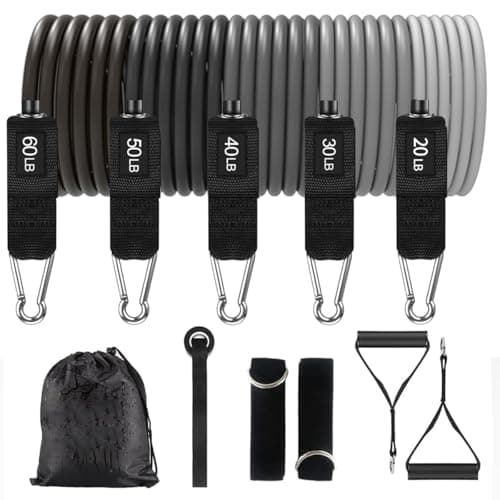
The best resistance bands in the UK for home workouts, from tube bands with handles to fabric glute bands and physio sets. Top picks for every budget.
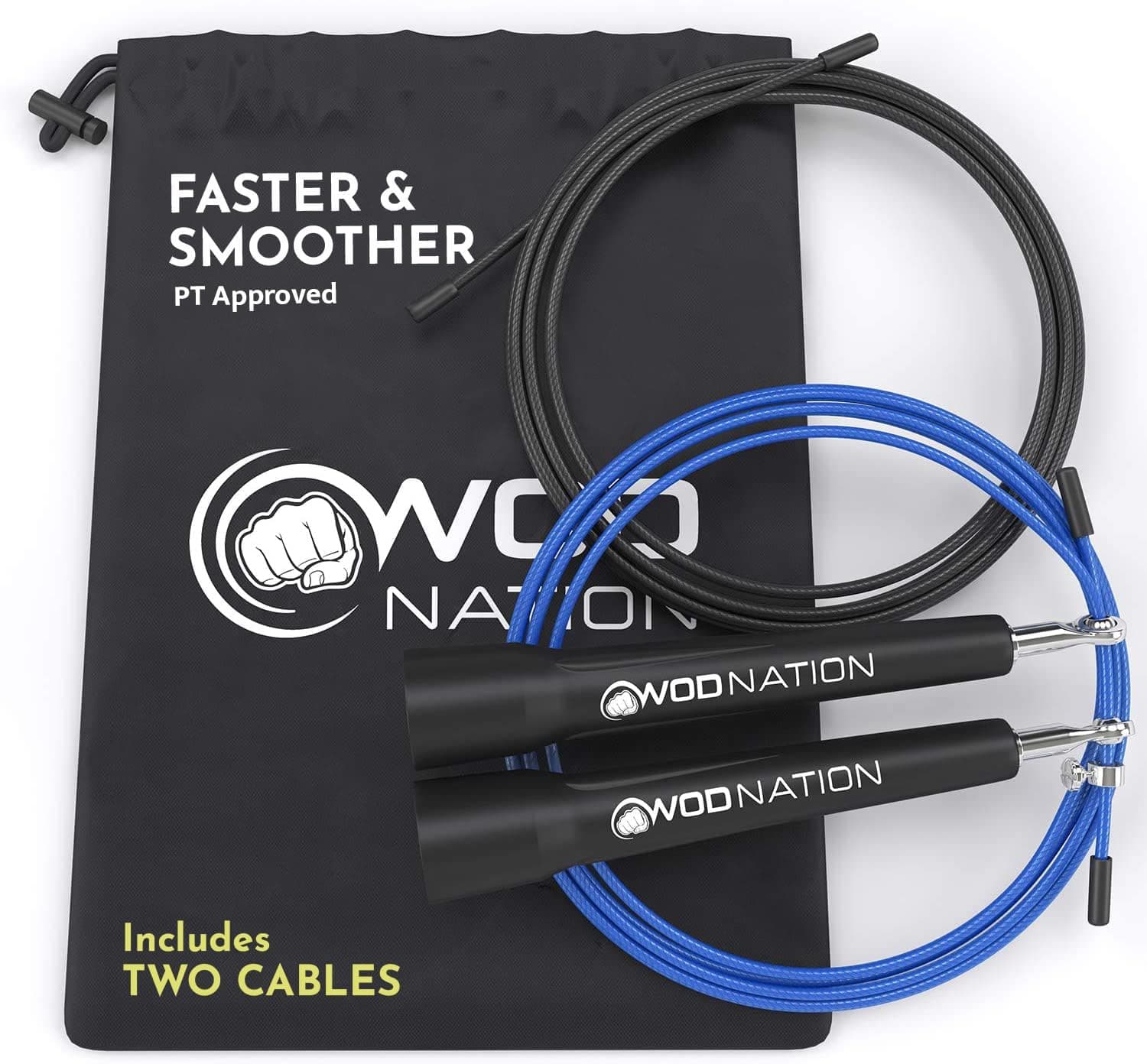
The best skipping rope picks in the UK, from speed and weighted ropes to boxing and cordless options. Specs, prices and owner feedback for every budget.
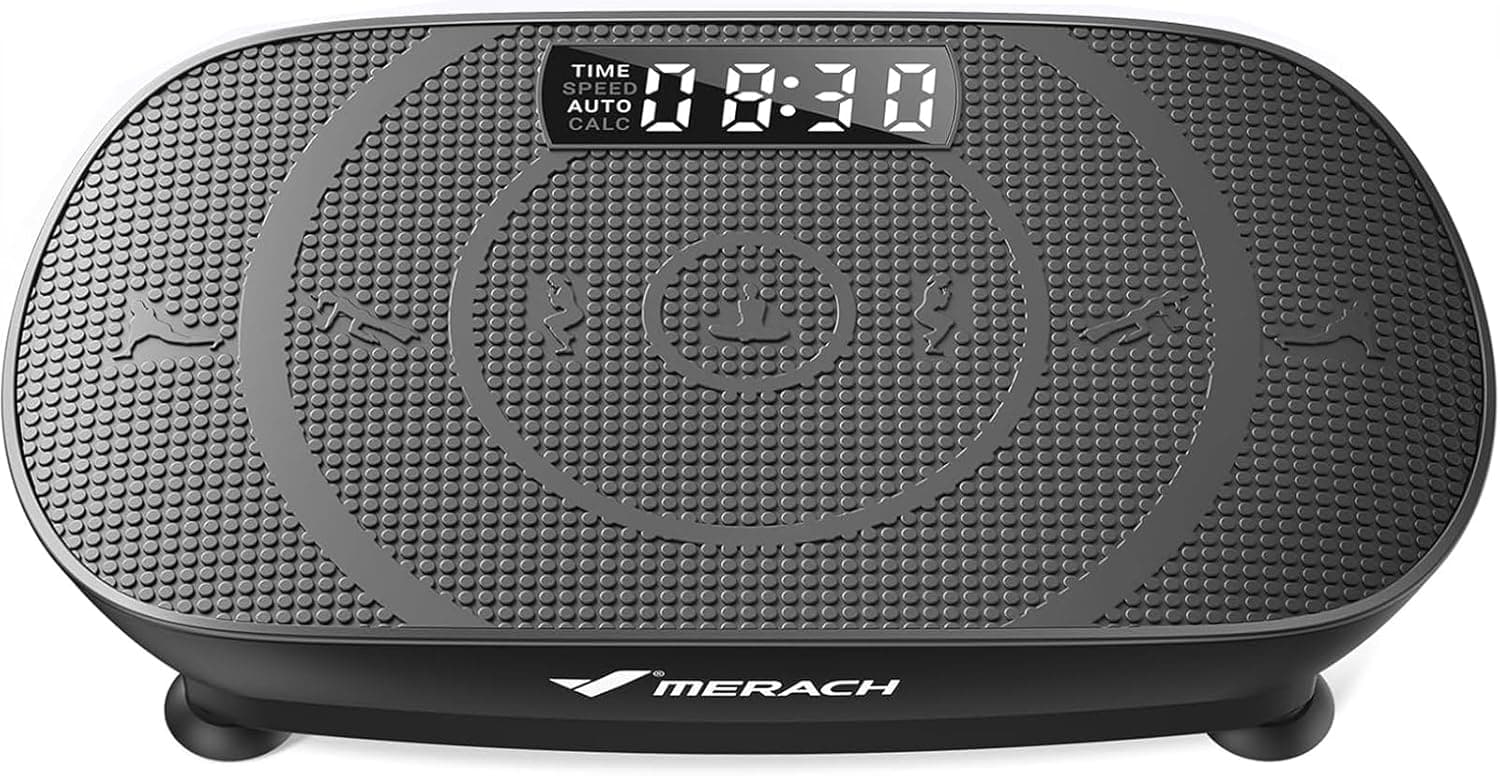
The best vibration plate UK buyers can get for home use and weight loss. Our top picks from budget to premium, with honest specs, prices and owner feedback.
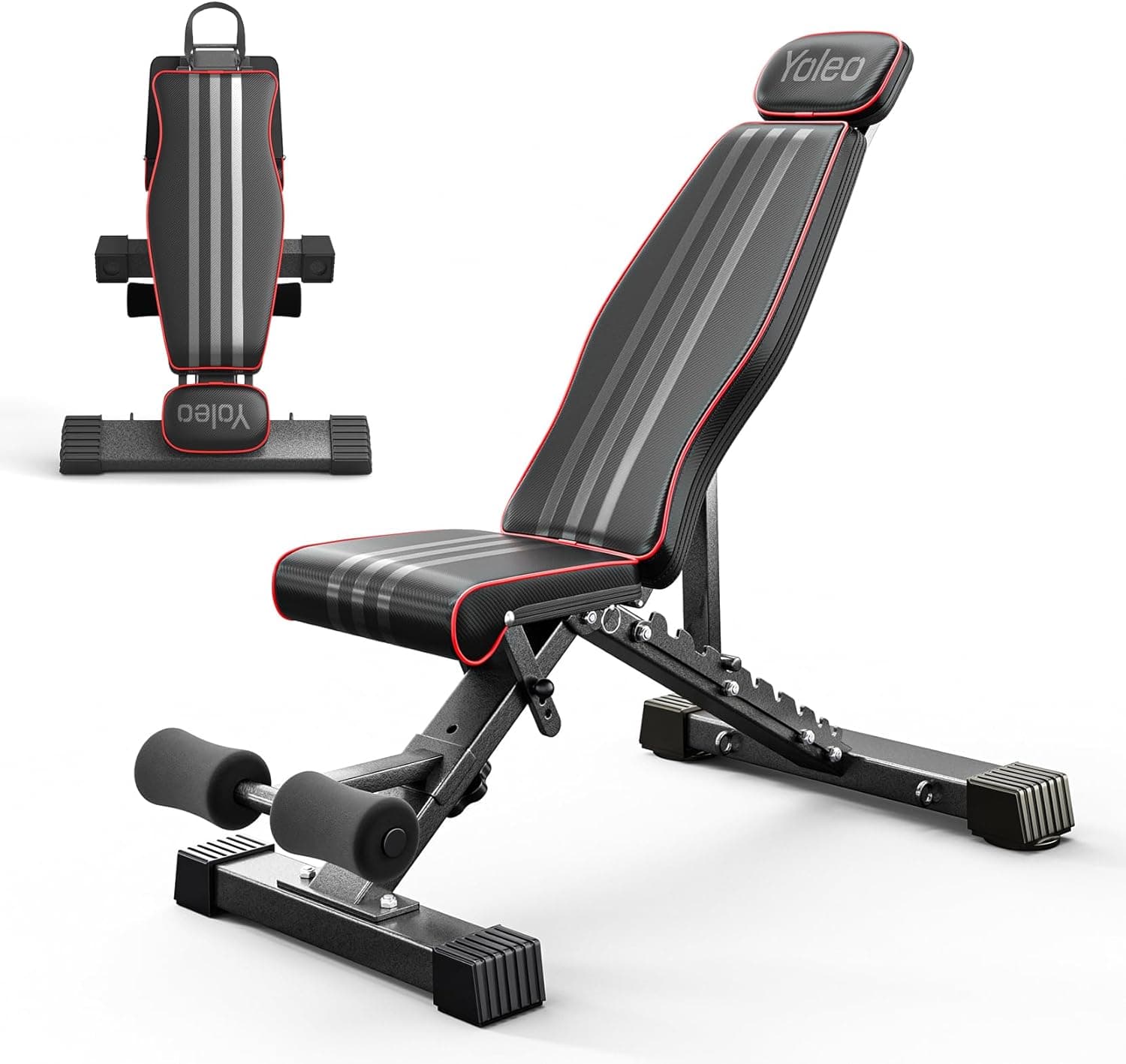
The best weight bench picks in the UK for 2026. Adjustable, foldable and set options for home gyms, from budget benches to sturdy premium choices.
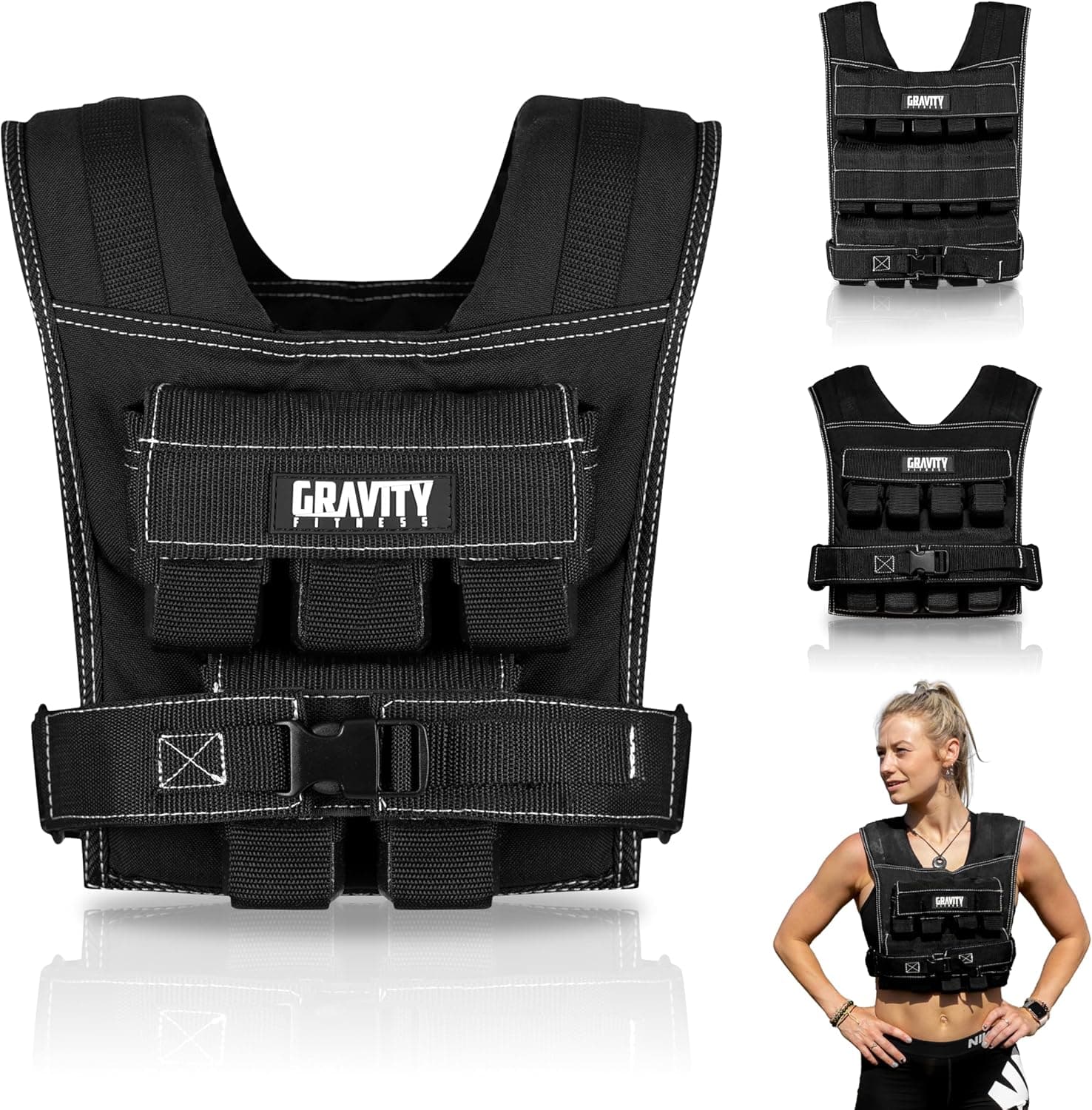
The best weighted vest in the UK for running, walking and strength training. Our top adjustable picks for men and women, from budget to premium, with honest pros and cons.
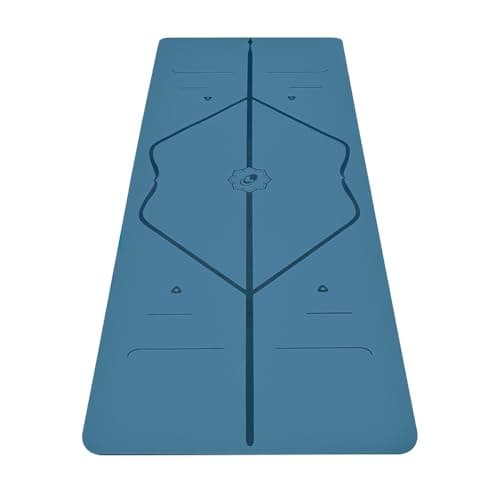
The best yoga mat in the UK for grip, cushioning and value. Our top non slip and thick yoga mat picks for 2026, from premium Liforme to budget exercise mats.
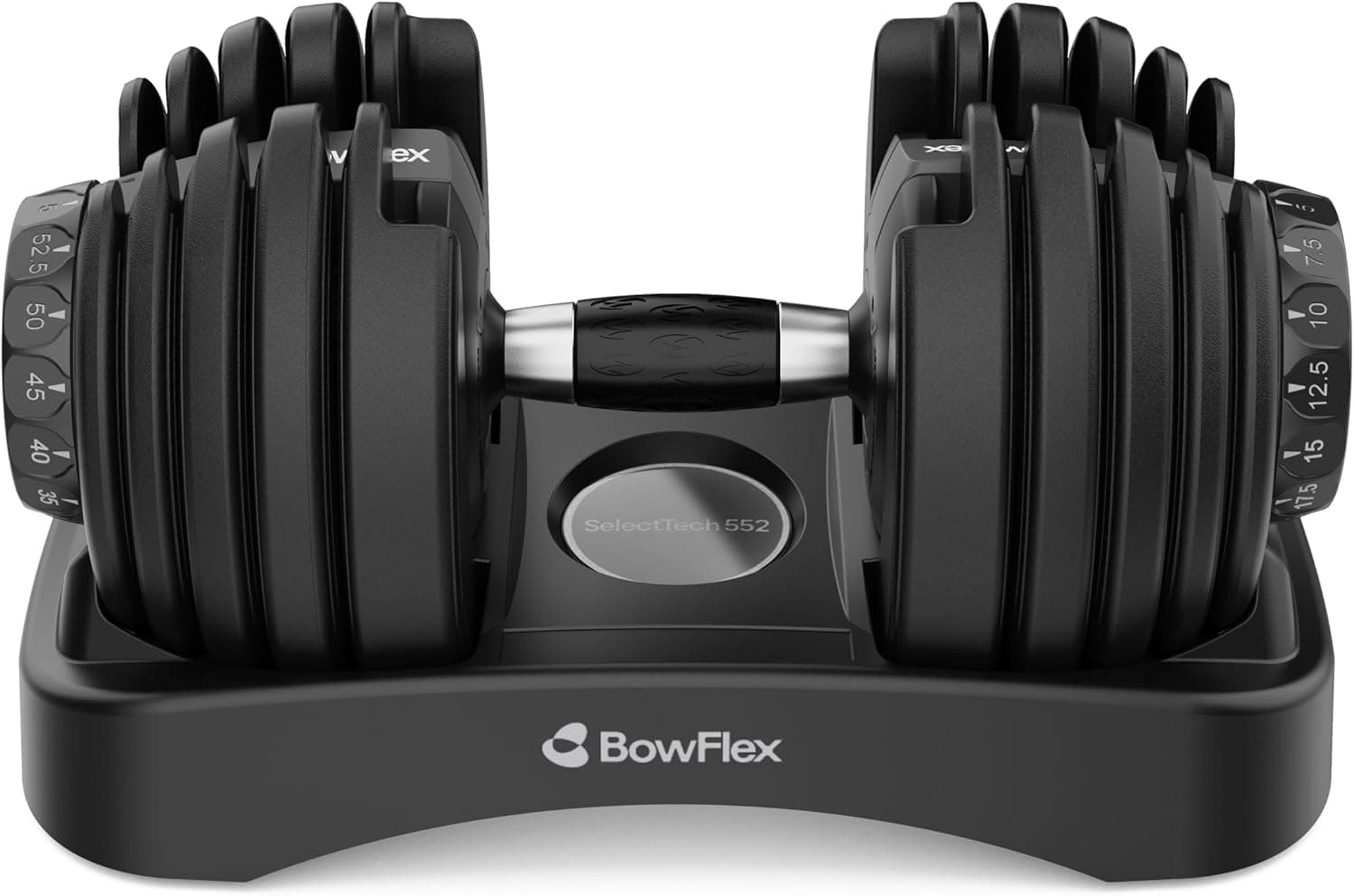
An honest Bowflex SelectTech 552 review covering the dial system, the recall and new metal locking tabs, durability, real owner gripes and whether it is worth it.
These home gym equipment reviews pull together everything we've bought, built and trained on for home strength work: adjustable dumbbells, power racks and cages, Smith machines, multi gyms, cable machines and functional trainers, weight benches, kettlebells, barbells and plates, plus the resistance bands, pull-up bars and vibration plates that fill the gaps. We've also folded in fitness watches and trackers, because most people kitting out a gym at home want to log what they're actually lifting.
The grid above lets you jump straight to a type or a brand. Below it, we cover how we score things and what separates kit that lasts a decade from kit that wobbles after a month. Prices in the reviews are UK retail, and the brands you'll see most are Bowflex, PowerBlock and NÜOBELL for dumbbells, Mirafit, Marcy and Bells of Steel for racks and benches, and Garmin and Coros for tracking.
We score build quality first, then versatility, then value per kilo of usable load. A rack that flexes under a heavy squat loses marks however cheap it is, and an adjustable dumbbell that jams on the changeover gets marked down even if the headline weight looks generous. We load things up, adjust them hundreds of times and check whether the numbers on the box survive a real session.
Value per kg matters more than a low sticker price. A £150 set of fixed dumbbells that tops out at 10kg per hand is worse value than a £400 adjustable pair you'll still be using at 32kg in two years, and we say so plainly. We also flag the kit that's priced on brand name rather than on what it does.
Where a product quotes a max load, we treat that as the manufacturer's figure and test well within it rather than to failure. If something feels unsafe below its rating, that goes straight in the verdict.
Footprint and max load decide most purchases. For racks and cages, check the internal width and height against your ceiling (pull-ups need clearance above the bar) and whether the thing needs bolting down or stabilises with weight on a base. For adjustable dumbbells, the top weight and the increment size both count: 2kg jumps are fine for presses but clumsy for smaller isolation work.
Build quality shows up in the boring details. Steel gauge on a rack, the number of weld points, whether a bench pad is stitched or glued, the knurl on a barbell and how freely its sleeves spin: that's what separates kit that holds up from kit that doesn't. Cheaper functional trainers tend to cut corners on the pulley bearings and the cable, which is exactly where you'll feel it.
Versatility is the multiplier. A flat bench is cheap; an adjustable one that inclines and pairs with a rack does far more for not much extra. Cable machines and multi gyms earn their footprint by covering dozens of movements from one station, which is why they suit people short on floor space rather than on budget.
Start with the room, not the wishlist. In a spare bedroom or a flat, adjustable dumbbells, a solid bench and a doorway or wall-mounted pull-up bar cover most training without eating the floor. A folding, wall-mounted rack gives you a barbell setup you can tuck flat, which is the usual answer for anyone who can't leave a cage standing.
With a garage or a shed, a full power rack, a barbell and a plate set become the better spend; they'll outlast almost everything else you buy and they scale as you get stronger. Kettlebells and bands are worth owning either way, since they're cheap, they store in a drawer and they bridge the gaps between your bigger pieces.
Budget honestly and buy in the right order. One good adjustable dumbbell set plus a bench beats a cheap everything-at-once multi gym for most people. Put your money where the load goes through your body (bars, racks, benches) and save on the accessories, which you can add over time without regret.
Adjustable dumbbells plus a good bench give you the most training per square metre, and a doorway or wall-mounted pull-up bar adds pulling work without touching the floor. If you want a barbell, a folding wall-mounted rack tucks flat when you're done. Skip full cages and large multi gyms unless you've genuinely got room to leave them standing.
You can build something genuinely useful for a few hundred pounds: a quality adjustable dumbbell pair and an adjustable bench will do for most people. If you're going the barbell, rack and plates route, budget more like £500 to £1,000 for kit that lasts, because this is where cheap steel shows itself. Spend on the pieces that take your bodyweight and load, and add accessories later.
Some are, most aren't. Budget kettlebells, bands and fixed dumbbells are usually fine because there's little to go wrong, but cheap racks, benches and multi gyms tend to flex, wobble or wear out fast. Our reviews call out the few budget pieces that punch above their price, and the ones to walk past.
For home use, adjustable dumbbells win on space and value almost every time, since one pair replaces a whole rack of fixed weights. Fixed dumbbells feel more durable and are quicker to grab, which suits a dedicated garage gym, but they cost far more per kg and swallow a wall. Bowflex, PowerBlock and NÜOBELL are the pairs we rate; the real differences are the changeover mechanism and how chunky they feel in the hand.
It depends on how you like to train. A power rack with a barbell is more versatile and keeps scaling with your strength for years, but it needs floor space and a bit of DIY confidence. A multi gym is more compact, safer to use on your own and simpler to set up, though you'll outgrow the lighter stacks and you're limited to its fixed movements.
If you only do structured strength work, a basic tracker is plenty; you don't need GPS to count sets in the garage. A Garmin or Coros watch starts earning its price once you're also running, cycling or doing conditioning and want proper heart-rate and recovery data across the lot. Buy the watch for the cardio, not the lifting.