The Xiser is a mini stepper that costs about ten times what most mini steppers cost. That's the whole review in one line, really, and the question is whether the gap is justified. Our view: for a small group of people who want genuine sprint-intensity stepping in a box you can carry under one arm, it is, and for everybody else it isn't.
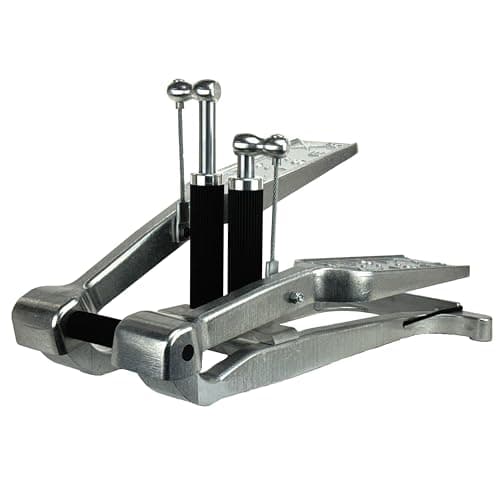
Xiser has been making these in the USA since 1977, and the Amazon UK listing (the "Commercial Mini Stairmaster" in polished alloy) was £552.44 and in stock when we checked on 9 October 2026. It's a plain-looking thing: two pedals on a cast alloy base, a pair of hydraulic cylinders, and nothing else. No display, no bands, no handles, no assembly.
How we review
This review is based on desk research: the Amazon UK listing and product data, Xiser's own website, consistent patterns in owner feedback, and published research on stair climbing. We haven't tested this unit hands-on, so we report only the specs we could confirm and the strengths and complaints that come up repeatedly.
Here's where the money goes, because it isn't obvious from a photo.
The frame. Budget steppers are pressed steel with plastic pedal covers and usually carry a user limit around 100 to 120kg. The Xiser's body is cast aircraft-grade alloy, it weighs only 14lb (about 6.4kg), and the listing says it withstands weight in excess of 400lb, roughly 181kg. That combination of light and very strong is the main engineering story.
The hydraulics. Cheap steppers use small cylinders that heat up and soften over a 20 minute session, which is why owners of £50 units often complain the resistance drops away and the pedals start to squeak. Xiser uses its own patented cylinders filled with silicone fluid, with adjustable resistance, and describes the resistance as responding to your effort and ability. In practice, that means the harder and faster you step, the more it pushes back, which is what lets you do proper sprint intervals on it. Xiser calls it a "step sprint trainer" and that's the honest use case.
The warranty. You get five years on home use. The Amazon listing quotes a one-year institutional warranty, while Xiser's website currently lists a 90-day institutional term, so if you're buying for a gym or clinic, confirm the cover before you pay.
Portability. At 6.4kg and 53 x 36 x 10cm, it slides under a bed or into a car boot. Few cardio machines at any price can do that.
Pros
Cast alloy frame rated past 400lb (about 181kg) yet weighs only 6.4kg
Hydraulics built for flat-out sprint intervals, not just slow toning
Five-year consumer warranty
No assembly; take it out of the box and step
Small enough to store under a bed or take on holiday by car
Silicone-fluid cylinders run quieter than typical budget steppers
Cons
Around £550 when capable basic mini steppers cost £50 to £80
No handles, so balance and confidence are on you
Short, calf and quad dominant range of motion; little glute or upper body work
5 years consumer; institutional term varies by source
Made in
USA
Price checked
£552.44 on Amazon UK, 9 October 2026
How it feels to use
Stepping on a Xiser is closer to running up a steep flight of stairs on your toes than to the slow, sinking stroke of a budget stepper. The pedals sit low and the travel is short, so the work lands mostly on your calves and quads. Owners who use it for sprint work tend to describe short, brutal bursts of 20 to 60 seconds; owners who wanted a relaxing 40 minute plod in front of the telly are the ones who end up disappointed, because that's not what the machine is designed around.
That short range has a cost. You won't get the deep hip extension of real stairs or a vertical climber, so your glutes and hamstrings do much less, and there's no upper body involvement at all. If balanced full-body cardio matters to you, this isn't it. Pair it with some step-ups on a bench and you cover the posterior chain properly.
Balance is the other thing to be straight about. With no handlebar and a 10cm platform, you're standing on two moving pedals, and at sprint speed that takes some coordination. Fit, steady users adapt quickly. Anyone with poor balance, dizziness or knee problems should either stand beside something solid or choose a stepper with handles.
Does the research back stepping workouts?
There's no published trial on the Xiser itself, so we looked at stair climbing, which is the closest movement. In an eight-week controlled study, sedentary women who climbed stairs five days a week improved aerobic fitness and LDL cholesterol relative to controls, and home-based climbing worked as well as climbing in a gym (Michael et al., 2021). A randomised trial in people with coronary artery disease found that three bouts of vigorous stair climbing of roughly 90 seconds each improved peak VO2 about as well as traditional moderate cardiac rehab (Dunford et al., 2021).
A mini stepper isn't a staircase, because you aren't lifting your whole body upwards, so don't read those results as proof for this product. What they do support is the idea the Xiser is built around: short, hard stepping intervals, done regularly at home, are a legitimate way to build fitness. They also count towards the NHS guideline of 75 minutes of vigorous activity a week if you're working hard enough to struggle to talk.
Who should buy it, and who shouldn't
Buy the Xiser if you want hard interval cardio in a tiny footprint and you'll use it most days, if you're heavier than budget steppers allow, or if you've already worn out a couple of cheap steppers and you're tired of replacing them. Coaches who travel with kit, and people with a desk job who want a few sprint sets between calls, are the sweet spot.
Skip it if you want slow, steady stepping, if you need something to hold, or if £550 is a big chunk of your fitness budget. For most people a well-reviewed £50 to £80 mini stepper from our best stepper machine guide does the everyday job, and the money saved buys a mat, a pair of dumbbells and a lot of protein. It's also worth knowing that Xiser's US site prices its current home models at $329 to $409, so the UK Amazon price includes a hefty import premium.
Only if you'll use it hard and often. You're paying for a cast alloy frame rated past 400lb, hydraulics that tolerate flat-out sprint intervals, a five-year consumer warranty and a 6.4kg unit you can carry anywhere. If you want gentle stepping while watching TV, a £50 to £80 mini stepper does that job and the extra £470 buys you very little.
What's the difference between the Xiser and a cheap mini stepper?
Most budget steppers use a steel frame with plastic pedals and basic shock-style cylinders that fade and get noisy once they warm up. The Xiser uses a cast aluminium body and silicone-fluid hydraulic cylinders that Xiser says respond to your effort, so it's built for fast, intense stepping rather than slow toning. It also has no resistance bands, no display and no handles.
Does the Xiser mini stepper have handles?
No. It's a freestanding pedal unit about 53cm long and 10cm tall, so you balance on your own. Many owners stand next to a wall, desk or worktop to steady themselves at first. If you need something to hold onto, look at a stepper with a handlebar or a vertical climber instead.
Can you lose weight with a mini stepper?
A stepper burns calories like any other cardio, and the Xiser lets you work at high intensity in short bursts, but weight loss comes down to your overall diet and activity. Treat it as a way to fit regular hard intervals into your day rather than a fat-loss device on its own.
Is the Xiser quiet enough for a flat?
It's quieter than most cheap steppers because the hydraulic cylinders use silicone fluid rather than air or oil that can hiss and squeak. You will still get some thudding if you stamp at sprint pace, so a rubber mat underneath is a sensible extra for upstairs flats.
Are adjustable dumbbells worth it? We run the UK numbers on cost and floor space against a fixed hex set, then cover dial, twist and spin-lock types, drop risk and who should skip them.
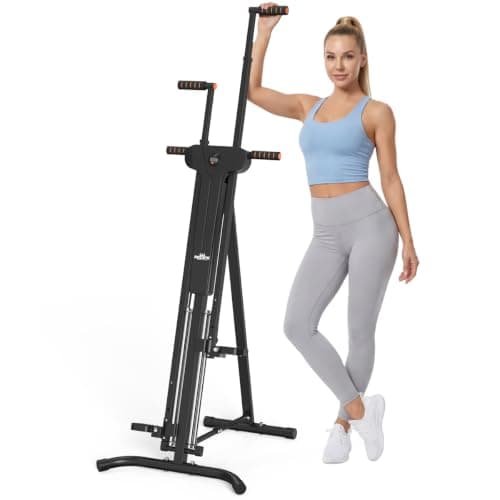
Our Relife vertical climber review covers its 4 guide rails, 150kg limit, 5 step levels and folding frame, and asks whether £516 is fair when rivals cost far less.
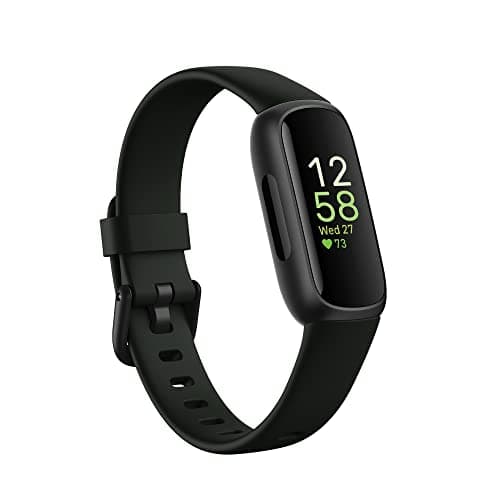
An honest Fitbit Inspire 3 review covering its AMOLED screen, 10-day battery, sleep and heart rate tracking, connected GPS, the Premium paywall and who should buy it.
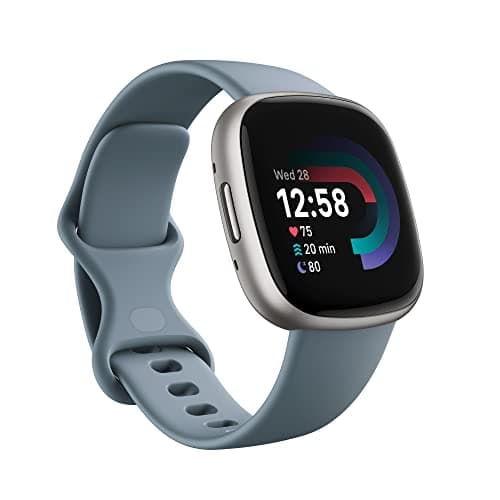
Our Fitbit Versa 4 review covers built-in GPS, 6+ day battery, Google Maps and Wallet, the lost third-party apps and Wi-Fi, and who should buy it at £179.
Best Exercise is a participant in the Amazon EU Associates Programme, an affiliate advertising programme designed to provide a means for sites to earn advertising fees by advertising and linking to Amazon.co.uk. As an Amazon Associate we earn from qualifying purchases. This comes at no extra cost to you and never influences our independent reviews or rankings.