Home Gym
Best Squat Rack UK 2026: Squat Racks, Stands and Half Racks
The best squat racks in the UK for 2026, compared on weight rating, height range and spotters. Cheap squat stands, half racks and a full cage for home gyms at every budget.

By Paul Kendrick, Cardio & Endurance Editor · Updated 14 August 2026
We may earn a commission from qualifying purchases made through links on this page, at no extra cost to you. This never affects our ratings.
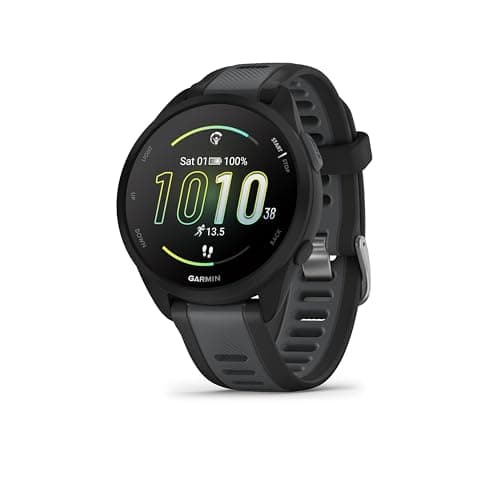
The Forerunner 165 Music is Garmin doing something it rarely does: putting a proper AMOLED screen, a barometric altimeter and real training analysis into a watch that costs around £205. For years the entry-level Forerunner was a compromise you tolerated until you could afford a 255. This one is not. Garmin has been careful about which features it withheld, and most of them sit in the analysis layer rather than the running itself, which means the 165 does the actual job of a running watch almost as well as models costing double.
How we review
This review is based on Garmin's published specifications, verified owner reviews on Amazon UK and detailed hands-on testing from trusted running technology outlets. We have not put this exact unit through our own multi-season test, so we stick to findings that appear consistently across sources, including the criticisms. Price and stock were checked on 14 August 2026.
Runners who train regularly, race occasionally, and do not need a map on their wrist. That covers a lot of people. Garmin positions it as an essential running watch with a bright touchscreen, up to 11 days of battery and music on the wrist, which is a fair description of what you get.
It is the wrong watch for trail and ultra runners, who need mapping and longer GPS battery, and for triathletes, since the 165 lacks proper multisport transitions. It is also unnecessary for someone who runs twice a week and wants pace and distance; a cheaper Forerunner does that.
| Display | 1.2in AMOLED touchscreen, 390 x 390, plus button controls |
|---|---|
| Case | 43mm, plastic bezel, around 39g |
| Battery, smartwatch mode | Up to 11 days |
| Battery, GPS mode | Up to 19 hours |
| GNSS | All-systems GPS, GALILEO and GLONASS, no multi-band |
| Sensors | Elevate V4 optical heart rate, barometric altimeter, compass, gyroscope |
| Music | Onboard storage, Spotify, Amazon Music and Deezer playlists |
| Navigation | Breadcrumb courses and GPX files, no detailed maps |
| Training | HRV status, running power, morning report, daily suggested workouts |
| Payments | Garmin Pay contactless |
| Price | Around £205 at the time of writing |
The kept list is longer than the price suggests. HRV status runs overnight and feeds the morning report, daily suggested workouts adapt to your recent training and recovery, Garmin Coach plans handle 5k through half marathon, and wrist-based running power arrives without a footpod. The barometric altimeter is the quiet highlight, since elevation measured by air pressure beats GPS estimation by a wide margin on hilly routes.
The missing list is where Garmin protects the 265. There is no multi-band GNSS, so tracks wander a little more under tree cover and between tall buildings than they would on a pricier watch. Training Readiness, Training Status, the race widget and real-time stamina are all absent. Detailed maps are absent too, leaving breadcrumb navigation and loadable GPX files.
Whether that matters depends entirely on how you train. Someone running known routes in a market town will never notice the GNSS difference. Someone doing tempo work along the Thames between office blocks will.
A 1.2 inch AMOLED at 390 by 390 pixels is the same technology as watches costing three times more, and the difference in daylight legibility against the old transflective Forerunners is obvious. The touchscreen is responsive, the physical buttons remain for sweaty hands and gloves, and Garmin sensibly kept both.
Battery figures hold up. Eleven days in smartwatch mode assumes gesture wake rather than always-on, and four runs a week lands most people around 8 or 9 days. Streaming music to Bluetooth headphones is the big drain: expect roughly 7 hours of GPS with music playing against the 19-hour figure without.
At 39g it disappears on the wrist, which matters more for sleep tracking than for running. Plenty of people buy an expensive watch and stop wearing it overnight because it is a brick; this one you forget about.
The Elevate V4 optical sensor is Garmin's current mainstream design and it behaves the way every wrist sensor behaves. Steady running tracks closely; short intervals and cold weather cause lag and the occasional cadence lock. Validation research in BMJ Open Sport and Exercise Medicine found wrist-based monitors correlate strongly with reference measures during walking and running, which matches what owners report for steady efforts.
If your training plan revolves around heart rate zones, buy a chest strap and pair it over Bluetooth. Our heart rate monitor guide covers which ones are worth it. For everyone else, the wrist sensor is fine.
The obvious internal comparison is the Garmin Forerunner 265, which costs substantially more and adds multi-band GNSS plus the training analysis suite. If you race seriously and read your training data every morning, that gap is worth paying for. If you run, log it and glance at your weekly mileage, it is not.
Outside Garmin, the COROS PACE Pro undercuts the 265 with a brighter screen and free offline maps, losing contactless payments and app ecosystem. Anyone building a base of 150 minutes of moderate activity a week rather than chasing race times should look further down the range again, since the 165's training tools go largely unused at that level.
For most runners, yes. You get an AMOLED screen, up to 11 days of battery, HRV status, running power, daily suggested workouts, Garmin Pay and onboard music for around £205. The features Garmin withheld to protect the 265 are ones plenty of runners never open.
Storage for music, and roughly £40. The Music version lets you download playlists from Spotify, Amazon Music or Deezer with a subscription and pair Bluetooth headphones for phone-free running. Everything else, including the screen, sensors and battery figures, is identical.
The 265 adds multi-band GNSS for better accuracy under trees and between buildings, plus Training Readiness, Training Status and the race widget. The 165 keeps the AMOLED screen, HRV status, running power and morning report. If you run road routes you know well, the 165 covers you for around £150 less.
Not detailed maps. You get breadcrumb navigation and can load GPX course files, which is enough to follow a route you planned in advance but not enough to explore. If you want proper offline mapping from Garmin, the 965 or epix Pro are the entry points.
Garmin quotes up to 11 days in smartwatch mode and up to 19 hours in GPS mode. In practice, someone running four times a week with the display set to gesture wake gets 8 or 9 days. Playing music over Bluetooth during a run drops GPS runtime sharply, closer to 7 hours.
It does, which is a genuine surprise at this price and something the cheaper Forerunner 55 lacks. Elevation gain on hilly runs is measured by air pressure rather than estimated from GPS, so climbing totals are far more trustworthy.
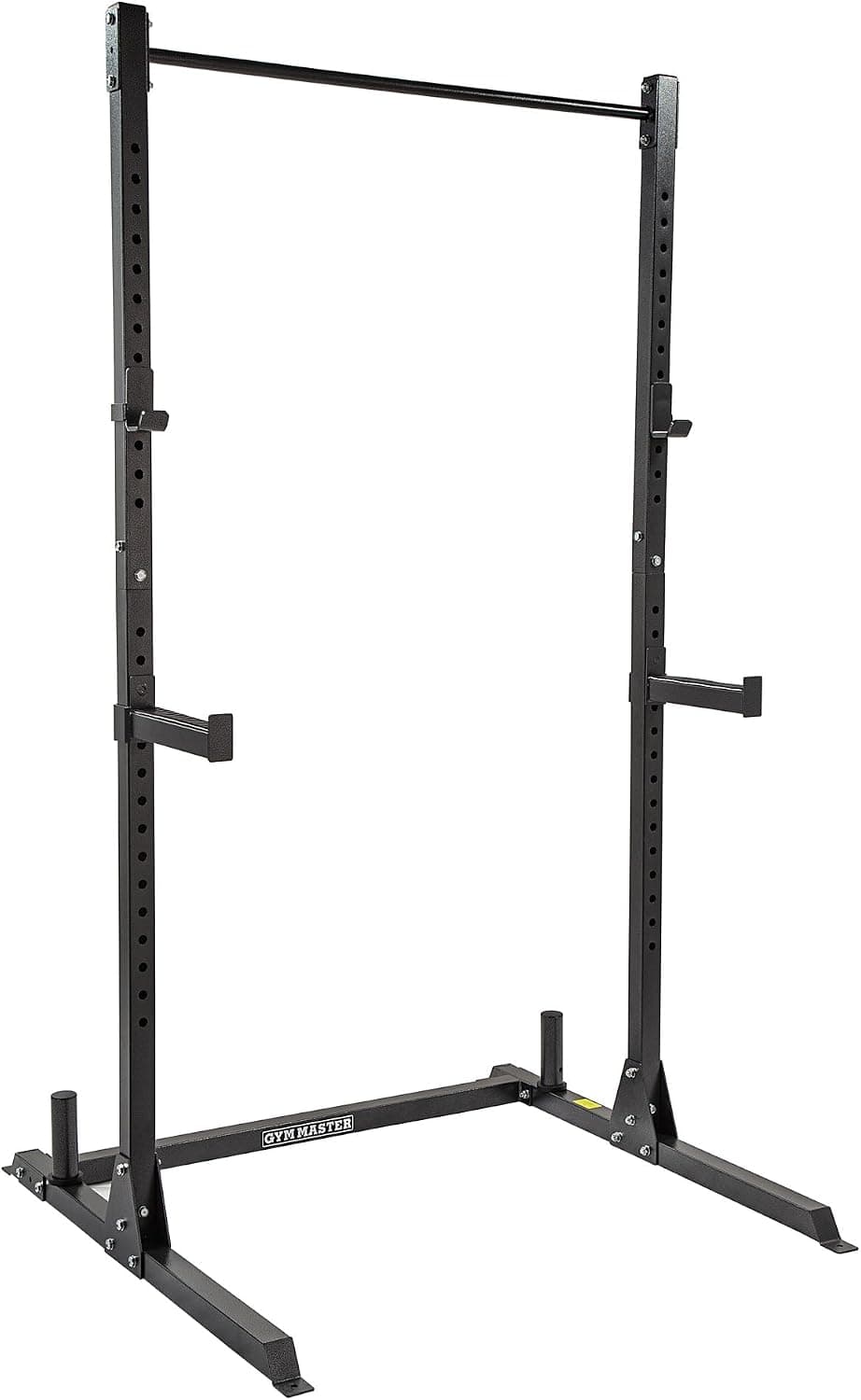
The best squat racks in the UK for 2026, compared on weight rating, height range and spotters. Cheap squat stands, half racks and a full cage for home gyms at every budget.
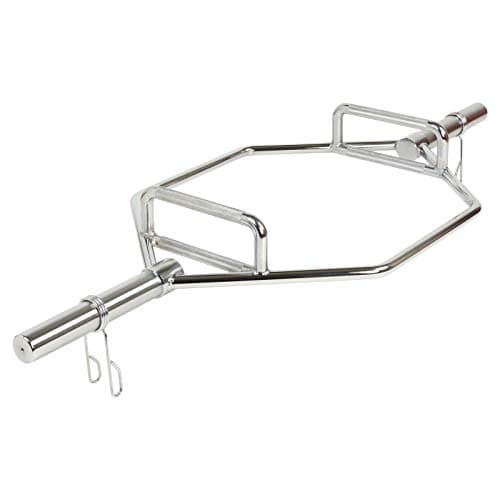
The best trap bars and hex bars in the UK for 2026, for home and garage gyms. Honest picks for deadlifts, shrugs and farmer's carries, from budget 1 inch shrug bars to premium open frames.
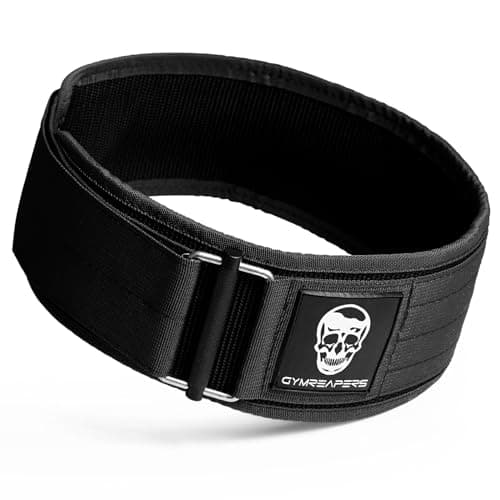
The best weight lifting belt for UK lifters in 2026, from an £18 leather belt to a 13mm lever belt. Thickness, buckle type and sizing compared for squats and deadlifts.
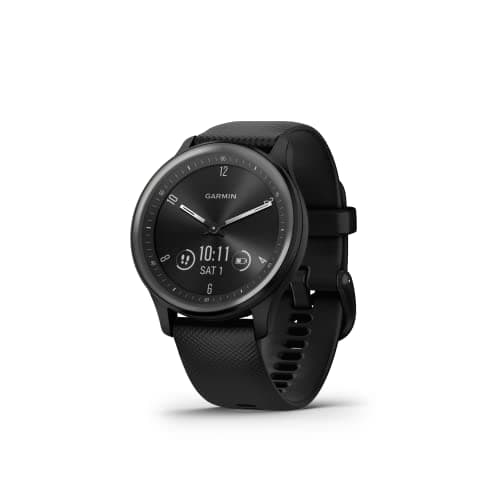
Garmin vivomove Sport review for UK buyers: analogue hands over a hidden OLED, Body Battery and Pulse Ox at £150, but no GPS, no Garmin Pay and a tiny screen.
Best Exercise is a participant in the Amazon EU Associates Programme, an affiliate advertising programme designed to provide a means for sites to earn advertising fees by advertising and linking to Amazon.co.uk. As an Amazon Associate we earn from qualifying purchases. This comes at no extra cost to you and never influences our independent reviews or rankings.