Rowing Machines
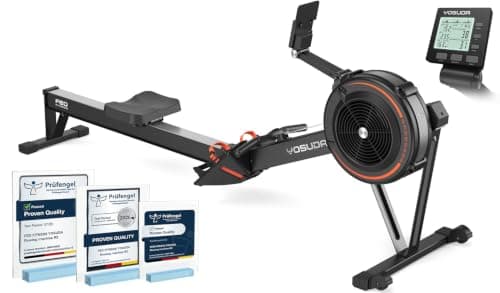
YOSUDA R2 Air Rowing Machine Review: A £400 Fan Rower for Tall Users
Our YOSUDA R2 air rowing machine review covers the 32-blade fan, 10-level damper, self-powered monitor, 158kg limit and how it compares with a Concept2.
Rowing machine reviews and buying advice for air, magnetic, water and foldable rowers, chosen for UK buyers.
Showing 45 of 45 results
Our YOSUDA R2 air rowing machine review covers the 32-blade fan, 10-level damper, self-powered monitor, 158kg limit and how it compares with a Concept2.
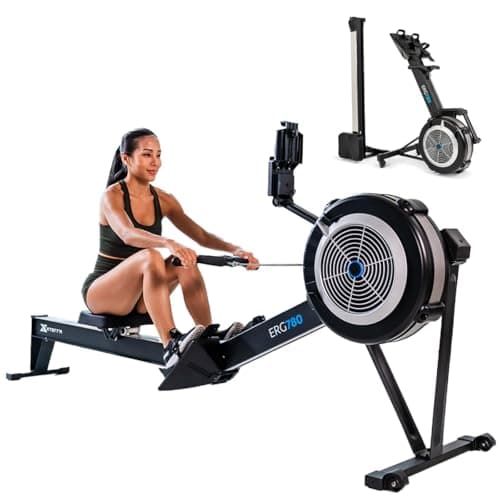
Our Xterra ERG780 air rower review covers the 10-level damper, Bluetooth FTMS app support, noise, monitor accuracy, folding storage and how it compares with a Concept2.
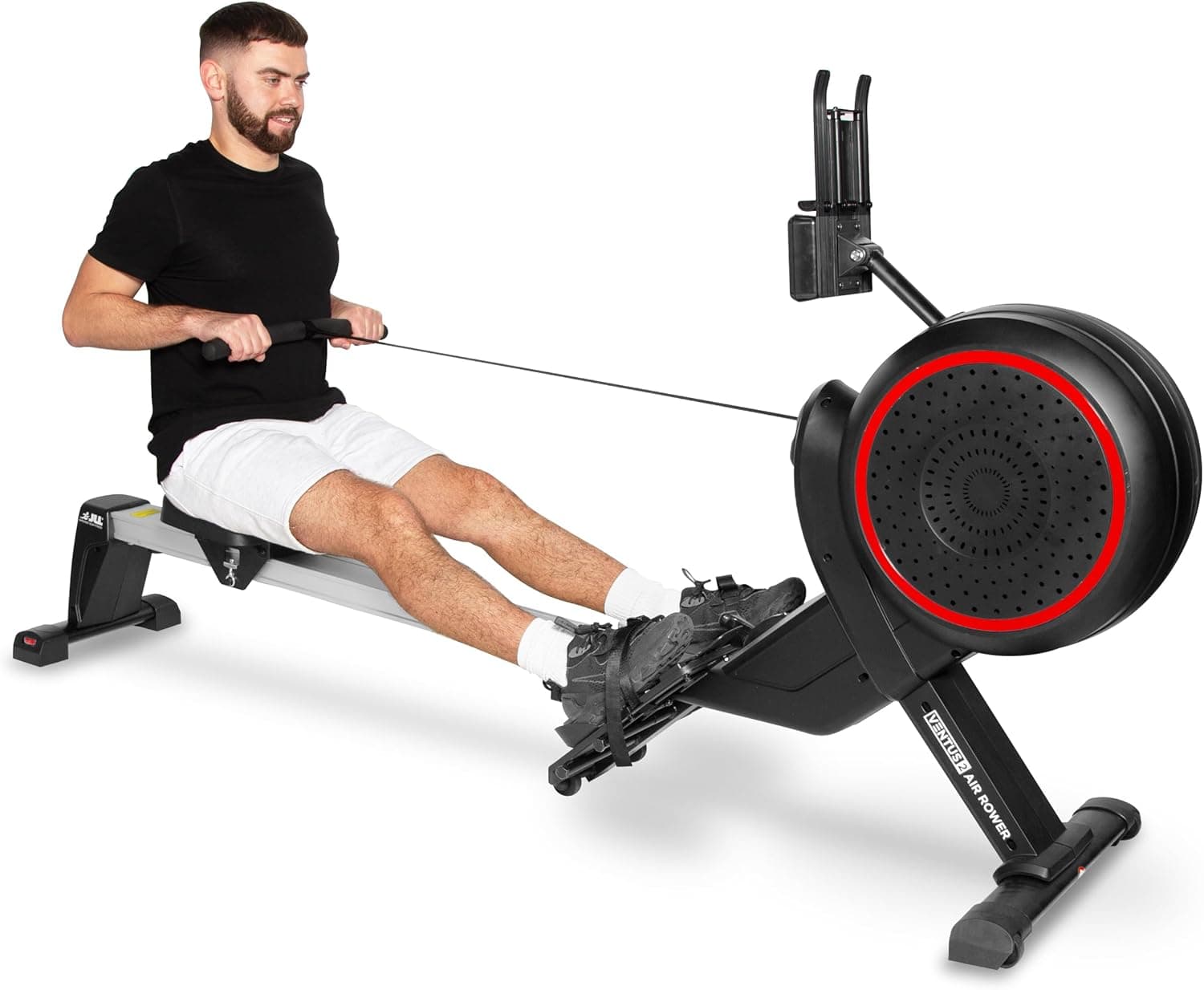
The best foldable rowing machines in the UK for 2026, compared on folded footprint, rail length and weight limit. Picks from JLL, DMASUN, YPOO, Viavito and MERACH for every budget.
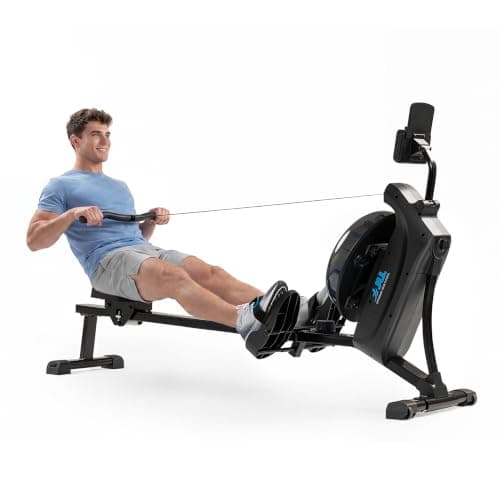
An honest JLL water rowing machine review of the dual resistance rower: the 60 degree tank, 16 magnetic levels, 130cm rail, 150kg capacity, SunnyFit app and who it suits.
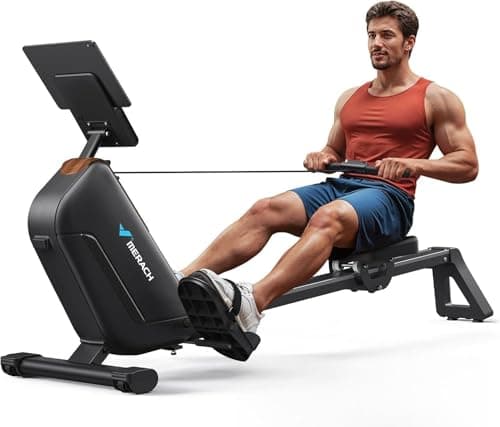
An honest MERACH R15 Pro review: 40kg peak electromagnetic resistance, 16 levels adjusted from the handlebar, a 130cm rail, 158kg capacity and who this £300 rower suits.
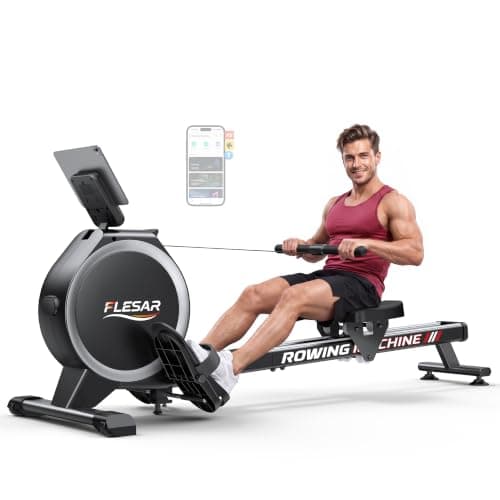
An honest Flesar rowing machine review: 16 magnetic levels, Kinomap and FitShow support, dual rails, a 160kg limit and the short 101cm rail that tall rowers need to know about.
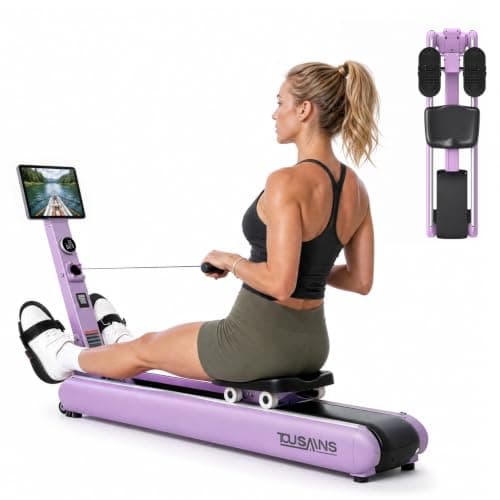
An honest TOUSAINS ER7 rowing machine review: a self-powered monitor, 32 magnetic levels, a folding double rail and a 180kg rating, plus why we doubt the 210cm height claim.
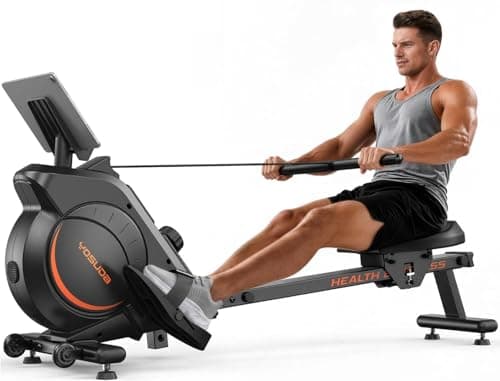
An honest YOSUDA magnetic rowing machine review: 16 levels up to a claimed 323N, a 5.4kg flywheel, Bluetooth, a 159kg limit, a 135cm to 188cm height range and a one-year warranty.
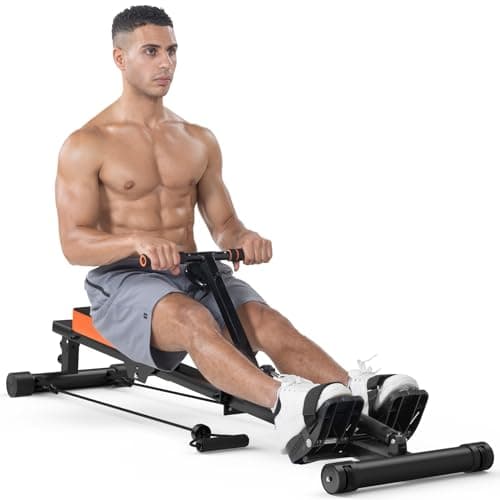
Our Jupgod rowing machine review covers the £60 hydraulic lever rower: how the 12-level cylinder feels, why the listing contradicts itself on levels and weight limit, and who should buy it.
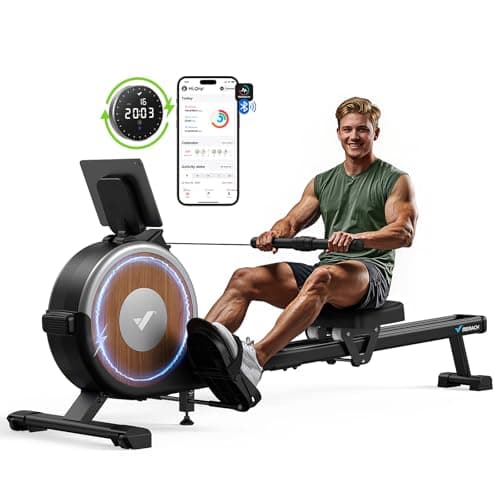
An honest MERACH rowing machine review of the 16-level magnetic rower: its quiet resistance, dual rails, app, folding frame, weight limit and who this home rower suits.
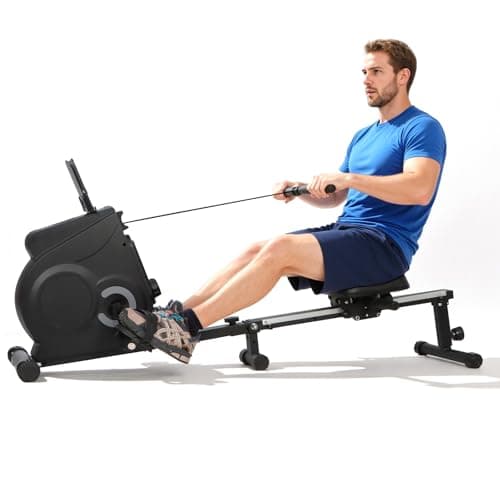
Our Panana rowing machine review looks at the sub-£100 folding magnetic rower: its 8 resistance levels, the 76cm inseam limit, the puzzling 2-in-1 pedals claim and who it really suits.
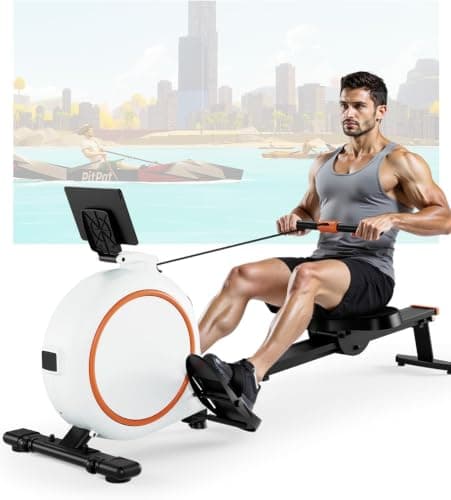
An honest Superun rowing machine review: what 32 magnetic resistance levels give you, the PitPat app, the 136kg and 190cm limits, upright storage and the UK support claims.
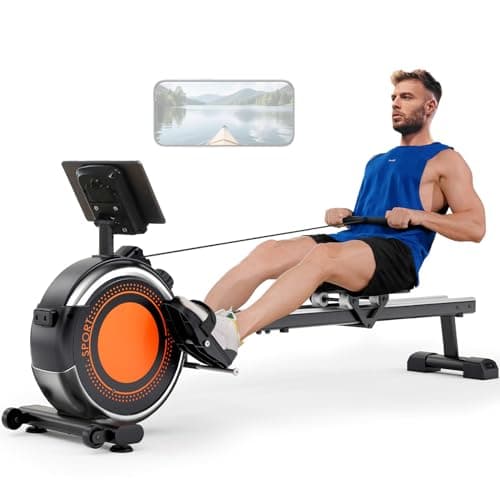
An honest Dripex magnetic rowing machine review: 16 resistance levels, a 124cm dual steel rail, a 159kg limit and a basic LCD, plus who should buy it at around £150.
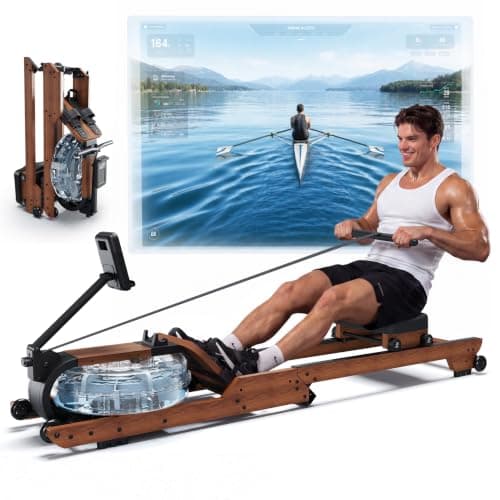
An honest Dripex 14L wooden water rower review: the 12-blade impeller, rubberwood frame, 150kg limit, 125cm rail and vertical folding, plus the maintenance and the catches.
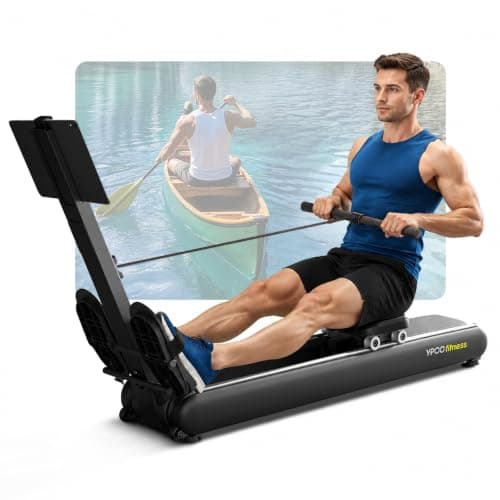
An honest YPOO rowing machine review: how the V2 PRO folds upright or flat, what 16 magnetic levels really give you, the 6ft 2in height ceiling and where the listing oversells.
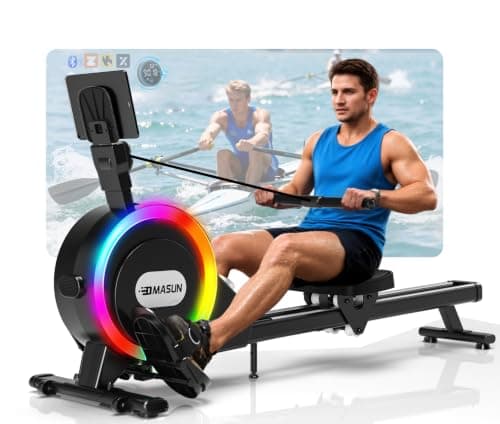
An honest DMASUN rowing machine review: 32 electromagnetic resistance levels, a self-powered flywheel, a real 500m split on the monitor, and where this young brand still carries risk.
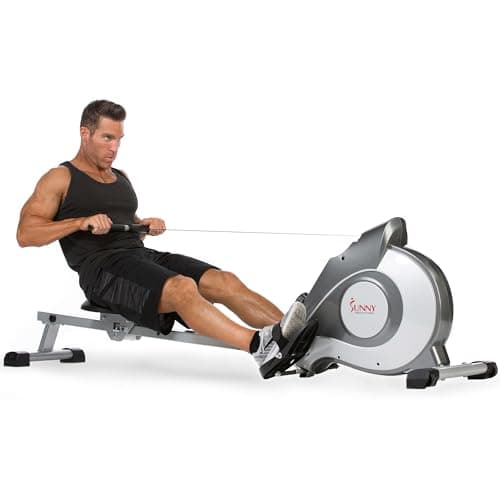
An honest Sunny Health & Fitness SF-RW5515 review: a 130cm extended rail rated to 198cm, 8-level magnetic resistance, a basic LCD and what £219 does and does not buy you in 2026.
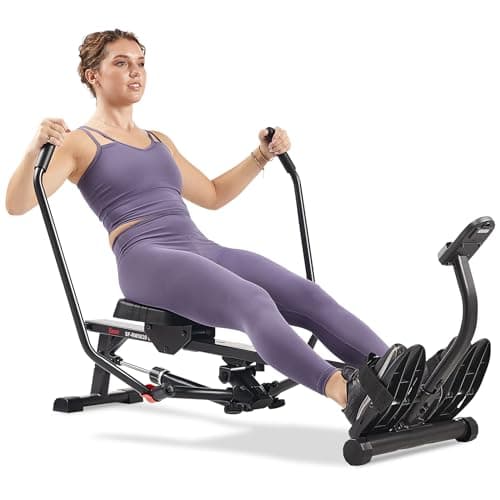
An honest review of the Sunny Health & Fitness SF-RW5639SMART full motion rowing machine: 12 hydraulic levels, 360 degree pivoting arms, the SunnyFit app, and the trade-offs at £130.99.
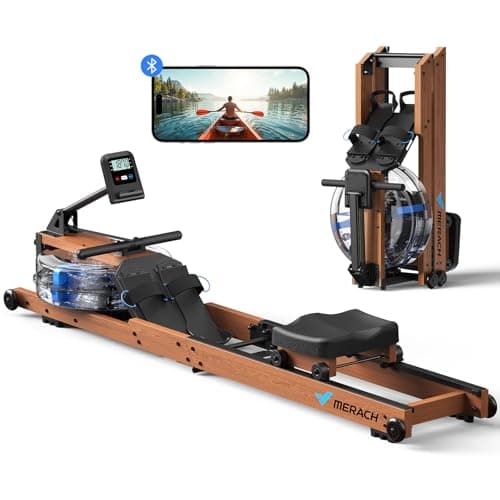
An honest MERACH foldable wood water rowing machine review covering the solid wood frame, 180 degree fold, 180kg capacity, Bluetooth monitor and who should buy it.
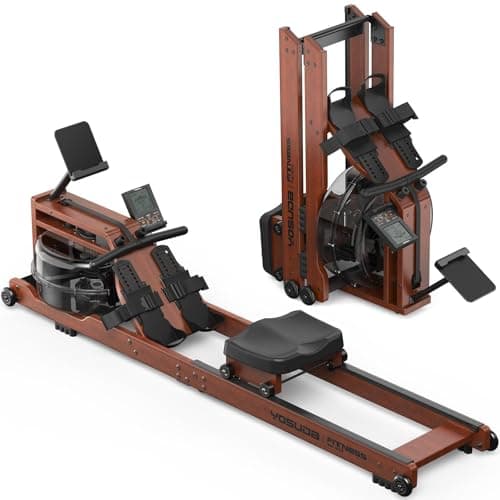
An honest YOSUDA foldable wood rowing machine review covering the 22L water tank, FSC beech frame, 182kg capacity, vertical folding and the basic console.
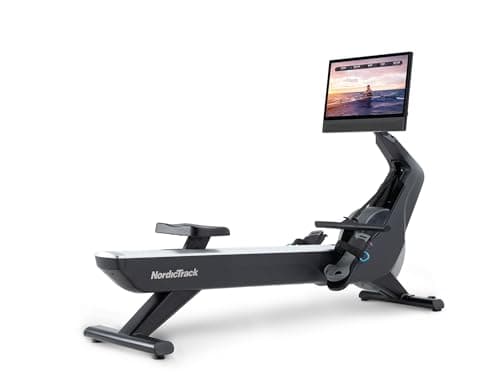
An honest NordicTrack RW900 review covering the 24in pivoting touchscreen, 26 magnetic resistance levels, iFIT auto-adjust, 136kg capacity and the subscription question.
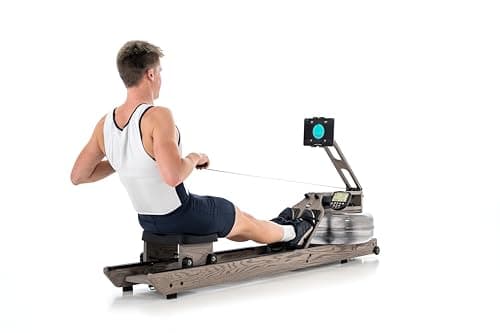
An honest WaterRower Driftwood review covering the oak frame, water resistance, LightRing and Connect app, upright storage, and whether it justifies its price.
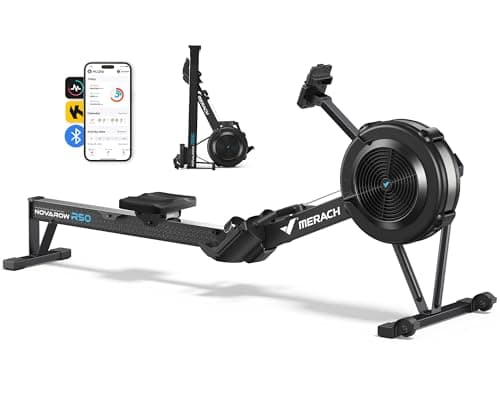
An honest MERACH R50 Pro review: 32-blade air resistance, a 5.3 inch monitor with watts and drag factor, folding storage, and how it compares with a Concept2 at half the price.
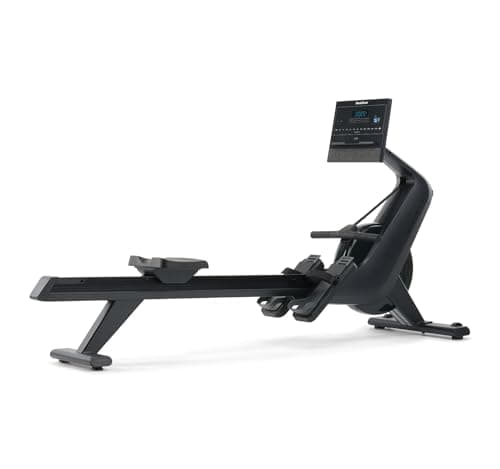
An honest NordicTrack RW300 review covering its 26 magnetic resistance levels, SmartAdjust, 5in screen, 136kg capacity and 2 year warranty, plus who should buy it and who should not.
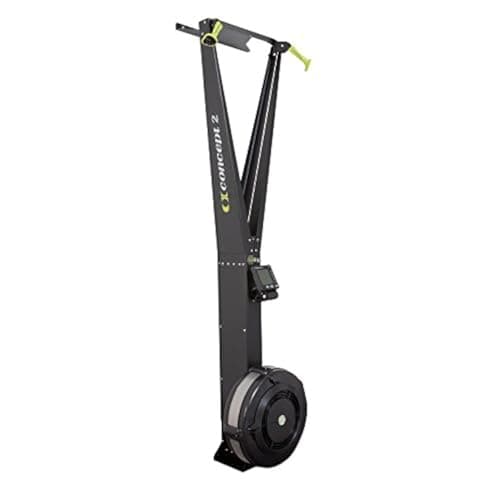
An honest Concept2 SkiErg review covering its flywheel resistance, PM5 monitor, full-body workout, footprint and price, plus who should buy it and who should not.
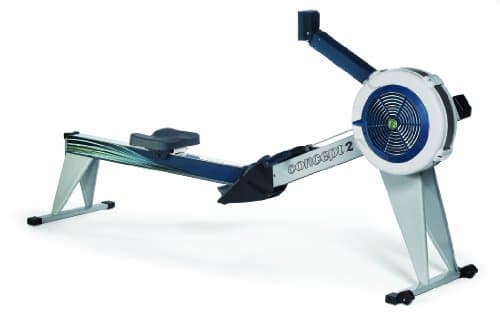
An honest Concept2 Model E review covering its raised 20-inch seat, PM5 monitor, air resistance, near-indestructible build, running costs and who should buy it over the Model D.
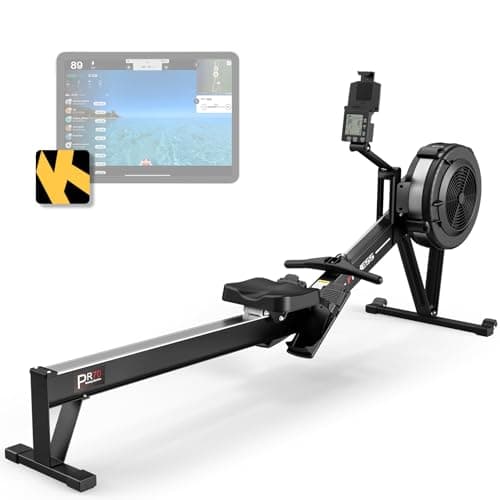
An honest PASYOU PR70 review covering its dual air and magnetic resistance, 350lb frame, foldable design, Bluetooth monitor and who this mid-price rower actually suits.
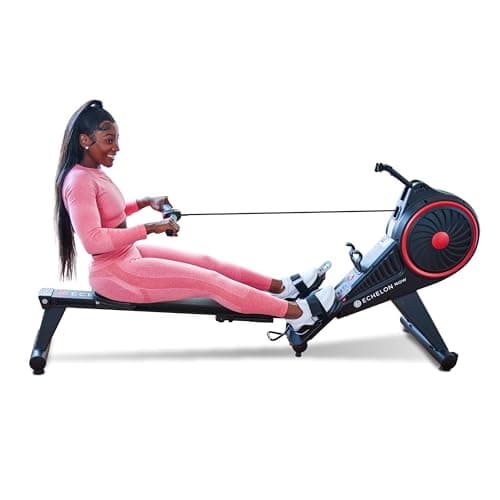
An honest Echelon Row review covering its 32 magnetic resistance levels, handlebar controls, folding frame, 136kg capacity and the app subscription you need to get the most from it.
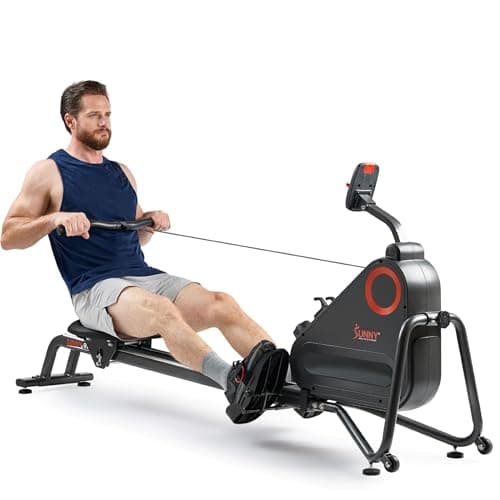
An honest Sunny Health & Fitness magnetic rowing machine review covering the 125cm dual rail, 16 resistance levels, quiet running, the SunnyFit app and who should skip it.
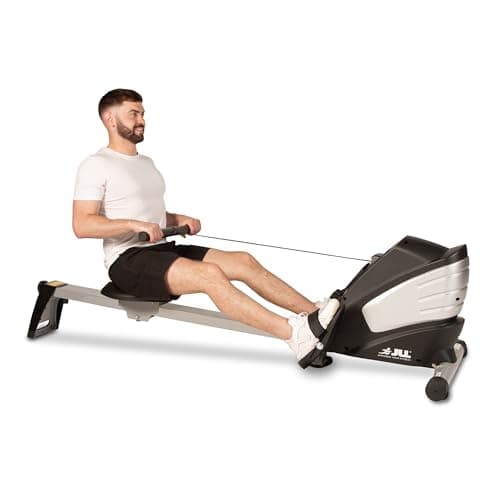
An honest JLL R200 rowing machine review covering its magnetic resistance, folding frame, comfort, monitor and build quality, plus who should buy it and who should not.
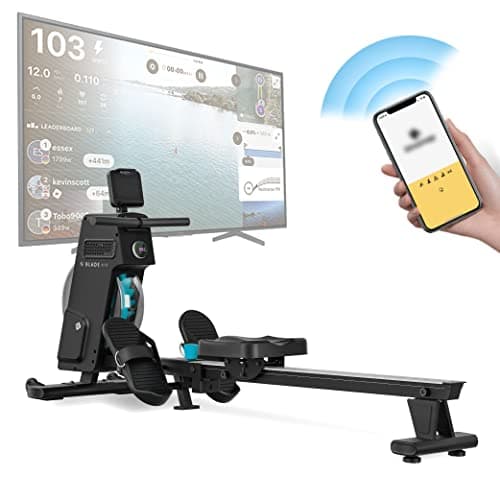
An honest Bluefin Fitness Blade Air rowing machine review covering its dual air and magnetic resistance, folding frame, app support, ride feel and value, plus who should buy it.
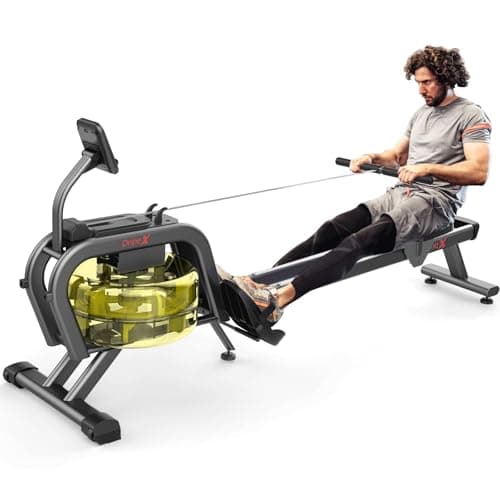
An honest Dripex water rowing machine review covering its water resistance, build, LCD monitor, folding storage and the real downsides, plus who should buy it and who should not.
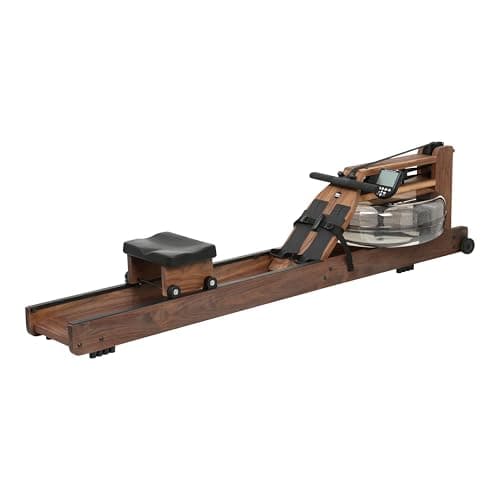
An honest WaterRower Classic review covering its solid walnut build, water resistance, S4 monitor, upright storage and value, plus who this premium rower is for.
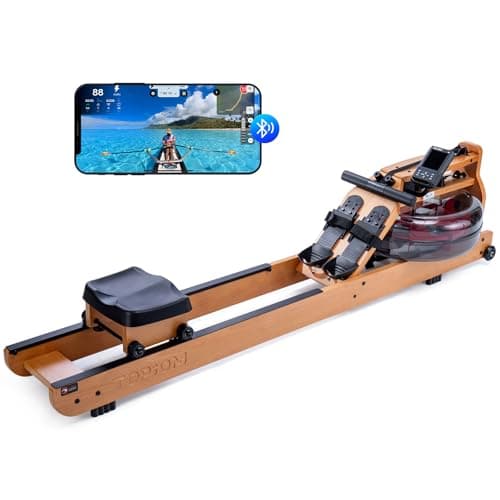
An honest TOPIOM Water Rower review covering its solid oak build, water resistance feel, TM-3 monitor, 400lb capacity and folding storage, plus who should buy it.
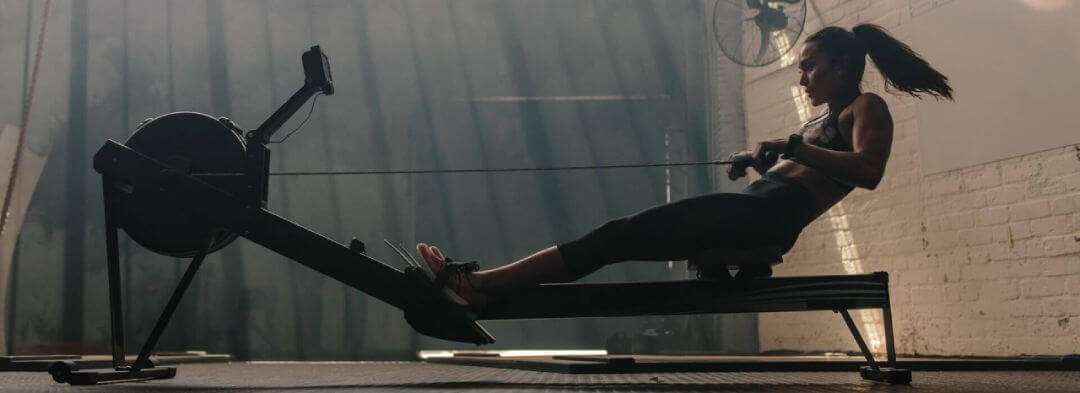
Are rowing machines good for abs? Yes. Here's how rowing works your core, the technique that targets your abs, and a simple superset workout to build them.
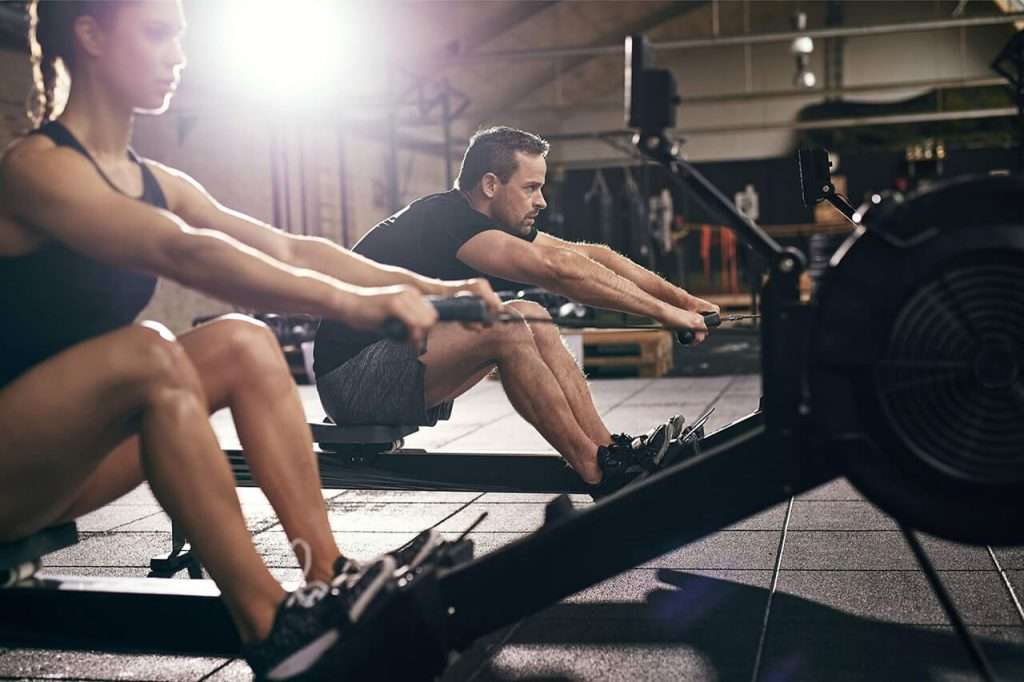
Are rowing machines good for you? We cover the full-body benefits, the calorie burn, the drawbacks, and who should think twice before getting on the rower.
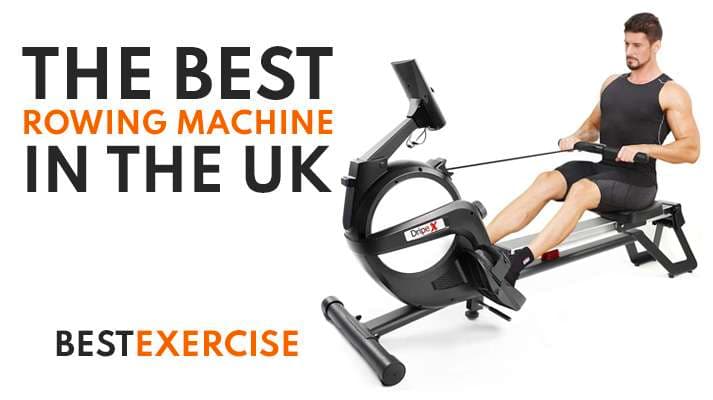
Looking for the best budget rowing machine in the UK? We compared 10 cheap rowers under £250 to find the best value picks for a home workout.
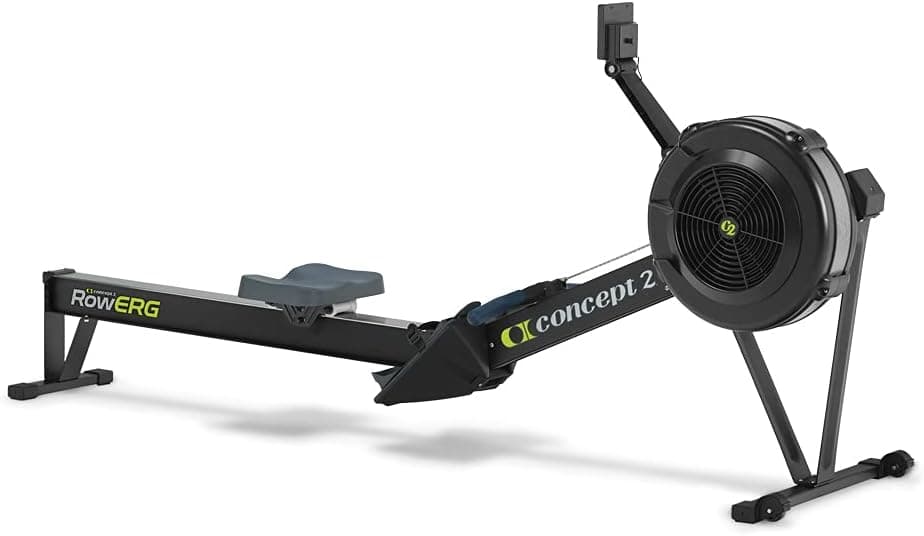
The best rowing machine UK buyers can get in 2026, ranked across air, magnetic and water rowers from budget to premium, with honest pros and cons.
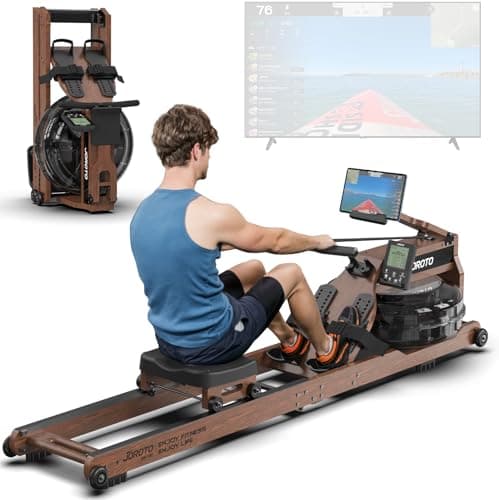
The best water rowing machines in the UK, ranked. We compare wooden water rowers from budget to premium, covering specs, the natural feel and honest downsides.
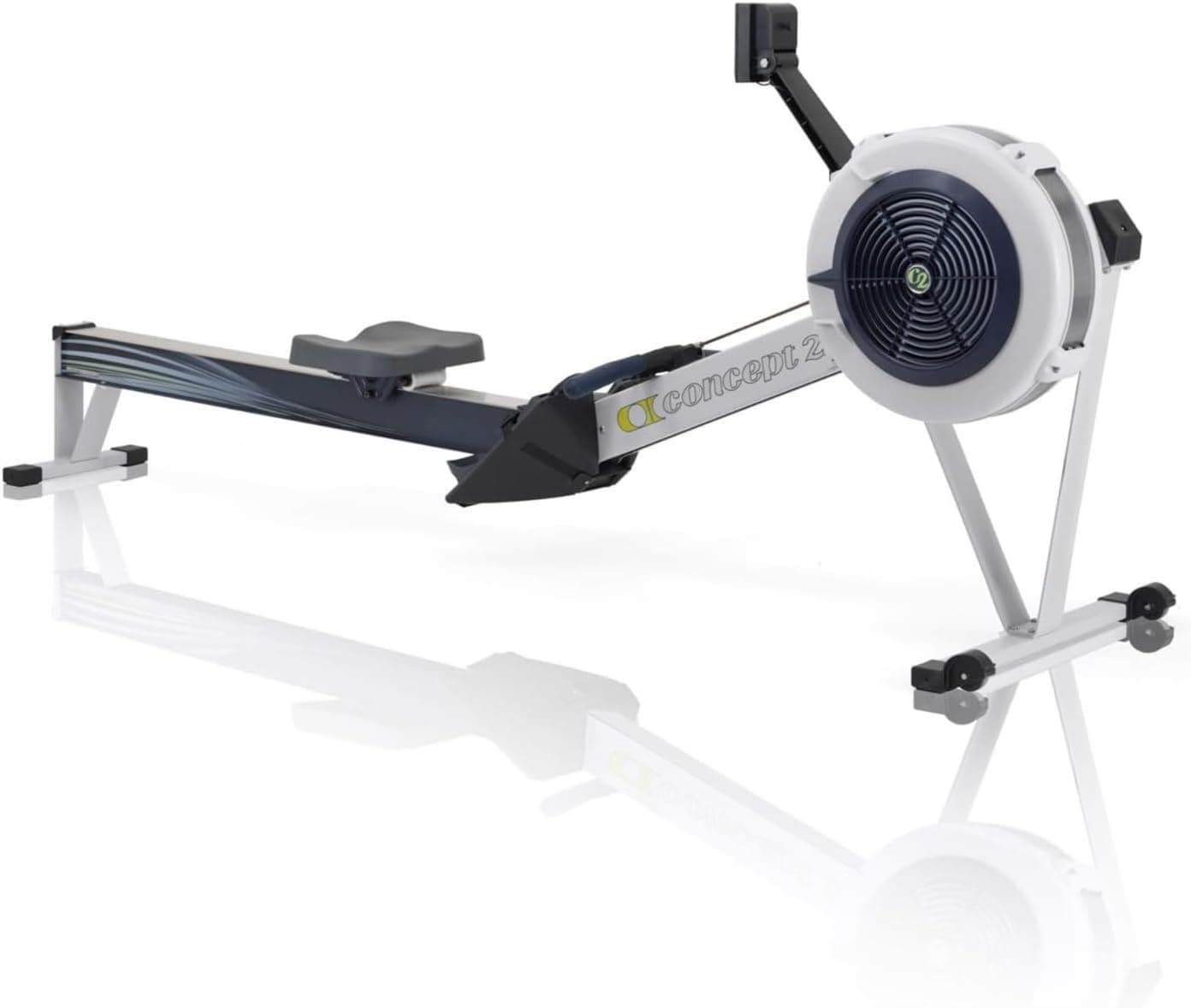
An honest, in-depth Concept2 Model D (RowErg) review covering the air resistance, PM5 monitor, build quality, noise, who it's for and whether it's worth the money.
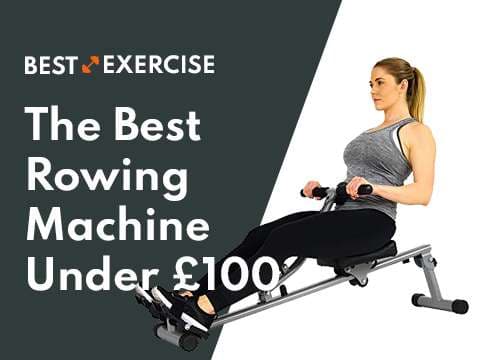
Looking for the best rowing machine under £100? Our experts tested budget rowers to find the two best value picks for a home workout without overspending.

Rowing machine vs cross trainer compared for weight loss, muscle building, cardio and home use. Find out which machine suits your goals and your space best.

Rowing machine vs spin bike compared for cardio, weight loss, strength, cost and home use. Our experts pick the outright winner so you can buy with confidence.
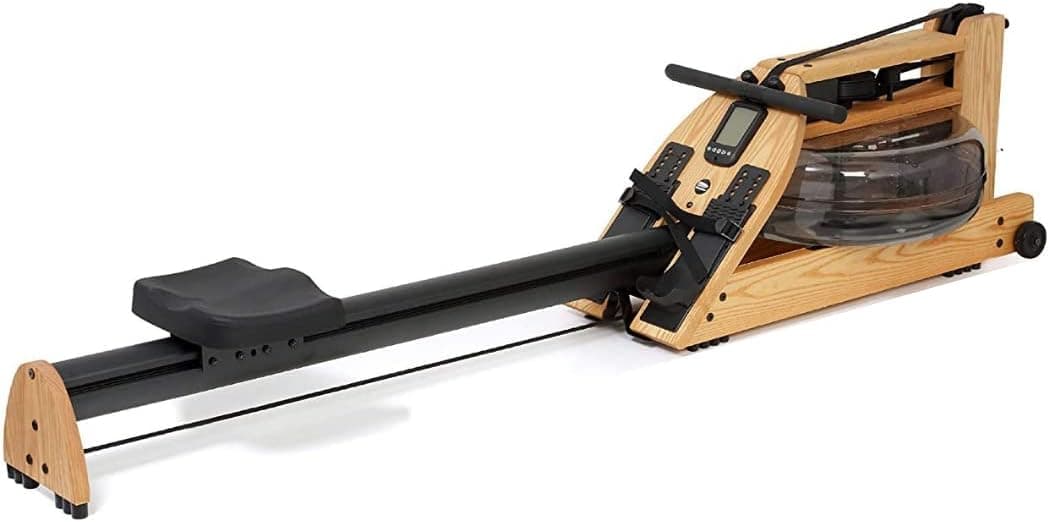
An honest WaterRower A1 review covering the water resistance feel, the solid oak build, the bare-bones A1 monitor, noise, value and whether it is worth the money.
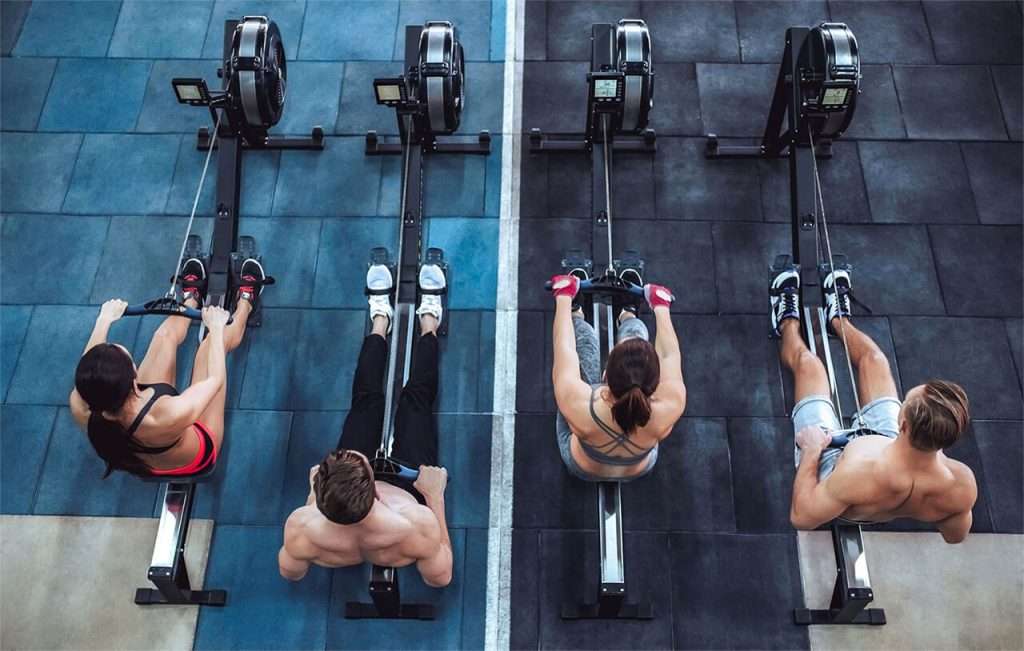
Wondering what type of rowing machine is best? We compare elastic band, hydraulic, magnetic, air and water rowers on price, feel and performance.
Our rowing machine reviews pull together every rower we've put hands on, from the Concept2 that dominates gyms to budget magnetic models you can tuck behind a sofa. The grid above lets you sort the whole lot by resistance type, price and brand, so you can jump straight to the machines that fit your room and your budget.
Rowing is one of the few bits of home kit that trains your legs, back and arms in a single stroke, and it's low-impact, which matters if your knees have opinions. The catch is that rowers vary wildly in feel and footprint, and a glowing star rating won't tell you whether a machine will annoy your downstairs neighbours or fold flat enough to live in a one-bed flat.
That's what this hub is for. Below the picks you'll find how we test, the specs that actually change the experience day to day, and honest answers to the questions UK buyers ask us most.
We judge a rower on the stroke first. A good machine catches smoothly and builds resistance as you pull harder, rather than feeling slack at the start and then slamming to a dead stop. We pay attention to the recovery too, because a jerky return is where cheaper rails and seat rollers give themselves away.
After feel comes the boring stuff that decides whether you keep using it: how stable the frame stays under a hard effort, whether the seat runs quietly, how legible the monitor is mid-session, and how the thing stores. We measure the footprint folded and unfolded, and we flag any rower that needs two people or a toolkit to shift it.
Scores lean towards machines we'd genuinely recommend at their price. A £150 rower is never going to row like a Concept2, so we rate it against its peers rather than the gym standard. Where a model's build quality or monitor lets it down, we say so plainly instead of rounding up.
Air rowers use a fan, so the harder you pull the more they push back; they feel the closest to being on real water, and they're what most commercial gyms buy. The trade-off is noise, that familiar whoosh carries through a house, and the fan cage eats floor space.
Magnetic rowers are near silent and compact, which makes them the obvious choice for flats and shared homes. Resistance is set by a dial rather than your own effort, so the stroke feels even but a little lifeless by comparison. Some models blend magnetic and air to land somewhere in between.
Water rowers swap the fan for a paddle spinning in a tank, giving a smooth pull and a soft swoosh that a lot of people fall for; they usually cost more and stand upright to store. Hydraulic rowers, with a piston on each arm, are the cheapest and smallest option going, but they can't match the others for a long, natural stroke, and the cylinders tend to fade under heavy use.
Measure before you buy anything. Most full-size rowers need roughly two metres of clear floor in use, and the real question is where the machine lives between sessions. Magnetic and hydraulic models fold smallest, water rowers stand on end but are tall, and a Concept2 separates into two pieces that store neatly despite its length.
On budget, spend what the job needs and no more. If you're rowing a few times a week to stay fit, a solid magnetic rower from JLL, Dripex or Sunny Health & Fitness does the work without fuss. If you're training seriously or chasing numbers, the Concept2 holds its value and its PM5 monitor is the one most coaches and online classes expect to see.
Keep an eye on two specs in particular: the max user weight and the monitor. Lighter-built rowers often cap lower than you'd guess, and a vague display that only shows time and a made-up calorie figure makes it hard to pace yourself or track progress. Those two numbers tend to separate a machine you'll stick with from one that ends up gathering dust under the bed.
Magnetic rowers are the safe pick for flats. They're quiet enough not to rattle the neighbours, and most fold down or stand upright in a cupboard gap. Hydraulic models are smaller and cheaper still if space is really tight, though the stroke is shorter and less satisfying. Give air rowers a miss unless you've got the floor space and don't mind the whoosh.
For general fitness a few times a week, a dependable magnetic rower in the low-to-mid hundreds will do you proud, and brands like JLL and Dripex are fine at that level. If you're training hard or want a monitor that pairs with online classes, the Concept2 sits higher but earns it and barely loses value secondhand. Spending under £100 usually gets you a hydraulic rower that's okay for a while but rarely lasts.
They can be genuinely useful if your aim is light, regular exercise rather than performance. The weak spots are the monitor, the smoothness of the stroke and long-term durability, especially on hydraulic models whose cylinders fade with heavy use. Buy cheap with clear eyes: it'll get you moving, just don't expect it to feel like a gym machine or survive daily hour-long sessions.
Go for air if you want the most realistic, responsive stroke and you've got the room plus a tolerance for noise. Go magnetic if quiet and compact matter more, which for most UK home users they do. Still torn? An air-magnetic hybrid gives you a taste of both, though it costs more than a plain magnetic model.
Rowing works a lot of muscle at once and keeps your heart rate up, so it burns energy efficiently while staying kinder on your joints than running. Weight loss still comes down mostly to what you eat, but a rower you'll actually climb on several times a week is sound cardio kit. Consistency matters more than intensity here, so the best machine is the one that doesn't put you off using it.
Water rowers feel lovely and the sound is calming, so plenty of people happily pay the premium. They aren't more effective than a good air or magnetic rower, though, and they're heavy and tall to store. Buy one because you like the stroke and the way it looks in the room, not because you expect it to train you harder.