Home Gym
Fitbit Versa 4 Review: A Good Fitness Watch With Fewer Smarts
Our Fitbit Versa 4 review covers built-in GPS, 6+ day battery, Google Maps and Wallet, the lost third-party apps and Wi-Fi, and who should buy it at £179.

By Paul Kendrick, Cardio & Endurance Editor · Updated 8 October 2026
We may earn a commission from qualifying purchases made through links on this page, at no extra cost to you. This never affects our ratings.
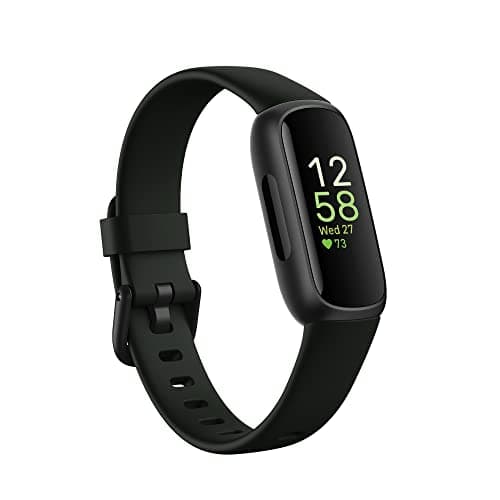
The Fitbit Inspire 3 is the best cheap fitness tracker for most people who want to sleep better and move more, and at around £59.99 on Amazon UK it costs less than a single month of many gym memberships. You get a colour AMOLED screen, 24/7 heart rate, proper sleep staging and a battery Google rates at up to 10 days, all in a band that weighs under 18g. What you don't get is built-in GPS, a big screen or any third-party apps, and a chunk of the smartest analysis sits behind a Google Health Premium subscription once the trial runs out.
So the question isn't whether it's good. It is. The question is whether you'll miss the things it leaves out, and for walkers, casual gym-goers and anyone chasing better sleep the honest answer is probably not.
How we review
This review is research-based. We compiled Google's official Inspire 3 specifications, the Amazon UK listing and the patterns that repeat across verified owner feedback, and we cross-checked sleep tracking claims against published research. We haven't run our own long-term test of this unit, so we stick to findings that show up consistently rather than one-off opinions.
These figures come from Google's official Inspire 3 tech specs page, which lists it at £84.99 direct, so the Amazon price is a decent saving.
| Display | Colour AMOLED touchscreen, Gorilla Glass 3 |
|---|---|
| GPS | Connected GPS only (uses your phone) |
| Sensors | Optical heart rate, SpO2 (red and infrared), 3-axis accelerometer, device temperature, ambient light |
| Battery life | Up to 10 days |
| Charge time | About 2 hours (0 to 100%) |
| Water resistance | 50 m / 5 ATM |
| Size | 39.32 x 18.6 x 11.75 mm |
| Weight | 17.69 g |
| Bands included | Small (130 to 190 mm) and large (160 to 220 mm) |
| Phone support | iOS 16.4+ or Android 11+, Google account required |
At 17.69g and under 12mm thick, the Inspire 3 is light enough that you forget it's there, which matters more than any feature on the box because a tracker only works if you actually wear it to bed. Google ships both small and large silicone bands, so you won't need to buy a second strap just to get the fit right, a small thing rivals often charge extra for.
The AMOLED screen is the big step up from the Inspire 2's greyscale panel. Colours are sharp, text is readable outdoors, and there's an always-on mode if you want the time visible without a wrist flick (it does eat into battery). The catch is size: it's a narrow strip, so reading a long WhatsApp message means scrolling a few words at a time. You navigate with taps and swipes plus two side buttons that you squeeze together; owners find this a bit clumsy at first, then stop noticing.
For daily movement the Inspire 3 does exactly what it should. It counts steps, estimates calories, tracks resting heart rate and logs Active Zone Minutes, which credit you double for time in cardio or peak zones. If you're working towards the NHS target of 150 minutes of moderate activity a week, that weekly tally is the most motivating number on the band. You also get a cardio fitness score based on estimated VO2 max, plus SmartTrack, which spots walks and other workouts automatically and logs them in the app afterwards.
The optical heart rate sensor is reliable for walking, steady cycling and resting readings. Like every wrist sensor it struggles during sprints, heavy lifting and anything where your wrist bends hard, and it'll lag behind a sudden spike. If you train with intervals and want precise numbers, our guide to heart rate zone training explains why a chest strap still matters, and the best heart rate monitor UK roundup covers the straps worth buying.
GPS is the biggest gap. The Inspire 3 relies on connected GPS, borrowing your phone's signal to map pace and distance. Carry the phone and runs track properly; leave it at home and you're back to step-based estimates, which wander. Walkers won't care. Runners training for a 10K probably will.
Sleep tracking is where Fitbit has always been strongest, and the Inspire 3 gets the full package: light, deep and REM stages, a nightly Sleep Score, sleeping heart rate and a Smart Wake alarm that buzzes you during a lighter stage within a set window. A 2019 meta-analysis of Fitbit wristbands found sleep-staging models matched lab polysomnography for total sleep time and time awake overnight, while warning that stage breakdowns are rough estimates rather than clinical results. That's the right way to read the data: trust the trends, don't obsess over a single night's REM figure.
Health tracking goes further than you'd expect at £60. There's SpO2, heart rate variability, breathing rate, skin temperature variation (shown as change from your baseline, not an absolute reading), high and low heart rate alerts and irregular rhythm notifications that check for possible signs of AFib. Google is clear these are wellbeing features, not medical devices. There's no ECG app, which is one of the things the Charge 6 adds.
Check price on Amazon£59.99Google quotes up to 10 days, and in normal use with notifications on and the always-on display off, owners regularly report a week or a bit more. Switch on always-on mode, run SpO2 overnight or take lots of calls on the wrist and expect that to roughly halve. Even then you're charging far less often than with an Apple Watch SE 3 or most AMOLED smartwatches. A full charge takes about two hours on the proprietary clip cable, so don't lose it.
Fitbit's app has become the Google Health app, and you now need a Google account to set the Inspire 3 up. If you already live in Gmail and Google Drive that's painless; if you'd rather keep your health data away from a Google login, it's a genuine reason to look at Garmin instead.
The free tier is generous: all the core stats, sleep stages, Sleep Score, Active Zone Minutes and notifications work without paying. Google Health Premium adds the Daily Readiness Score (which tells you whether to train or recover), the detailed Stress Management Score breakdown, most guided mindfulness sessions, a shareable wellness report and Gemini-based coaching. The Amazon listing mentions six months of Premium included, while the Google Store currently advertises three, so read the box. After the trial, it becomes a monthly cost that quietly adds to the real price of a £60 tracker.
There are no third-party apps, no music storage, no contactless payments and no voice assistant. You can see call, text and app notifications, use Find My Phone and change clock faces. That's the full list of smarts, and it's deliberately short.
Buy the Inspire 3 if your goals are walking more, sleeping better and keeping a loose eye on your heart, especially if you've never owned a tracker and don't want to spend £200 finding out whether you'll stick with it. It also works well alongside an under-desk walking pad; our walking pad under desk guide covers how to build those steps into a working day.
Skip it if you run seriously, want to leave your phone at home, or want a watch that does payments and apps. It won't grow with an ambitious training plan.
Fitbit Charge 6. The obvious step up. Our Fitbit Charge 6 review covers it in full, but the short version is that you pay roughly £25 to £30 more on Amazon for built-in GPS, ECG, Google Wallet and heart rate broadcasting to gym machines, in exchange for a shorter quoted battery (up to seven days). If you run outdoors without a phone, it's worth the extra; if you don't, the Inspire 3 is the smarter buy.
WHOOP. It's screenless and subscription-based, aimed at recovery obsessives. As our WHOOP Peak review explains, you're effectively renting it for well over £200 a year, which makes the Inspire 3 look like a bargain for anyone who just wants sleep and activity data.
Garmin Forerunner 70. At around £214, the Forerunner 70 is a proper running watch with onboard GPS and training features, no subscription required. It's the pick for runners and costs more than three Inspire 3s.
Apple Watch SE 3. A full smartwatch for iPhone owners at around £219, with apps and payments, but battery measured in a day or so rather than a week. See our Apple Watch SE 3 review if smart features matter more to you than battery.
Not built in. It uses connected GPS, which borrows your phone's location while you run, walk or ride, so you need to carry your phone to get accurate pace and distance. Without the phone it estimates distance from your steps, which is fine for walks but less reliable for running pace.
Google quotes up to 10 days. With the always-on display switched off and normal notifications, most owners get around a week or more. Turn on always-on mode or SpO2 tracking overnight and it drops noticeably, though it still outlasts most smartwatches. A full charge takes about two hours.
No. Steps, heart rate, sleep stages, Sleep Score, Active Zone Minutes and notifications all work for free. Google Health Premium adds the Daily Readiness Score, the detailed stress score breakdown, most guided sessions and the AI coaching. The Amazon listing bundles a six-month trial, while the Google Store currently advertises three months, so check which offer applies when you buy.
It is water resistant to 50 metres (5 ATM), so showers and pool swims are fine. Google says it isn't designed for high-velocity or hot water, so skip the sauna and jet skiing, and dry the silicone band afterwards to keep your skin happy.
Buy the Inspire 3 if you mainly want steps, sleep and heart rate on a light band with a long battery. Pay the extra for the Charge 6 if you want to run without your phone, since it has built-in GPS, plus ECG, Google Wallet payments and heart rate broadcasting to gym kit.
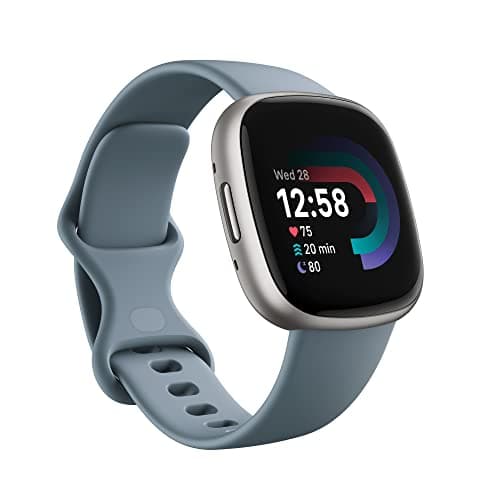
Our Fitbit Versa 4 review covers built-in GPS, 6+ day battery, Google Maps and Wallet, the lost third-party apps and Wi-Fi, and who should buy it at £179.
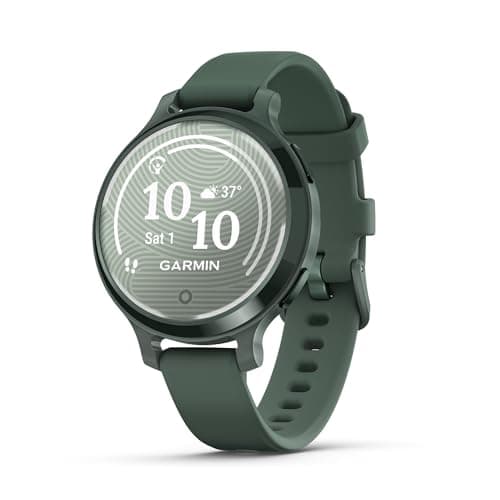
An honest Garmin Lily 2 Active review: built-in GPS on a 38mm, 29g case, 9 day battery, Garmin Pay, and the greyscale screen and missing music storage to weigh against the price.
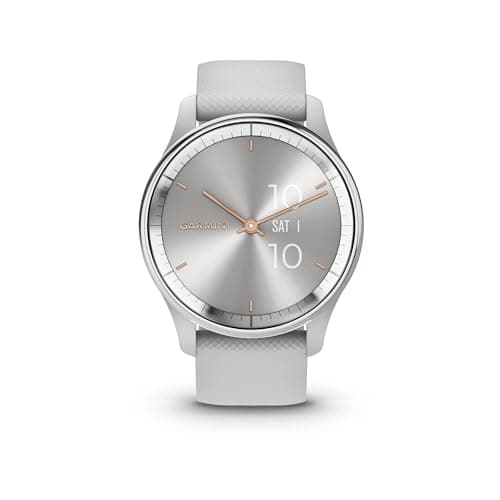
Garmin vivomove Trend review for UK buyers: analogue hands over a hidden touchscreen, Body Battery, Garmin Pay, Qi charging, and the 5 day battery and missing GPS to weigh up at £232.
How much does a Smith machine bar weigh? It varies by machine, commonly about 6kg to 20kg effective, and counterbalanced bars can be close to zero. Here's how to check yours.
Best Exercise is a participant in the Amazon EU Associates Programme, an affiliate advertising programme designed to provide a means for sites to earn advertising fees by advertising and linking to Amazon.co.uk. As an Amazon Associate we earn from qualifying purchases. This comes at no extra cost to you and never influences our independent reviews or rankings.