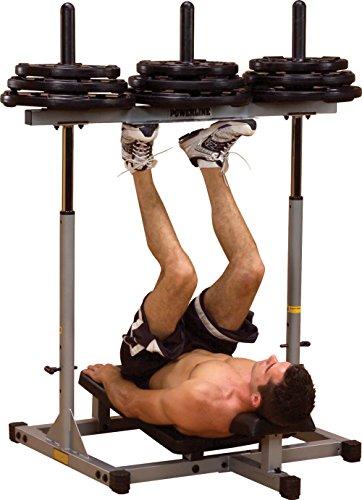
Home Gym
Body-Solid Powerline VLP156 Review: A Compact Vertical Leg Press
Body-Solid Powerline VLP156 vertical leg press review: 400lb capacity, 1-inch plate posts, 35kg frame, small footprint and who it really suits in the UK.

By Jack Atkins, Home Gym Equipment Specialist · Updated 7 November 2026
We may earn a commission from qualifying purchases made through links on this page, at no extra cost to you. This never affects our ratings.
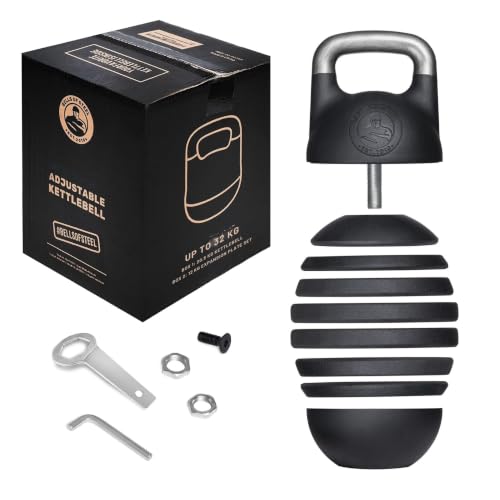
The Bells of Steel adjustable kettlebell is a competition-shape steel shell that loads with iron plates inside, adjusting from 12kg to 32kg in 0.5kg steps. My verdict up front: it's the most sensible way we've found to own a full run of serious kettlebell weights without a rack of 10 bells, and the 41 settings make progression unusually smooth. The trade-offs are clear and fixed. Changing the weight needs two tools and about a minute, and because the shell never changes size, the 12kg setting is a big, wide bell.
It sells for around £299.99 at the time of writing. That sounds like a lot for one kettlebell until you price up the fixed bells it replaces.
This is the heavier, 32kg version. Our adjustable kettlebell guide covers a smaller Bells of Steel shell that runs 12kg to 20.5kg for around £160. Same idea, same handle style, but this one keeps going well past the point where most people stall on the lighter model.
How we review
This review is research-based. We've worked from the live Amazon UK listing, Bells of Steel's published specifications and consistent owner feedback, and we haven't run a long-term hands-on test of this exact bell. Where a detail isn't published (exact shell dimensions, for example), we say so rather than guess.
This bell makes sense for three kinds of buyer:
It's a poor fit if you need anything under 12kg, or if your training is fast circuits where you'd change weight between rounds. If you're not sure where you sit, our what weight kettlebell should I use guide gives starting weights by exercise.
| Weight range | 12kg to 32kg |
|---|---|
| Increments | 0.5kg |
| Settings | 41 |
| Shell | Steel, competition shape (one size at every weight) |
| Handle | 35mm competition-style |
| Loading | Iron plates inside the shell, bolted through the base |
| Tools | Allen key and hex nut wrench (included) |
| Change time | Under a minute (manufacturer claim) |
| In the box | 12kg shell, plate set to reach 32kg, tools |
| Price | Around £299.99 at the time of writing |
The shell is steel and the plates are iron. There's no dial, no selector pin and no plastic cradle, which is the part that tends to fail first on dial-style adjustable bells. The plates sit inside the shell, a bolt runs up through the base, and a nut holds the stack tight. When it's done up properly the plates shouldn't rattle, and owners consistently report a solid, single-piece feel in use.
The handle is listed at 35mm. Plenty of competition bells use a 33mm handle, so this one is a touch thicker. That's a small difference, but if you've trained on 33mm bells you may notice it on high-rep snatches. For swings and cleans most people won't care.
Bells of Steel doesn't publish the shell's height or base width on the Amazon listing. What matters is that it's sized to hold 32kg, which puts it in line with a standard competition bell, so it'll stand flat on the floor and take up the footprint of one heavy bell.
Here's where the 0.5kg increments earn their keep. With fixed bells, the usual jumps are 4kg: 12, 16, 20, 24, 28, 32. A 4kg jump on a one-arm press is brutal; going from 16kg to 20kg is a 25% increase. With this bell you can go 16, 16.5, 17 and so on, adding a little each week. For swings the jump matters less, but for presses, get-ups and windmills it's the difference between steady progress and getting stuck.
The competition shape also helps technique. Because the bell's size and the handle's position don't change, your rack position and the way the bell lands on your forearm stay the same from 12kg to 32kg. You learn one groove.
Kettlebell work itself is well supported by research. In a 6-week trial, twice-weekly kettlebell swing training improved half-squat strength and vertical jump by a similar amount to jump squat power training. Another randomised trial found that 8 weeks of ballistic kettlebell training cut neck, shoulder and low back pain in workers with high pain rates and strengthened the back extensors, though it didn't improve aerobic fitness. Neither study used this bell, but both show why a heavy, swingable kettlebell is worth having at home. If you're new to the main lift, start with our kettlebell swing guide.
Weight changes are slow. You flip the bell, undo the bottom screw with the Allen key, loosen the nut with the hex wrench, add or remove plates, then tighten it all down again. Bells of Steel says under a minute, and that seems fair once you've done it a few times. But a minute is a long time mid-workout. If you like complexes that move from a heavy swing to a lighter press, you'll either do the whole session at one weight or spend more time with a spanner than a kettlebell. Plan sessions around one or two settings and it's fine.
12kg is a big bell. A 12kg cast iron kettlebell is small and compact. A 12kg competition bell is the same size as a 32kg one, just lighter. For goblet squats and swings that's no problem. For lighter overhead work or anyone with small hands, the wide bell can sit awkwardly on the forearm. That's the competition-bell deal, not a fault, but it surprises people.
Nothing under 12kg. If you want a light bell for halos, presses or a partner who's just starting, you'll need a separate fixed bell.
Loose parts. The tools and spare plates live outside the bell. Lose the Allen key and you're stuck at whatever weight it's set to. Keep them in a tub next to the bell.
At around £300 this is more than most people pay for a kettlebell, but it isn't one kettlebell. A 32kg competition bell alone was around £116 on Amazon UK when we checked, so a 16kg, 20kg, 24kg and 32kg set will typically land above £300, and that still only gives you four weights rather than 41. Heavy competition bells cost more than light ones, which is exactly where this design saves money.
It's poor value if you only need a 12kg and a 16kg. Two fixed bells will cost less, change weight instantly and take up barely more space.
See today's price on the Bells of Steel adjustable kettlebellaround £299.99This version runs from 12kg to 32kg in 0.5kg jumps, which gives 41 settings. Bells of Steel also sells a smaller shell that tops out at 20.5kg, so check the listing says 32kg before you buy.
Bells of Steel says under a minute. You undo the bottom screw with the supplied Allen key, loosen the nut with the hex wrench, swap plates and tighten it all back up. That's fine between sessions or exercises, but too slow for a circuit where you change weight every 30 seconds.
No. It's a competition-shape bell, so the shell is the same size at every weight. At 12kg you're holding a bell built to house 32kg of plates, which is much bigger than a 12kg cast iron bell. That's the point of competition sizing, but it can feel bulky for beginners.
If you'd otherwise buy three or four fixed competition bells between 12kg and 32kg, yes. A single 32kg competition bell runs to around £116 on Amazon UK at the time of writing, so a full spread of four soon passes £300. If you only need one or two light bells, buy fixed bells instead.
Only if 12kg is a sensible starting weight for you. Many women and newer lifters start lighter for presses and get-ups, and this bell can't go below 12kg. For swings and deadlifts, 12kg is a reasonable start for most adults.
Body-Solid Powerline VLP156 vertical leg press review: 400lb capacity, 1-inch plate posts, 35kg frame, small footprint and who it really suits in the UK.
Kettlebell vs dumbbell: dumbbells win for building muscle at home, kettlebells win for swings, conditioning and grip. Costs, load jumps and which to buy first.
How long should a skipping rope be? A height to rope length chart in cm and feet, the stand-on-it test, and how to shorten an adjustable rope properly.
How to clean a yoga mat properly: a 30-second after-class wipe, a weekly clean and a deep clean, plus what's safe for PVC, TPE, natural rubber, PU, cork and cotton mats.
Best Exercise is a participant in the Amazon EU Associates Programme, an affiliate advertising programme designed to provide a means for sites to earn advertising fees by advertising and linking to Amazon.co.uk. As an Amazon Associate we earn from qualifying purchases. This comes at no extra cost to you and never influences our independent reviews or rankings.