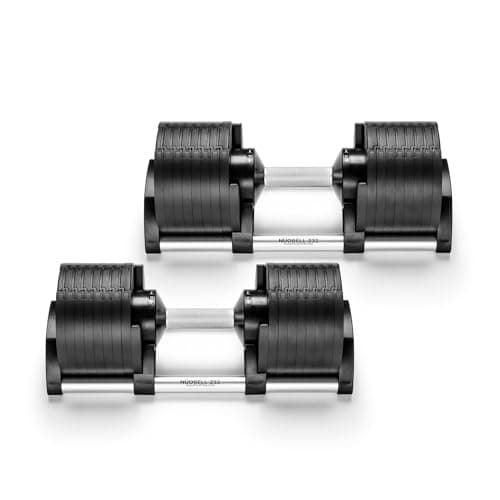
Home Gym
Best Adjustable Dumbbells UK: 6 Top Picks for 2026
The best adjustable dumbbells in the UK for 2026, from quick-dial sets to heavy 40kg and 50kg options. Budget to premium picks researched and ranked.

By Jacob Chambers, Founder & Lead Reviewer · Updated 26 August 2026
We may earn a commission from qualifying purchases made through links on this page, at no extra cost to you. This never affects our ratings.
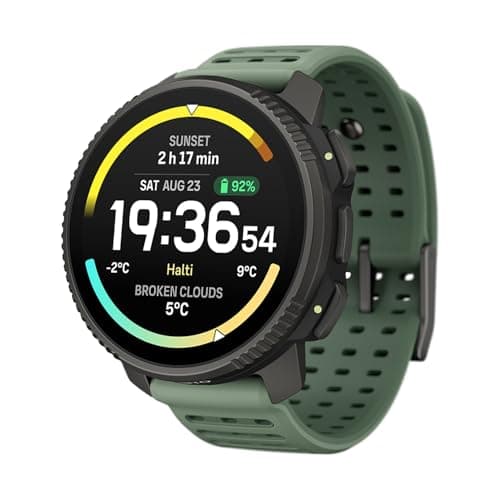
Suunto has done something slightly awkward with the Vertical 2: it built an AMOLED adventure watch that outlasts most memory in pixel rivals, which rather undermines the usual argument for buying a dull screen. The claim is 65 hours of dual band GPS recording. A reviewer who took one on a 70km hike with the always on display and navigation active burned roughly 2% an hour, which works out near 50 hours of real use, and that beat every AMOLED watch tested next to it.
This is the second generation of Suunto's flagship outdoor watch, launched in late 2025. The 49mm case and 13.6mm thickness carry over from the original, but almost everything inside changed: a 1.5 inch LTPO AMOLED at 466x466 and 2,000 nits, the heart rate sensor from the Race 2, a processor around twice as fast, and Suunto's first proper flashlight. Solar charging, which the first Vertical had, is gone.
How we review
This review is built from Suunto's published specifications, sustained testing published by independent GPS watch specialists, and the repeated themes in verified owner feedback. We have not run this exact unit through a full winter, so we stick to findings that show up across several sources and say clearly where the manufacturer's claim and the measured result diverge.
Anyone who trains long and outdoors and has been holding off on AMOLED because of battery anxiety. Ultra runners, hikers, ski tourers and cyclists doing all day rides get the most out of it, particularly if they navigate on the watch rather than on a phone. Everyday runners doing 45 minutes and a weekend long run will be well served but somewhat over equipped, and the Suunto Race S covers that job for a lot less money.
The other buyer is the person tired of Garmin's endless menus who wants something calmer to look at. Suunto's interface is cleaner and less cluttered. It is also less capable, which is the trade.
Check the Suunto Vertical 2 price on AmazonThe panel is the headline. LTPO lets the refresh rate drop when nothing is moving, which is how Suunto gets AMOLED brightness without AMOLED battery drain, and 2,000 nits means the watch stays readable with the sun directly overhead. Colours on maps look like maps rather than like a weather chart drawn in crayon, which sounds trivial until you are trying to pick a contour line out at 3am.
At 74g in titanium or 87g in steel, this is not a small watch, and the 49mm case will look comic on a slim wrist. Titanium is the version to buy for very long days; for everything else the 13g saving is not worth £100. Water resistance is 100 metres, so pool sessions and rain are non events.
The flashlight is the fun addition and the clearest example of Suunto's software problem. Hardware wise it is generous: two white LEDs, one red for preserving night vision, and SOS, alert and breathing patterns built in. Then you use it and discover it forgets which mode you had it on, so every activation starts from scratch, and reaching it during a recorded activity means going through menus. Good idea, unfinished execution.
| Display | 1.5 in LTPO AMOLED, 466x466, up to 2,000 nits |
|---|---|
| Case size | 49 mm, 13.6 mm thick |
| Weight | 74 g titanium, 87 g stainless steel |
| Water resistance | 100 m |
| Battery, dual band GPS | Up to 65 hours (Suunto figure); around 50 hours measured with always on display |
| Battery, other GPS modes | 75 h endurance, 110 h ultra, 250 h tour |
| Battery, daily use | Up to 20 days with heart rate on, 30 days without |
| Charge time | Approx 72 minutes |
| Maps | Free global offline maps, heatmaps, climb guidance |
| Sport modes | 115 plus |
| Storage | 32 GB, but roughly 10 to 12 routes at a time |
| UK price | Around £538 steel, £650 titanium |
The full specification list sits on the official Suunto Vertical 2 product page, which is worth checking for the exact figures on the finish you are buying.
Suunto's battery table runs from 65 hours in the highest accuracy dual band mode up to 250 hours in tour mode, with 20 days of daily wear when heart rate tracking is left on. Those are optimistic in the usual way, but the gap between claim and reality here is smaller than most. Roughly 2% an hour with everything running is a genuinely strong result for an AMOLED watch, and a full charge takes about 72 minutes, so a dead battery does not write off your day.
Positioning is very good in the terrain this watch is designed for. Dual band tracking under tree cover and against cliff faces holds a tidy line where single band watches smear. Open water swimming is the exception and has been a Suunto weakness for years; tracks drift and distances come out long.
Wrist heart rate is the biggest quality of life change. Suunto brought over the redesigned sensor and back plate from the Race 2, and reviewers who had written off Suunto optical heart rate now describe it as usable for training rather than merely indicative. That still leaves the general limitation of the technology: validation work comparing smart wristbands against a reference heart rhythm patch reports accuracy that varies by activity and by the person wearing the device, with running the hardest case. For interval sessions and racing, pair a chest strap. Options are in our best heart rate monitor UK guide.
Free worldwide offline maps with no subscription is the single best thing about owning a Suunto, and the Vertical 2's faster chip makes moving around them painless. Heatmaps show you where other people actually run and ride, which is genuinely useful in an unfamiliar town, and climb guidance tells you how much of the hill is left.
Then the friction. Turn by turn on third party routes needs enabling manually. Route storage caps out around a dozen despite the 32GB on board, which makes no sense to anyone who has tried to load a week of holiday routes at once. Navigation generally works, but it wants more looking after than Garmin's equivalent, and the flashlight bug above is not the only place where the software feels one revision short.
On value, £538 for steel is a strong price against anything with this battery life and a screen this good, and £650 for titanium is defensible only if you genuinely go very long. If you want the deepest software and the widest ecosystem, the answer is still Garmin, and our best Garmin watch UK guide covers that side. If you want maximum battery per pound and can live with a dimmer screen, the COROS APEX 4 costs £389 and lasts weeks. The Vertical 2 sits between them, and that is a decent place to be.
See today's Suunto Vertical 2 priceSuunto quotes 65 hours of dual band GPS, 75 hours in endurance mode, 110 hours in ultra mode and 250 hours in tour mode, plus 20 days of daily use with heart rate tracking on. Independent testing on a long hike with the always on display and navigation running came in around 50 hours, which is still the best of any AMOLED sports watch tested alongside it.
In most ways yes. The MIP screen becomes a 1.5 inch AMOLED at 2,000 nits, the heart rate sensor is the much improved one from the Race 2, the processor is roughly twice as quick, and there is now a flashlight. You lose solar charging, which the original had, and the price went up.
Two white LEDs and one red LED sit in the bezel, with SOS, alert and breathing patterns as extras. It is bright enough for a dark trailhead, a tent or an aid station. The software is the weak part: it does not remember your last setting, so you reset the mode every time.
Yes, free downloadable maps for anywhere in the world, plus heatmaps and climb guidance, and it accepts routes from Strava, Komoot or a plain GPX file. The catch is route storage: despite 32GB on board, the watch holds only around 10 to 12 routes at once.
The titanium version weighs 74g against 87g for steel and costs roughly £100 more. On a 20 hour day that 13g matters; for most training weeks it does not. Buy steel and spend the difference on a chest strap unless you want the lighter watch for long mountain days.
Pool swimming is fine and it is rated to 100 metres. Open water GPS is the known weak spot, where tracks wander more than they should. If open water racing is your main sport, a Garmin will plot a cleaner line.
The best adjustable dumbbells in the UK for 2026, from quick-dial sets to heavy 40kg and 50kg options. Budget to premium picks researched and ranked.
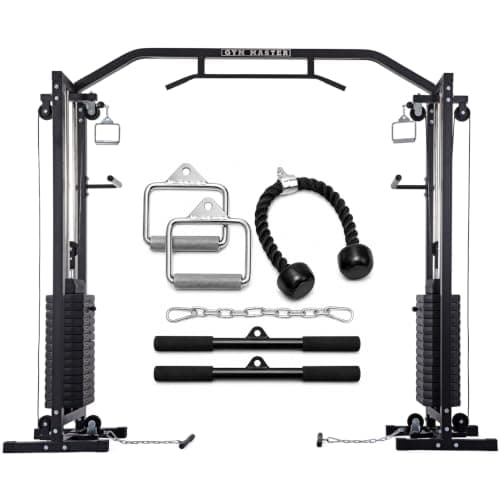
The best cable machines in the UK for 2026, from dual cable machines and functional trainers to wall-mounted and folding designs. Honest picks for any home gym and budget.
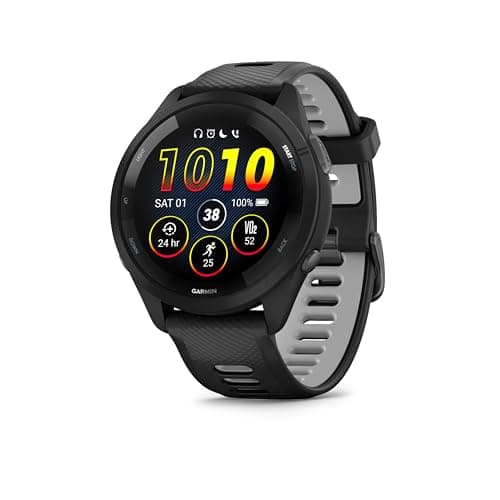
The best Garmin watch for most UK buyers in 2026 is the Forerunner 265, but not for everyone. Five models compared honestly, from the £162 Forerunner 165 to the fēnix 8.
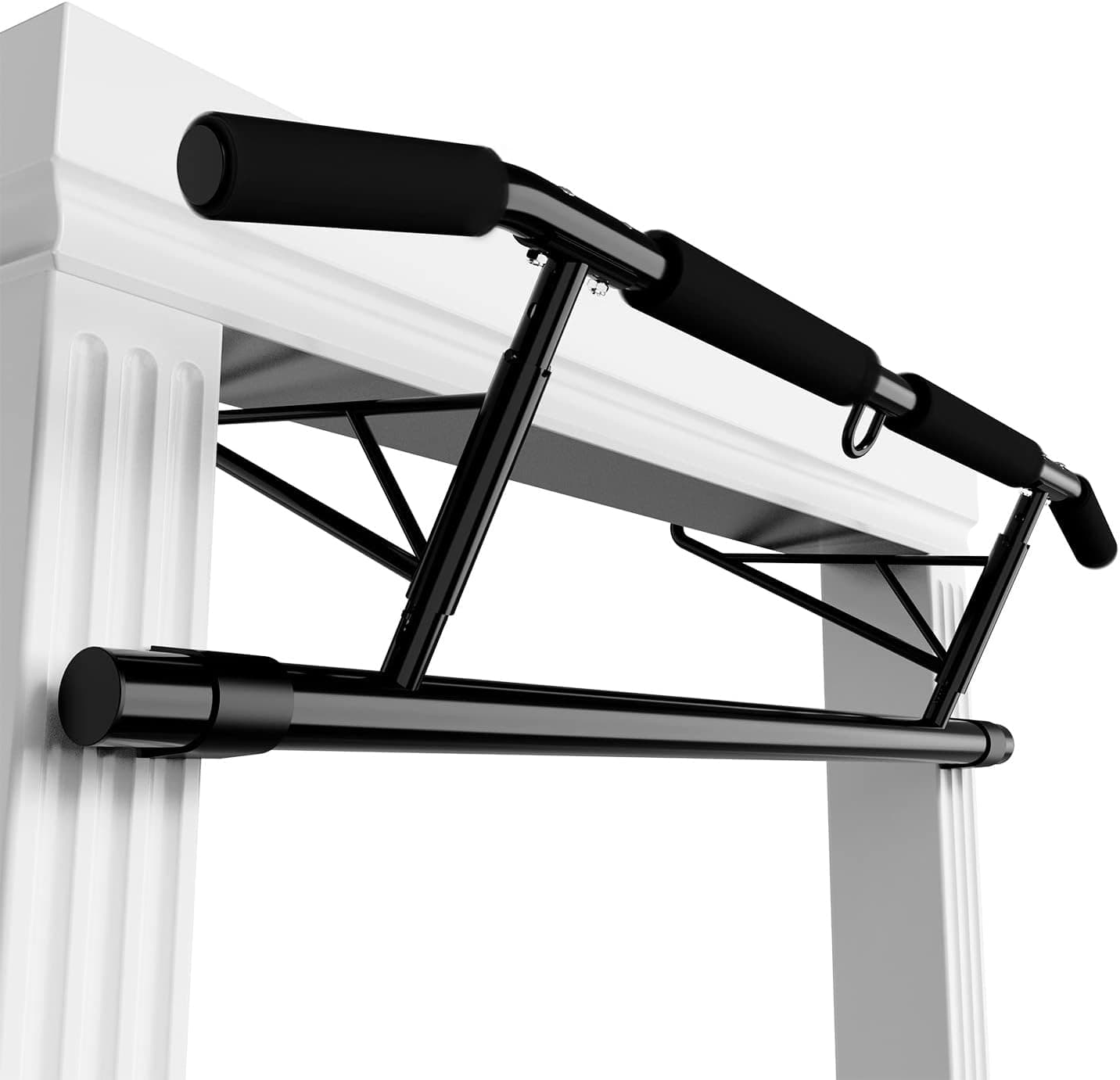
The best pull up bars in the UK for 2026: no-drill doorway bars, wall mounted pull-up bars and free standing power towers, with frame sizes, weight ratings and honest picks for every budget.
Best Exercise is a participant in the Amazon EU Associates Programme, an affiliate advertising programme designed to provide a means for sites to earn advertising fees by advertising and linking to Amazon.co.uk. As an Amazon Associate we earn from qualifying purchases. This comes at no extra cost to you and never influences our independent reviews or rankings.