Home Gym
Fitbit vs Apple Watch: Which Should You Buy in 2026?
Fitbit vs Apple Watch for UK buyers: battery, price, Google Health Premium, GPS, accuracy research and apps compared, with a straight answer on which to buy.

By Jack Atkins, Home Gym Equipment Specialist · Updated 26 June 2026
We may earn a commission from qualifying purchases made through links on this page, at no extra cost to you. This never affects our ratings.
The right yoga mat makes a real difference to how steady, comfortable and confident you feel on the floor, so it is worth getting the choice right. We researched the most popular yoga mats on sale in the UK, read through owner reviews and expert testing, and pulled together five picks that cover every budget. Whether you want a premium non slip mat for hot yoga, a thick cushioned exercise mat that is kind to your knees, or a cheap mat to get started, there is an option here for you.
How we chose
We researched these mats rather than testing every one ourselves over months. Our picks are based on published specs, expert reviews from yoga teachers and fitness sites, and a large volume of genuine owner feedback on grip, cushioning and durability. Prices and exact specs change, so always check the current details on the product page before you buy.
The single biggest things to weigh up are grip and thickness. Natural rubber and polyurethane mats grip best, especially once your hands get sweaty, while cheaper PVC and foam can feel slippery. For thickness, 4mm to 6mm suits most yoga, giving cushioning without making balances wobble. Go thicker (8mm to 10mm) only if you mostly do floor work or Pilates, or your joints need extra padding. Once your Pilates moves off the floor and onto a reformer pilates machine, the mat turns into somewhere to warm up and stretch rather than the main event.
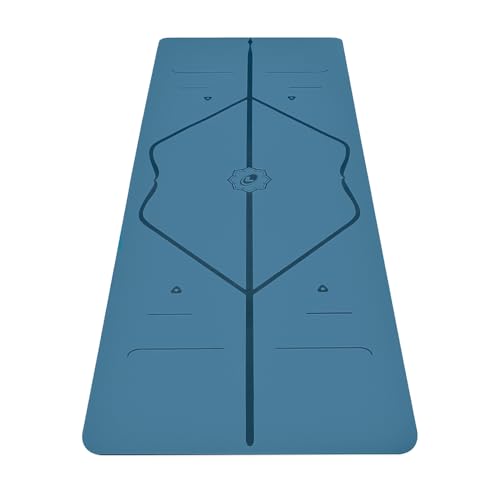
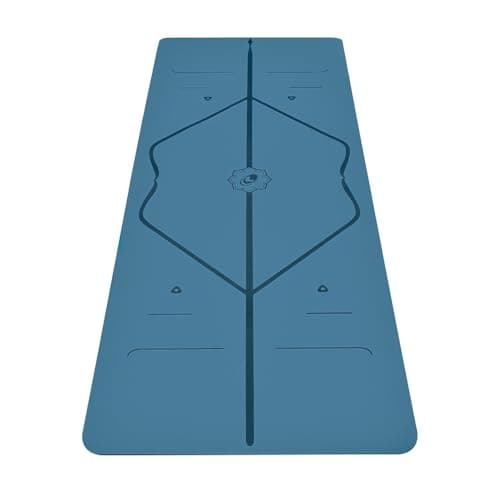
The Liforme Original is the mat most yoga teachers point to when grip matters, and it is our pick for the best yoga mat in the UK. The polyurethane top layer, which Liforme call GripForMe, has some of the highest friction of any mat we looked at, wet or dry, so it holds firm even in sweaty flows and hot yoga. It is 4.2mm thick, which is a sensible middle ground, and the printed "AlignForMe" markers give you a visual guide for hand and foot placement, which beginners in particular tend to love. It is made from specially engineered eco-polyurethane and rubber, is PVC free, comes with a free carry bag, and Liforme say it biodegrades within one to five years in normal landfill conditions.
The obvious downside is the price. At around £130 it is by far the biggest investment on this list. Two other things are worth knowing before you commit: it contains natural rubber, so it is not the mat for anyone with a latex allergy, and 4.2mm is a middle-ground thickness rather than a cushioned one, so if your knees want real padding you will be happier on a thicker mat. If you practise often though, owners consistently say it lasts and earns its keep.
Check price on Amazon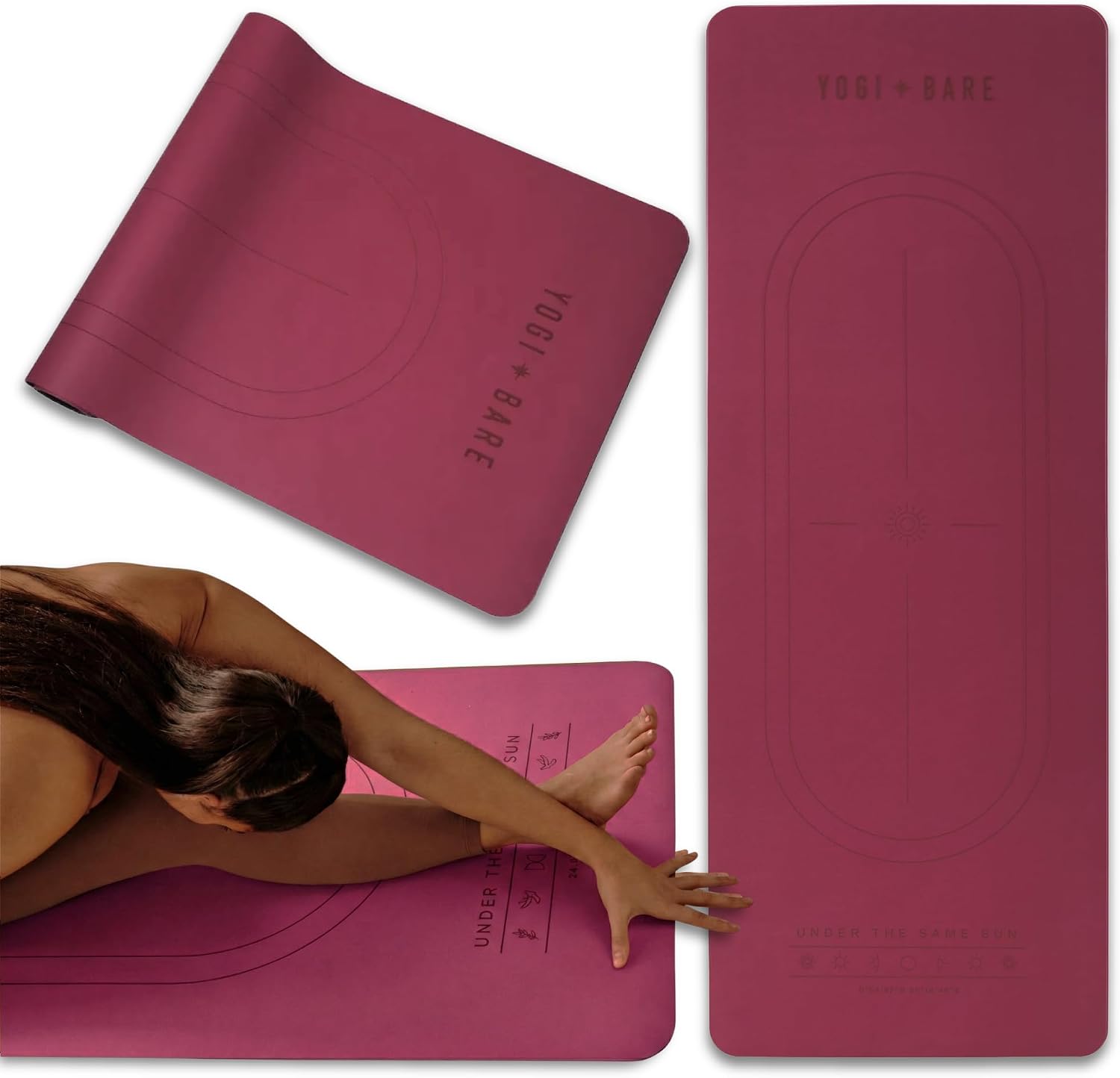
If you want serious grip without the Liforme price tag, the Yogi Bare Paws is the one to look at. It uses a natural rubber base with a sticky top surface that grips well even when your hands get damp, which is why it shows up so often in non slip yoga mat round-ups. It is 4mm thick, eco-friendly, and at roughly £68 on Amazon it sits comfortably between budget foam mats and the premium brands. For regular vinyasa, hot yoga or anyone who slips on cheaper mats, it is excellent value.
A couple of honest caveats. Natural rubber mats have a distinctive smell when new that takes a few sessions to fade, and the rubber can degrade faster than polyurethane if you leave it in direct sun. There are no alignment markers either, so you do not get the guidance the Liforme offers.
Check price on Amazon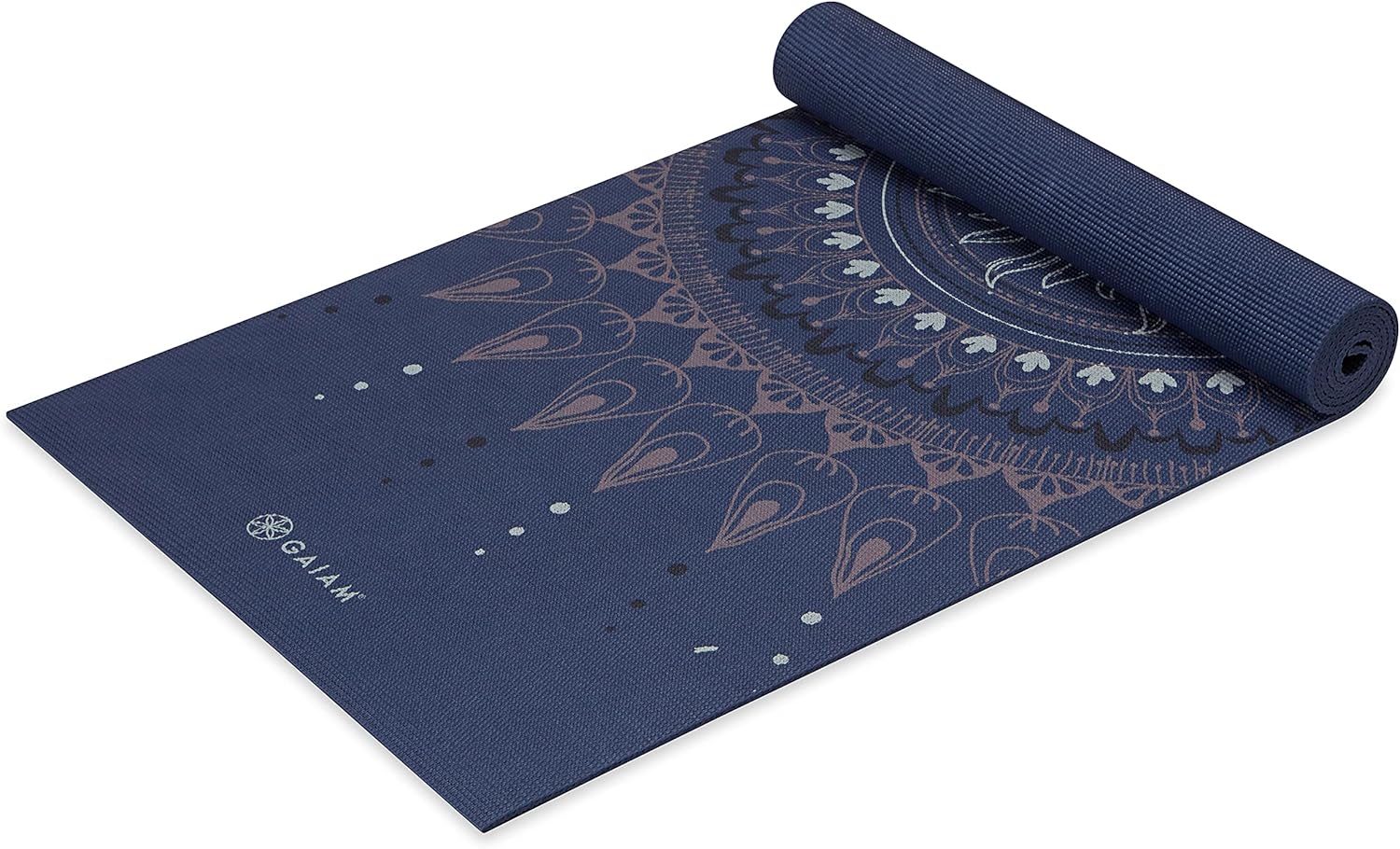
The Gaiam Premium is a long-standing favourite for gentler, slower practice and for anyone who wants a bit more padding underfoot. At 6mm it cushions knees and wrists noticeably more than a thin 4mm mat, which suits restorative and beginner-friendly yoga, and it comes in a big range of prints and colours. At around £30 it is keenly priced for a recognised brand, and the textured surface gives reasonable grip for slow to moderate flows.
It is worth being realistic about its limits. The grip is fine for steady practice but not in the same league as the Liforme or Yogi Bare for fast, sweaty sessions, and the printed surface can pick up dust and show marks over time. For hot yoga or quick vinyasa you will want a grippier rubber or polyurethane mat.
Check price on Amazon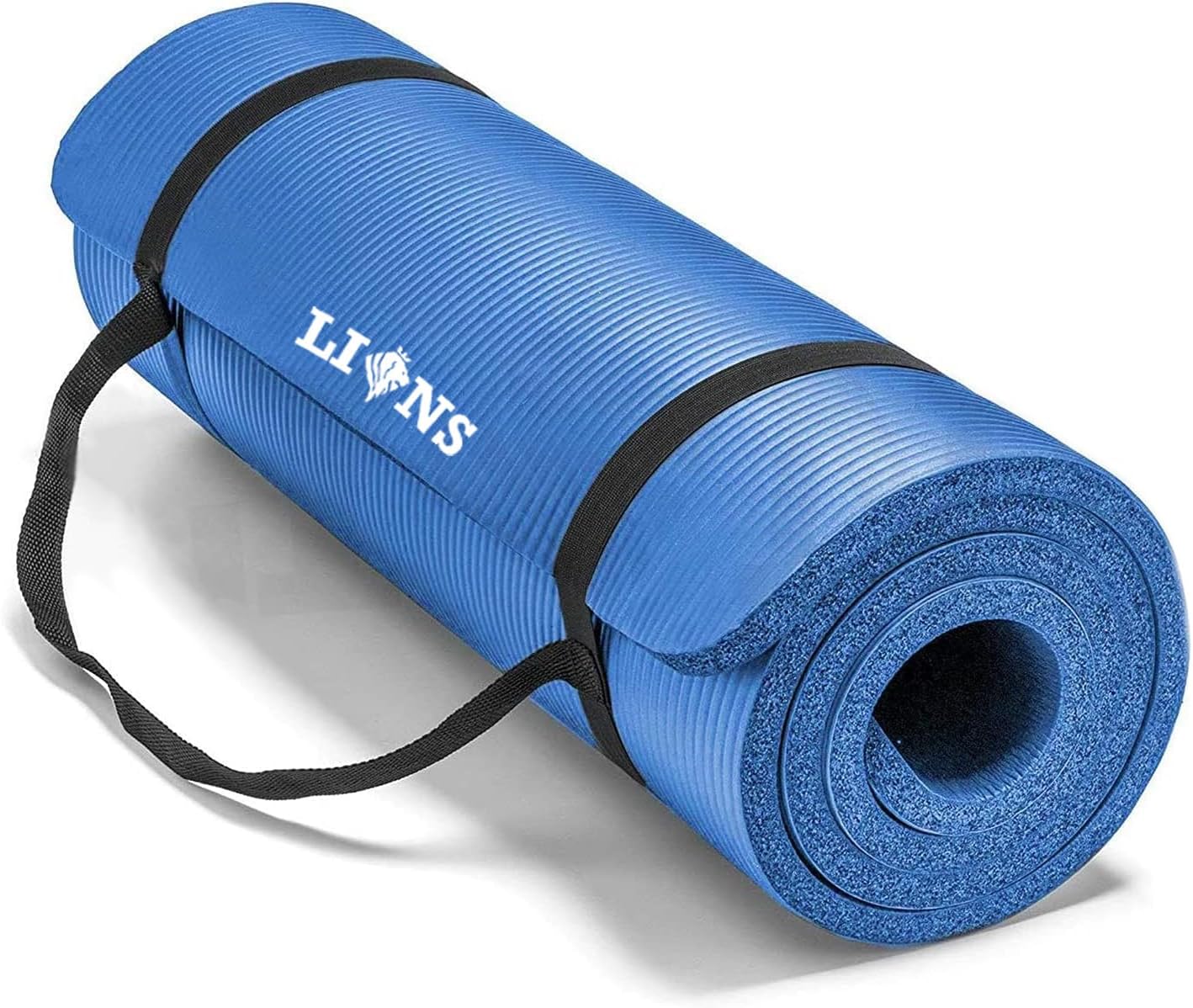
If your priority is cushioning rather than balance poses, a thick NBR foam mat like the Lions is hard to beat for the money. At 10mm thick and 183cm by 60cm it gives plenty of padding for kneeling, Pilates, stretching, sit-ups and floor work, so it is a good shout for sensitive or achy joints. It has a textured non-slip surface, comes with a carry strap, and at around £18 it is genuinely cheap. Owners regularly praise it for comfort and value on hard floors.
The trade-off with any soft, spongy mat is stability. Standing balance poses feel less secure than on a firm 4mm to 6mm yoga mat, and thick foam can move on smooth floors and dent over time. Treat it as a comfortable exercise and floor-work mat rather than a precision yoga mat.
Check price on Amazon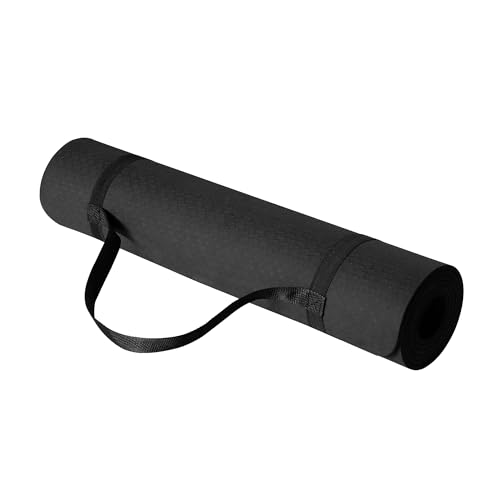
For an absolute beginner who just wants to get going without spending much, the Amazon Basics TPE mat does the job. It is 6mm thick, made from TPE rather than PVC (so a bit kinder environmentally), has a non-slip surface and comes with a carry strap. It measures 187cm by 61cm, so it is a normal full-size mat rather than a short one, and the TPE has enough spring-back to take the edge off a hard floor under your knees. At around £15 it is the cheapest mat in this guide.
Set your expectations accordingly. TPE grip is okay when dry but can get slippery once your hands sweat, and a budget mat like this will not last as long as a premium rubber one. As a first mat to learn on, though, it is fine, and you can always upgrade later if you stick with it.
Check price on AmazonIt comes down to how you practise and what you want to spend:
If you are kitting out a space to train at home, take a look at our home gym guides for the rest of the setup, and our nutrition section if you want to dial in recovery and supplements alongside your practice.
For most people the Liforme Original is the best all-round yoga mat in the UK. Its polyurethane top has some of the strongest grip of any mat we looked at, wet or dry, and the printed alignment markers help with hand and foot placement. It is expensive though, so if you want strong grip for less, the Yogi Bare Paws is a great value alternative.
Around 4mm to 6mm suits most yoga. It gives enough cushioning for your knees and wrists without making balancing poses feel wobbly. If you mostly do floor work, Pilates or have sensitive joints, a thicker 8mm to 10mm exercise mat is more comfortable, but it is less stable for standing balances.
Natural rubber and polyurethane mats grip best, especially when you sweat. The Liforme Original and the Yogi Bare Paws both use these materials and hold up well in sweaty or hot yoga sessions. Cheaper PVC and foam mats can feel slippery once your hands get damp.
Thick foam mats around 10mm are very comfortable for kneeling, Pilates and floor exercises, and they are kind to the joints. The trade-off is stability: standing balance poses feel less secure on a soft, spongy surface, so a dedicated yoga mat of 4mm to 6mm is usually the better all-rounder.
If you practise often, yes. Premium mats like the Liforme grip better, last longer and feel nicer underfoot than cheap ones, which can flake, slip or smell. If you are just starting out or only practise occasionally, a budget mat is perfectly fine to begin with.
Fitbit vs Apple Watch for UK buyers: battery, price, Google Health Premium, GPS, accuracy research and apps compared, with a straight answer on which to buy.
Every common leg machine at the gym named and explained: what each one trains, a beginner leg machine workout, and which leg machines make sense for a home gym.
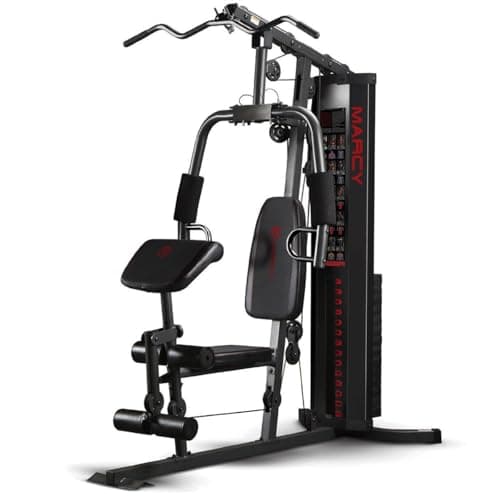
Our Marcy HG3000 multi gym review: the 68kg stack versus the 90kg claim, pec dec, preacher pad, leg extension, 210cm height, £599 price and who it suits.
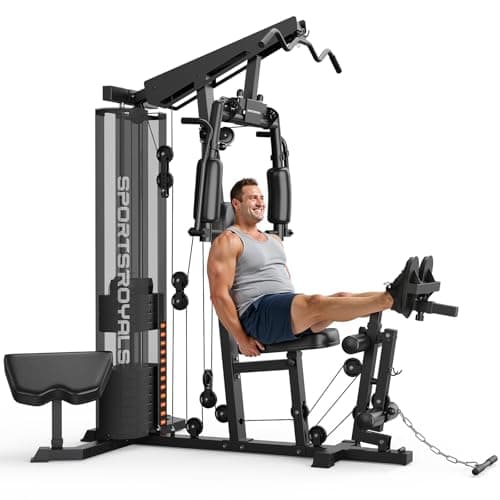
SPORTSROYALS home gym review: the 68kg stack, leg press and chest fly stations, 191 x 131cm footprint, 142kg build, £759.99 price and who it suits in the UK.
Best Exercise is a participant in the Amazon EU Associates Programme, an affiliate advertising programme designed to provide a means for sites to earn advertising fees by advertising and linking to Amazon.co.uk. As an Amazon Associate we earn from qualifying purchases. This comes at no extra cost to you and never influences our independent reviews or rankings.