Home Gym
Best Adjustable Dumbbells UK: 6 Top Picks for 2026
The best adjustable dumbbells in the UK for 2026, from quick-dial sets to heavy 40kg and 50kg options. Budget to premium picks researched and ranked.

By Jack Atkins, Home Gym Equipment Specialist · Updated 6 August 2026
We may earn a commission from qualifying purchases made through links on this page, at no extra cost to you. This never affects our ratings.
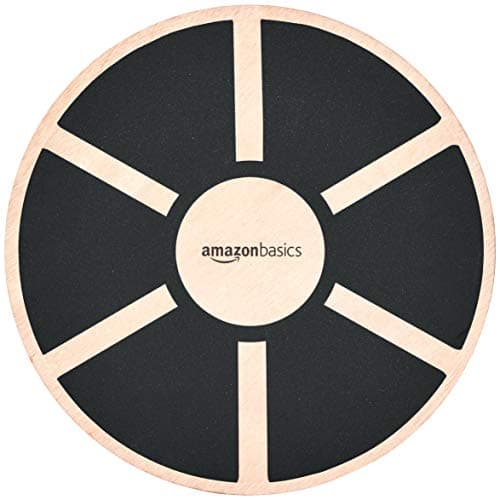
Balance boards sit in an odd spot. Half the internet sells them as a core workout that will torch calories, and half of physiotherapy uses them as one of the few bits of home kit with genuine evidence behind it. The physios are closer to the truth. Where a wobble board earns its keep is ankle and knee control after an injury, and the research is decent: a 2017 evidence-based review of proprioceptive training found these programmes cut ankle sprain rates, with about one sprain prevented for every 17 athletes who completed one.
Then there's the naming mess. "Balance board" covers three quite different products that suit different people, and buying the wrong type is the main reason these end up under a bed. A wobble board tilts in all directions on a fixed dome. A rocker board pivots on one axis and is much gentler, which is why it works at a standing desk. A roller board puts a deck on a loose cylinder, and it is genuinely hard. Here are the picks worth buying on Amazon UK in each category.
How we chose
These picks come from research into the best-rated balance boards on Amazon UK, physiotherapy protocols and published trials, not from our own long-term test of every board. We weighted deck size, non-slip surface, tilt angle and weight rating. Prices were correct at the time of writing and move around, so check before buying.
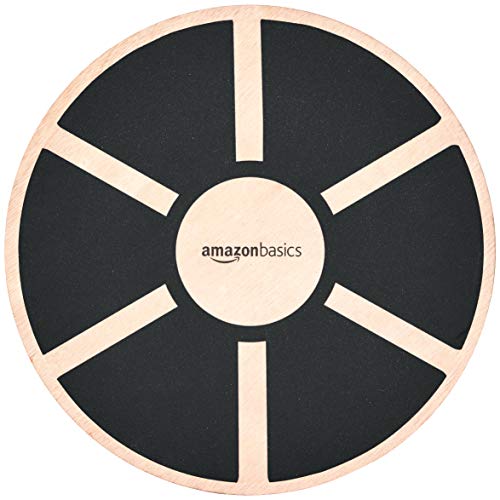
Most people asking for a balance board want this one. It's a plain plywood disc on a fixed dome, roughly 40cm across, with a textured anti-slip top and a rated capacity that covers adult use comfortably. Nothing adjusts and nothing breaks. That simplicity is the point, because the fixed dome height gives you a consistent tilt angle to work against, which is what makes ankle rehab progress measurable rather than random.
At around £15 it is also the cheapest way into wooden boards, which feel considerably more stable underfoot than the moulded plastic ones. The gripe worth knowing about: the anti-slip surface is coarse enough to be uncomfortable barefoot for long sessions, and the dome can mark laminate flooring, so put a mat under it. For its price, it's the board we'd point most people at first.
Check price on Amazon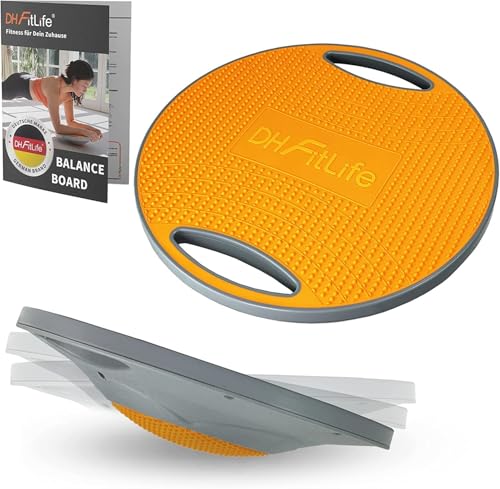
Handles change what a board can do. This 42cm DH FitLife board has grips moulded into the sides, so you can use it for push ups, planks and rotational core work rather than only standing on it. Doing a push up on an unstable surface makes the trunk work considerably harder than the same rep on the floor, and the handles keep your wrists neutral, which matters if press ups already bother them.
The deck is a touch larger than the Amazon Basics board, so there's more room for two feet or two hands. It costs around £25, which is fair given the extra use you get out of it. Be aware that the handles add bulk to store, and the bigger deck means a slightly slower, more forgiving tilt, so it's marginally less demanding as a pure balance tool.
Check price on Amazon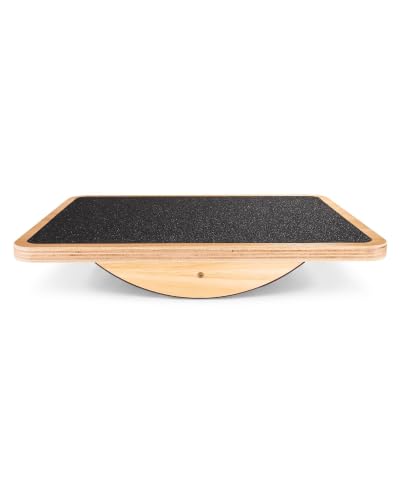
Standing desks make your feet ache because you stand still, not because you stand. A rocker board fixes that by giving your ankles something to do. StrongTek's board pivots on one axis, so it tips forward and back in a gentle arc, and you can rock it absent-mindedly through a long call without thinking about balance at all. That's exactly what you want from a desk board, and it's why a wobble board is the wrong tool for the job.
The plywood construction is heavier and more solid than the plastic desk boards floating around at similar money, and it holds up to being stood on all day. It costs about £32. Two honest limits: the single axis makes it too easy for rehab work, and the wooden base will squeak on hard floors until it beds in.
Check price on Amazon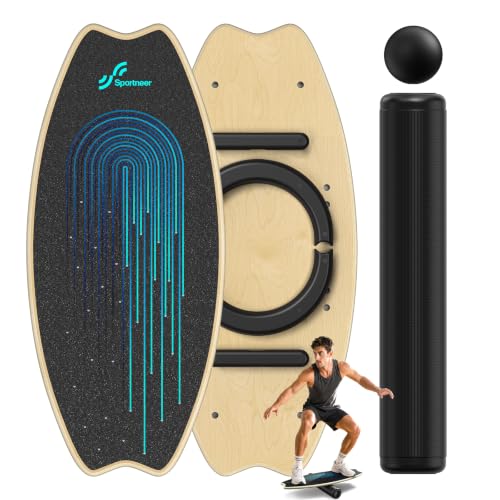
The roller board is the one that humbles people. A deck sits loose on a rolling cylinder with nothing connecting them, so the board slides sideways off the roller the moment your weight goes wrong, and staying on it for 30 seconds takes real practice. Skaters, surfers and skiers use these to train the reactive ankle and hip control their sports need, and no fixed-dome wobble board comes close to the difficulty.
Sportneer's version is around £72, which puts it well above the rest of this list, and there's a stopper design on the deck to keep the roller from shooting out. Two warnings. You need clear floor space and a wall to start against, and this is not a beginner's board or a rehab tool; work up on a wobble board first. Kinematic testing shows common balance devices vary enormously in how much they perturb the ankle, and a roller sits at the demanding end of that range.
Check price on Amazon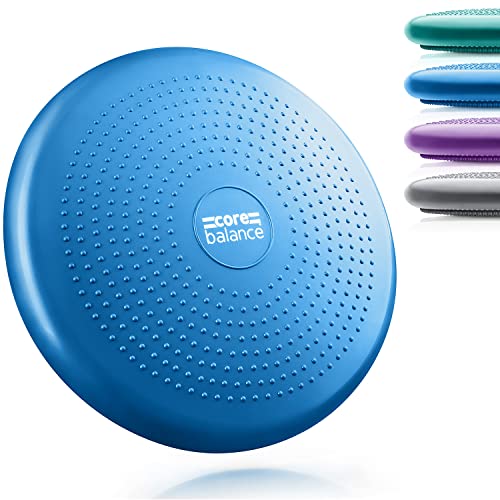
Not a board at all, strictly, but it does the same job for £13 and stores in a drawer. An inflatable stability cushion sits under one foot for balance work, under your backside on a chair to stop you slumping, or under your hands for press ups. Adjusting the inflation changes the difficulty, which is a genuine advantage over a fixed dome: soft and half-full is easy, firm is hard.
The pump comes in the box. The catch is durability, since a PVC cushion punctures in a way plywood never will, and the textured nubs on top wear smooth over a year or two of daily use. For rehab exercises where a full wobble board is too much too soon, it's a smarter first purchase than the boards above.
Check price on AmazonStart beside a wall. Two feet on the board, rock slowly front to back for a minute, then side to side, then trace slow circles with the rim. Once that's boring, hold the board level and still for 30 seconds without letting the edge touch down. Single-leg work comes after a few weeks, and closing your eyes makes any of it substantially harder because you lose the visual input your balance was quietly relying on.
Frequency beats duration here. The NHS suggests fitting balance exercises in at least twice a week alongside strength work, and rehab trials that produced results ran short sessions three times a week over four to six weeks rather than marathon efforts. Ten focused minutes will do more than an hour of standing on a board while watching television.
One caution worth repeating: a controlled trial of balance board training in volleyball players found reduced ankle sprain recurrence but more overuse knee problems among players with a previous knee injury. If your knees have history, talk to a physio before you start.
The Amazon Basics wooden wobble board is the best balance board for most people. It is a 40cm plywood disc on a fixed dome, it costs around £15, and it does exactly what ankle rehab and general balance work need without any faff. Buy a roller board like the Sportneer instead only if you want a genuine challenge for surf, ski or skate training.
For ankles, yes. A 2017 evidence-based review found proprioceptive training programmes cut ankle sprain rates, with roughly one sprain prevented for every 17 athletes who completed a programme. The evidence for balance boards building strength or burning meaningful calories is much weaker. Treat one as a rehab and coordination tool, not a workout machine.
Ten minutes of focused work is plenty, split into short sets. Most rehab protocols use wobble board sessions of a few minutes, three times a week, over four to six weeks. If you are using a rocker board at a standing desk, you can be on it for much longer because the movement is gentle and mostly ankle rocking.
A wobble board sits on a dome and tilts in every direction, which makes it unstable and good for ankle rehab and balance training. A rocker board pivots on a single axis, so it only tips forwards and backwards or side to side. Rocker boards are far easier, which is why they suit standing desks where you want gentle movement rather than concentration.
They can help indirectly by improving hip and ankle control, and gentle rocking beats standing dead still at a desk. They are not a treatment for back pain, though, and anyone with an existing injury should get advice from a physiotherapist first. A history of knee injury is worth flagging, since one trial reported more overuse knee problems in the balance board group.
Yes, starting next to a wall or a doorframe so you have something to grab. Begin with two-footed rocking on a wobble board, progress to slow circles, then try holding a level position for 30 seconds. Single-leg work comes weeks later, not on day one.
The best adjustable dumbbells in the UK for 2026, from quick-dial sets to heavy 40kg and 50kg options. Budget to premium picks researched and ranked.
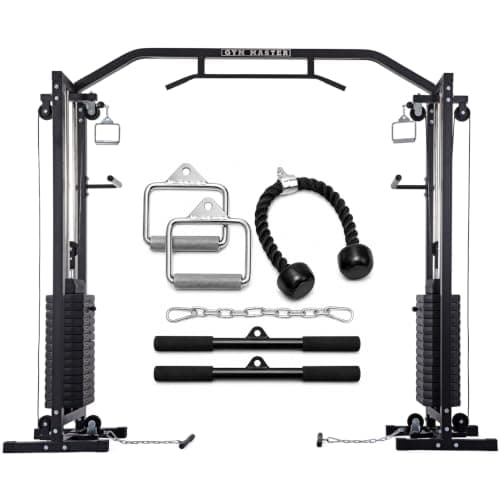
The best cable machines in the UK for 2026, from dual cable machines and functional trainers to wall-mounted and folding designs. Honest picks for any home gym and budget.
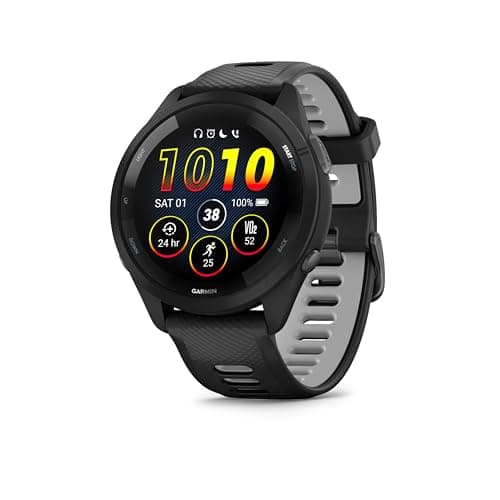
The best Garmin watch for most UK buyers in 2026 is the Forerunner 265, but not for everyone. Five models compared honestly, from the £162 Forerunner 165 to the fēnix 8.
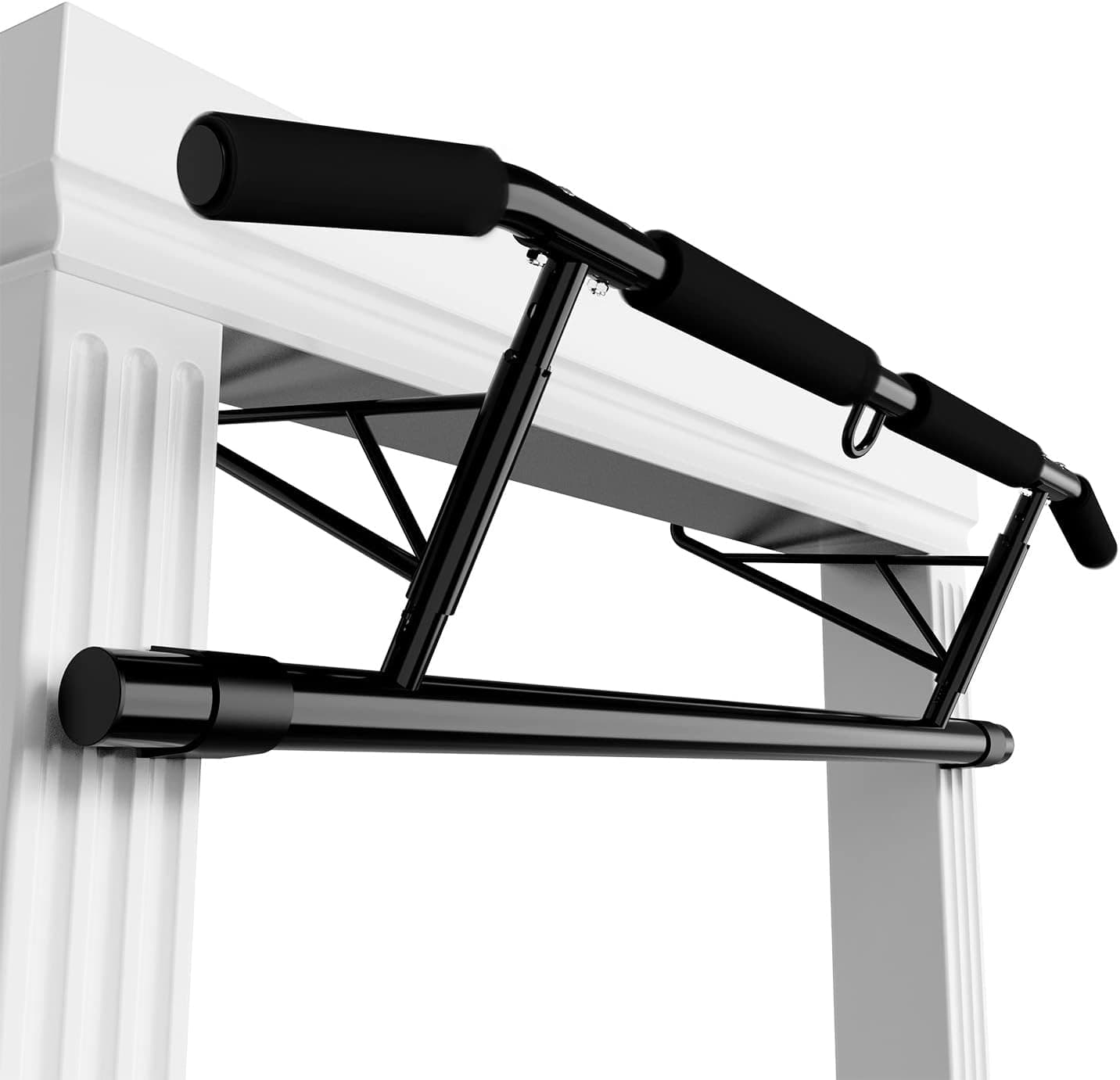
The best pull up bars in the UK for 2026: no-drill doorway bars, wall mounted pull-up bars and free standing power towers, with frame sizes, weight ratings and honest picks for every budget.
Best Exercise is a participant in the Amazon EU Associates Programme, an affiliate advertising programme designed to provide a means for sites to earn advertising fees by advertising and linking to Amazon.co.uk. As an Amazon Associate we earn from qualifying purchases. This comes at no extra cost to you and never influences our independent reviews or rankings.