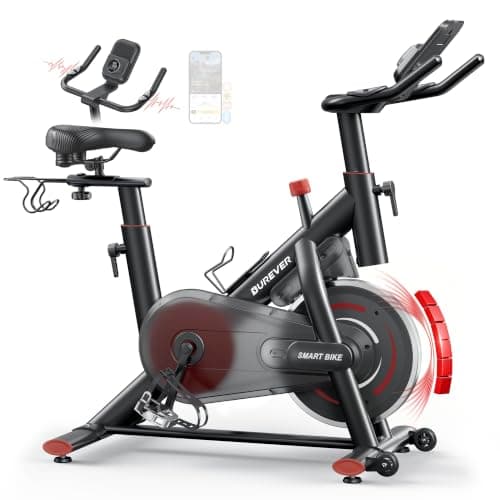
Exercise Bikes
Burever Exercise Bike Review: Touchscreen, 170kg Limit, Big Claims
Our Burever exercise bike review: the touchscreen goal console, 0-100% magnetic resistance, 170kg limit, Zwift support without a power meter, and who should buy it.
Independent exercise bike reviews and guides covering upright, recumbent, spin and mini bikes for every budget.
Showing 67 of 67 results
Our Burever exercise bike review: the touchscreen goal console, 0-100% magnetic resistance, 170kg limit, Zwift support without a power meter, and who should buy it.
Spin bike vs exercise bike compared on riding position, flywheel, resistance, comfort, noise and price, with a clear verdict on which suits your training.
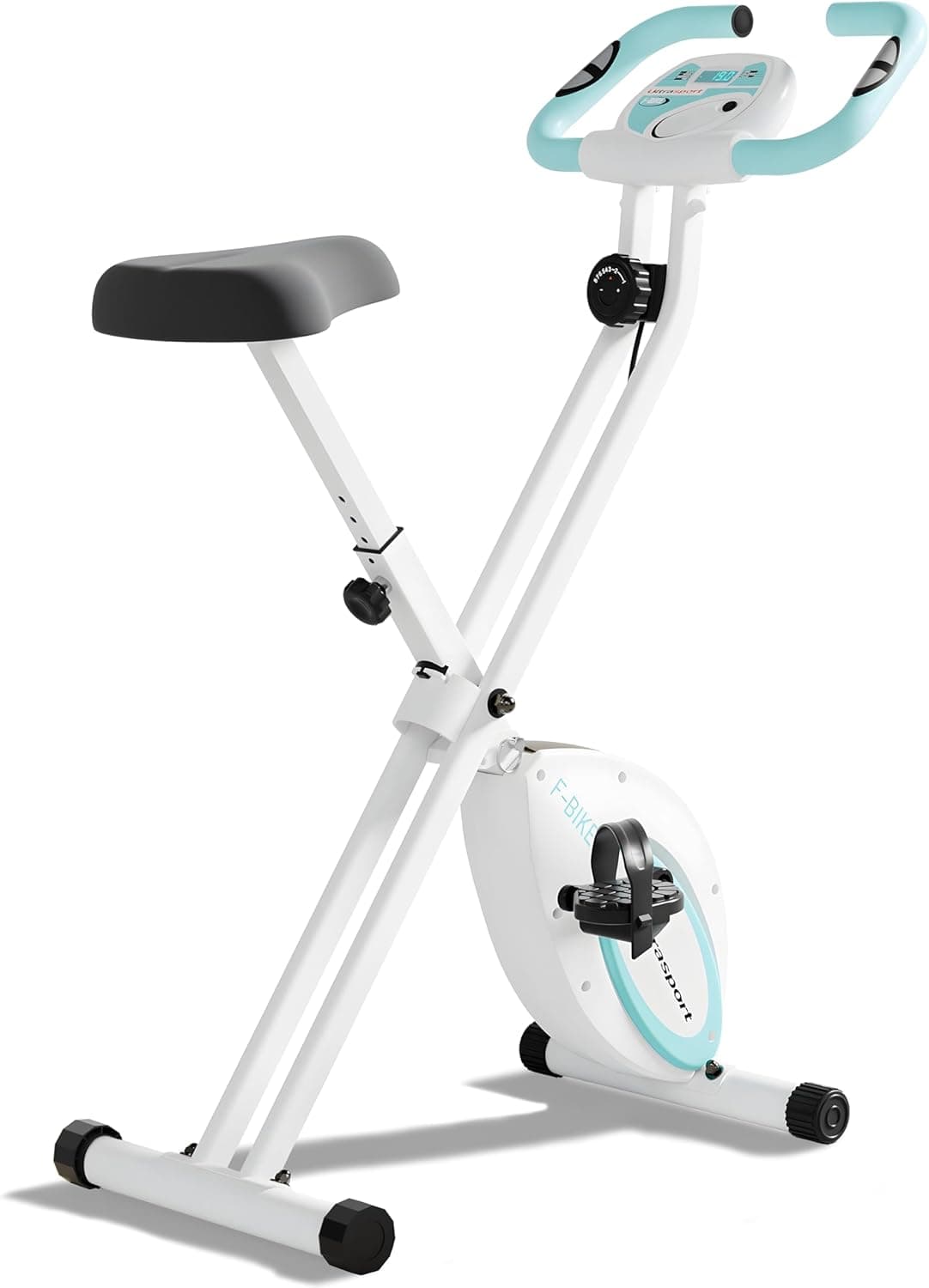
The best foldable exercise bike for UK homes, from budget mini pedallers to a 140kg-rated smart bike and a comfy recumbent. Folded sizes, weight limits and honest downsides.
Is Peloton worth it in the UK? We do the 1-year and 3-year maths on the Bike, Bike+, refurbished and rental options against a £400 bike with the app or Zwift.
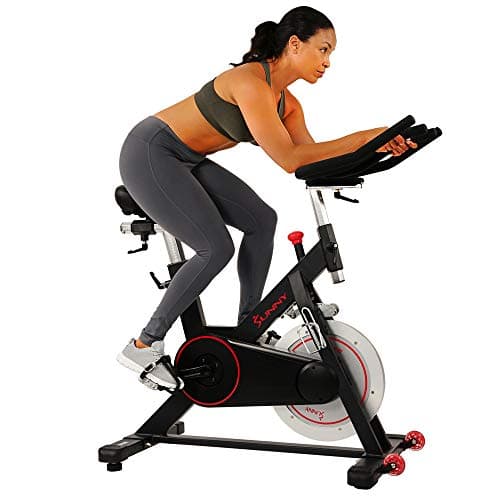
Our Sunny SF-B1805 review: a 20kg flywheel, quiet magnetic resistance and a 136kg limit, but no console, no Bluetooth and a £460 UK price. Who should buy it?
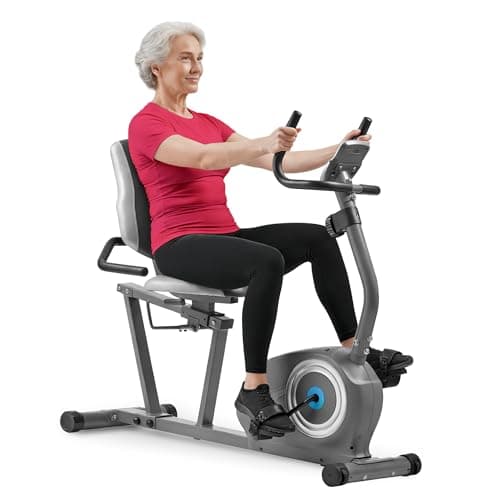
An honest JLL recumbent exercise bike review covering the wide padded seat, 4kg flywheel, 8 magnetic levels, SunnyFit app, pulse sensors and who should buy it.
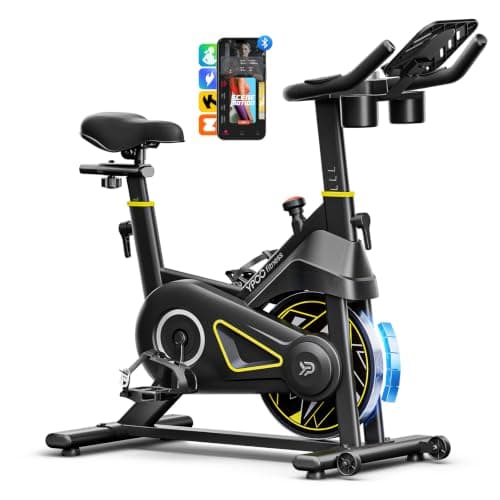
An honest YPOO X3 exercise bike review: magnetic belt drive, a free app with Kinomap and Zwift, a 136kg limit, and the marketing numbers worth ignoring.

Are exercise bikes good for cardio? Yes, they're an affordable, low-impact way to burn calories and improve fitness. Here are the pros, cons and best home bikes.
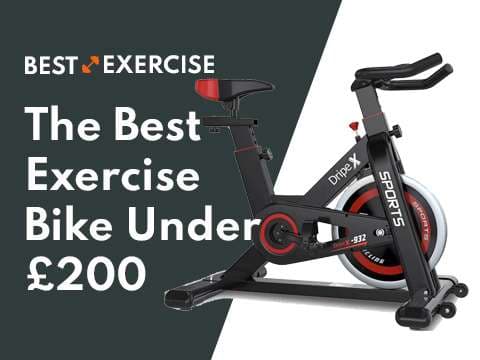
The best exercise bikes under £200 in the UK. Compare the Dripex, Mobiclinic, WINNOW and more on build, resistance and comfort to find your match.
The best exercise bikes in the UK for 2026, compared across spin, folding, recumbent and smart bikes. Verified prices, honest downsides and a pick for every budget.
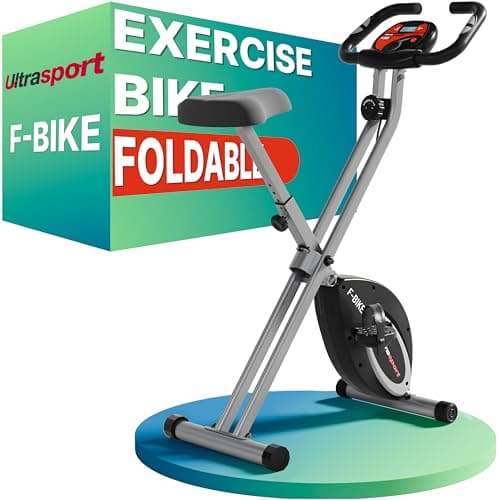
The best exercise bike under £100 in the UK, from folding F-bikes to mini pedal machines. We rank the budget bike machines on resistance, rider weight limit and build.
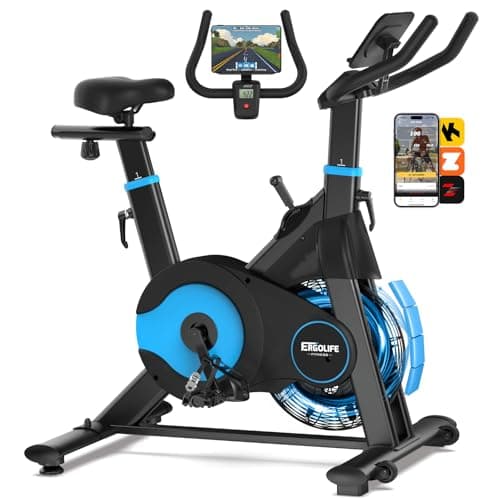
Our ERGOLIFE air magnetic exercise bike review: fan and 8 level magnetic resistance, Zwift and Kinomap support, 136kg limit and 23.5kg frame, plus who should buy it.
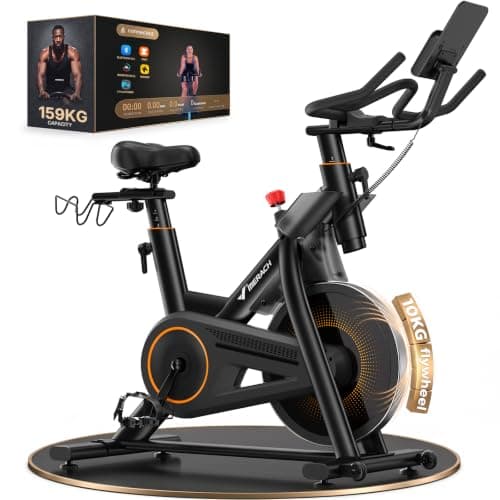
Our MERACH S29 Pro review: the heavy duty 10kg flywheel, 159kg user limit, sub 25dB magnetic resistance, app support and fit range, plus who should buy it.
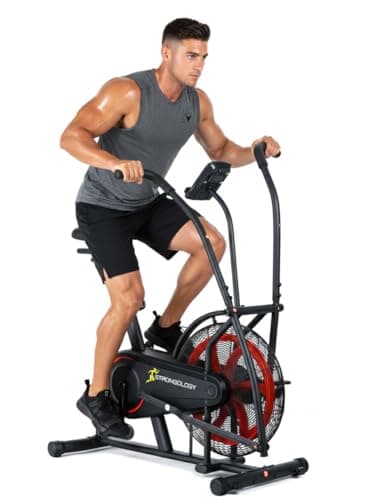
Our Strongology Scorpion air bike review: the 16 inch fan, chain and belt drive, 26.2kg frame, 110kg user limit and basic LCD, plus who should buy it.
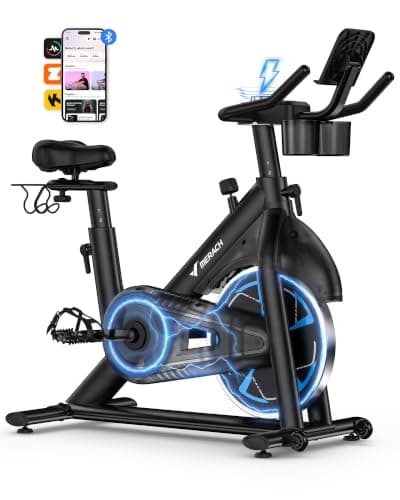
An honest MERACH self-powered magnetic exercise bike review: pedal-powered console, app-controlled adaptive resistance, an 8kg flywheel, 150kg limit and Zwift/Kinomap support, plus who should pay £370 for it.
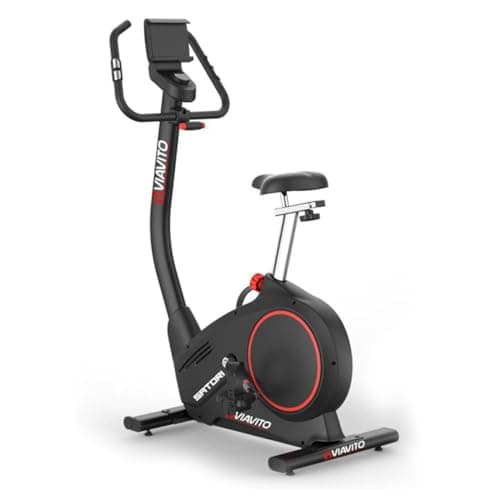
A review of the Viavito Satori upright exercise bike: the 9kg flywheel, 32 magnetic resistance levels, watts on the console, Bluetooth app support and who it suits at £199.
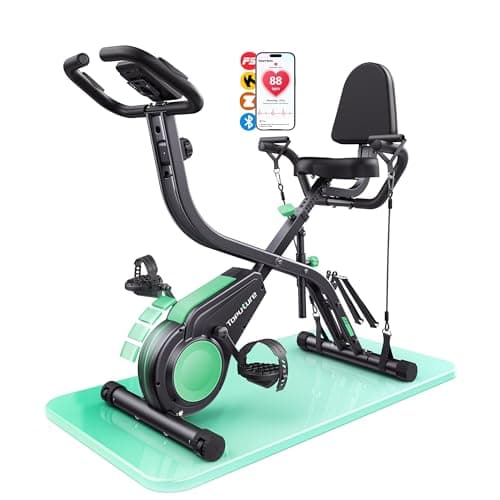
An honest review of the Toputure TEB4 5-in-1 folding exercise bike at £179.99, covering the 6kg flywheel, 16 resistance levels, the 20dB claim, app connection and who it actually suits.
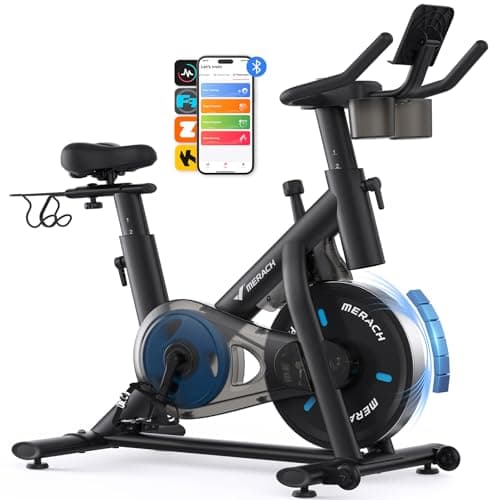
A MERACH MR-S26UK exercise bike review: the magnetic resistance, cast iron flywheel, free app, 136kg limit, and the marketing claims that do not hold up.
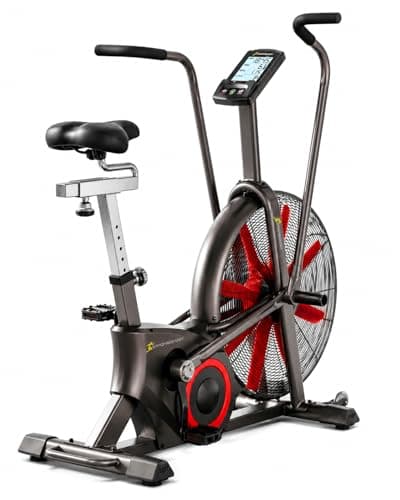
An honest Strongology Titanium Assault Bike review covering the 24 inch fan, 15 magnetic resistance levels, 5kg flywheel, 135kg user limit, console limits and who should buy it.
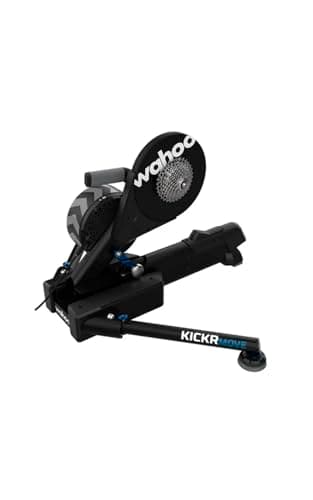
An honest Wahoo KICKR MOVE review covering the 20cm fore-aft motion, 2,200W ceiling, plus or minus 1% accuracy, WiFi setup, noise and whether the movement justifies the price.
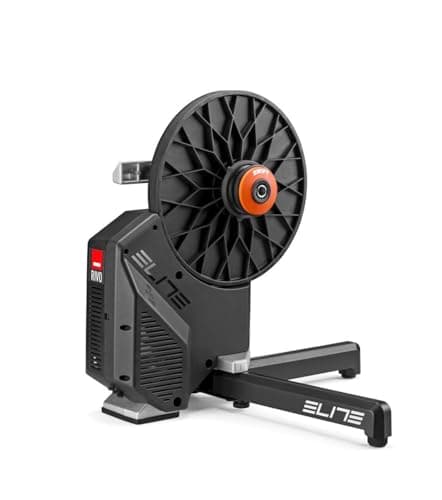
An honest Elite Rivo smart trainer review covering the 10kg frame, Zwift Cog and Click, WiFi and Bluetooth, noise levels, and the power accuracy problem you should know about.
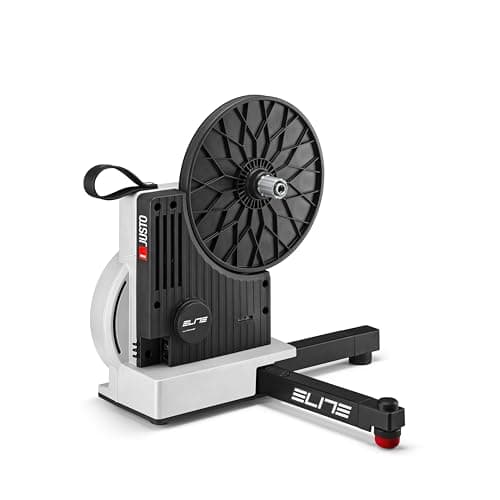
An honest Elite Justo 2 review covering its sub 1 percent power accuracy, built-in Wi-Fi, 24 percent gradient simulation, road feel and how it compares with a Wahoo KICKR.
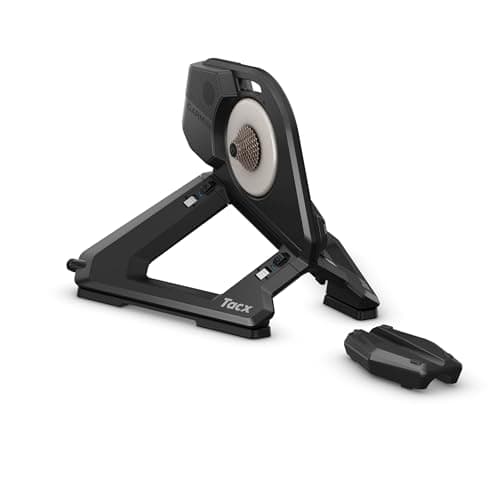
An honest Garmin Tacx NEO 3M review covering the motion plates, 2,200W ceiling, 1% power accuracy, ERG mode, noise and the missing Wi-Fi that stings at £1,600.
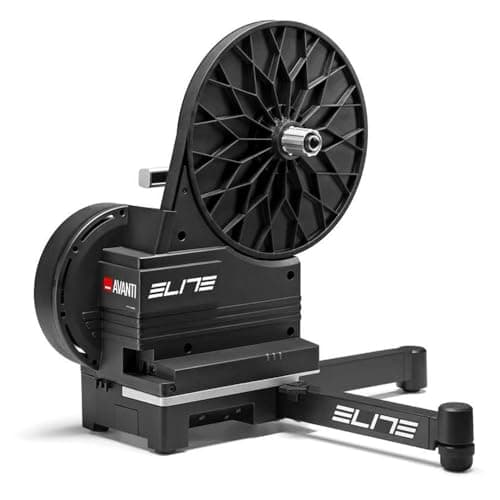
An honest Elite Avanti review of the WiFi direct drive smart trainer: 1 percent power accuracy, 2100W ceiling, 18 percent gradients, the 4kg flywheel question and what Elite leaves out of the box.
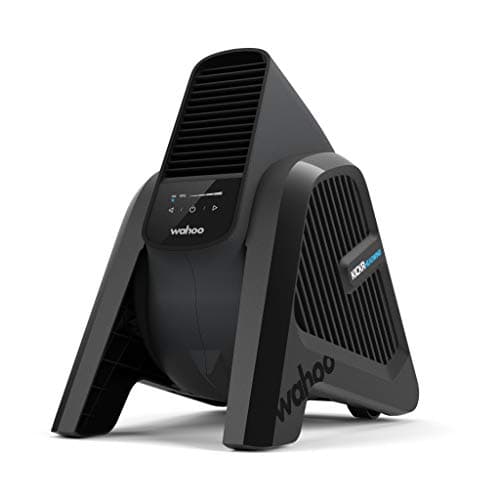
An honest Wahoo KICKR Headwind review: 30 mph airflow, heart rate and speed controlled fan speed, real noise levels, and whether a smart fan beats a £30 box fan.
An honest Wahoo ELEMNT BOLT V3 review covering the 2.3 inch screen, dual-band GNSS, 32GB of maps, the battery that beats its own claim and the 33 second boot time.

An honest Wahoo ELEMNT ROAM V3 review covering the 2.8 inch touchscreen, 25 hour battery, 64GB maps, speaker and the slow boot time that still annoys owners.
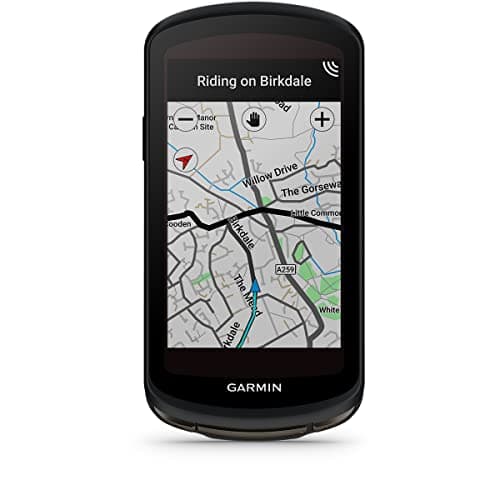
An honest Garmin Edge 1040 Solar review covering the 45 hour battery, Power Glass solar charging, multi-band GNSS accuracy and 3.5 inch screen, plus whether solar is worth it in the UK.
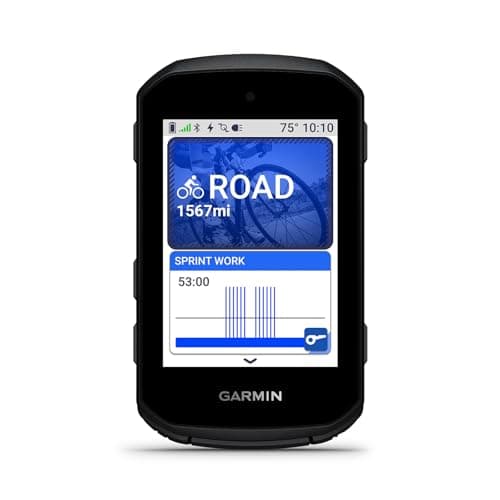
An honest Garmin Edge 850 review covering the 2.7 inch touchscreen, 12 hour battery, built-in speaker, smart fuelling alerts and maps, plus how it compares with the Edge 1050 and 540.
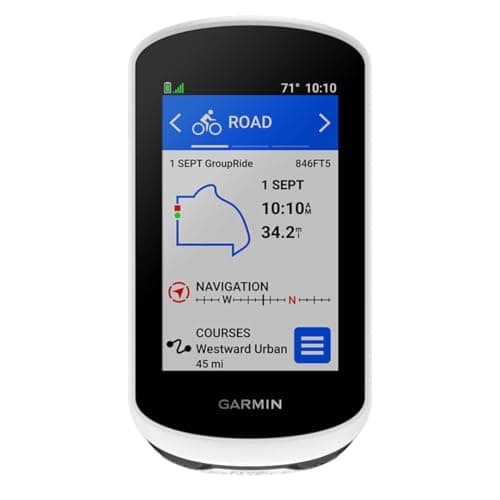
An honest Garmin Edge Explore 2 review covering the 3 inch touchscreen, 24 hour battery, eBike integration and mapping, plus who should buy it instead of a training-focused Edge.
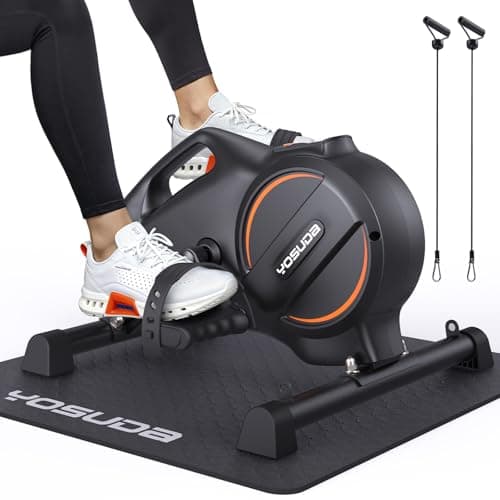
The best under desk bikes in the UK for 2026. Quiet magnetic pedal exercisers for home offices, tested against real desk heights, noise and resistance.
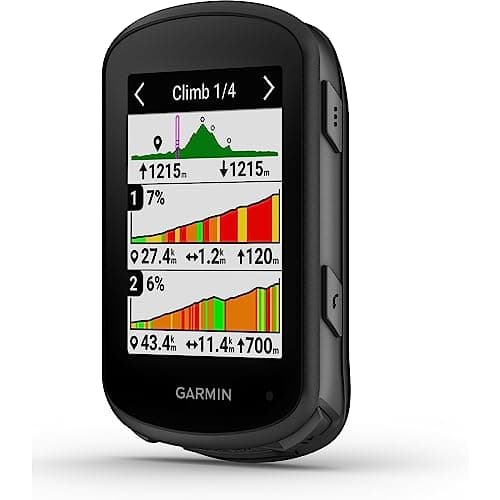
A Garmin Edge 540 Solar review covering battery life, multi-band GPS accuracy, mapping, button controls and whether the solar charging is worth the extra money.
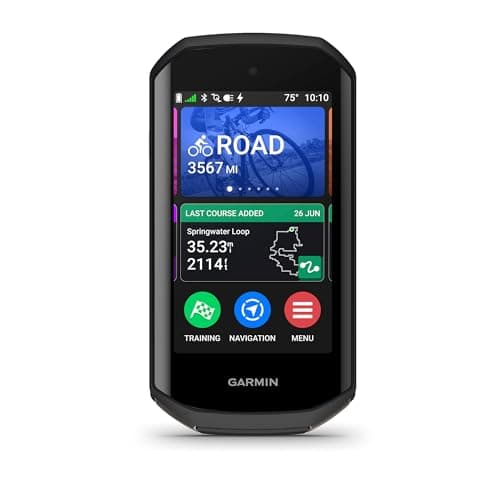
An honest Garmin Edge 1050 review covering its bright 3.5 inch touchscreen, 20 hour battery, speaker, GroupRide features and maps, plus whether it beats the cheaper Edge 1040.
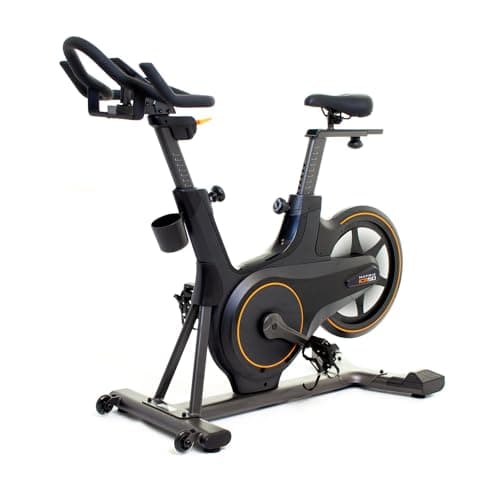
An honest Matrix ICR50 Special Edition review covering the magnetic 11-position resistance, dual-sided SPD pedals, Bluetooth FTMS and how it compares to a Peloton.
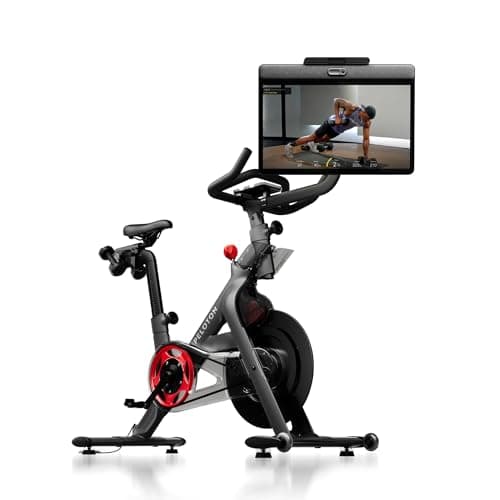
An honest Peloton Bike+ review covering the 23.8 inch swivel screen, auto resistance, Sonos speakers, the £45 monthly membership and whether the upgrade is justified.
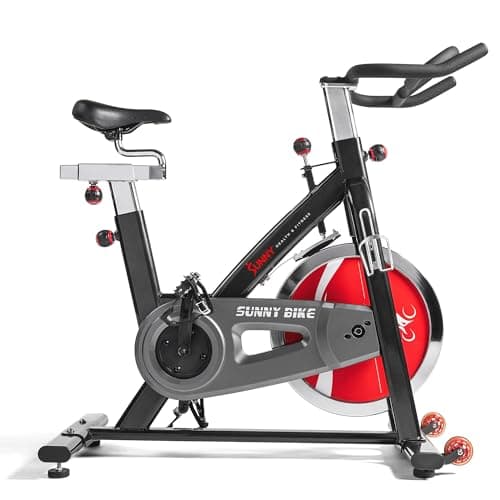
An honest review of the Sunny Health & Fitness Pro indoor cycling bike SF-B1002: a 22kg flywheel, belt drive and felt pad resistance, but no console at all. Who it suits.
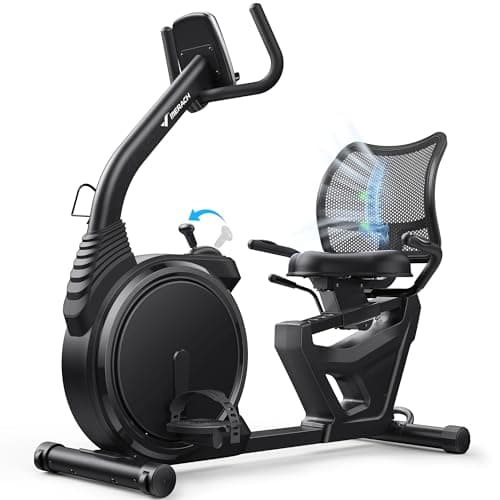
An honest MERACH recumbent exercise bike review covering the 8-level magnetic resistance, dual-belt drive, seat adjustment, app and heart rate tracking, and its limits.
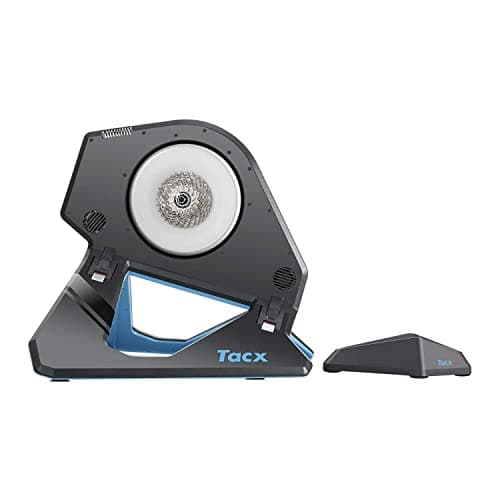
An honest Garmin Tacx NEO 2T review covering accuracy, road feel, noise, the no-calibration design and whether a 2019 flagship smart trainer still justifies its price.
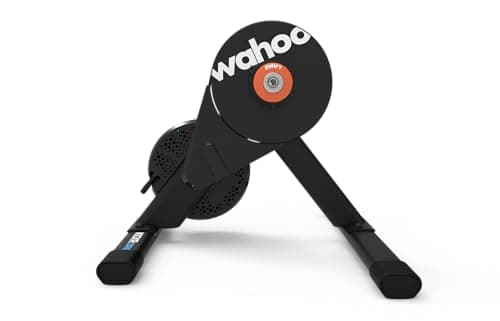
The best turbo trainers in the UK for 2026, from cheap wheel-on units to direct drive smart trainers for Zwift. Honest picks, real specs and clear cons.
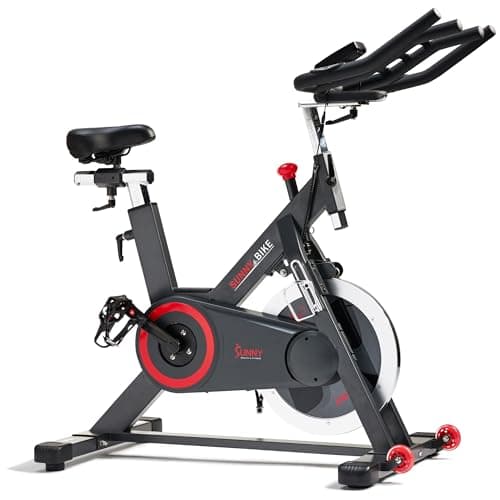
An honest Sunny Health & Fitness Premium Smart Bike review: 20kg flywheel, 16 magnetic levels, a genuinely free SunnyFit app, and why the resistance is manual.
An honest Wahoo KICKR CORE 2 review: 1800W max power, plus or minus 2% accuracy, WiFi, the Zwift Cog and Click setup, and who should skip it.
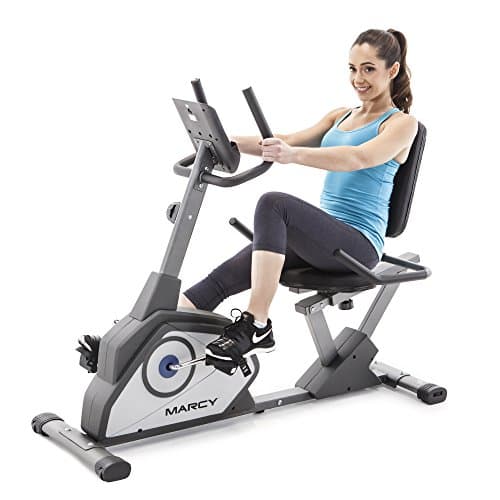
The best recumbent exercise bikes in the UK for 2026, from a £180 starter bike to a £1,399 Sole. Honest picks for sore knees, dodgy backs and long TV sessions.
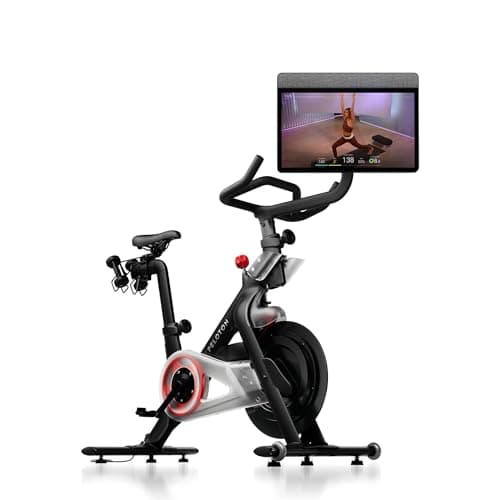
An honest Peloton Bike review covering the 21.5in screen, manual resistance, the mandatory membership, UK pricing and the rivals that undercut it on hardware.
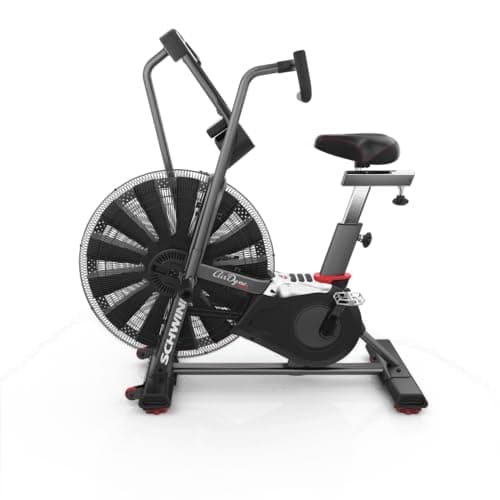
An honest Schwinn Airdyne AD8 review covering the single-stage belt drive, watt display, 160kg user limit and 51kg build, plus who should buy it and who is wasting money.
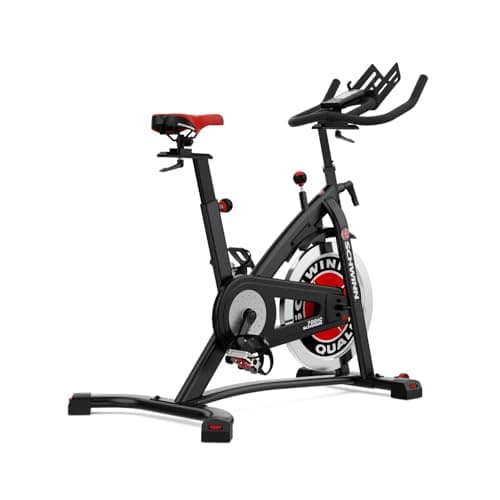
An honest Schwinn 700IC review covering the 18kg flywheel, felt pad resistance, dual SPD pedals, 136kg capacity and JRNY app, plus who should buy it and who should not.
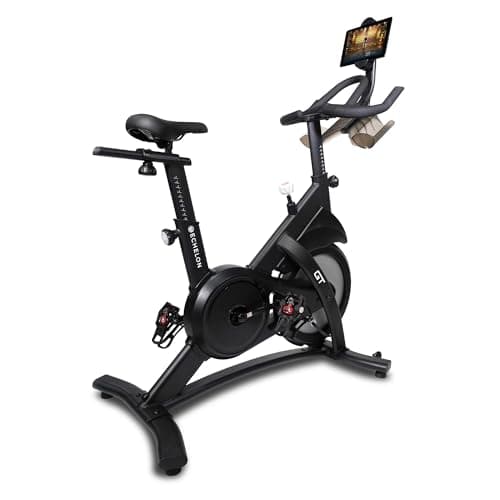
An honest Echelon Indoor Cycle GT review covering its 32 magnetic resistance levels, 7kg flywheel, build quality, the Echelon Fit membership cost and who should actually buy it.
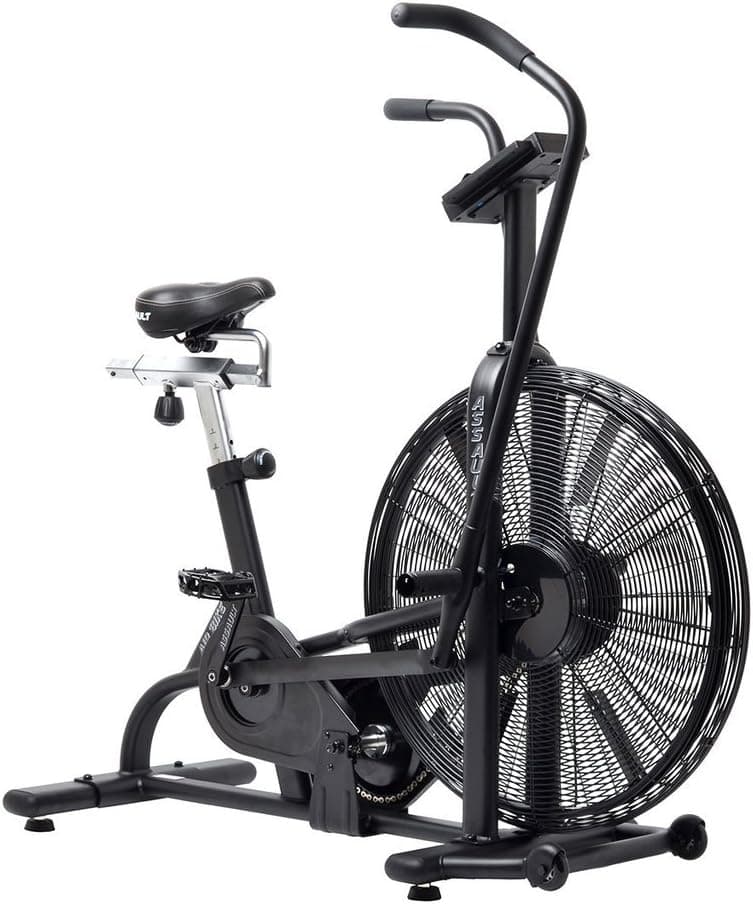
An honest Assault AirBike Classic review covering its 25in steel fan, 20 sealed bearings, 159kg limit, console and the noise, plus who should buy it and who should not.
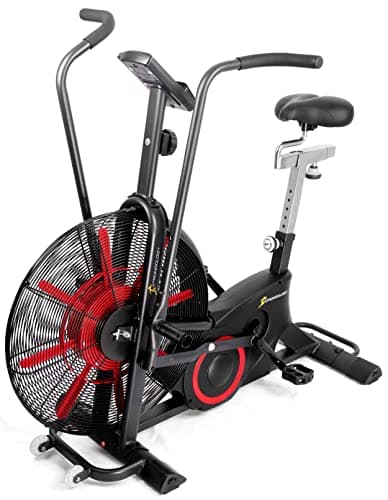
The best air bikes in the UK for 2026, from a compact budget fan bike to full size assault bikes. Honest picks for HIIT and conditioning at home, with real specs.
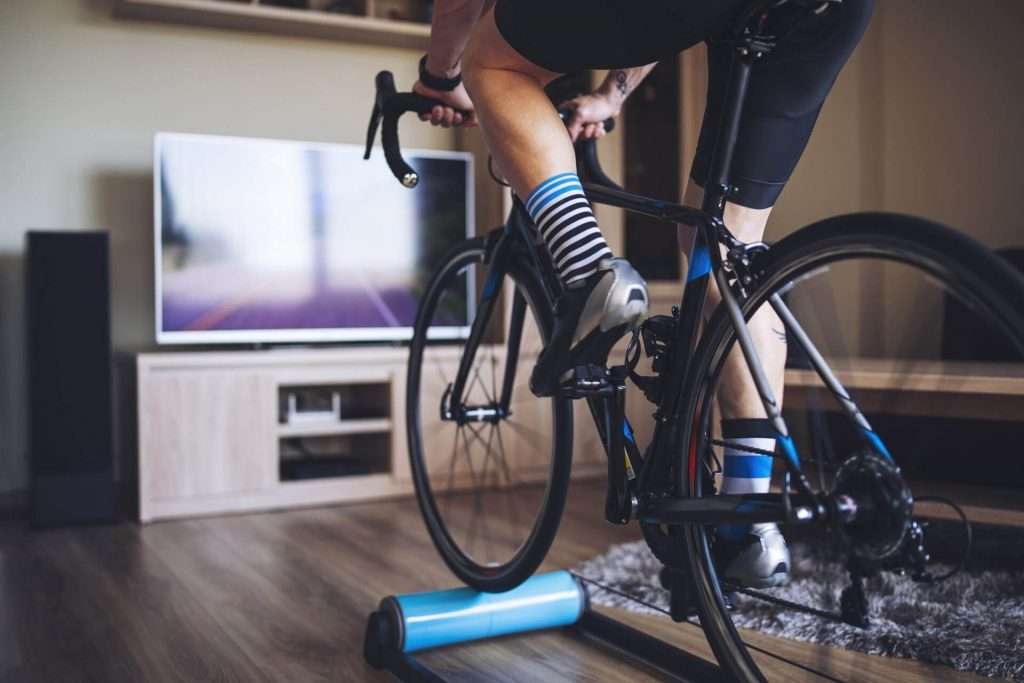
The best exercise bikes under £1000 for UK home gyms. Top picks for value, heavier users and smart training, with honest pros, cons and prices.
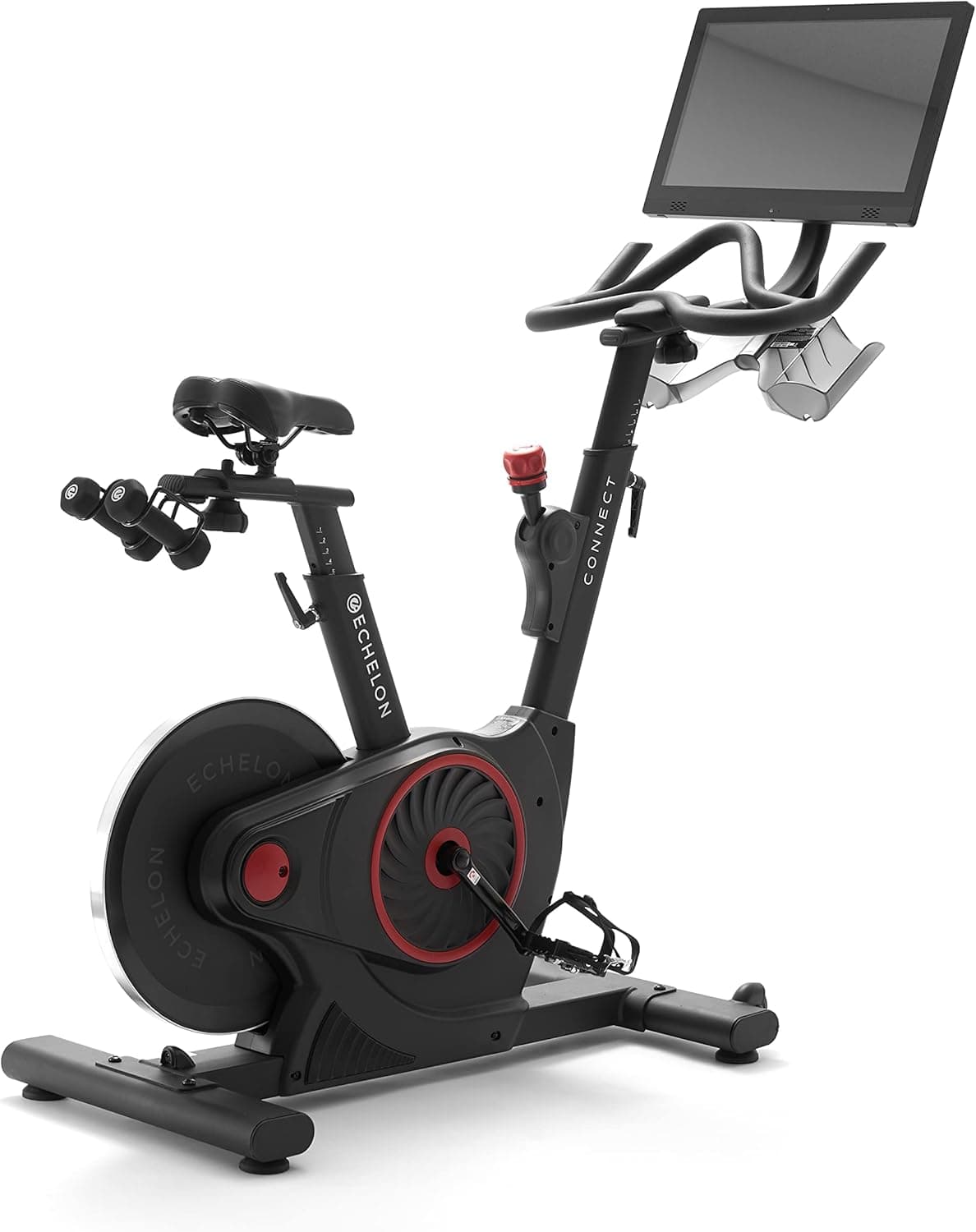
The best smart exercise bikes in the UK, from app-connected spin bikes to bikes with a built-in screen. Honest Peloton alternatives, budget to premium.
The best spin bike picks in the UK for 2026. We compare indoor cycling bikes from budget to premium on flywheel weight, resistance, apps and price.
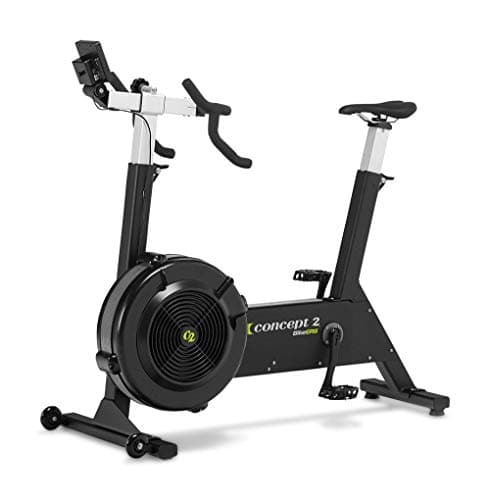
An honest Concept2 BikeErg review covering its air resistance, PM5 monitor, near-silent chain, build quality and value, plus who should buy it and who should not.
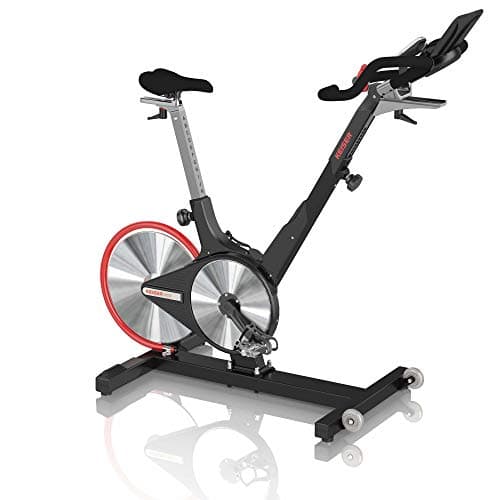
An honest Keiser M3i review covering its magnetic resistance, rear flywheel, near-silent belt drive, Bluetooth computer and build, plus who should buy it.
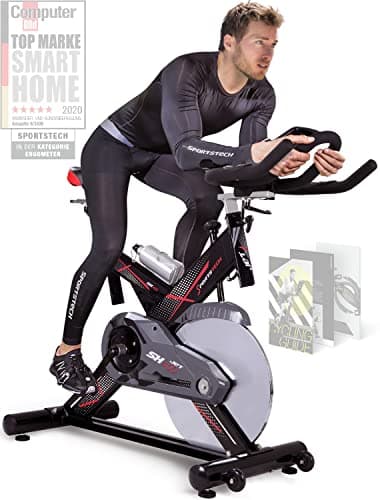
An honest Sportstech SX400 review covering its 22kg flywheel, belt drive, smartphone app control, arm support and adjustability, plus who this spin bike is for.
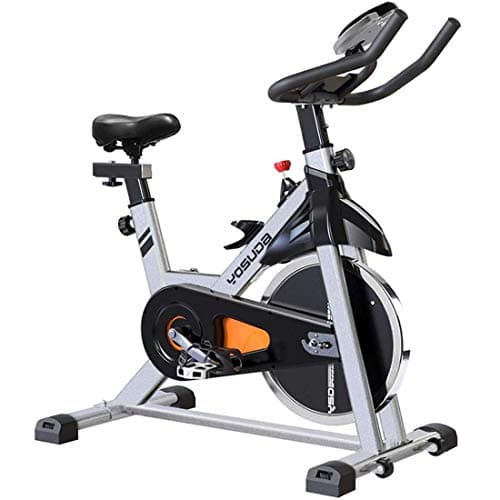
An honest YOSUDA indoor cycling bike review covering its 35lb flywheel, friction resistance, comfort, build quality and the pedal complaints, plus who should buy it.
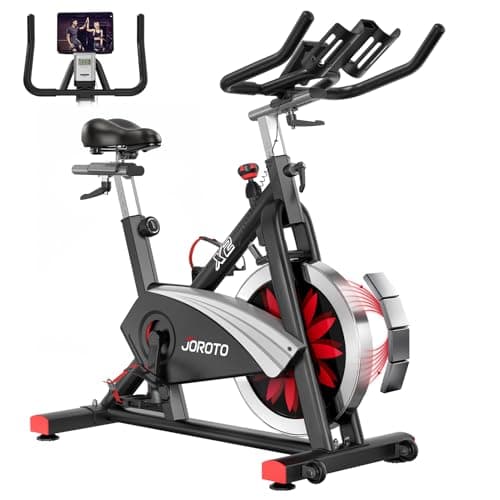
An honest JOROTO X2 review covering its 18kg flywheel, quiet magnetic resistance, 160kg capacity, build and ride feel, plus who should buy it and who should not.
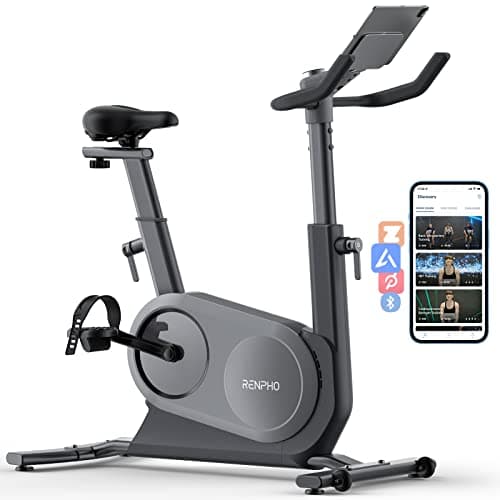
An honest Renpho AI Smart Bike review covering its AI auto resistance, Zwift compatibility, free app, quiet ride and build, plus who should buy it and who should not.
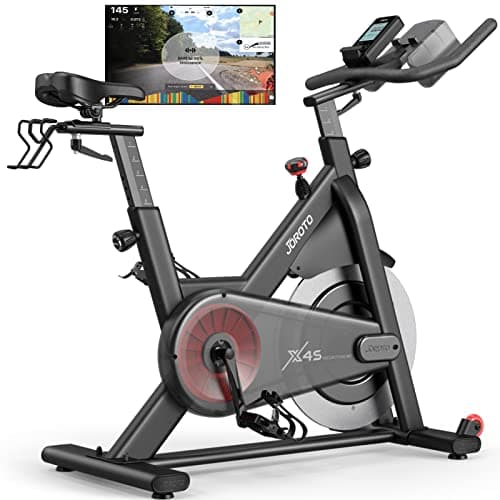
An honest JOROTO X4S review covering its magnetic resistance, dual flywheel, Bluetooth app support, build quality and 150kg capacity, plus who should buy it and who should not.
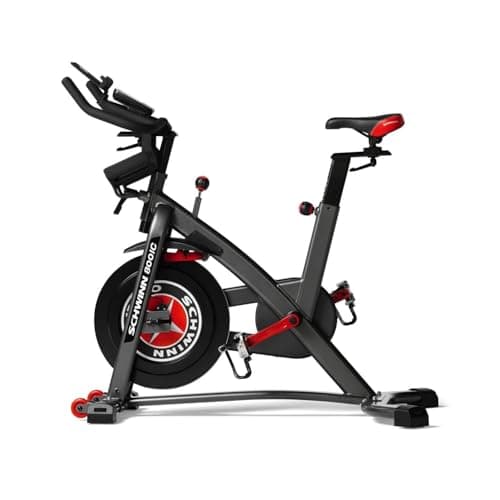
An honest Schwinn 800IC review covering its 100 magnetic resistance levels, quiet belt drive, app compatibility, build quality and value, plus who should buy it and who should not.
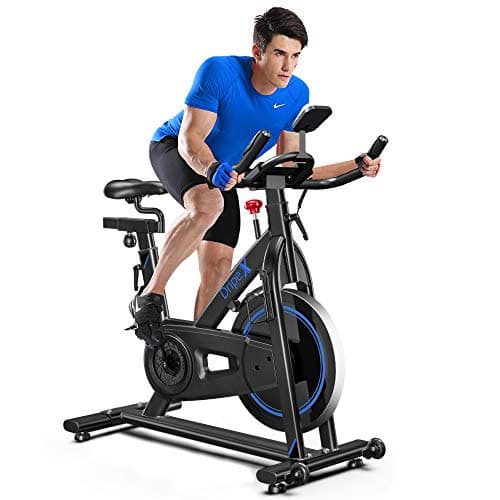
An honest Dripex Exercise Bike review covering its 35lb flywheel, magnetic resistance, build and stability, seat and handlebar adjustment, monitor and 150kg user limit, plus who should buy it.
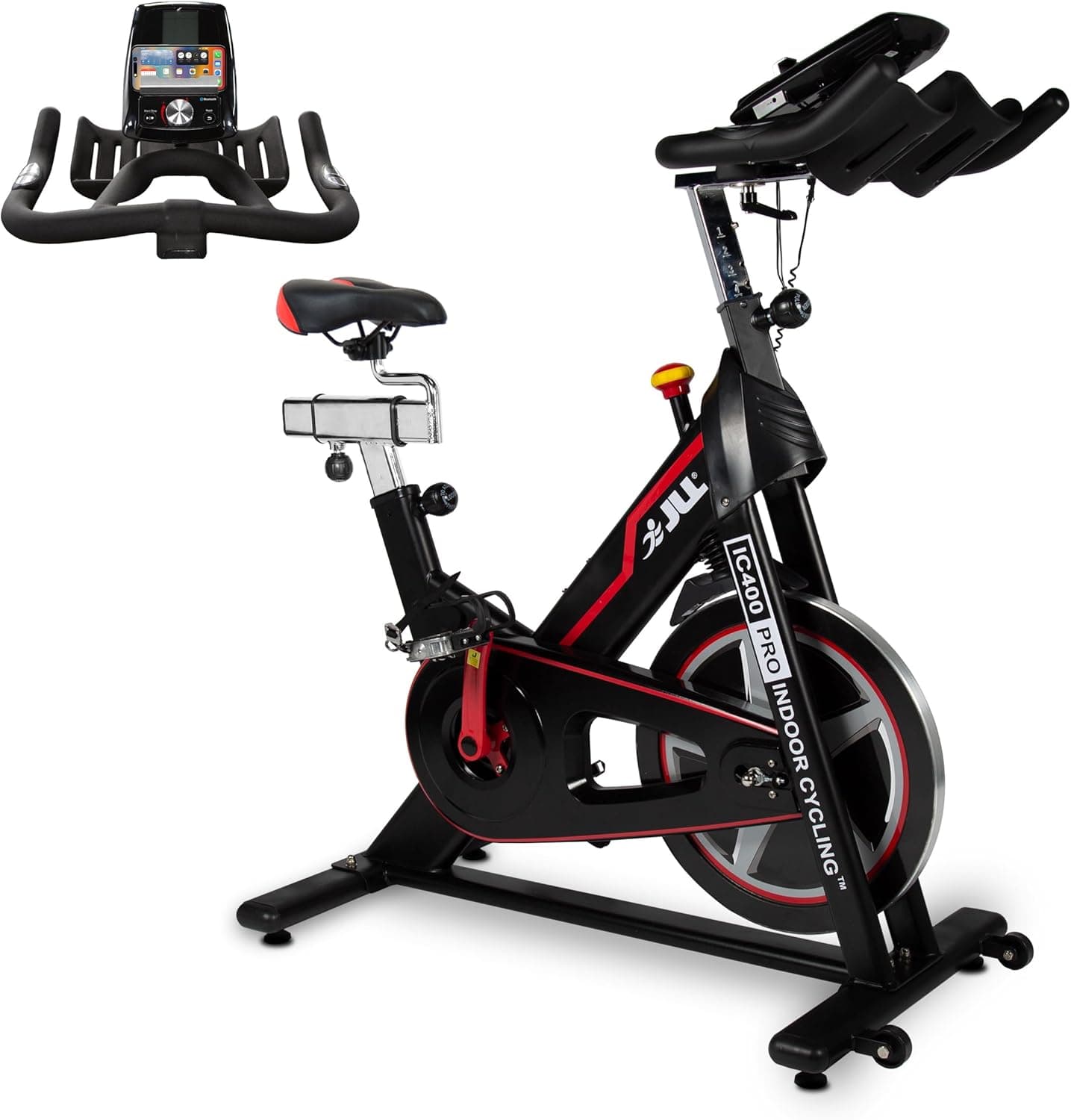
An honest JLL IC400 Pro review covering its 22kg flywheel, magnetic resistance, belt drive, build and stability, adjustability, monitor and 150kg max user weight, plus who should buy it.
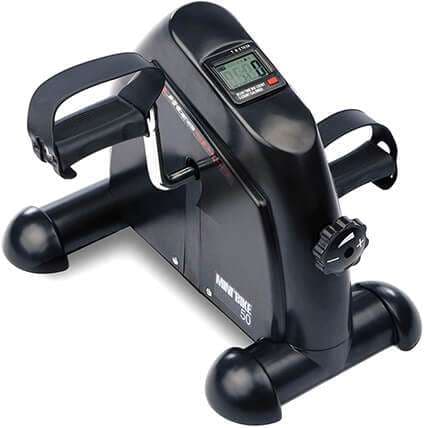
Are mini exercise bikes any good? Yes, for low-impact cardio, leg toning and gentle weight loss at home. Here's how they work, who they suit and the best picks.
An honest Echelon EX-5s review covering the 21.5-inch touchscreen, 32-level resistance, build quality, the glitchy Echelon app and whether it's worth £1,349.

Are exercise bikes good for losing weight? Yes. Here's how they burn calories, plus expert tips on choosing the right home exercise bike for weight loss.
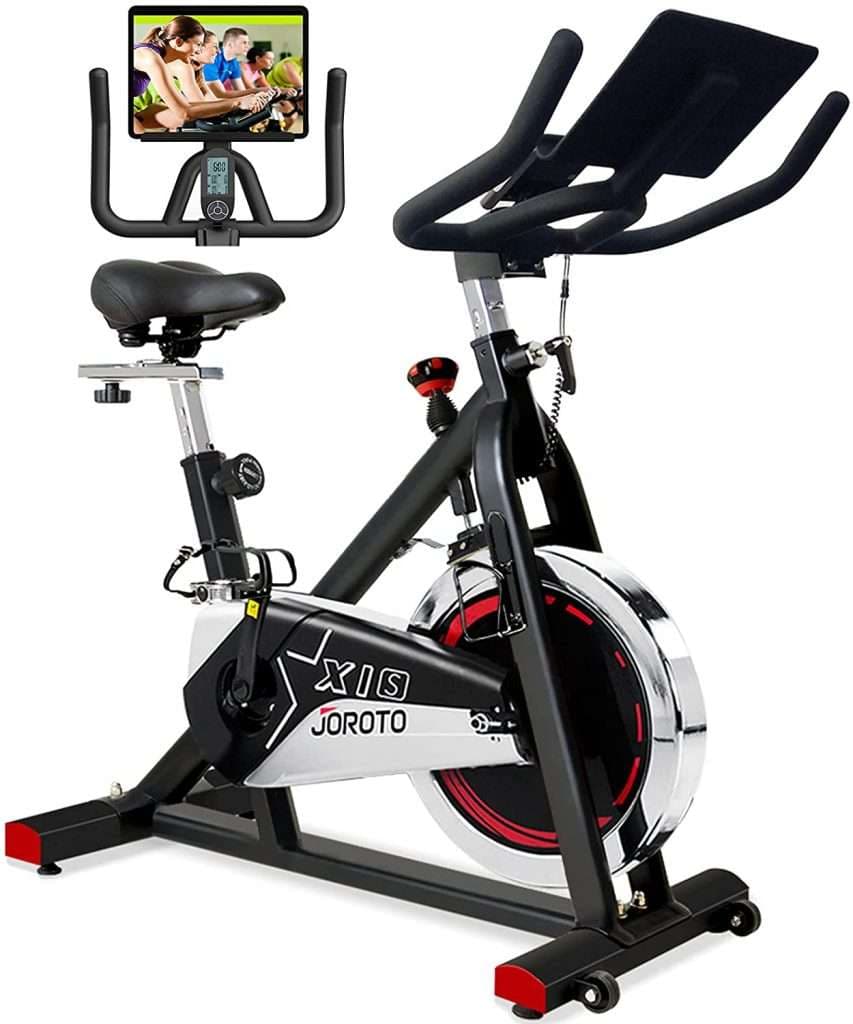
An honest JOROTO X1S review of this mid-range indoor cycling bike, covering build quality, 16kg flywheel, adjustable resistance, features and whether it's worth buying.
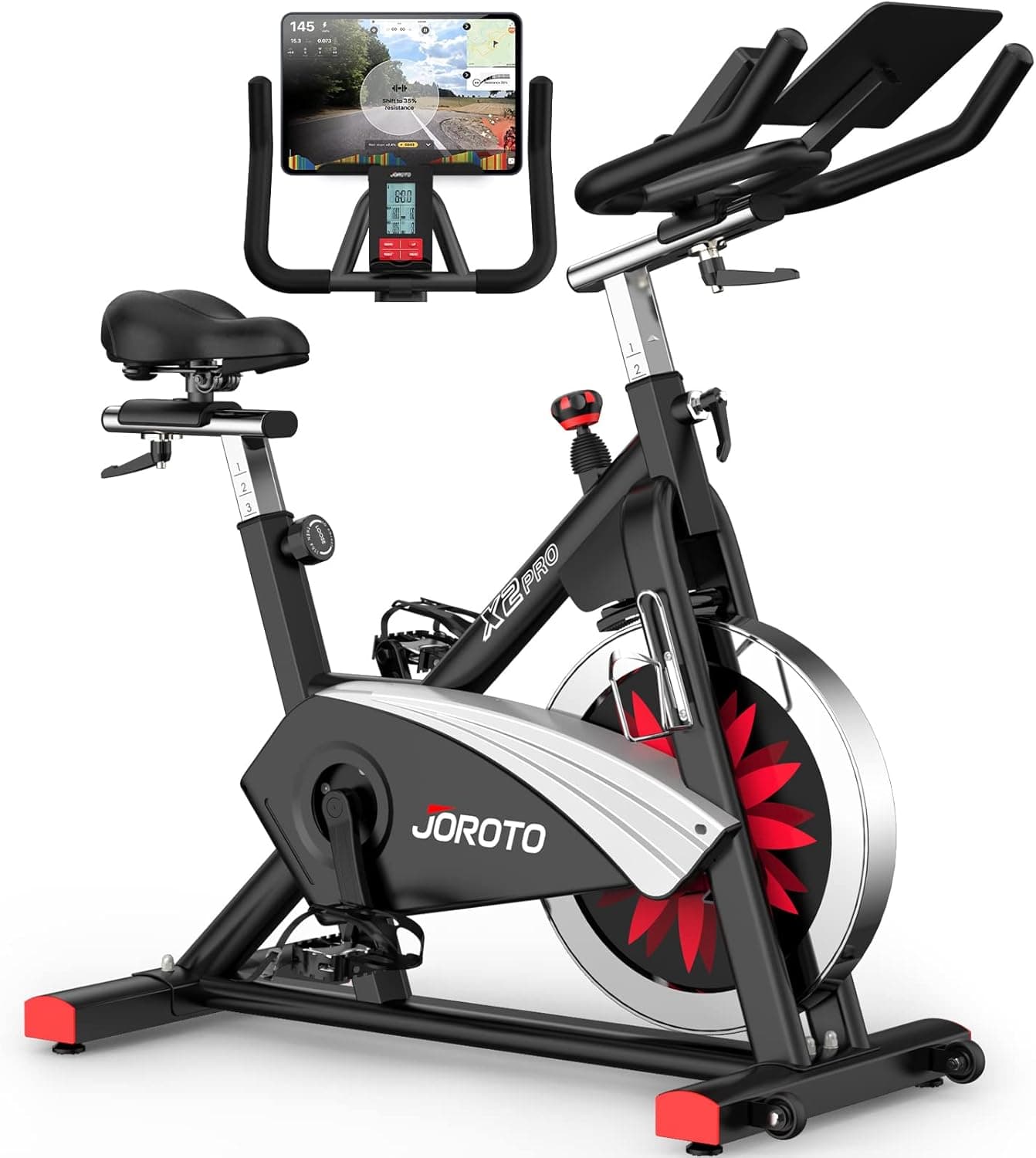
An honest JOROTO X2 Pro review covering ride feel, the magnetic resistance, the Bluetooth console, app support and who this budget UK spin bike really suits.
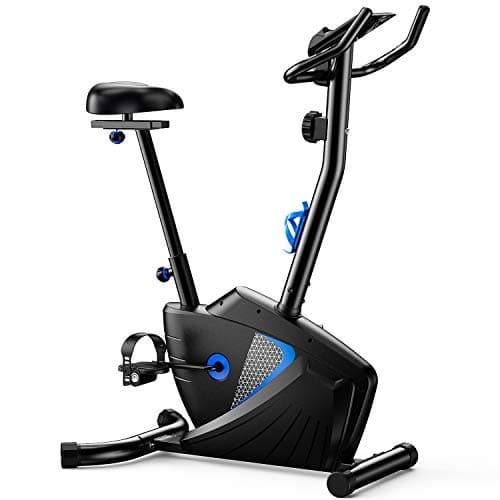
An honest WINNOW Exercise Bike review covering its 8 magnetic resistance levels, build quality, LCD console, who it suits and whether it's worth the money.
Our exercise bike reviews span the full range, from a sub-£100 folding bike you can tuck behind the sofa to a studio-grade Keiser that costs more than a weekend away. This hub gathers them in one place so you can filter by type, brand and rating, or search by name, then read the full write-up before you buy.
We judge each bike on how it rides once the novelty wears off, not on its marketing. Is it quiet at 6am? Do the saddle and bars move enough for two people who aren't the same height? Does the frame stay planted when you stand up and push hard? Smooth, consistent resistance beats a big flywheel number on the box, so that's what we weigh first.
Resistance type is the big one. Magnetic resistance is near-silent and needs almost no upkeep, which suits flats and shared walls; friction pads are cheaper and give a road-like grind, but they wear out and get noisy; air resistance rises with how hard you pedal, which is exactly why assault bikes feel so punishing in intervals.
Flywheel weight gets quoted a lot. A heavier flywheel (very roughly 8kg and up on a spin bike) carries momentum and feels smoother through the pedal stroke, though on magnetic bikes the figure means less because resistance is applied differently. Pay as much attention to adjustability: four-way saddle and handlebar movement is what lets a 1.6m and a 1.9m rider share the same bike comfortably.
Check the max user weight too, since budget frames often top out around 100kg to 120kg and anything pushed near its limit tends to flex and creak. Then there's the screen. A built-in touchscreen and a class subscription (Peloton, Echelon) look great, but a plain bike with a tablet holder and a free app covers most of the same ground for a lot less.
Upright and indoor cycling (spin) bikes pack a hard cardio session into a small footprint, and spin bikes let you ride out of the saddle like a road bike. Recumbent bikes sit you back in a supported seat with the pedals out front, which is kinder on the lower back and far easier to get on and off if your knees or hips complain. Air and assault bikes add arm handles and scale resistance with effort, so they're the pick for short, savage intervals.
At the gentler end, folding and under-desk mini bikes suit tiny flats or light movement while you work. Smart, connected bikes (Peloton, Echelon) are built around live and on-demand classes; turbo trainers make sense only if you already own a road bike you want to ride indoors; and the Concept2 BikeErg is an air bike with a damper and no electronics to break, which is why it tends to last for years.
Budget sorts the field quickly. Under £100 gets you a basic upright or a mini pedal unit that's fine for easy spinning in front of the telly. Push to under £200 and magnetic resistance, a steadier frame and a usable saddle come into reach. The under £1000 bracket is where serious spin bikes and app-connected machines live, and it's the sweet spot if you'll ride several times a week for years.
Space decides as much as money. Measure before you buy: a fixed spin bike wants a permanent spot and enough floor and ceiling clearance to stand on the pedals, while a folding upright collapses down to lean in a cupboard. Hard floors plus a flat below you mean a rubber mat and magnetic resistance are worth the extra, both for noise and for keeping the bike from shifting about.
A folding upright is usually the sensible pick: it gives you a proper cardio session and then folds down to lean in a cupboard or behind a door. If you barely have room for that, an under-desk mini bike takes up almost no space and lets you pedal while you work, though it won't push your heart rate as hard. Either way, look for magnetic resistance, since it's by far the quietest option for shared walls.
For occasional, easy use, something under £200 with magnetic resistance will do the job without falling apart. If you plan to ride several times a week or train seriously, budget nearer the upper end of the under £1000 bracket, where the frames are steadier and the resistance is smoother. Spending more mainly buys durability, a better ride feel and, on connected bikes, the screen and the classes.
The better budget bikes are genuinely fine for steady cardio, and plenty of people ride them happily for years. The compromises show up as a wobblier frame, a firmer saddle, a lower max user weight and controls that feel a bit flimsy. If you're lighter, riding casually and keeping the resistance moderate, a well-reviewed cheap bike is a reasonable buy; if you're heavier or training hard, the frame is usually the first thing to let you down.
You don't need one. A solid spin bike with a tablet holder, paired with a free or low-cost cycling app, covers most of what a connected bike offers for a fraction of the outlay. The premium pays for the built-in screen, the polished class experience and the community, so it comes down to whether those keep you motivated enough to justify a monthly subscription on top of the hardware.
Magnetic for almost everyone. It's quiet, needs no pad replacements and adjusts cleanly, which matters most in a flat or a shared house. Friction (felt pad) resistance is cheaper and some riders like its road-like feel, but it wears down, grows louder over time and needs the odd bit of maintenance.
A magnetic bike on a rubber mat is pretty discreet; the loudest thing is usually the fan or your own breathing rather than the mechanism. Friction and air bikes are noisier, and air bikes in particular get loud under hard efforts. If you're above someone, stick to magnetic resistance, put a mat down, and go easy on slamming out of the saddle late at night.