Recovery
Kaoudt Red Light Therapy Mat Review: Full Body Coverage, No Dose Figure
An honest Kaoudt red light therapy mat review: 2,600 LEDs at 660nm and 850nm, a 183cm wrap design, no published irradiance and a £720 price tag.
Reviews and buying guides for recovery and wellness kit, from massage guns, foam rollers and compression boots to home saunas, ice baths, sauna blankets and massage chairs.
Showing 91 of 91 results
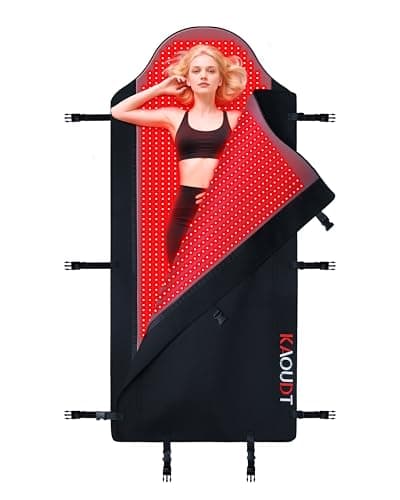
An honest Kaoudt red light therapy mat review: 2,600 LEDs at 660nm and 850nm, a 183cm wrap design, no published irradiance and a £720 price tag.
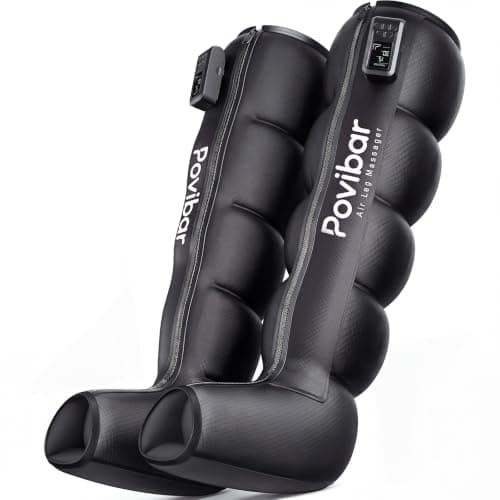
Our Povibar cordless compression boots review: 5 air chambers, 3 modes, 5 intensities and 180 minutes of battery for £200, but no published pressure figure.
How to use a massage chair properly: first session settings, how long to sit in one, how often, zero gravity, airbags, heat, after training and who to avoid.
Is a vibrating foam roller worth the extra money? What the research shows on range of motion, pain and DOMS, who should pay more, and what to look for.
How to use a portable steam sauna tent at home: setup, which water to use, pre-heat time, how long to sit in it, cleaning to stop mould, and who should check with a GP first.
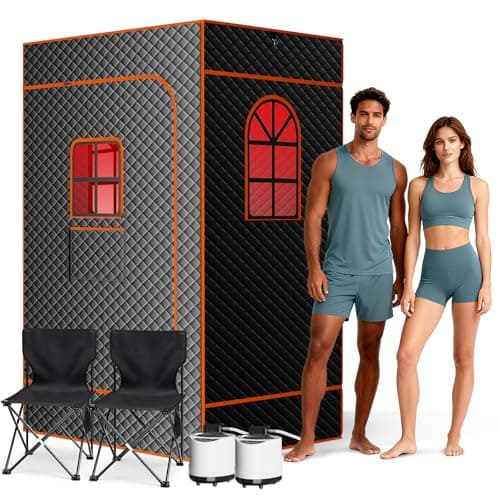
An honest Obqer 2 person portable steam sauna review: two 1200W generators, 9 heat levels, a 120 x 90cm footprint and £212.99 price, compared with Manastin and SereneLife.
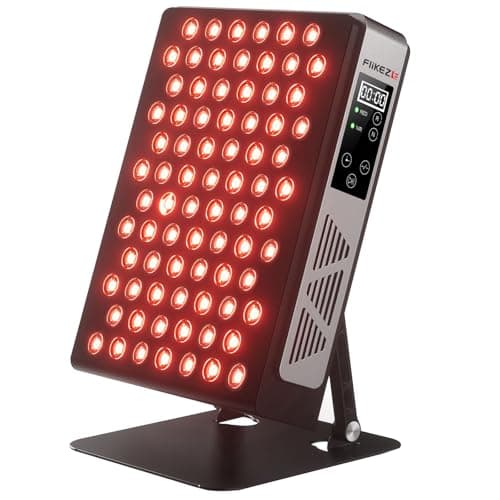
FliKEZE red light therapy review: 78 quad chip LEDs, 630 to 850nm, a 134 mW/cm² claim at 6 inches, five intensity levels and how it compares at £249.99.
How to use a red light therapy panel properly: the right distance and session time, how often, before or after training, eye safety and how to work out your dose.
The real benefits of compression boots, judged against the research: what helps (soreness, feeling recovered), what doesn't hold up, and who should avoid them.
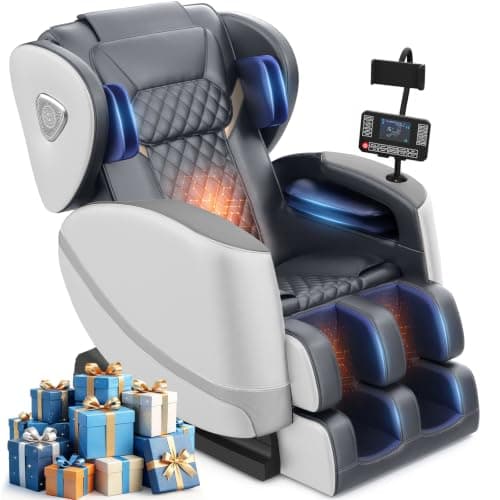
Our FURNIMAT massage chair review of the £470 zero gravity model: 14 fixed nodes, 8 airbags, heat and 165 degree recline, plus a footrest that suits shorter users.
Infrared sauna vs traditional sauna compared: heat, sweat, session length, what the research supports, home costs and safety, plus which one to pick and why.
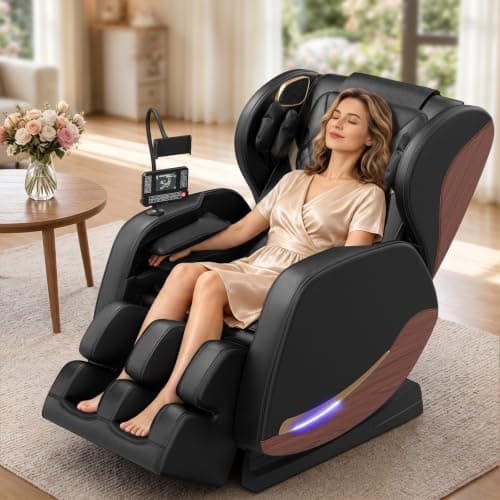
Our yewglen massage chair review: 14 fixed rollers, 8 airbags, back and leg heat, 165 degree recline and a 175cm height cap, compared with rival budget chairs.
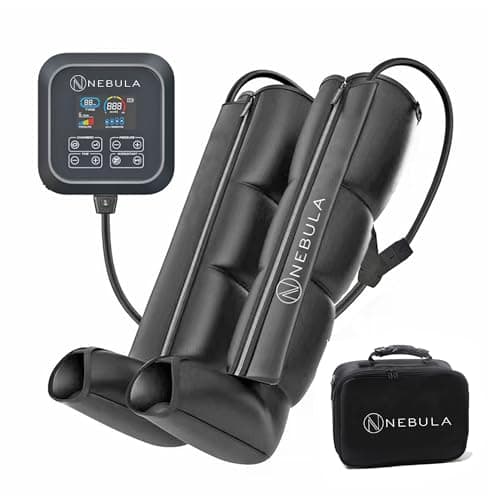
Our Nebula compression boots review: 6 modes, 30 to 260 mmHg, a 90 minute timer and mains power for £229.99. How they compare with Normatec 3 and FIT KING.
WHOOP vs Apple Watch compared for UK buyers: WHOOP 5.0 and MG memberships against the Apple Watch Series 12, SE 3 and Ultra 4. Battery, recovery, HRV, sleep, GPS, accuracy research and the real cost over three years.
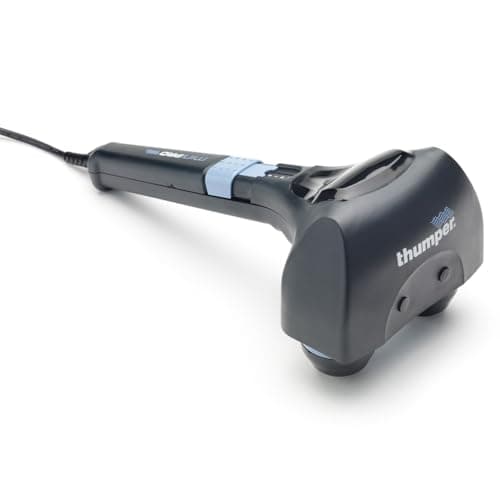
Our Thumper Mini Pro review: a corded, broad-head percussive massager with 6mm stroke and a long handle for your back. How it compares with massage guns.
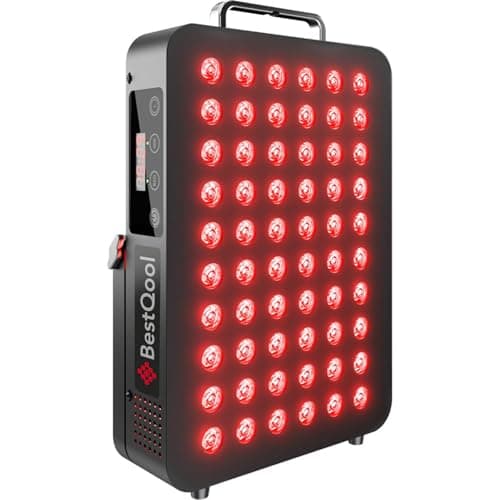
BestQool 105W red light therapy panel review: 660nm and 850nm, 95.6 mW/cm² at 3 inches, three modes, stand and hanging kit. Who it suits at £189.
Are massage chairs good for you? What randomised trials show for back pain, neck pain, stress and muscle soreness, who should avoid them, and how long and often to use one.
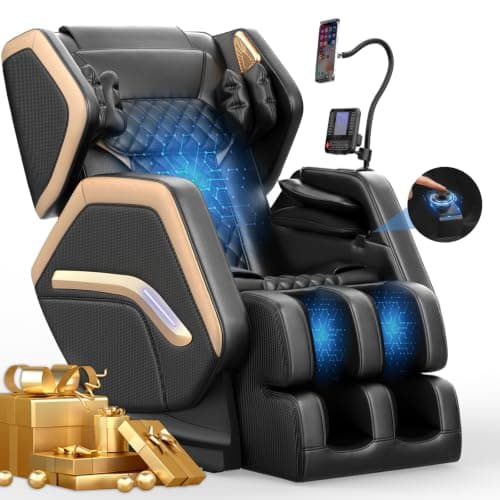
Our NAGLIFOR massage chair review: 14 fixed nodes, 8 airbags, back and calf heat, 165 degree zero gravity, Bluetooth and a 66cm door clearance, plus what fixed rollers miss.
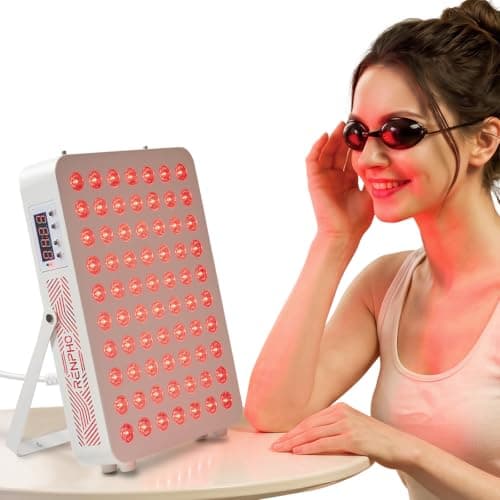
RENPHO 70 LED red light therapy panel review: 660nm and 850nm, a 180 mW/cm2 point-blank claim, stand, sling, 6 timers and how it stacks up at £199.99.
What active recovery is, what the research really shows about lactate and soreness, how hard to go, and simple active recovery sessions for rest days and cooldowns.
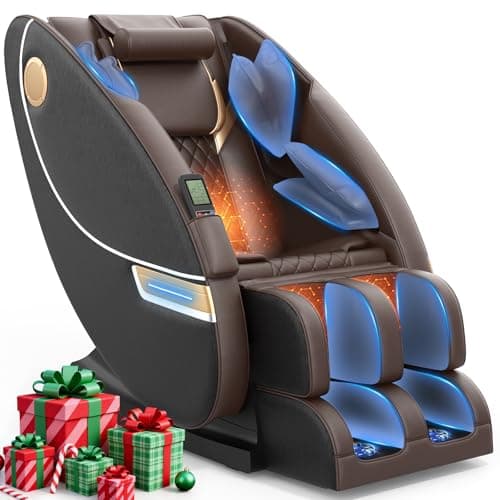
Our Gegcucey massage chair review: 14 fixed rollers, 8 airbags, lumbar and leg heat, zero gravity recline and 3 year warranty, plus what fixed rollers can't do.
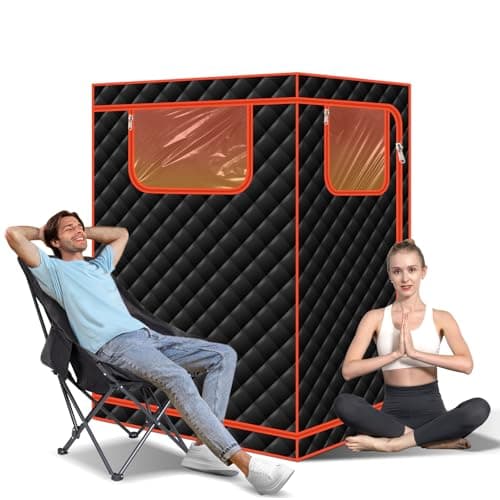
Smartmak SMT-016 infrared sauna tent review: 1050W across three carbon panels, 60°C max, a 120cm long footprint, a reclining chair and what the listing leaves out.
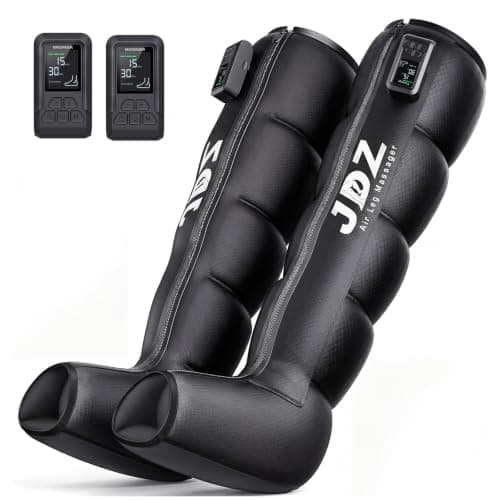
An honest JDZ cordless leg massager review: 5 air chambers, 3 modes, 5 intensities, 180 minutes of battery and an XL fit up to 73cm thighs, plus what the research says about compression boots.
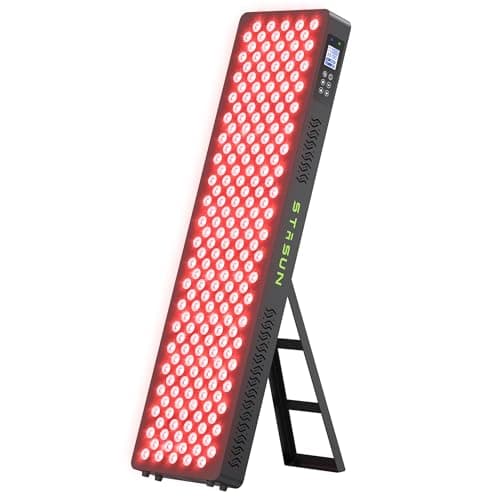
An honest STASUN 1050W red light therapy review: 210 dual chip LEDs, 660nm and 850nm, a bold 167 mW/cm2 claim and what the 1050W figure really means.
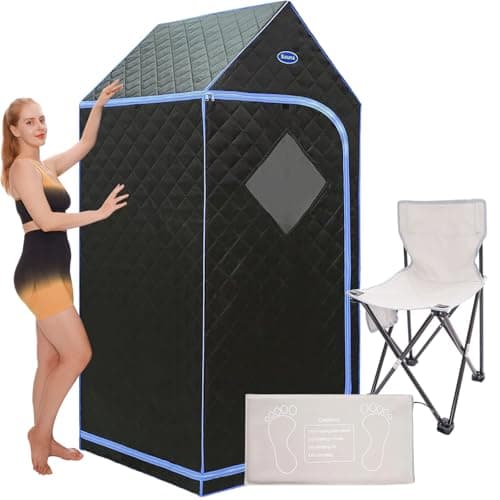
An honest CONLONS portable infrared sauna review covering the three far infrared panels, 60°C real-world heat, 80cm square footprint, 150kg chair and heated foot pad, plus how it compares with the SereneLife and Runitude tents.
The real benefits of infrared saunas for recovery, soreness and relaxation, what the studies found (including the null results), how long and how hot to go, and who should avoid them.
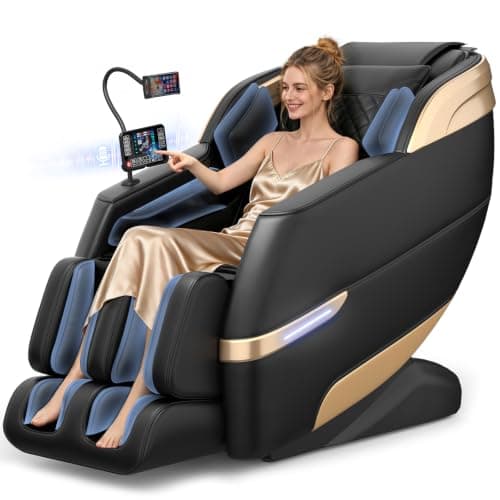
An honest YONISEE 4D massage chair review covering the 139cm SL-track, 24 programmes, voice control, 180 degree recline and the height range buried in the listing, plus how it compares with the FURNIMAT 4D and ROTAI A37.
Ankle mobility exercises that actually work, plus the knee-to-wall test, why stiff ankles wreck your squat, and a five-minute routine you can do before training.
How sleep drives muscle recovery, what happens to strength and protein synthesis when you cut it short, how many hours you need, and the changes that work better than supplements.
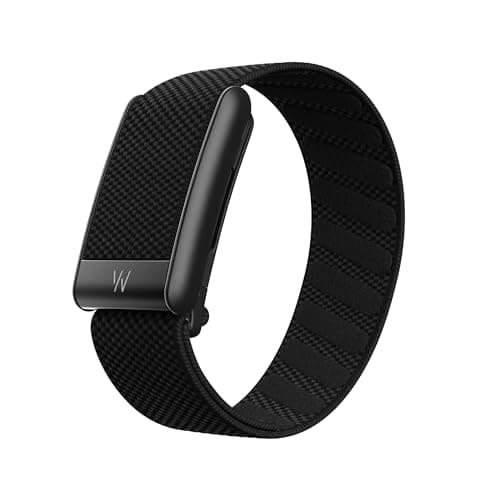
WHOOP Peak review: the 12 month membership bundling the WHOOP 5.0, 14 day battery, Healthspan and stress monitoring. Who the subscription model actually suits, and who it fleeces.
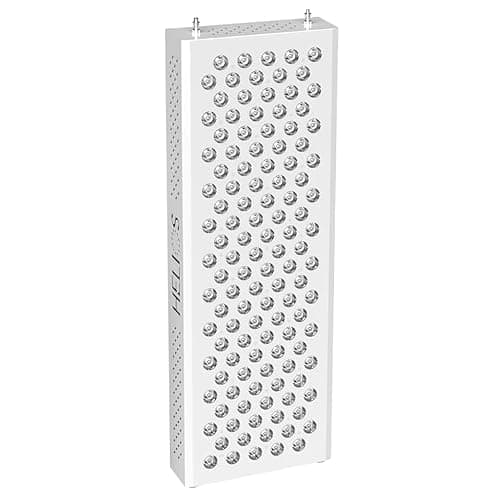
Helios 2 Series 600W red light therapy review: 120 x 5W LEDs at 660nm and 850nm, half-body coverage, 5-year UK warranty. What the evidence actually supports at £400.
How long delayed onset muscle soreness lasts, why it peaks at 24 to 48 hours, what the evidence says about cold water, massage and active recovery, and when soreness means injury.
What a deload week is, the signs you need one, how to cut volume without losing progress, how often to schedule it, and what to actually do during the week.
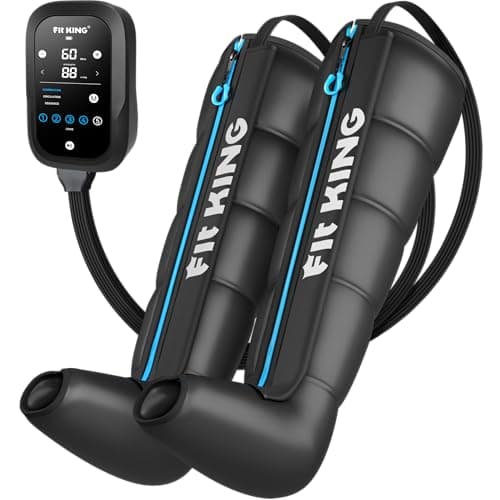
An honest FIT KING FT-115A review covering the 5 zone cordless compression boots, 50 to 150 mmHg pressure range, 4 hour battery and how they stack up against Normatec at half the price.
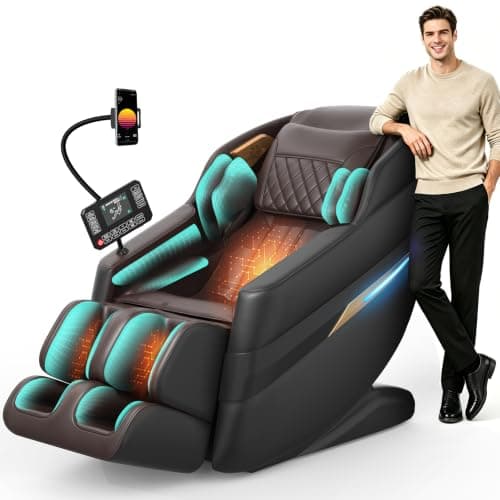
An honest FURNIMAT 4D massage chair review covering the 55 inch SL track, 4D rollers, zero gravity positions, voice control and the 78kg delivery problem nobody warns you about.
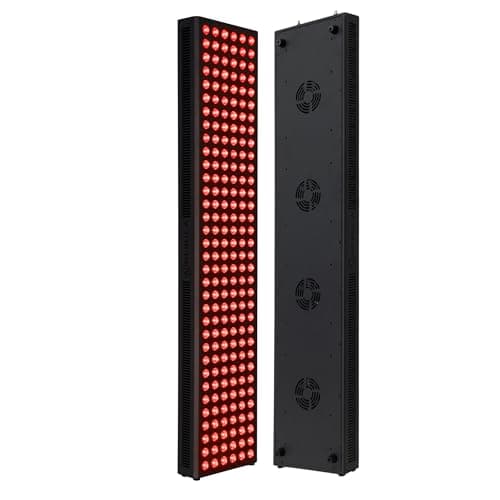
An honest Nebula 1020W red light therapy review covering 95 mW/cm2 at 6 inches, 204 dual chip LEDs, the 104cm panel, actual 288W draw and how it compares with smaller, brighter rivals.
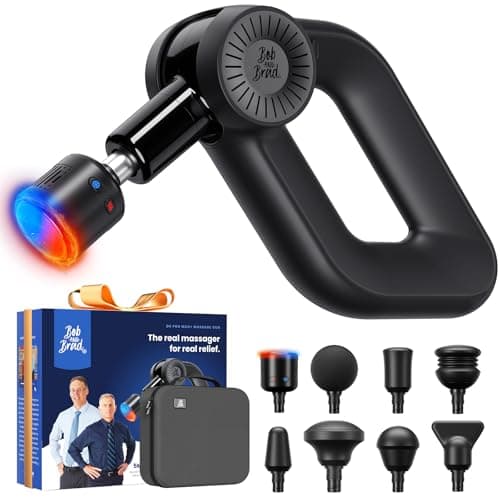
An honest Bob and Brad D6 Pro Max+ review covering its 16mm amplitude, 85lb stall force, heat and cold head, sub 60dB noise and 2.8lb weight, plus what the thermal head really adds.
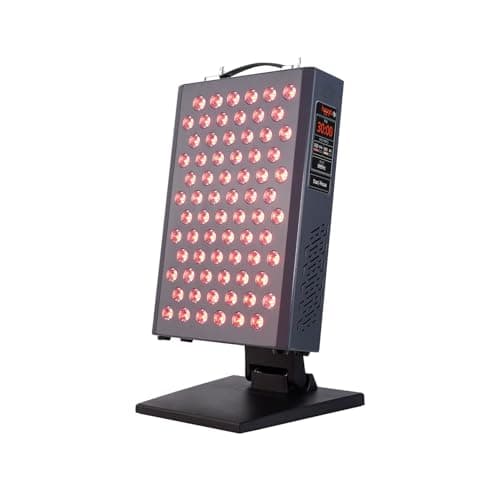
An honest Hooga ULTRA360 review covering its 132 mW/cm2 irradiance, four wavelengths, 30 minute timer and 3 year warranty, plus why the small panel size is the real catch.
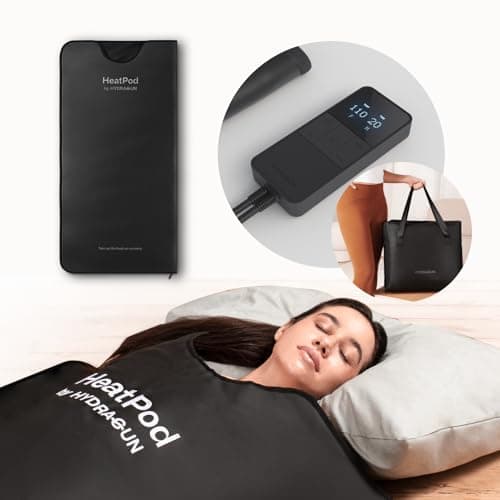
An honest HYDRAGUN HeatPod sauna blanket review covering its 85C ceiling, vegan leather build, zero EMF claim and 1.5 year warranty, plus whether £561 can be justified.
How red light therapy works for muscle recovery, the wavelengths and doses that matter, why more is not better, and a simple protocol to use around training.
How to use recovery compression boots properly: what pressure to set, how long a session should be, when to use them around training, and who should avoid them.
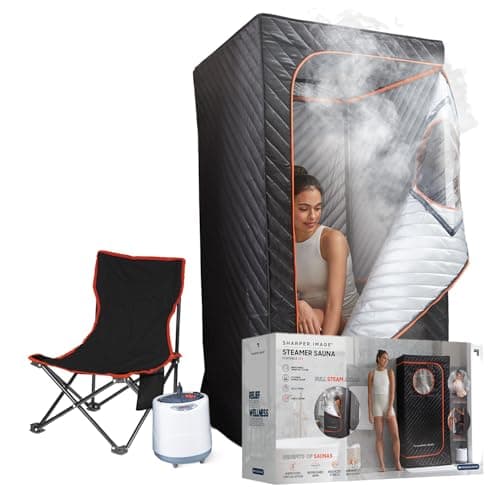
Honest review of the Sharper Image Steamer Sauna Portable Spa: the 2.4 litre steam generator, timer and temperature controls, real heat-up times and who it suits.
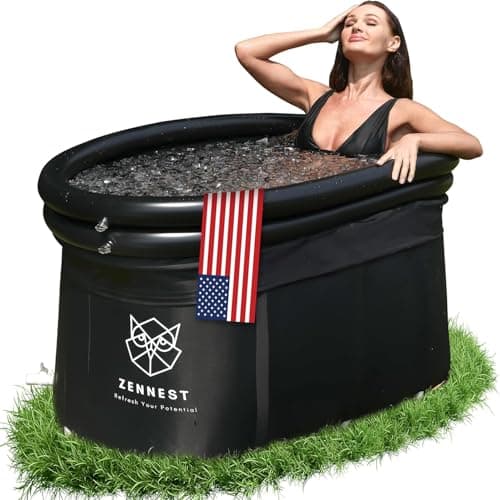
An honest review of the Zennest 150 gallon oval inflatable ice bath: six-layer insulation, dual comfort rings, the missing chiller, and who should actually buy it.
When to cold plunge around training, why post-lifting ice baths blunt muscle growth, how long to wait, and the protocol that keeps the recovery benefit without the cost.
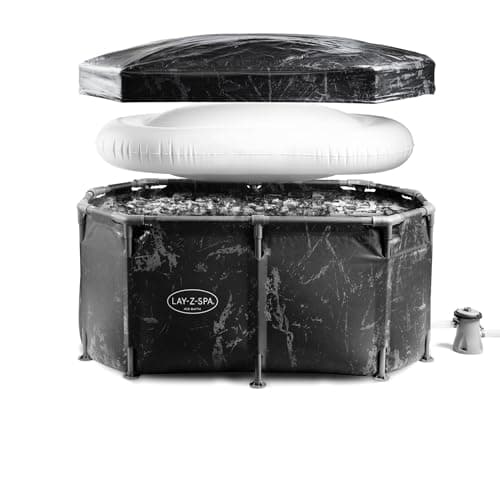
An honest Lay-Z-Spa Glacial Dip review covering the Tritech liner, galvanised steel frame, 1,249 L/h filter pump, thermal lid, setup and running costs for a UK garden.
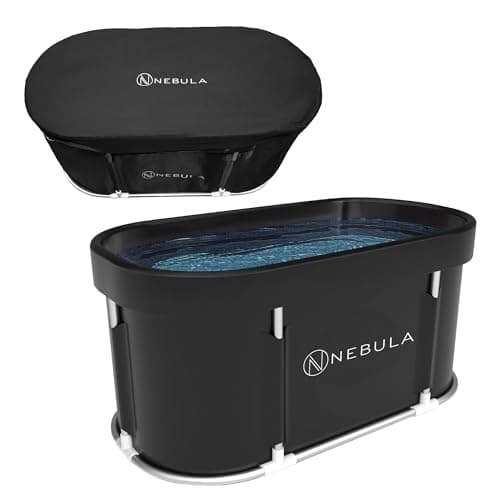
An honest Nebula Cold Plunge Tub review covering the 400L capacity, insulated lid, drainage tap, setup time and durability, plus who should buy it and who should spend more.
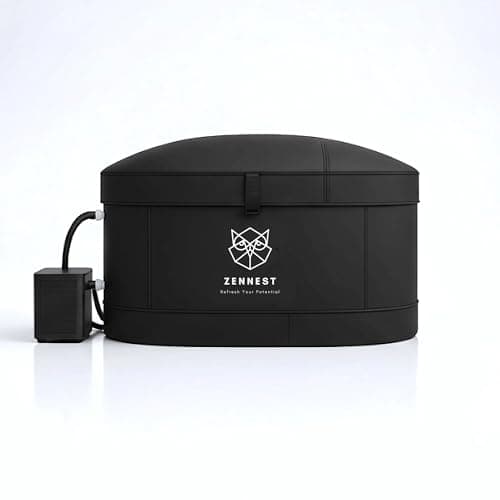
A review of the Zennest 140 gallon XL inflatable ice bath: six layer insulation, dual chiller ports, the removable liner, and the ice maths that explain why you will end up buying a chiller.
The right ice bath temperature for recovery, how cold is too cold, how much ice you need in a British winter versus summer, and the numbers that actually change the effect.
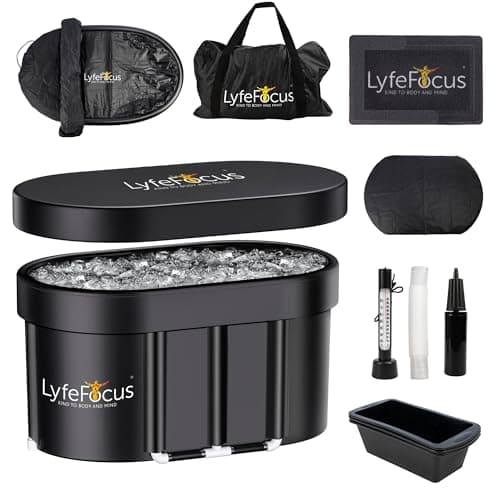
An honest LyfeFocus Cold Therapy Ice Bath review: the 100cm barrel, 8-bar frame, multi-layer insulation and the nine-item accessory bundle, plus whether £120 beats a £70 tub.
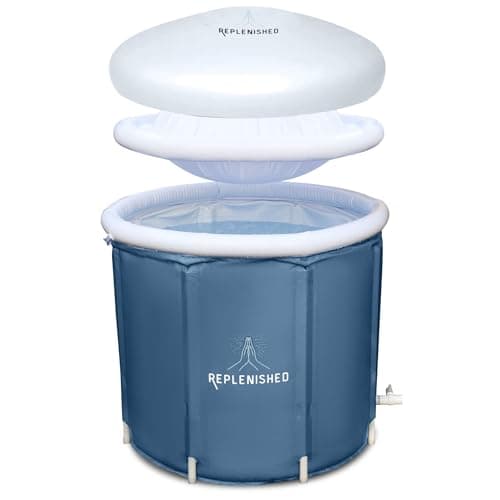
An honest Replenished 370L portable ice bath review covering the dome thermo lid, insulation, drainage, ice costs and whether £70 buys a tub worth keeping outdoors.
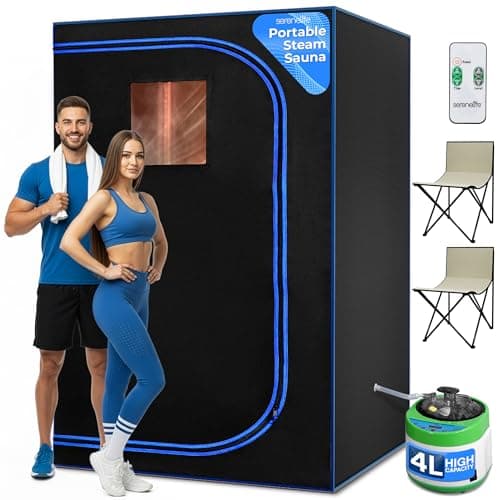
An honest SereneLife 2 Person Steam Sauna review covering the 1600W generator, 50C ceiling, 120 x 80 x 180cm footprint, running costs and whether two adults really fit.
Should you foam roll before or after training? What rolling actually does to range of motion, soreness and performance, how long to roll for, and a simple routine for each.
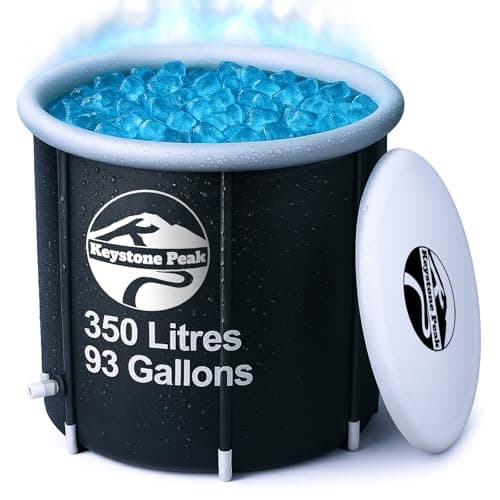
A review of the Keystone Peak portable cold plunge tub: the 85cm barrel, three layer insulation, the thermal lid, the drain valve that saves your back, and how much ice it really needs.
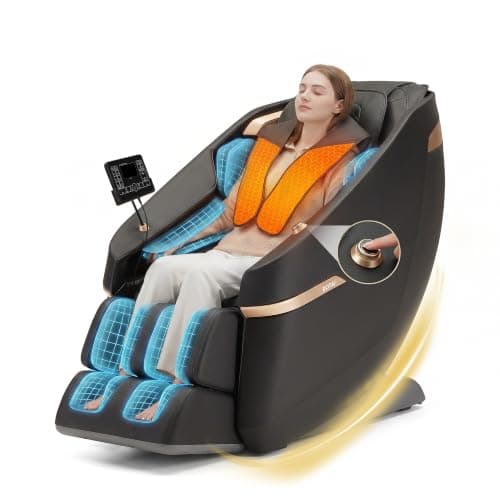
A review of the ROTAI A37 full body massage chair: 24 fixed rollers, three zero gravity positions, heated back pads, foot rollers and what £646 does and does not buy you.
How to use a massage gun properly: how long to spend on each muscle, how much pressure to apply, which attachment to pick, when to use it before or after training, and the places to avoid.
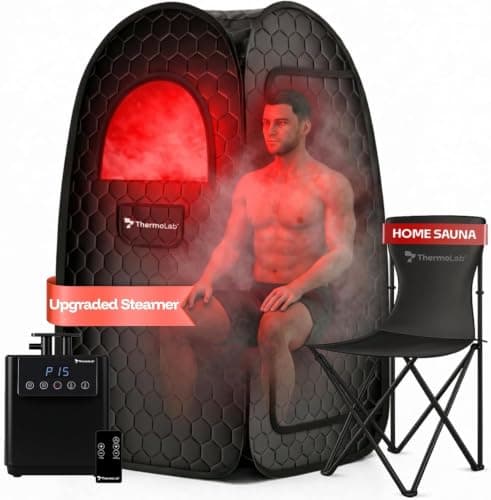
A review of the ThermoLab AuraCore pop up steam sauna: the 1000W 2.6L generator, infrared light, four layer fabric, running costs, session length and who it actually suits.
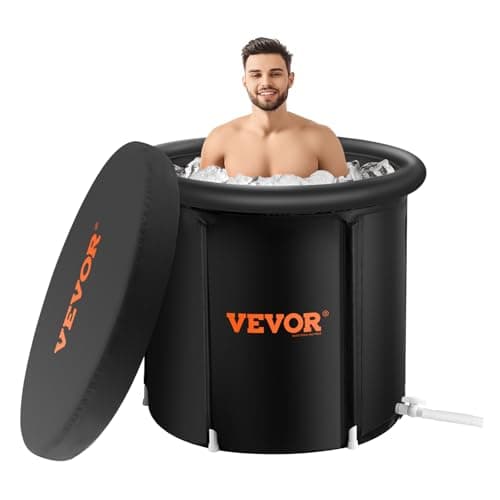
A review of the VEVOR 80cm ice bath tub: 341 litres, the inflatable headrest and seat cushion, twin drains, insulation reality, ice costs and how it compares with rigid tubs.
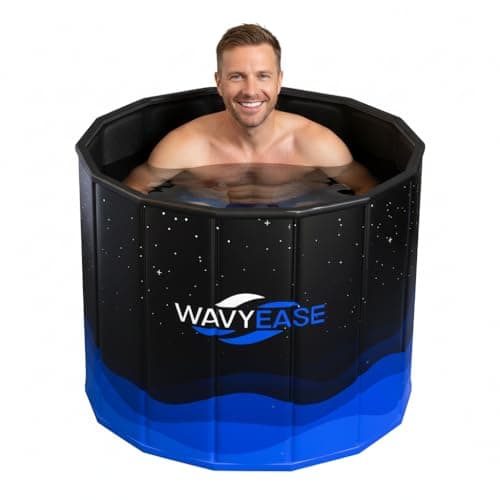
A review of the WAVYEASE portable ice bath: the 80cm footprint, the unfold-and-fill design, how much ice it really needs, drainage, and who should buy it over an inflatable tub.
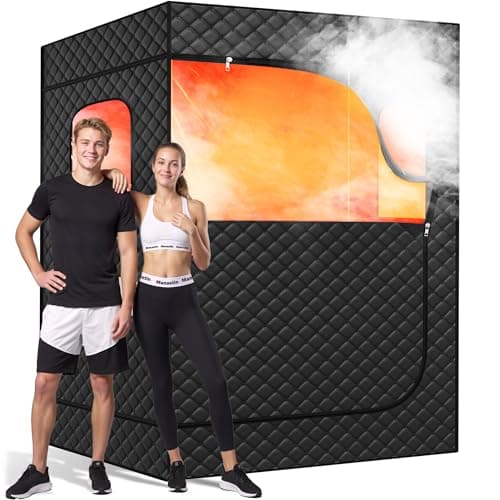
An honest Manastin 2 person portable steam sauna review covering the dual 1000W generators, 9 heat levels, the 123cm footprint, the two-plug problem and whether it beats a single tent at £254.
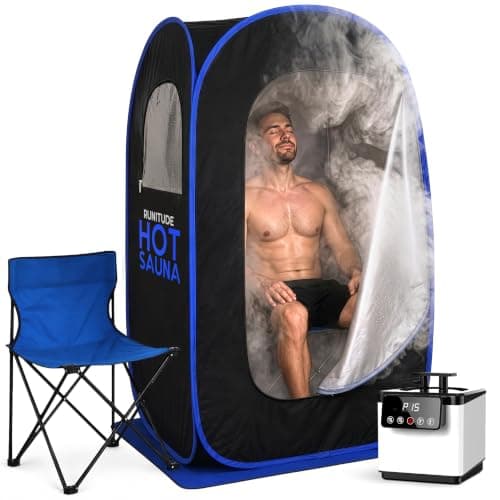
An honest Runitude portable sauna steam tent review covering the 1000W touchscreen generator, the 2.6 litre tank, the VOC lab testing claim and whether it justifies double the price of a generic tent.
The real differences between a dry sauna and a steam room, what the evidence supports for each, which suits training recovery, congestion or blood pressure, and how the home versions compare.
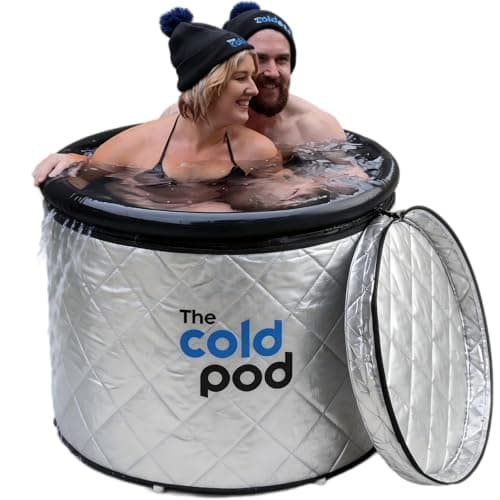
A review of The Cold Pod 440L insulated ice bath tub with cover: the 90cm footprint, how it compares with the 320L, ice costs, drainage and whether the extra £20 is worth it.
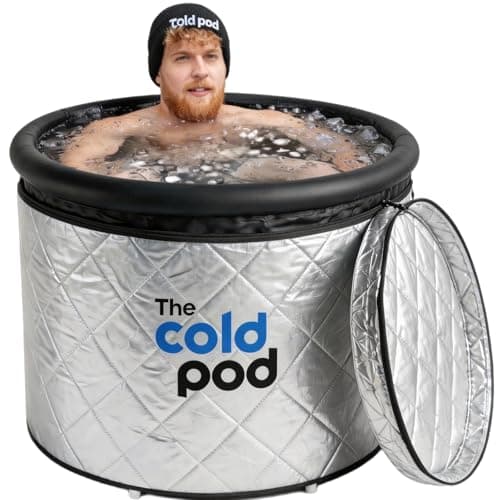
An honest review of The Cold Pod 320L insulated ice bath tub with cover, covering build, water depth, how much ice it really needs, the insulation claim and who should buy it.
A practical guide to contrast therapy: hot and cold cycle lengths, how many rounds, which order to finish on, when to avoid it after lifting, and the kit you actually need at home.
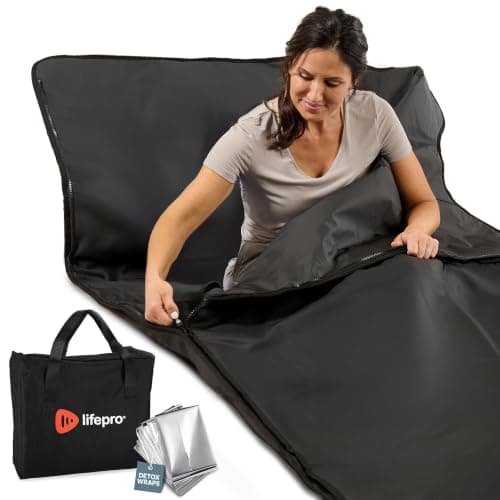
An honest LifePro infrared sauna blanket review covering the 25 to 80C range, the 180cm size, sweat sessions, cleaning, the weight loss marketing and whether it beats a sauna tent.
The evidence-backed answer on ice bath duration and temperature, how to build tolerance safely, when cold water blunts muscle growth, and the safety rules that matter.
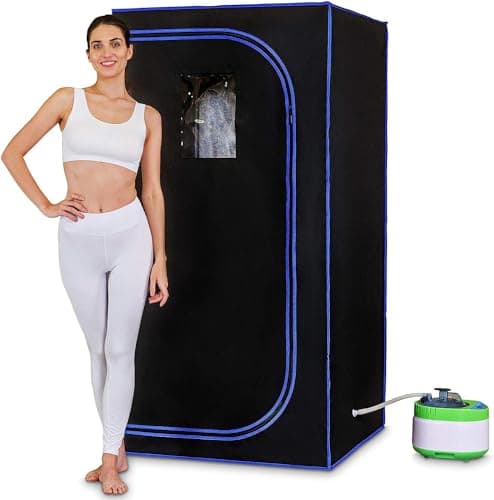
A straight SereneLife Portable Steam Sauna review: the 1600W generator, 4L boiler, 50C ceiling, running costs and the marketing claims worth ignoring.
How to use a sauna after training: timing, session length, hydration, what the research shows about recovery and adaptation, and when heat is a bad idea.
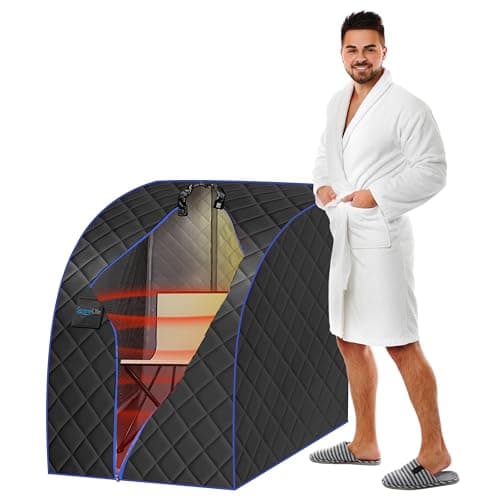
A SereneLife portable infrared sauna box review: the 98cm sit-in design, included chair, import listing caveat and how it compares with the taller SereneLife sauna tent.
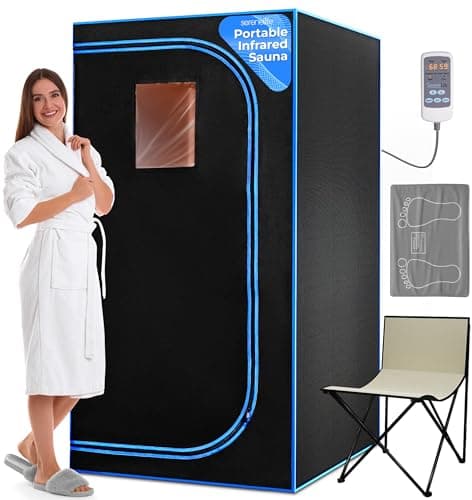
A SereneLife portable infrared sauna tent review covering the 1300W heater, 60C ceiling, heated foot pad, chair and folding design, plus what the sauna research does and does not support.
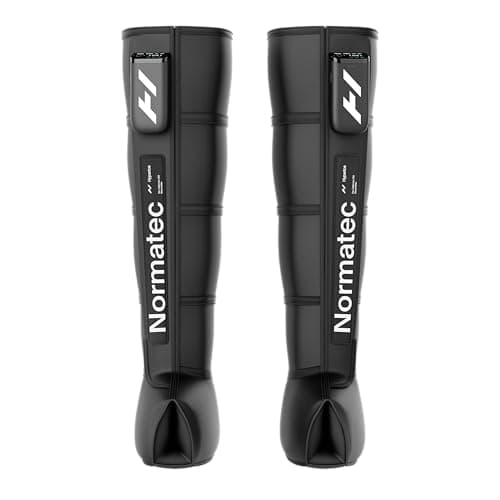
An honest Hyperice Normatec Premier review covering the cordless design, 7 compression levels, 40 to 110 mmHg range, 4-hour battery, sizing and whether it beats the Normatec 3.
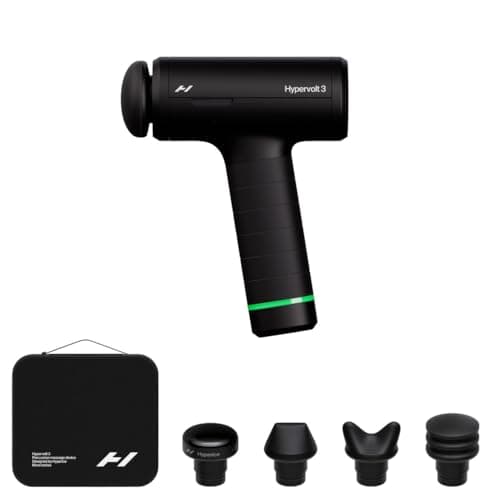
An honest Hyperice Hypervolt 3 review covering the heated attachment, five speeds, 48dB QuietGlide motor, pressure sensor, four hour battery and whether it beats a Theragun.
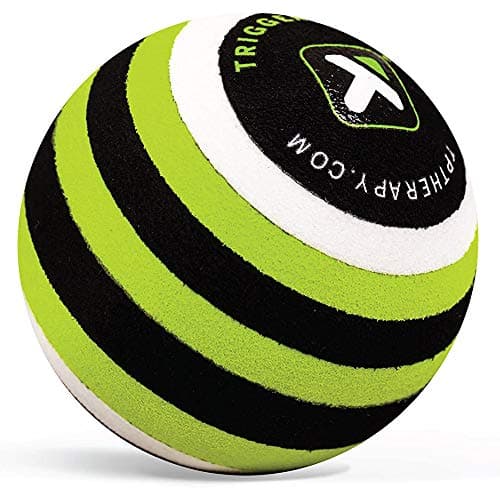
The best massage balls in the UK for 2026, compared on firmness, size and grip. Lacrosse, spiky and double balls for trigger point work, feet, glutes and the upper back.
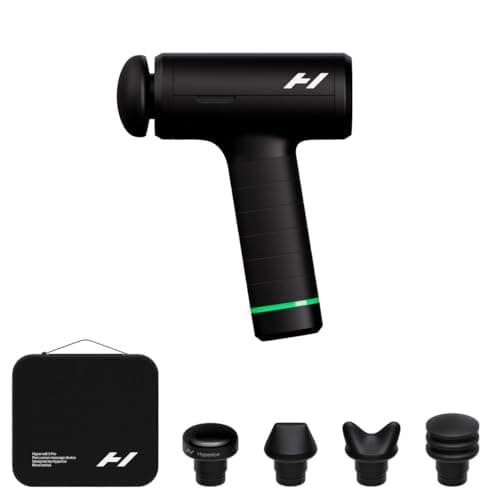
An honest Hyperice Hypervolt 3 Pro review covering the heated attachment, 6 speeds, pressure sensor, 51dB QuietGlide motor and 4 hour battery, plus what Hyperice will not tell you.
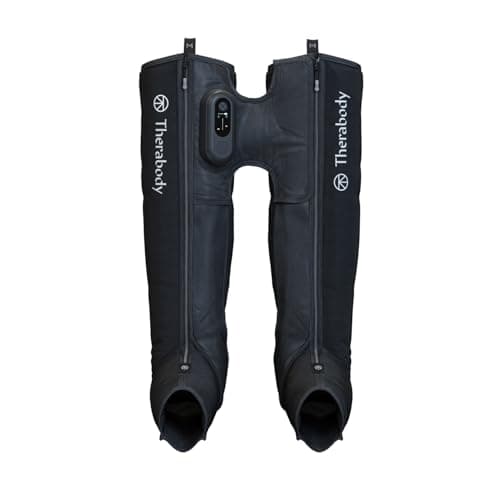
The best compression boots on Amazon UK for 2026, compared on pressure range, chambers, battery and fit, plus an honest look at what the recovery research actually shows.
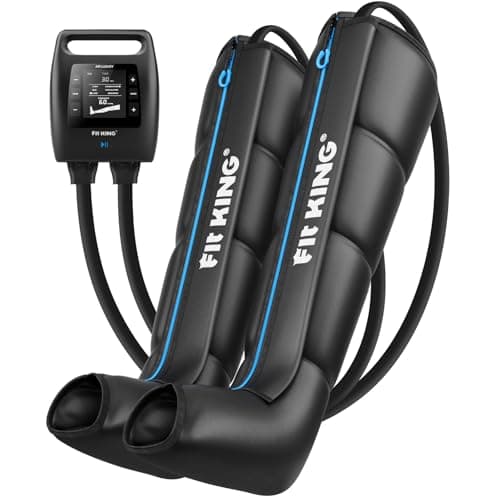
A FIT KING FT-109A leg compression machine review covering its 4 zones, 40 to 150 mmHg range, cordless battery, fit and noise, plus what the recovery research really shows.
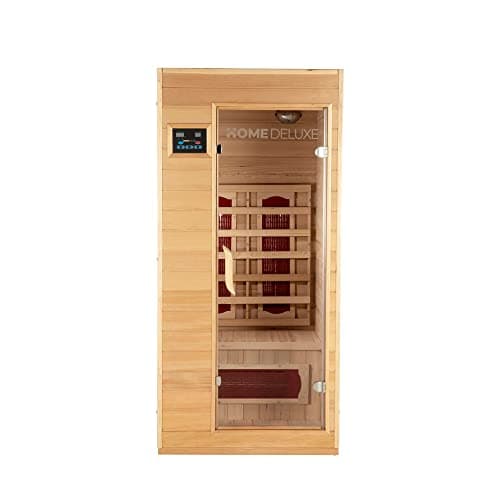
The best home saunas in the UK for 2026, from a proper infrared cabin to portable tents and steam pop-ups. What each type costs to run and who should buy which.
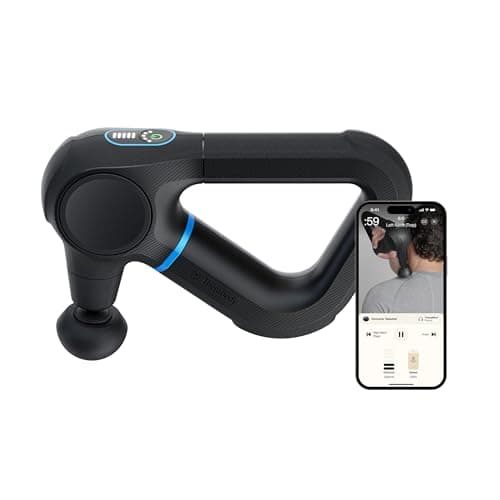
An honest Theragun Prime review of the 6th generation massage gun. The 16mm stroke, 30lb stall force, drop-proof build and two attachments, and who should buy the Elite instead.
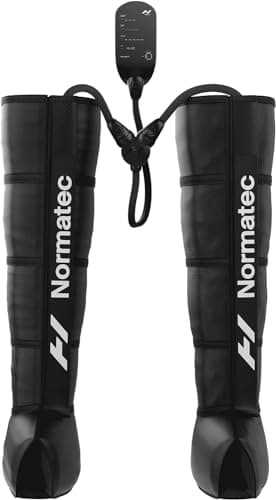
An honest Hyperice Normatec 3 Legs review covering the 7 pressure levels, 5 zones, battery life and app, what the recovery research actually shows, and who should skip it.
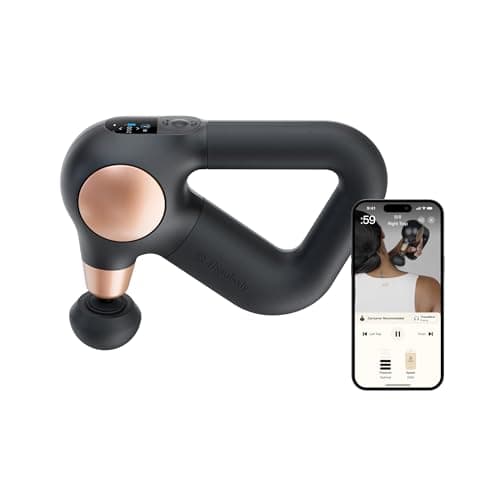
An honest Theragun Sense (2nd generation) review: the built-in screen, guided routines, 120 minute battery and 5 speeds, what it does well, and why it is not the Elite.
The best ice baths and cold plunge tubs in the UK for 2026, from insulated barrel tubs to inflatable plunge pools. Honest picks, real prices and what the science actually says.
The best sauna blankets in the UK for 2026, from budget to premium. Honest picks, what infrared sauna blankets can and cannot do, plus the safety and buying advice you need.
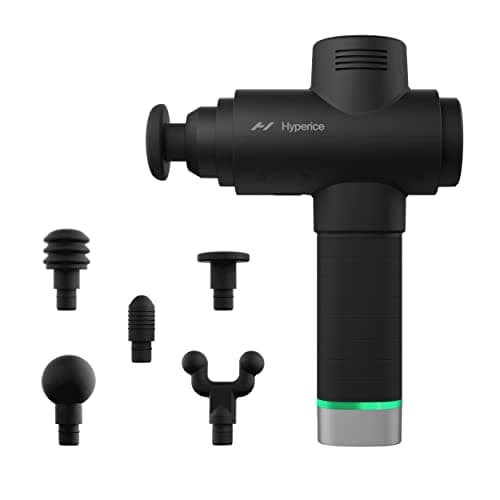
An honest Hyperice Hypervolt 2 Pro review covering its power, five speeds, Quiet Glide noise, app, battery and heads, plus who should buy it and who should not.
An honest Hyperice Hypervolt 2 Pro review covering its 14mm amplitude, five speeds, removable 3-hour battery, QuietGlide motor and app, plus who should buy it and who should not.
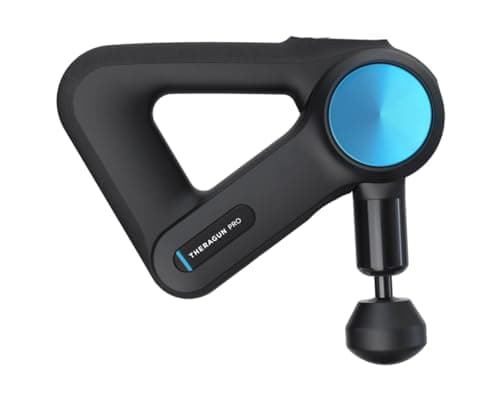
An honest Theragun Pro (5th gen) review covering its 16mm amplitude, 60lb stall force, rotating arm, swappable batteries, app and noise, plus who should buy it.
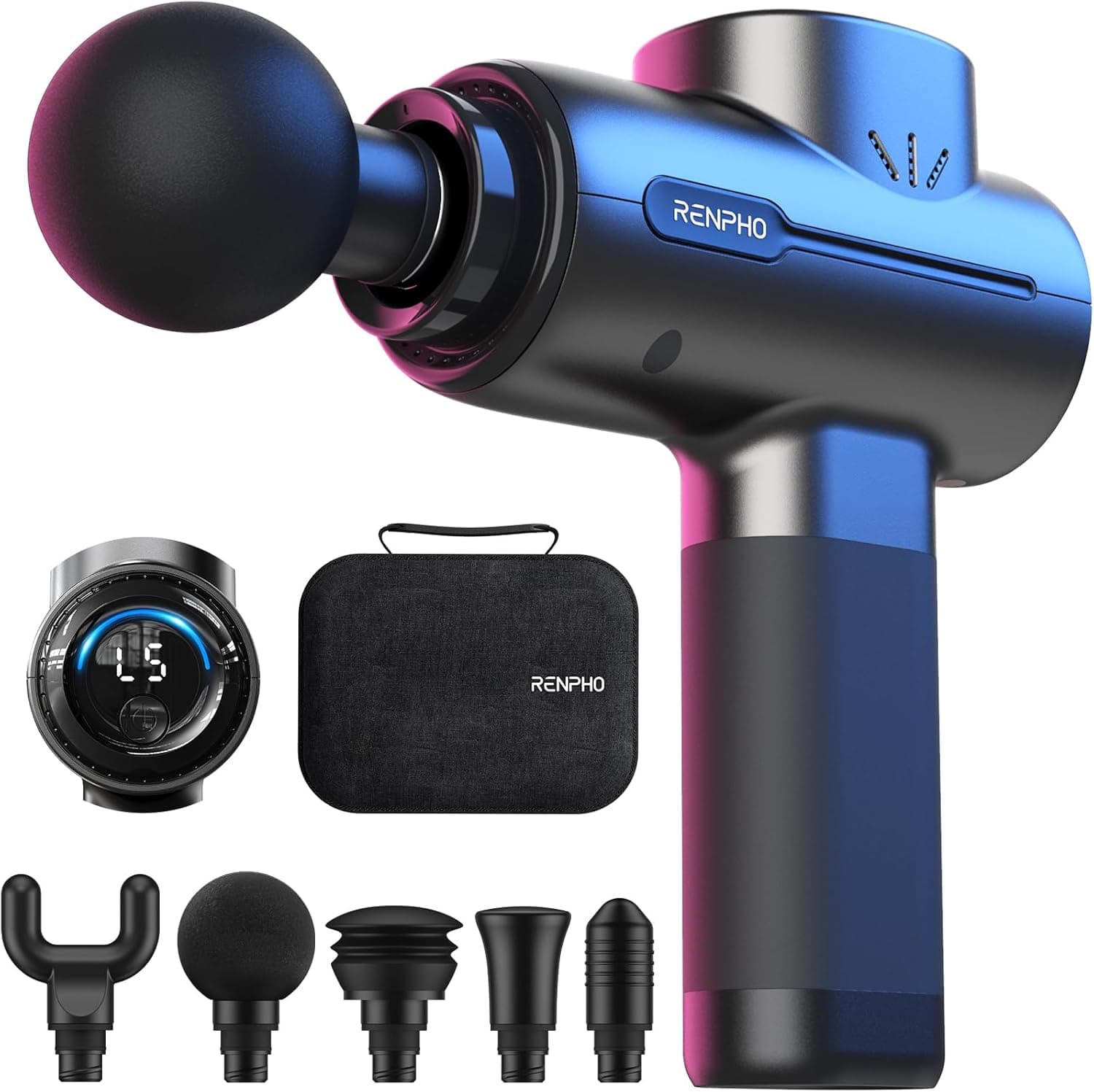
An honest RENPHO Massage Gun review covering its 10mm amplitude, five speeds, noise, battery and attachments, plus how it stacks up against a Theragun and who should buy it.
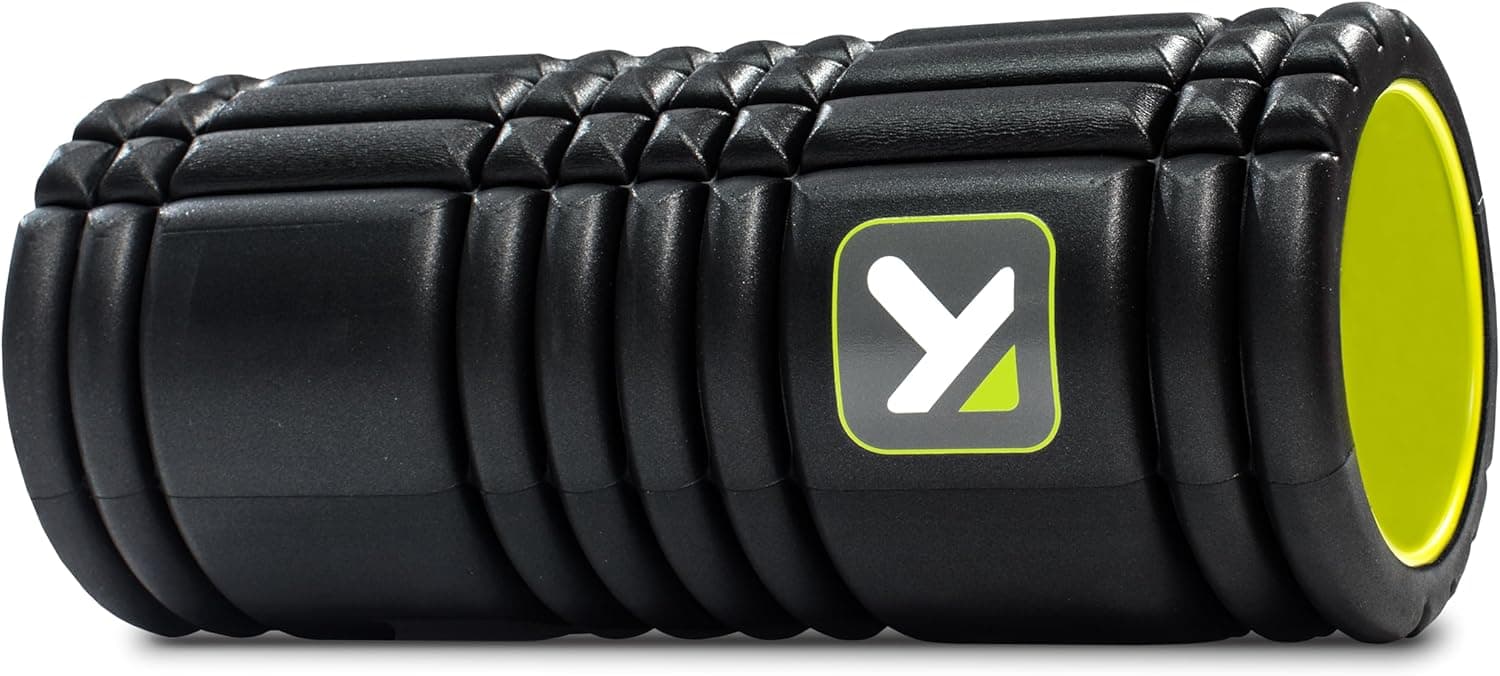
The best foam roller picks in the UK for legs, back and recovery. We compare top-rated Amazon UK rollers from budget to vibrating, with honest pros and cons.
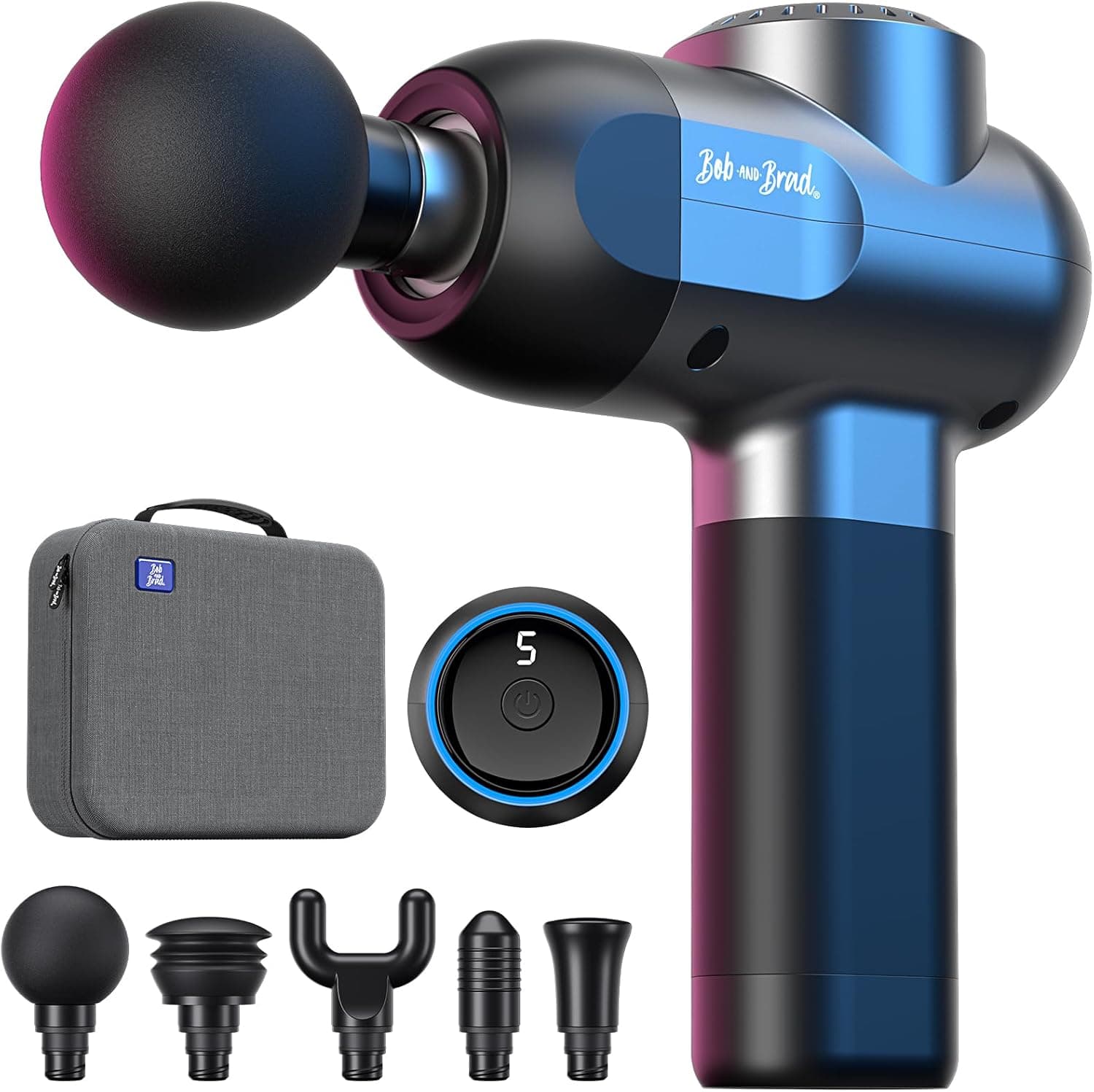
We researched the best massage gun options in the UK. Our top percussion muscle massager picks for recovery, from budget buys to the premium Theragun Elite.
An honest Bob and Brad C2 massage gun review covering power, noise, battery, the five heads and where the C2 cuts corners, to help UK buyers decide.
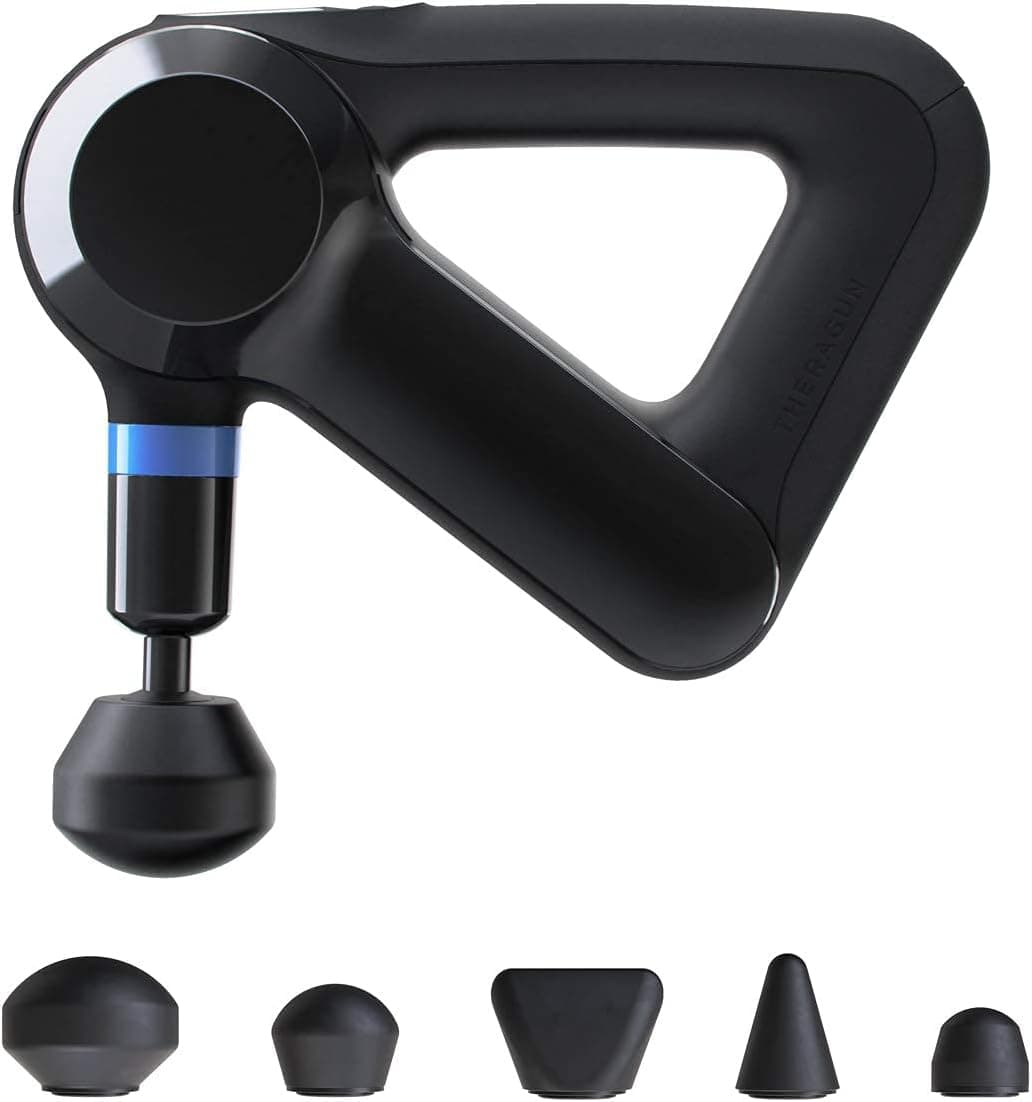
An honest Theragun Elite review covering its 16mm depth, 40lb stall force, quiet motor, app and battery, plus who should buy it and who should not.
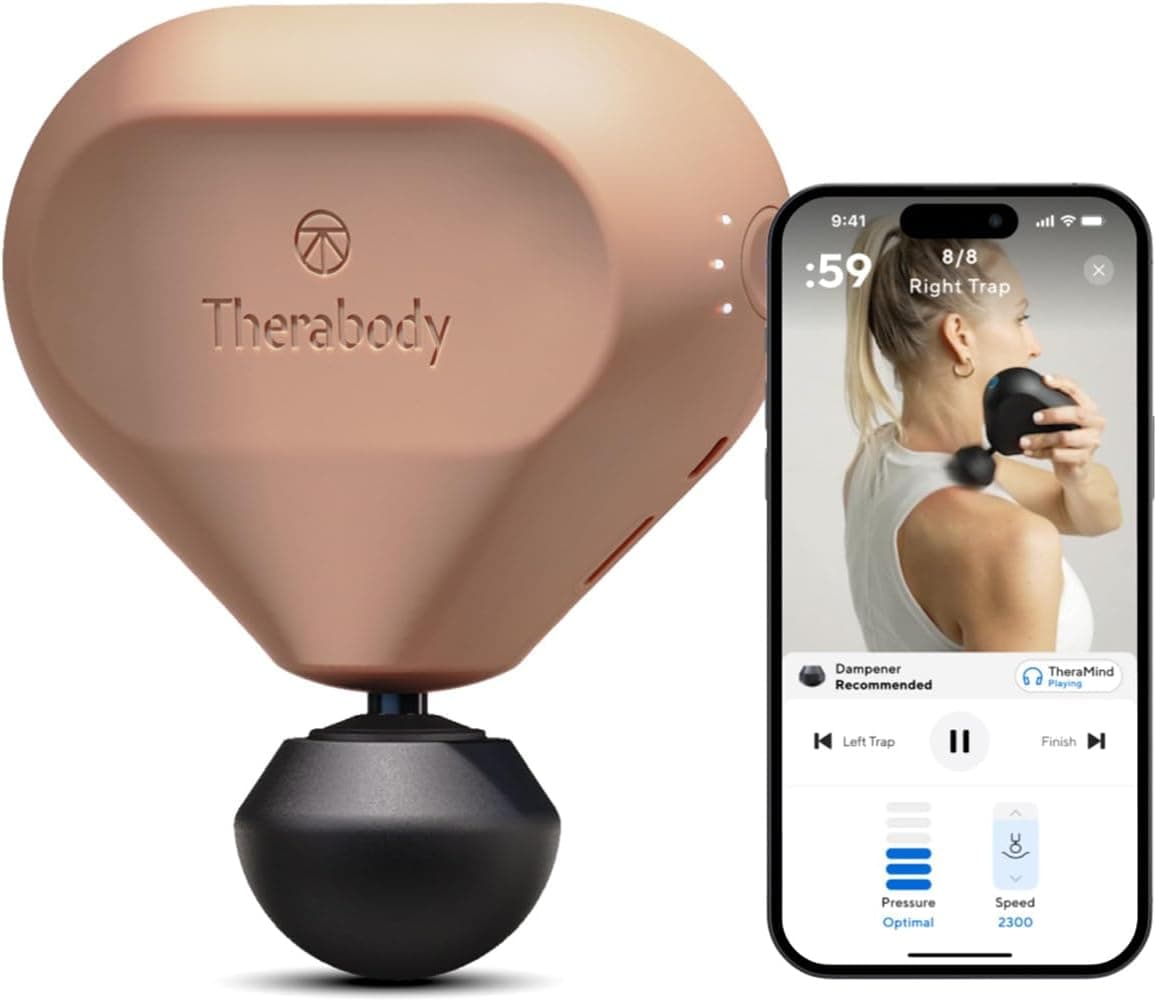
An honest Theragun Mini review covering power, the stall force limit, battery life, attachments, noise and whether Therabody's pocket massage gun is worth the money in the UK.
Recovery kit is a broad church, and this hub pulls all of it into one place: massage guns, foam rollers, compression boots, ice baths and cold plunge tubs, home saunas and sauna blankets, massage chairs, and red light panels. Our recovery equipment reviews rate each one on how it performs at home over weeks of real use, not on how the box reads. You can filter the grid above by type, brand or budget to jump straight to the shortlist that fits you.
We buy or borrow the kit and live with it before scoring anything. A massage gun gets judged on amplitude and stall force, not just its headline motor speed; an ice bath on how quickly it chills and then holds that temperature; a sauna blanket on even heat and whether it survives a wash. We note the dull stuff too, like warranty length and whether a proper UK plug and local servicing come as standard.
Honest also means telling you when a product's overpriced, or when an inexpensive foam roller does most of what a premium percussion device promises. We call out the gimmicks, and we're glad to say when the cheaper option simply wins.
Massage guns live and die on two numbers the marketing tends to bury: amplitude, which is how far the head travels and is usually quoted in millimetres, and stall force, which is how hard you can press before the motor gives up. More amplitude reaches deeper into muscle, and decent stall force means it won't bog down when you lean your bodyweight in. Battery life, noise and the weight in your hand decide whether you'll actually reach for it.
For cold and heat, temperature range is the headline figure. A cold plunge or ice bath only earns its price if the chiller can hold a low temperature in a warm room, and good insulation is what keeps a cheaper tub usable through a British winter. Saunas and sauna blankets want a sensible maximum heat, a quick warm-up and controls you can read; if EMF bothers you, that's worth checking on blankets specifically.
Compression boots come down to pressure range, the number of chambers and programmes, and whether the pump is quiet enough to run while you watch telly. Across the whole category, read the warranty and find out whether spares and servicing exist in the UK, because the fancier the motor, chiller or heating element, the more that backup matters later.
Space decides more than people expect. A foam roller or a massage gun lives in a drawer and travels in a bag; an ice bath, a massage chair or a two-person sauna needs a permanent footprint, a floor that can take the weight, and sometimes a dedicated socket nearby. Measure the spot before you fall for the product photos.
On budget, spend where the engineering is genuinely hard. Moving from a budget massage gun to a mid-range one buys real gains in amplitude, quietness and battery; past that, you're mostly paying for extra attachments and app features you may never open. Ice baths flip the logic, because the tub itself is cheap and the chiller is the real expense, so decide early whether you want a plug-in plunge or you're happy topping it up with bags of ice.
If you're just starting, a roller plus a mid-range massage gun covers most people's needs for far less than a chair or a plunge tub. Build up from there once you know what you'll genuinely use week in, week out.
Massage guns and foam rollers handle everyday tightness and are the cheapest way in. A roller needs no power and goes anywhere; a percussion gun works faster and reaches awkward spots, with Therabody and Hyperice at the premium end and Bob and Brad and Renpho offering capable options for less.
Cold and heat recovery splits two ways. On the cold side sit ice baths and plunge tubs, including brands like The Cold Pod; on the heat side are home saunas, sauna blankets and bubble spas such as Lay-Z-Spa that double as recovery and relaxation. Both ask for more room and a bigger outlay, and the payoff leans as much on building a routine as on the kit itself.
Compression boots and massage chairs sit at the convenient end: passive recovery you switch on and sink into. Boots target tired legs after long runs or rides, while a chair is a furniture-sized, long-term commitment that only makes sense if you'll sit in it most days.
Stick to things that store away: a foam roller and a good massage gun cover most needs and disappear into a cupboard between sessions. If you want cold therapy, a collapsible ice bath you can drain and fold down beats a fixed plunge tub for a tight space. Save home saunas and massage chairs for when you've got a corner you genuinely won't miss.
A mid-range model is the sweet spot for most people, with enough amplitude and stall force to feel like more than a buzz, plus a quieter motor and a battery that lasts a few sessions. The very cheapest guns still ease general tightness, but they fade the moment you press in hard. Premium devices mostly add attachments, app guidance and a little more power, which only some buyers will ever make use of.
Often, yes, especially foam rollers, massage balls and entry-level massage guns, where the gap to the premium stuff is small. Cold and heat kit is where cutting corners shows: a weak chiller struggles to hold temperature, and a flimsy sauna blanket heats unevenly. Spend carefully on anything with a motor, a chiller or a heating element, and feel free to go budget on the simple items.
A cold shower gives you some of the same cold exposure for nothing, and it's plenty for most casual users. An ice bath lets you control the temperature and how long you stay in, which matters more if you train seriously or you simply find cold water leaves you feeling better. It's a lifestyle purchase as much as a performance one, so be honest with yourself about whether you'll keep using it past the first fortnight.
A sauna blanket is a padded, heated wrap you lie inside; it's cheaper, folds away and warms your body directly, though you can't move around while you use it. A home sauna is a cabin you sit in, with a real footprint and a bigger running cost, giving a more traditional all-over heat. For a flat or a first try, a blanket makes sense; for a dedicated space you'll use regularly, the cabin tends to be worth it.
Many plunge tubs and inflatable spas are built for outdoor use, but check the product's rating first, because freezing weather can crack pumps and liners left standing. Plug-in chillers and heaters usually want frost protection, or draining down entirely during the coldest spells. Read the manual's winter guidance, since it's exactly the bit buyers skip and then regret in January.