Home Gym
Best Adjustable Dumbbells UK: 6 Top Picks for 2026
The best adjustable dumbbells in the UK for 2026, from quick-dial sets to heavy 40kg and 50kg options. Budget to premium picks researched and ranked.

By Paul Kendrick, Cardio & Endurance Editor · Updated 6 October 2026
We may earn a commission from qualifying purchases made through links on this page, at no extra cost to you. This never affects our ratings.
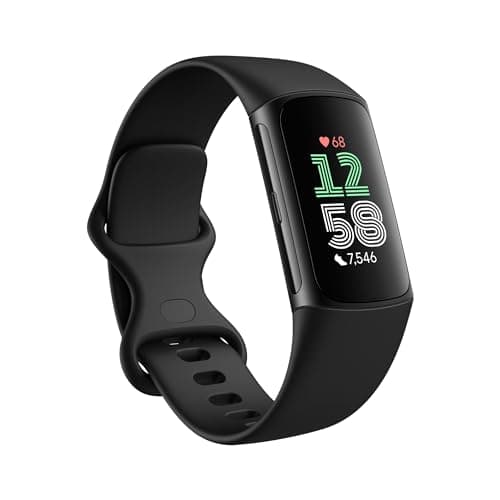
The Fitbit Charge 6 is the tracker to beat under £100, and for anyone who wants better daily movement, sleep and heart health without strapping on a chunky sports watch, it is the easiest wearable to live with. You get built-in GPS, a bright colour touchscreen and a redesigned heart rate sensor in a band that weighs 30g and runs about a week per charge. The real story is value: features that cost two or three times as much on a running watch, bundled into something you can wear 24/7 and forget. The catch is Fitbit's new rules. A Google account is now mandatory, and the cleverest analytics sit behind a Fitbit Premium subscription once the included trial ends.
Think of the Charge 6 as a health band first and a sports watch a distant second. It will nudge you to move, score your sleep, flag an unusual heart rhythm and track a 5K with respectable accuracy. What it won't do is replace a Garmin for serious training, and it never set out to. Judge it as a slim, affordable, do-most-things tracker and it is close to the best in its class.
Check price on Amazon£84.55How we review
This review draws on Fitbit's published specifications, consistent findings from verified owner reviews and hands-on testing by trusted expert outlets. We have not run our own multi-month endurance test of this exact unit, so we report only the repeated, reliable patterns, both the praise and the complaints, rather than one-off opinions.
The Charge 6 suits people who want a complete picture of their health and activity without fuss. Walkers, gym-goers, casual runners and anyone trying to build a daily habit get the most from it. If your goal is simply to hit the NHS target of 150 minutes of moderate activity a week, the Active Zone Minutes feature turns that abstract number into a simple weekly tally you can actually chase. Shift workers and poor sleepers will appreciate the sleep tracking, which is among the best on any wearable.
Who should look elsewhere? Dedicated runners and cyclists who want fast GPS, on-wrist maps, structured workouts and training-load analysis are better served by a proper multisport watch. Our best Garmin watch UK guide covers those, and the Garmin Vivoactive 6 is the obvious step up if you want apps and deeper sport tracking in a watch body.
Fitbit got the basics right here. The aluminium case is slim and light at 30g, the band sits flush against the wrist, and it disappears under a shirt cuff in a way no sports watch manages. For sleep tracking, which means wearing it in bed every night, that low profile matters more than any single feature. The AMOLED touchscreen is a clear upgrade on the dim, cramped displays of older Fitbits: colours are punchy and it stays legible in bright sun, which Fitbit protects with Corning Gorilla Glass 3 per its official specifications.
The welcome change from the Charge 5 is the return of a physical haptic side button. The Charge 5 relied on an awkward touch-sensitive spot that owners hated, and the proper button here makes navigating menus and starting workouts far less frustrating. It is a small thing that fixes a real annoyance.
| Display | AMOLED colour touchscreen, Gorilla Glass 3 |
|---|---|
| GPS | Built-in (plus connected GPS via phone) |
| Heart rate | Redesigned 24/7 optical sensor |
| Health sensors | ECG, EDA (stress), SpO2, skin temperature |
| Exercise modes | 40+ including run, bike, swim, HIIT |
| Battery life | Up to 7 days |
| Water resistance | 50 m / 5 ATM |
| Weight | Approx 30 g (band dependent) |
| Contactless | Google Wallet (NFC) |
| Smart extras | Google Maps alerts, YouTube Music controls |
| Account | Google account required |
This is where the Charge 6 earns its keep. Fitbit rebuilt the heart rate sensor with a multi-path design and claims it is the most accurate reader it has put in a Charge, and in practice owners and testers broadly agree. For steady runs, Zone 2 cardio and resting readings it tracks closely with a chest strap, which is exactly the kind of training most buyers do. If you want to understand what those numbers mean, our guide to heart rate zone training explains how to use them to train smarter rather than just harder.
The honest limit is the same one every wrist-based monitor shares. During hard intervals, sprints or heavy lifting, when your wrist flexes and blood flow spikes, the optical reading can lag or jump. It is not a Fitbit flaw so much as physics. If you do a lot of interval work and want tight accuracy, the Charge 6 has a neat answer: it broadcasts your heart rate over Bluetooth to compatible gym equipment and the Peloton Bike, so you get live BPM on the bigger screen. For true precision on intervals, though, a dedicated strap still wins, and our best heart rate monitor UK guide covers the chest straps worth pairing.
Built-in GPS is the headline feature at this price. Leave your phone at home and the Charge 6 will map your route, pace and distance on its own. Two caveats: it takes 20 to 40 seconds to lock on, so wait for the signal before you set off, and there is no map or breadcrumb trail on the screen, so it tracks where you went but won't guide you. For logging runs and rides it is more than good enough. For navigating an unfamiliar trail, it isn't the tool.
Check price on Amazon£84.55Beyond workouts, the Charge 6 is a serious health band. The onboard sensors cover an ECG app for spot-checking heart rhythm, an EDA scan for stress, SpO2 for blood oxygen and skin-temperature tracking overnight. Sleep tracking is the standout: the breakdown of light, deep and REM stages is detailed and, more useful, consistent night to night, so trends actually mean something. For anyone trying to fix poor sleep, it is one of the most motivating tools on a wearable.
Here is the part you need to weigh before buying. Fitbit splits its features into free and paid tiers. The essentials are free for life: steps, heart rate, sleep stages, GPS workouts, Active Zone Minutes and the ECG app. The cleverest analysis, including the Daily Readiness Score that tells you whether to push or rest, the deeper sleep insights and the stress-management tools, sits behind Fitbit Premium. New devices come with a six-month trial, and after that Premium runs about £7.99 a month. The band works well without it, but you are leaving some of its best thinking locked away, and that ongoing cost is worth factoring into the real price.
The other string attached is the Google account. Fitbit has retired standalone Fitbit accounts, so setup now requires signing in with Google. If you are comfortable in Google's ecosystem that is a non-issue, and it brings genuine perks: Google Wallet for contactless payments and Google Maps alerts on the wrist. If you would rather keep your fitness data separate from a Google login, that is a real consideration.
At its typical street price under £100, the Charge 6 is hard to argue with. Built-in GPS, an accurate heart rate sensor, a bright AMOLED screen and a week of battery, all in a band this slim, is a lot of wearable for the money. The compromises are clear rather than hidden: the Premium paywall on the best insights, the mandatory Google account, and GPS that logs rather than guides. None of those are dealbreakers for the audience this band is built for.
If you want a chunkier watch with offline maps and sport-specific depth, spend more and look at our best Garmin watch UK guide, or at a mid-range running watch like the Polar Pacer Pro. But if you want the most capable, most comfortable health-and-fitness band under £100, the Charge 6 is the one to buy.
Yes. The Charge 6 has its own GPS, so you can leave your phone at home and still map an outdoor run, ride or walk with pace and distance. It is slower to lock on than a dedicated running watch, usually 20 to 40 seconds, and it has no on-screen map or breadcrumb trail, but for most runners and walkers the tracking is accurate enough once it connects.
No, but the band is noticeably better with it. Core stats like steps, heart rate, sleep stages, GPS workouts and Active Zone Minutes are free forever. Premium unlocks the Daily Readiness Score, the detailed sleep analysis, the stress-management breakdown and most of the guided content. New devices include a six-month trial, after which Premium costs around £7.99 a month.
For a wrist tracker it is one of the better ones, thanks to a redesigned multi-path sensor. For steady cardio, resting readings and sleep it holds up well against a chest strap. During hard intervals or heavy weights, when your wrist flexes a lot, it can lag or drift, which is true of every optical wrist sensor, not just this one.
Yes, and it is one of the few trackers at this price that can. It streams your heart rate over Bluetooth to compatible gym machines, the Peloton Bike and apps, so you see live BPM on the bigger screen while you train.
Fitbit quotes up to seven days, and in normal daily use with a few short workouts that is realistic. Turn on the always-on display, use GPS often or run continuous SpO2 tracking overnight and you will see closer to three or four days.
It is water resistant to 50 metres (5 ATM), so you can shower, swim and track pool sessions with it. It is not built for scuba diving or high-pressure water sports, and you should rinse and dry it after sea or chlorine water to protect the band and sensor.
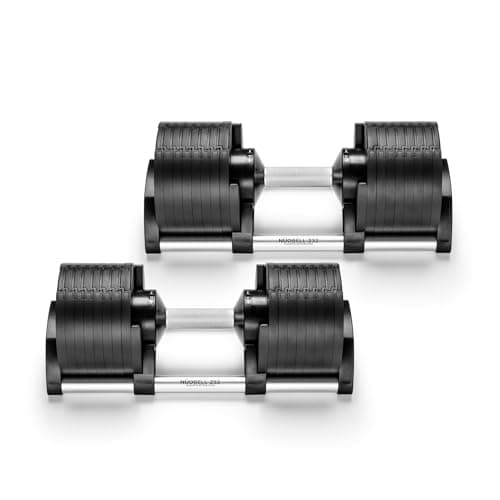
The best adjustable dumbbells in the UK for 2026, from quick-dial sets to heavy 40kg and 50kg options. Budget to premium picks researched and ranked.
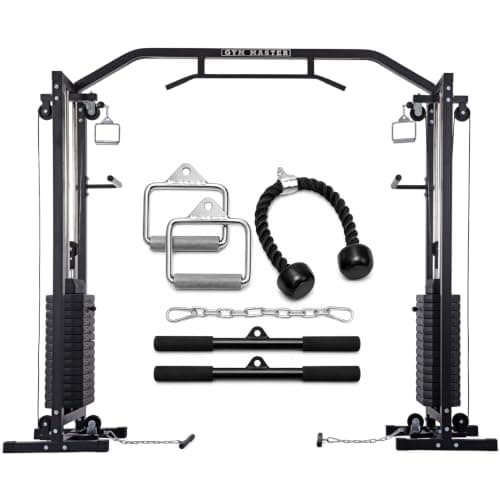
The best cable machines in the UK for 2026, from dual cable machines and functional trainers to wall-mounted and folding designs. Honest picks for any home gym and budget.
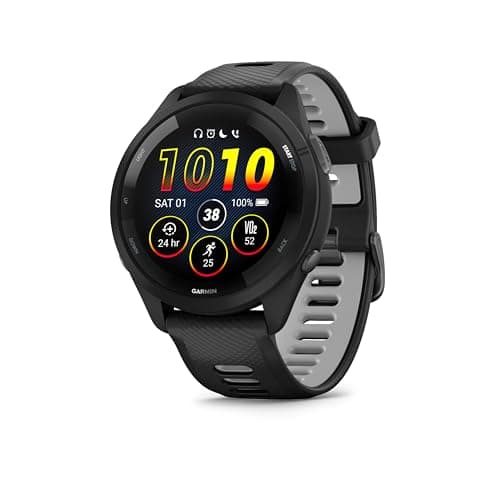
The best Garmin watch for most UK buyers in 2026 is the Forerunner 265, but not for everyone. Five models compared honestly, from the £162 Forerunner 165 to the fēnix 8.
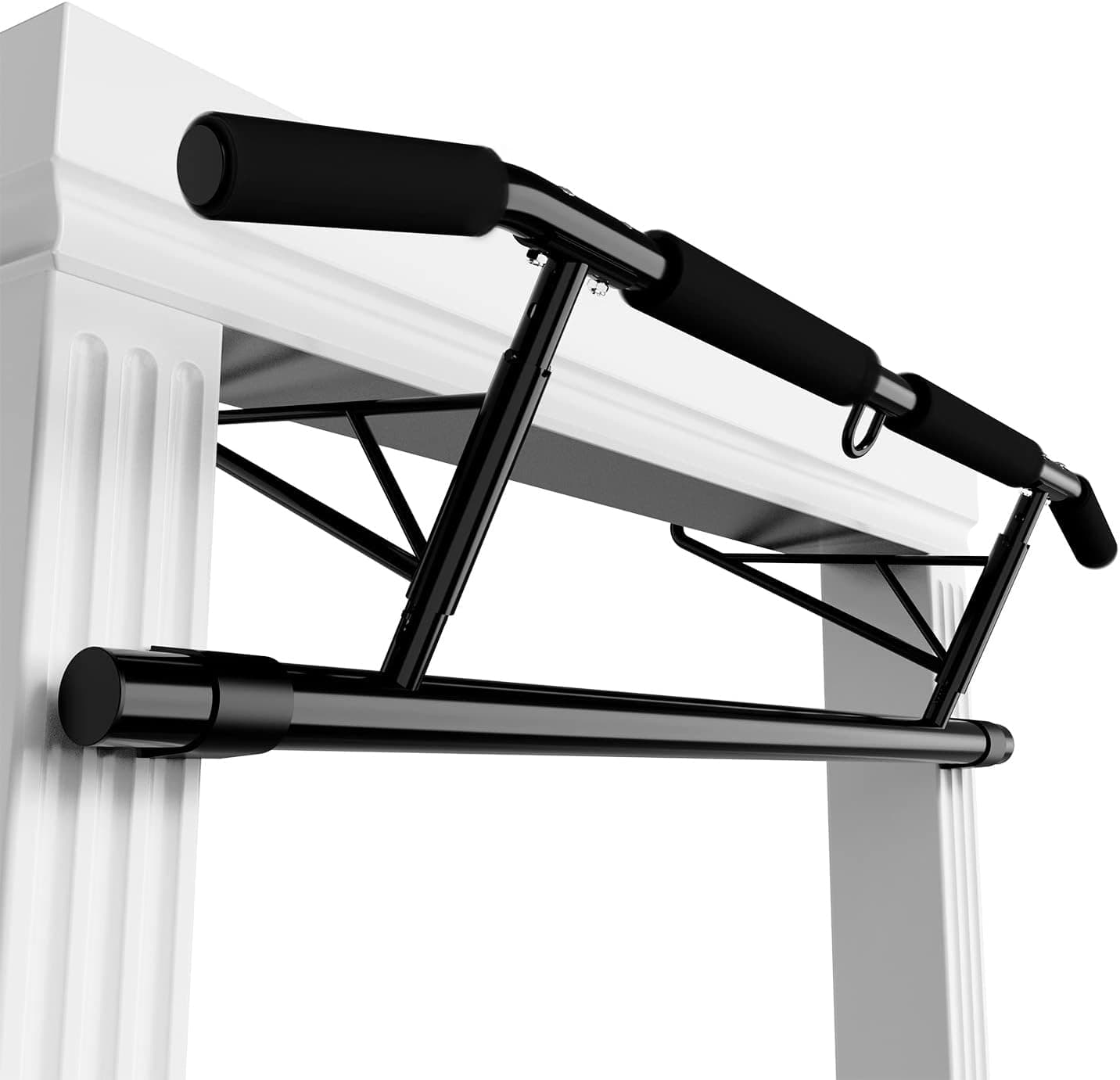
The best pull up bars in the UK for 2026: no-drill doorway bars, wall mounted pull-up bars and free standing power towers, with frame sizes, weight ratings and honest picks for every budget.
Best Exercise is a participant in the Amazon EU Associates Programme, an affiliate advertising programme designed to provide a means for sites to earn advertising fees by advertising and linking to Amazon.co.uk. As an Amazon Associate we earn from qualifying purchases. This comes at no extra cost to you and never influences our independent reviews or rankings.