Home Gym
Best Adjustable Dumbbells UK: 6 Top Picks for 2026
The best adjustable dumbbells in the UK for 2026, from quick-dial sets to heavy 40kg and 50kg options. Budget to premium picks researched and ranked.

By Jack Atkins, Home Gym Equipment Specialist · Updated 25 October 2026
A Nordic curl bench is a frame that locks your ankles behind a padded roller while you kneel on a cushioned pad, so you can do Nordic hamstring curls on your own without a partner holding your feet. You don't strictly need one: a door strap or a loaded barbell does the same basic job for a fraction of the price. Where a dedicated bench pays off is comfort, a more secure ankle lock and, on the better models, an adjustable angle that turns one brutally hard exercise into a ladder you can actually climb.
This guide is about the kit. If you want the exercise itself, technique cues and muscles worked, read our Nordic curl guide first.
Nordics are simple to set up badly. Most home attempts fail for kit reasons rather than strength reasons, and a purpose-built bench fixes four of them.
The ankle anchor stays put. Your hamstrings are fighting your whole upper body on a long lever, which means the thing holding your heels takes a lot of force near the bottom of each rep. A sofa can shift and a barbell can roll. A bench with a padded roller bolted to the frame doesn't move, so you can commit to the lowering phase instead of half-bracing for your feet to pop out.
Your knees get a proper pad. Kneeling on a folded towel on laminate gets old by the second set. A thick, firm knee pad lets you focus on the hamstrings rather than the floor.
Adjustable angles make regressions easy. Some benches tilt the body pad or raise the knee end, so you start each rep already leaning forward or with less distance to travel. That shortens the lever, and it's the cleanest way to scale a movement where most people can't do a single full rep on day one.
Band pegs give you assistance. A few benches include hooks or band posts in front of you. Loop a resistance band from the post to your chest and it takes some of your weight at the bottom, which is where the rep usually falls apart.
Here's how the realistic options stack up for a home gym.
| Setup | Rough UK price | Footprint | Adjustable angle | Best for |
|---|---|---|---|---|
| Floor or door strap | £20 to £40 | None, packs away | No | Trying Nordics cheaply, small flats, travel |
| Dedicated Nordic bench or machine | £150 to £300+ | Around 1.2 to 1.6m long | Often | Regular Nordic training at home |
| Glute ham developer (GHD) | £300 to £800+ | 1.5 to 2m long | Footplate only | Lifters who also want glute ham raises and sit-ups |
| Rack attachment | Varies | Uses your rack | Rarely | Garage gyms with a power rack already |
| DIY: bench plus barbell | Free if you own the kit | Temporary | No | Testing whether you'll stick with it |
These come in two styles. A door anchor is a padded bar or strap that sits on the far side of a closed door, with ankle loops on your side. A floor strap is a padded board with ankle cuffs you kneel on. Both pack into a drawer and cost little.
The catches: you can't change the angle, the ankle lock is only as secure as the door and frame, and the knee padding on most is thin. For a first few months of Nordics they're excellent value, though.
Check price: NordStick Pro 3.0 Nordic strapThe NordStick Pro 3.0 is a door-anchored Nordic strap built for home and travel use. We haven't had one in our hands, so read the listing for door-size requirements before you order, and check your door closes firmly with the anchor in place.
A dedicated bench is the Nordic hamstring curl machine most people picture: a padded kneeling surface, ankle rollers at the back, and a frame that sits flat on the floor. Better models add an adjustable body angle, band posts and transport wheels. This is the option that makes Nordics feel like a normal gym exercise rather than an improvised one, and it's the one to buy if you're committed to doing them twice a week for the long haul.
Check price: Cofiyard Nordic curl machineThe Cofiyard machine is listed as an adjustable hamstring curl bench supplied with bands and transport wheels. Our view is research-based rather than hands-on, so check the listed weight rating and assembled length against your space before buying.
A GHD can do Nordics, but that's not what it's for. Its rounded thigh pad and sliding footplate exist so you can do glute ham raises, hip extensions and sit-ups. If Nordics are the only thing you'd do on it, you're paying for length and adjustment you won't use. Our glute ham developer guide covers when one is worth the floor space.
Some rack makers sell a pad and roller that bolt to your uprights. Check upright size and hole spacing before ordering, because these rarely fit every rack. The zero-cost version is a flat bench with a loaded barbell or heavy dumbbell over your heels; it works, but test it with a gentle lean first because nothing about it is designed to resist that pull.
Knee pad thickness and size. Look for a firm pad of at least 5cm or so, long enough that you can shuffle forward or back to find a comfortable spot. Soft, thin foam bottoms out under bodyweight.
Ankle roller adjustability. Rollers should move in and out so they press on the lower calf just above the heel, not on the Achilles tendon. Fixed rollers suit some leg lengths and pinch others. Two sets of rollers, or a roller plus a strap, hold far better than one.
Footprint. Measure the length plus about a metre of clear floor in front, because your torso travels that far forward and your hands need somewhere to land. A bench that fits against the wall but leaves no room to fall is useless.
Weight rating and frame mass. Check the maximum user weight and treat it as a hard limit. A heavier frame or wide base matters more here than on a flat bench, because the load pulls the back of the frame upward at the bottom of each rep.
Angle settings. If you can't yet do a full controlled Nordic, an adjustable incline is the single most useful feature. More settings means smaller jumps between levels.
Band attachment points. Not essential, but handy for assisted reps and cheaper than buying a separate anchor.
Nordics have one of the strongest evidence bases of any injury-prevention exercise. A 2019 meta-analysis in the British Journal of Sports Medicine pooled data on 8,459 athletes and found that prevention programmes including the Nordic hamstring exercise roughly halved hamstring injury rates. The catch is consistency: a review of compliance in hamstring injury prevention found programmes worked better when athletes stuck to them more closely and more often.
That last point is the real argument for a bench. If setting up a door strap or dragging a barbell over feels like a chore, you'll skip sessions, and a skipped programme protects no one. A bench that stays set up removes that friction. If you'll happily do Nordics with a strap twice a week for months, save your money.
There's a performance upside too. A meta-analysis of 17 intervention studies in team sport players found Nordic training improved eccentric knee flexor strength, with a small benefit to 10m sprint times, though trained players saw less consistent strength gains, which suggests they need harder progressions over time.
Run this once or twice a week, with 90 seconds to 2 minutes between sets. Move up a stage once you can complete every set with slow, controlled reps and no folding at the hips.
When full reps get easy, hold a light plate to your chest. If Nordics aren't working for you, our leg curl alternative guide and hamstring exercises guide list other ways to train knee flexion at home.
No. All a Nordic curl needs is something that pins your ankles down and a soft surface for your knees. A partner, a loaded barbell or a £20 to £40 door strap all work. A dedicated bench earns its money through comfort, a better ankle lock and an adjustable angle that makes the exercise easier to scale while you build up.
A Nordic bench is built for one movement: you kneel on a pad with your ankles locked behind you and lower your body forward. A glute ham developer has a footplate and a rounded thigh pad so you can do glute ham raises, hip extensions and GHD sit-ups as well. A GHD can do Nordics, but it's longer, heavier and usually dearer.
Door-anchored straps are safe when the door opens away from you, closes fully and has a solid frame. Position the anchor where the maker specifies, and test with a gentle lean before committing your full weight. Never use one on a door someone else might open while you're training.
Floor straps and door anchors usually sit around £20 to £40. Dedicated Nordic benches and machines with adjustable angles tend to run from roughly £150 to £300 on Amazon, with gym-grade versions from UK strength brands costing more. Prices move often, so check current listings.
Start with the bench set so your body begins leaning forward rather than upright, or raise the knee end so you have less distance to fall. Either way your hamstrings control a shorter, easier lever. Lower the setting a notch once you can control five slow reps through the full range on the current one.
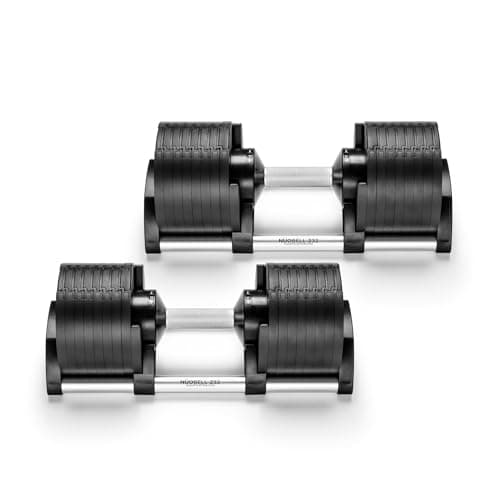
The best adjustable dumbbells in the UK for 2026, from quick-dial sets to heavy 40kg and 50kg options. Budget to premium picks researched and ranked.
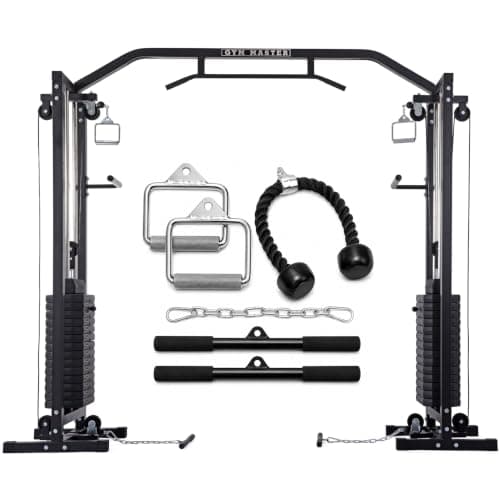
The best cable machines in the UK for 2026, from dual cable machines and functional trainers to wall-mounted and folding designs. Honest picks for any home gym and budget.
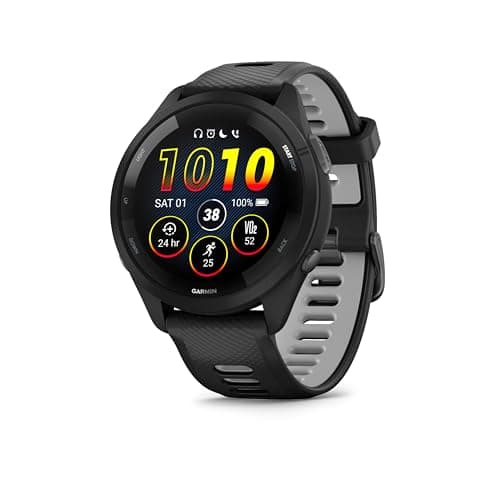
The best Garmin watch for most UK buyers in 2026 is the Forerunner 265, but not for everyone. Five models compared honestly, from the £162 Forerunner 165 to the fēnix 8.
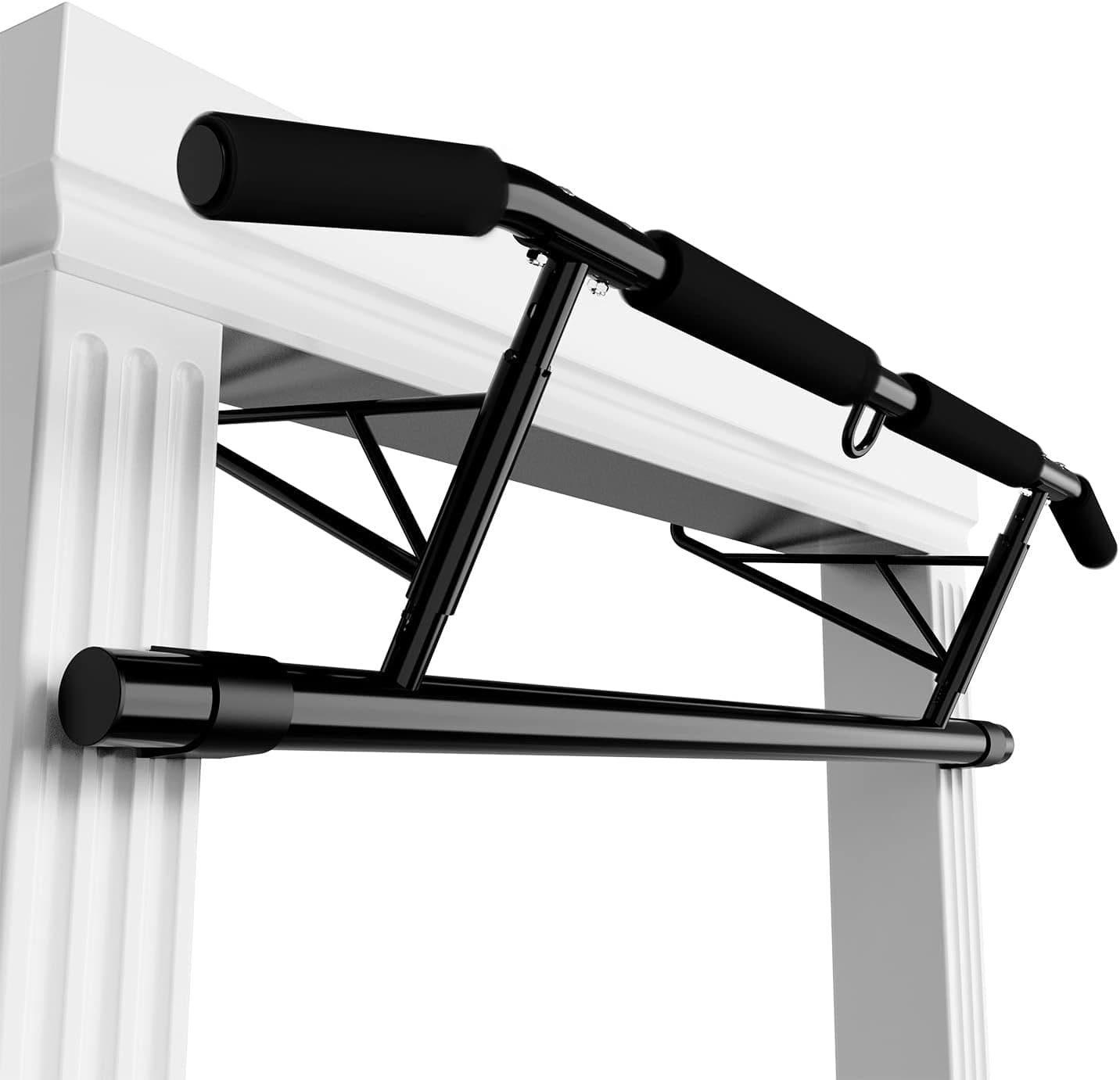
The best pull up bars in the UK for 2026: no-drill doorway bars, wall mounted pull-up bars and free standing power towers, with frame sizes, weight ratings and honest picks for every budget.
Best Exercise is a participant in the Amazon EU Associates Programme, an affiliate advertising programme designed to provide a means for sites to earn advertising fees by advertising and linking to Amazon.co.uk. As an Amazon Associate we earn from qualifying purchases. This comes at no extra cost to you and never influences our independent reviews or rankings.