Nutrition
Best Greens Powder UK 2026: Super Greens and Vegetable Powders Compared
The best greens powders in the UK for 2026, from budget super greens to premium all-in-one vegetable powders, plus an honest look at whether they actually work.
Reviews and guides for protein powders, bars and supplements to support training, recovery and body composition.
Showing 63 of 63 results
The best greens powders in the UK for 2026, from budget super greens to premium all-in-one vegetable powders, plus an honest look at whether they actually work.
The best L-theanine supplement for UK buyers in 2026: five capsules ranked on dose and cost per day, what the research shows about sleep and caffeine, and the dose worth taking.
The best protein shakes for weight loss in the UK, and how to spot the healthiest protein powder for a diet: low-calorie, high-protein picks to curb hunger, plus how to use them.
Active calories vs total calories explained: what Apple Watch, Garmin, Fitbit and Whoop count, how accurate they are, and how many to eat back for weight loss.
The best multivitamin UK buyers can get right now, compared on nutrient forms, dose and price, plus what changes for seniors and over 50s and the honest evidence on who benefits.
How much water should you drink with creatine? The honest answer: mix each 3 to 5g dose in 250 to 350ml, then drink to normal needs. Loading, cramps and dehydration myths explained.
Creatine gummies vs powder, with real UK prices per 5g dose. Gummies cost 4 to 10 times more and some fail lab tests. Here's when each one actually makes sense.
What nutrient dense foods are, why they matter if you train, and a UK shopping list of the best ones, from oily fish and eggs to lentils and Greek yoghurt.
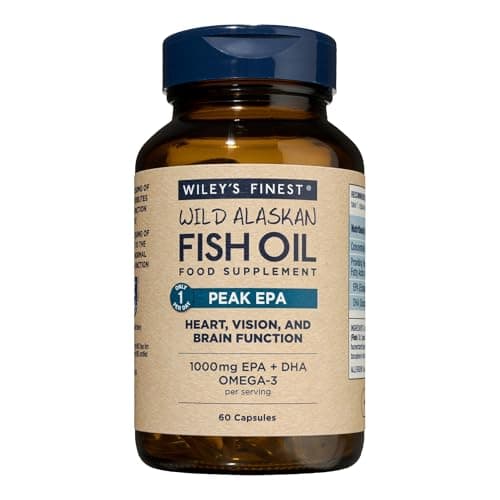
An honest Wiley's Finest Peak EPA review covering its 750mg EPA, 250mg DHA, the ethyl ester oil form, sustainable Wild Alaskan Pollock source, dosing, value and who should buy it.
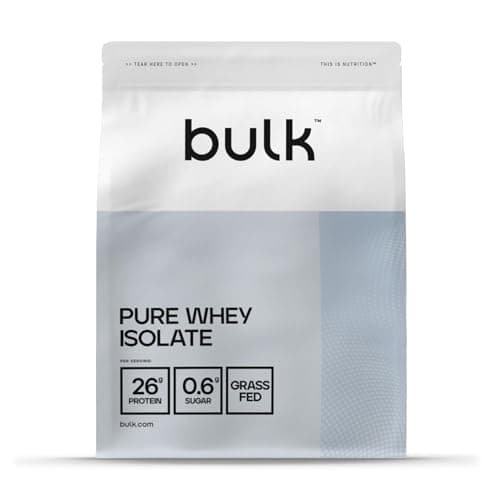
The best whey protein isolate powders in the UK for 2026, including which works best as a whey protein for women. We compare protein per scoop, price per kilo, lactose and taste across five isolates.
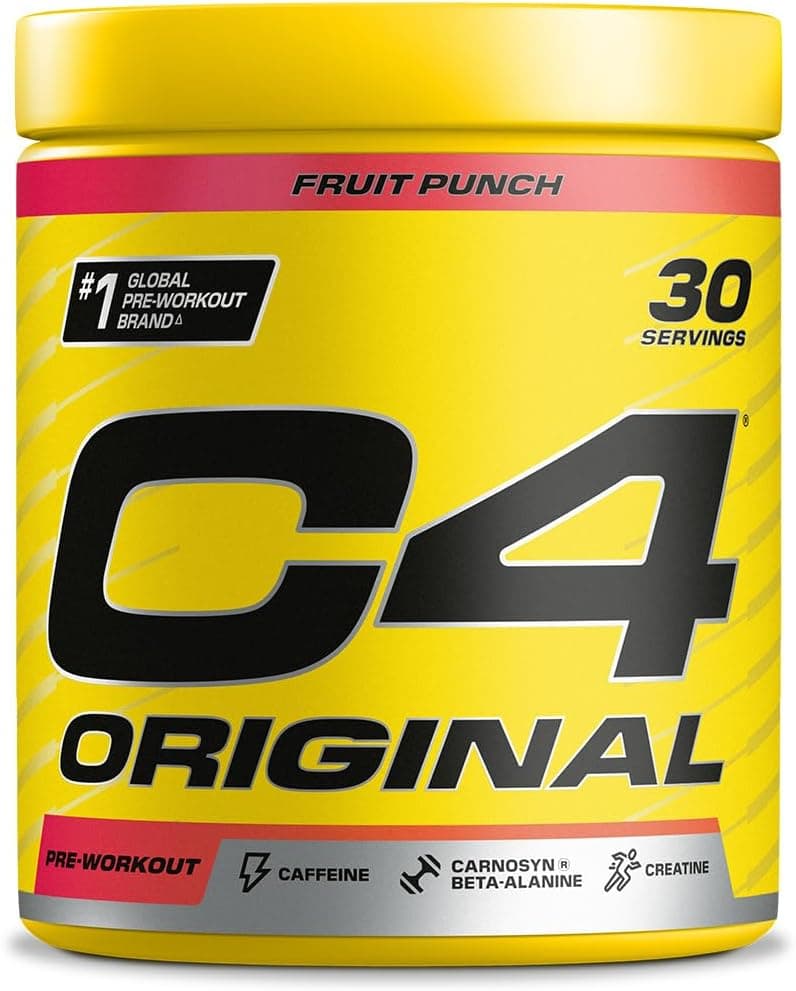
An honest C4 pre workout review for the UK: 150mg caffeine, beta-alanine tingles, 1g creatine nitrate, flavours, how to take it, and whether Cellucor C4 Original is worth the money.
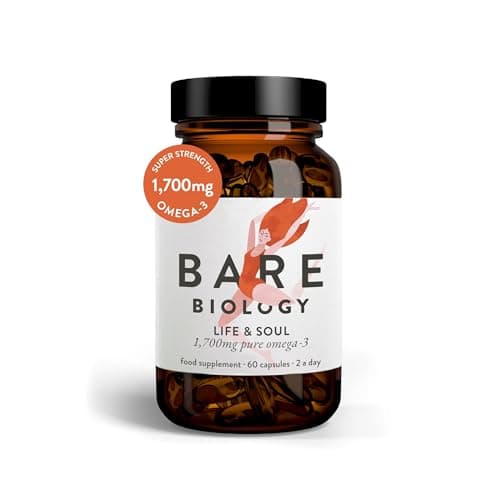
The best omega 3 supplements in the UK for 2026, compared on EPA and DHA per serving rather than headline mg. Fish oil, cod liver oil capsules and vegan algae picks.
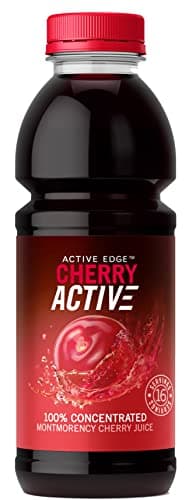
The best tart cherry juice in the UK for 2026, from Montmorency concentrates to ready-to-drink and capsules. Honest picks for muscle recovery and sleep, with the evidence and the cautions.
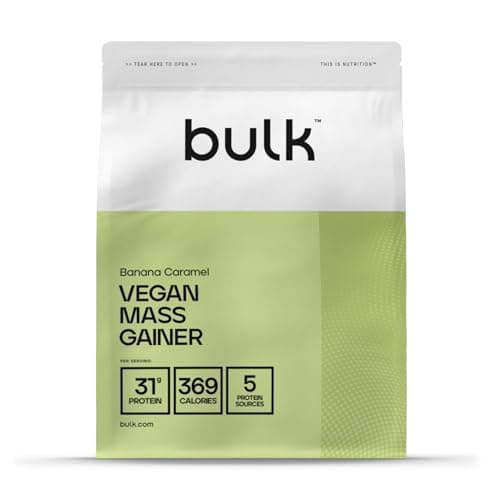
The best bulking protein powder in the UK. We compare three high-calorie vegan mass gainers on protein, calories and real cost per serving, plus where whey gainers fit.
The best protein shakers in the UK for 2026, from cheap plastic bottles to stainless steel and electric mixers. Honest picks tested against leaks, lumps and smell.
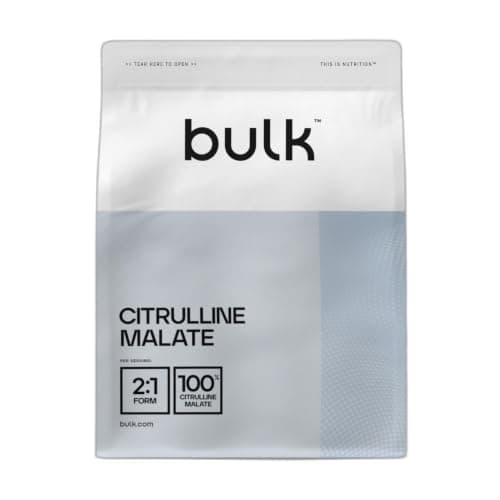
The best citrulline supplements on Amazon UK, plus what the research really shows about pumps, reps and recovery, and how to dose citrulline malate without wasting money.
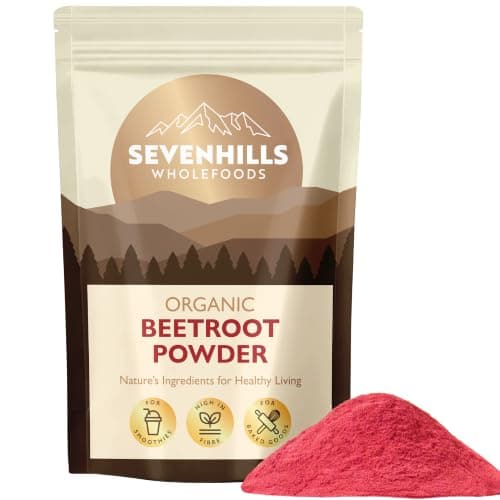
The best beetroot powder in the UK for 2026, plus the awkward truth about nitrate content. Honest picks for pre-workout use, blood pressure and everyday cooking.
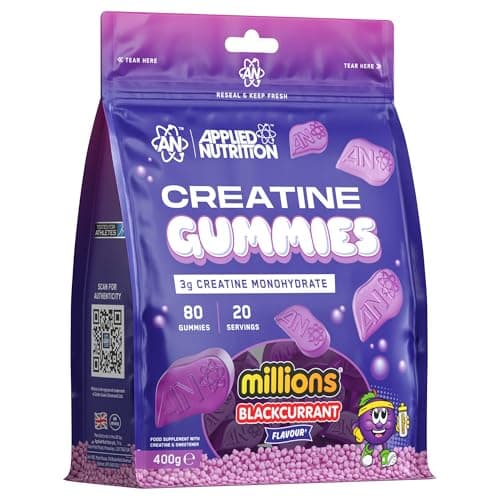
Creatine gummies are the fastest growing supplement in the UK and also the least reliable. Our picks for 2026, plus the lab testing that found half of brands underdosed.
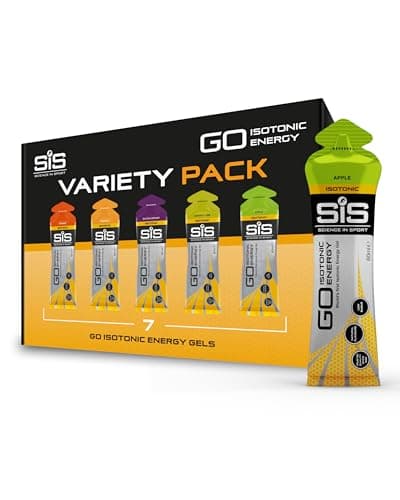
The best energy gels in the UK for 2026, from cheap isotonic sachets to 30g carb race fuel. What the carb numbers mean, which gels wreck your stomach, and how many to carry.
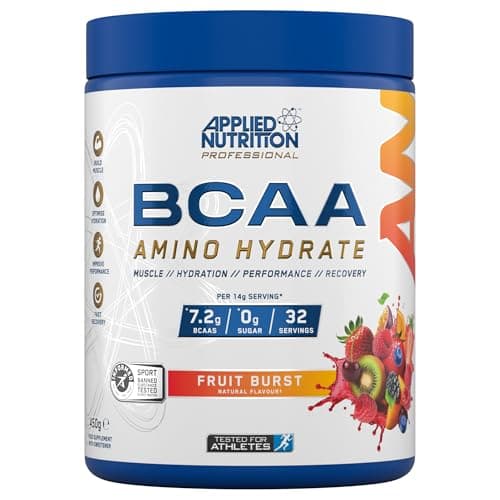
The best BCAA supplements in the UK for 2026, plus the honest science on whether branched chain amino acids do anything if you already hit your protein target.
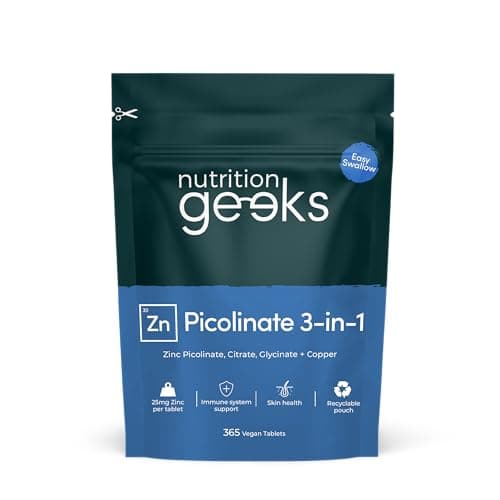
The best zinc supplements in the UK for 2026. We rate the forms that absorb well, explain why the NHS caps supplements at 25mg a day, and flag the ones that overshoot.
Should you take creatine before or after a workout? What the timing studies show, why total daily intake matters far more, and the simple rule to follow.
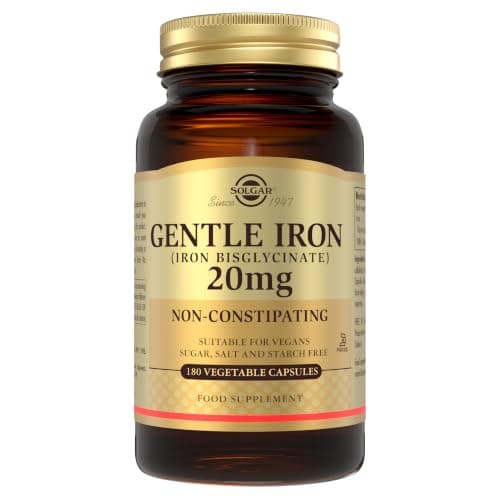
The best iron supplements in the UK for 2026, from gentle bisglycinate capsules to liquid tonics and sprays. Honest picks for tired trainers, runners and heavy periods.
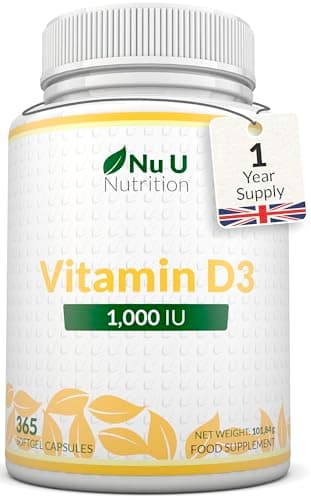
The best vitamin D supplements in the UK for 2026, compared on strength, form and price. Tablets, oral sprays, vegan D3 and D3 with K2, plus how much you actually need.
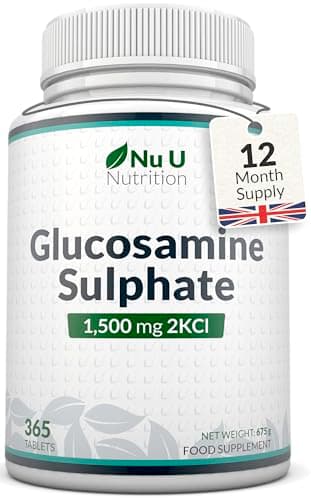
The best glucosamine supplements in the UK for 2026, compared on dose, form and cost per day, plus an honest look at what the research actually shows.
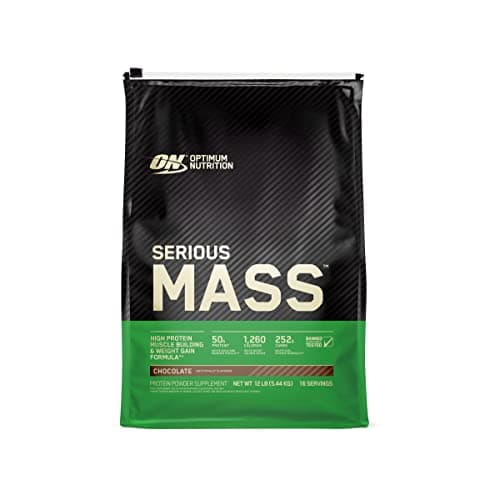
The best mass gainer protein powders in the UK for 2026, compared on calories, protein, carbs and cost per 1000 kcal. Honest picks for hardgainers, plus who should skip them.
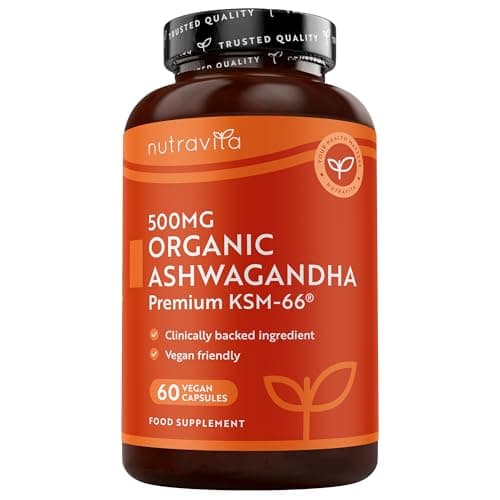
The best ashwagandha supplements in the UK for 2026, compared on extract type, withanolide content and cost per day, plus the safety warnings most sellers leave out.
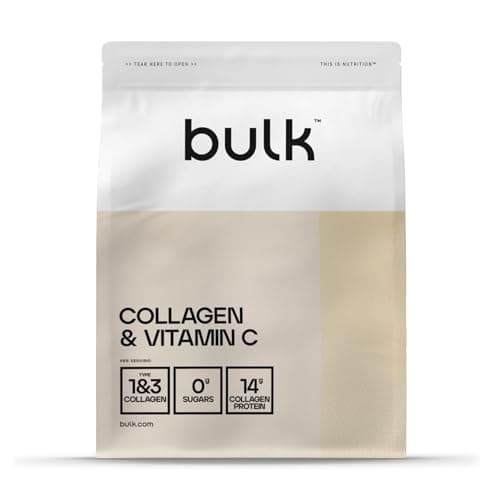
The best collagen powders in the UK for 2026. Bovine, marine and multi-collagen picks compared on dose, price per serving, flavour and what the research actually supports.
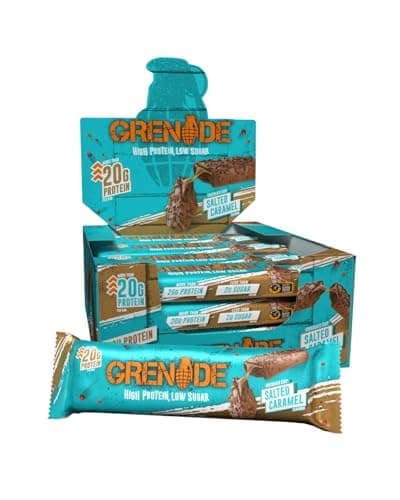
The best protein bars in the UK for 2026, from Grenade and Barebells to budget flapjacks. Honest picks on taste, protein, sugar and price per bar.
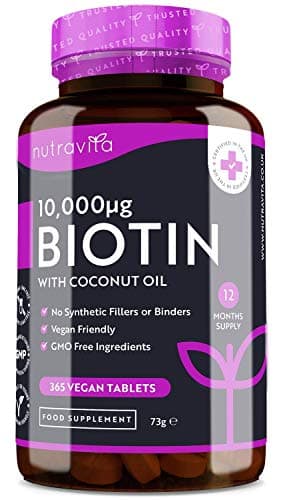
An honest Nutravita Biotin review. 10,000mcg with coconut oil, a full year's supply, 100% vegan. What the evidence says about biotin for hair and skin.
An honest Bulk Creatine Monohydrate review covering purity, the Creapure option, mixability and grittiness, unflavoured taste, dosing and whether the big tubs are good value.
An honest Grenade Carb Killa review covering protein, sugar and calories per bar, the best and worst flavours, taste and texture, who they suit and whether they are worth the money.
An honest Myprotein Creatine Monohydrate review covering purity, the 3 to 5g daily dose, mixability, unflavoured vs flavoured, Creapure vs standard, value per serving and who it suits.
An honest Myprotein Impact Whey Protein review covering protein per serving, flavours, mixability, taste, value per kg and how it compares to ON Gold Standard.
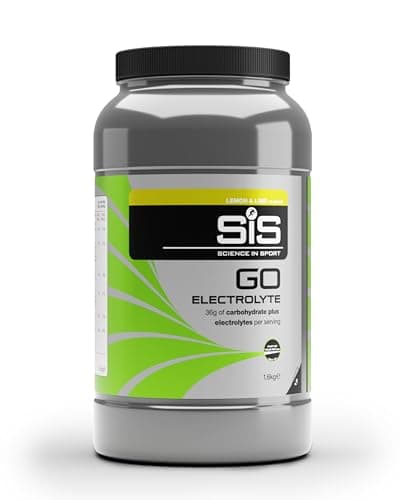
An honest SiS GO Electrolyte review covering the 36g carbs and sodium per serving, the flavours, how it mixes, and whether this carb-plus-electrolyte powder suits runners and cyclists better than a zero-cal option.
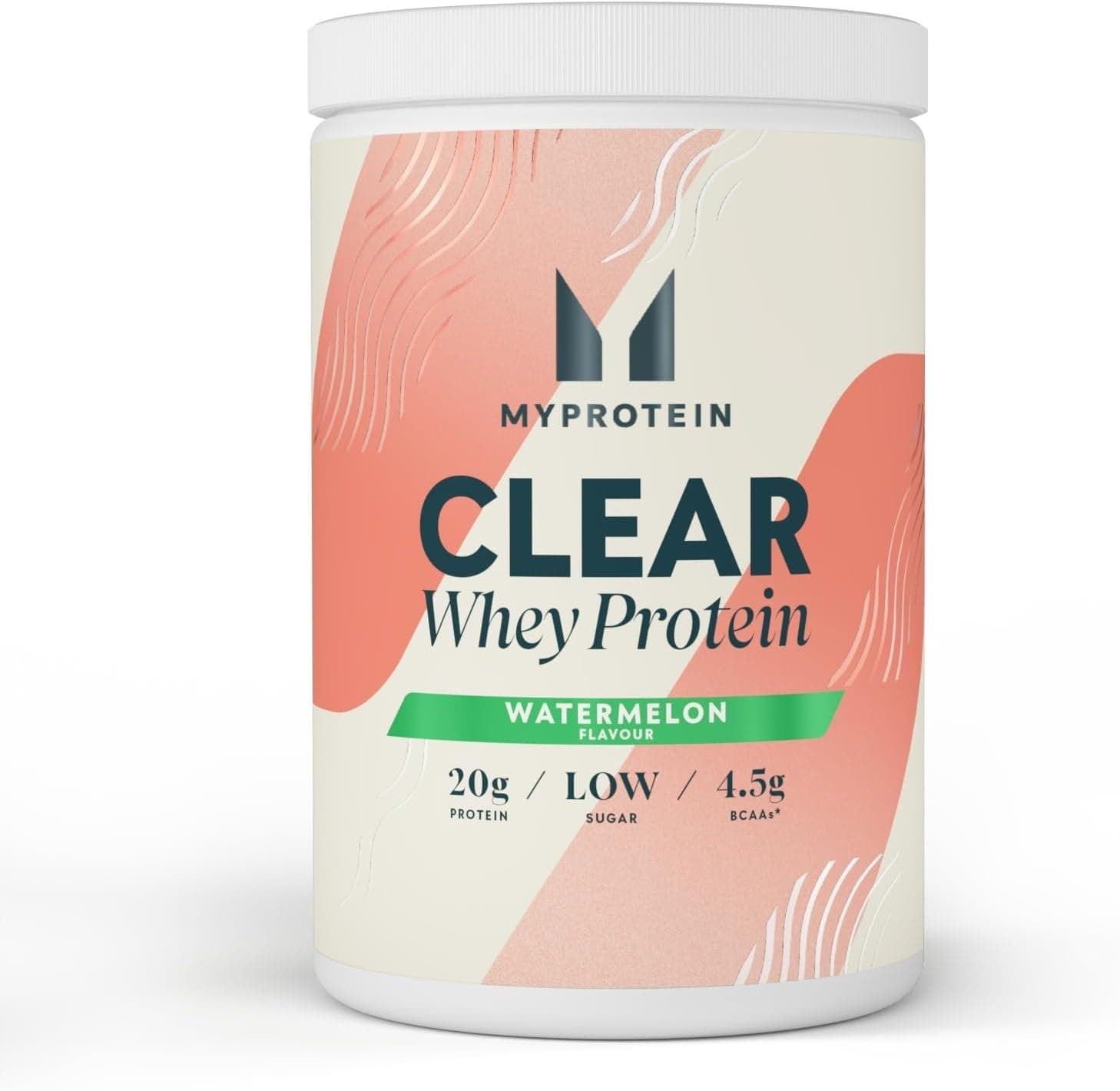
Our pick of the best clear whey protein in the UK. We compare Myprotein, ESN, Applied Nutrition and Bulk on protein, flavour, calories and price.
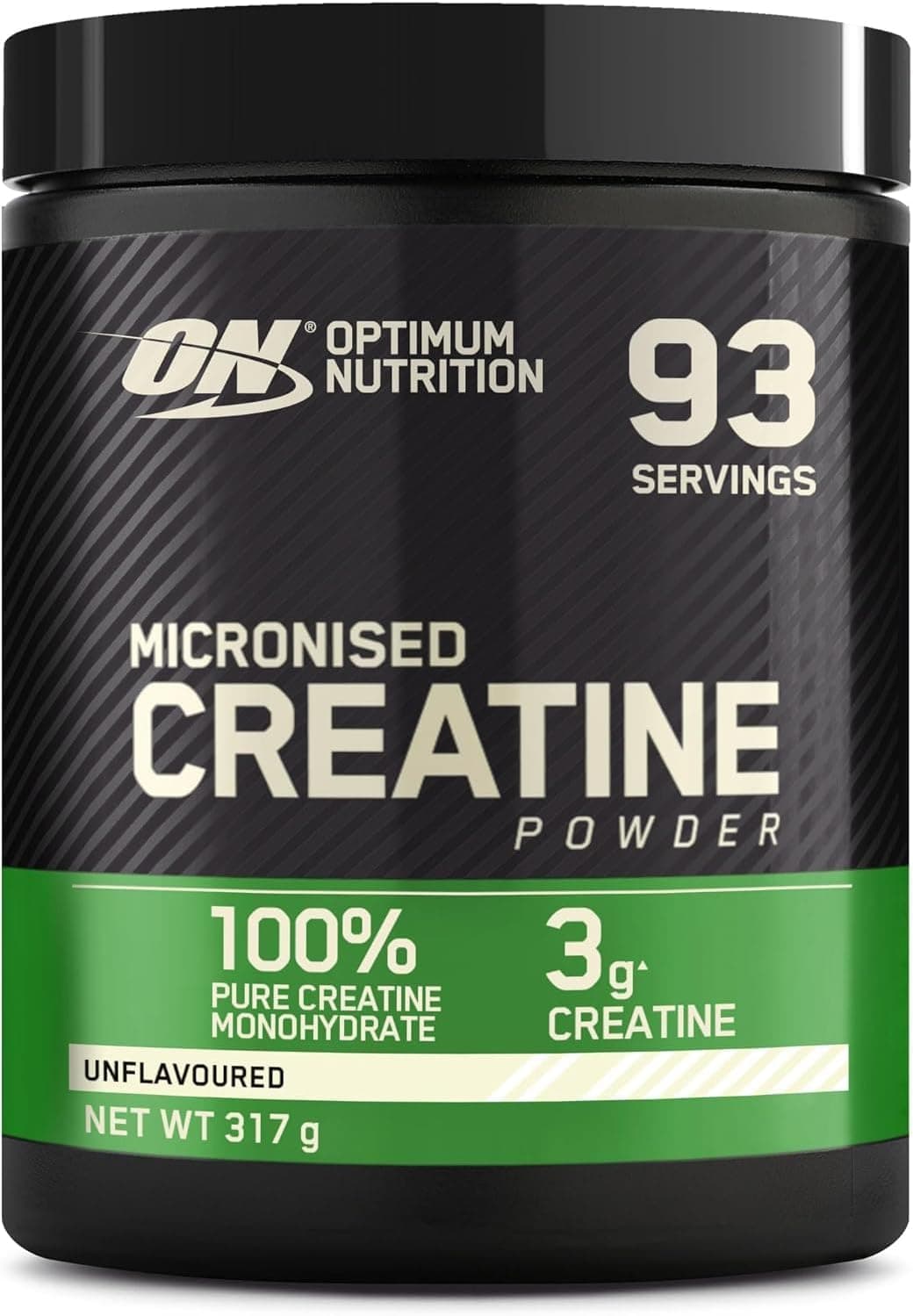
The best creatine UK buyers can get right now. We compare creatine monohydrate powders on purity, certification and price, from budget to Creapure premium.
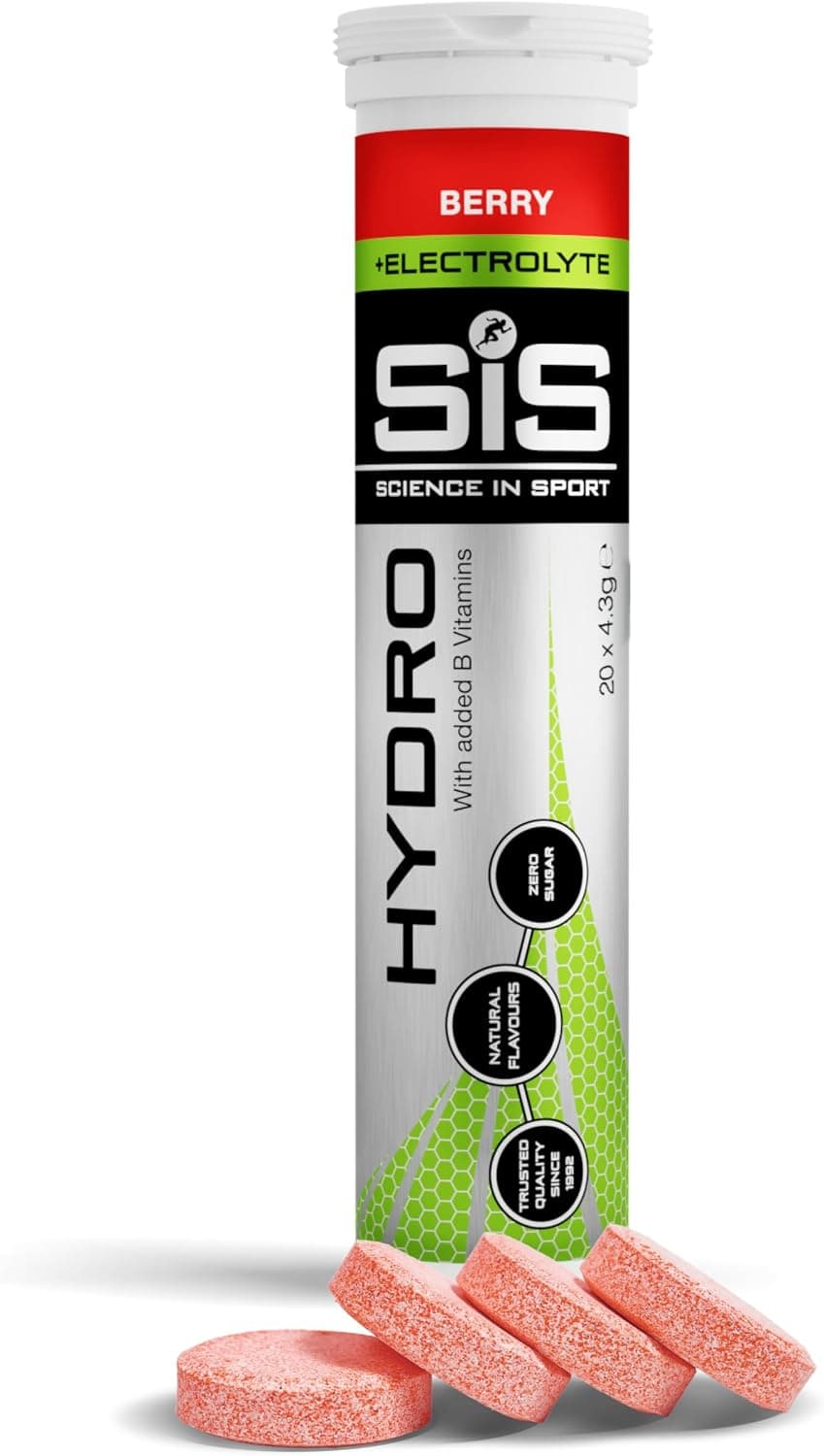
The best electrolytes in the UK for 2026. We compare electrolyte powder, tablets and hydration sachets on sodium, taste and value, from gym sessions to long runs.
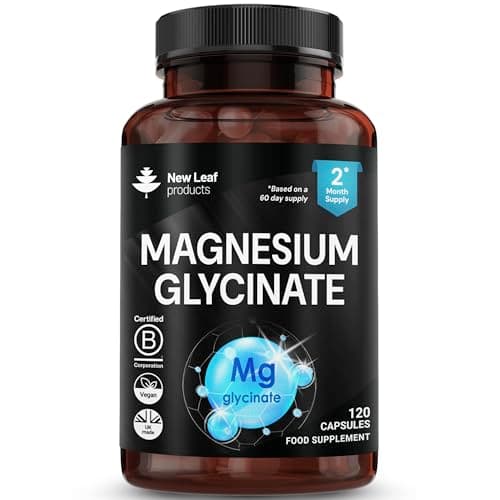
The best magnesium supplement UK buyers can get right now. We compare magnesium glycinate, complexes and a sleep spray on absorption, dose and price.
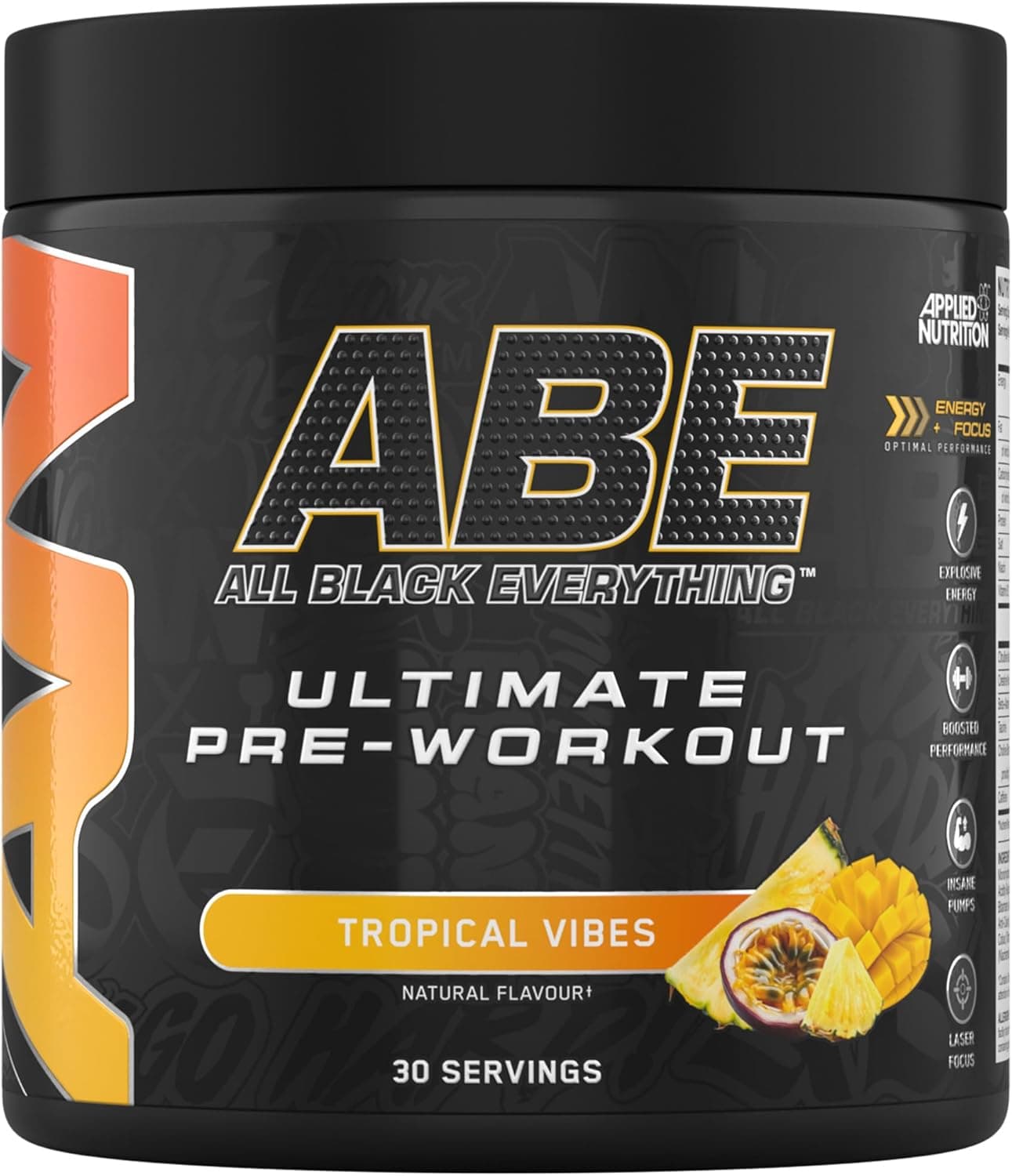
The best pre workout UK picks for 2026, from strong stim formulas to stim free and beginner options. We compare caffeine, citrulline, beta-alanine and price.
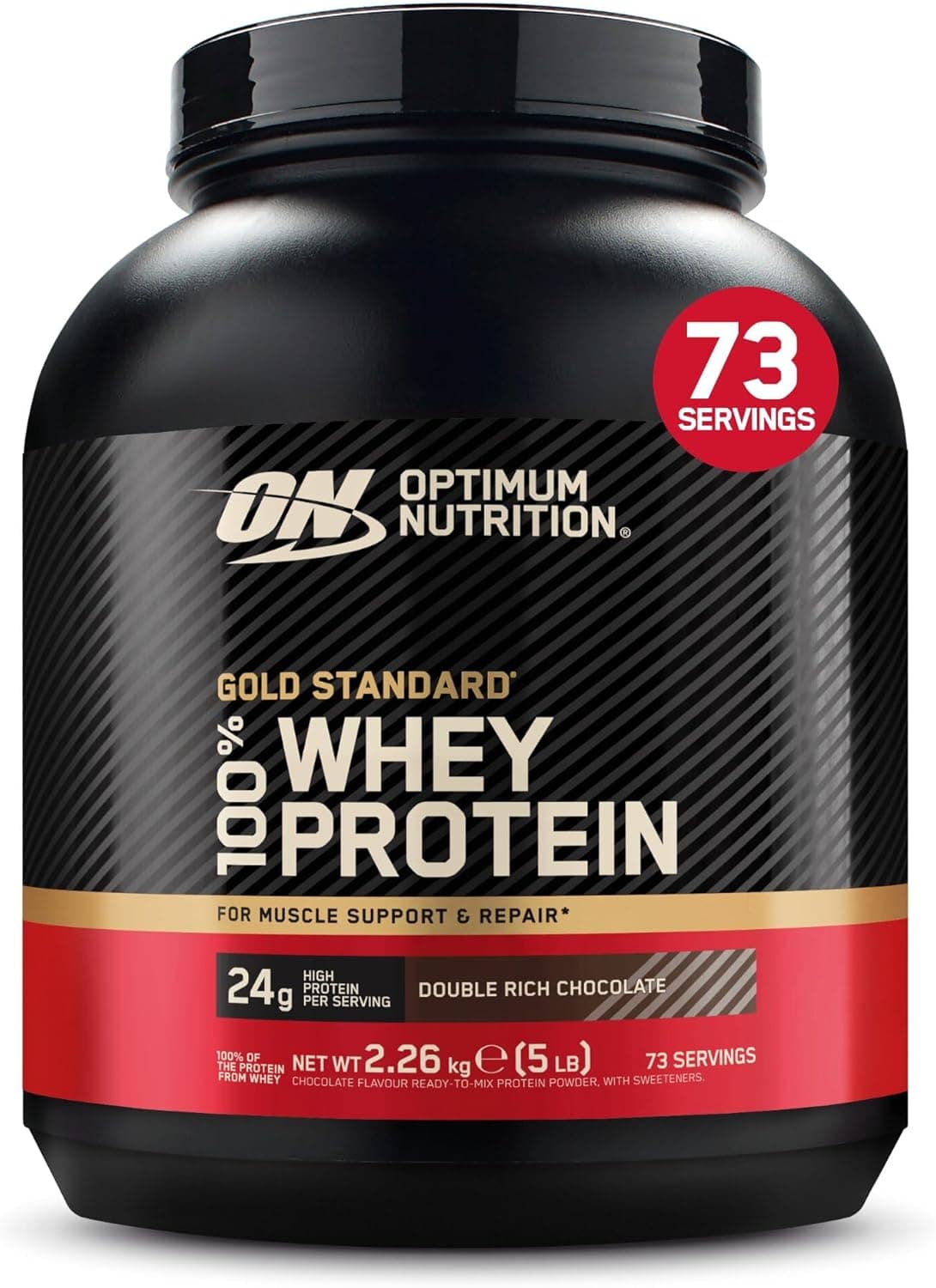
The best protein powder in the UK, from whey and whey isolate to budget options. Our top picks for muscle, recovery and value, with honest pros and cons.
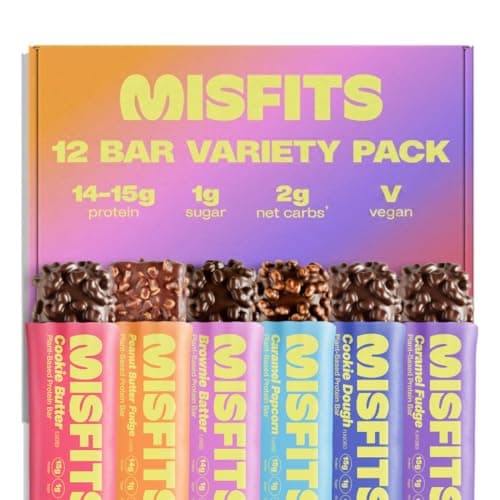
We bought and tested 9 vegan protein bars to find the best vegan protein bars UK for taste, protein content and value. Here are our top 3 picks.
How much vegan protein do you need to build muscle? A simple gram-per-kilo formula, the best plant-based protein sources, and supplements to hit your daily target.
Our honest Huel Complete Protein review. 20g vegan protein, all 26 vitamins and minerals, taste, mixability and whether this complete protein powder is worth it.
Is 10,000 mcg of biotin too much? We explain biotin's safety, the recommended daily dosage, deficiency signs and whether high-dose biotin is safe to take.
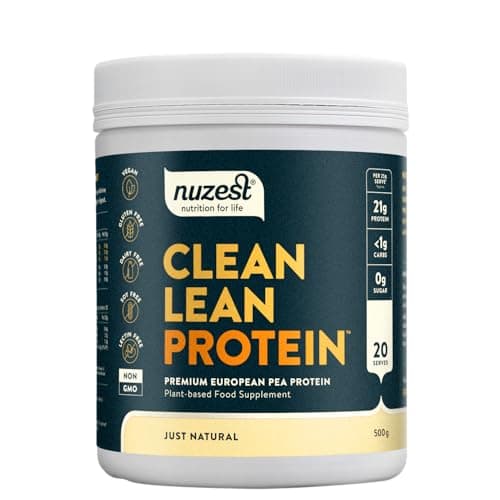
We researched UK protein powders to find one that's genuinely low FODMAP. Nuzest Clean Lean Protein came out on top, and here's why it's gentle on the gut.
An honest nu3 Vegan Protein review covering taste, ingredients, amino acid profile, nutrition and value. Is this German plant-based protein powder worth buying?
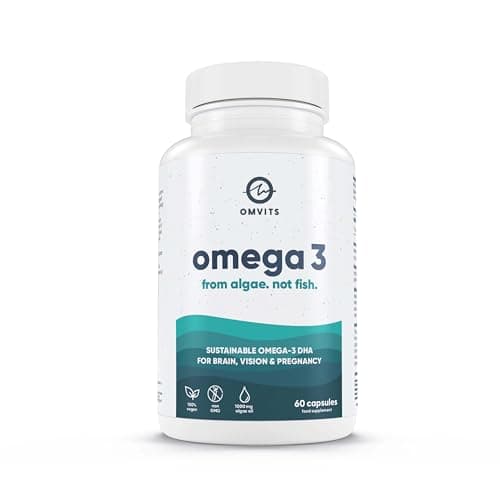
An honest Omvits Vegan Omega 3 review covering algae-oil DHA, ingredients, taste, value and whether this UK-made supplement is worth buying.
An honest review of Vegetology Opti3 Omega 3, the vegan algae-based supplement tested over 6 weeks. EPA/DHA levels, taste, value and whether it's worth it.
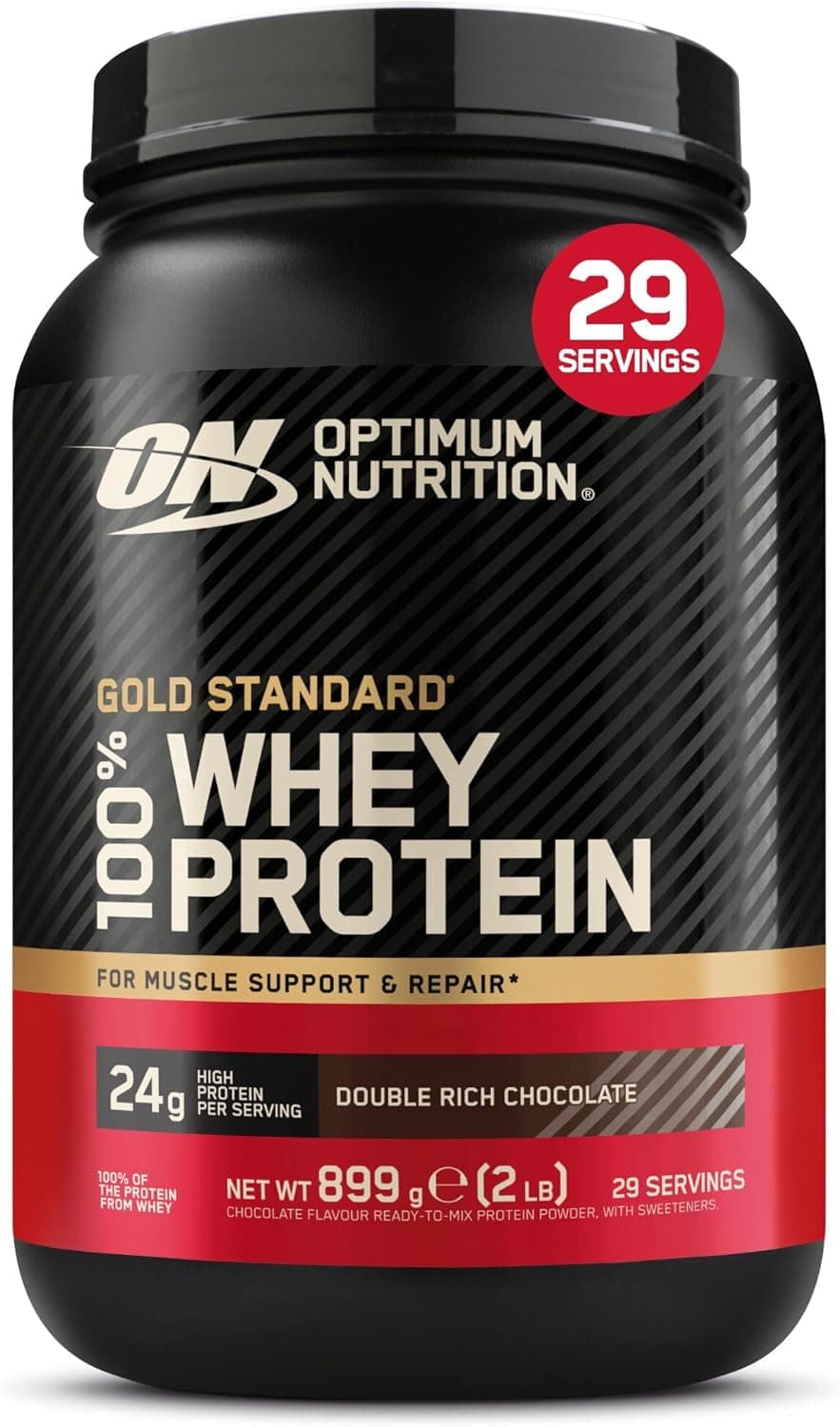
An honest review of Optimum Nutrition Gold Standard 100% Whey: 24g protein per serving, taste, mixability, value and who it suits. Researched from owner reviews and the label.
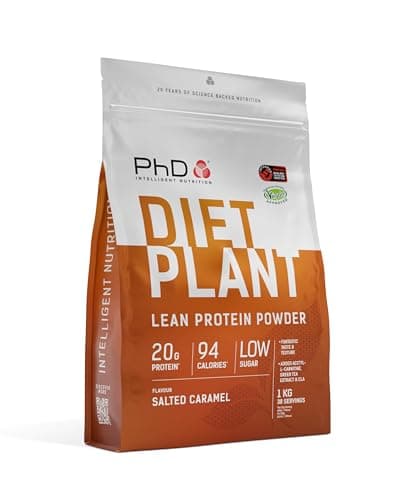
An honest PhD Diet Plant protein powder review covering 20g vegan protein, under 100 calories, taste, mixability, macros and value. Is the Salted Caramel worth it?
An honest SCI-MX Nutrition Pro V-Gain review covering 33g of plant protein per scoop, zero sugar, taste, mixability and whether this vegan protein is worth it.
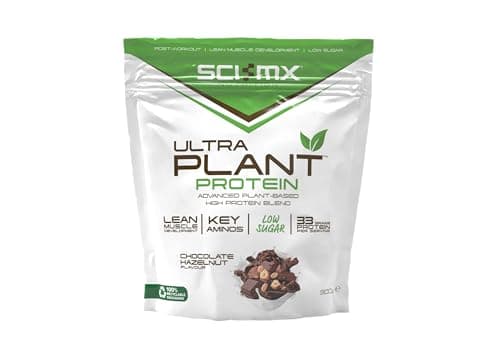
An honest review of SCI-MX Nutrition Ultra Plant vegan protein, with 34g protein per serving, taste, mixability, ingredients and whether it's worth buying.
An honest Tofuture tofu press review covering how well it presses, ease of cleaning, durability, drawbacks and whether this British-made press is worth buying.
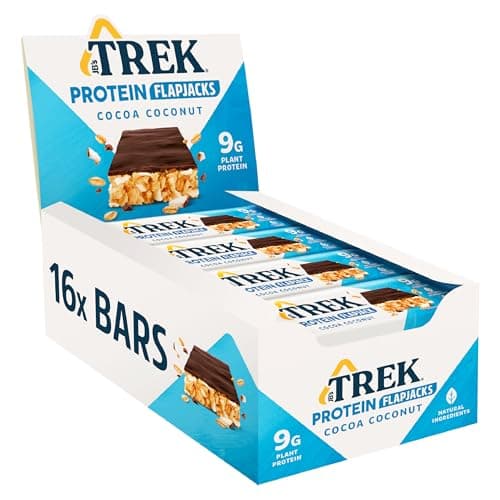
An honest review of the Trek Cocoa Coconut protein flapjack with 9g of vegan, gluten-free protein per bar, chewy texture, full nutrition info and price.
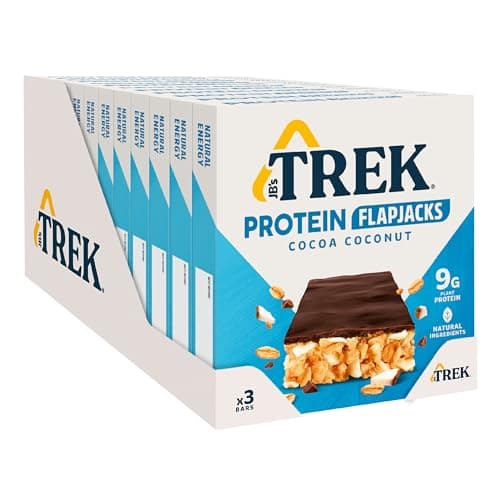
An honest review of the Trek Cocoa Oat Protein Flapjack with 9g protein per bar, taste, nutrition and value. Is this vegan, gluten-free flapjack worth buying?
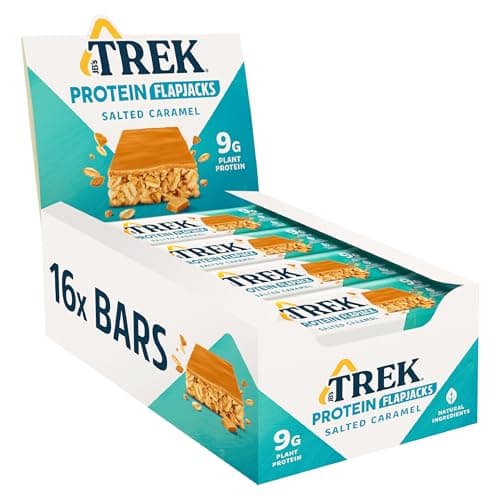
An honest review of the Trek Salted Caramel protein flapjack with 9g of plant-based protein, gluten-free and vegan. Taste, nutrition and whether it's worth buying.
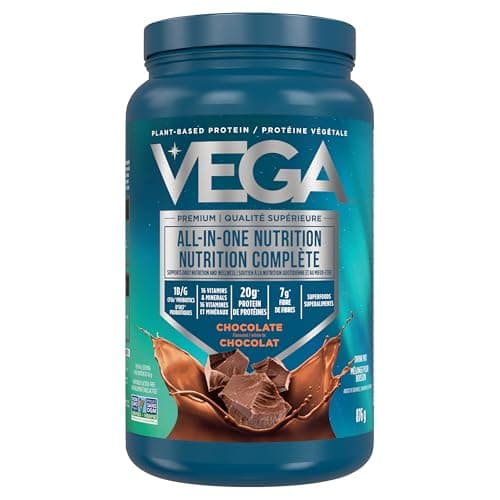
An honest Vega One All-In-One Shake review covering protein, nutrition, taste, mixability, price and UK availability. See if this premium vegan shake earns its keep.
A step-by-step vegan bodybuilding diet guide: work out your calories and macros, the best plant-based protein, fat and carb sources, plus top supplements.
The best vegan supplements for joints, from omega 3 to glucosamine and chondroitin. Expert picks to ease stiffness, support cartilage and protect joint health.
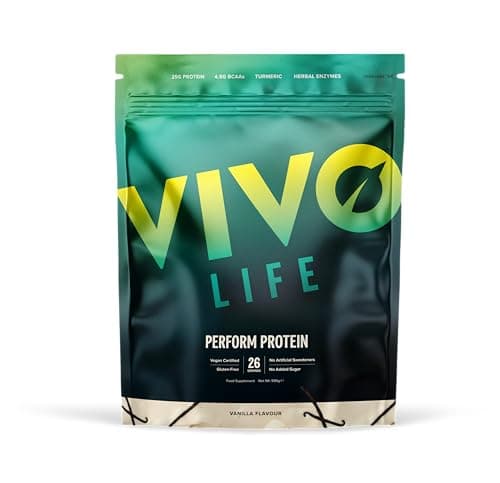
An honest review of Vivo Life Perform vegan protein powder: 25g plant protein, 6g BCAAs, taste, mixability, ingredients and whether it's worth buying.
An honest review of Vivo Life Ritual vegan protein powder with 20g plant protein per scoop, three flavours, clean ingredients and how it compares to Perform.
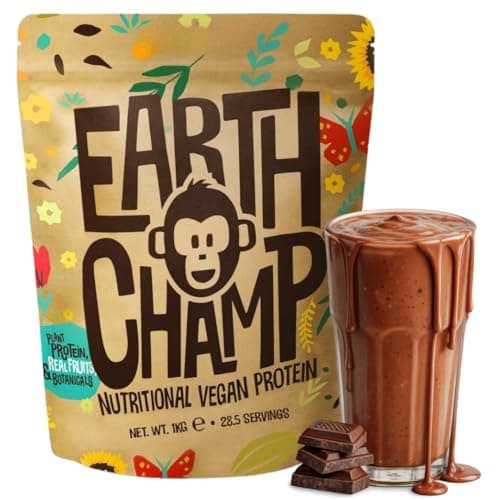
An honest review of Wyldsson vegan protein powder: taste, mixability, 20g plant-based protein per serving, nutrition and whether this chocolate shake is worth it.
Our supplement reviews cover the products UK lifters actually buy: whey and vegan protein, creatine, pre-workout, electrolytes, greens powders, and the bars you grab between meetings. Every entry here feeds into this hub, so you can scan what we rate and skip what we don't.
We buy and mix the things we write about, then judge them on what matters once the novelty wears off: protein per serving, how honest the label is about doses, how a drink tastes on the tenth shake rather than the first, and what it costs per scoop. Flashy packaging doesn't earn a recommendation.
If you're new to all this, start with the type guides below, then read the individual reviews for the brands you're weighing up. Optimum Nutrition, Myprotein, Huel, Bulk, Grenade, Science in Sport and PhD all show up often, and they're rarely as interchangeable as the marketing suggests.
We don't score a product off its ingredients panel alone. We buy it at normal retail price, mix it the way the label says, and use it long enough to judge clumping, aftertaste, and whether it sits well before training.
Dose transparency decides a lot. A pre-workout that buries its caffeine and beta-alanine inside a proprietary blend loses marks against one that prints every figure, because you can't dose what you can't see. We also check for third-party testing like Informed Sport, which matters if you're drug-tested for your sport.
Then we work out cost per serving, not cost per tub. A big bag looks cheaper until you notice the scoop is 40g and you're through it in three weeks. The verdict on each page reflects all of that, not just whether the stuff tastes nice.
Protein per serving is the headline, but the amino profile underneath it counts for more than most labels admit. Whey gives you a full spread of essential aminos and plenty of leucine, which is why it's the default for recovery; a decent vegan blend reaches the same place by combining pea and rice rather than leaning on one plant source.
For creatine, keep it simple. Plain creatine monohydrate at roughly 3 to 5g a day does everything the pricier forms claim to, usually for less money. Pre-workouts are where you need to read carefully, since caffeine content swings wildly and some scoops pile in 300mg or more, which is a lot if you train in the evening.
Mixability and taste aren't vanity metrics. A protein you can't stomach is a protein you won't take, so a slightly dearer powder that actually dissolves often works out better value than a gritty bargain tub gathering dust at the back of a cupboard.
Protein powder is the obvious starting point, and it splits three ways in practice: standard whey concentrate for everyday use, clear whey if you prefer a juice-style drink over a milkshake, and vegan blends for anyone avoiding dairy. Mass gainers exist for people who genuinely struggle to eat enough, not as a shortcut for the rest of us.
Creatine and electrolytes are the low-drama workhorses. Creatine is among the most studied supplements going, and electrolytes earn their place in summer or during long sessions, when plain water isn't replacing what you sweat out.
Greens powders, multivitamins and omega-3 sit in the insurance category: useful if your diet has real gaps, pointless if you already eat well and just like the idea of covering yourself. Protein bars and pre-workout round things off, handy for convenience and a training nudge respectively, as long as you treat the bar as a snack rather than a meal.
For the average gym-goer, protein powder and creatine are the two that reliably earn their keep, and both are cheap. Protein helps you hit a daily target that's hard to reach from food alone on busy days, while creatine monohydrate has strong evidence behind strength and recovery. Everything else is situational, so don't feel you need a cupboard full of tubs.
Judge it per serving rather than per tub. A solid UK whey usually works out at well under a pound a scoop once you buy a larger bag, and the own-brand lines from the big names are often as good as the premium ones. Paying more mainly buys better flavour and mixability, not more protein.
Often, yes, especially for commodities like creatine monohydrate and plain whey, where the budget version is chemically the same as the expensive one. Where price does tell is taste, mixability and dose honesty, so a rock-bottom pre-workout with a vague proprietary blend is worth avoiding. Read the label rather than the price tag.
If you tolerate dairy and want the simplest option, whey mixes better and tends to cost less per gram of protein. Vegan blends have closed the gap, though, since a pea and rice mix covers the amino bases that a single plant source misses. Choose on diet and digestion first, because the one you'll actually drink every day is the one that works.
No. It's mostly caffeine plus a few performance ingredients, so a strong coffee does much of the same job for pennies. Pre-workout is worth it if you like the ritual and the extras such as citrulline or beta-alanine, but check the caffeine figure before you buy, because some UK scoops are very strong and will wreck your sleep if you train late.
Clear per-serving doses for every active ingredient, not a blanket proprietary blend that hides the numbers. For protein, check the actual protein per scoop against the scoop size, since some brands flatter the figure with a bigger serving. If you compete in a tested sport, look for Informed Sport certification so you know it's been screened for banned substances.