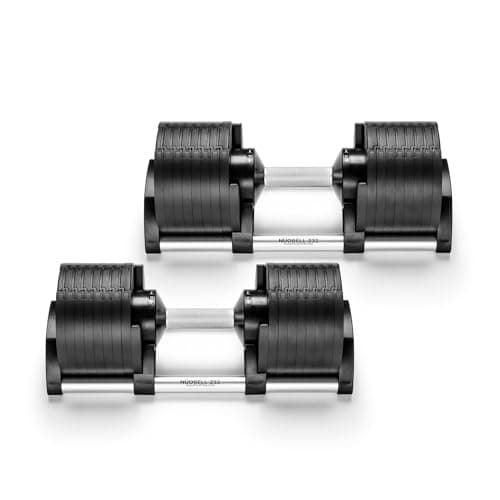
Home Gym
Best Adjustable Dumbbells UK: 6 Top Picks for 2026
The best adjustable dumbbells in the UK for 2026, from quick-dial sets to heavy 40kg and 50kg options. Budget to premium picks researched and ranked.

By Paul Kendrick, Cardio & Endurance Editor · Updated 26 August 2026
We may earn a commission from qualifying purchases made through links on this page, at no extra cost to you. This never affects our ratings.
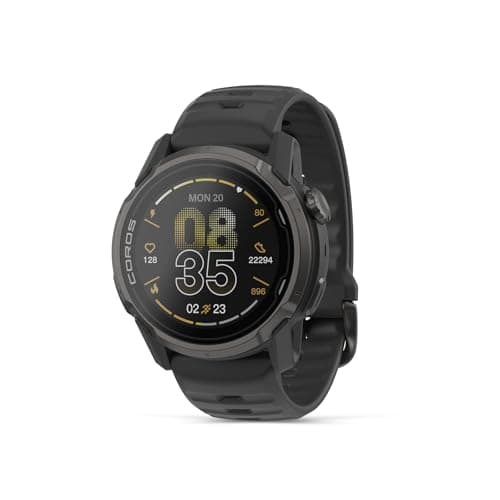
COROS built the APEX 4 for people who want maps, days of battery and an accurate track, and who do not much care whether the screen glows like a phone. It launched in October 2025 in two sizes, and the 42mm version reviewed here sells for £389 in the UK against £429 for the 46mm. Both run the same software and the same sensors; the only real differences are screen size, weight and how long the battery holds out. COROS also dropped the confusing Pro suffix this generation, so there is no better trim waiting to make you feel short changed.
The headline is that this is a mountain and trail watch first. Titanium bezel, sapphire glass, a memory in pixel screen that you can read at midday in July without touching the backlight, and a battery you top up every week or two rather than every other night. What it is not is a smartwatch. No contactless payments, no app store, no Spotify. If those absences would irritate you daily, buy something else and stop reading here.
How we review
This review draws on COROS published specifications, independent testing from established outdoor and running gear outlets, and the pattern of verified owner feedback on the UK listing. We have not worn this exact 42mm unit for a full season, so we report the findings that repeat across sources rather than one reviewer's stray impression, and we flag where the numbers disagree.
Trail runners, hikers, ski tourers and anyone whose training happens outside and away from a charger. The APEX 4 makes most sense if your week involves long sessions, if you navigate rather than just follow a familiar loop, and if charging a watch every third day annoys you. Road runners doing 40 minutes before work will find it capable but slightly over specified, and anyone who wants a watch that doubles as a wrist wallet and music player should look at the best Garmin watch guide instead.
Wrist size matters more than usual here. The 42mm case is genuinely small, at roughly 44g on the nylon band, and it sits flat enough to sleep in without leaving a dent. The 46mm is the one to buy if you have larger wrists or if a 30 hour ultra is on the calendar.
Check the COROS APEX 4 42mm price on AmazonThe APEX 4 uses a third generation memory in pixel panel, 1.2 inches and 240x240 pixels on the 42mm. Indoors it looks exactly like what it is: a low power transflective screen with muted colours and a backlight you press for. Step outside on a bright day and the relationship inverts, because MIP gets more legible as the light gets stronger, while AMOLED watches fight glare by burning brightness and therefore battery. On a long day in the hills that trade is worth making, and it is most of the reason this watch goes weeks between charges.
The materials are better than the price suggests. A grade 5 titanium bezel, sapphire crystal over the display and a fibre reinforced polymer case give you a watch that shrugs off rock scrapes without the mass of a full metal body. The digital dial on the right, which COROS has used for years, still beats poking at a touchscreen with wet or gloved hands, and the touchscreen is there when you want it for maps.
| Case size | 42 mm |
|---|---|
| Display | 1.2 in, 240x240, 3rd gen memory in pixel, always on |
| Bezel / glass / case | Grade 5 titanium / sapphire / fibre reinforced polymer |
| Weight | Approx 44 g with nylon band, 56 g with silicone |
| Battery, all satellite systems | Up to 41 hours (COROS figure) |
| Battery, daily use | Weeks rather than days, depending on always-on display and sleep tracking |
| Positioning | Dual frequency, all major GNSS constellations |
| Sensors | Optical HR, ECG, SpO2, barometric altimeter, compass, thermometer, accelerometer, gyroscope |
| Audio | Speaker plus dual microphones, calls and voice notes |
| Maps | Global offline maps with street and trail names and POIs |
| UK price | £389 (42mm), £429 (46mm) |
Full specifications for both sizes are published on the official COROS APEX 4 spec sheet, which is worth a look before you commit to a size, because the battery gap between the two is larger than the price gap.
COROS rates the 42mm at up to 41 hours of all systems GPS against 65 hours for the 46mm, so the smaller case gives up a serious chunk of endurance for £40. Independent testers have published lower numbers than the headline figures, which is normal once you leave the always-on display running and add navigation, and COROS quotes battery across several modes without always spelling out which one a number belongs to. Treat 41 hours as the ceiling rather than the expectation. In ordinary use, with sleep tracking on, you are charging roughly every couple of weeks, which is the part that actually changes how you live with a watch.
Track accuracy is where COROS has quietly been very good for several generations, and dual frequency positioning holds up in the awkward places: under tree cover, in steep valleys, between tall buildings. Independent testing on measured courses puts it within a rounding error over a couple of miles.
Wrist heart rate is the usual story with a better than usual ending. The optical sensor tracks steady efforts closely and drifts on hard intervals and anything with a lot of wrist flex, which is a limitation of the technology rather than of COROS; research comparing wrist wearables against ECG finds strong agreement at moderate and vigorous steady intensities and wider errors during running and rapid changes in pace. If you race off heart rate zones, pair a chest strap and use the watch for everything else. Our best heart rate monitor UK guide covers the straps worth buying.
The new ECG sensor produces a single lead trace and a heart rate variability reading. Treat it as a wellness feature rather than a diagnostic one, and take anything unexpected to a GP rather than to a forum.
This is the generation where COROS mapping stopped feeling like a compromise. The chip is dramatically faster than the one in the APEX 2 Pro, so pinching and dragging around a map happens at the speed your finger moves rather than a beat behind it, and the maps themselves now label streets, trails and points of interest. Back to start works, breadcrumb navigation works, and route import from Strava, Komoot or a plain GPX file is painless.
Two flaws are worth knowing. Turn by turn prompts on imported routes occasionally announce the wrong junction, which matters more when you are tired and trusting the watch than when you are fresh. And the navigation data screens cannot be customised as freely as Garmin's, so if you want distance to next waypoint and ETA side by side, you may not get exactly the layout you want.
The speaker and microphones are a genuine addition rather than a spec sheet trick. Answering a call from a wrist while your phone stays in a rucksack is useful, dictating a voice note at the top of a climb is useful, and dropping a voice pin on the map is the kind of small idea that outdoor watches should have had years ago. Wind noise defeats it, as it defeats every wrist microphone.
Music is the low point. There is onboard storage, but filling it means connecting a cable and copying MP3 files across, with no Spotify, Deezer or anything else. In 2026 that is hard to defend, even at this price.
At £389 the 42mm APEX 4 undercuts most mapping watches wearing titanium and sapphire, and it beats nearly all of them on battery. What you sacrifice is the smartwatch layer: no payments, no apps, no streaming, and a screen that will never look impressive to a friend across a table. That is a fair swap for the intended buyer, and a bad one for anyone else.
Against its own family, the APEX 4 is a clear step up from the COROS APEX 2 Pro thanks to the faster maps, ECG and audio, while the COROS NOMAD at £319 aims at slower, longer adventures rather than training. If you would rather have a bright AMOLED panel and can live with charging more often, the COROS PACE Pro is the sibling to compare.
See today's COROS APEX 4 42mm priceFeatures are identical. The 42mm has a 1.2 inch screen at 240x240 pixels and is rated by COROS at up to 41 hours of all systems GPS. The 46mm gets a 1.3 inch 260x260 screen and a longer quoted 65 hours, and costs £40 more. Small wrists and shorter sessions point to the 42mm; multi-day efforts point to the 46mm.
No, and that is deliberate. It uses a third generation memory in pixel (MIP) panel, which looks dull indoors compared with an AMOLED watch but stays readable in direct sun without a backlight and is the main reason the battery lasts weeks rather than days.
Yes. There is a speaker and dual microphones on board, so you can answer a call from the wrist when your phone is in a pocket, and you can dictate voice notes and place voice pins on the map. Call quality is fine for a quick exchange, not for a long conversation in wind.
It ships with global offline maps that now include street and trail names plus points of interest, and a much faster processor means panning and zooming no longer stutters. Turn by turn navigation works on routes you import, though it occasionally calls a junction wrong.
If you already own an APEX 2 Pro and are happy with it, the upgrade is not urgent. The APEX 4 adds an ECG sensor, a speaker and microphones, sharper maps with names and POIs, and a far quicker chip. Coming from an older or non mapping watch, the jump is much more obvious.
Neither. There is no NFC payment, no third party app store and no music streaming. You can load MP3 files manually onto the internal storage, which feels dated in 2026 and is the clearest sign of where COROS chose to save money.
The best adjustable dumbbells in the UK for 2026, from quick-dial sets to heavy 40kg and 50kg options. Budget to premium picks researched and ranked.
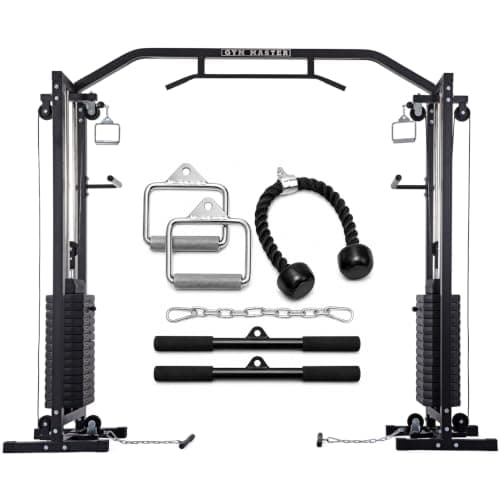
The best cable machines in the UK for 2026, from dual cable machines and functional trainers to wall-mounted and folding designs. Honest picks for any home gym and budget.
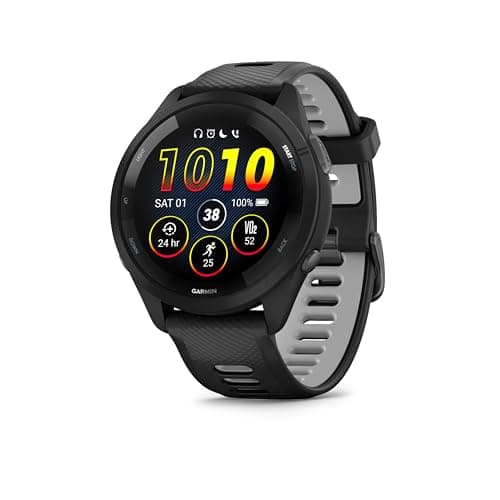
The best Garmin watch for most UK buyers in 2026 is the Forerunner 265, but not for everyone. Five models compared honestly, from the £162 Forerunner 165 to the fēnix 8.
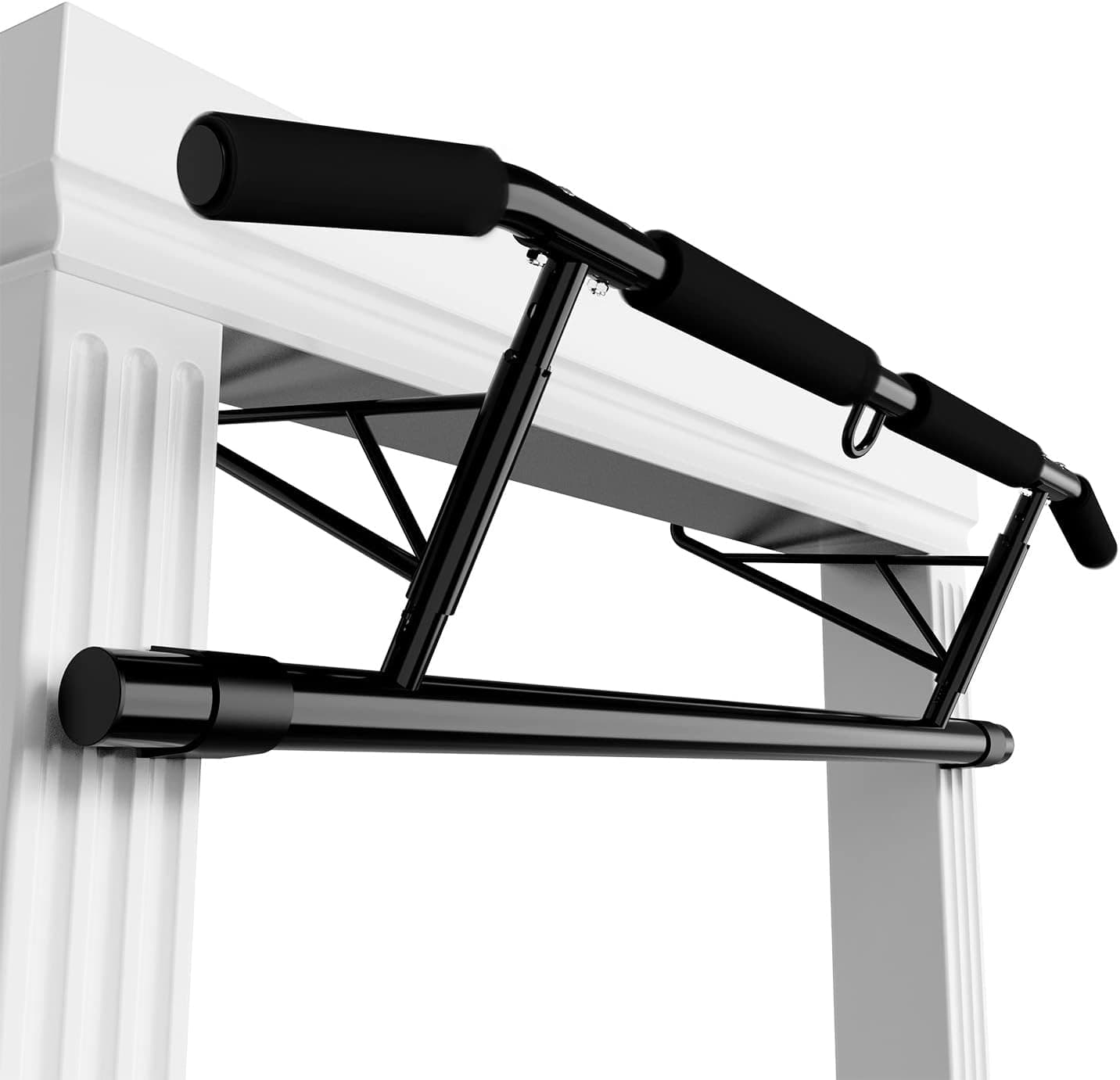
The best pull up bars in the UK for 2026: no-drill doorway bars, wall mounted pull-up bars and free standing power towers, with frame sizes, weight ratings and honest picks for every budget.
Best Exercise is a participant in the Amazon EU Associates Programme, an affiliate advertising programme designed to provide a means for sites to earn advertising fees by advertising and linking to Amazon.co.uk. As an Amazon Associate we earn from qualifying purchases. This comes at no extra cost to you and never influences our independent reviews or rankings.