Home Gym
Best Reformer Pilates Machine UK 2026: 6 Foldable Home Picks
The best reformer pilates machines for home use in the UK in 2026, from a £259 foldable to a £788 wooden frame. Honest picks, real specs and how to choose a pilates machine.

By Jacob Chambers, Founder & Lead Reviewer · Updated 1 August 2026
We may earn a commission from qualifying purchases made through links on this page, at no extra cost to you. This never affects our ratings.
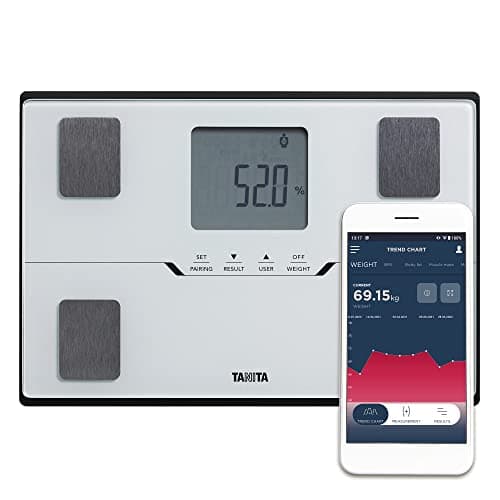
A smart scale sends a small electrical current through your feet and infers, from how much that current is resisted, roughly what proportion of you is fat. It's clever, and it's also far less precise than the two decimal places on the display suggest. Understanding that gap is the difference between a scale that helps and a scale that ruins your Tuesday.
Used properly, these things are genuinely useful. The automatic logging removes the one bit of friction that makes people stop tracking, and a six-week trend line tells you something a tape measure can't. Used badly, staring at a number that moved 2% because you drank a pint of water before stepping on, they're a fast route to giving up. We've picked five worth the money and explained what each one is actually good for.
How we chose
We researched the smart scales most widely available on Amazon UK, comparing electrode design, published accuracy claims, app quality, subscription requirements and the recurring themes in verified owner reviews. We have not run these scales against a DXA scanner ourselves, so where we discuss accuracy we lean on published research rather than our own measurements. Prices are correct at the time of writing.
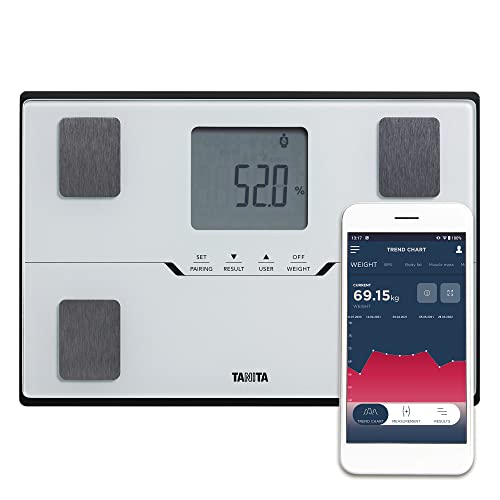
Tanita has been building body composition analysers for hospitals and sports science labs since the 1990s, and the BC-401 is the version of that engineering you can put in a bathroom. It uses four electrodes rather than the two you get on budget scales, which produces noticeably steadier readings between sessions, and it stores profiles for up to four people.
At around £89 it's the priciest scale here bar the Fitbit, and the money goes on consistency rather than flash. The MyTanita app is plain to look at, syncs over Bluetooth without complaint, and exports your data if you want to keep it elsewhere. No subscription, no upsell.
The negatives are real. The glass platform is smaller than average, which is fine unless you have big feet, and the app design looks about a decade old. Tanita also gives you weight in the display but pushes everything else to the phone, so a quick morning check means unlocking your phone first.
Check price on Amazon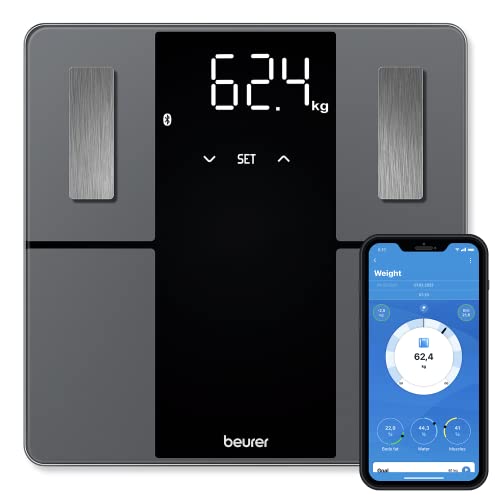
Twenty-five pounds for a Bluetooth body composition scale with a decent app should be worse than it is. Beurer is a long-standing German medical device brand rather than an anonymous marketplace seller, and the BF 500 covers body fat, water, muscle and bone mass along with weight, syncing to the Beurer HealthManager app.
The build is plastic and glass rather than the tempered slab you get on pricier scales, and the two-electrode design means readings wander more than the Tanita's when your hydration shifts. Accept that and it's an easy recommendation, particularly as a first smart scale for someone who isn't sure they'll keep using it.
One irritation worth knowing about: the app occasionally needs re-pairing after a phone update, and Beurer's support documentation on that is thin.
Check price on Amazon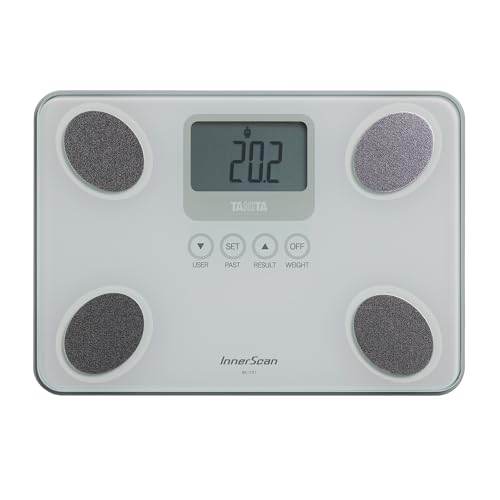
Some people don't want another app. The BC-731 shows body fat, muscle mass, bone mass, body water and a metabolic age estimate directly on the display, no phone required, and it remembers five user profiles so a household can share it without anyone logging anything.
That makes it the pick for a parent, a housemate arrangement, or anyone who tried a connected scale and got tired of the notifications. Around £64 buys Tanita's electrode quality without the connected extras.
The obvious limitation is that nothing is stored beyond the last reading, so you're back to writing numbers down if you want a trend. The display is also crowded, cycling through metrics one at a time while you stand there in the cold.
Check price on Amazon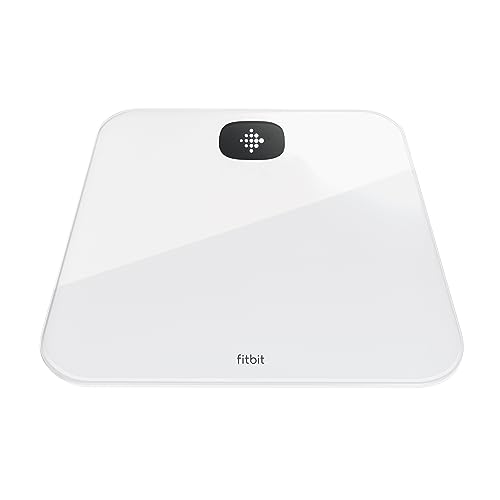
If your training already lives in the Fitbit app, the Aria Air drops weight and BMI straight into it alongside your steps and sleep, and the whole thing takes about ninety seconds to set up. That integration is the entire argument for buying it.
The Aria Air is deliberately simple: weight and BMI, nothing else. There's no impedance measurement at all, which means no body fat estimate, which in fairness also means no misleading body fat estimate. The build is the nicest here, a proper tempered glass slab that feels solid underfoot.
At around £100 it's expensive for a scale that does less than the £25 Beurer on paper. Buy it for the ecosystem or don't buy it. If you want body composition numbers, look elsewhere; if you already wear a Fitbit or a running watch and want one dashboard, it makes sense.
Check price on Amazon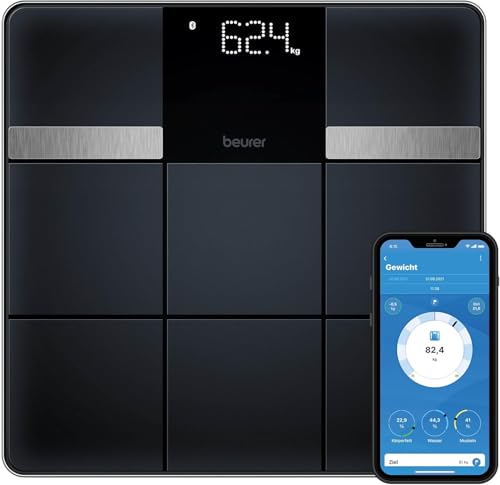
Seventeen measurements for under £30 is the pitch, and Beurer delivers on the count if not always on the precision. Alongside the usual body fat and muscle figures you get visceral fat estimates, a BMR figure, activity-adjusted calorie needs and a body composition rating.
Whether you need seventeen numbers is another matter. Most people would be better served by three tracked consistently. But if you like data, and you accept that several of these figures are derived from the same underlying impedance reading rather than measured independently, it's a lot of dashboard for the money.
Same caveats as the BF 500: two-electrode design, plastic build, occasional Bluetooth grumbles. It sits on the same app.
Check price on AmazonBioelectrical impedance analysis is an estimate built on an equation, and the equation makes assumptions about how much of you is water. When researchers put fifteen impedance devices through reliability and validity testing, precision within a device was excellent, with errors under half a percent on repeat measurements, while accuracy against reference methods swung from 3.5% under to 11.7% over. An earlier study comparing consumer impedance devices against MRI and DXA found some models tracked well and others simply didn't.
That combination, high repeatability and mediocre accuracy, tells you exactly how to use one. Your scale's absolute body fat figure is probably wrong by a few points. The direction it moves over eight weeks, measured the same way each time, is worth paying attention to.
| When | First thing, after the loo, before eating or drinking |
|---|---|
| How often | Daily if you like, but compare weekly averages |
| Feet | Bare, dry, same position on the plate each time |
| Avoid | After training, after alcohol, after a salty meal |
| Never use with | A pacemaker or any implanted electronic device |
| What to trust | The trend line, not this morning's number |
Honest answer: no. A tape measure round your waist, a £10 set of scales and a photo every four weeks gives you most of the same information. What a smart scale adds is the removal of effort, and effort is what kills tracking habits. Automatic logging means the data is there when you want to look, whether or not you remembered to write it down.
Where it fits alongside everything else is worth thinking about too. Scales measure an outcome; they don't measure training. The NHS recommendation of 150 minutes of moderate activity and two strengthening sessions a week is the input, and if that's happening consistently the scale will eventually agree with you. If it isn't, no amount of measuring will help. A heart rate monitor tells you more about the work you're doing than any bathroom scale ever will.
For a single reading, not very. Research comparing consumer impedance devices against MRI and DXA scanning found errors ranging from around 3.5% under to nearly 12% over, depending on the device. What they are good at is repeatability: the same scale, at the same time of day, under the same conditions, will show you the direction your body composition is moving even if the absolute number is off. Track the trend, ignore the decimal point.
The Tanita BC-401 for most people. Tanita has been making body composition equipment for clinics and gyms for decades, the four-electrode design is more consistent than the two-electrode plates in cheap scales, and the app exports data without demanding a subscription. At around £89 it costs more than the Beurer competition, and the extra buys you consistency rather than extra features.
They send a tiny electrical current up through one foot and down the other, then measure how much the current is slowed. Fat conducts electricity poorly, muscle and water conduct it well, so the resistance figure feeds an equation that estimates your body composition. That equation is where the guesswork lives: hydration, a recent meal, a hard session and even room temperature shift the result.
Because you are mostly measuring water. Impedance drops when you are well hydrated and rises when you are not, so a scale can show a two or three point swing in body fat overnight without a gram of actual fat moving. Weigh yourself first thing, after the loo and before drinking, and compare weekly averages rather than individual mornings.
If weight is all you track, normal scales are fine and often more accurate at the one thing that matters. Smart scales earn their keep through automatic logging, which removes the daily friction of writing a number down, and through the trend graphs that stop you panicking about a single heavy morning. The body fat estimate is a bonus, not the reason to buy.
No. Every impedance scale here carries a manufacturer warning against use with a pacemaker or any other implanted electronic medical device, because the current the scale sends through your body can interfere with it. If that applies to you, buy a plain weight-only scale and speak to your GP about body composition tracking.
The best reformer pilates machines for home use in the UK in 2026, from a £259 foldable to a £788 wooden frame. Honest picks, real specs and how to choose a pilates machine.
The best adult weighted blankets in the UK for 2026, with honest picks for hot sleepers, heavier users and daytime use, plus how to choose the right weight and what the research shows.
Are vibration plates worth it? Yes for balance, bone health support and low-impact warm-ups; no for weight loss or replacing strength training. The evidence.
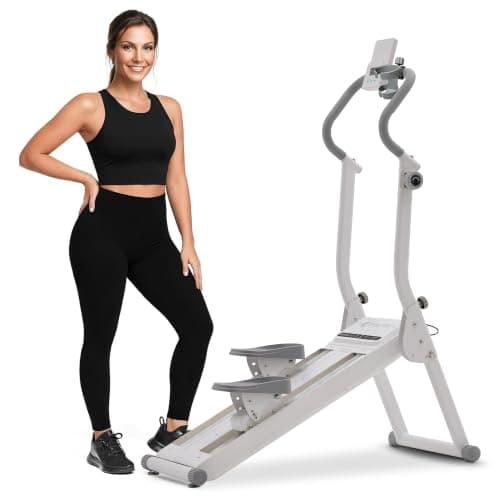
Our ExacMe magnetic stair climber review covers its 16 magnetic resistance levels, 48cm stride, 158kg user limit, app and noise claims, and who should buy it.
Best Exercise is a participant in the Amazon EU Associates Programme, an affiliate advertising programme designed to provide a means for sites to earn advertising fees by advertising and linking to Amazon.co.uk. As an Amazon Associate we earn from qualifying purchases. This comes at no extra cost to you and never influences our independent reviews or rankings.