Home Gym
Best Adjustable Dumbbells UK: 6 Top Picks for 2026
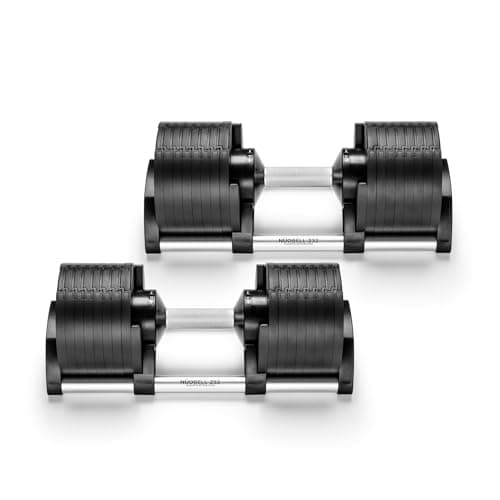
The best adjustable dumbbells in the UK for 2026, from quick-dial sets to heavy 40kg and 50kg options. Budget to premium picks researched and ranked.

By Jacob Chambers, Founder & Lead Reviewer · Updated 7 August 2026
We may earn a commission from qualifying purchases made through links on this page, at no extra cost to you. This never affects our ratings.
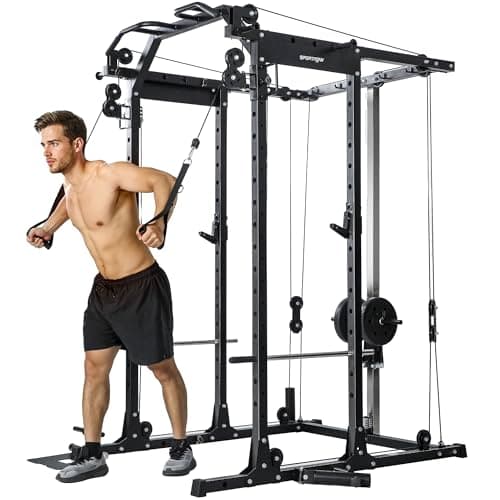
Most home gym buyers hit the same fork in the road: a power cage for squats and presses, or a cable machine for pulldowns, flyes and rows. SPORTNOW's answer is to build both into one frame and sell it for around £340, which sounds too good until you read the words "plate loaded" and do the arithmetic on what a set of plates costs.
It is still an interesting machine, and for the right room it is a lot of gym for the money. The catch is that the sticker price is not the price.
How we review
This review is based on SPORTNOW's published specifications for the machine, the recurring themes in owner feedback on Amazon UK, and our experience of how plate-loaded pulley systems behave in home gyms. We have not assembled and lived with this exact unit, so we have avoided claims about long-term durability and stuck to what the specification and consistent owner reports support. This is also a relatively new listing, so its review history is shorter than the established GYM MASTER and Strongway machines it competes with.
The frame is a full cage, 220cm tall with a footprint of roughly 168cm by 165cm, made from powder-coated steel tubing and rated to 300kg overall. Inside and around it you get a pull-up bar with several grip positions, a plate-loaded dual pulley setup covering high and low positions, a lat pulldown, a pec fly station, a leg press bar, a barbell rack with two J-hooks, and a 360 degree landmine.
The accessory bundle is where SPORTNOW has clearly decided to compete. Two resistance bands, a triceps rope, a chain, a T-bar row handle and a footboard are all in the box. Buy those separately for a bare rack and you are eighty pounds down before you start, so their inclusion is a real part of the value here rather than marketing filler.
This is the decision that should drive your buying, so be clear about the trade.
A weight stack, like the one on the GYM MASTER cable crossover, lets you change resistance by moving a pin. Two seconds, no lifting, and drop sets are effortless. That convenience is why commercial gyms use stacks, and it is worth real money.
Plate loading gives you two things instead. The ceiling is whatever plates you own, so you are never capped by a 90kg stack, and the machine itself costs far less to build. The price is time and hassle: every resistance change means sliding plates on and off a bar, and supersetting between a heavy row and light flyes turns into a plate-shuffling session.
For most home lifters running a straightforward programme, that is a fair trade. If your training is full of drop sets and giant sets, it will drive you mad.
Do not misread the 300kg figure either. That is the frame rating; the weight bars themselves take up to 120kg of plates. Nobody is pulling 120kg on a lat pulldown at home, so this is not a practical limit for most people, but the two numbers describe different things and the listing does not make that obvious.
| Frame load rating | 300 kg |
|---|---|
| Weight bar capacity | 120 kg of plates |
| Dimensions | 220 cm H x 168 cm L x 165 cm W |
| Loading | Plate loaded (plates not included) |
| Stations | Pull-up bar, dual pulley crossover, lat pulldown, pec fly, leg press bar, barbell rack |
| Included attachments | 2 resistance bands, triceps rope, chain, T-bar row handle, 2 J-hooks, 360 degree landmine, footboard |
| Construction | Powder-coated steel tubing |
| Warranty | 6 months against manufacturer defects |
| Shipping weight | Approx 87 kg |
Measure before you buy, and measure at the exact spot the cage will stand. Two hundred and twenty centimetres is fine under a typical 2.4m UK ceiling and awkward in a garage with an up-and-over door track, or anywhere with a sloped roof. You also want a metre or so of clear space to each side of the cage so the crossover cables have somewhere to go, which makes the real footprint closer to three and a half metres wide than the 165cm on the spec sheet.
Assembly is the usual story for a machine of this size: a long afternoon, a lot of bolts, and a second pair of hands for the top crossbar. Owners of similar frames consistently report that the instructions are the weak link. Lay every part out first, identify the bolts by length before you start, and do not fully tighten anything until the frame is square.
Floor protection is not optional here. Eighty-seven kilograms of steel plus your plates concentrated on four feet will dent a wooden floor and crack cheap tiles, so get gym flooring down first.
The station list covers most of what a general strength programme needs. High pulley for lat pulldowns and triceps pushdowns, low pulley for rows, curls and cable pull-throughs, crossover position for cable flyes, and the landmine opens up presses, rotations and Meadows rows. With the J-hooks and barbell rack you can squat and bench inside the cage.
That last point deserves a caveat. A cage this price is fine for working sets but you should be conservative about training to absolute failure under a heavy bar without a spotter, and the safety provision is the part of any budget rack worth inspecting carefully on arrival. Squatting through a full range remains one of the better things you can do for your legs and knees when the load is sensible (scoping review on the deep squat and the knee joint).
One upside of a plate-loaded pulley worth mentioning: because there is no stack ceiling, you can run higher-rep, lighter cable work without feeling short-changed. For muscle growth specifically, load matters far less than most people assume once sets are taken close to failure, though heavier work still wins for maximal strength (low versus high load meta-analysis).
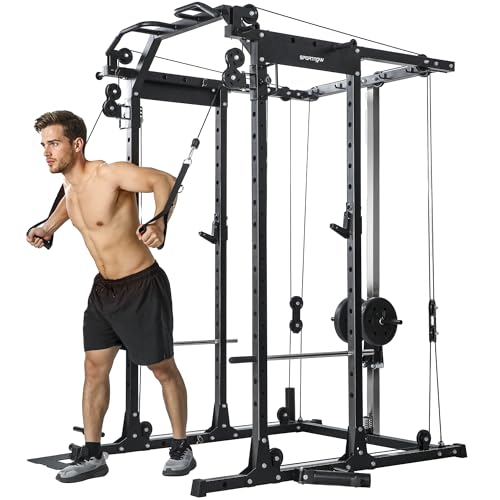
Against a bare power cage at £250 with no pulleys, this is excellent value. Against a weight-stack crossover at £380 with no cage, it is a genuine alternative rather than a compromise. Against nothing at all, remember to add plates: £340 becomes £500 to £650 by the time you have a working setup, and that is the number to compare.
Two things keep it off a higher score. The six month warranty is short for a piece of steel furniture you expect to keep for a decade, and the listing is new enough that long-term reliability is unproven. If either of those bothers you, our best power cage guide and best cable machine guide cover the longer-established options.
Two strength sessions a week covering the major muscle groups is the NHS baseline (physical activity guidelines), and a frame like this removes every reason to skip them. You will also need weight plates and a bar before it does anything at all.
Check price on AmazonNo. It is plate loaded, so the pulleys and the barbell rack both need your own Olympic or standard plates. Budget another £150 to £300 for a usable set on top of the machine price, and factor that in before comparing it against weight-stack machines that look more expensive on the shelf.
The frame stands 220cm tall, so you need at least that plus clearance to get the top crossbar in during assembly. A standard UK room at 2.4m is fine. Garages with up-and-over door mechanisms and rooms with sloped ceilings are where people run into trouble, so measure at the exact spot the frame will stand, not in the middle of the room.
No, and this trips people up. The 300kg figure is the frame's overall load rating. The weight bars themselves take up to 120kg of plates. In practice the pulleys will run out of usefulness for a strong lifter long before the frame does.
Yes. You get two J-hooks and a barbell rack, and the cage footprint allows movement side to side. It is a capable squat station for home use, though at this price point you should treat the safety arms and spotter provision as the limiting factor and not train to absolute failure alone under a heavy bar.
Two resistance bands, a triceps rope, a chain, a T-bar row handle, two J-hooks, a 360 degree landmine and a footboard. That is an unusually generous list at this price, and it means you can train most of the cable movements you would use in a commercial gym without buying anything extra on day one.
The best adjustable dumbbells in the UK for 2026, from quick-dial sets to heavy 40kg and 50kg options. Budget to premium picks researched and ranked.
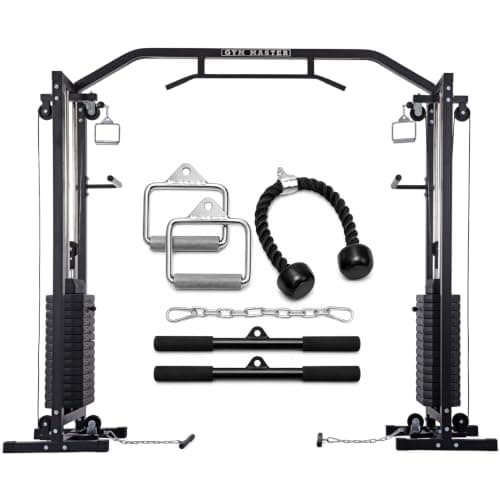
The best cable machines in the UK for 2026, from dual cable machines and functional trainers to wall-mounted and folding designs. Honest picks for any home gym and budget.

The best Garmin watch for most UK buyers in 2026 is the Forerunner 265, but not for everyone. Five models compared honestly, from the £162 Forerunner 165 to the fēnix 8.
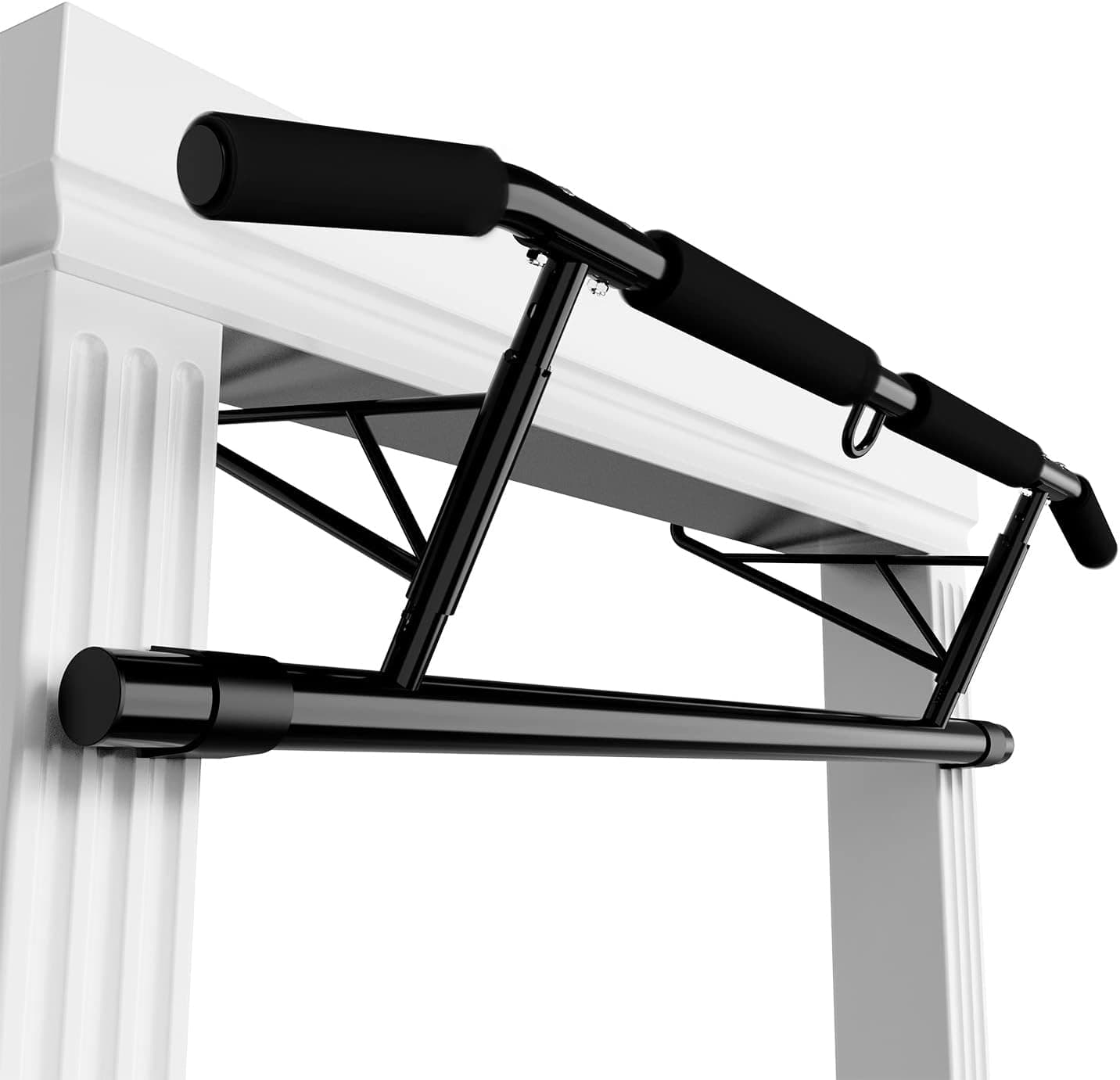
The best pull up bars in the UK for 2026: no-drill doorway bars, wall mounted pull-up bars and free standing power towers, with frame sizes, weight ratings and honest picks for every budget.
Best Exercise is a participant in the Amazon EU Associates Programme, an affiliate advertising programme designed to provide a means for sites to earn advertising fees by advertising and linking to Amazon.co.uk. As an Amazon Associate we earn from qualifying purchases. This comes at no extra cost to you and never influences our independent reviews or rankings.