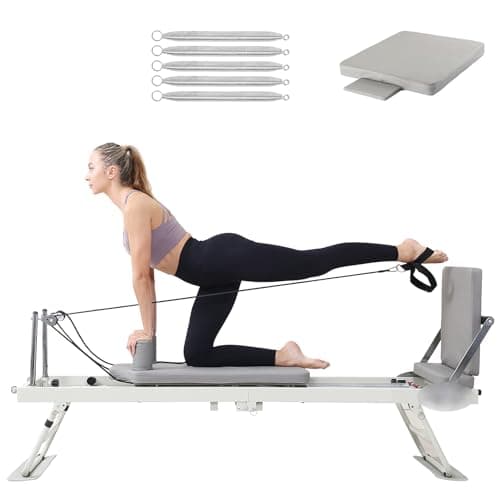
Home Gym
Best Reformer Pilates Machine UK 2026: 6 Foldable Home Picks
The best reformer pilates machines for home use in the UK in 2026, from a £259 foldable to a £788 wooden frame. Honest picks, real specs and how to choose a pilates machine.

By Jacob Chambers, Founder & Lead Reviewer · Updated 24 August 2026
We may earn a commission from qualifying purchases made through links on this page, at no extra cost to you. This never affects our ratings.
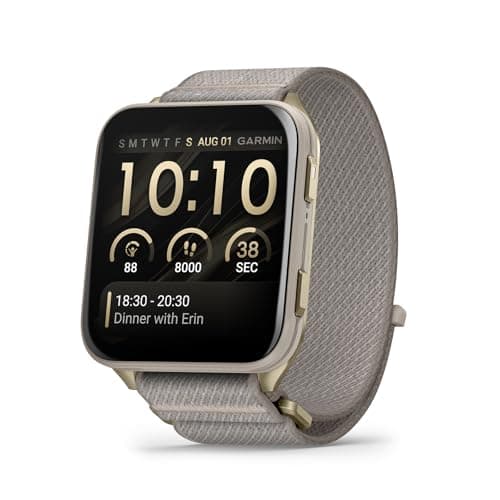
Garmin does not usually chase thin. The company built its reputation on watches that look like they could survive being run over, so a 7.9mm case with a 2 inch screen and a titanium back is a genuine change of direction. The Venu X1 is what happens when Garmin's industrial designers get to lead for once, and the result is the first Garmin in years that people compliment rather than tolerate.
It is also a watch full of decisions. The screen is enormous and gorgeous, the case almost vanishes under a shirt cuff, and the whole thing weighs 34g. To get there Garmin cut the battery roughly in half compared with a Venu 3 and left out the ECG app entirely. Whether that trade is worth £599.99 depends almost completely on how much you care about looking at your wrist versus how often you want to charge it.
How we review
This review draws on Garmin's published UK specifications, spec sheets and hands-on findings that recur across independent wearables media, and repeated themes in verified owner feedback. We have not run our own long-term test of this exact unit, so the figures below are attributed to Garmin or to reviewers who measured them.
Two inches, 448 by 486 pixels, AMOLED, behind a sapphire lens. It is the biggest display Garmin has put on a watch and the difference is not subtle: maps are actually readable while moving, a workout screen fits six data fields without squinting, and text messages arrive in a size that does not require reading glasses. Anyone who has jabbed at a 1.2in circular screen mid-run will understand the appeal immediately.
The case is where the engineering shows. Fibre-reinforced polymer with a titanium caseback, 7.9mm thick, 34g on the scales, finished with a ComfortFit nylon strap. It sits flat, slides under cuffs and does not clatter against door frames. The square shape is divisive and it does overhang a narrow wrist, but the thinness matters more in daily wear than the width does.
The software is standard Garmin, which is to say it is the best in the category. More than 100 sports apps, training readiness telling you whether to go hard today, training status, HRV overnight, Body Battery, sleep coaching and Garmin Coach plans for running, cycling and strength. Golfers get preloaded mapping for tens of thousands of courses. None of this is watered down for the fashion-forward case.
The gap is ECG. Garmin ships that app on the Venu 3 and the fenix range but not here, and no firmware update is going to add hardware that is absent. Pulse Ox, wrist heart rate and the sleep tools all remain.
On heart rate, apply the usual caveat. Optical wrist sensors track steady efforts and daily activity well, then lose ground during hard intervals and during activities where the wrist stays still, which the research on wrist-worn devices and exercise intensity sets out clearly. For threshold sessions or indoor cycling, pair a chest strap from our best heart rate monitor UK guide and let the watch handle everything else.
| Display | 2in AMOLED, 448 x 486, sapphire lens |
|---|---|
| Case thickness | 7.9 mm |
| Weight | 34 g without strap |
| Materials | Fibre-reinforced polymer, titanium caseback, nylon band |
| Battery, smartwatch | Up to 8 days (approx 2 days always-on) |
| Battery, battery saver | Up to 11 days |
| Battery, all-systems GNSS | Approx 14 hours (7 hours with music) |
| Water rating | 5 ATM (50 m) |
| Sensors | Wrist heart rate, Pulse Ox, barometric altimeter, compass, gyroscope |
| ECG | Not included |
| Audio | Built-in speaker and microphone |
| UK RRP | £599.99 |
Specifications come from Garmin's UK Venu X1 product page.
Eight days is Garmin's number for smartwatch mode with the screen waking on a gesture. Switch the display to always-on, which is exactly what most people do when they have paid for a screen this good, and Garmin's own figure falls to about two days. Add an hour of GPS a day and you are charging twice a week.
That is not disastrous, and it still beats an Apple Watch comfortably. It is a long way from Garmin's usual boast though, and if you are coming from a Venu 3 at roughly a fortnight per charge, the change will annoy you for the first month. Battery saver mode claws back a few days if you are going away.
See today's Venu X1 priceBuy the Venu X1 if you want a Garmin you actually enjoy wearing to work, if map reading on a tiny circular screen has been driving you mad, or if a thick watch case has always been the reason you left your Garmin in a drawer. For gym training, running, walking and general health tracking it does everything, and the display makes each of those things nicer.
Look elsewhere if battery life is your priority or if you want ECG. The Venu 4 and the Venu 3 both last longer and cover more health features, while the Vivoactive 6 does the fitness basics for a great deal less money. Our best Garmin watch UK guide lays the range out, and it is worth pairing any of them with regular strength work, since the NHS asks for muscle-strengthening activity on at least two days a week. The home gym section covers the kit for that.
The case is square and wide, roughly 51mm across, but only about 8mm thick and it weighs just 34g without the strap. So it is broad rather than bulky. On a slim wrist the footprint will overhang, though the thinness means it slips under a shirt cuff far better than a chunky fenix does.
Garmin quotes up to 8 days in smartwatch mode, dropping to about 2 days with the display always on, and roughly 14 hours with all satellite systems running. Battery saver stretches it to around 11 days. That is a clear step down from the Venu 3, which manages about 14 days, and it is the price you pay for a 2 inch screen in an 8mm case.
No. Despite the price and the hardware, there is no ECG app on the Venu X1. You get wrist heart rate, Pulse Ox, HRV status, Body Battery and advanced sleep tracking, but if an ECG feature matters to you, look at the Venu 3 or a fenix instead.
Yes, for pool and open water swimming. It carries a 5 ATM rating, which covers swimming and showering but not diving or high-pressure water sports. The nylon strap it ships with soaks up water, so a lot of owners buy a silicone band for swim sessions.
Better screen, thinner case, worse battery, no ECG. The Venu 3 is the more complete health watch and it lasts almost twice as long between charges. Buy the X1 for the display, the sapphire lens, the titanium caseback and the way it disappears under a sleeve, not because it does more.
It does, with built-in mapping and multi-GNSS positioning, so you can follow a route without your phone. That is unusual at this end of the Venu range and it is one of the genuine reasons to pick the X1 over a cheaper Vivoactive.
The best reformer pilates machines for home use in the UK in 2026, from a £259 foldable to a £788 wooden frame. Honest picks, real specs and how to choose a pilates machine.
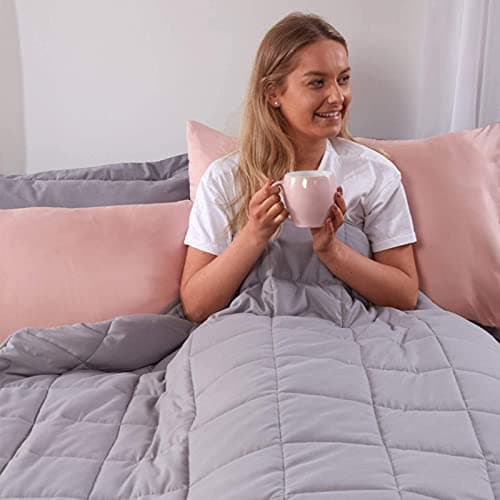
The best adult weighted blankets in the UK for 2026, with honest picks for hot sleepers, heavier users and daytime use, plus how to choose the right weight and what the research shows.
Are vibration plates worth it? Yes for balance, bone health support and low-impact warm-ups; no for weight loss or replacing strength training. The evidence.
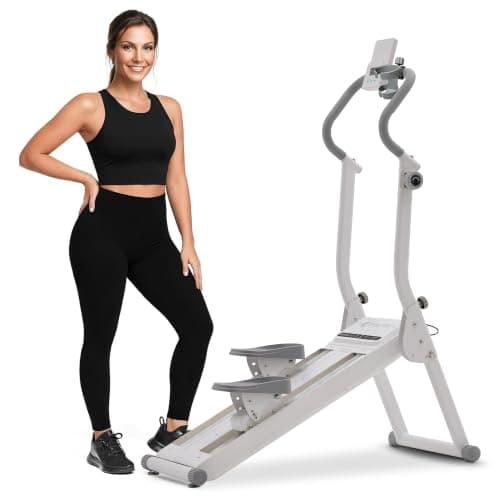
Our ExacMe magnetic stair climber review covers its 16 magnetic resistance levels, 48cm stride, 158kg user limit, app and noise claims, and who should buy it.
Best Exercise is a participant in the Amazon EU Associates Programme, an affiliate advertising programme designed to provide a means for sites to earn advertising fees by advertising and linking to Amazon.co.uk. As an Amazon Associate we earn from qualifying purchases. This comes at no extra cost to you and never influences our independent reviews or rankings.