Home Gym
Best Squat Rack UK 2026: Squat Racks, Stands and Half Racks
The best squat racks in the UK for 2026, compared on weight rating, height range and spotters. Cheap squat stands, half racks and a full cage for home gyms at every budget.

By Jacob Chambers, Founder & Lead Reviewer · Updated 24 July 2026
We may earn a commission from qualifying purchases made through links on this page, at no extra cost to you. This never affects our ratings.
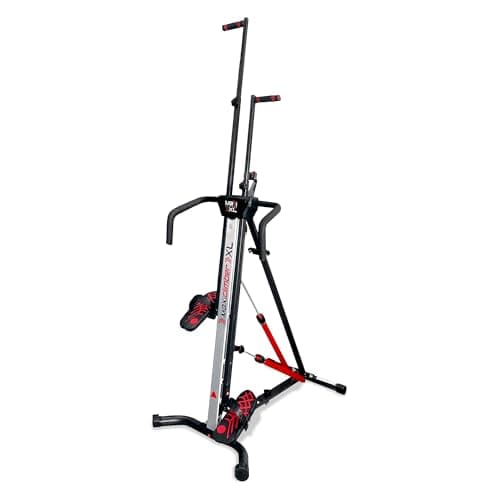
A vertical climber is the most cardio you can buy for the least money and the least floor space. It mimics scaling a ladder or a rock face, so you drive with your legs and pull with your arms at the same time, and that full-body effort sends your heart rate through the roof faster than almost any other home machine. Most fold flat and tuck behind a door. The honest truth about this category, though, is that one brand dominates it in the UK, so rather than pad this list with clones we've stuck to the three vertical climbers genuinely worth your money on Amazon UK.
How we chose
We researched the vertical climbers with the strongest track records and owner feedback on Amazon UK rather than testing each one ourselves over months. We compared resistance, build quality, weight limits, folded size and value. The category is small and heavily led by MaxiClimber, so we've been upfront about which machines are variations on a theme. Prices and specs are correct at the time of writing and can change, so check current details before buying.
Climbing is one of the most demanding things you can ask your body to do, which is exactly why it's such efficient exercise. Pushing and pulling your own weight upward recruits your legs, glutes, back and arms together, so you hit a vigorous cardio effort in minutes, and vigorous activity carries real benefits for your heart and circulation (British Heart Foundation on physical activity and heart health). A climber is also low impact, so you get that intensity without the joint pounding of running, which makes it a smart way to bank some of your weekly 150 minutes of activity if your knees don't love the treadmill.
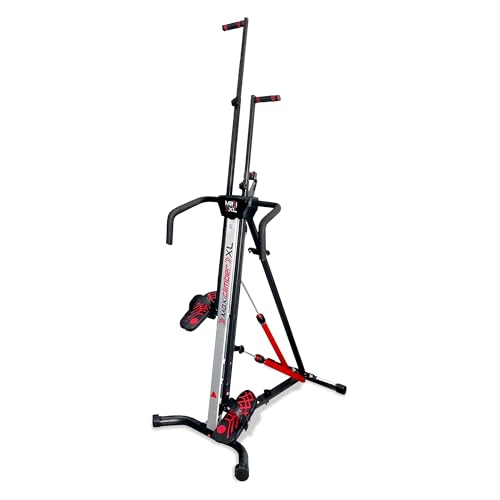
The XL-2000 is the model to get if you're serious about using it. It's the upgraded MaxiClimber, built on a lightweight aluminium frame and, crucially, it adds a bi-directional hydraulic resistance system with 12 levels. That resistance is what sets it apart from the basic climber: instead of only lifting your bodyweight, you can dial up the drag to make each climb genuinely tough, which means the machine keeps challenging you as you get fitter rather than being outgrown in a month. It pairs with a fitness app for guided sessions, and it folds down for storage.
The redesigned high-friction roller runs more smoothly than the original, and the taller frame suits taller users better. The catches are worth knowing: it costs a fair bit more than the classic MaxiClimber, the app nudges you toward a subscription you don't strictly need, and like all climbers the pedals sit close together so very tall people may find the stance a little narrow. For a climber you'll still be using next year, the adjustable resistance makes it the sensible buy.
Check price on Amazon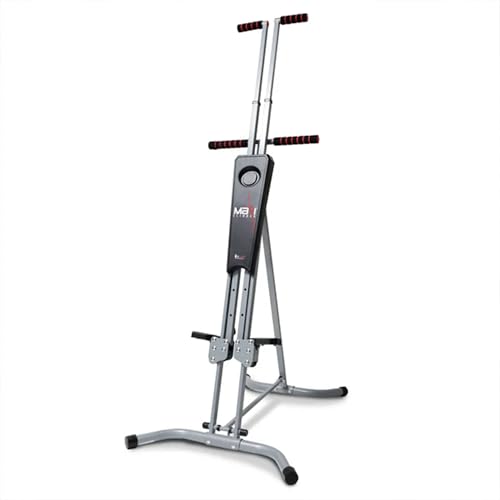
This is the original as-seen-on-TV MaxiClimber, and it's still a smart buy if you want to try vertical climbing without spending much. It uses your own bodyweight as the resistance rather than a hydraulic system, which keeps it cheap, light and dead simple: step on, grab the bars, climb. It's adjustable for height, supports users up to 136kg, and folds flat enough to slide under a bed or into a cupboard when you're done. For a first climber, it does the core job well.
Bodyweight-only resistance is both its appeal and its ceiling. It's easy to set up and gets you sweating fast, but once you're fitter you can't add load, so you'll be climbing faster rather than harder to progress. Some owners also note it can feel a touch wobbly if it's not on a firm, level floor, and the plastic parts are basic. As a low-cost way in, or for anyone who just wants steady full-body cardio, it's genuinely good value.
Check price on Amazon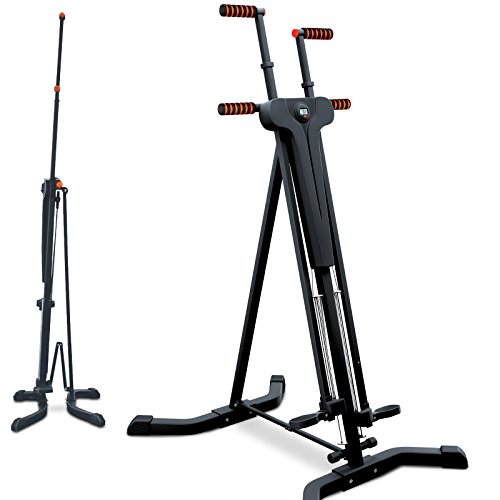
If you'd rather one machine did two jobs, the Sportstech VC300 is the pick. Its clever party trick is a folding hinge that lets you switch between two modes: upright as a full vertical climber, or angled forward as a stepper for a more leg-focused, lower-intensity session. That flexibility is genuinely useful, letting you do hard climbing intervals one day and gentler stepping the next, and it comes from a well-regarded German fitness brand with a multifunction display to track your effort. Max user weight is 120kg, and it folds for storage.
The two-in-one design is the reason to buy it and also its main compromise. The changeover takes a moment and the hinge mechanism adds a little complexity that a single-purpose climber doesn't have, so read the instructions before your first session. It also tends to cost more than the classic MaxiClimber. But if you want variety, or you share it with someone who prefers stepping to climbing, the extra versatility is worth it.
Check price on AmazonFor a small category, the choice is refreshingly clear:
Whichever you choose, start short. These machines feel far harder than they look, so give yourself 10 to 15 minute sessions to begin with and build from there. If you want a gentler or more familiar cardio option to alternate with, a stepper or cross trainer covers that ground.
Yes. A vertical climber makes you push and pull your own bodyweight through a climbing motion, so it works your legs, glutes, back, shoulders and arms at once while pushing your heart rate up fast. Because so many big muscles are involved, you reach a hard cardio effort quickly, which is why a climber session feels tougher than the same minutes on an exercise bike. It's low impact too, with no pounding through your knees.
They can, as part of the picture. A climber burns a lot of calories for the time because it's a full-body, high-effort movement, and combining that with a sensible diet is what drives weight loss. No machine burns fat on its own, and the calorie figures printed on the box tend to be optimistic. Used consistently, several sessions a week, a vertical climber is an efficient way to get hard cardio done in a small space.
It depends what you want. A vertical climber is more compact, much cheaper, folds away, works your upper body too and spares your joints the impact of running. A treadmill lets you walk or run at a pace you control, suits longer steady sessions, and is easier for absolute beginners. For a small flat and short, intense full-body cardio, the climber wins. For everyday walking and running, the treadmill does.
For most people they're gentle on the knees because the motion is smooth and low impact, with no jarring like running. Your feet stay planted on pedals and you climb through a controlled range. That said, the deep, repeated knee bend doesn't suit everyone, so if you have knee problems, keep your steps shorter, start slow, and stop if anything pinches. Check with a physio first if you're recovering from a knee injury.
Start with 10 to 15 minutes, because the full-body effort is deceptively hard and you'll be surprised how quickly you're out of breath. Work up to 20 to 30 minutes as you get fitter, or use it for short intervals: climb hard for 30 to 60 seconds, rest, repeat. A few focused sessions a week beats one long grind. Little and often is how you build the habit with these.
The best squat racks in the UK for 2026, compared on weight rating, height range and spotters. Cheap squat stands, half racks and a full cage for home gyms at every budget.
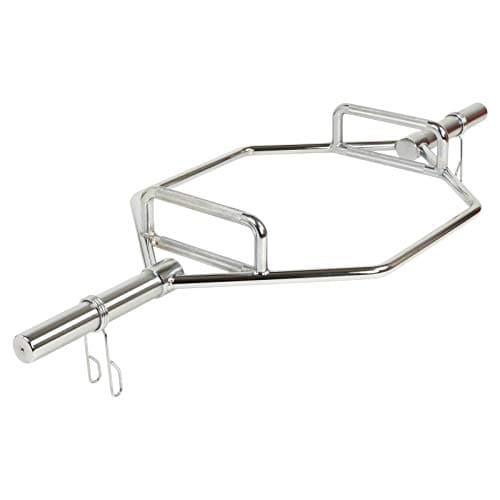
The best trap bars and hex bars in the UK for 2026, for home and garage gyms. Honest picks for deadlifts, shrugs and farmer's carries, from budget 1 inch shrug bars to premium open frames.
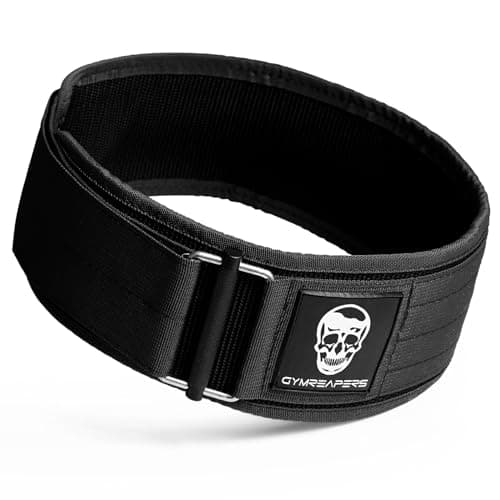
The best weight lifting belt for UK lifters in 2026, from an £18 leather belt to a 13mm lever belt. Thickness, buckle type and sizing compared for squats and deadlifts.
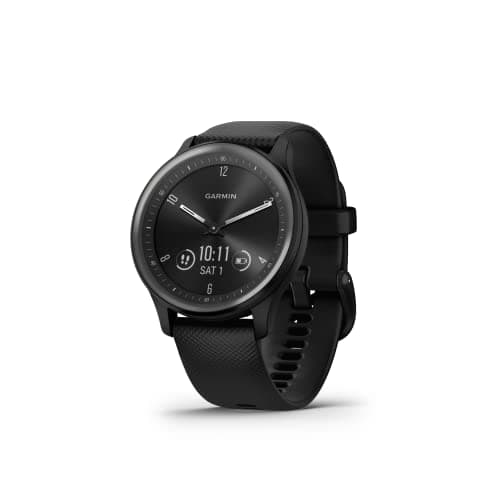
Garmin vivomove Sport review for UK buyers: analogue hands over a hidden OLED, Body Battery and Pulse Ox at £150, but no GPS, no Garmin Pay and a tiny screen.
Best Exercise is a participant in the Amazon EU Associates Programme, an affiliate advertising programme designed to provide a means for sites to earn advertising fees by advertising and linking to Amazon.co.uk. As an Amazon Associate we earn from qualifying purchases. This comes at no extra cost to you and never influences our independent reviews or rankings.