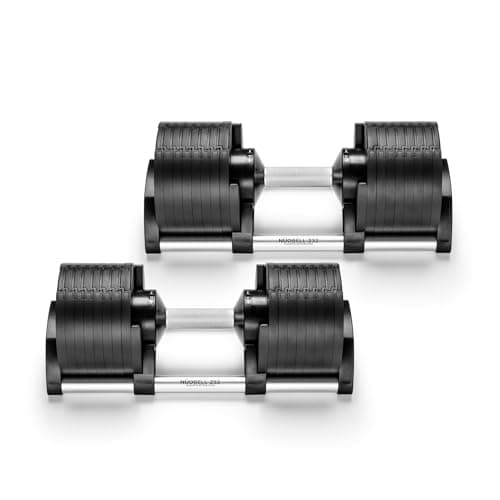
Home Gym
Best Adjustable Dumbbells UK: 6 Top Picks for 2026
The best adjustable dumbbells in the UK for 2026, from quick-dial sets to heavy 40kg and 50kg options. Budget to premium picks researched and ranked.

By Jack Atkins, Home Gym Equipment Specialist · Updated 27 June 2026
We may earn a commission from qualifying purchases made through links on this page, at no extra cost to you. This never affects our ratings.
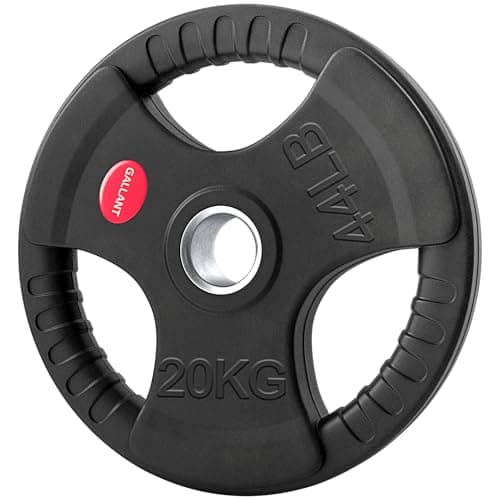
Weight plates are the part of a home gym that quietly decides everything else: how much you can lift, how loud your sessions are, and whether your floor survives. Get the right ones and a barbell turns into a full strength gym in the corner of a garage or spare room. This guide covers the weight plates worth buying on Amazon UK in 2026, across rubber tri-grip, cast iron and Olympic bumper plates, with honest notes on bore size, accuracy, bounce and floor protection so you spend once and spend right.
How we chose
We researched the most popular and best-reviewed Olympic (2 inch) weight plates on Amazon UK rather than long-term testing every set ourselves. We weighed up bore size, build quality, coating, weight accuracy, bounce and value per kilo, reading owner reviews, manufacturer specs and expert round-ups. Prices and stock change often, and many plates are sold as singles or pairs rather than full sets, so always check the current listing, quantity and price before you buy.
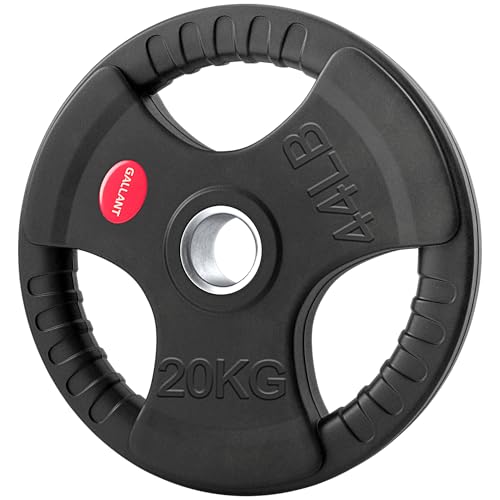
The Gallant tri-grip plates are the ones most home lifters should start with. They are rubber-coated cast iron with three moulded hand holes, so they are easy to pick up off the floor, carry two at a time and load onto the bar without trapping your fingers. The 2 inch Olympic bore fits any standard power bar, and the rubber coating cuts the metallic clang of bare iron while protecting your floor from the worst of the knocks.
They suit anyone building a squat, bench and deadlift setup who lowers the bar under control rather than dropping it from overhead. Sold in pairs across weights from 1.25kg up to 20kg, so you can build the exact set you need. The honest cons: the rubber smell is noticeable for the first week or two, these are not true bumpers so they should not be dropped repeatedly from height, and the printed weight markings can wear with heavy use. For everyday strength training, though, they are excellent value and the plate we would point most people to first.
Check price on Amazon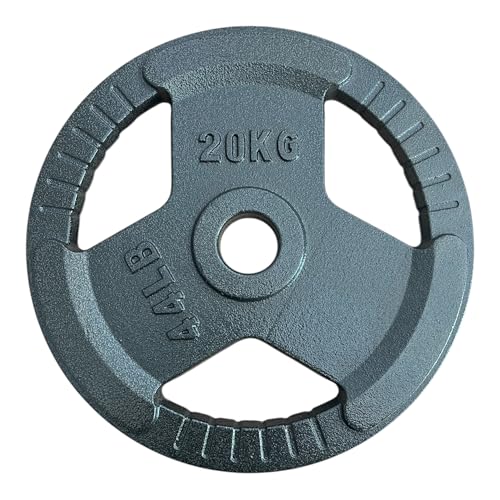
If you want the most weight for your money and the least fuss, bare cast iron is the answer. The Chase Fitness tri-grip plates are solid cast iron with a hammertone finish and three grip holes, and a 2 inch Olympic bore. Because there is no rubber bulking them out, they are slim on the bar, so you can load a lot of weight on a standard sleeve before you run out of room, which matters once your deadlift gets heavy.
These suit strength lifters chasing big squats, presses and deadlifts on a solid floor or rubber matting. Available from 1.25kg up to 25kg, usually as singles, so check the quantity in the title before buying. The trade-offs are the classic cast iron ones: they are loud, the bare metal can chip a hard floor or laminate if you drop them, and the finish can mark over time. They also need a mat under them to keep the peace at home. For pure cost-per-kilo and a compact loaded bar, nothing beats good cast iron.
Check price on Amazon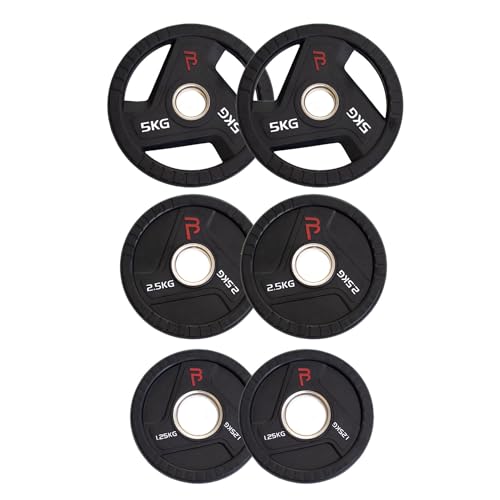
When you train early or late and the rest of the house would rather you did not, rubber covered plates are the diplomatic choice. This BodyPower kit is 17.5kg of rubber tri-grip plates in one box, a pair each of 1.25kg, 2.5kg and 5kg, every one of them on a 2 inch Olympic bore with textured grips. The rubber takes the ring out of bare iron when you load and unload, and it is kinder to your floor and to the bar sleeves than plain cast iron.
It suits anyone in a flat, a terraced house or a shared garage who wants to dampen noise without going all the way to full bumpers, and it doubles as the small-plate set that actually lets you add weight session by session. The honest cons: the kit tops out at 5kg a side, so it is a companion to your heavy plates rather than a replacement, and despite the tri-grip name BodyPower notes that the 1.25kg and 2.5kg plates are whole plates without the grip cut-outs, so only the 5kg pair has handles. The rubber carries an odour at first too, and rubber plates are thicker than bare iron, so they eat more sleeve space. For controlled lifting where noise and floor protection matter, it hits a sensible middle ground.
Check price on Amazon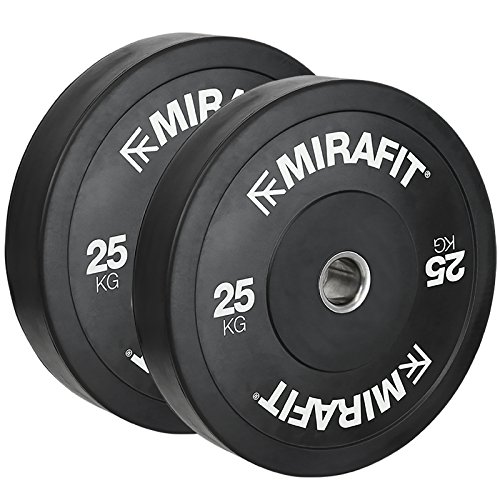
Once you start dropping the bar from the hip or overhead, you need bumper plates, and the Mirafit black bumpers are a strong, well-priced entry point. These are solid rubber with a stainless steel centre ring and a 2 inch Olympic bore, built to be dropped repeatedly without cracking and to spread the impact so your floor and the plate both survive. Every plate is a uniform 45cm diameter to meet the IWF standard, so a 5kg and a 20kg sit at the same height and the bar always loads level.
They suit Olympic lifters, CrossFit-style training and anyone deadlifting from the floor who wants to lower the bar fast. Sold in pairs from 5kg up to 25kg. The honest cons: solid rubber bumpers have more bounce than premium crumb plates, so the bar can hop after a drop, the rubber smell is real out of the box, and like all bumpers they are thicker than iron so you fit less total weight on the bar. Pair them with proper matting and they are a brilliant home-gym workhorse.
Check price on Amazon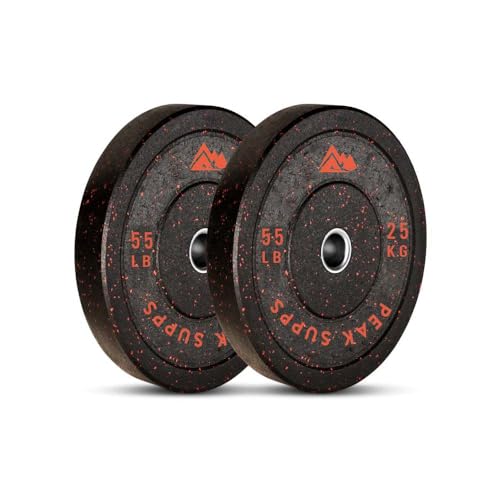
For the most serious dropping, Hi-Temp crumb rubber bumpers are the gold standard, and the Peak Supps plates bring that build to a sensible UK price. Instead of solid rubber, they are made from recycled crumb rubber moulded under heat, which gives a low, dead bounce so the bar stops quickly after a drop rather than skipping across the garage. A wide steel insert at the 2 inch bore takes the load off the rubber, which is what lets these handle heavy, repeated drops in a CrossFit or weightlifting setting.
They suit garage CrossFit boxes, Olympic lifters and anyone who drops weight all session and wants the quietest, most controlled landing. Usually sold as singles so you can build precisely the set you need. The catch is mostly cosmetic and practical: crumb plates are thick, so a heavily loaded bar fills up fast, the flecked black finish is a love-it-or-not look, and they are the priciest type here per kilo. If you train hard and drop often, the dead bounce and durability are worth it. To house a full setup, see our home gym hub.
Check price on AmazonA few things separate good plates from a frustrating purchase, so it pays to know them before you click buy.
The wider point is that the plates themselves are the easy bit. The NHS recommends strength training the major muscle groups on at least two days a week, and a barbell loaded with the right plates is one of the most efficient ways to hit that, building muscle and protecting bone density as you age.
The right plates come down to whether you drop the bar, how much you care about noise and your budget per kilo. Here is the quick version:
One safety note that applies to all of them: load the bar evenly, use collars, and never drop iron or rubber-coated iron plates from height, because they are not built for it. Pair your plates with a sturdy power cage and a good bar and you have a complete strength setup for years. Plates and a bar cover the heavy compounds well and the accessory work badly, which is where the best adjustable dumbbells earn their place: one pair replaces a rack of fixed bells for pressing, rows and lunges.
For most home lifters the Gallant Rubber Coated Tri-Grip Olympic Weight Plates are the best all-round choice. The tri-grip handles make loading and carrying easy, the rubber coating protects your floor and keeps noise down, and they fit any 2 inch Olympic bar. If you regularly drop the bar overhead, switch to bumper plates instead.
Bumper plates are made of solid or crumb rubber and are designed to be dropped from overhead without damaging the floor or the plate. Cast iron plates are denser, take up less space on the bar for the same weight, and cost less per kilo, but they are loud, can chip your floor and should never be dropped. Choose bumpers for Olympic lifting and CrossFit, cast iron for squats, presses and deadlifts where you lower the bar under control.
Olympic weight plates have a 2 inch (50mm) bore, so they fit standard Olympic barbells and most home power bars. Standard plates have a smaller 1 inch (25mm or 30mm) hole and only fit cheaper standard bars. Every plate in this guide is 2 inch Olympic, which is the size you want for a serious home setup.
It varies, so always read the listing carefully before you buy. Many Amazon UK plates are sold as a pair (x2), some as singles, and some as full sets. The product titles usually state the quantity in brackets, for example (x2) or (20kg x 1). Working out the price per kilo across a few options is the quickest way to spot real value.
If you use bumper plates or drop the bar at all, yes. A layer of horse-stall matting or interlocking gym tiles protects your floor, dampens noise and stops plates cracking. Even with cast iron that you lower under control, a mat saves your concrete or laminate from chips. See our gym flooring guide for what works on different surfaces.
A common starter set is around 60kg to 100kg of plates plus a 20kg Olympic bar, which covers most beginners through their first year. A typical mix is a pair each of 1.25kg, 2.5kg, 5kg, 10kg and a pair or two of 20kg. Buy the small fractional plates too, because adding 2.5kg total each session is how progressive overload actually works.
The best adjustable dumbbells in the UK for 2026, from quick-dial sets to heavy 40kg and 50kg options. Budget to premium picks researched and ranked.
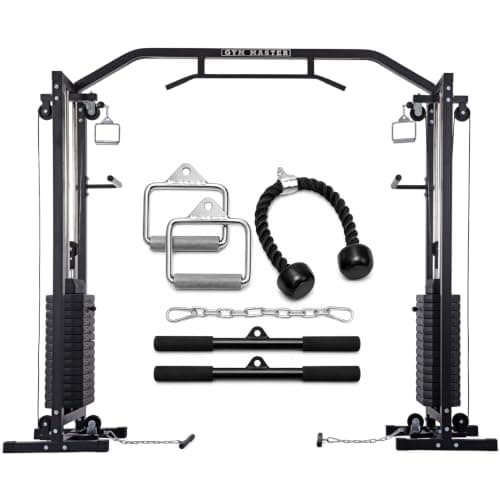
The best cable machines in the UK for 2026, from dual cable machines and functional trainers to wall-mounted and folding designs. Honest picks for any home gym and budget.
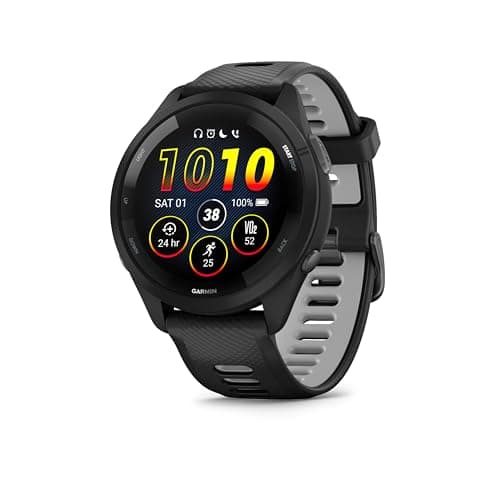
The best Garmin watch for most UK buyers in 2026 is the Forerunner 265, but not for everyone. Five models compared honestly, from the £162 Forerunner 165 to the fēnix 8.
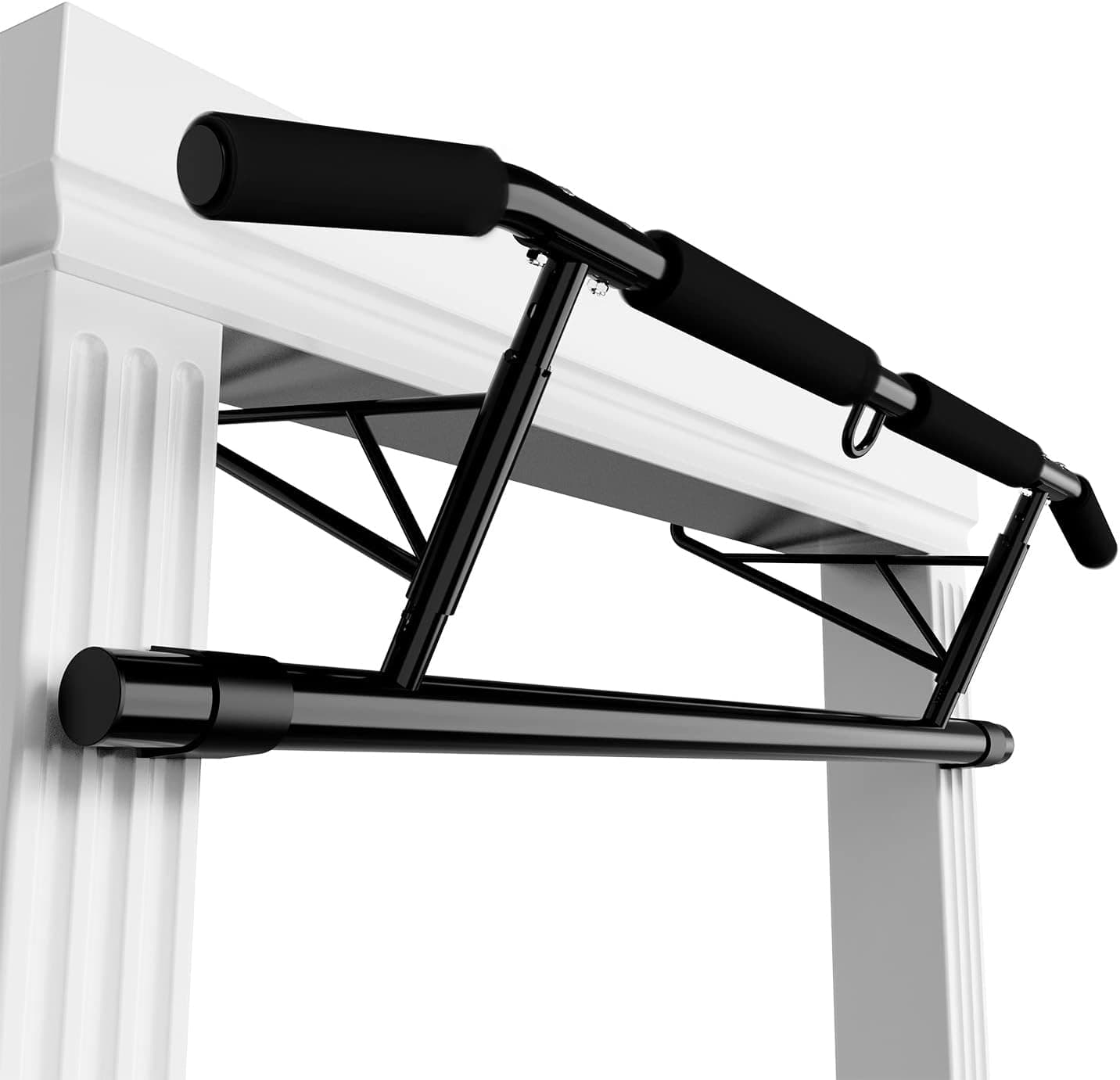
The best pull up bars in the UK for 2026: no-drill doorway bars, wall mounted pull-up bars and free standing power towers, with frame sizes, weight ratings and honest picks for every budget.
Best Exercise is a participant in the Amazon EU Associates Programme, an affiliate advertising programme designed to provide a means for sites to earn advertising fees by advertising and linking to Amazon.co.uk. As an Amazon Associate we earn from qualifying purchases. This comes at no extra cost to you and never influences our independent reviews or rankings.