Home Gym
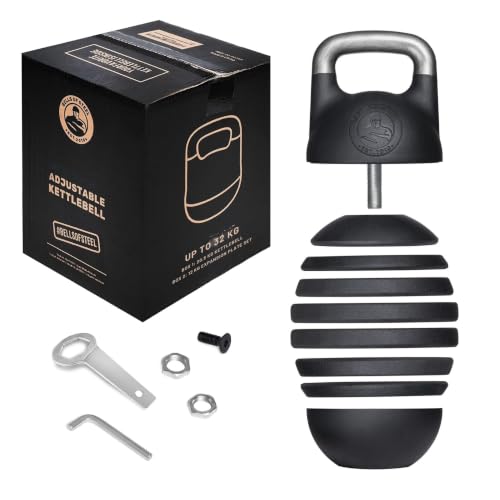
Bells of Steel Adjustable Kettlebell Review: One Bell, 12 to 32kg
Bells of Steel adjustable kettlebell review: the 12 to 32kg competition shell, 0.5kg steps, 35mm handle, tool-based weight swaps and who it suits.

By Jack Atkins, Home Gym Equipment Specialist · Updated 7 November 2026
For most people building muscle at home, dumbbells are the better buy: they come in finer weight jumps, cover more exercises and work properly on a bench. Kettlebells win if your priority is ballistic conditioning, meaning swings, cleans and snatches, plus grip strength, and plenty of people end up owning both.
That's the short answer. The longer one depends on how the weight sits in your hand, what you'd pay per kilo, and how much floor space you've got, so here's how the two compare on each.
A dumbbell puts its load evenly either side of your hand. The centre of mass sits right in your grip, so the weight goes exactly where your hand goes. That's why dumbbells feel stable for presses, rows and curls, and why you can control them through slow, strict reps.
A kettlebell's centre of mass sits below and in front of the handle, roughly where the ball is. That offset changes three things:
So the kettlebell isn't a worse dumbbell, or a better one. It's built for a different job.
| Dumbbells | Kettlebells | |
|---|---|---|
| Cost per kg (fixed, UK) | Around £2 to £4 per kg for rubber hex | Around £2 to £3.50 per kg for cast iron |
| Typical load jumps | 2kg to 2.5kg | 4kg (8, 12, 16, 20, 24kg) |
| Exercise range | Very wide: bench presses, flyes, rows, curls, raises, lunges, squats | Narrower but unique: swings, cleans, snatches, Turkish get-ups, goblet squats |
| Bench work | Excellent | Awkward for most presses and flyes |
| Space | A pair, or a rack for a full set | One or two bells on the floor |
| Learning curve | Low; most moves are intuitive | Higher for ballistics; swings and snatches need coaching |
| Best for | Muscle, strength, isolation work | Conditioning, power endurance, grip |
The load jump row matters more than it looks. Going from 12kg to 16kg is a 33% jump, which is manageable on a two-handed swing and brutal on a one-arm overhead press. Dumbbells let you go 12kg, 14kg, 16kg, which is how most people keep progressing for months without stalling.
Cost per kilo looks similar, but you need more iron with dumbbells, because you're usually buying in pairs. Our breakdown of whether adjustable dumbbells are worth it works through that: a full run of fixed hex pairs from 2.5kg to 25kg comes to roughly £550 to £1,100, which is why most home lifters go adjustable.
The small amount of research comparing kettlebells with traditional lifting backs up the split above. In a six-week study of 30 young men, one group did traditional weightlifting and heavy resistance work (power cleans, high pulls, back squats) while the other did kettlebell swings and goblet squats. Both groups got stronger and more powerful, but the weightlifting group's back squat strength rose by significantly more, and there was no difference in vertical jump (Otto et al., 2012).
Kettlebells aren't a dead end, though. A separate six-week trial had men do 12-minute bouts of swings (30 seconds on, 30 seconds off, with a 12kg or 16kg bell) twice a week. Half squat strength rose by 9.8% and vertical jump by 19.8%, with no significant difference from a jump squat power training group (Lake and Lauder, 2012).
Read together: if maximum strength is the goal, heavier, progressively loaded lifting wins, which at home means dumbbells (or a barbell). If you want power and conditioning from a short session with one piece of kit, swings deliver. Both studies were small and used young men, so treat them as a pointer, not the final word.
Match the purchase to your main goal.
You want to build muscle or general strength: buy adjustable dumbbells. They cover chest, back, shoulders, arms and legs, and the small jumps keep you progressing. Add a weight bench and you've got most of a gym.
You want fitness and fat loss from short sessions: a single kettlebell is hard to beat. Swings, goblet squats and presses in a 15 to 20 minute circuit give you strength and conditioning together. Our guide to what weight kettlebell to use helps you pick the starting size.
You train for a sport or want a stronger grip: kettlebells. Cleans and snatches build hip power and the kind of grip endurance that carries over to climbing, rowing and combat sports.
You're short on space and money: one kettlebell takes up less room than anything else and costs around £30 to £50 at 16kg. It won't do everything, but it does a lot.
You want both: start with dumbbells, then add one kettlebell around 12kg to 16kg for swings. That pairing covers nearly every home workout you'll find.
Both come in adjustable forms, and they're not equally good.
Adjustable dumbbells are mature. Dial sets like the EnterSports 20kg pair move in 2kg steps from 2kg to 20kg, and the Bowflex SelectTech 552 runs from 2.27kg to 23.8kg across 15 settings, with 2.5lb jumps lower down. One pair replaces a rack of fixed weights, and the length penalty only bothers you on a few moves like flyes.
Adjustable kettlebells involve more compromises. The handle and shell have to stay the same size whatever the weight, so light settings feel bulky, and some dial models have big gaps, such as the BowFlex SelectTech 840's 11kg to 16kg leap. Plastic shells also aren't built for being dropped or for hard snatches. The best option for ballistic work is a steel shell with plates bolted inside, like the one in our Bells of Steel adjustable kettlebell review, which goes from 12kg to 20.5kg in small steps. Our adjustable kettlebell guide compares the main designs side by side.
If you're only going to own a couple of kettlebells, fixed cast iron is often cheaper and tougher than an adjustable one. The adjustable route pays off when you'd otherwise buy four or more bells. Our pick of the best kettlebells in the UK covers both.
Dumbbells, for most people. They come in smaller weight jumps (usually 2kg to 2.5kg against 4kg for kettlebells), they suit far more isolation and bench exercises, and you can hold a pair evenly for presses, rows and curls. Kettlebells can build muscle too, but progressing them in 4kg steps gets awkward on upper-body work.
Neither burns fat on its own; your diet and total training volume do that. Kettlebells make high-rep conditioning easier, because swings, cleans and snatches flow from rep to rep without you having to set the weight down. If you enjoy circuits, a kettlebell makes them more efficient. If you'd rather lift and walk, dumbbells work just as well.
You can, holding one end of the dumbbell with both hands, and it's fine for light, occasional sets. It isn't as comfortable or as safe at heavier loads, because the dumbbell head can rotate in your grip and the plates on adjustable dumbbells may rattle or loosen. If swings are a regular part of your training, buy a kettlebell.
Most beginners should buy a pair of adjustable dumbbells first. They cover pressing, rowing, squatting, lunging and arm work with small, steady weight increases. Add a single kettlebell (around 12kg to 16kg for many men, 8kg to 12kg for many women) once you want swings and conditioning in your week.
The number on the scale is the same, but they don't feel the same. A kettlebell's centre of mass sits several inches below and away from the handle, so it pulls harder on your wrist and shoulder in presses and swings in a wide arc. A dumbbell's weight sits right in your hand. Expect a kettlebell press to feel harder than the same dumbbell press.
Bells of Steel adjustable kettlebell review: the 12 to 32kg competition shell, 0.5kg steps, 35mm handle, tool-based weight swaps and who it suits.
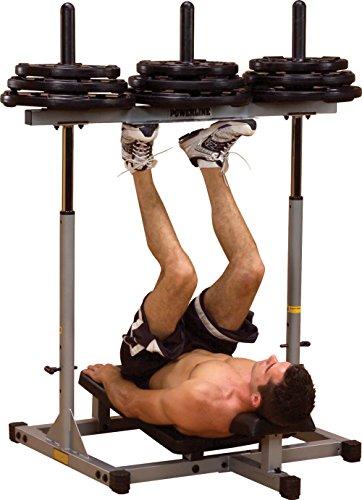
Body-Solid Powerline VLP156 vertical leg press review: 400lb capacity, 1-inch plate posts, 35kg frame, small footprint and who it really suits in the UK.
How long should a skipping rope be? A height to rope length chart in cm and feet, the stand-on-it test, and how to shorten an adjustable rope properly.
How to clean a yoga mat properly: a 30-second after-class wipe, a weekly clean and a deep clean, plus what's safe for PVC, TPE, natural rubber, PU, cork and cotton mats.
Best Exercise is a participant in the Amazon EU Associates Programme, an affiliate advertising programme designed to provide a means for sites to earn advertising fees by advertising and linking to Amazon.co.uk. As an Amazon Associate we earn from qualifying purchases. This comes at no extra cost to you and never influences our independent reviews or rankings.