Home Gym
Best Adjustable Dumbbells UK: 6 Top Picks for 2026
The best adjustable dumbbells in the UK for 2026, from quick-dial sets to heavy 40kg and 50kg options. Budget to premium picks researched and ranked.

By Jack Atkins, Home Gym Equipment Specialist · Updated 25 October 2026
A lat pulldown machine is a seated station with a high pulley, a cable and a weight source that lets you pull a bar down to your chest to train your back, and for a home gym the sensible buy is usually a freestanding plate-loaded lat and low row station, roughly £110 to £250 in the UK. Wall-mounted towers cost less and save floor space; selectorised stacks are lovely but cost several times more and weigh a lot more. Before you pick one, measure your ceiling, check the cable ratio and confirm the low-row seat works, because those three things decide whether you'll actually enjoy using it.
This page is about the machine as a piece of equipment. If you want the exercise technique, our lat pulldown form guide covers grip, cues and programming, and the lat pulldown attachment guide explains bars, handles and rack add-ons. We haven't tested these machines hands-on; what follows comes from manufacturer spec sheets, Amazon listings and the patterns that come up again and again in owner feedback.
Strip any lat machine down and you find the same handful of parts. A tall frame holds a high pulley above the seat, a cable runs from that pulley down to the resistance, and a padded roller (the thigh restraint) pins your legs so you don't lift off the seat once the weight gets heavier than you are.
The resistance is where machines split. Plate-loaded designs have a loading pin, often with a sleeve that takes both 1-inch and 2-inch Olympic plates; selectorised machines carry their own rectangular weight stack and you move a pin to choose the load. Most home stations add a low pulley and a foot bar so the same cable does seated rows, and some throw in a crunch harness or a curl attachment.
That's the whole idea. Everything else, from the seat padding to the bar holder at the top, is detail, and the detail is what separates a machine you'll use for years from one that rattles itself loose by spring.
This is the classic home lat machine: a self-supporting frame, a seat with a thigh pad, a high pulley, a low pulley and a plate pin on the back. No wall fixings, so it suits renters and garages with breeze-block walls you'd rather not drill.
The GYM MASTER lat pulldown machine is a typical example. GYM MASTER lists it at 203.5cm tall with a 60.5cm by 141cm footprint, a 130kg plate capacity (65kg per side of the loading pin, which accepts 1-inch and 2-inch plates), a 150kg maximum user weight, and a lat bar, row bar and ab crunch vest in the box. It was £199.99 and in stock when we checked.
Check price of the GYM MASTER lat machineOwners of this style of station tend to report the same trade-offs: assembly takes an afternoon, the cable needs re-tensioning after the first few weeks, and the rear plate pin means you need clear space behind the machine to load it.
A selectorised machine carries its own guided stack of plates, usually in 5kg steps, and you change the weight by moving a pin. It's the gym experience at home: fast changes, a smooth guided stack, and no plates scattered on the floor.
The catch is cost and mass. Home stack machines start at roughly £600 and climb well past £1,500, the stack alone can weigh 70kg to 100kg, and delivery often means a pallet and a two-person job to get it through a hallway. Worth it if you train with a partner and swap weights constantly, or if you hate loading plates. Overkill for most.
A wall tower bolts to a solid wall and puts a high and low pulley on a slim vertical frame, with a plate-loading carriage that slides up and down. There's usually no integrated seat; you kneel, use a bench or sit on the floor.
The Gorilla Sports wall-mounted lat tower is one of the cheapest established options, listed at 191cm high, 102cm wide and 75cm deep at the top (54cm at the bottom), with a claimed 300kg maximum load. It was £119.99 and in stock when we checked. Treat any big load claim on a wall unit as a figure for the steel, not for your wall: the fixings and the wall itself set the real limit, so solid brick or concrete with proper anchors is non-negotiable. Plasterboard isn't an option.
Check price of the Gorilla Sports lat towerIf you already own a power rack, a pulley kit that bolts to the top crossmember is the cheapest way to get a pulldown, and it takes no extra floor space. The fit (upright size, hole spacing, cable length) is the whole game here, and we cover it in detail in the attachment guide. Some racks ship with the pulley already built in, such as the SportNow power cage with cable pulley.
A crossover has two adjustable pulley columns rather than one fixed high pulley, so a lat pulldown is just one of dozens of things it does: flyes, face pulls, single-arm rows, woodchops. Budget plate-loaded crossovers start around £200, and the better home ones run to £600 and beyond. The GYM MASTER cable crossover is one we've reviewed, and our best cable machine UK roundup compares the rest.
The downside for pulldowns specifically: many crossovers lack a seat and thigh pad, so you'll need to kneel or buy a separate pad, and the pulleys sit wider apart than on a dedicated lat station.
| Type | Typical footprint | Weight changes | Rows too? | Best for | Rough UK price |
|---|---|---|---|---|---|
| Freestanding plate-loaded | About 60cm by 140cm | Plates on a pin | Yes, low pulley and foot bar | Most home gyms, renters | £110 to £250 |
| Selectorised stack | About 100cm by 150cm, very heavy | Pin in a stack | Usually | Busy home gyms, shared use | £600 to £1,500+ |
| Wall-mounted tower | Under 1m deep | Plates on a carriage | Yes, but no seat | Small rooms with solid walls | £100 to £150 |
| Rack-mounted attachment | No extra floor space | Plates on a pin | Often, with foot plate | People who already own a rack | Cheapest, varies by rack |
| Cable crossover | About 150cm to 200cm wide | Plates or stacks | Yes, plus much more | People who want one machine for everything | £200 to £600+ |
Take the listed height and add a margin. The frame has to be stood up during assembly, which needs more clearance than its finished height, and on some designs the top pulley or carriage moves near the ceiling. Many home lat stations sit between about 190cm and 210cm, so a standard 2.4m room usually works; a garage with a steel beam, a cellar or a sloping loft ceiling might not. Measure the lowest point where the machine will go, not the middle of the room.
A 1:1 cable means the bar feels like the weight on the pin. A 2:1 cable halves what you feel but doubles the cable travel, which suits lighter, smoother work and lower ceilings. Neither is wrong, but you need to know which you're buying: a 2:1 machine needs twice the plates for the same pulldown load, so a "130kg capacity" figure means something very different on each.
These are two separate numbers and listings mix them up. Plate capacity is how much you can load on the pin; maximum user weight is what the seat and frame will hold with you on it. For most people pulling and rowing at home, a plate capacity of 100kg or more is plenty on a 1:1 cable. If you row heavy, look for 130kg or more, and if you're a big lifter, check the user weight specifically.
The thigh restraint should adjust vertically and lock firmly. Once you pull more than about half your bodyweight, a loose or badly placed pad lets you rise off the seat and turns the pulldown into a heave. Fixed-height pads are the most common complaint on cheaper stations from both short and tall owners.
The footprint on the listing is the steel, not the space you need. Add room to load plates (often behind the machine), room to sit and step in, and room to store the long lat bar, which is usually 100cm to 120cm wide. On a freestanding station that typically means a clear area of about 1m by 2m.
Most lat stations double as a seated row, but how well they do it varies. You want a solid foot bar or plate to brace against, a seat that doesn't slide, and a low pulley positioned so the cable runs roughly level with your stomach when you sit. A machine with a poor low row is really half a machine, so check the photos for the foot bar before buying. Our seated cable row guide shows the position you're aiming for.
Sealed-bearing pulleys run quieter and last longer than plain nylon wheels. Look for a coated steel cable, a powder-coated frame, and a swivel at the cable end so the bar doesn't spin. If a listing doesn't mention the cable or pulley spec at all, owners' reviews will usually tell you whether it squeaks.
Prices drift with stock and sales, so treat these as rough bands from what's listed on UK retailers in autumn 2026 rather than fixed figures:
Don't forget the plates. A plate-loaded machine with nothing on it is a coat stand, and buying 60kg to 100kg of plates can cost as much as the machine; our weight plates guide covers what's worth buying.
Set the thigh pad so your legs fit snugly underneath, stand to take the bar with an overhand grip a little wider than your shoulders, then sit and wedge your thighs in. Pull your shoulder blades down first, then drive your elbows towards your ribs until the bar reaches your upper chest, and let it rise slowly until your arms are straight. The full technique, grip choices and a sets and reps plan are in our lat pulldown exercise guide.
For the low row, move to the low pulley, brace your feet on the foot bar and pull the handle to your stomach with a tall chest. Two or three back sessions a week fits the NHS advice to do muscle-strengthening activity on at least two days a week, and a machine is as good a way to do that as free weights: a 2023 meta-analysis of 13 studies found no difference in strength or muscle growth between free-weight and machine training when compared directly, with gains tending to be specific to whichever you trained on.
If you can't yet do pull-ups, or you want to train your back with loads you can adjust in small steps, yes. A pull-up bar costs a fraction of the price and trains the same muscles, though, so if you can already knock out sets of 8 or more, the machine is a nice upgrade rather than a necessity; our lat pulldown vs pull-up comparison goes into that choice properly.
For most home gyms, our pick of type is a freestanding plate-loaded lat and low row station: it covers vertical and horizontal pulling, needs no wall, and costs less than a decent rowing machine. Go wall-mounted only if floor space is truly tight and you've got solid masonry, and save the selectorised budget for when you know you'll use it four days a week. More kit ideas are on our home gym hub.
It's a station with a high pulley, a cable and a resistance source (weight plates or a pin-selected stack) that lets you sit under a bar and pull it down to your chest. A thigh pad holds you in the seat. Most home versions also have a low pulley for seated rows, curls and pushdowns.
Check the machine's listed height and add at least 10cm to 15cm for assembly and for the plates or top pulley moving. Many home lat stations stand between about 190cm and 210cm, so a standard UK room of around 2.4m usually works, but a garage with a low beam or a loft conversion may not.
Plate-loaded is better value for most people because the machine is cheaper, lighter to deliver and uses plates you probably already own. A selectorised stack is quicker to change weight and quieter, but it costs several times more, weighs far more and is harder to get through a doorway.
Roughly £100 to £150 for a wall-mounted tower, £110 to £250 for a freestanding plate-loaded lat and low row station, £200 to £600 for a budget plate-loaded cable crossover, and from around £600 up into four figures for a home machine with its own weight stack. Rack-mounted pulldown attachments sit at the cheap end if you already own a rack.
Yes. A machine lets you set the load below your bodyweight, so it's the easier way to train the same muscles if you can't do a pull-up yet. Plenty of lifters keep both, using pull-ups for bodyweight strength and the machine for controlled extra volume.
For most home users, a plate capacity of 100kg or more is plenty for pulldowns and rows, especially on a 1:1 cable. Strong lifters who row heavy should look for 130kg or more and also check the separate maximum user weight for the seat, which is a different figure.
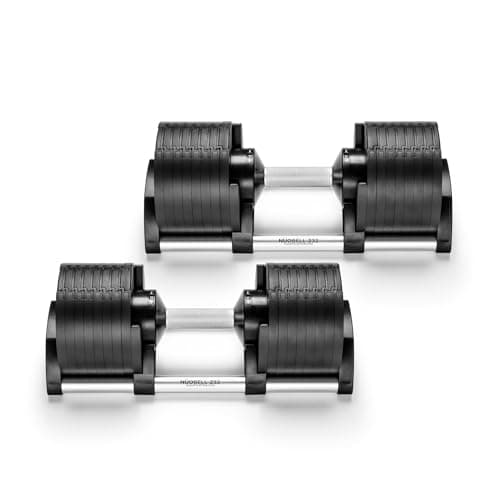
The best adjustable dumbbells in the UK for 2026, from quick-dial sets to heavy 40kg and 50kg options. Budget to premium picks researched and ranked.
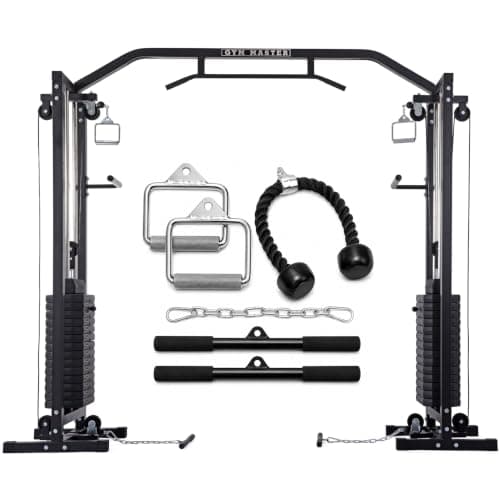
The best cable machines in the UK for 2026, from dual cable machines and functional trainers to wall-mounted and folding designs. Honest picks for any home gym and budget.

The best Garmin watch for most UK buyers in 2026 is the Forerunner 265, but not for everyone. Five models compared honestly, from the £162 Forerunner 165 to the fēnix 8.
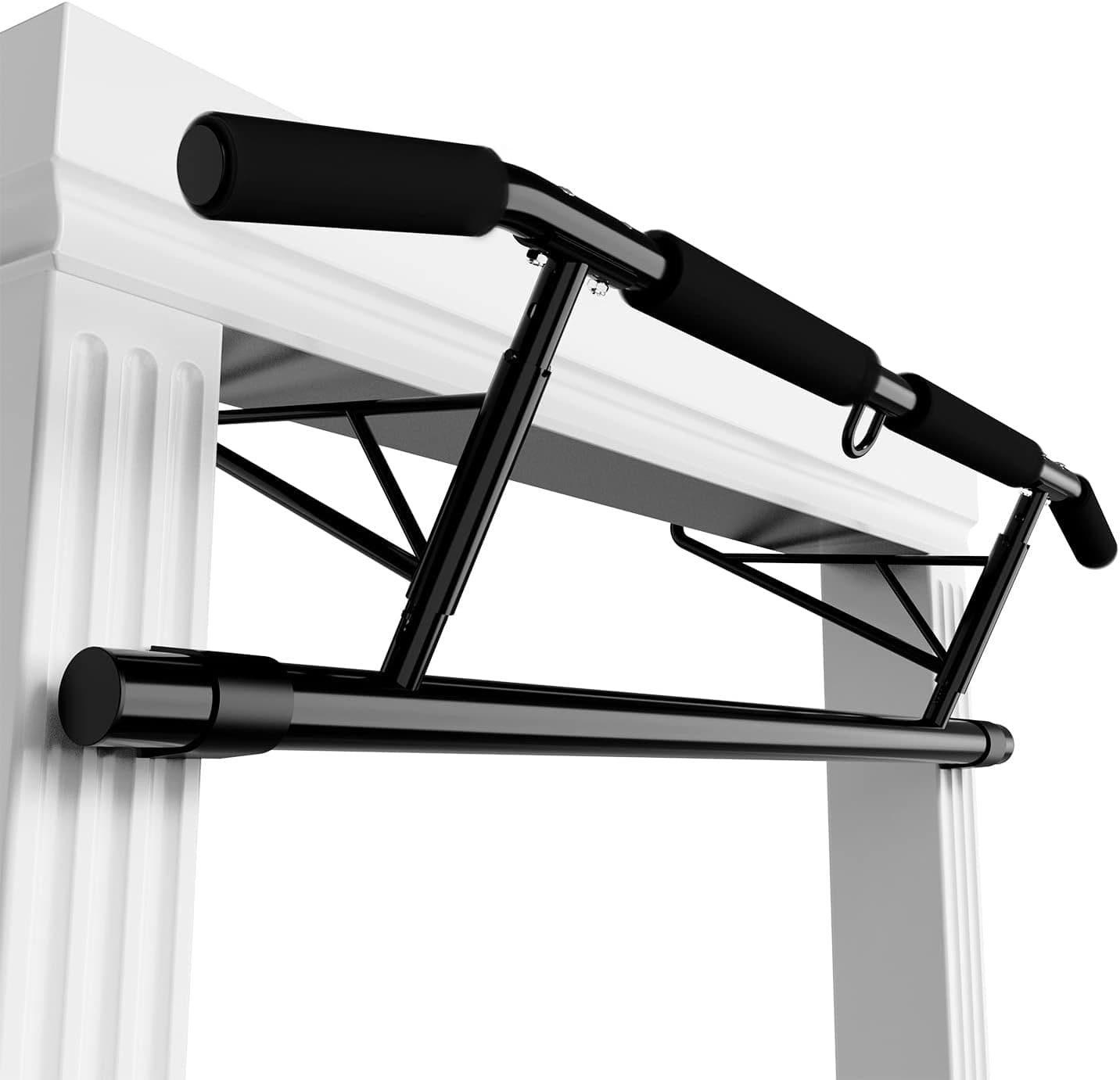
The best pull up bars in the UK for 2026: no-drill doorway bars, wall mounted pull-up bars and free standing power towers, with frame sizes, weight ratings and honest picks for every budget.
Best Exercise is a participant in the Amazon EU Associates Programme, an affiliate advertising programme designed to provide a means for sites to earn advertising fees by advertising and linking to Amazon.co.uk. As an Amazon Associate we earn from qualifying purchases. This comes at no extra cost to you and never influences our independent reviews or rankings.