Home Gym
Adjustable Kettlebell: Is One Worth Buying? Types, Pros and Cons
Is an adjustable kettlebell worth it? The main designs, weight jumps, how they cope with swings and snatches, cost per kg versus fixed bells, and what to buy.

By Jack Atkins, Home Gym Equipment Specialist · Updated 14 November 2026
We may earn a commission from qualifying purchases made through links on this page, at no extra cost to you. This never affects our ratings.
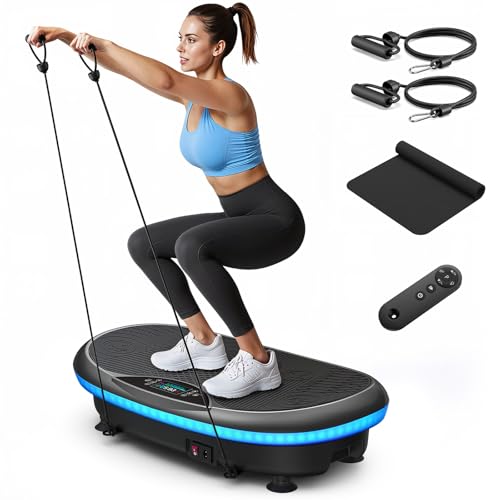
The MERACH CV55 is a solid triple-motor vibration plate at a fair price, and it's held back mostly by a product listing that promises far more than any vibration plate can deliver. For around £180 you get three motors rated at 440W combined, 7 movement modes, 120 speed levels, 5 preset programmes, a remote, a Bluetooth speaker, resistance bands and a 200kg user limit. That's a generous spec for the money. What it won't do is give you "deep fat burning" in 10 minutes a day, and you should go in knowing that.
We'd call it a good buy for older users, people returning to exercise and anyone who wants a low-impact way to add leg and balance work at home. If you're hoping the plate does the work for you, keep your money.
How we review
We haven't tested the CV55 in person. This review is built from MERACH's published specifications and Amazon listing, the patterns that come up repeatedly in owner feedback, and comparison with the other vibration plates we've covered. We also checked the health claims against published systematic reviews on whole-body vibration. Prices and specs were correct when we wrote this and can change.
The CV55 suits someone who'll use a plate several times a week as part of a routine: a 10-minute session of squats, calf raises and static holds, or a gentle loosen-off for stiff legs after a walk. The research case for vibration training is strongest in older adults, so a 60-plus buyer looking for something easy on the joints is close to the ideal owner.
It's a poor fit if you already lift or run regularly and want a real training stimulus, or if you're buying it to lose weight without changing anything else. Our are vibration plates worth it guide goes into that question in more depth.
At 67 x 39 x 16cm the CV55 has a smaller footprint than the big premium plates, and the low height is the practical win. You can push it under a sofa between sessions, which matters more than it sounds: a plate you have to haul out of a cupboard tends to stop being used. The 16.5kg weight is manageable for most people to slide around, though not something you'll want to carry up and down stairs every day.
The LED display shows time, speed and mode, and the remote covers the same controls. That's the feature we'd least want to do without. Bending down to press buttons mid-squat on a shaking platform is awkward, and for older users it's a balance risk.
The extras are a mixed bag. Resistance bands clip on for rows and curls while you stand on the plate, and they're useful if you want an upper-body element. The Bluetooth speaker and LED ambient lights are fine, but nobody gets fitter from mood lighting, and you probably already own something that plays music.
| Motors | 3 independent motors, 440W combined |
|---|---|
| Vibration modes | 7 (up-and-down, side-to-side and wave combinations) |
| Speed levels | 120 |
| Preset programmes | 5 |
| Max user weight | 200 kg |
| Dimensions | 67 x 39 x 16 cm |
| Weight | Approx 16.5 kg |
| Controls | LED display and remote control |
| Extras | Bluetooth speaker, LED ambient light, resistance bands, anti-slip pads |
| Price at time of writing | £179.99 |
Most budget plates use one motor to tilt the platform side to side like a seesaw (oscillation). The CV55 adds two more motors, which lets it produce vertical up-and-down movement and a rolling wave pattern, then mix them across 7 modes. Owners tend to describe the multi-motor plates as feeling busier and more varied underfoot than single-motor ones, which is the real benefit here. Some people prefer the gentler vertical setting for standing work and the oscillating one for a stronger, more rhythmic feel through the legs.
Now the "300% higher performance than single-motor models" line. MERACH doesn't say what was measured, and three motors adding up to 440W tells you about power draw, not about what happens to your muscles. What matters for training effect is how far the platform moves (amplitude) and how fast (frequency), and MERACH doesn't publish either figure for the CV55. That makes it impossible to say whether it vibrates harder than our top-pick single-motor MERACH plate, which lists a 13mm amplitude.
The 120 speed levels fall into the same category. Nobody can feel the difference between level 67 and level 68. In practice you'll find two or three settings you like and stick to them, or use the 5 preset programmes, which ramp intensity up and down for you.
The listing talks about toning, slimming, deep fat burning and improved circulation. Here's what the research says.
Weight and fat loss: not on its own. A 2025 meta-analysis of 20 randomised trials with 585 participants found vibration training alone had no significant effect on body weight, BMI, fat mass or body fat percentage. The over-50s saw a small drop in body fat percentage (about 1.8 points) compared with younger people, but that's a long way from the results the marketing implies.
Leg strength in older adults: yes, modestly. A systematic review and meta-analysis of 34 studies in older adults found whole-body vibration improved lower-limb strength, particularly in the knee and ankle muscles, compared with doing nothing. It didn't beat other forms of exercise, and it made no measurable difference to upper-body strength, leg power or muscular endurance. The authors also flagged that most of the included studies were low quality.
Bone density: some evidence in postmenopausal women. A 2023 meta-analysis in postmenopausal women found significant effects on bone mineral density at the lumbar spine and hip, with the best evidence for high-frequency, low-magnitude vibration used regularly over time. That's a specific protocol and population, and it doesn't replace the weight-bearing and resistance exercise the NHS recommends for bone health.
So the fair summary is: a vibration plate can help older and less active people build some leg strength and possibly support bone density, roughly in line with doing simple exercise. It's a convenient, low-impact way to do that exercise. It isn't a shortcut around it.
Treat the platform as a place to exercise, not just stand. Bodyweight squats, split squats, calf raises, glute bridges with your feet on the plate and forearm planks all work well, and our vibration plate exercises guide sets out a full routine. Keep your knees soft. Locking them sends the vibration straight up towards your head, which is the most common reason people feel dizzy or get a headache on these machines.
Start at a low speed for 5 minutes and build towards 10 to 15 minutes, three or four times a week. Longer sessions don't add much, and the preset programmes all sit within that range anyway.
At £180 the CV55 sits in a sensible spot. It costs roughly double a basic plate like the Werara (around £80) and less than a third of the LifePro Rumblex 4D Pro (around £588). Against that premium plate, the CV55 gives you the same three-motor idea and a higher 200kg weight limit for far less money, though the Rumblex has a much wider platform and a bigger accessory bundle. Our LifePro Rumblex 4D Pro review covers what the extra cash buys.
The Bluefin 4D vibration plate is the closest like-for-like rival, with three motors, a remote, speakers and resistance cords, but a lower 150kg limit and a curved shape that doesn't store as neatly. If you don't care about multiple modes, MERACH's own single-motor Whole Body plate is our top pick in the best vibration plate UK round-up and covers the basics for less.
See the MERACH CV55 on Amazon UK£179.99Not by itself. A 2025 meta-analysis of 20 randomised trials found vibration training alone made no significant difference to body weight, BMI or fat mass. The CV55 can make squats, lunges and planks feel harder and gets you moving at home, but your diet and total activity will decide whether you lose weight.
MERACH uses it to describe the mix of up-and-down, side-to-side and wave motions the three motors produce, which it splits into 7 vibration modes. It's a marketing label rather than a technical standard. In practice it means more variety in how the plate moves under your feet than a single-motor oscillating plate gives you.
MERACH lists a 200kg maximum user weight. That's higher than the 150kg limit on the Bluefin 4D and covers nearly everyone. The plate itself weighs about 16.5kg and measures 67 x 39 x 16cm, so it's slim enough to slide under a bed or sofa.
It has more going on: three motors instead of one, 7 movement modes, ambient lighting and a remote. Whether that's better for you depends on use. If you mainly want to stand on a plate for 10 minutes and do a few squats, MERACH's single-motor Whole Body plate (our top pick in the best vibration plate guide) does that job for less.
Skip whole-body vibration if you're pregnant, have a pacemaker or other implanted device, have had recent surgery, a recent fracture or deep vein thrombosis, or have epilepsy, severe osteoporosis, or joint and spinal problems. If you have any medical condition, ask your GP first.
Is an adjustable kettlebell worth it? The main designs, weight jumps, how they cope with swings and snatches, cost per kg versus fixed bells, and what to buy.
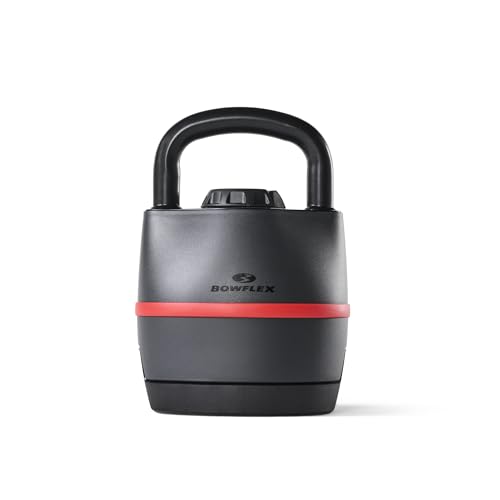
BowFlex SelectTech 840 kettlebell review: 3.5 to 18kg across 6 dial settings, the 11 to 16kg gap, bulky plastic shell, base needed to adjust, and who should buy.
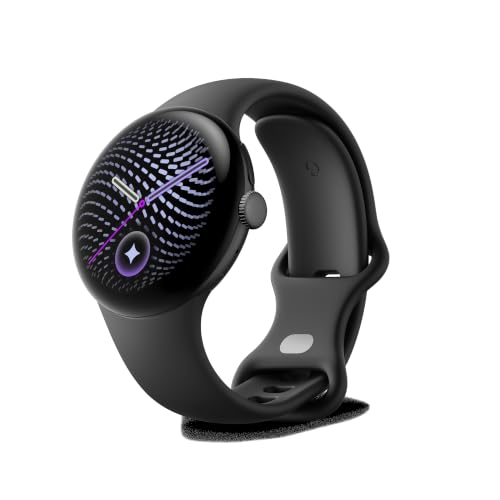
Google Pixel Watch 5 review: dual-frequency GPS, 40 hour battery, readiness, sleep score and Gemini coaching for £329. Where it still loses to a Garmin.
How much is a reformer pilates machine? UK prices run from about £220 for a folding cord model to £3,500 for studio kit. Real prices by tier, Nov 2026.
Best Exercise is a participant in the Amazon EU Associates Programme, an affiliate advertising programme designed to provide a means for sites to earn advertising fees by advertising and linking to Amazon.co.uk. As an Amazon Associate we earn from qualifying purchases. This comes at no extra cost to you and never influences our independent reviews or rankings.