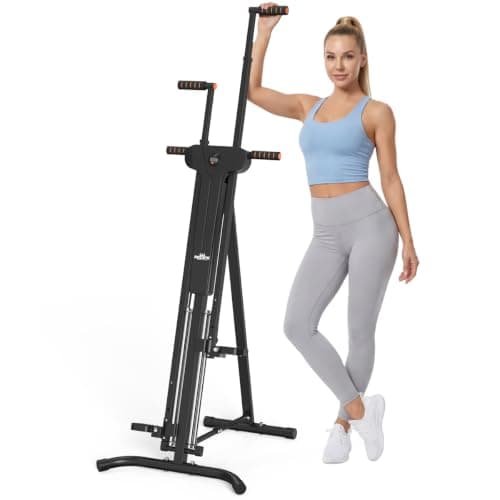
The Relife vertical climber is a folding stair stepper and climbing machine selling on Amazon UK for £515.88 at the time of writing, with only three left in stock. On paper it does the basics properly: four metal guide rails, a 150kg (330 lb) user limit, five step levels and a frame that folds against a wall. The problem is the price. A few days before we checked, the same listing was showing around £573, and similar folding climbers from other brands (and from Relife itself) sell for a fraction of either figure, so this review is mostly about whether anything here justifies the premium.
Our short answer is that we can't find it. The listing is thin, there's no named resistance mechanism, and the warranty is just a year.
How we review
We haven't tested the Relife climber hands-on. This review is based on desk research: the Amazon UK listing and its published specs, the product data Amazon returns for this ASIN, owner feedback patterns where they exist, and a price comparison against other vertical climbers currently in stock. Where the listing is vague, we say so rather than fill the gaps with guesses.
Relife builds the climber around four metal guide rails, which is more than the twin-rail layout on many cheap climbers, and it includes a tube of lubricating grease so you can keep the carriages running smoothly. The pedals are angled inwards slightly (Relife calls it a "radian design") to keep your centre of gravity close to the frame and stop the machine tipping outwards as you climb.
The five levels need some unpacking. Relife's own description is that levels 1 to 2 simulate jogging, 3 to 4 running, and level 5 rock climbing, and that they function like resistance levels. Nowhere does it mention springs, a hydraulic cylinder or a magnetic brake, though. Our reading is that these are step-height or range-of-motion settings: a longer stroke means a bigger knee bend and a longer arm pull per rep, which does make the work harder, but you're still only moving your own bodyweight. That's how the classic MaxiClimber works too, and it's a far cry from a machine with true adjustable drag.
There's also no console mentioned anywhere in the listing. No LCD, no step counter, no calorie readout. If you want numbers, you'll be relying on a fitness watch.
Relife vertical climber key specs (from the Amazon UK listing)
Price at time of writing
£515.88 (seen at around £573 days earlier)
Max user weight
150 kg / 330 lb
Levels
5 (step height / range settings, per listing description)
Resistance mechanism
Not specified
Guide rails
4 metal rails, grease included
Console
None listed
Listed dimensions
Approx 162 x 60 x 21 cm (63.78 x 23.8 x 8.3 in), likely folded
Listed weight
Approx 13.6 kg / 30 lb
Folding
Yes
Warranty
1 year
Pros
150kg user limit is higher than many climbers
Four guide rails should help stability over a twin-rail design
Angled pedals keep your weight over the frame
Folds flat enough for a corner or under a bed, per the listing
Grease included for rail maintenance
Cons
£516 is several times the price of comparable folding climbers
No named resistance system; the 5 levels appear to be step-range settings
No console or tracking mentioned
Only a 1-year warranty at this price
Price has moved around (about £573 days before we checked) and stock is very low
Sparse listing with little owner feedback to go on
How it compares on price
This is where the Relife falls down. We checked live Amazon UK stock on 9 October 2026, and the alternatives aren't close.
The New Image MaxiClimber was £129.99. It's bodyweight-only, like the Relife appears to be, and it's the climber most UK owners start with. The REKA Fitness foldable vertical climber was £69.99 and adds an LCD monitor and an adjustable handrail, which is more feature detail than Relife gives you at seven times the money.
The comparison that stings most is Relife's own cheaper model. The Relife stair stepper climber was £69.59, and its listing describes three steel coil springs for resistance, two incline settings, three pedal angles, wide and narrow arm positions and an LCD that tracks time, reps, RPM and calories. We haven't tested either, but the £70 machine has the better-explained spec sheet, and that makes the £516 one very hard to justify on the information available.
Our best vertical climber UK guide covers what to look for, and the main thing it flags still applies: real adjustable resistance is what stops you outgrowing a climber in a few months. The Relife doesn't clearly offer it.
Who might still consider it
If you're heavier than 136kg and want a folding climber, the 150kg limit narrows the field and that's a legitimate reason to look at this one. The four-rail frame should also appeal to anyone who's found cheaper climbers wobbly. But even then we'd wait for the price to fall well below £300 before buying, because nothing in the listing points to a build that's worth more than double the mainstream options.
Is vertical climbing a good workout?
Yes, and that part isn't in dispute. Climbing loads your legs, glutes, back and arms in one movement, which is why your heart rate climbs so quickly. A 2026 study testing a climbing machine against a treadmill in 31 young men found it gave valid maximal oxygen uptake readings, with less than 10% average error against the treadmill (Frontiers in Physiology, Tianyu climbing machine study). In plain terms, a climbing motion can push your cardio system as hard as running.
Just don't expect miracles from a few minutes here and there. A UK Biobank analysis of more than 280,000 people found climbing over five flights of stairs a day at home was linked to a small reduction in premature death, but the authors stressed the effect was modest and probably not enough exercise on its own (UK Biobank stair climbing cohort). Proper sessions that count towards the NHS guideline of 150 minutes of moderate or 75 minutes of vigorous activity a week are what matter, and any climber, cheap or not, can deliver those.
If you'd rather build the same muscles without buying anything, mountain climbers and step-ups cover a lot of the same ground for free.
For most people, no. The four-rail frame, 150kg weight limit and folding design are all sensible, but folding climbers with similar features sell for roughly £70 to £200 on Amazon UK, and the listing doesn't name a resistance system, a console or anything else that would explain the gap. If the price drops sharply it becomes easier to recommend.
What do the 5 levels on the Relife climber do?
Relife says levels 1 to 2 feel like jogging, 3 to 4 like running and level 5 like rock climbing, and that they work like resistance levels. The listing never describes a damper, spring or hydraulic cylinder, though, so on a design like this the levels most likely change the step height or range of travel rather than adding drag. Longer strokes do make each climb harder, but that's not the same as adjustable resistance.
What is the weight limit on the Relife vertical climber?
The listing gives a maximum user weight of 330 lb, which is about 150kg. That's higher than many budget climbers, which often stop at 100 to 136kg, and it's one of the genuine plus points of this machine.
Does the Relife vertical climber fold?
Yes. Relife says it folds to store in a corner, under a bed or on a balcony. The listed dimensions of roughly 162 x 60 x 21cm look like the folded size, so check you have a slot about 1.6m tall before you buy.
What warranty does the Relife climber come with?
Relife quotes a one-year warranty and says it answers support emails within 12 hours. One year is short for a machine at this price, and it's the same cover you'd expect on a £70 stepper, so keep your proof of purchase.
Are adjustable dumbbells worth it? We run the UK numbers on cost and floor space against a fixed hex set, then cover dial, twist and spin-lock types, drop risk and who should skip them.
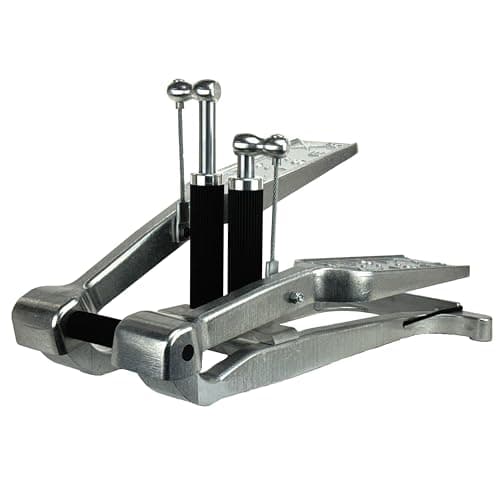
Our Xiser mini stepper review covers the cast alloy build, hydraulic resistance, sprint use and warranty, and explains who should save £500 and buy a cheap stepper instead.
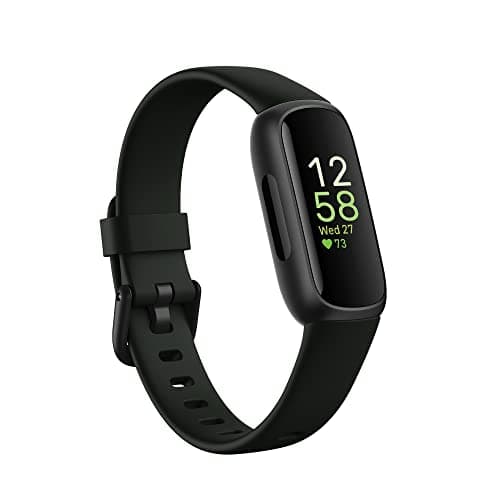
An honest Fitbit Inspire 3 review covering its AMOLED screen, 10-day battery, sleep and heart rate tracking, connected GPS, the Premium paywall and who should buy it.
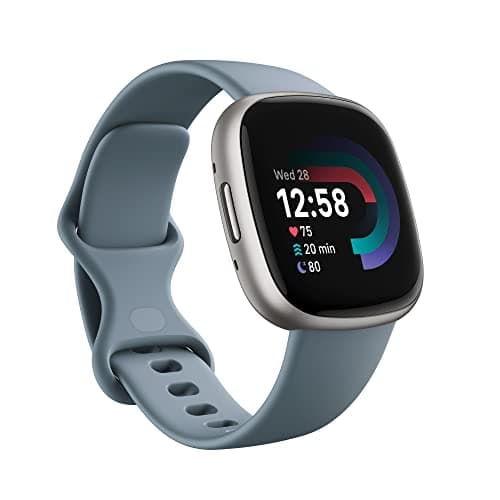
Our Fitbit Versa 4 review covers built-in GPS, 6+ day battery, Google Maps and Wallet, the lost third-party apps and Wi-Fi, and who should buy it at £179.
Best Exercise is a participant in the Amazon EU Associates Programme, an affiliate advertising programme designed to provide a means for sites to earn advertising fees by advertising and linking to Amazon.co.uk. As an Amazon Associate we earn from qualifying purchases. This comes at no extra cost to you and never influences our independent reviews or rankings.