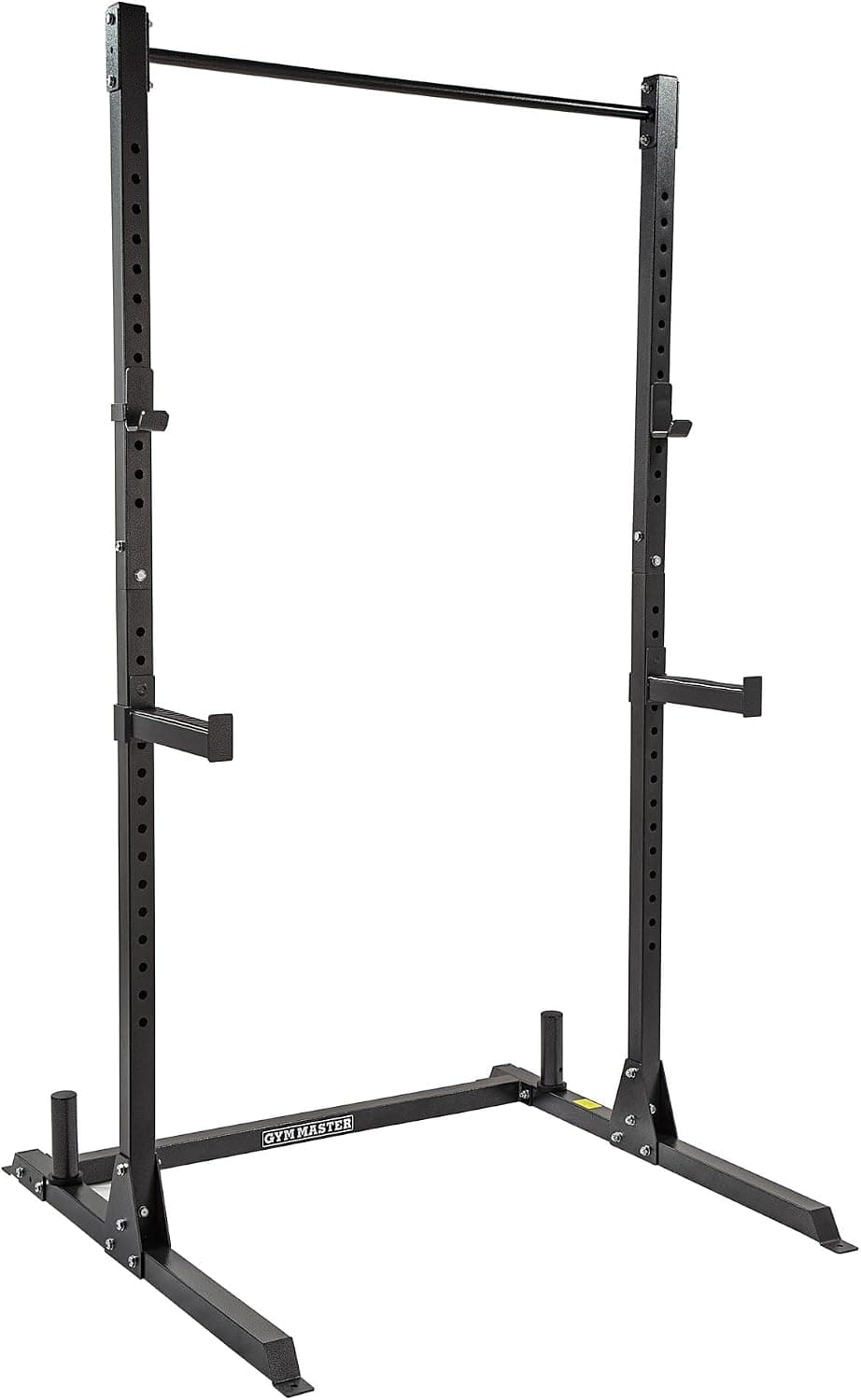
Home Gym
Best Squat Rack UK 2026: Squat Racks, Stands and Half Racks
The best squat racks in the UK for 2026, compared on weight rating, height range and spotters. Cheap squat stands, half racks and a full cage for home gyms at every budget.

By Jack Atkins, Home Gym Equipment Specialist · Updated 13 August 2026
We may earn a commission from qualifying purchases made through links on this page, at no extra cost to you. This never affects our ratings.
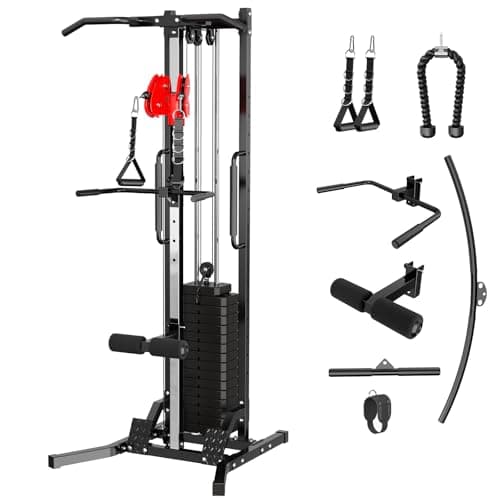
Cable machines used to be the thing you couldn't have at home. The JX FITNESS crossover is one of a wave of Chinese-built dual-stack units that changed that maths, and at around £430 it undercuts a commercial functional trainer by roughly an order of magnitude while offering more adjustment than the machines in a lot of budget gyms.
I've gone through the specification carefully, and the interesting story here isn't the weight stacks. It's the height.
How we review
This review is based on the manufacturer's published specifications, recurring themes in verified owner reviews on Amazon UK, and comparison against other home cable stations we have covered. We have not built and trained on this unit ourselves over a long period, so we report what is verifiable and what owners consistently report rather than inventing a hands-on test. Specifications and prices were correct at the time of writing.
Someone with a garage, a spare room or a converted outbuilding with real ceiling height, who trains alone, and who wants pressing, pulling and isolation work without a spotter. It suits bodybuilding-style training particularly well, because constant cable tension is where that style of work lives.
It's the wrong machine for a low-ceilinged loft, for anyone whose training centres on heavy barbell squats and deadlifts, and for people who want it built and usable the same afternoon.
At 224.15cm the frame needs about 230cm of clearance to stand up, and considerably more if you intend to use the pull up bar with your head above it. That's fine in a modern UK house with 240cm ceilings and fine in a purpose-built garden gym. It's a problem in an integral garage with a fitted up-and-over door track, and it's fatal in a loft conversion.
Measure floor to the lowest obstruction, not floor to the highest point of the ceiling. Light fittings, joists and garage door mechanisms are what actually stop these builds, and a return shipment of four heavy boxes is nobody's idea of a good weekend.
| Weight stacks | 2 x 70kg |
|---|---|
| Frame | 45x45mm and 50x50mm steel tube, H-shaped base |
| Dimensions | 102.2cm L x 97.8cm W x 224.15cm H |
| Pulley adjustment | 16 height positions |
| Dip handle | 5 height positions |
| Leg developer | 4 height positions |
| Attachments | Lat bar, straight bar, tricep rope, 2 handles, ankle strap, dip arm, leg developer |
| Delivery | 4 boxes, shipped separately |
| Price | Around £430 at the time of writing |
Two 70kg stacks reads as impressive, and it's genuinely more than the 45kg to 50kg stacks common at this price. What JX FITNESS doesn't publish is the pulley ratio, which is the number that determines what you feel at the handle.
Most home crossovers run a 2:1 arrangement, so a 70kg stack delivers around 35kg at each hand. Some run 1:1. Without a stated figure, the honest answer is that you should treat the 70kg as a stack weight and expect the effective resistance to suit flyes, rows, pulldowns, pushdowns and face pulls rather than heavy pressing. That's the same caveat we raised in our RIP X cable crossover review, and it applies across the category.
For most home training that's not a limitation. Cable work is where constant tension and controlled tempo matter more than absolute load, and research comparing chest-press variations with different stability demands found meaningful differences in muscle activity between stable and less stable setups even at matched relative loads (PubMed). Cables sit at the less stable end, which is part of why they feel harder than the number on the stack suggests.
Sixteen pulley positions per side is a lot. Cheaper machines give you eight, which sounds like plenty until you want a low-cable curl at exactly the right height, a mid-height face pull and a high cable fly, and find each one landing between two positions.
The dip handle offers five heights and the leg developer four, which turns the machine into something closer to a small multi-station than a pure crossover. Add the pull up bar and one frame covers vertical pulling, dips, leg extension and curl work, plus every cable movement.
Seven attachments included is generous. Most competitors ship a rope and two handles and let you buy the rest.
The frame is 45mm and 50mm thickened steel with an H-shaped base tying into stiffening tubes and vertical uprights, which is a sensible design for a machine that isn't bolted to a floor. Owners report it stays put during hard pulling, though as with any freestanding crossover you'll notice movement if you get aggressive with a heavy lat pulldown.
Assembly is the part to plan for. Four boxes shipping separately from a UK warehouse means checking that all four have arrived before you start, and delays on one box are a recurring complaint across this whole category of product. Budget an afternoon, get a second person for the uprights, and have a socket set rather than relying on the supplied Allen keys.
At around £430 it sits between the budget crossovers and the £600 plus machines. The Strongway cable crossover offers a bigger stack for similar money in a heavier frame, and the Gym Master cable crossover is another option worth comparing on footprint. Our best cable machine guide puts the category in order.
Progress on any of them comes down to loading sensibly and adding a little at a time, which is exactly what the ACSM sets out in its position stand on resistance training progression. A machine with 16 pulley heights and seven attachments gives you plenty of room to do that for years.
For the money it is one of the better-specified home cable stations on Amazon UK. You get dual 70kg weight stacks, 16 height positions per pulley, a pull up bar, a dip attachment, a leg developer and seven accessories, all in a 45mm and 50mm steel frame. The catches are physical rather than mechanical: it stands 224cm tall and arrives in four boxes that ship separately.
The frame itself is 224.15cm, so you need a genuine 230cm of clearance to build it and more if you plan to use the pull up bar, which puts your hands and head above the frame. A standard modern UK ceiling is around 240cm, so it fits many rooms but not most garages with a fitted door track, and not converted lofts with sloping ceilings. Measure before ordering.
Less than 70kg at the handle on most home crossovers, because the pulley arrangement typically halves the load you feel. JX FITNESS does not publish a pulley ratio, so treat 70kg as the stack weight rather than a promise about resistance at your hands. In practice most users find the effective load suits pressing, rowing and isolation work rather than heavy compound lifting.
Plan a full afternoon with two people, and expect closer to five or six hours if you are working alone. It arrives as four boxes shipped separately from a UK warehouse, so the first job is confirming all four have landed. The uprights are heavy and awkward to lift into position on your own.
Yes, there is an integrated pull up bar, and the H-shaped base with trapezoidal bracing keeps the frame stable enough for strict reps. Kipping or anything explosive is not a good idea on a home unit that is not bolted down. The dip attachment has 5 height positions, which is more adjustment than most machines in this class offer.
They do different jobs. A cable crossover is unbeatable for constant-tension isolation work, flyes, rows, pushdowns and pulldowns, and it is far kinder to train alone on. A squat rack with a barbell is the better buy if your priority is squatting, pressing and deadlifting heavy. If space and budget allow only one, pick the one that matches the training you will actually do.
The best squat racks in the UK for 2026, compared on weight rating, height range and spotters. Cheap squat stands, half racks and a full cage for home gyms at every budget.
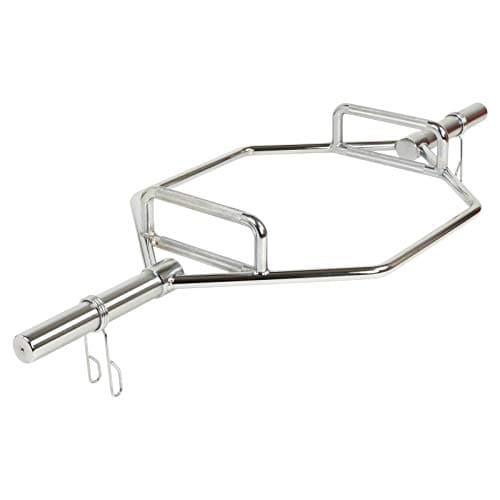
The best trap bars and hex bars in the UK for 2026, for home and garage gyms. Honest picks for deadlifts, shrugs and farmer's carries, from budget 1 inch shrug bars to premium open frames.
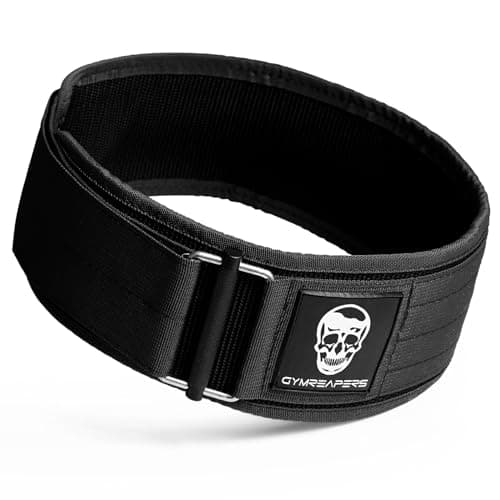
The best weight lifting belt for UK lifters in 2026, from an £18 leather belt to a 13mm lever belt. Thickness, buckle type and sizing compared for squats and deadlifts.
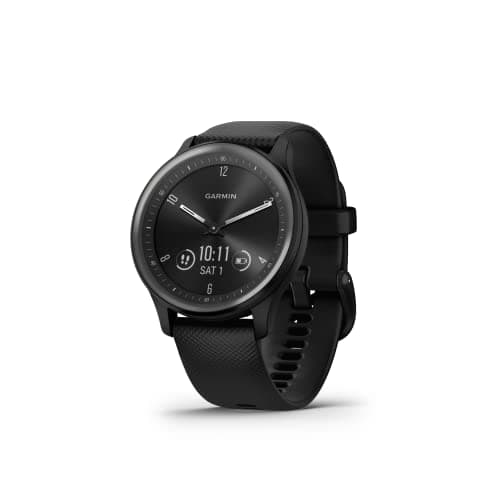
Garmin vivomove Sport review for UK buyers: analogue hands over a hidden OLED, Body Battery and Pulse Ox at £150, but no GPS, no Garmin Pay and a tiny screen.
Best Exercise is a participant in the Amazon EU Associates Programme, an affiliate advertising programme designed to provide a means for sites to earn advertising fees by advertising and linking to Amazon.co.uk. As an Amazon Associate we earn from qualifying purchases. This comes at no extra cost to you and never influences our independent reviews or rankings.