Treadmills
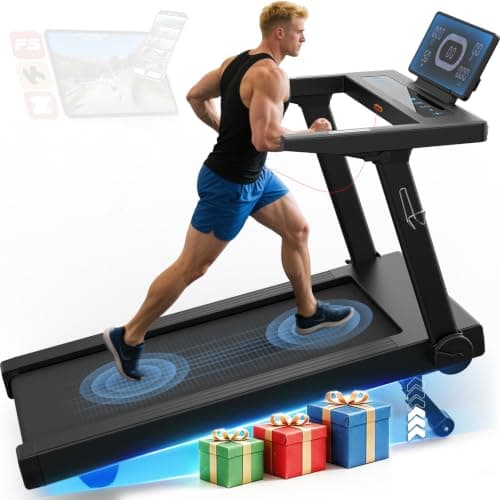
Cowmew Treadmill Review: 20% Incline, 20km/h and a Big Deck for £425
An honest Cowmew treadmill review: 20% auto incline, 20km/h, a 130 x 48cm deck and 180kg rating for £425, plus the 7HP and 40dB claims we doubt.
Hands-on treadmill reviews and buying guides for UK home gyms, from budget folding models to premium running machines.
Showing 62 of 62 results
An honest Cowmew treadmill review: 20% auto incline, 20km/h, a 130 x 48cm deck and 180kg rating for £425, plus the 7HP and 40dB claims we doubt.
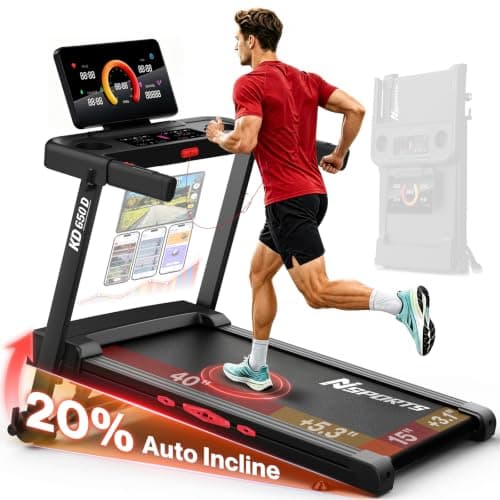
An honest Neezee treadmill review: 0 to 20% auto incline, 18km/h, a 46 x 115cm belt, 150kg rating and 5-year warranty for £350, plus the claims we doubt.
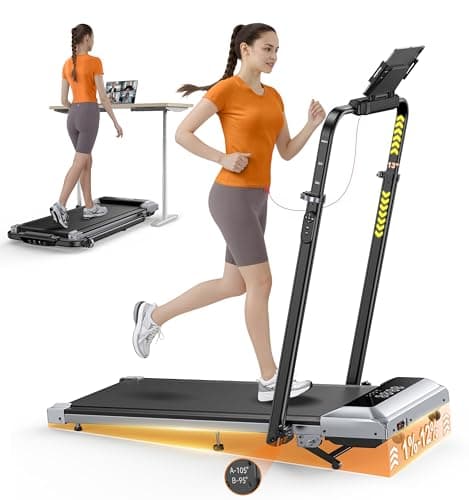
Our Toputure 12% incline walking pad review: manual 1/6/12% incline, 115cm handrail, 12km/h, 130kg limit and a 40x100cm belt, for £239.99 on Amazon UK.
Are walking pads worth it? Who they suit, the step and calorie gains from treadmill desk research, cost per use, noise, spec limits and when to buy a treadmill.
Can you run on a walking pad? Mostly no: most cap at 6km/h with short belts and no rails. Which 2-in-1 pads allow a light jog, and when to buy a real treadmill.
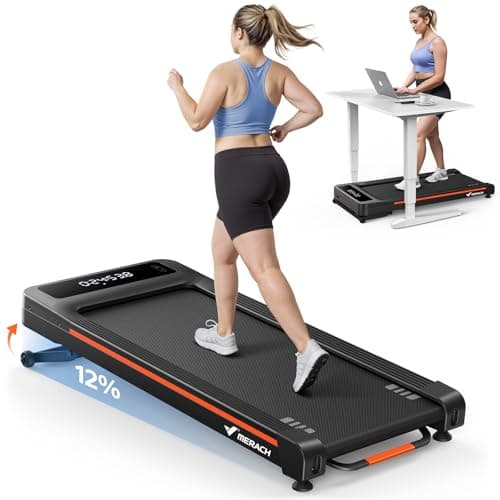
An honest MERACH 12% auto incline walking pad review: 400lb limit, 42cm belt, 6km/h top speed, no fold, no handrail, and why the sprint claims don't hold up.
Most walking pads take 100 to 120kg, mid-range models 120 to 136kg and heavy-duty pads 150 to 180kg. What the limit covers and how much headroom to leave.
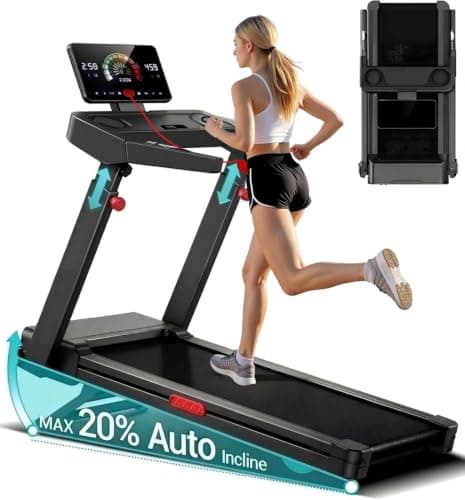
An honest CURSOR FITNESS treadmill review: 2 to 20% auto incline, 14km/h, a 40 x 107cm belt and a 180kg rating for £240, plus the claims we'd treat with care.
Convert treadmill speed to pace per km and per mile. Full km/h and mph chart with 5k and 10k times, the simple formula, and why treadmill pace feels easier.
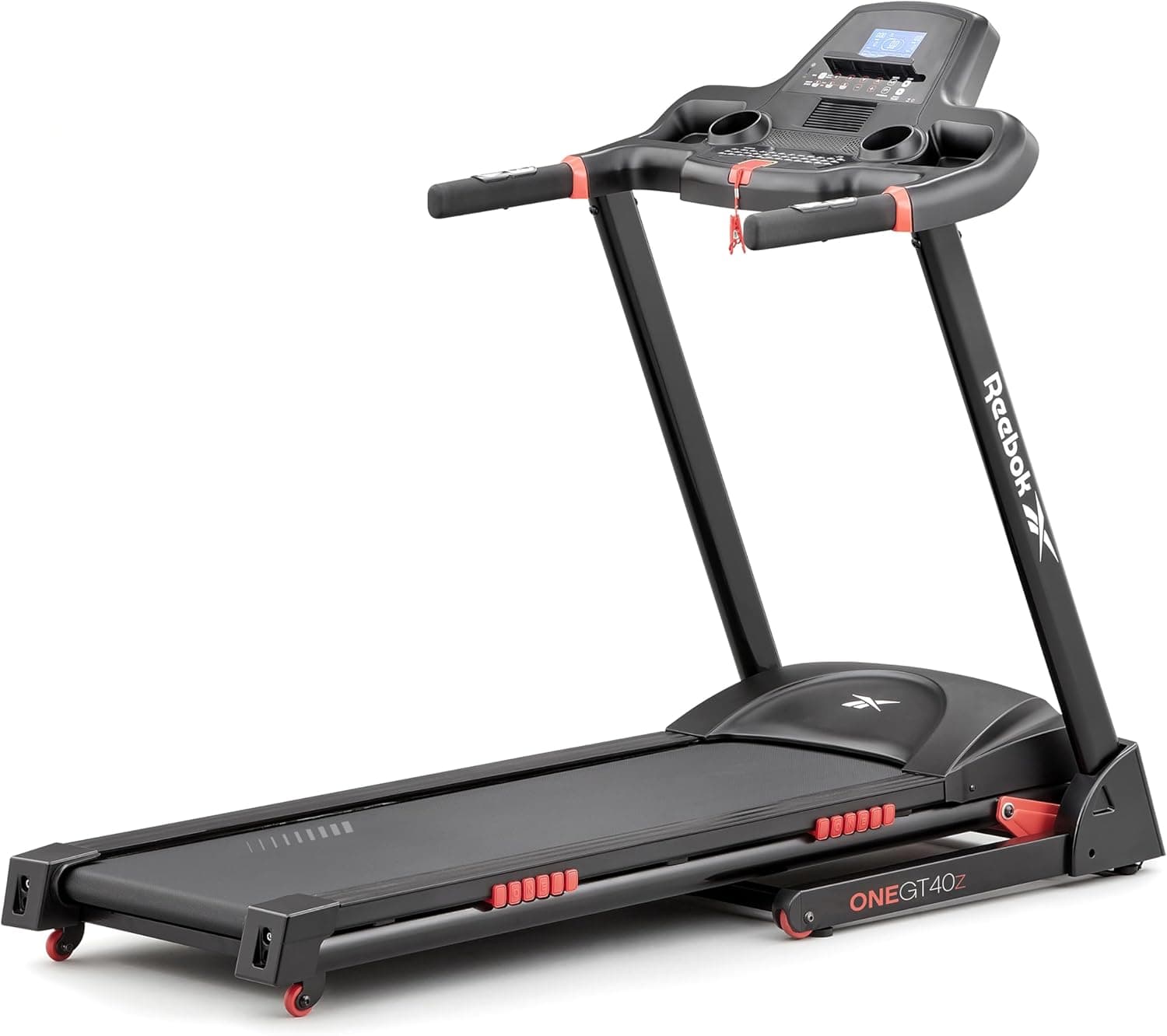
An honest Reebok GT40z treadmill review: 2.0HP motor, 18km/h, 12 incline levels, a 130 x 45cm deck, Zwift and Kinomap support, and the 110kg limit.
StairMaster vs treadmill compared honestly: Compendium MET values for calorie burn, joint impact, glute and quad work, the incline walking middle ground, and realistic home options.
How to lubricate a treadmill belt in 10 minutes: which 100% silicone lube to use, how often, signs it's dry, step-by-step instructions and mistakes to avoid.
Yes, you can put a treadmill on carpet, but a firm mat matters, especially on deep pile. How to choose a treadmill mat for carpet: size, thickness and material.
Fartlek training explained: what speed play is, how it differs from interval training, and easy outdoor and treadmill sessions with real times and paces.
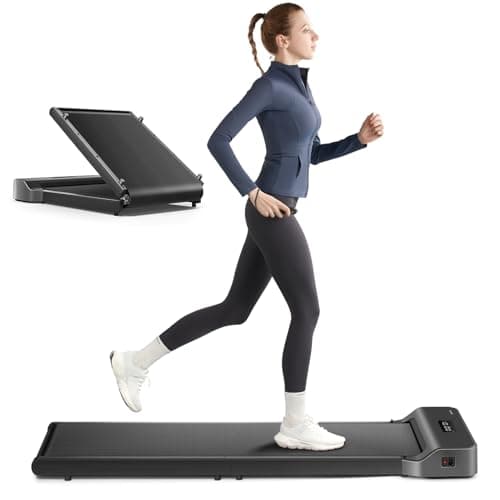
Our WalkingPad Z1 review: the 6km/h top speed, 121 x 40cm belt, 110kg limit, 23kg weight, 180 degree fold, noise claims and how it compares with the C2 and X21 in the UK.
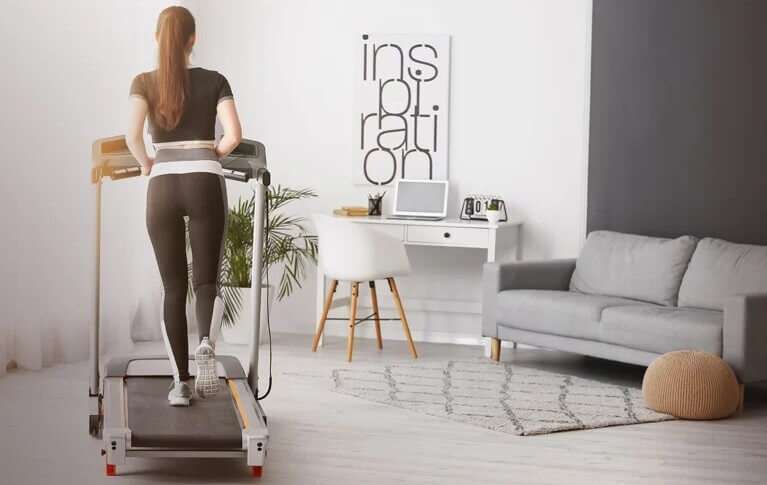
The best treadmills under £500 for home use in the UK. Seven folding picks compared on speed, incline, belt size, weight limit and price.
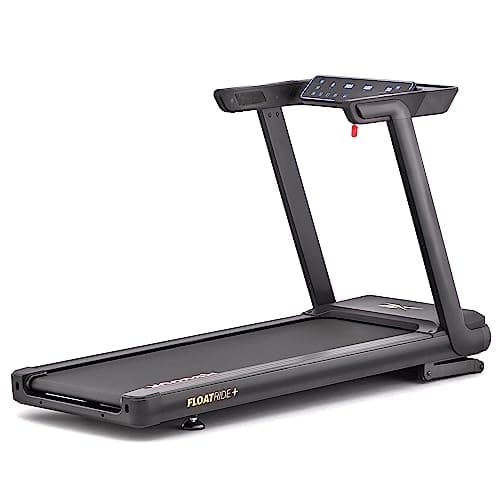
An honest Reebok FR30z Floatride treadmill review covering the motor, 150cm deck, 15 incline levels, Kinomap and Zwift support, and who should buy it.
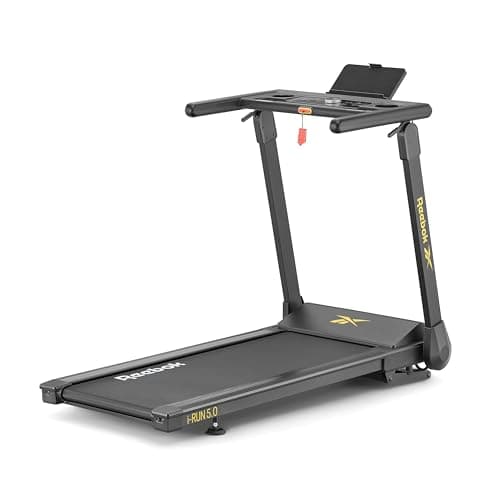
An honest Reebok i-Run 5.0 treadmill review covering the 2HP motor, 15kph top speed, 12 power incline levels, deck size, folding design and who should avoid it.
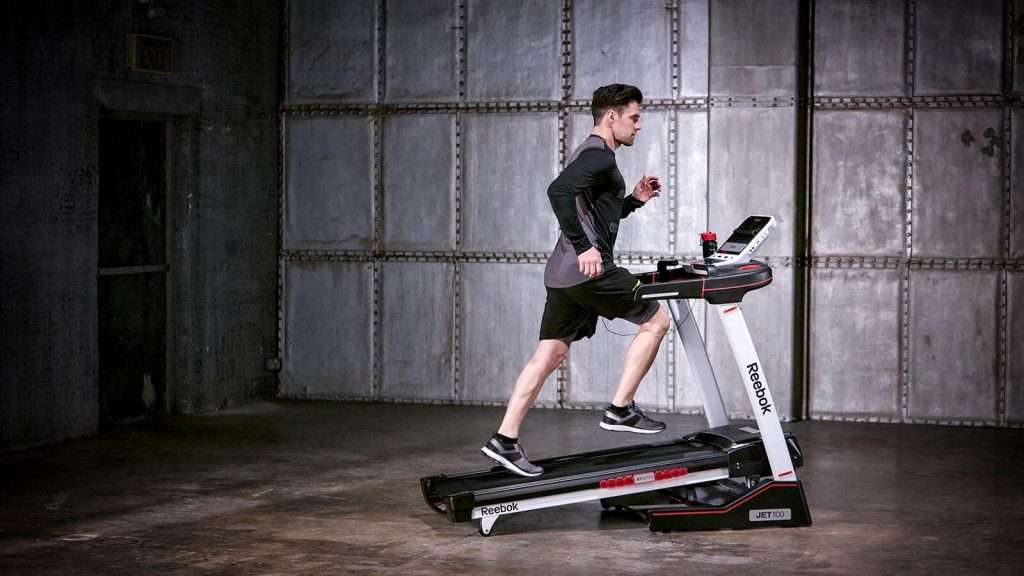
An honest Reebok Jet 100 treadmill review: 12-level incline, 2 HP motor, build and warranty, plus how it compares with the Z-Tech, FR30z and i-Run 5 if you want the best Reebok treadmill.
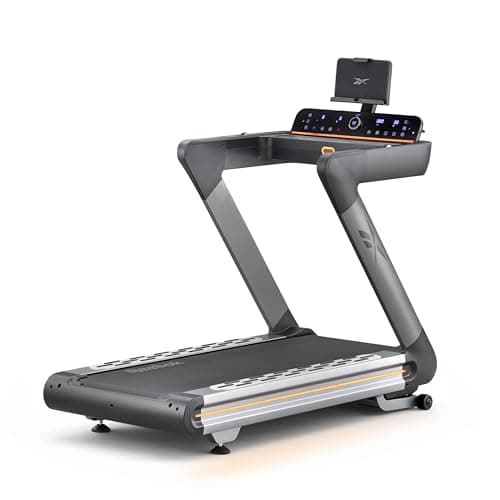
An honest Reebok Z-Tech treadmill review covering the 5.0HP AC motor, 18-level incline, 55 x 154cm deck, Zwift and Kinomap support, the 25-year frame warranty and who should skip it.
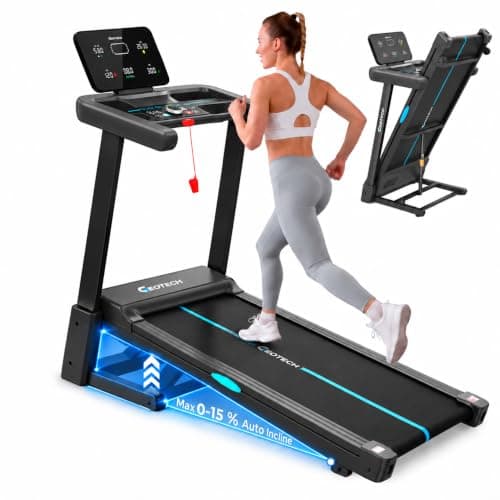
An honest GEOTECH foldable treadmill review: 15% auto incline, 14km/h, a 42 x 115cm belt, 180kg rating and a 3-year frame warranty, plus the marketing claims we don't believe.
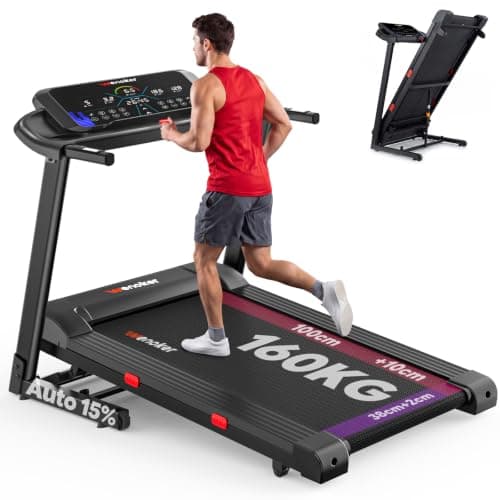
An honest Wenoker 15% incline treadmill review: 3HP motor, 14km/h, a 40 x 110cm belt, 160kg rating and Kinomap/Zwift support, plus why it suits walkers far more than runners.
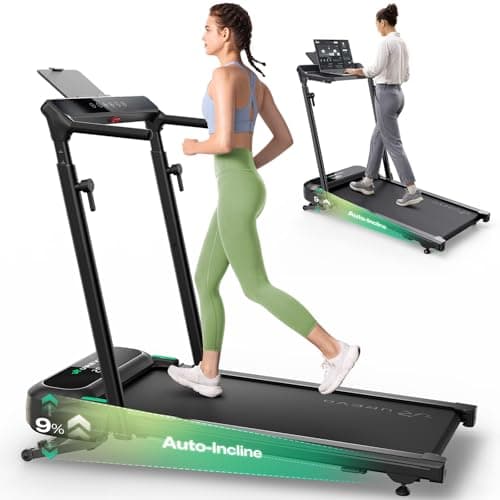
An honest UREVO 4-in-1 smart treadmill review: 9% auto incline, a built-in height-adjustable desk, dual brushless 3HP motor and 136kg limit, plus why the 100 x 40cm deck makes £600 a hard sell.
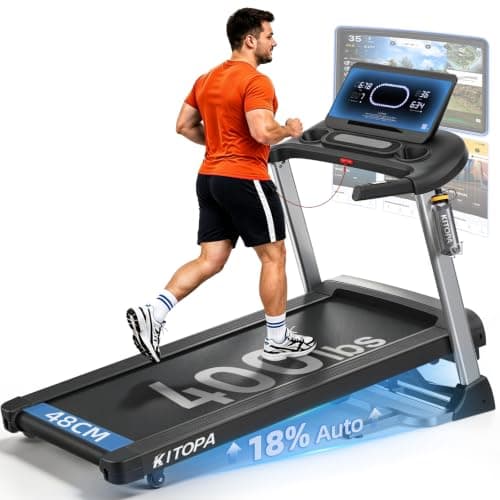
An honest KITOPA folding treadmill review: 18% auto incline, 20km/h top speed, a 48 x 120cm belt, 180kg rating and Zwift/Kinomap support, plus why the belt is short for fast running.
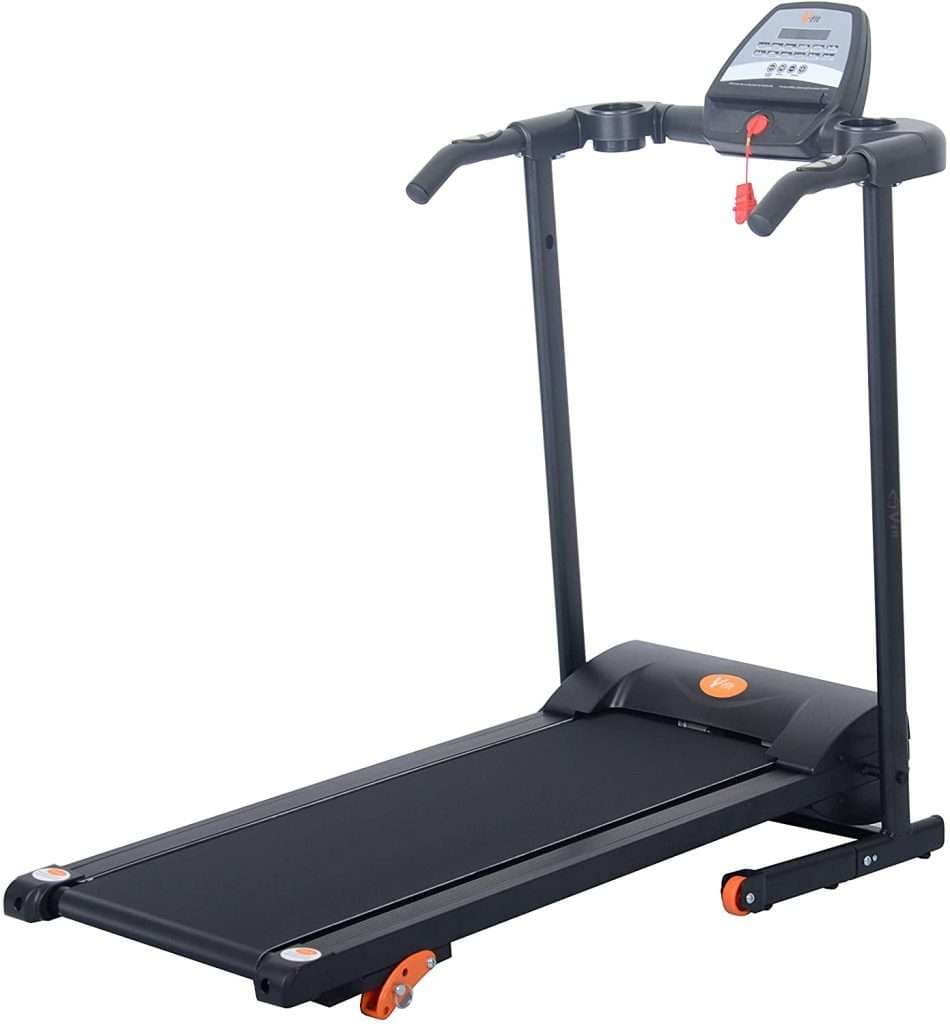
An honest V-fit Fit-Start treadmill review covering speed, incline, motor, console and storage. See who this affordable folding treadmill suits and whether it's worth buying.
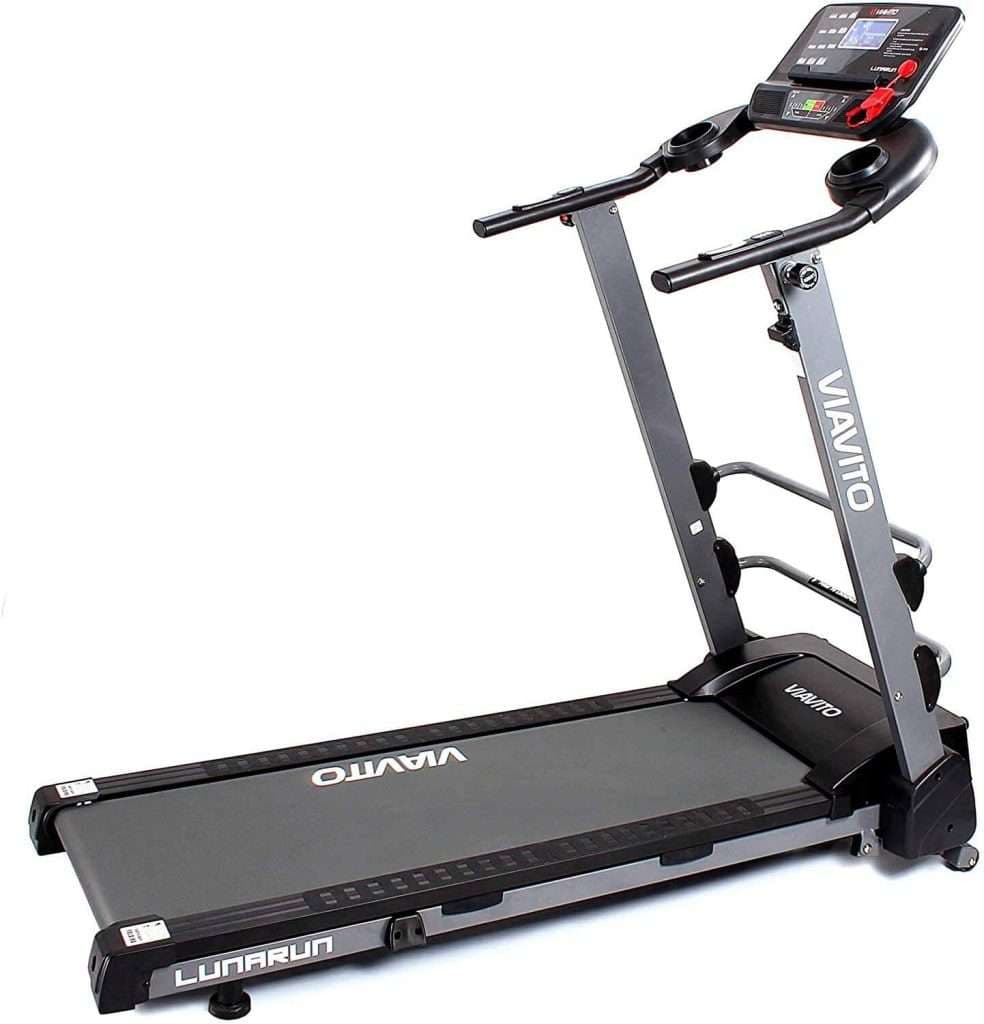
An honest Viavito LunaRun fold flat treadmill review: 10mph top speed, powered incline, 19 programmes and a sturdy folding deck. Is it worth the money?
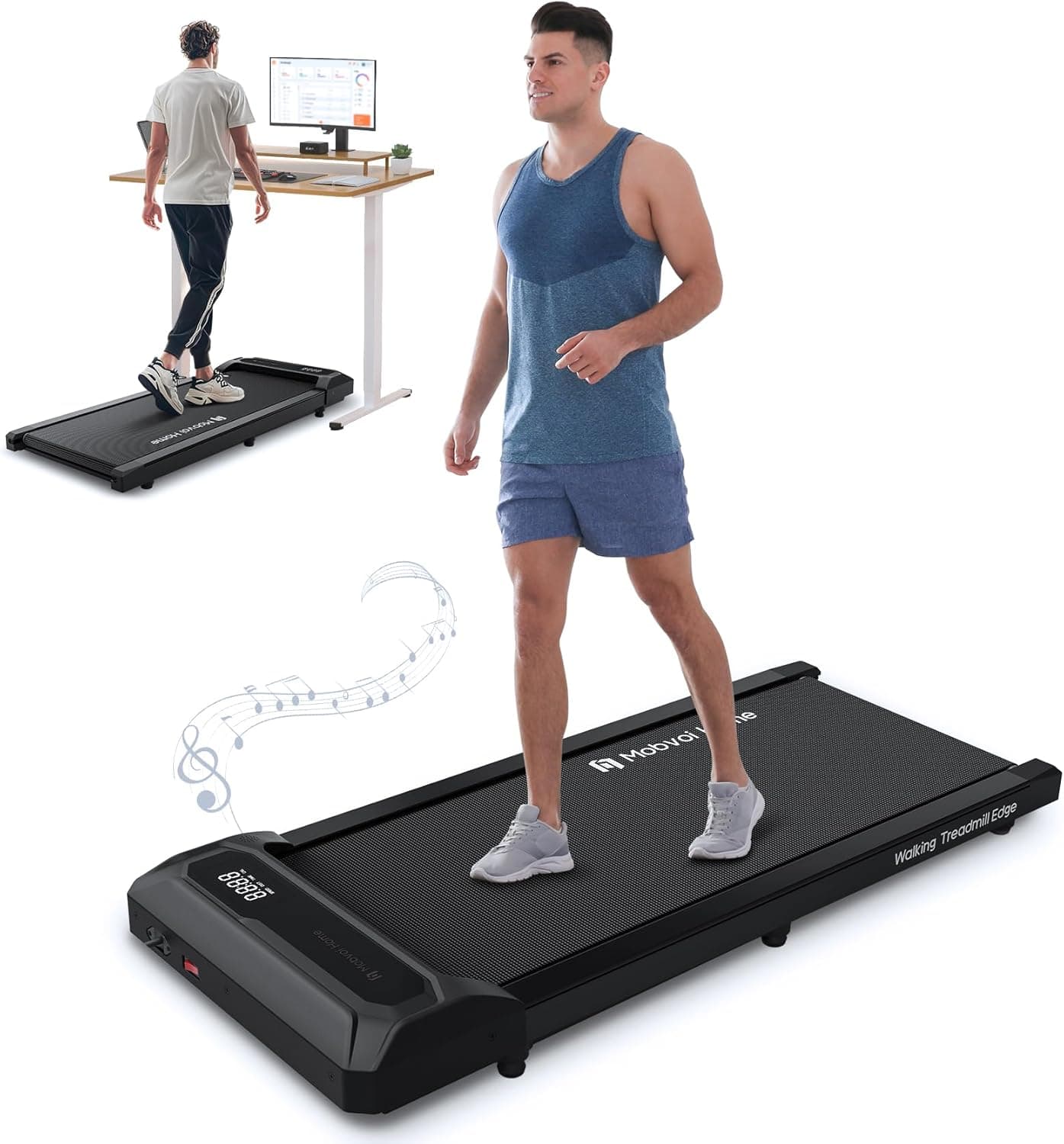
The best walking pad picks in the UK for 2026. Compact, foldable under-desk treadmills for steps while you work, from budget buys to incline models.
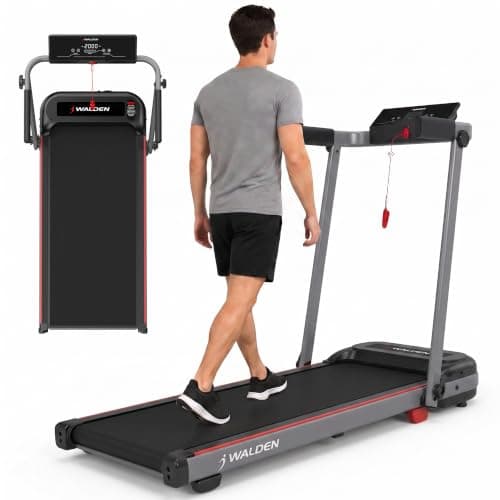
A review of the Walden Sports F2800 folding treadmill: the 10 km/h ceiling, 12 preset programmes, 20kg frame, two year warranty, and why the top speed decides whether this is the right buy.
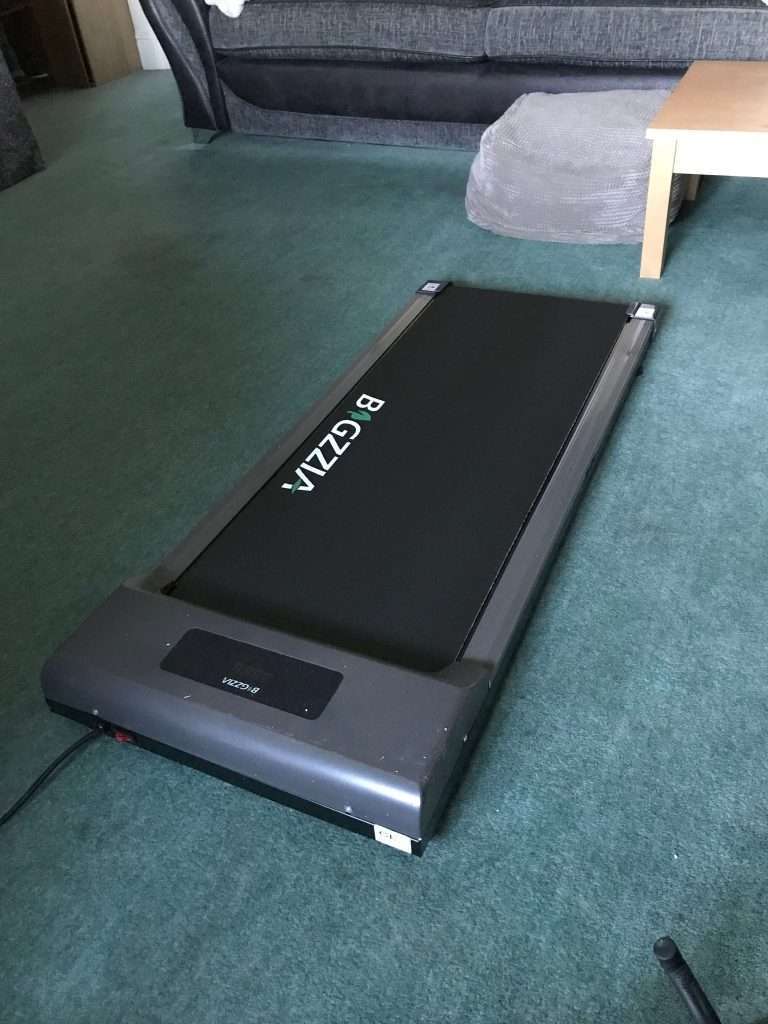
An honest Bigzzia treadmill review after 12 weeks of testing: speed, noise, build, desk use and whether this flat, portable walking pad is worth buying.
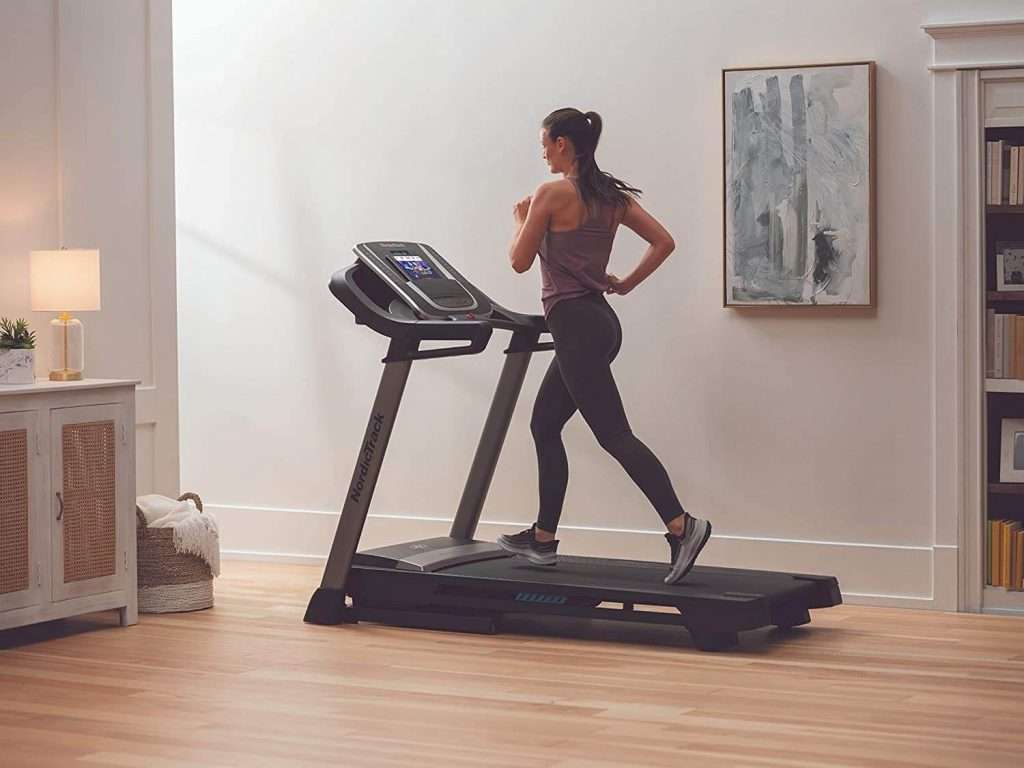
An honest NordicTrack S20i treadmill review covering its 10 percent incline, iFit, build quality, specs, warranty and whether it's worth buying.
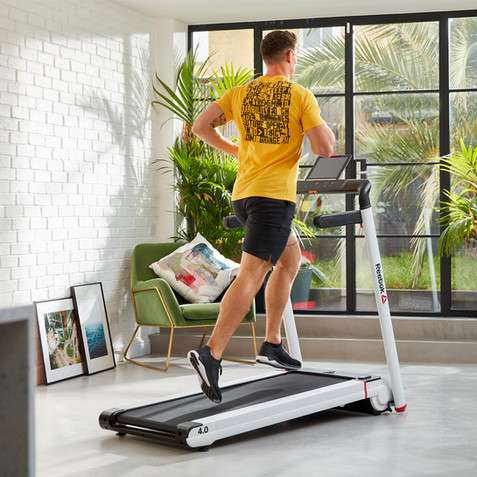
An honest Reebok I Run 4.0 treadmill review covering build quality, cushioning, programmes, warranty and who this compact folding treadmill suits.
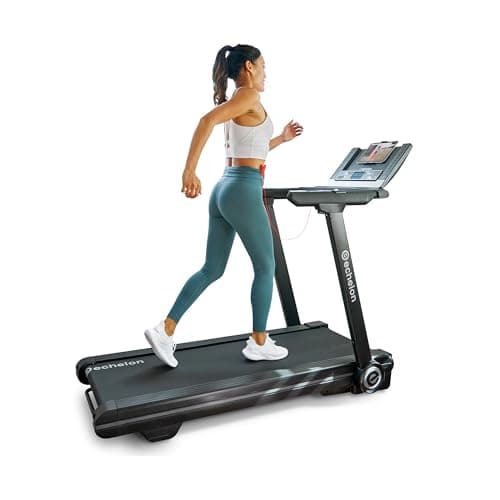
An honest Echelon Stride 6 review covering the auto-fold mechanism, motor and deck, incline range, the membership question and whether it beats cheaper folding treadmills.
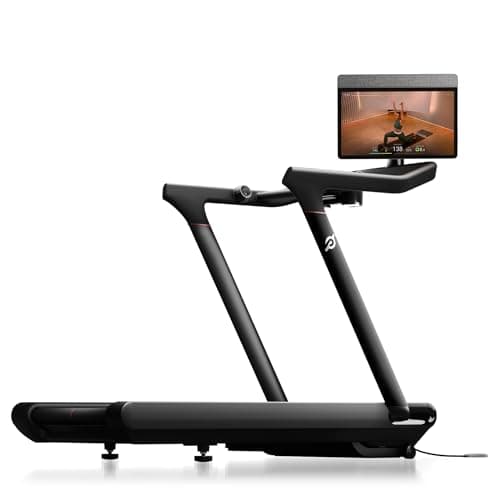
An honest Peloton Tread review covering the 21.5 inch swivel screen, 150cm belt, 12.5% incline, the £45 a month membership catch and who should actually buy one.
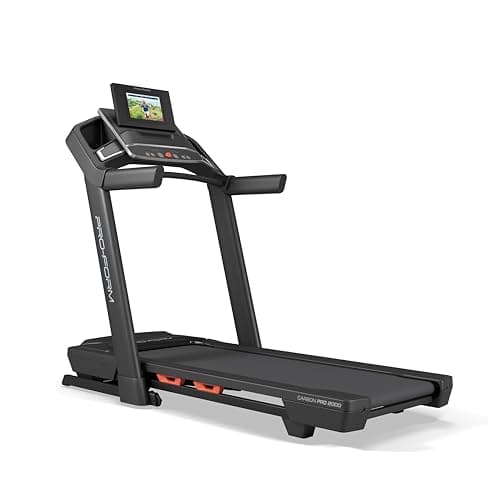
An honest ProForm Carbon Pro 2000 review: 3.0 CHP motor, 12% incline, 152cm belt and a 10in touchscreen. What it does well and why the iFIT subscription matters.
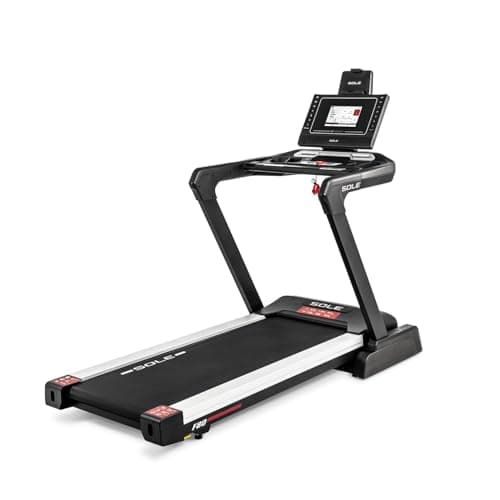
An honest Sole F80 treadmill review covering the 3.5HP motor, 152cm deck, 15 incline levels, 150kg capacity, 10.1in Android console and the lifetime frame warranty.
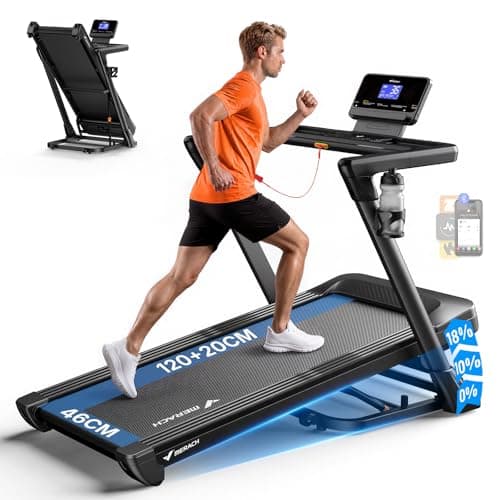
An honest MERACH Performance folding treadmill review covering its 3.5HP brushless motor, 18% auto incline, 46cm belt, app and folding design, plus who should buy it.
An honest Bluefin Fitness Kick 5.0 review covering its 10.1-inch screen, 5HP motor, 20 incline levels, Kinomap coaching, shock absorption and who it suits at the price.
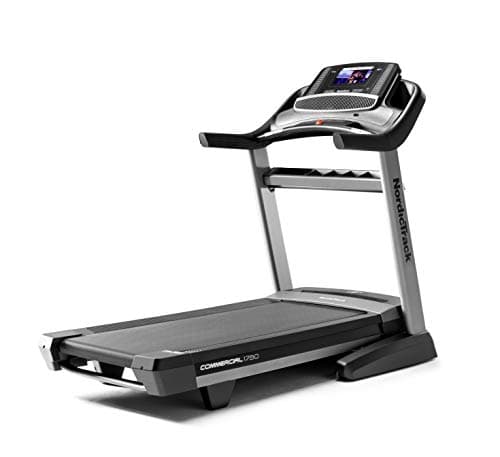
An honest NordicTrack Commercial 1750 review covering its 14-inch touchscreen, powerful motor, decline to incline range, iFIT running costs and who should buy it.
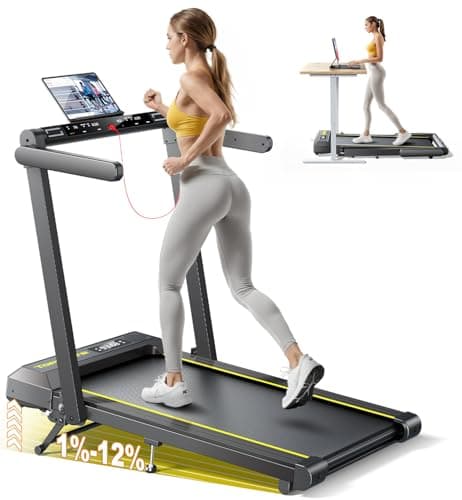
An honest Toputure 6-in-1 folding treadmill review: 12% incline, 16km/h top speed, 2.5HP motor, walking-pad mode, app and Bluetooth speaker, plus who it suits and its real limits.
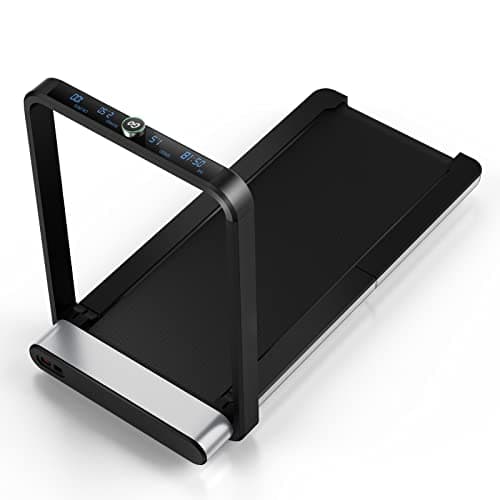
An honest WalkingPad X21 review covering the double-fold design, 12km/h top speed, 110kg weight limit, belt size and whether it is worth £600 for a small UK home.
Looking for the best budget treadmill in the UK? We compared 8 affordable folding, walking and running treadmills under £250 to find the best value picks.
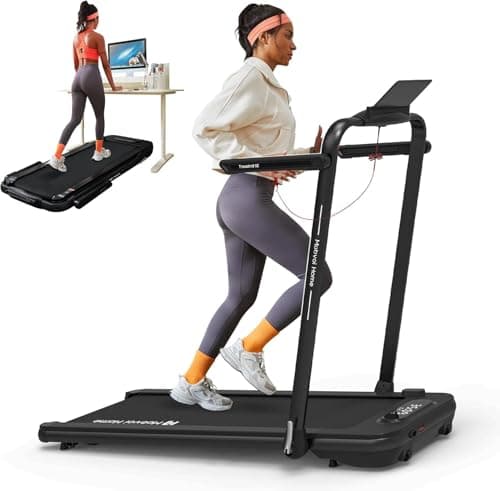
The best fold flat treadmills in the UK, compared. Our top picks for space-saving folding treadmills that store under a bed or sofa, from budget to premium.
The best home treadmill for walking, ranked. Compare 5 folding and manual walking treadmills on motor, incline, belt size and price, plus a buying guide.
Looking for the best incline treadmill in the UK? We compare five powered-incline running machines for hill training and the 12-3-30, from budget to premium.
Looking for the best treadmill under £1000? We compare 5 top home treadmills on speed, incline, deck size and features to help you pick the right one.

Looking for the best treadmill under £200? We compared budget folding, walking and electric treadmills to find the top 5 for home use in the UK.
Looking for the best treadmill under £400? We compare 3 foldable manual and motorised treadmills for home use, with honest pros, cons and buying advice.
The best treadmills for home use in the UK. Five compact, foldable picks compared on speed, motor, weight limit and noise to help you choose the right one.
An honest Bluefin Fitness Kick 2.0 treadmill review covering its 12 km/h top speed, 18% manual incline, 120kg limit, folding design and Kinomap support, plus who it suits.
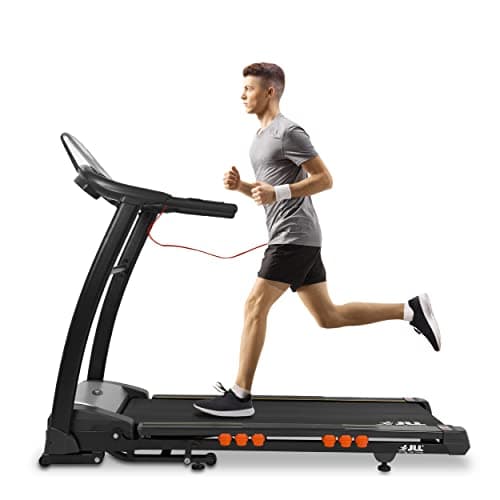
An honest JLL S400 treadmill review covering its 4.5HP peak motor, 16km/h top speed, 20 incline levels, large running deck, folding frame, and who should buy it.
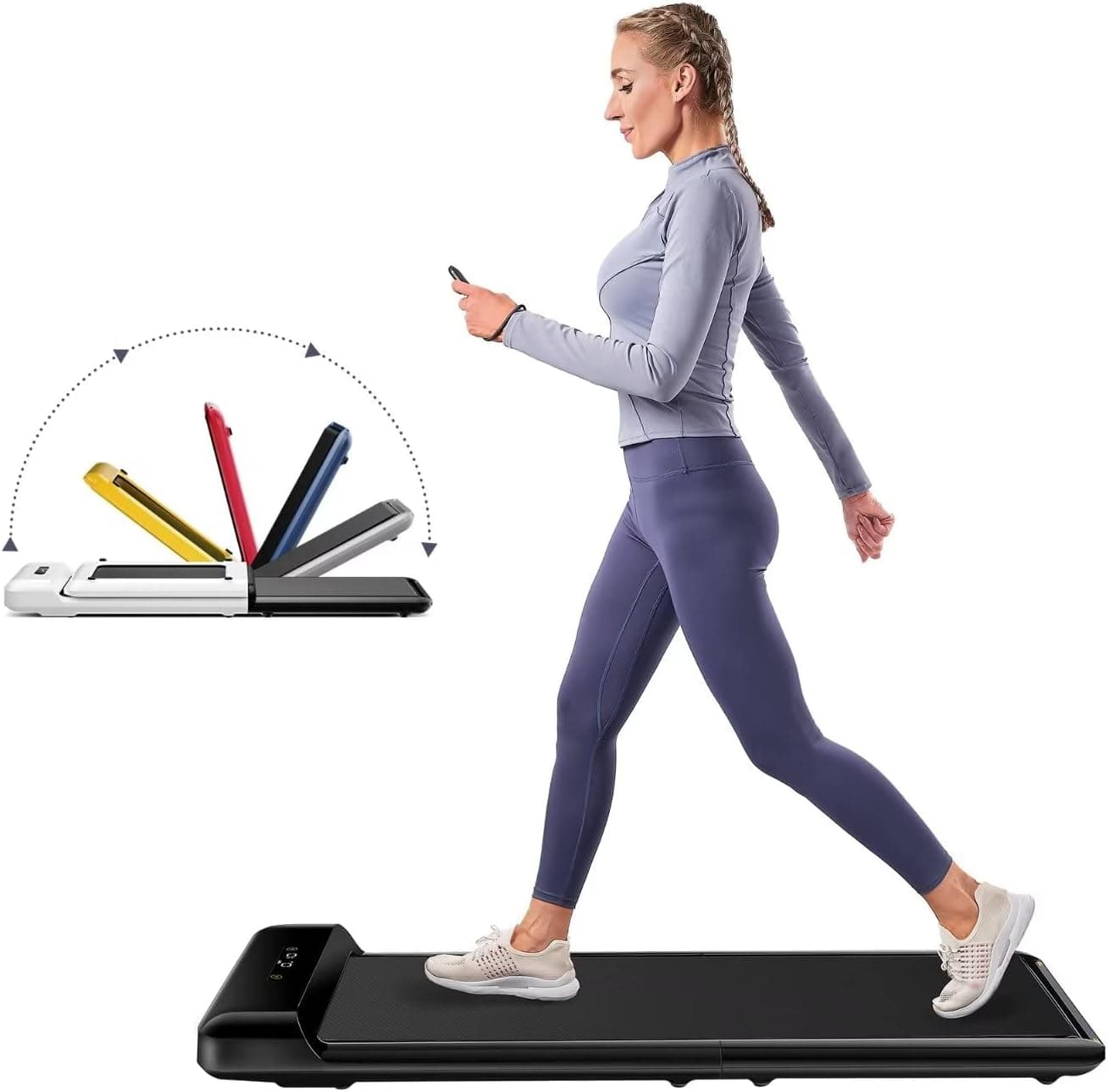
An honest UK review of the KingSmith WalkingPad C2 under-desk walking treadmill, covering noise, belt size, the auto speed sensor, storage and whether it's worth the money.
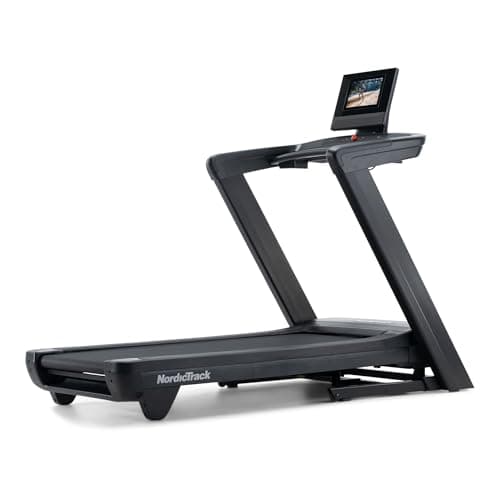
An honest NordicTrack Commercial 1250 review covering its 3.6 CHP motor, 12 percent incline and decline, 10 inch iFIT touchscreen, folding deck, and who should buy it.
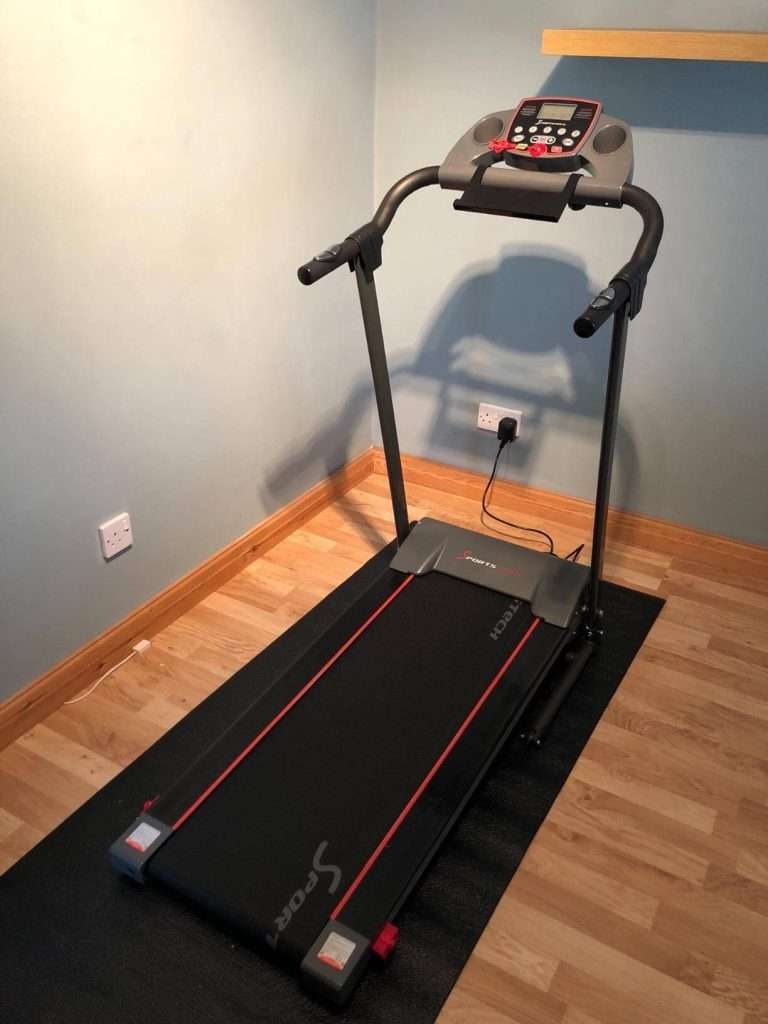
An honest Sportstech F10 treadmill review covering the folding design, Kinomap app, quiet motor, top speed and whether it's right for beginners.
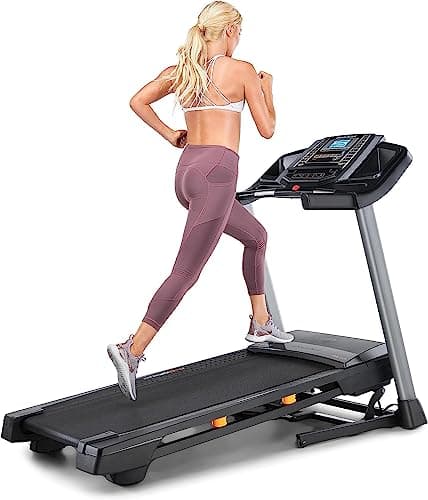
An honest NordicTrack T Series treadmill review covering the 2.6 CHP motor, 51x140cm belt, 10% incline, iFIT subscription costs, folding deck and who should skip it.
An honest Mobvoi Home Treadmill Incline review covering its 3HP motor, 15% incline, folding design, app support and running deck, plus who should buy it and who should not.
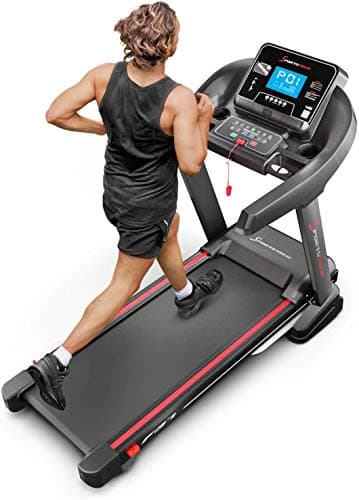
An honest Sportstech F37 treadmill review: 7 HP motor, 20 km/h top speed, 15% auto incline, 150 kg limit and Kinomap app, plus the reliability and stock caveats.
Discover 4 ways a treadmill can improve your fitness level. Build leg muscle, burn calories, train rain or shine, and personalise every workout at home.
Just starting out on a treadmill? Avoid these 6 common beginner mistakes, from going too fast to skipping water, for safer, more confident workouts.
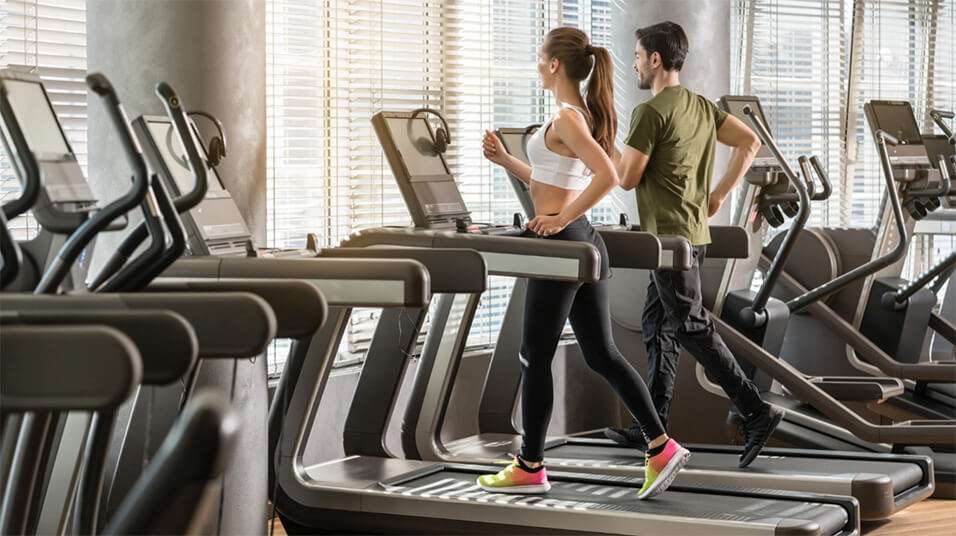
Are treadmills good for losing weight? Yes. Used with a calorie deficit they burn fat, tone your body and help you lose belly fat. Here's how to do it right.
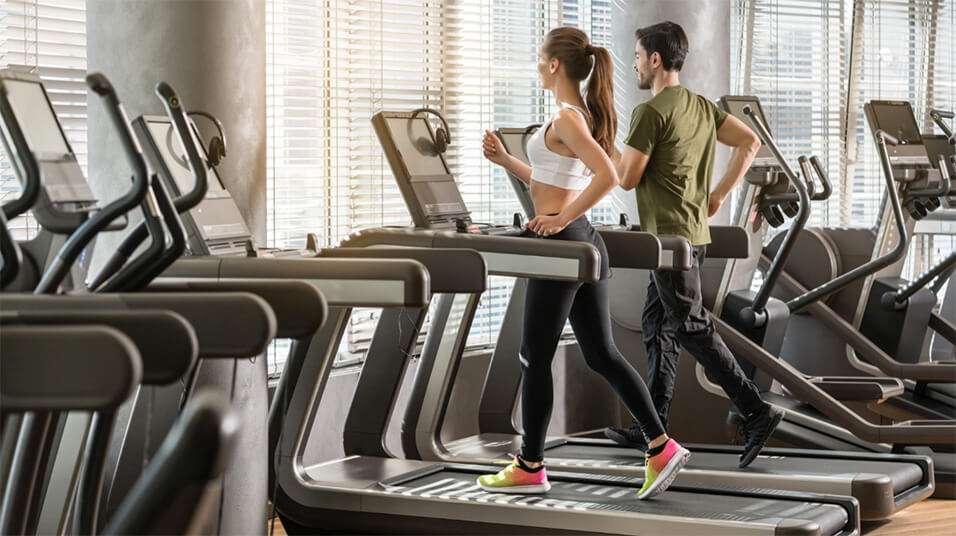
How fast do treadmills go? Most home treadmills top out at 8 to 15mph depending on price. Here's what speed to expect at every budget, from cheap to premium.
An honest JLL S300 treadmill review covering the motor, 20-level incline, deck size, noise, folding and value, with the real downsides UK owners report.
Rowing machine vs running compared. We weigh up the pros, cons, calories burned and joint impact of each so you can pick the right cardio for your goals.
Our treadmill reviews pull together everything we've tested, from fold-flat walking pads that slide under a sofa to belt-driven machines built for daily running. This hub lists them all, and you can filter by type, brand and rating, or search by name to narrow the field to the kind of treadmill you're after.
If you're new to buying one, the sections below explain what separates a budget folding model from something closer to a grand, and which specs are marketing noise versus the ones you'll notice on day one. Start with the filters to narrow the field, then read the full review before you commit.
We run each treadmill the way a home user would: short walking sessions, longer intervals, and for the running machines, a sustained effort to see whether the motor holds its speed under load. Cheap motors sag when you push them, and that's the kind of thing a spec sheet won't tell you.
We also pay attention to the dull stuff that decides whether a machine survives a year in a spare room. How stable is the frame at speed? Is the fold mechanism a two-handed wrestling match? How loud is it through a shared wall? Noise matters more than most buyers expect, especially in a flat.
Ratings reflect value at the price, not against some imaginary ideal. A sub-£300 folder and a £900 incline trainer are judged on different terms, because they're bought by different people for different jobs.
Motor power is quoted in continuous horsepower (CHP), and that's the figure to trust; peak horsepower is a flattering number you can mostly ignore. For walking, 1.5 CHP is plenty. If you plan to run regularly, look for 2.5 CHP or more, or the belt will struggle and the motor will run hot.
Deck size is the other big one. Taller runners need a belt around 150cm long; anything shorter forces you to shorten your stride, which gets uncomfortable fast. A top speed near 16 km/h covers most running, while walking pads often cap lower, which is fine for their job but no good if you want to jog.
After that, weigh cushioning, maximum user weight (give yourself a comfortable margin, don't buy right at the limit), incline if you want to train harder in less space, and the folded footprint. App connectivity is a nice extra, not a reason to overspend; plenty of good machines skip it entirely and lose nothing for walkers.
In a small flat, a fold-flat walking pad or under-desk treadmill is usually the sensible call. Many fold to a few centimetres and tuck under a bed or sofa, and they're quiet enough for downstairs neighbours. The trade-off is a shorter deck and a low top speed, so they suit walkers and light joggers rather than runners.
Folding motorised treadmills sit in the middle. They handle running, fold upright against a wall when you're done, and cover most budgets. If you've got a dedicated room and run seriously, a non-folding machine with a longer deck and a stronger motor is steadier and tends to last longer, though you pay for it and it won't shift once it's in place.
On budget, think in tiers. The cheapest end is walking-pad territory and fine for that. Spend toward £500 and you get a usable running folder; past £1000 you're buying incline, bigger decks and better cushioning. Buy for the training you'll actually do, not the training you imagine you might.
A fold-flat walking pad or under-desk treadmill. They fold to a few centimetres, store under a bed or sofa, and run quietly enough not to annoy the people below you. The limits are a shorter belt and a low top speed, so they're built for walking and gentle jogging rather than proper running.
It depends on what you'll do on it. For walking, something at the budget end does the job; for regular running, budget around £500 or more to get a decent motor and deck, and closer to £1000 if you want incline and better cushioning. Spending big on a machine you'll only ever walk on is wasted money.
Cheap walking pads can be genuinely good value for walking and standing-desk use. Cheap running treadmills are where you get caught out, with weak motors, short decks and flimsy frames that wobble at speed. If you intend to run, it's better to save a little longer than to buy a running machine at the very bottom of the market.
Look at continuous horsepower (CHP), not peak. Around 1.5 CHP is fine for walking. For running several times a week, aim for 2.5 CHP or higher so the motor doesn't overheat or lose speed when you lean into it. Peak horsepower figures are mostly marketing and tell you little about real performance.
The good ones don't. A well-built folding treadmill locks solid when it's down and only shows its hinge when you're moving it. Very cheap folders can flex or bounce at higher speeds, which is one more reason the budget end is riskier for runners than for walkers.
If you want to build fitness faster or mimic hills, yes. Incline lets you work harder at a slower, more joint-friendly pace, and it adds variety so treadmill sessions stay bearable. If you only plan to walk on the flat or do easy jogs, you can skip it and keep the money in your pocket.