Home Gym
How to Build a Home Gym: A UK Guide to Space, Flooring and Budget
How to build a home gym in the UK: measure your room and ceiling, pick the right flooring, then follow staged builds at roughly £300, £1,000 and £2,500+.

By Jack Atkins, Home Gym Equipment Specialist · Updated 29 October 2026
A chest fly machine is a seated machine where you push two handles (or forearm pads) together in an arc in front of your chest, which isolates your pecs without the shoulders and triceps taking over the way they do on a press. You'll also see it called a pec fly, pec deck or butterfly machine. To use one well you need three things right: a seat height that puts the handles at mid chest, a soft and fixed elbow bend, and a range of motion that stops before your shoulders roll forward. Below is how to set it up, what it works, the mistakes that cost you results, and which home multi gyms and cable machines give you the same movement without paying for a commercial unit.
There are really four machines that people mean when they search for this, and they don't feel the same.
| Machine | How you push | Also does | Typical home option |
|---|---|---|---|
| Classic pec deck | Forearms against vertical pads | Nothing else | Rare, mostly on older multi gyms |
| Pec fly (handle) machine | Grip handles, arms nearly straight | Nothing else | Commercial units only |
| Dual pec fly / rear delt | Handles rotate to face either way | Reverse fly for rear delts | Some selectorised multi gyms |
| Cable crossover | Two independent cables | Almost every cable exercise | Home cable towers and functional trainers |
The pad version is the most forgiving on your elbows because the load sits on your forearms, but it also tends to let people shrug and roll their shoulders forward. Handle versions are closer to a dumbbell fly in feel. A cable crossover is the most flexible of the lot: you can fly from high, middle or low, one arm at a time, and the line of pull is set by where you stand rather than by a fixed pivot. If you've only got cables, our cable fly guide covers the technique in detail.
The dual machines are worth knowing about, because the reverse direction (the rear delt fly) is arguably the more useful exercise for anyone who sits at a desk all day.
Every brand sets things up slightly differently, but the principles carry across.
Two-second check before your first set
Sit down, hold the handles and look at your elbows. They should be just below shoulder height and slightly bent. If they're above your shoulders, raise the seat; if they're down by your ribs, lower it. That one adjustment prevents most of the shoulder niggles people blame on the machine.
The chest fly machine is a horizontal adduction exercise, so the pectoralis major does nearly all of the work. With the handles at mid chest you'll mostly load the sternal (middle and lower) fibres, while the clavicular (upper) fibres and the front of the shoulder (anterior deltoid) assist. Your biceps hold the elbow angle, and the small muscles around your shoulder blade keep you stable against the pad.
What it doesn't do is train your triceps or ask much of your core, which is exactly why it suits the end of a session when those are tired from pressing.
There's decent evidence that the machine builds muscle on its own. In a 12 week study where untrained young men trained only the pec deck, chest thickness increased by around 17 to 21% in both the upper and lower portions, and doing one set gave about the same result as three (Pinto et al., 2025, J Strength Cond Res). The same study found no sign that the machine favoured one region of the chest over the other, so don't expect a pec deck to "target the inner chest" in any special way.
Put it after your main presses. A review of exercise order research found that doing a single-joint exercise like the pec deck fly before the bench press, the old pre-exhaust idea, doesn't seem to increase chest recruitment during the press, and the exercise you do first in a session tends to get the most reps and the best strength gains (Simão et al., 2012, Sports Med). So press first while you're fresh, then use the fly machine to finish the chest with lighter, controlled work.
A simple structure that works for most people:
Less than your ego wants. The fly is a long lever exercise, so a weight that feels light for the first few reps gets hard quickly, and the shoulder joint is most vulnerable at the stretched end of the movement. Pick a load you can control for 12 to 15 reps with a full pause at the front. If you can't hold the squeeze for a second, or your back leaves the pad, it's too heavy.
Stack numbers also aren't comparable between machines. A gym pec deck, a home multi gym and a cable crossover all use different lever arms and pulley ratios, so 30kg on one can feel nothing like 30kg on another. Track your progress on the same machine and ignore what the person before you used.
Seat too low. This is the big one. With your elbows above shoulder height the movement loads the front of the shoulder capsule, and that's where most fly-related shoulder pain comes from.
Starting too wide. Setting the arms right back gives a dramatic stretch and very little extra benefit. Start with the hands roughly in line with your chest and only add range once you're comfortable.
Turning it into a press. If your elbows bend and straighten during the rep, you're pressing, and the triceps start taking the load. Fix the elbow angle and move only at the shoulder.
Shoulders rolling forward at the finish. Chasing an extra few centimetres at the squeeze by hunching forward shifts the work to the front delts. Keep your shoulder blades back on the pad and stop when the handles meet.
Bouncing the stack. Letting the plates clang between reps takes tension off the chest at the point where it should be working hardest. Control the return and keep the stack a few centimetres off the rest.
Very few home buyers should get a standalone chest fly machine. Commercial pec fly units are big, heavy and usually priced well into four figures, and they only do one or two exercises. You get the same movement for less from one of two kinds of machine.
Most selectorised home multi gyms combine a chest press with a pec deck, so the same arms switch between pressing and flying. You also get a lat pulldown, low row and usually a leg station, which makes them good value per exercise. The trade-off is that the fly arc is fixed by the machine's pivots, and the stacks are lighter than a gym's.
From the machines we've reviewed, the HOMCOM 65kg multi gym is the cheapest selectorised option with a pec fly, at £335.99 when we checked in October 2026, on a 135cm by 103cm footprint that suits a spare room. The Strongway 72kg dual pulley multi gym adds a leg curl station for £469.95, on a 165cm by 105cm frame that stands 210cm tall, so measure your ceiling first. If you'd like more stack for pulldowns, the Strongway 100kg multigym sits around £999.
Of the three, the Strongway 72kg is the one we'd point most beginners towards, because the extra stack and leg work cost relatively little over the HOMCOM.
Check the Strongway 72kg dual pulley multi gym on AmazonFor a wider comparison, including models with Smith bars, see our best multi gym UK guide.
A dual pulley cable machine gives you a better chest fly than most fixed machines, because you can set the cables high, low or at chest height and change the angle each set. It also covers rows, pulldowns, face pulls, pushdowns and curls. The downsides are width (two towers take more floor space than a single-stack multi gym) and the pulley ratio, which means the stack figure is higher than the resistance you actually feel.
The GYM MASTER cable crossover is the model we rate for most home lifters, with dual adjustable pulleys, a large stack and a pull up bar in one frame. Other options, including more compact single-tower designs, are in our best cable machine UK roundup.
Check the GYM MASTER cable crossover on AmazonSelectorised machines (with a pin and weight stack) are quicker to change and better for home use, since the plates are enclosed and you don't need a separate set of weight plates. Plate-loaded fly machines are rare at home; they're cheaper to build but you need Olympic plates and space to store them, and changing weight mid-set is slower. Unless you already own plenty of plates, a selectorised multi gym or cable machine is the sensible choice.
If space or budget rules out a machine altogether, our pec deck alternatives cover dumbbell, band and bodyweight swaps that train the same movement. Browse the rest of our home gym equipment reviews for benches, racks and cable kit.
Mostly, yes. Pec deck is the older name for the version with vertical forearm pads, while chest fly or pec fly machine usually means the version with handles you grip. Many gyms now have a dual machine that swaps between chest fly and rear delt fly by rotating the arms. All of them train the same movement: bringing your upper arms together across your chest.
Set the seat so the handles line up with the middle of your chest when your upper arms are roughly parallel to the floor. If your elbows sit above your shoulders the seat is too low, and the movement starts loading the front of the shoulder joint. If you feel it mostly in your arms and lats, the seat is probably too high.
Start with a weight you can move for 12 to 15 controlled reps with a one second squeeze at the front. On most gym stacks that is somewhere near the bottom two or three plates for a complete beginner. Add weight only when you can hit the top of your rep range on every set without your back leaving the pad.
For pure chest isolation it's easier to do well. The machine keeps tension on your pecs when your hands come together, where a dumbbell fly goes nearly weightless, and the back pad and fixed arc stop you cheating. Dumbbell flyes need no machine and make your stabilisers work harder. Both build the chest; pick the one you'll use consistently.
Yes, though few people buy a standalone one. Most UK home buyers get a selectorised multi gym with a combined chest press and pec deck station, which costs roughly £330 to £1,000, or a cable crossover that lets you do cable flyes at any angle. Standalone commercial pec fly machines exist but usually cost four figures and only do one or two exercises.
Two to four sets of 10 to 15 reps after your main pressing work suits most people. A 2025 study of untrained men found one set of pec deck training grew the chest about as much as three sets over 12 weeks, so beginners don't need a huge volume to see progress. More experienced lifters tend to need more.
How to build a home gym in the UK: measure your room and ceiling, pick the right flooring, then follow staged builds at roughly £300, £1,000 and £2,500+.
How to set up and use a lying leg curl machine, lying vs seated leg curl research, pin, plate-loaded and bench attachment types, and what to check before buying.
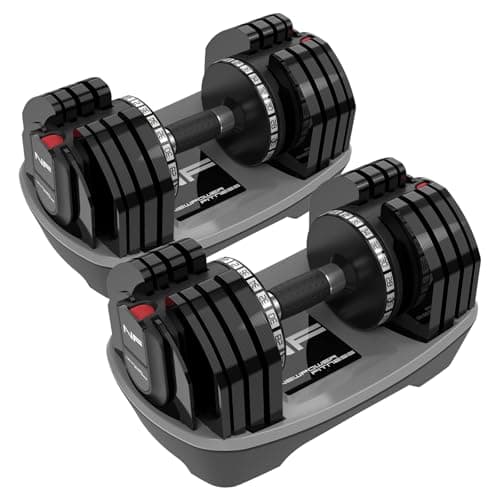
Newpower Fitness 36kg adjustable dumbbells review: 18 settings in 2kg steps, a twist-handle selector, what '36kg pair' means, and who should buy it.
How to choose a cast iron kettlebell: one-piece casting, handle diameter and finish, powder coat vs vinyl, weight tolerance, UK price per kg and which weights to buy first.
Best Exercise is a participant in the Amazon EU Associates Programme, an affiliate advertising programme designed to provide a means for sites to earn advertising fees by advertising and linking to Amazon.co.uk. As an Amazon Associate we earn from qualifying purchases. This comes at no extra cost to you and never influences our independent reviews or rankings.