Home Gym
Best Adjustable Dumbbells UK: 6 Top Picks for 2026
The best adjustable dumbbells in the UK for 2026, from quick-dial sets to heavy 40kg and 50kg options. Budget to premium picks researched and ranked.

By Jack Atkins, Home Gym Equipment Specialist · Updated 27 June 2026
We may earn a commission from qualifying purchases made through links on this page, at no extra cost to you. This never affects our ratings.
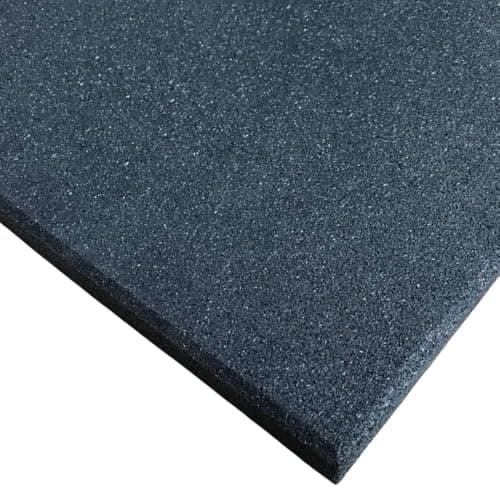
Gym flooring is the bit of a home gym that everyone forgets until a dumbbell bounces off the concrete or the people downstairs start banging on the ceiling. The right floor protects your surfaces, soaks up impact and noise, and gives you stable, grippy footing to train on. The hard part is that "gym flooring" covers very different products: soft EVA foam tiles, dense interlocking rubber tiles, and thick heavy duty rubber mats and rolls. This guide sorts the genuinely good options on Amazon UK across all three types and every budget, so you can match the floor to what you actually do on it.
How we chose
We researched the most popular gym flooring on Amazon UK rather than installing every product ourselves in a long-term hands-on test. We weighed up material (EVA foam vs rubber), thickness, density, coverage, smell and value, reading through owner reviews, manufacturer specs and expert round-ups. Prices, pack sizes and specs are correct at the time of writing and can change, so always check the current details before you buy.
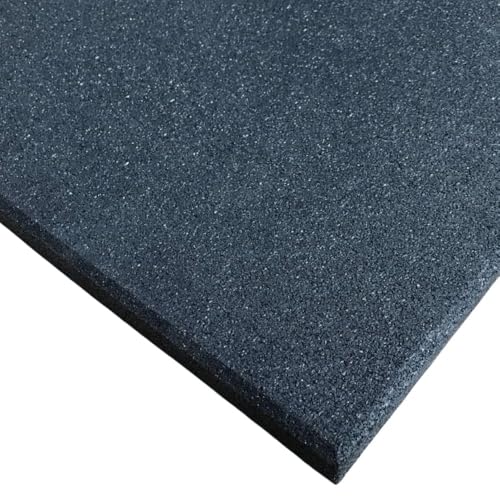
The Ark Mat rubber crumb tiles are the gym flooring we would point most people towards first. Each tile is a full 1m x 1m and 10mm thick, made from dense recycled crumb rubber with a non-slip top, and they interlock with jigsaw tabs so you drop them in place without any glue. That tile format is the reason most home gyms, PT studios and free-weight areas use tiles rather than rolls: you can cover an awkward shape, lift a damaged tile out, or add more later without re-laying the whole floor.
At 10mm they handle the realistic stuff a home gym throws at them, a bench, a rack, dumbbells, kettlebells and cardio machines, while spreading the load so the floor underneath stays protected. They suit anyone building a proper, semi-permanent setup who wants rubber's durability and noise damping over foam's softness. The honest cons: crumb rubber has a strong smell for the first week or two, the tiles are heavy to carry and lay, and 10mm is not a drop zone for heavy barbells, for that you want thicker rubber. For a do-it-all home gym floor, though, these are the sweet spot. If you train with loaded dumbbells, pair them with the best adjustable dumbbells.
Check price on Amazon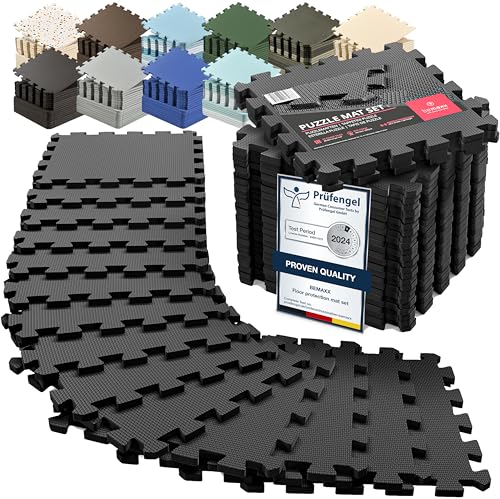
If you mostly do bodyweight work, stretching, yoga or light dumbbell sessions, you do not need to spend rubber money. This 18-piece EVA foam set is the budget pick, and it is genuinely good for what it is. The puzzle-piece tiles snap together in minutes, lift up just as fast for storage, and cover a decent area for very little outlay. The foam feels soft but supportive underfoot, which is kind on knees and elbows during floor work, and it wipes clean with a damp cloth.
It suits renters, beginners and anyone carving out a workout corner rather than kitting out a full lifting room. EVA foam is also light enough to move room to room, so it doubles as a play mat or a base under a folding bike. The catches are the catches of all foam: it dents under heavy kit and the legs of a loaded rack, the edge pieces can lift over time, and it will not dampen the thud of dropped weights the way rubber does. As a soft, cheap, flexible floor for light training, it is hard to beat on price. It pairs well with resistance bands and a yoga mat for a no-fuss home setup.
Check price on Amazon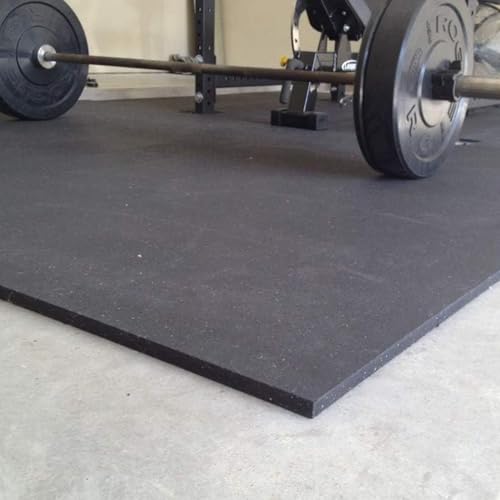
When you lift heavy and want a proper drop-safe surface in one spot, a thick solid rubber mat beats thin tiles. This Ark Rubber mat is a single large slab, 6ft x 4ft (1.82 x 1.22m) and 12mm thick, made from dense solid rubber rather than loose crumb. That extra density and the large single-piece format mean no joins under the bar to split apart, and it is the kind of mat gyms lay under squat racks and deadlift platforms. It is the obvious floor to put under a power cage or a lifting station.
It suits the strength-focused lifter who wants one bombproof zone for the rack, the bench and the heavy work rather than carpeting the whole room. The trade-offs are weight and smell. At 12mm of solid rubber it is heavy, so plan delivery and getting it into position, and like most rubber it has a strong odour for the first couple of weeks that needs ventilation to clear. If you drop loaded Olympic bars regularly, stack two or build a dedicated platform. As a single heavy duty mat for the business end of a home gym, it is excellent.
Check price on Amazon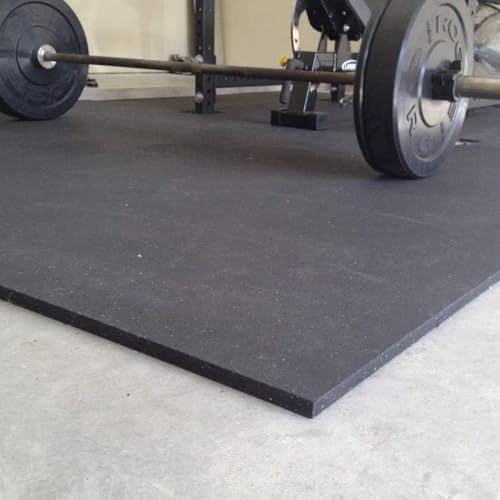
If you are flooring an entire garage or spare room rather than one corner, buying mats in bulk is the cheaper route per square metre. This extra heavy duty set gives you 48 sq ft of 12mm solid rubber at around 28kg per mat, in a 10-pack, so you can lay a continuous, hard-wearing floor across a large space in one go. Solid rubber at this weight stays put without adhesive, takes the load of a full rack, bench and cardio setup, and noticeably calms the noise and vibration that travels to rooms below.
It suits anyone committing to a permanent garage or basement gym who wants a uniform, professional floor end to end. Be realistic about the practicalities: 28kg per mat means this is a serious delivery and a two-person carry, the mats are stiff and awkward to manoeuvre into tight corners, and the new-rubber smell across a big area takes longer to clear, so ventilate hard for the first fortnight. For covering a whole room in durable rubber without paying showroom prices, this is the value play. Lay it, then build your home gym on top.
Check price on Amazon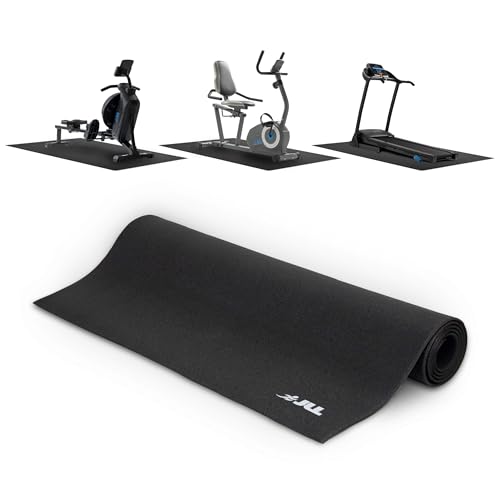
Not every floor problem needs rubber tiles. If your main concern is a treadmill, exercise bike or cross trainer marking the floor and rattling the house, a dedicated equipment mat is the simpler, cheaper fix. The JLL mat measures 180 x 80cm, which sits neatly under most home treadmills and cardio machines, and its job is threefold: protect the floor from feet and sweat, stop the machine creeping as you use it, and absorb the vibration and noise that otherwise hums through the building.
It suits the home where cardio is the priority and there is no need to floor the whole room. It rolls out in seconds, needs no fixing and rolls back up if you want to move the machine. The honest limits: this is a thin protective mat, not a lifting surface, so it does nothing for dropped weights and is not built to take a loaded rack. It also catches dust and carpet fibres, so an occasional wipe keeps the machine's motor cleaner. For tucking under a treadmill or air bike to save the floor and quieten things down, it does exactly what it should.
Check price on AmazonThe first decision is material, and it comes down to what lands on the floor. EVA foam is soft, light and cheap, which makes it brilliant for bodyweight training, stretching, yoga and light dumbbells, and easy to lift and store. It dents and tears under heavy kit, though, so it is the wrong base for a loaded rack or a deadlift. Rubber is denser, far more durable and much better at damping impact and noise, so it is the dependable foundation under weights, benches and cardio machines. Many home gyms use both: foam for a stretching corner, rubber under the heavy gear.
Thickness follows from there. Roughly speaking, 6mm to 10mm covers floor work and light dumbbells, 10mm to 15mm handles a bench, a rack and moderate free weights, and 15mm or more (often doubled up or built into a platform) is what you want if you drop loaded barbells. Density matters as much as the number, a dense 10mm rubber tile outperforms a soft, low-density 12mm one. For protecting joints during floor work, a forgiving surface helps you train consistently, and the NHS recommends muscle-strengthening activity on at least two days a week, which a comfortable floor makes easier to stick to.
One last point on smell. New rubber, especially recycled crumb rubber, off-gasses for the first few days to a couple of weeks. That odour is normal and fades fastest with ventilation. Because volatile organic compounds (VOCs) can build up indoors and irritate the eyes, nose and throat in poorly ventilated rooms, the US EPA advises increasing ventilation when materials are off-gassing, so air the space, prop a window or door open and wipe the mats down before your first long session.
The right floor depends on your space, what you lift and how much you want to spend. Here is the quick version:
A quick safety note: whatever you choose, lay it on a clean, level surface, make sure it sits flat and firm before you train on it (especially under a rack), and ventilate the room well while new rubber clears its smell.
For most UK home gyms the Ark Mat rubber crumb tiles are the best all-round gym flooring. At 1m x 1m and 10mm thick they interlock without glue, protect the floor under dumbbells and a bench, and dampen noise far better than foam. If you only do bodyweight and light dumbbell work, cheaper EVA foam tiles are fine and gentler on the wallet.
It depends what you do on it. For yoga, bodyweight and light dumbbells, 6mm to 10mm of foam or rubber is plenty. For a bench, a rack or moderate free weights, go for 10mm to 15mm rubber. If you deadlift heavy or drop loaded barbells, you want 15mm to 30mm rubber, ideally a dedicated drop zone or a stacked platform under the bar.
Rubber is denser, more durable and far better under weights, racks and cardio machines, so it is the safer long-term choice. EVA foam is softer underfoot, much cheaper and easy to lift and store, which makes it great for bodyweight work, stretching and kids' play, but it dents under heavy kit and tears more easily. Many people use foam for a stretching corner and rubber under the heavy gear.
Yes, new rubber flooring usually has a strong rubbery smell for the first few days to a couple of weeks, which is normal off-gassing. It is worst with recycled crumb rubber and fades fastest with good ventilation, so air the room, prop a window or door open and wipe the mats down after laying them. If you are sensitive to volatile organic compounds (VOCs), ventilate well and let the room air before long sessions.
Good rubber flooring does both. A 10mm to 15mm rubber layer spreads the load from weights and machines so they do not dent or crack the floor beneath, and it absorbs a lot of the impact and vibration that otherwise travels through the building. It will not soundproof a room completely, but it noticeably cuts the thud of dropped weights and the hum of a treadmill for anyone below.
You can, but firm matters. Thin foam tiles over thick carpet feel spongy and unstable under a rack or heavy dumbbells, which is unsafe. For light work it is fine. For heavy lifting, lay thick rubber mats (12mm or more) over the carpet, or better still put down a hard base first so the surface stays solid and level under load.
The best adjustable dumbbells in the UK for 2026, from quick-dial sets to heavy 40kg and 50kg options. Budget to premium picks researched and ranked.
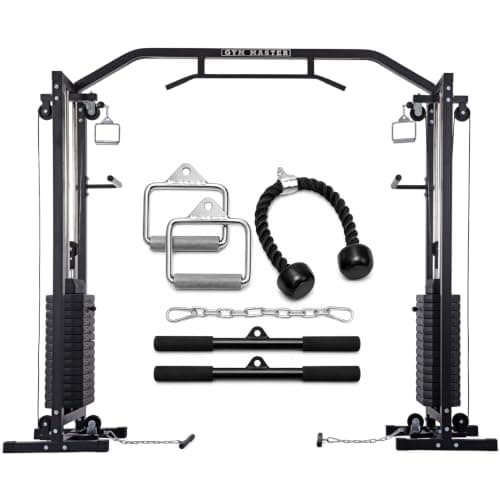
The best cable machines in the UK for 2026, from dual cable machines and functional trainers to wall-mounted and folding designs. Honest picks for any home gym and budget.

The best Garmin watch for most UK buyers in 2026 is the Forerunner 265, but not for everyone. Five models compared honestly, from the £162 Forerunner 165 to the fēnix 8.
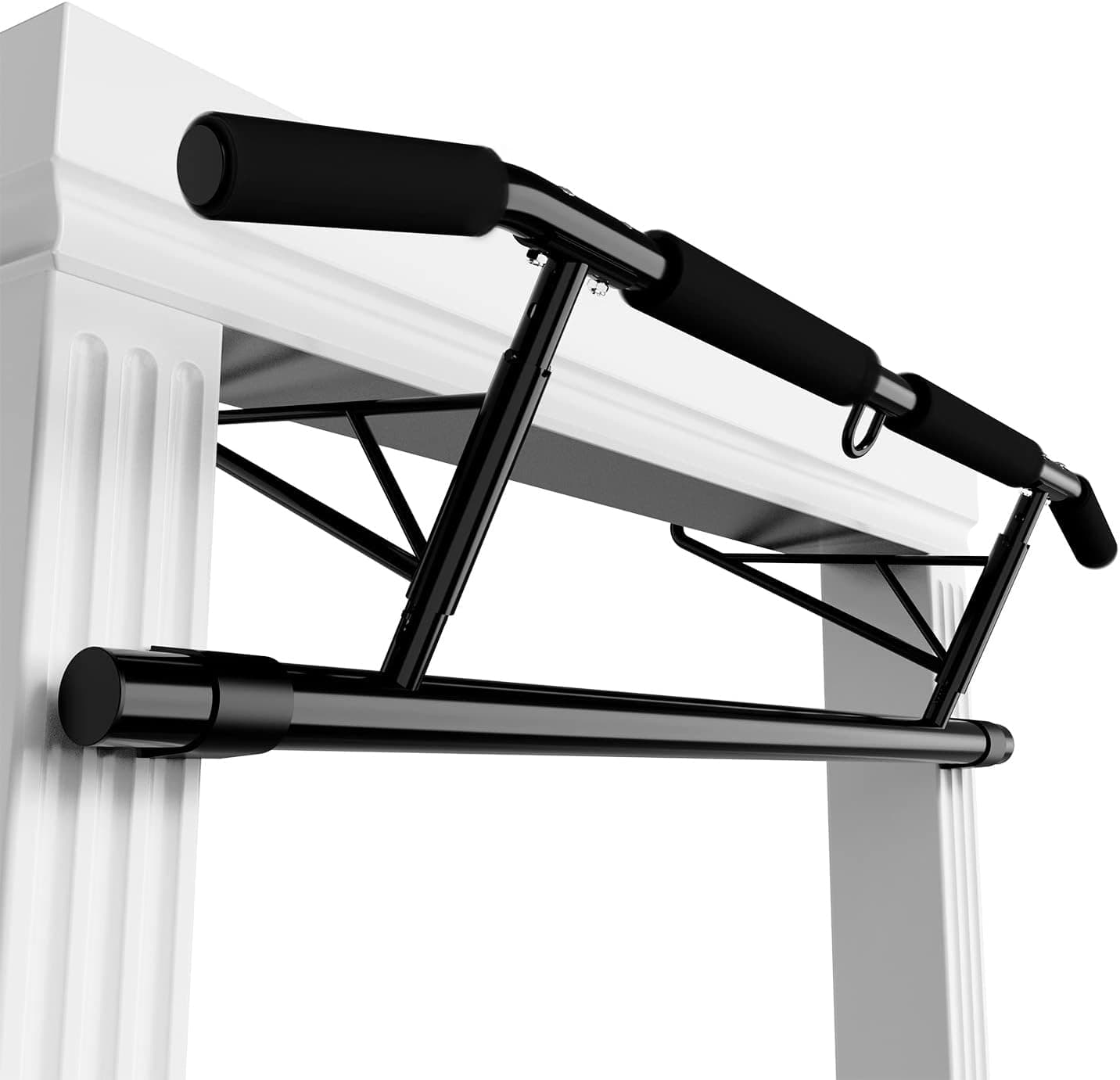
The best pull up bars in the UK for 2026: no-drill doorway bars, wall mounted pull-up bars and free standing power towers, with frame sizes, weight ratings and honest picks for every budget.
Best Exercise is a participant in the Amazon EU Associates Programme, an affiliate advertising programme designed to provide a means for sites to earn advertising fees by advertising and linking to Amazon.co.uk. As an Amazon Associate we earn from qualifying purchases. This comes at no extra cost to you and never influences our independent reviews or rankings.