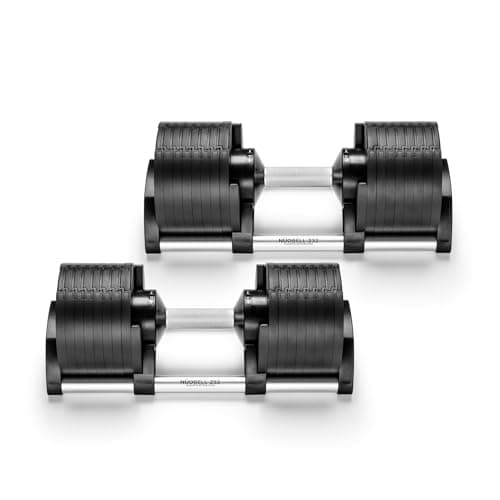
Home Gym
Best Adjustable Dumbbells UK: 6 Top Picks for 2026
The best adjustable dumbbells in the UK for 2026, from quick-dial sets to heavy 40kg and 50kg options. Budget to premium picks researched and ranked.

By Jack Atkins, Home Gym Equipment Specialist · Updated 12 October 2026
We may earn a commission from qualifying purchases made through links on this page, at no extra cost to you. This never affects our ratings.
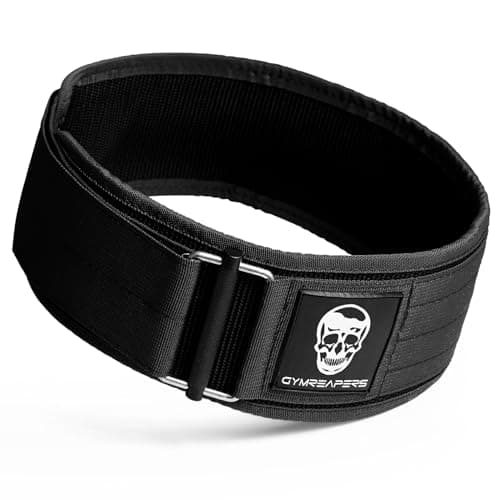
A weightlifting belt is one of the few bits of kit that genuinely lets you lift more, and lift it safer, on your big compound lifts. It gives your core something firm to brace against, which bumps up the pressure inside your abdomen and stiffens your whole trunk under a heavy squat or deadlift. The catch is that the market is full of flimsy neoprene wraps that do nothing, sitting next to serious leather belts that last a decade. This guide sorts the best weight lifting belts on Amazon UK from the gimmicks, across nylon, leather, prong and lever, with prices running from about £18 to the cost of a serious powerlifting belt.
How we chose
We researched the most popular and best-reviewed weight lifting belts on Amazon UK rather than putting every single one through a long-term hands-on test. We weighed up width, thickness, buckle type, material, sizing and value, reading through owner reviews, manufacturer specs and powerlifting federation standards. Prices and specs are correct at the time of writing and can change, so always check the current details before you buy.
A quick word on why belts work. When you wear one and brace properly, the pressure inside your abdomen rises, which helps support your spine under load. One often-cited study measured intra-abdominal pressure climbing from around 99 mmHg without a belt to 120 mmHg with one (Harman et al., 1989), and further research found that wearing a belt and raising that pressure can each help stabilise the lower back (Cholewicki et al., 1999). The belt does not do the lifting for you, but it gives your brace something to work against.
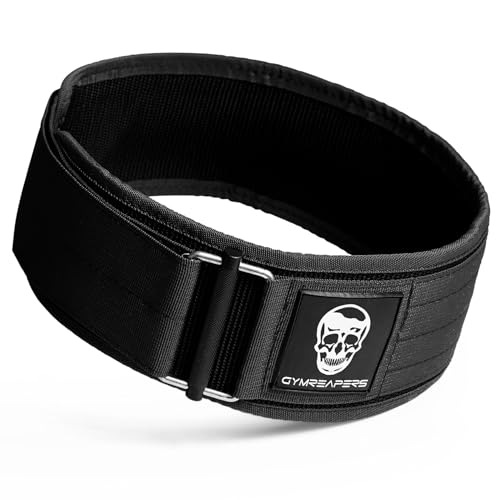
The Gymreapers Quick Locking belt is the one we would point most people towards first. It is a premium nylon belt that is a full 4 inches wide all the way round, so it supports your whole midsection evenly rather than tapering thin at the front like cheaper neoprene wraps. The quick-lock metal buckle is the highlight: it cinches firm in a second and releases just as fast between sets, with none of the faff of threading a prong or carrying a screwdriver for a lever.
It suits a huge range of lifters, from general gym-goers doing squats and deadlifts to CrossFit and Olympic lifting where you want to belt up and strip off quickly. It is more comfortable than stiff leather straight out of the box, which beginners appreciate. The honest cons: nylon never gets quite as rigid as a thick leather belt, so very heavy powerlifters will eventually want more, the buckle and stitching are the parts that wear over years of hard use, and Gymreapers sizes this belt by your core measurement rather than your trouser size, so check the chart before you order.
Check price on Amazon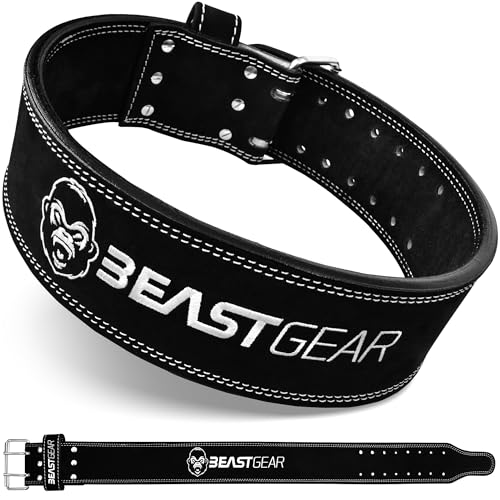
If you want your first proper leather belt without paying powerlifting-specialist money, the Beast Gear PowerBelt is the pick. Beast Gear is a British brand, and the PowerBelt is a 4-inch wide cowhide leather belt with a dual-prong buckle and a row of adjustment holes, so you can dial in the tightness exactly where you want it for squats versus deadlifts. The leather is stiff enough to brace hard against once broken in, but it is not the brutal 13mm slab that takes months to soften.
It suits the intermediate lifter who has outgrown a soft neoprene belt and wants real, lasting support for strength training. The double-prong design spreads the load and resists popping open under a heavy brace. The trade-offs are the usual leather ones: it needs a break-in period where it feels rigid and a bit awkward, and a double-prong buckle is slightly fiddlier to thread than a single prong or a lever. For honest leather quality from a UK brand at a fair price, it is hard to beat.
Check price on Amazon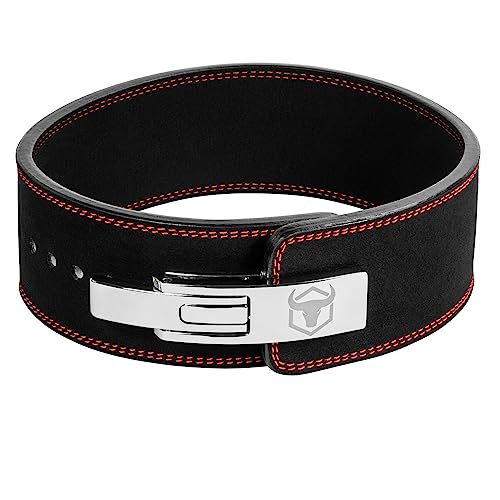
For the strongest lifters chasing maximum squat and deadlift numbers, the Iron Bull Strength 13mm Lever Belt is the serious tool. It is a 4-inch wide, 13mm thick leather belt with a steel lever buckle, which is about as rigid and supportive as a belt gets. The lever snaps on and off in a second once set, and it locks to exactly the same tightness every single rep, which is precisely the consistency competitive powerlifters want when they are grinding near a max.
This is the belt for people who train heavy and brace hard. The 13mm thickness gives the most aggressive support of anything here, and the lever means no slipping or loosening mid-set. Two honest cautions. First, 13mm is unforgiving and takes a proper break-in period, so it is overkill for casual gym work and can feel like wearing a plank at first. Second, you change the tightness by unscrewing and repositioning the lever, so it is not the belt to grab if your waist size swings a lot. For dedicated strength training, it is excellent.
Check price on Amazon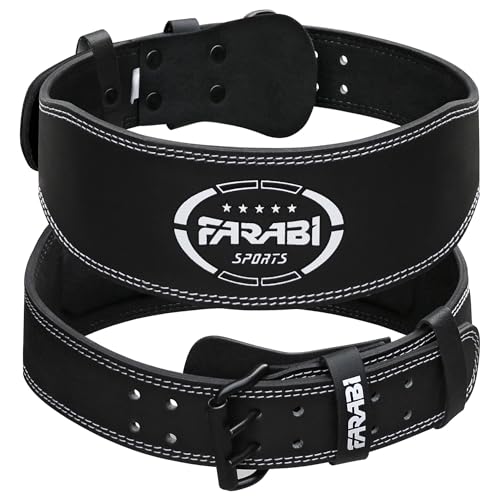
When you want real leather support without spending much, the Farabi Sports belt is the value pick. At around £18, roughly half the price of the Gymreapers up top, it is still genuine leather rather than the bonded or PU stuff that fills this end of the market. You get a 4-inch wide, 7mm thick build with double stitching, which makes it a sensible first belt for anyone who wants something more serious than a stretchy neoprene wrap but is not ready to invest in a competition-grade leather slab.
The buckle is the interesting part at this price. Farabi use a quick-release design with two pins, so you get the hold of a double prong without threading a standard buckle every set. The honest cons are what you would expect for £18: at 7mm the leather is thinner and less rigid than the Beast Gear or Iron Bull belts, so it will not brace quite as hard under a true max, and Farabi size it on your waist measurement rather than your trouser size, so check the chart before you order. As a cheap, dependable way into belted lifting, it does the job well.
Check price on Amazon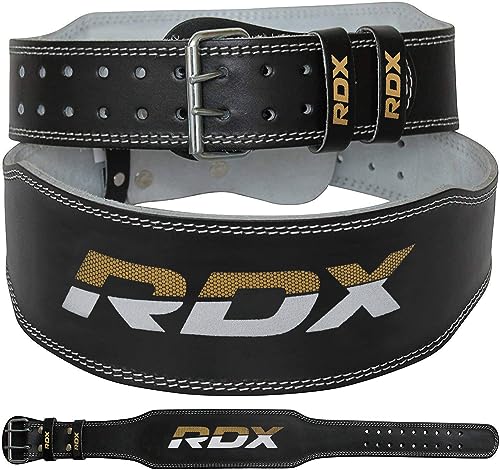
Not everyone wants a uniform-width powerlifting belt. If you train more for physique, do higher-rep work, or simply find a flat 4-inch belt digs in, the RDX Padded Lumbar belt is the comfortable choice. It is a genuine cowhide leather belt, 7mm thick, offered in 4-inch and 6-inch versions that both have a wide padded back, and the suede leather inner plus the leather flap that sits over the buckle stop the hardware biting into you during longer sessions.
It suits bodybuilders and general gym-goers who want lower-back support and comfort across a varied workout rather than the absolute maximum rigidity for a one-rep max. The dual-prong roller buckle runs across 10 precision-drilled holes, so you can fine-tune the tightness rather than living with one preset. The honest cons: at 7mm it is thinner and softer than a 13mm slab like the Iron Bull above, so it will not brace as hard under a true max, and RDX sizes it on your measurement around the lower back and belly button rather than your trouser size, so a belt ordered on jeans size will very likely be wrong. For comfortable all-round support, though, it is a smart pick.
Check price on AmazonLess often than most gyms suggest. A belt earns its place on heavy sets of squats, deadlifts and overhead presses, where you're bracing hard against a load close to what you can handle for a few reps. Most coaches leave it off for warm-ups and lighter work, partly because you want to practise bracing without it and partly because there's no meaningful pressure to brace against when the bar is light.
It also does little for the lifts people often wear one for. Curls, lat pulldowns, leg presses and most machine work don't load your spine in a way a belt helps with, so wearing one there is mostly habit.
If you're new to lifting, spend your first few months learning to brace without a belt and pick one up once your squat and deadlift are heavy enough that your brace is the limiting factor. The Gymreapers or the Farabi are sensible first belts at that point. You'll know you've outgrown them when they start to fold under a hard brace, and that's when a 10mm or 13mm leather belt like the Iron Bull starts to make sense.
The right weight lifting belt comes down to how heavy you lift and how you like to fasten it. Here is the quick version:
A note on competition: if you plan to compete in tested powerlifting, the IPF caps belts at 10cm wide and 13mm thick and only allows lever, single-prong or double-prong leather or suede (USA Powerlifting technical rules). Check your federation's approved list before a meet. And whatever you pick, learn to brace into the belt rather than relying on it to do the work.
For most lifters the Gymreapers Quick Locking Weightlifting Belt is the best weightlifting belt in the UK. It is 4 inches wide all the way round, uses a quick-lock metal buckle that adjusts in seconds, and sits at a sensible price for the build quality. If you are chasing maximum squat and deadlift numbers, step up to a leather lever belt like the Iron Bull Strength 13mm instead.
Yes, within reason. A belt gives your abs something firm to brace against, which raises the pressure inside your abdomen and stiffens your trunk during heavy squats and deadlifts. Research shows intra-abdominal pressure rises noticeably when lifters wear a belt, and that extra pressure helps stabilise the lower back. A belt does not lift the weight for you, though, and you still have to brace properly.
A prong belt (single or double pin, like a normal belt buckle) is cheaper and lets you fine-tune the tightness hole by hole, which suits training across squats and deadlifts. A lever belt locks to one preset tightness and snaps on and off in a second, which powerlifters love for consistency, but you need a screwdriver to change the setting. If you train at one belt tightness, go lever. If you want flexibility, go prong.
Most lifters are best served by a 10mm belt. It is stiff enough to brace hard against but still breaks in without leaving you bruised. A 13mm belt offers the most rigid support and suits experienced powerlifters moving very heavy loads, but it is unforgiving and takes longer to break in. Beginners and general gym-goers often prefer a slightly softer leather or a nylon belt while they learn to brace.
Tight enough that you can take a big breath and push your stomach out hard against it, but not so tight that you cannot breathe or brace at all. You should be able to slide a flat hand between the belt and your stomach when relaxed. The belt is there to push against, not to crush you, so leave room to expand your midsection.
Belt sizing usually goes by your waist measurement at the navel, not your trouser size, so measure around where the belt will actually sit. Each brand has its own size chart, so check it before buying because a powerlifting belt sized like jeans will often be too big. Lever belts are less forgiving on sizing than prong belts, so if you are between sizes on a lever, read the brand chart carefully.
The best adjustable dumbbells in the UK for 2026, from quick-dial sets to heavy 40kg and 50kg options. Budget to premium picks researched and ranked.
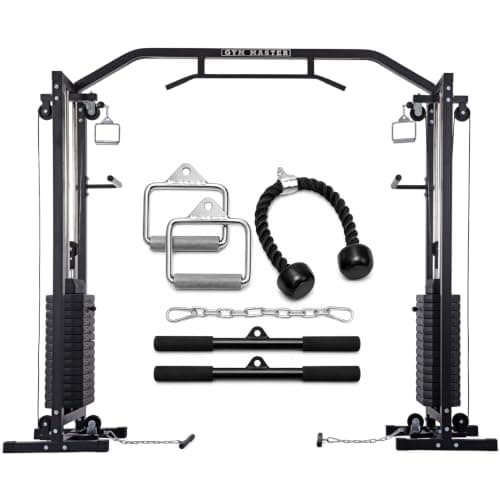
The best cable machines in the UK for 2026, from dual cable machines and functional trainers to wall-mounted and folding designs. Honest picks for any home gym and budget.
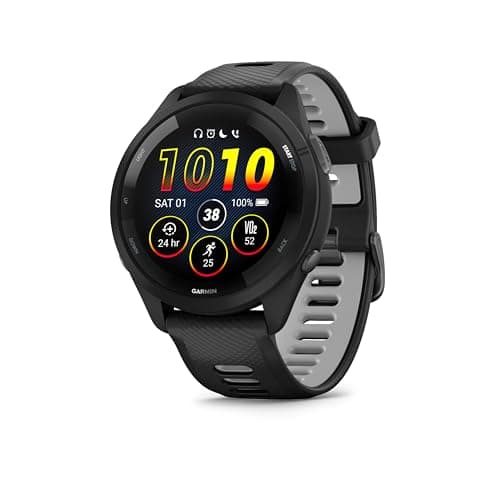
The best Garmin watch for most UK buyers in 2026 is the Forerunner 265, but not for everyone. Five models compared honestly, from the £162 Forerunner 165 to the fēnix 8.
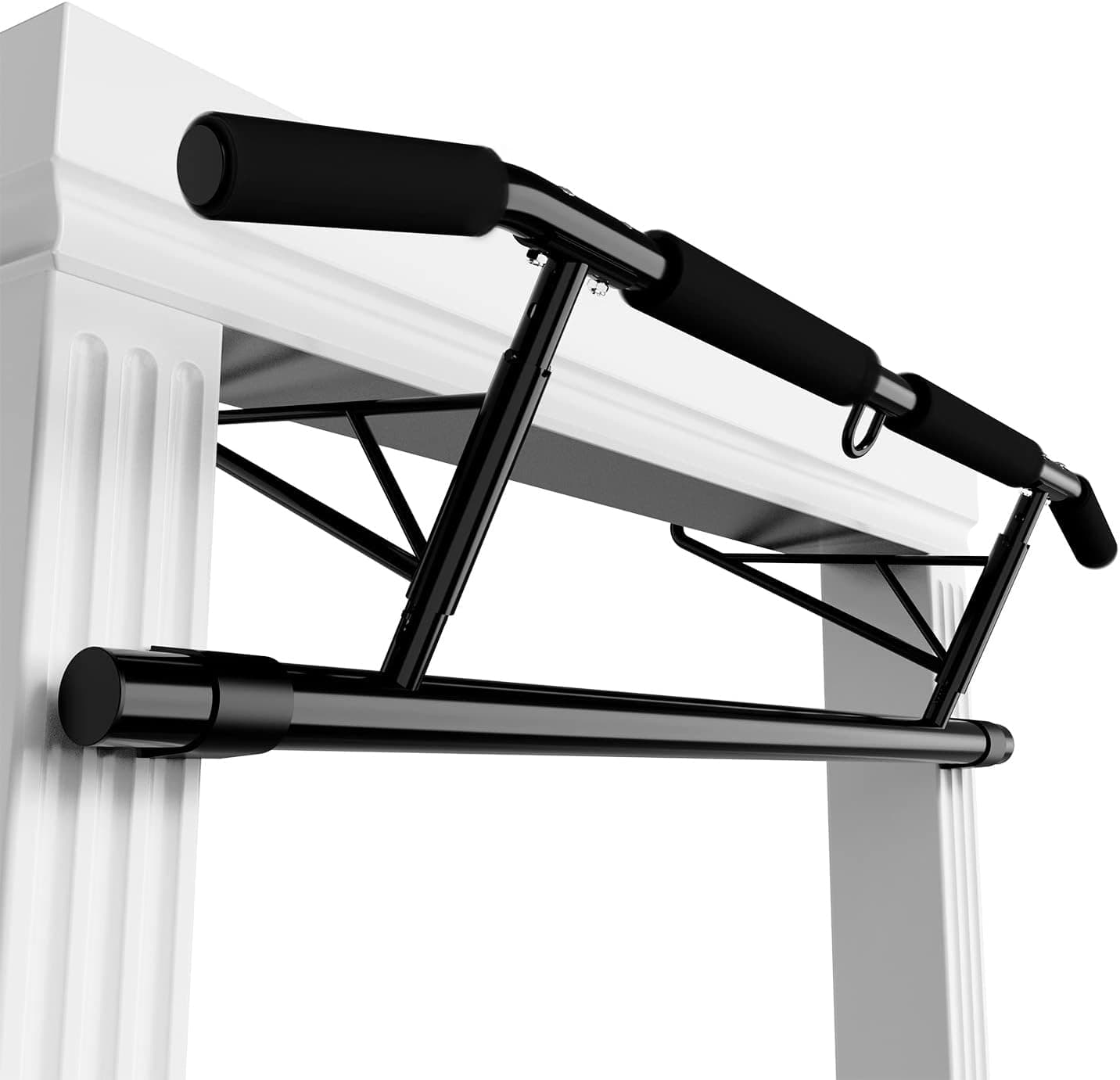
The best pull up bars in the UK for 2026: no-drill doorway bars, wall mounted pull-up bars and free standing power towers, with frame sizes, weight ratings and honest picks for every budget.
Best Exercise is a participant in the Amazon EU Associates Programme, an affiliate advertising programme designed to provide a means for sites to earn advertising fees by advertising and linking to Amazon.co.uk. As an Amazon Associate we earn from qualifying purchases. This comes at no extra cost to you and never influences our independent reviews or rankings.