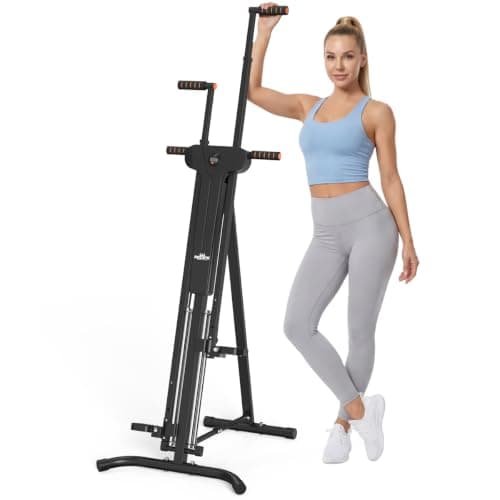
Home Gym
Relife Vertical Climber Review: A £500 Climber With a Thin Spec Sheet
Our Relife vertical climber review covers its 4 guide rails, 150kg limit, 5 step levels and folding frame, and asks whether £516 is fair when rivals cost far less.

By Jack Atkins, Home Gym Equipment Specialist · Updated 9 October 2026
Yes, adjustable dumbbells are worth it for most people lifting at home, specifically anyone who'd otherwise need 10 or more pairs of fixed weights to cover their training. One pair replaces a wall of iron for a fraction of the money and floor space. They're not worth it if you drop your weights at the end of a set, train with a partner who needs a different load at the same time, or already need more than about 40kg per hand, because almost no adjustable set goes that heavy and the ones that try are long, awkward and expensive.
That's the short answer. The rest of this guide runs the actual UK numbers, using prices from the adjustable dumbbell reviews we've already published, so you can check the maths against your own situation.
How we worked this out
We didn't run a lab test for this guide. The prices, weight ranges and dimensions come from our existing reviews and buying guides, which are based on manufacturer specifications, Amazon UK listings and recurring patterns in owner feedback. Prices were correct when those pages were written and they move often, so check the current figure before buying.
Start with what you'd need to replicate a typical adjustable pair with fixed dumbbells. A dial set running from 2.5kg to 25kg gives you roughly ten useful settings, so the fixed equivalent is ten pairs: 2.5kg, 5kg, 7.5kg and so on up to 25kg.
Add those up and you get 137.5kg per side, or 275kg of iron in total. Rubber hex dumbbells cost roughly £2 to £4 per kilo in the UK at the moment (see our best hex dumbbells guide for current options), which puts that full run somewhere between £550 and £1,100, and that's before you've paid for a rack to keep it off the floor.
Most people don't buy all ten pairs, of course. A common compromise is a seven-pair boxed set like the Extreme Fitness one in our best dumbbell set guide, which runs 2.5kg, 5kg, 7.5kg, 10kg, 15kg, 20kg and 25kg for 170kg in total. At the same per-kilo rate that's roughly £340 to £680. The catch is the 5kg jumps from 10kg upwards, which are brutal on shoulder presses and anything done with one arm.
Now compare the adjustable pairs we've reviewed:
| Adjustable pair | Range per hand | Settings | Price at review |
|---|---|---|---|
| EnterSports 20kg pair | 2kg to 20kg | 10 (2kg steps) | £201.86 |
| ATIVAFIT 25kg pair | 2kg to 25kg | 10 | around £263 |
| HAKENO 24kg pair | up to 24kg | 15 | around £280 |
| Strongway 32kg pair | 2kg to 32kg | 9 (4kg steps) | £339.95 |
| BRAINGAIN "40kg" pair | about 20kg (pair total 40kg) | 17 | £369 |
| NÜOBELL 2 to 32kg pair | 2kg to 32kg | 16 (2kg steps) | over £600 |
The ATIVAFIT is the cleanest comparison. It covers the same 2kg to 25kg spread as the ten-pair hex run for about £263, which is less than half of the cheapest end of the fixed estimate. Even the premium NÜOBELL, which goes higher to 32kg, sits around the bottom of that range. Our Strongway review put a full fixed run from 2kg to 32kg at around £700, so the £340 Strongway pair halves it.
The one place fixed weights win on price is when you only need two or three pairs. A 10kg hex pair often costs £40 to £70. If your whole programme is a light pair for shoulders and arms plus a heavier pair for squats and rows, you'll spend under £150 and never touch a dial.
Watch for single-dumbbell pricing
The Bowflex SelectTech 552 is sold on Amazon UK as a single dumbbell, so the listed price buys you one, not a pair. Several rivals are priced per pair. Double the Bowflex figure before you compare it with anything in the table above.
This is where adjustables win outright, and it matters more in a UK spare room or box bedroom than the price does.
A pair of NÜOBELLs measures 485 x 180 x 185mm per dumbbell. Stand them side by side in their cradles and they take up roughly 49cm by 37cm of floor, about the size of a large doormat. The compact seven-pair Extreme Fitness rack is 73cm wide and 50cm deep, which is about twice the footprint, and it only holds seven pairs with those big upper jumps. A full ten-pair run in 2.5kg steps needs a longer rack still, or a second tier, and the whole thing weighs 275kg, so it's not something you move to hoover behind.
There's also the living-room test. A pair of dial dumbbells in trays can slide under a bed or into a cupboard. A rack of hex weights is furniture.
"Adjustable dumbbell" covers a few quite different mechanisms. The type you pick changes how fast you switch weights, how much abuse they'll take and how they feel in your hand.
You turn a dial at each end while the dumbbell sits in its tray, then lift the handle out and the plates you didn't select stay behind. The Bowflex SelectTech 552, the NordicTrack Select-A-Weight and the ATIVAFIT all work this way. Changes take a couple of seconds, which makes them the best choice for supersets and drop sets.
The trade-offs are a mostly plastic build and a fixed length. The Bowflex SelectTech 1090 is about 44cm long at every setting, whether you've dialled 10kg or the full 41kg.
The handle itself is the selector: you rotate it in the cradle to pick a weight. The NÜOBELL is the best-known example, and the EnterSports and BRAINGAIN sets use the same idea. The good ones lock so the handle can't rest between two numbers, which is the classic failure on cheaper designs where a half-engaged plate can slide off mid-rep. Twist-handle sets tend to be shorter and more metal-heavy than dial sets, so they feel closer to a fixed dumbbell, though you pay for that at the premium end.
Some designs, like the Nomad Fitness set in our best adjustable dumbbells guide, have you press buttons or pull a pin, turn to the weight, then lock it back in. These are a halfway house: slower than a dial, usually tougher, and often cheaper per kilo. Check the increments carefully, since many pin systems move in 2.5kg steps or bigger.
The old-school option. You get two short bars, a stack of plates and threaded collars that you screw on and off. The Mirafit spin-lock set is a typical example. There's almost nothing to break, they're the cheapest way to get iron into your house and you can keep adding plates on the standard 1 inch bar. But a weight change takes a minute or more, collars can work loose during a set, and you'll be sitting on the floor screwing plates on between exercises. Brilliant for a budget, a pain for circuits.
Here's the biggest reason adjustables aren't for everyone. Dial and twist-handle dumbbells are built to hold plates while you lift, not to absorb impact. Bowflex puts a Do Not Drop label on the SelectTech 1090, and the plastic lips that catch the discs can crack if a dumbbell lands from bench height. A cracked selector is usually an expensive fault and often the end of the dumbbell.
So if your training involves dumping the weights after a heavy set of presses, or you do snatches, cleans and thrusters where a dumbbell can hit the floor, buy fixed hex dumbbells for those moves. It's also worth knowing that in June 2025 around 3.8 million older SelectTech 552 and 1090 units were recalled in the US after plates could come loose, and the current Results Series has metal locking tabs to fix that. Buy the current model.
The other common way people break these is forcing the dial when the dumbbell isn't fully seated in the tray. Always set it down square before you turn anything.
Because a dial dumbbell carries the housing for every plate even at its lightest setting, it's longer than a fixed dumbbell of the same weight. EnterSports lists its 20kg pair at about 36cm per dumbbell; the Bowflex 1090 is about 44cm.
For a dumbbell bench press, rows and goblet squats you'll barely notice. On curls the ends can brush your thighs, lateral raises take a wider path, and on flyes or a close press the ends clash. Smaller lifters feel this most. None of it stops you training, but if your programme is heavy on arms and shoulders, a compact twist-handle set is worth the extra money over a long dial set.
People shop on the maximum weight, but the step size decides how well you'll progress. Going from a 6kg to a 10kg lateral raise is a 67% jump, and most people simply can't make it with good form.
The 2kg steps on the EnterSports and NÜOBELL are about as good as it gets. The Bowflex 552 uses 2.5lb (about 1.1kg) jumps at the light end, then 5lb above that. The Strongway's 4kg steps are its real weakness, biting hardest on shoulder work. Before you buy, write down the exact settings and check there are small jumps in the range you'll actually use for presses and raises.
Not as much as you might think. The WHO recommends muscle-strengthening activity for all adults on two or more days a week (WHO 2020 guidelines, Bull et al.), and a single adjustable pair covers that brief on its own. A review of the research on loading zones found that muscle growth can be achieved across a wide range of loads, not only heavy ones, as long as sets are taken hard (Schoenfeld et al., Sports, 2021).
In practice that means a 24kg to 32kg pair builds plenty of muscle for most people if you push sets close to failure and add reps before you add weight. Heavier loads still matter for maximal strength, which is why lifters chasing big numbers usually end up with a barbell anyway.
Everyone else, from beginners in a flat to intermediate lifters running full-body sessions twice a week, gets more out of an adjustable pair than out of a rack.
If the maths works for you, here are three pairs from our reviews that are in stock on Amazon UK as we write this.
For the budget end, the EnterSports 20kg pair gives you even 2kg steps and a locking twist handle for about £200. It's a good first set, though stronger lifters will outgrow 20kg on presses.
Check EnterSports price on AmazonThe Strongway 32kg pair is the value pick if you want a higher ceiling without paying NÜOBELL money. Accept the 4kg increments and it's a solid backbone for a home gym.
Check Strongway price on AmazonAnd the Bowflex SelectTech 552 is still the quickest dial change around, with the finest low-end steps. Just remember the listing is for one dumbbell.
Check Bowflex 552 price on AmazonOnce you've got a pair, our full body dumbbell workout and a decent weight bench turn them into a proper home gym.
Yes, usually more than for anyone else. Beginners progress fast in the first year, so a fixed set means buying new pairs every few months. A 20kg to 25kg adjustable pair costing around £200 to £265 covers that whole first phase of presses, rows, curls and lunges without another purchase.
Once you need more than three or four pairs, yes. Rubber hex dumbbells run roughly £2 to £4 per kilo, so ten pairs from 2.5kg to 25kg (275kg of iron) lands somewhere between £550 and £1,100 before you buy a rack. Most 24kg to 32kg adjustable pairs sit between £200 and £370. If you only ever need two pairs, fixed dumbbells are the cheaper buy.
No. Dial and twist-handle dumbbells use plastic housings and small locking parts that can crack or jam on impact, and models like the Bowflex SelectTech carry a Do Not Drop label. Plate-loaded spin-lock dumbbells handle rough treatment better, but the collars can loosen. If you drop weights at the end of a set, buy fixed hex dumbbells.
For most home lifters, a pair that reaches 24kg to 32kg per hand. That covers presses, rows and goblet squats for years. A 20kg pair suits beginners and lighter upper-body work. Check whether a listing quotes the weight per dumbbell or the pair total, because a '40kg set' is often 20kg per hand.
Yes. Most dial dumbbells stay the same length at every setting, often 36cm to 44cm, so even a light weight feels like a long bar. That barely matters on presses and rows but gets in the way on curls, lateral raises and flyes. Twist-handle designs like the NÜOBELL are more compact and feel closer to a fixed dumbbell.
Our Relife vertical climber review covers its 4 guide rails, 150kg limit, 5 step levels and folding frame, and asks whether £516 is fair when rivals cost far less.
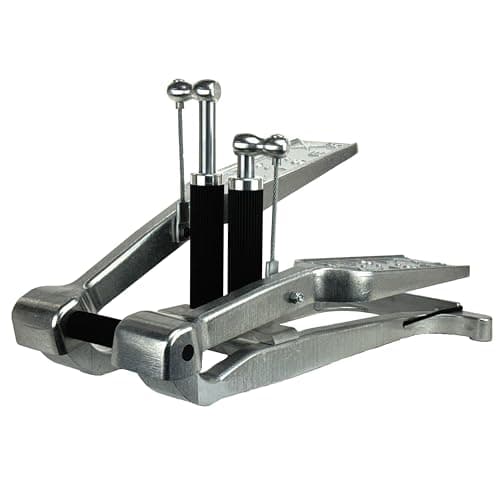
Our Xiser mini stepper review covers the cast alloy build, hydraulic resistance, sprint use and warranty, and explains who should save £500 and buy a cheap stepper instead.
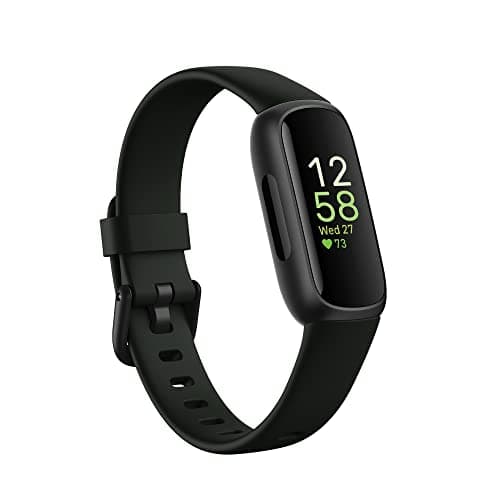
An honest Fitbit Inspire 3 review covering its AMOLED screen, 10-day battery, sleep and heart rate tracking, connected GPS, the Premium paywall and who should buy it.
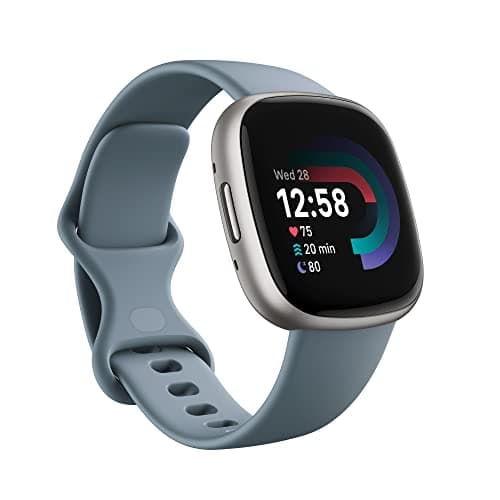
Our Fitbit Versa 4 review covers built-in GPS, 6+ day battery, Google Maps and Wallet, the lost third-party apps and Wi-Fi, and who should buy it at £179.
Best Exercise is a participant in the Amazon EU Associates Programme, an affiliate advertising programme designed to provide a means for sites to earn advertising fees by advertising and linking to Amazon.co.uk. As an Amazon Associate we earn from qualifying purchases. This comes at no extra cost to you and never influences our independent reviews or rankings.