Home Gym
Fitbit vs Apple Watch: Which Should You Buy in 2026?
Fitbit vs Apple Watch for UK buyers: battery, price, Google Health Premium, GPS, accuracy research and apps compared, with a straight answer on which to buy.

By Jack Atkins, Home Gym Equipment Specialist · Updated 28 June 2026
We may earn a commission from qualifying purchases made through links on this page, at no extra cost to you. This never affects our ratings.
A good pair of lifting shoes is one of the cheapest upgrades to your training, and one of the most underrated. The soft, springy soles on running trainers are designed to absorb impact, which is exactly what you do not want under a heavy barbell. A proper weightlifting shoe gives you a hard, non-compressible base and, in most cases, a raised heel that keeps you upright and planted so every bit of your force goes into the bar. The catch is that "weightlifting shoe" covers a few very different products: heeled squat shoes for staying tall under load, flat shoes for deadlifts, and stable cross-trainers for mixed sessions. This guide sorts the genuinely good options on Amazon UK across all three, at every budget.
How we chose
We researched the most popular weightlifting and lifting-style training shoes on Amazon UK rather than testing every pair ourselves in a long-term hands-on review. We read through owner reviews, manufacturer specs and expert round-ups to weigh up heel height, sole stiffness, fit and value. Prices and specs are correct at the time of writing and can change, so always check the current details and your size before you buy.
A raised, firm heel is not just marketing. When you lift your heel, you can keep your foot flat while letting your knees travel further forward, which helps you stay upright and sit deeper, and research on heel-lift insoles during barbell squats found they changed lower-limb muscle activation and joint work in ways that can suit a more quad-focused, upright squat (heel lift insoles and barbell squats, PMC). Heel elevation has also been shown to affect left-to-right symmetry through the squat, especially in less experienced lifters (heel height and squat symmetry, PMC).
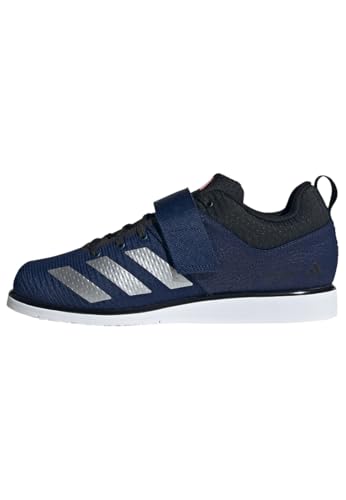
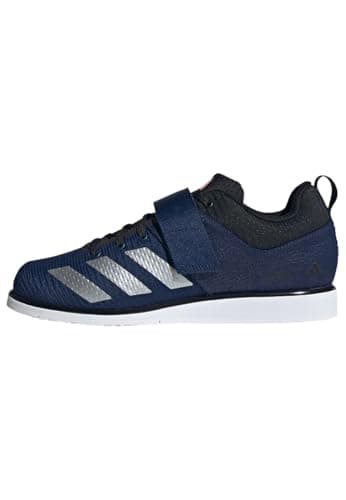
The Adidas Powerlift 5 is the pair we would point most people towards first. It hits the sweet spot of price, fit and usability: a roughly 15mm heel that is high enough to help your squat without feeling like stilts, a regular, forgiving fit, and a hook-and-loop instep strap over the laces to lock your foot down. The build is lighter and more flexible than a stiff competition shoe, which makes it comfortable enough to wear for a whole session rather than swapping shoes for the heavy sets.
That moderate heel is exactly why it suits the most people. Olympic lifters and those with very stiff ankles may want more height, but for general barbell training, squats, lunges, overhead pressing and accessory work, the Powerlift 5 is plenty. The honest cons are that the textile and synthetic upper is not the most durable if you thrash it, and the sole flexes a touch more than premium shoes, so the very strongest lifters chasing a maximal squat may feel they want something firmer. At around 90 pounds at the time of writing, it is the easiest shoe to recommend.
Check price on Amazon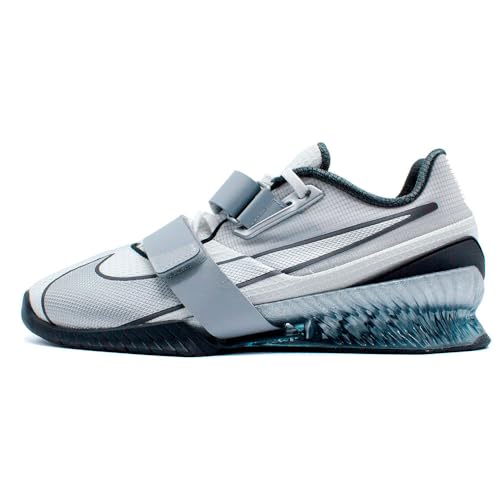
When you want the firmest, most stable platform you can get, the Nike Romaleos 4 is the shoe serious lifters keep coming back to. It pairs a tall, dense heel (around 20mm) with two midfoot straps and a wide, rock-solid base, so your foot does not shift a millimetre even under a near-maximal squat or a heavy clean. The honeycomb sole is genuinely non-compressible, which is the whole point: it transfers everything you push into the floor and back into the bar.
This is a competition-grade shoe, and the trade-offs reflect that. It is heavier and stiffer than the Powerlift, which is brilliant for the squat and the Olympic lifts but makes it overkill if you only do general gym work. It is also the priciest pick here, usually around 180 to 200 pounds, and the firm fit takes a session or two to get used to. If you squat heavy, train the snatch and clean, or simply want a shoe you will never outgrow, it is worth the money. If you are new to lifting, it is more shoe than you need yet.
Check price on Amazon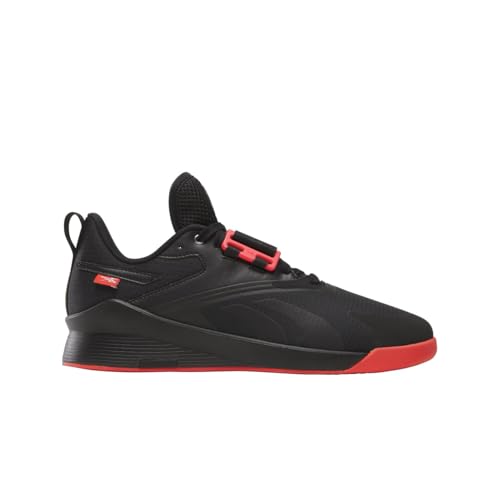
If you want the benefits of a heeled squat shoe without spending three figures, the Reebok Lifter PR III is the budget pick to look at. It gives you the core ingredients that matter: a raised, firm heel (around 15mm), a flat non-cushioned sole, and a strap across the midfoot to stop your foot sliding forward. For a newer lifter who wants to feel the difference a proper squat shoe makes, it delivers most of the upside for a lot less cash.
It is, naturally, a budget shoe, so the materials are not as plush or as hard-wearing as the Nike or Adidas options, and the heel is lower than a dedicated Olympic shoe, so very tight-ankled lifters may still want more height. The strap and upper are also a little basic. But as a first pair of lifting shoes, or a knock-about pair to leave in your gym bag, it is excellent value at roughly 70 to 90 pounds. Pair it with a solid squat rack and you have the foundation of a proper home setup.
Check price on Amazon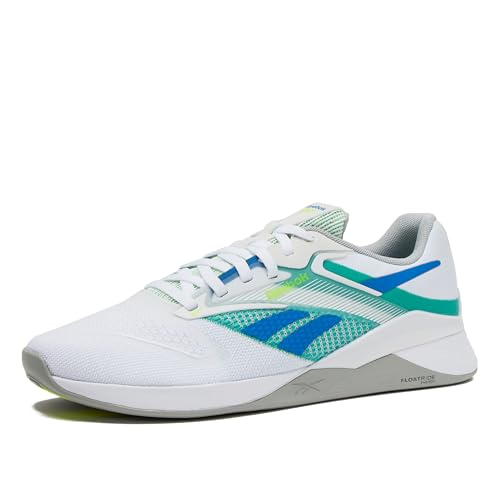
Heeled squat shoes are useless for running, jumping and box work, so if your sessions mix lifting with conditioning, you want a flat, stable training shoe instead. The Reebok Nano X4 is the classic all-rounder for exactly that. It has a firm, low, wide heel that stays planted for squats and cleans, a flexible forefoot that lets you run and jump, and a tough Flexweave upper that survives rope climbs and burpees. It is the one shoe that does a bit of everything well.
The compromise is in the name: it is a jack of all trades. It is not as stable as a dedicated heeled shoe for a true maximal squat, and not as light or springy as a running shoe for longer distances. But that is the point of a CrossFit trainer, and the Nano does the balancing act better than most. At around 90 to 110 pounds it is a sensible single shoe for anyone doing varied, functional sessions rather than pure barbell strength work.
Check price on Amazon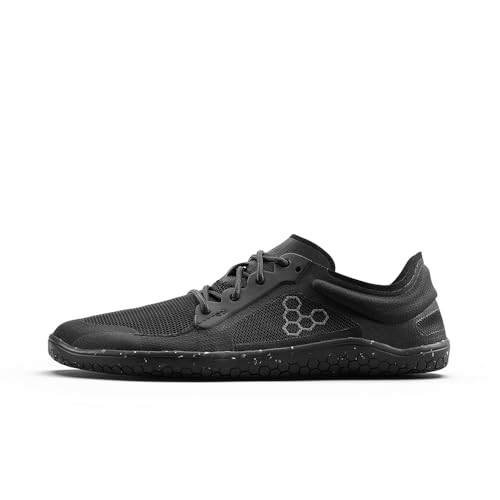
For deadlifts, the best shoe is barely a shoe at all. You want to be as close to the floor as possible, with a thin, firm, flat sole so you can grip the ground and push through your whole foot. The Vivobarefoot Primus Lite 3.5 is a barefoot-style trainer with a 2mm Primus outsole, no heel drop and a wide fit that lets your foot spread and stabilise. On a deadlift, that minimal stack means a shorter range of motion and a more secure, rooted feel than any cushioned trainer. The upper is breathable mesh with durable overlays, the lacing locks down the midfoot, and there is an Ortholite insole for a little underfoot comfort.
It is a specialist tool, so be clear about what it is not. There is no heel lift, so it does nothing to help a squat if you have tight ankles, and the lack of cushioning takes time to adjust to if you have only ever worn padded trainers. It is also pricier than a basic flat shoe, at around 110 pounds. But as a do-everything floor-feel shoe for deadlifts, kettlebell work and general gym training, it is a genuinely useful pair, and it doubles as an everyday barefoot shoe. If you only buy one pair and you deadlift more than you squat, this style beats a heeled shoe.
Check price on AmazonThe right shoe depends on what you actually lift. Here is the quick version:
A simple rule of thumb: if you squat more than you deadlift and your ankles are tight, get a heeled shoe. If you deadlift more, or you do mixed training, go flat. Strength work like this is exactly the kind of muscle-strengthening activity the NHS recommends doing on at least two days a week, and the right shoes make those sessions safer and more productive.
No, you do not strictly need them, but they help. A raised, non-compressible heel lets you keep your heels planted and stay more upright in a squat, which is useful if you have stiff ankles or you squat with a barbell regularly. If you mostly deadlift, a flat shoe is actually better. A quick test: put two small plates under your heels and squat. If it feels noticeably better, you will probably benefit from a heeled lifting shoe.
Squat shoes have a hard, non-compressible sole and a raised heel (usually around 15 to 22mm), plus a strap to lock your foot down. Running trainers have a soft, squashy sole that compresses under load, which makes heavy lifts feel unstable and wastes some of your force. For lifting you want a firm base, not cushioning.
Not ideally. A raised heel lifts you further from the floor, which means a slightly longer range of motion on the deadlift, and it shifts you onto the front of your foot. Most lifters deadlift in a flat, thin-soled shoe or barefoot so they can push through the whole foot and keep the bar path short. If you only own one pair, a flatter shoe is the more versatile choice.
Most dedicated lifting shoes use a heel between 15mm and 22mm. A higher heel (around 19 to 22mm, as on the Nike Romaleos and Adidas Adipower) suits Olympic lifters and anyone with very tight ankles. A lower heel (around 15mm, as on the Adidas Powerlift) feels more natural and is the easier place to start for most gym lifters.
Dedicated heeled lifting shoes are not ideal for CrossFit because they are stiff and bad for running, jumping and box work. For mixed sessions you want a flat, stable training shoe like the Reebok Nano, which handles lifting, conditioning and short runs. Some lifters keep both and slip on heeled shoes only for the heavy squat or clean portion of a session.
A good budget pair starts around 70 to 90 pounds and will serve most gym lifters for years. Mid-range shoes like the Adidas Powerlift 5 sit around 90 pounds, while premium competition shoes such as the Nike Romaleos 4 run closer to 180 to 200 pounds. Lifting shoes barely wear out, so spending a little more is usually a one-time cost.
Fitbit vs Apple Watch for UK buyers: battery, price, Google Health Premium, GPS, accuracy research and apps compared, with a straight answer on which to buy.
Every common leg machine at the gym named and explained: what each one trains, a beginner leg machine workout, and which leg machines make sense for a home gym.
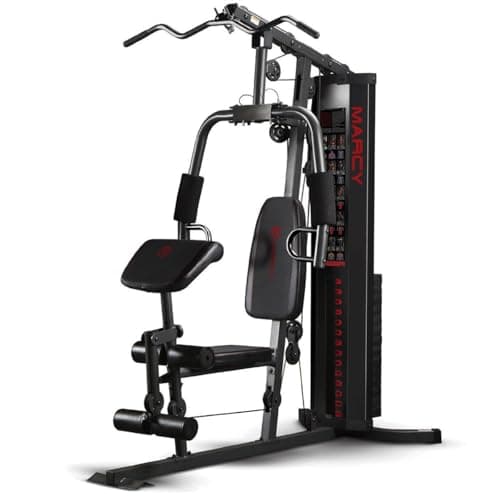
Our Marcy HG3000 multi gym review: the 68kg stack versus the 90kg claim, pec dec, preacher pad, leg extension, 210cm height, £599 price and who it suits.
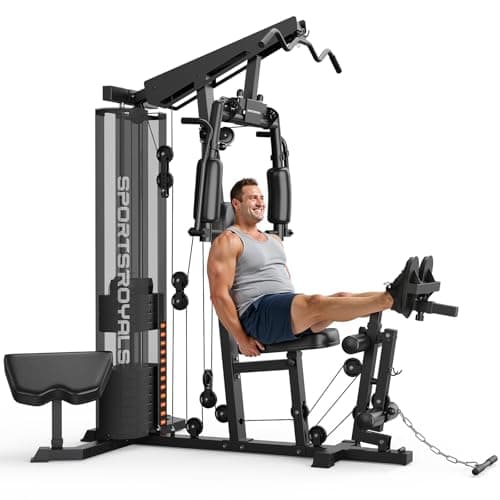
SPORTSROYALS home gym review: the 68kg stack, leg press and chest fly stations, 191 x 131cm footprint, 142kg build, £759.99 price and who it suits in the UK.
Best Exercise is a participant in the Amazon EU Associates Programme, an affiliate advertising programme designed to provide a means for sites to earn advertising fees by advertising and linking to Amazon.co.uk. As an Amazon Associate we earn from qualifying purchases. This comes at no extra cost to you and never influences our independent reviews or rankings.