Cross Trainers
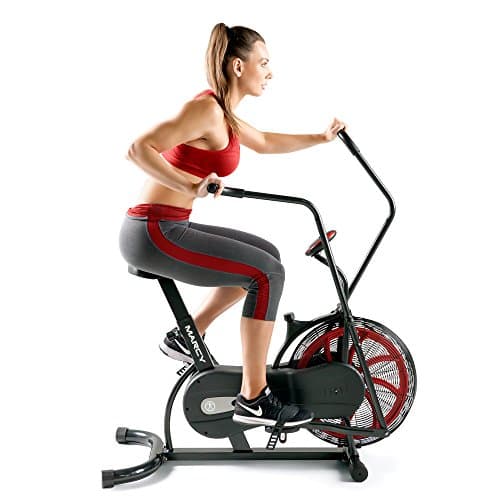
Marcy NS1000 Review: A Compact Fan Bike With Moving Arms
Our Marcy NS1000 cross trainer and exercise bike review: air resistance, dual action arms, 7 seat heights, 110kg limit and basic LCD, plus who should buy it.
Cross trainer and elliptical reviews and buying guides comparing low-impact cardio machines for home use.
Showing 20 of 20 results
Our Marcy NS1000 cross trainer and exercise bike review: air resistance, dual action arms, 7 seat heights, 110kg limit and basic LCD, plus who should buy it.
Cross trainer vs exercise bike compared on muscles, calories, joint impact, space, noise and price, with a straight verdict on which suits your home and goals.
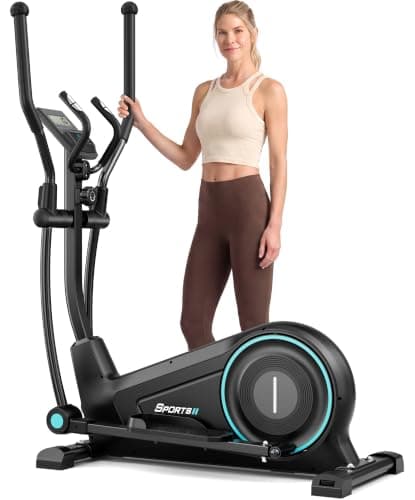
THERUN cross trainer review: 8kg flywheel, 16 magnetic levels and rear drive for £269.99, plus its short 38cm stride, 120kg limit and doubtful 20dB claim.
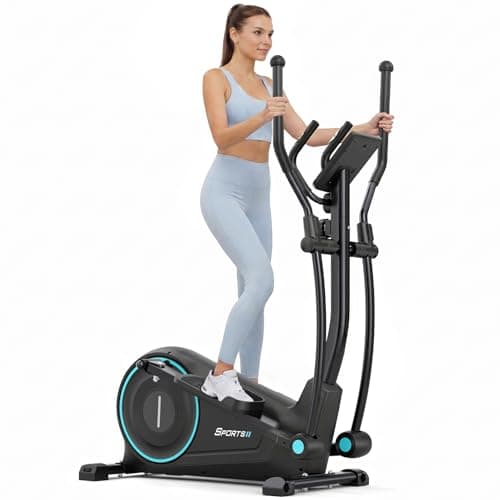
An honest Dripex cross trainer review: the 38cm stride, 8kg flywheel, 16 magnetic levels, 120kg limit, the quiet claims and who this £230 elliptical suits.
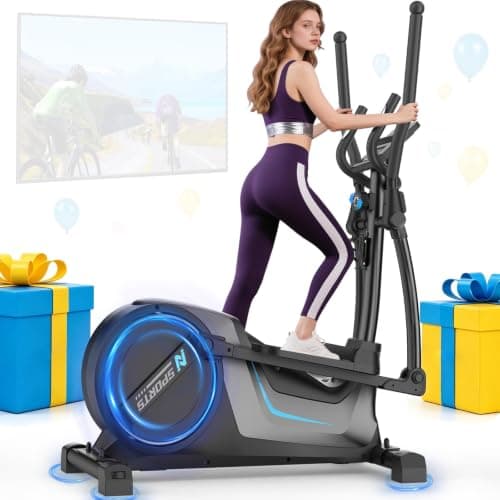
Our Neezee 3-in-1 cross trainer review: 16 magnetic resistance levels, the 8kg flywheel, Kinomap and Zwift support, 150kg limit, footprint and what the listing leaves out.
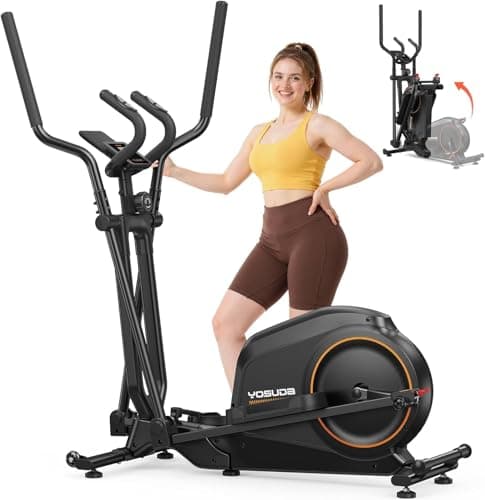
An honest YOSUDA foldable cross trainer review covering the 2 sq ft folded footprint, 38cm stride, 5.5kg magnetic flywheel, 16 resistance levels, the 175cm height guidance and the noise claim we don't believe.
Five cross trainer workouts with exact timings and resistance cues, from a 20 minute beginner session to intervals and a reverse-stride glute session, plus form tips and common mistakes.
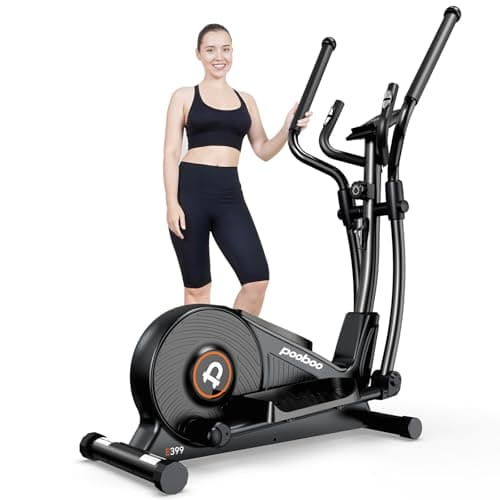
An honest pooboo foldable elliptical cross trainer review covering the 39cm stride, 7.3kg flywheel, 16 magnetic levels, folding frame, Kinomap support and the weight capacity figures that don't agree.
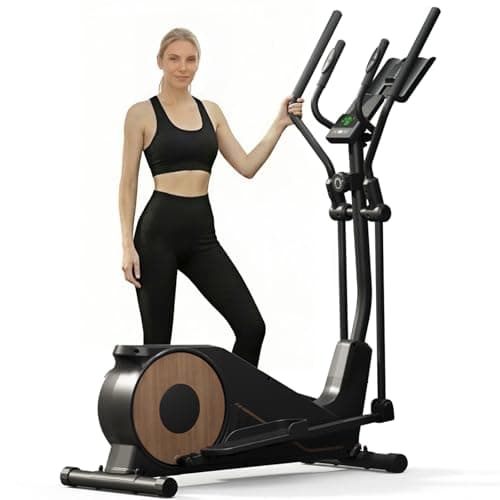
An honest Aeriflo M100 elliptical cross trainer review covering the 42cm stride, 8kg flywheel, 16 magnetic levels, 150kg capacity, Kinomap and Zwift support and who it suits.
An honest, in-depth review of the Reebok ZR8 cross trainer covering build quality, resistance, console, who it's for, and whether it's worth the money in 2026.
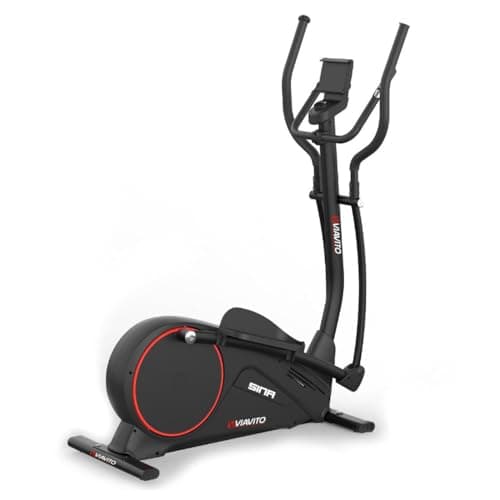
An honest Viavito Sina elliptical cross trainer review covering the 9kg flywheel, 15 inch stride, 32 resistance levels, real assembly effort and who it suits.
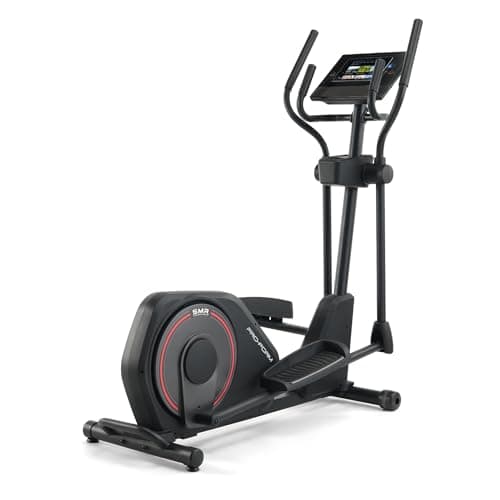
An honest ProForm Sport Elliptical review covering the 20 resistance levels, the 16in stride, the free year of iFIT and whether £499 is well spent on a cross trainer.
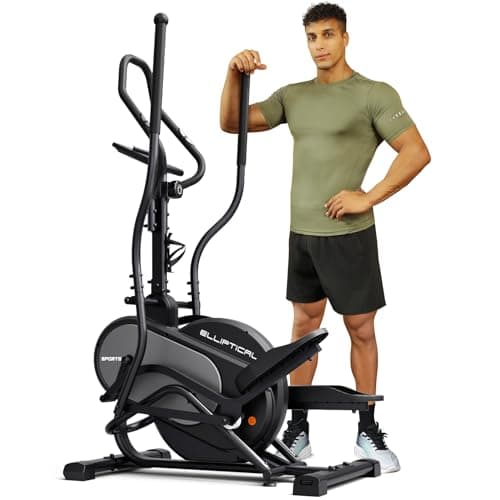
An honest Dripex 3-in-1 elliptical cross trainer review covering the 8kg flywheel, 16 resistance levels, the short 29cm stride and who this cardio climber actually suits.
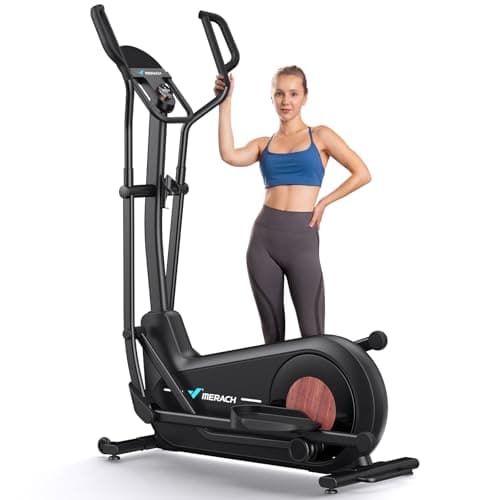
An honest MERACH long stride cross trainer review covering the 47cm stride, self-generating power, 16 magnetic resistance levels, the noise claim that does not add up and who it suits.
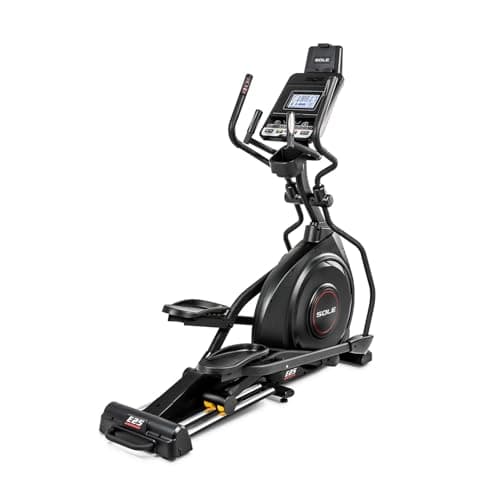
An honest Sole E25 review covering the 51cm stride, 20 levels of ECB resistance and power incline, 158kg capacity, SOLE+ app and the 5 year parts warranty.
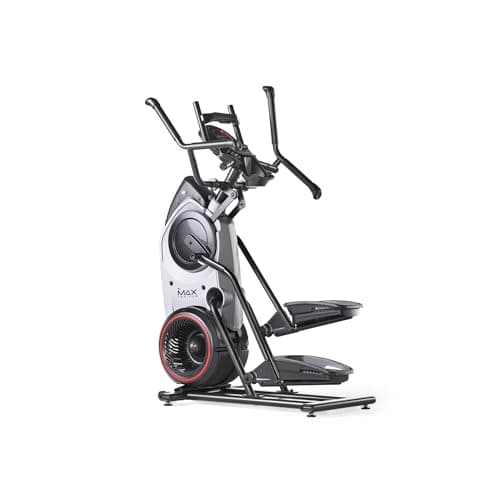
An honest Bowflex Max Trainer M6 review covering the compact footprint, 16 resistance levels, the 14-minute Max Interval workout, the JRNY app and who should skip it.
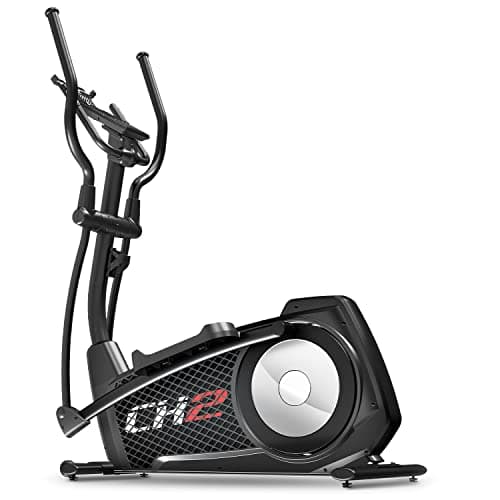
An honest Sportstech CX2 review covering its 27kg flywheel, 24 resistance levels, self-powered console and app, plus who the cross trainer is really for.
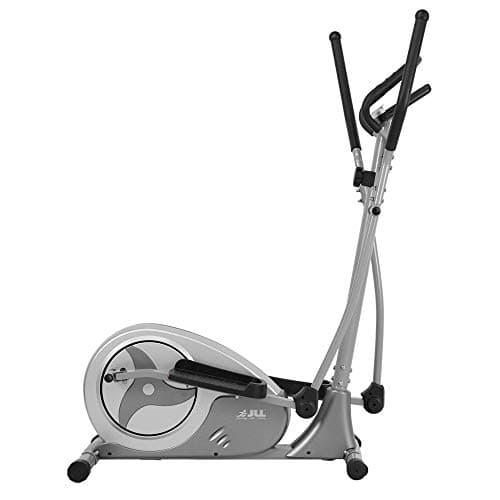
We compared the best cross trainer machines you can buy in the UK. Top home elliptical cross trainers ranked from budget to premium, with honest pros and cons.
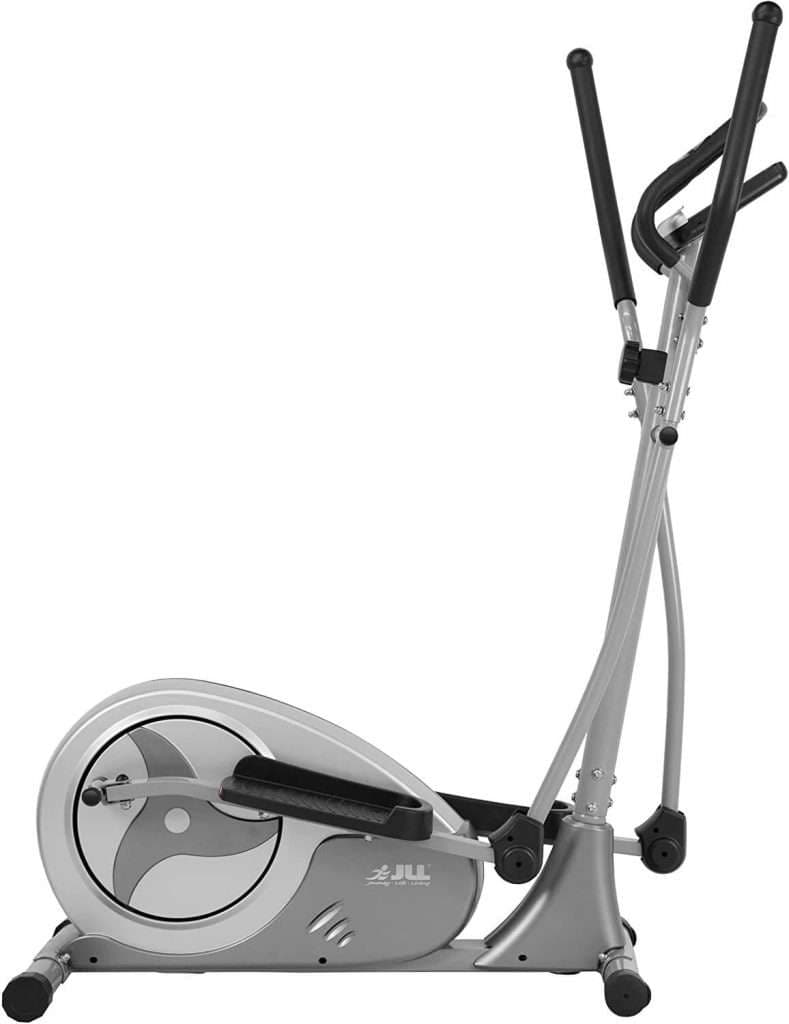
An honest JLL CT300 elliptical cross trainer review covering build quality, resistance, LCD console, assembly and whether it's worth buying or if a rival beats it.
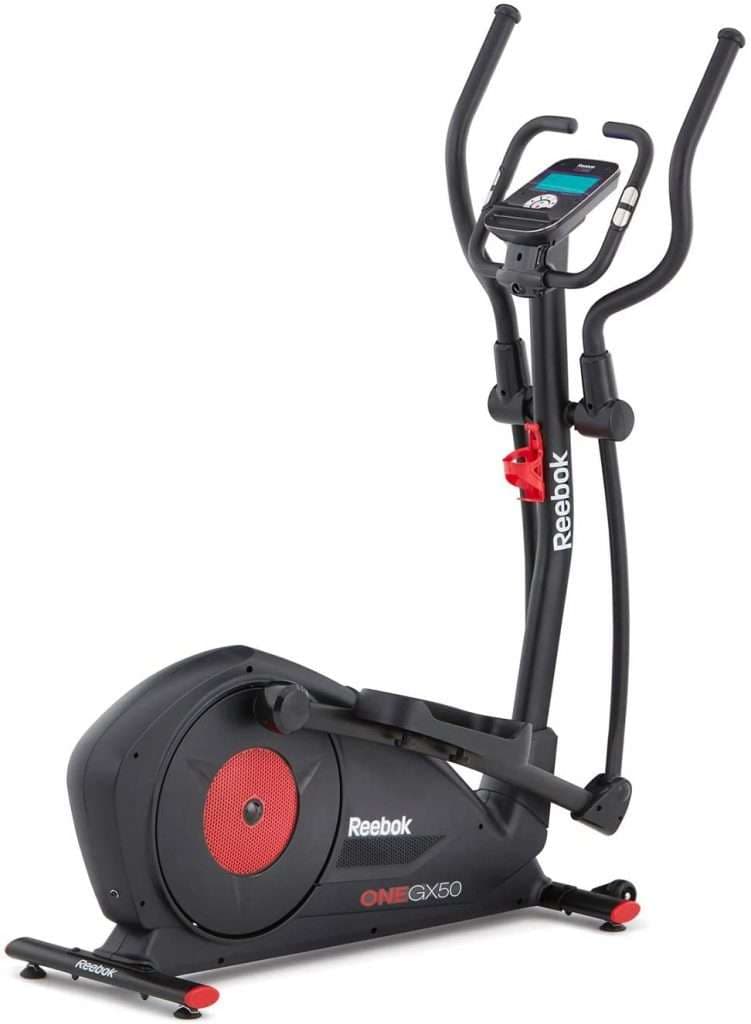
An honest, in-depth Reebok GX50 cross trainer review covering the 9kg flywheel, 32 resistance levels, console, assembly and whether this entry-level elliptical is worth it.
Our cross trainer reviews cover everything from sub-£300 folding machines to the heavy front-drive ellipticals that cost about as much as a year's gym membership. The grid above pulls together every model we've written up, so you can line them up side by side instead of opening fifteen tabs.
We rate each machine on the things you actually feel during a session: how smooth the pedal motion is, whether the stride suits taller users, how steady the frame stays when you push the pace, and whether the resistance has enough range to still challenge you in six months. Build quality and warranty count too, because a cross trainer that creaks after a year isn't a bargain at any price.
Use the filters to narrow by type, brand or rating, or search by name. Once you've shortlisted two or three, the individual reviews go into the detail.
Stride length is the first number to check. Machines around 30cm feel cramped if you're over roughly 5ft 10in, and you'll end up stepping rather than gliding. Aim for 40cm or more for a natural stride, though the most compact models trade this away to save floor space.
Flywheel weight drives the smoothness. A heavier flywheel keeps the pedals moving evenly through the dead spots, so the motion feels less jerky, especially at lower resistance. Cheaper machines often skimp here, which is why a £200 cross trainer can feel notchy next to one at double the price.
After that, weigh up resistance levels (16 or more magnetic settings give you room to progress), incline if you want to shift the load onto your glutes, and the max user weight, which hints at how seriously the frame is built. Console and app features are pleasant, but I'd treat Bluetooth and Kinomap support as a bonus rather than a reason to buy.
Measure before you fall for a spec sheet. Front-drive machines have a long footprint and need clearance at both ends for the moving pedals, so they suit a garage or spare room more than a lounge corner. If space is tight, a folding model or a compact rear-drive trainer makes far more sense, even if the stride is a touch shorter.
On budget, the honest tiers look roughly like this. Under £300 you're in air-walker and basic folding territory, fine for gentle cardio but not for daily hard training. Between £300 and £700 is where most people should shop, since that's where flywheel weight, stride length and frame stability all improve together. Above that, brands like Sole and Bowflex bring commercial-grade bearings and longer warranties.
Spend to match how often you'll really use it. A machine that gets three sessions a week justifies a bigger outlay than one you quietly suspect will become a clothes rail by March.
Front-drive ellipticals put the flywheel ahead of you and give a slightly inclined, climbing feel. They tend to be the sturdiest and take the most room. Rear-drive machines sit the flywheel behind you for a flatter, more horizontal stride, and they're often quieter and lower-maintenance, which makes them a sensible default for most homes.
Folding cross trainers and compact air-walkers are built around saving space. Air-walkers in particular rely on your own momentum rather than a proper flywheel, so they're light on the joints and the wallet, but don't expect a gym-quality session from one.
Then there are hybrids like the Bowflex Max Trainer, which shorten the stride and raise the step height to blend elliptical and stepper motion. They burn plenty in a small footprint and suit interval work, though the unusual movement won't be to everyone's taste. Match the type to your ceiling height, your joints and the kind of workout you'll actually keep doing.
A folding or compact rear-drive model is your best bet, since both have a shorter footprint than front-drive machines and tuck away more easily. Rear-drive trainers fold less often but run quietly, which matters in a flat with neighbours below. Check the stride length before you buy, because the most compact models can feel cramped if you're tall.
For regular use, budget £300 to £700; that's the band where flywheel weight, stride and frame stability all start to feel right. Under £300 is fine for occasional gentle cardio, but the motion tends to be rougher and the frames flex. If you'll train hard several times a week, spending more buys better bearings and a longer warranty that usually pay off.
Budget machines can work for light, steady cardio, and a few folding models punch above their price. The common weak spots are a light flywheel that makes the pedals feel jerky, a short stride and wobble when you speed up. If you're over about 5ft 10in or plan to push the pace, it's usually worth stretching the budget.
Most adults want at least 40cm for a stride that feels natural rather than like marching on the spot. Taller users, say over 6ft, are happier closer to 50cm. Compact machines often sit around 30cm to save space, which is fine for shorter users or gentle sessions but tight otherwise.
A cross trainer is kinder on the knees and ankles because your feet never leave the pedals, so there's no impact. A treadmill trains running specifically and tends to burn a little more for the same effort, but it's noisier and harder on the joints. If low-impact full-body cardio is the goal, the cross trainer wins for most people.
Not really. App connectivity through something like Kinomap or Zwift can make longer sessions less boring and lets you follow guided workouts, which helps some people stay consistent. It's a real bonus, but I wouldn't let it override the basics of a heavy flywheel, a decent stride and a stable frame.