Home Gym
Best Reformer Pilates Machine UK 2026: 6 Foldable Home Picks
The best reformer pilates machines for home use in the UK in 2026, from a £259 foldable to a £788 wooden frame. Honest picks, real specs and how to choose a pilates machine.

By Paul Kendrick, Cardio & Endurance Editor · Updated 24 August 2026
We may earn a commission from qualifying purchases made through links on this page, at no extra cost to you. This never affects our ratings.
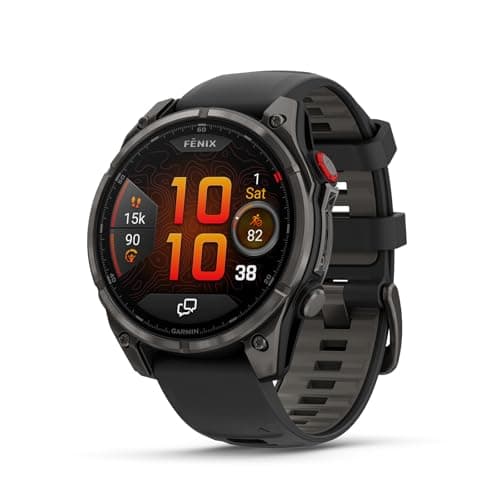
Garmin has been building satellite communicators for years and multisport watches for longer, so putting the two in one case was always coming. The fenix 8 Pro is that watch: a 47mm AMOLED fenix with an LTE radio and a satellite transceiver crammed inside, letting you text your partner from a ridge with no phone signal, or press an SOS that reaches Garmin's response centre. It works, and it works well enough that a standalone inReach starts to look optional. Then you see the bill.
Garmin's own UK price for this 47mm AMOLED Sapphire model in carbon grey DLC titanium is £899.99, and the Amazon listing has been hovering a shade above that, so it is worth comparing the two tabs before you commit. On top of the hardware you need an active inReach plan, because without a subscription the satellite and cellular features go dark and you have paid roughly £400 more than a standard fenix 8 for nothing. That is the honest framing of this watch. Everything else about it is excellent.
How we review
This review draws on Garmin's published UK specifications, spec sheets and hands-on findings that recur across independent wearables and running media, and repeated themes in verified owner feedback. We have not run our own multi-month field test of this exact unit, so where figures appear we attribute them to Garmin or to reviewers who measured them, and we flag which is which.
Strip away the marketing and the Pro adds a cellular radio and a satellite transceiver to a watch you can already buy. The LTE-M side handles voice calls, text messages, live location sharing at a 30 second update rate and weather pulls with your phone left at home. When cellular drops out, the satellite link takes over through Garmin's Skylo network and carries short two-way messages plus an interactive SOS to Garmin Response, staffed around the clock.
That second capability is the reason to consider this watch. Anyone who runs, rides or walks in the Cairngorms, mid Wales or the Lakes knows how quickly a phone becomes a paperweight, and a wrist-worn device you never remember to pack separately is a genuinely different proposition from a communicator sitting in the bottom of a rucksack. Coverage is not universal, satellite messages take longer to send than you expect, and some countries restrict this kind of hardware outright, so read the terms for wherever you are heading.
The 1.4in AMOLED runs at 454 by 454 and pushes about 2,000 nits at peak, which means you can read it in July sunshine without shading the face. Garmin has kept the always-on option, and it still costs you roughly half your battery life, so most owners end up leaving it off and using the raise-to-wake gesture.
Construction is the usual fenix recipe done properly: a fibre-reinforced polymer case with a titanium rear cover, a titanium bezel and a sapphire lens on this Sapphire variant. Metal buttons are sealed so they survive the 40 metre dive rating, and the sensor guard on the underside is a small change that should save the optical array from the scrape you will inevitably give it against a rock. At 77g with the silicone strap it is heavy enough to notice overnight, which matters because sleep tracking is one of the things this watch is good at.
| Display | 1.4in AMOLED, 454 x 454, approx 2,000 nits |
|---|---|
| Case size | 47 x 47 x 16 mm |
| Weight | 77 g with strap (56 g case) |
| Materials | Titanium bezel, sapphire lens, titanium rear cover |
| Battery, smartwatch | Up to 15 days (approx 8 days always-on) |
| Battery, GPS only | Up to 44 hours |
| Battery, multi-band + LTE LiveTrack | Approx 12 hours |
| Water rating | 10 ATM, plus 40 m dive rating (EN13319) |
| Storage | 32 GB |
| Connectivity | LTE-M cellular, Skylo satellite, Bluetooth, ANT+, Wi-Fi |
| Sensors | Elevate Gen 5 heart rate, ECG, Pulse Ox, barometer, depth |
| UK RRP | £899.99 |
Specifications come from Garmin's UK fenix 8 Pro product page.
Nothing here is new, and that is fine, because Garmin's training stack was already the best in the business. Training readiness, training status, endurance and hill scores, ClimbPro, full multisport support, preloaded TopoActive maps with relief shading and golf and ski mapping thrown in. Runners get the same guidance as a Forerunner 970 owner. Divers get scuba and apnea modes that a fenix 7 could not offer.
On the wrist-based heart rate, keep expectations grounded. The Elevate Gen 5 sensor is very good for steady efforts and everyday tracking, but wrist optical sensors as a class lose accuracy during hard intervals and activities with little wrist movement, which is well documented in the research on wrist-worn devices and exercise intensity. For threshold work or track sessions, pair a chest strap. Our best heart rate monitor UK guide covers the options.
The ECG app, Pulse Ox and the sleep tools are all present, and Garmin is careful to note this is not a medical device. Treat the numbers as trends rather than diagnoses.
See today's fenix 8 Pro priceFifteen days sounds generous until you use the watch the way its marketing suggests. Leave the display always on and you are down to roughly eight. Run multi-band GNSS with LTE LiveTrack broadcasting your position, which is exactly what you would want on a big mountain day, and Garmin's own figure is about 12 hours. That is enough for a long day but not for a multi-day traverse without a battery pack, so plan accordingly.
The subscription is the sharper issue. Garmin gates both the satellite and the cellular features behind an active inReach plan, billed monthly or annually, and the moment you let it lapse the fenix 8 Pro becomes an expensive fenix 8. If you already pay for an inReach plan, this is a straightforward consolidation and the maths works. If you do not, add the annual cost to the purchase price and then ask whether a standard fenix 8 plus a separate communicator suits you better.
Buy the fenix 8 Pro if you regularly go somewhere your phone gives up: fell running, remote hiking, sea kayaking, solo riding in the Highlands. The value is in never having to decide whether today is a day worth packing a communicator for, because it is already on your wrist. Divers and multisport athletes who want one device for everything get a strong second reason.
Skip it if your training happens on roads, in parks and on a treadmill. The Forerunner 970 runs the same software in a lighter case for a great deal less, and even the Enduro 3 will out-last it on battery for ultra distance work. Our best Garmin watch UK guide maps the range if you are still deciding, and the home gym section covers the kit that fills the gaps between sessions.
Two things, and both are about connectivity. It carries an LTE-M cellular radio for calls, messages and LiveTrack without your phone, and it carries a satellite transceiver that sends two-way inReach messages over Garmin's Skylo network when there is no phone signal at all, including an SOS to Garmin Response. Everything else, from the training software to the 40 metre dive rating, is shared with the standard fenix 8.
For the satellite and LTE features, yes. An active inReach plan is required, and without one the headline reason to buy this watch over a standard fenix 8 simply stops working. The rest of the watch, meaning training metrics, maps, sensors and sports apps, works fine unsubscribed. Budget for the plan before you budget for the watch.
Garmin quotes up to 15 days in smartwatch mode on the 47mm AMOLED, dropping to about 8 days if you leave the screen always on, and up to 44 hours of GPS. Turn on multi-band GNSS with LTE LiveTrack running and that collapses to roughly 12 hours, which is the number that matters if you plan to broadcast your position on a long day out.
It is 47mm across and 16mm thick, and it weighs 77g with the strap. That is a substantial watch on a slim wrist and it will catch on jacket cuffs. Garmin sells a 43mm AMOLED version of the Pro for smaller wrists, and the 51mm MicroLED model is bigger again.
For most hikers and trail runners, yes. It sends and receives text messages over satellite, shares location check-ins and triggers an interactive SOS. A standalone inReach Mini still wins on battery endurance and on having a separate device if the watch dies, so serious expedition users often carry both.
Only if you go where phone signal does not. The Forerunner 970 runs almost the same training software in a lighter package for a lot less money. Pay the fenix 8 Pro premium for the metal build, the dive rating and above all the satellite link, not for better running metrics, because the running metrics are the same.
The best reformer pilates machines for home use in the UK in 2026, from a £259 foldable to a £788 wooden frame. Honest picks, real specs and how to choose a pilates machine.

The best adult weighted blankets in the UK for 2026, with honest picks for hot sleepers, heavier users and daytime use, plus how to choose the right weight and what the research shows.
Are vibration plates worth it? Yes for balance, bone health support and low-impact warm-ups; no for weight loss or replacing strength training. The evidence.
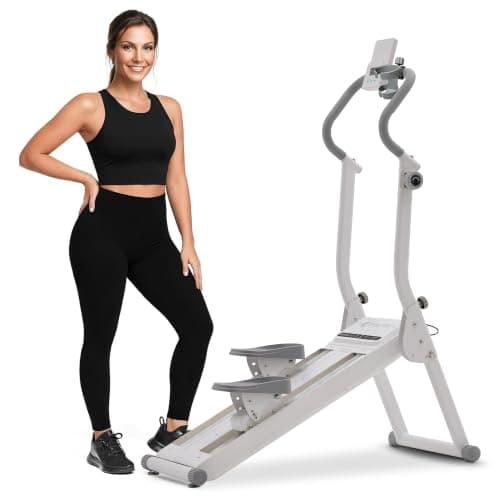
Our ExacMe magnetic stair climber review covers its 16 magnetic resistance levels, 48cm stride, 158kg user limit, app and noise claims, and who should buy it.
Best Exercise is a participant in the Amazon EU Associates Programme, an affiliate advertising programme designed to provide a means for sites to earn advertising fees by advertising and linking to Amazon.co.uk. As an Amazon Associate we earn from qualifying purchases. This comes at no extra cost to you and never influences our independent reviews or rankings.