Recovery
Amazfit Helio Strap Review: A £100 Whoop Alternative With No Subscription
Amazfit Helio Strap review: £99.99 screenless band with 10-day battery, BioCharge readiness, rep counting and HR broadcast. No subscription. Is it a real Whoop rival?

By Paul Kendrick, Cardio & Endurance Editor · Updated 14 November 2026
Buy the Fitbit Air unless you already live in Garmin's world. It does the core job of a screenless band (sleep, heart rate, HRV, blood oxygen and daily activity) for £84.99, it's lighter, and none of that tracking needs a subscription. The Garmin Cirqa costs £179 and earns the extra £94 only if you want Garmin Connect, a longer 10 day battery and sleep coaching you don't have to pay for each month.
Both are screenless, phone-first trackers. Neither has GPS. So this comes down to price, apps and the way each company splits free features from paid ones, rather than any big hardware gap. We've covered the Air against its obvious rival in Fitbit Air vs WHOOP, and the Garmin Cirqa vs WHOOP guide does the same for Garmin's band.
How we compared them
This guide uses Garmin's and Google's published specs and product listings, UK retail prices at the time of writing, peer-reviewed research on wrist sleep tracking and recurring themes in owner feedback. We haven't worn the two side by side, so battery and accuracy figures are the makers' claims unless a study says otherwise.
| Garmin Cirqa | Fitbit Air | |
|---|---|---|
| UK price | £179 | £84.99 |
| Subscription | None needed; Garmin Connect+ optional | None needed; Google Health Premium optional (3 months included) |
| Paid layer adds | Garmin Coach plans, live activities, nutrition, AI insights | Gemini AI Health Coach |
| Battery | Up to 10 days | Up to 7 days (5 minute charge gives about a day) |
| Sensors | Optical heart rate, Pulse Ox, skin temperature, accelerometer | Optical heart rate, SpO2, skin temperature, accelerometer, gyroscope |
| Headline scores | Body Battery, stress, sleep score, HRV status | Daily Readiness, Cardio Load, sleep stages, HRV |
| Screen / GPS | None / uses phone | None / uses phone |
| Water resistance | 5 ATM | 50 m |
| Weight with band | About 21g (listed) | 12g |
| App | Garmin Connect | Google Health |
The upfront gap is simple: £179 for the Cirqa on Amazon UK against £84.99 for the Air. That's more than double.
The subscription picture is closer than the marketing suggests. Both bands work fully without paying, and both have an optional paid tier. Where they differ is what sits behind the paywall. Google puts its AI coach, the part that reads your data and tells you what to do with it, behind Google Health Premium after a 3 month trial. Garmin keeps its sleep score and personalised sleep coaching free in Garmin Connect, and reserves Garmin Connect+ for training plans, live activities, nutrition logging and its Active Intelligence AI insights.
So if what you want is "tell me how I slept and what I should do about it", Garmin gives more of that for nothing. If you pay for Google Health Premium at the reported £7.99 a month from month four, the Air costs about £157 in year one, which is still less than the Cirqa. It overtakes the Cirqa in year two at roughly £253. Skip Premium and the Air stays at £84.99 forever.
Check the Fitbit Air price on Amazon UK£84.99Garmin quotes up to 10 days for the Cirqa, and that drops if you turn on overnight Pulse Ox, which is normal for Garmin. Google quotes up to 7 days for the Air. Neither figure is something we've tested.
Three extra days sounds like a lot, but the Air's fast charging narrows it. Five minutes on the charger gives about a day of use, so a top-up while you shower keeps it going. The Cirqa's advantage is that you think about charging less often, and for a band whose whole point is being forgotten about, that counts for something.
The hardware lists are close. Both read heart rate optically, track blood oxygen and skin temperature, and count steps with an accelerometer. The Air adds a gyroscope and Google's irregular rhythm notifications, which watch for signs of atrial fibrillation in the background. Garmin's Amazon listing doesn't mention an equivalent for the Cirqa.
The bigger difference is in what each company does with the data. Garmin turns it into Body Battery, an energy score that rises with rest and falls with stress and activity, plus HRV status, a stress score, women's health tracking and a sleep alignment feature that compares your sleep with your circadian rhythm. If you've used a Garmin watch, it'll feel familiar. Google leans on Daily Readiness and Cardio Load, borrowed from the Pixel Watch, along with sleep stages and Smart Wake, which buzzes you awake in a lighter sleep phase.
Accuracy is where I'd be cautious with both. A 2024 systematic review in JMIR mHealth and uHealth compared older Fitbit and Garmin trackers (the Charge 4 and Vivosmart 4) with lab sleep studies. Both showed moderate accuracy overall. The Fitbit was closer on total sleep time, overestimating it by about 6 minutes on average, while the Garmin overestimated it by about 47 minutes and was weak on REM and deep sleep. The review covered only eight small studies, and neither band in this guide was tested, so don't read it as a verdict on the new hardware. It does suggest you should trust the weekly trends more than any single night's stage split.
This might decide it for you. Garmin Connect is dense, data-heavy and built around training. It logs 80+ activity types, auto-detects workouts and learns from your edits, and it ties in with Garmin watches and bike computers if you own any. If you already have a Forerunner or a Venu, the Cirqa slots straight into the same account.
The Google Health app (the renamed Fitbit app) is cleaner and friendlier, and it needs a Google account. It's the better app if you want a quick morning check rather than a spreadsheet of numbers. Both apps work on Android and iPhone.
The Air's pebble weighs 5.2g, or 12g with the band, which is about as light as these things get. The Cirqa's module is heavier, with spec listings putting the whole band at about 21g. Both use soft fabric bands meant for 24/7 wear, and both are water resistant enough for showers and pool swimming. The Cirqa comes in S/M and L/XL sizes, so check your wrist before ordering (the Amazon listing linked here is the L/XL).
Neither has a screen. You get vibration and a status light, so if you want the time or your heart rate on your wrist, look at a watch instead. Our Fitbit vs Apple Watch guide is a good start if you're tempted by one.
Check the Garmin Cirqa price on Amazon UK£179Buy the Fitbit Air if you want the cheapest sensible screenless tracker, you mainly care about sleep and resting heart rate, and you'd rather keep £94 in your pocket. It's also the pick if you already use the Fitbit or Google Health app, or you want background irregular rhythm alerts. Our Fitbit Air review covers the hardware in more detail.
Buy the Garmin Cirqa if you already own a Garmin watch or bike computer, you want Body Battery and sleep coaching without a monthly fee, or the longer battery matters to you. It also suits people who like digging through training data more than reading a single morning score. The full Garmin Cirqa review goes through its features one by one.
Neither is the right tool for lifting or interval training where your wrist flexes, because wrist heart rate lags on both. Pair either with a chest strap if your zones matter.
It's better in a few specific ways: up to 10 days of battery against 7, Garmin's Body Battery and sleep coaching with no paid tier needed, and the Garmin Connect app. The Fitbit Air is lighter, cheaper by about £94 and adds irregular rhythm notifications. For most people the Air is the better value; the Cirqa is the better pick if you already use Garmin or want coaching without a subscription.
No. Garmin says the Cirqa doesn't need a subscription for heart rate, Body Battery, stress, sleep score and coaching, HRV status and women's health tracking. Garmin Connect+ is optional and adds live activities, Garmin Coach training plans, nutrition tracking and Garmin's AI insights feature.
No. Sleep stages, heart rate, HRV, SpO2 and activity tracking all work on the free tier of the Google Health app. Premium adds the Gemini-based AI coach. The Air includes 3 months of it, and UK coverage puts it at about £7.99 a month afterwards.
The Cirqa, on paper. Garmin quotes up to 10 days, and Google quotes up to 7 days for the Air. The Air charges quickly, with 5 minutes giving roughly a day, so the gap is easier to live with than the numbers suggest.
Neither has built-in GPS or a screen. Both use your phone's GPS for outdoor runs and rides, so you need to carry the phone if you want pace and distance. If GPS on the wrist matters, buy a running watch instead.
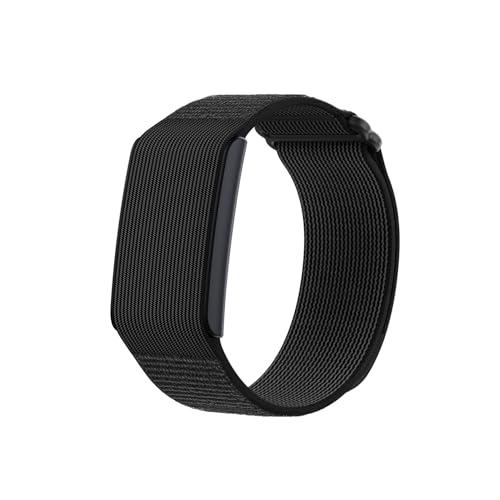
Amazfit Helio Strap review: £99.99 screenless band with 10-day battery, BioCharge readiness, rep counting and HR broadcast. No subscription. Is it a real Whoop rival?
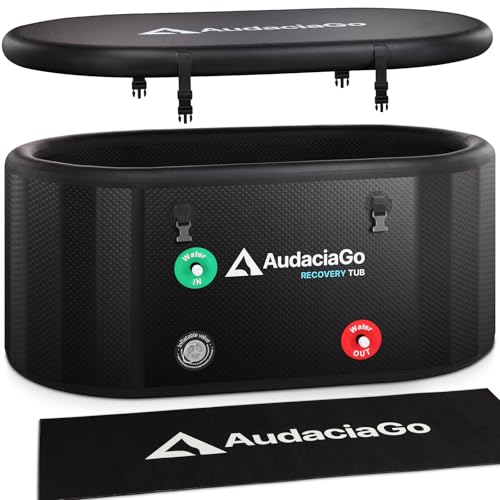
Our AudaciaGo XL ice bath review: a 140 gallon inflatable cold plunge with lid, pump and chiller ports, and why £602 is hard to justify against rivals.
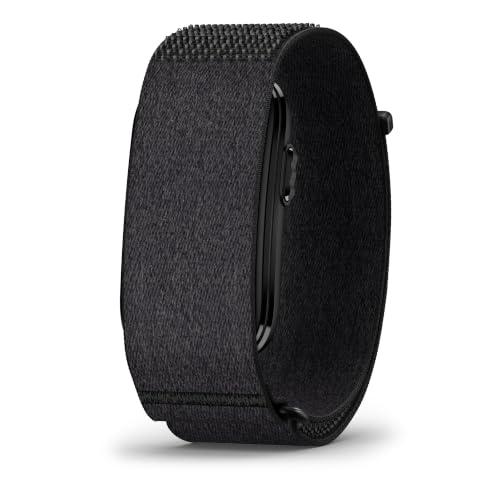
Garmin CIRQA review: a £179 screenless band with 10 day battery, sleep coaching, HRV status and no subscription. How it compares with Whoop and Fitbit Air.
Garmin Cirqa vs WHOOP for UK buyers: £179 once against a yearly membership. Battery, sensors, recovery scores, arm wear and two-year cost compared.
Best Exercise is a participant in the Amazon EU Associates Programme, an affiliate advertising programme designed to provide a means for sites to earn advertising fees by advertising and linking to Amazon.co.uk. As an Amazon Associate we earn from qualifying purchases. This comes at no extra cost to you and never influences our independent reviews or rankings.