Recovery
Garden Sauna UK: Types, Costs, Planning Rules and Running Costs
A UK buyer's guide to garden saunas: barrel, cabin, pod and infrared options, real installation costs, planning permission rules and what one costs to run.

By Mike Shilling, Recovery & Training Editor · Updated 2 November 2026
A sauna pod is either a compact timber sauna cabin for the garden or a fabric pop-up you sit inside at home, and the two have almost nothing in common beyond the name. Garden pods cost thousands, reach real Finnish sauna heat of 70°C to 100°C and usually need hard-wired power or a wood stove. Portable pods cost roughly £80 to £400, plug into a normal 13A socket, run at 45°C to 60°C and pack away into a bag.
Search "sauna pod" and you'll see both types mixed together on page one, which is why so many people end up comparing a £120 steam tent with a £6,000 cedar barrel. This guide splits them apart so you can work out which one you actually mean.
| Outdoor garden pod | Portable pop-up pod | |
|---|---|---|
| What it is | Small timber cabin, often rounded, barrel or capsule shaped | Fabric or coated-cotton shell on a folding frame |
| Heat source | Electric sauna stove or wood-burning stove | Plug-in steam generator or infrared panels |
| Typical air temperature | Roughly 70°C to 100°C | Around 45°C to 55°C (steam), up to about 60°C (infrared) |
| Power | Usually a dedicated hard-wired circuit, or no electrics for wood-fired | Standard 13A plug, typically 1000W to 1600W |
| Space | A level garden base, plus clearance around it | Around 80cm square for a one-person pod |
| Seats | Usually two to six people | Usually one, occasionally two |
| Price | Several thousand pounds, plus base and installation | Roughly £80 to £400 |
| Moves with you? | Not really | Folds into a bag in minutes |
The rest of this guide goes through each row in more detail.
A garden pod is a proper sauna that happens to be shaped like a pod. Most are built from thick timber staves or panels (spruce, pine, thermowood or cedar are the usual choices) and curved into a barrel, an egg or a rounded capsule. The curve isn't just for looks: a smaller, rounded interior has less air to heat, so the room gets up to temperature faster than a square cabin of the same footprint.
With a correctly sized stove, a garden pod reaches the same 70°C to 100°C range as a spa or gym sauna, with low humidity that spikes when you pour water on the stones. That's the big reason to buy one. Our sauna temperature guide explains why 85°C dry air is easier to sit in than 45°C steam, and why bench height changes everything.
This is where buyers get caught out. A UK 13A socket can safely supply about 3kW (13A at 230V). Electric sauna stoves for small cabins usually start around 4.5kW and go up from there, so they can't run from a plug. You need a dedicated circuit from your consumer unit, protected by an RCD, with suitable outdoor cable to the pod. In England a new circuit counts as notifiable electrical work, so use a registered electrician who can certify it, and get a quote for the cabling before you commit to the cabin.
Wood-fired pods skip the electrics entirely. In exchange you get a flue, fire safety clearances, a stove to light and feed, and smoke to think about if your neighbours are close.
Expect several thousand pounds for the cabin alone, and more for larger or cedar-built models. On top of that:
Planning permission isn't usually required for a small garden building, but height, position near boundaries, listed status and conservation areas can all change that. Ask your council first.
Homeowners with a garden, a budget well into four figures, and a habit they already know they'll keep. If you've been going to a gym sauna two or three times a week for a year and want that at home, this is the version that delivers it. If you're curious about saunas but haven't built the habit, it's an expensive experiment.
A portable pod is a soft-sided shell over a folding frame, with a chair inside and a heat source plugged into the wall. Most sold under the "pod" label are one-person units roughly 80cm square and somewhere around 100cm to 195cm tall. Our portable sauna guide covers the wider category, including blankets and sauna boxes; here we stick to the pod format.
Steam pods have a small boiler-style generator, usually 1000W to 1600W, that pipes steam into the base of the tent. Many have a collar so your head stays outside in room air. They feel hot and wet fast, and makers typically quote maximums of around 45°C to 55°C. The SereneLife portable steam sauna we reviewed pairs a 1600W generator and 4L boiler with a quoted 50°C ceiling, which is typical of the type. You'll need somewhere that copes with moisture, and the tent needs drying after every session.
Infrared pods use heated panels on the walls and sometimes a foot pad. The air stays drier and peaks around 60°C, but the panels warm your skin directly, so you sweat hard anyway. Some are full-height designs that enclose your head, which traps more heat. If you're unsure which suits you, read infrared sauna vs traditional sauna before buying.
A few pop-up pods sold as dry-heat units claim higher temperatures. The Pod Company, for example, states on its own site that its Sauna Pod heats up to 85°C. We haven't measured one, so treat any figure like that as the maker's claim and check how and where it was measured.
Every portable pod we've covered runs from a normal 13A socket. Plug it straight into the wall rather than an extension lead, keep the generator or controller away from splashes, and don't run two high-draw appliances on the same double socket.
Space needs are modest: a one-person pod takes about the floor area of an armchair, plus room to step in and out. Two-person steam tents exist but take up around 120cm or more of width and often need two sockets.
Running costs are small. A 1000W pod running for 30 minutes uses about 0.5kWh, so a session costs pennies at typical UK unit rates.
Renters, flat dwellers, anyone without a garden, and people who want regular heat after training for the price of a gym membership. It suits you if you're happy with a warm, sweaty 20 to 30 minutes rather than a true 85°C sauna. It doesn't suit anyone chasing the Finnish research protocols, tall users in the shorter box designs, or people who'll resent the drying-out routine.
Both of these are one-person pods we've reviewed in full, and both were in stock at the time of writing.
The Runitude portable sauna tent is the steam pod we'd start with. It pairs a 1000W touchscreen generator with a 2.6 litre tank in an 80cm square frame, and Runitude is one of the few makers publishing VOC test results for its materials, which matters when you're sealed in a hot fabric box.
Check the Runitude steam sauna pod price on AmazonIf you'd rather have dry heat with your head inside, the CONLONS infrared sauna tent is a full-height 80 x 80 x 195cm pod with three far infrared panels and a heated foot pad, and it reached around 60°C in owner reports we looked at.
Check the CONLONS infrared sauna pod price on AmazonFor timber infrared cabins, which sit between the two pod types on price and heat, see our best home sauna UK guide.
Probably, yes, and this is the most common thing page one gets wrong. Most of the strong sauna research comes from Finland, where people sit in hot, dry saunas at around 80°C or more. A large Finnish cohort study of 2,315 middle-aged men found that those using a sauna four to seven times a week had lower rates of fatal cardiovascular disease and death from all causes than those going once a week (Laukkanen et al., JAMA Internal Medicine). A later review by the same group pulled together evidence linking regular sauna bathing with lower blood pressure and cardiovascular risk (Laukkanen et al., Mayo Clinic Proceedings).
Two caveats. These are mostly observational findings, so they show association rather than proof that heat caused the benefit. And a systematic review of 40 clinical studies on regular dry sauna use found potential benefits but noted that most trials were small and that better data is needed on the best frequency, duration and type of sauna (Hussain and Cohen, Evidence-Based Complementary and Alternative Medicine). None of that work tested a 50°C steam tent. A garden pod at Finnish temperatures is the closest home match to the studies; a portable pod is a pleasant, cheaper heat session that may or may not deliver the same effects.
Before your first session in any pod
Drink water beforehand, skip alcohol, and start short: 10 minutes in a hot garden pod, or 15 to 20 minutes in a portable one. Get out at the first sign of dizziness or nausea. If you're pregnant, have a heart condition or low blood pressure, or take medication that affects heat tolerance, check with your GP before using a sauna of any kind.
Ask yourself three questions:
The term covers two different things. An outdoor sauna pod is a small timber cabin, often rounded or barrel-shaped, that sits in a garden and heats to proper Finnish sauna temperatures with an electric or wood-burning stove. A portable sauna pod is a fabric pop-up shell you sit inside, heated by a plug-in steam generator or infrared panels, that folds away after use.
Portable pop-up pods mostly sell for roughly £80 to £400. Outdoor timber garden pods are a different purchase entirely: expect several thousand pounds for the cabin, plus a base, delivery and, for electric models, an electrician to run a dedicated supply.
Portable pods, yes. Steam and infrared pop-ups typically draw around 1000W to 1600W, well inside the roughly 3kW a UK 13A socket can supply. Electric garden pods usually use heaters of 4.5kW or more, which is beyond a 13A plug, so they need a dedicated circuit installed by a qualified electrician. Wood-fired garden pods need no electrics at all.
An outdoor pod with a proper stove reaches traditional sauna heat of roughly 70°C to 100°C. Portable steam pods usually quote maximums of around 45°C to 55°C, and portable infrared pods tend to peak near 60°C. A few dry-heat pop-up pods claim higher figures, so check the maker's own stated maximum.
Often not, because small garden buildings usually fall under permitted development rules for outbuildings, but size, height, position and whether your home is listed or in a conservation area all matter. Check with your local council before you order, and treat any wood-burning stove and flue as needing extra care around neighbours and fire safety.
No, and it isn't trying to be. A portable pod gets you sweating hard at a much lower air temperature, which is pleasant after training and fine for winding down. The health research on sauna bathing comes mainly from hot, dry Finnish saunas, so if those temperatures are what you're after you need a timber cabin or garden pod.
A UK buyer's guide to garden saunas: barrel, cabin, pod and infrared options, real installation costs, planning permission rules and what one costs to run.
UK massage chair prices explained: what you get under £400, at £400 to £800, £800 to £2,000 and £2,000+, plus running costs, warranty and delivery.
What a portable sauna actually is: steam tents, infrared tents, sauna blankets and wood-fired tents compared on real heat, UK price, space, power and safety.
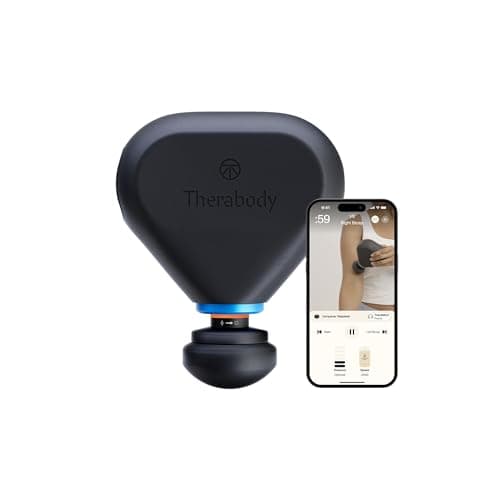
Our Theragun Mini Plus review covers the heated attachment, battery claims, app, size and price, how it compares with the older Mini, and who should buy one.
Best Exercise is a participant in the Amazon EU Associates Programme, an affiliate advertising programme designed to provide a means for sites to earn advertising fees by advertising and linking to Amazon.co.uk. As an Amazon Associate we earn from qualifying purchases. This comes at no extra cost to you and never influences our independent reviews or rankings.