Recovery
AS ColdPlunge Ice Bath Chiller Review: £687 to Stop Buying Ice
Our AS ColdPlunge ice bath chiller review: a 1/3 HP cooler for tubs up to about 300 litres, with the ice-versus-electricity maths and the listing's gaps.

By Mike Shilling, Recovery & Training Editor · Updated 31 October 2026
A sauna hat is a thick, loose hat, usually made of felted wool, that you wear inside a hot sauna to keep your head more comfortable. And yes, sauna hats work, just not in the way some product listings suggest. Heat rises, so the air around your head is the hottest in the room; a wool hat insulates your scalp, ears and hair from it and soaks up sweat. That's the whole job. It makes a hot session feel more pleasant, and it won't make the sauna healthier. If you use a traditional Finnish-style sauna at 80°C or more, a £10 to £25 wool hat is one of the cheapest upgrades you can make. In an infrared cabin it's optional at best.
Sauna hats belong to the Russian banya and the Finnish sauna, two bathing cultures where people sit on high benches in very hot rooms and pour water on the stones. In the banya the felt hat is close to standard kit, and it's often shaped like a bell or a Viking-style helmet. Finns are more mixed about it, but wool hats are a common sight in public saunas there too, and they've spread across Germany, the Baltics and now UK sauna clubs and spas.
The traditional material is pressed (felted) sheep's wool, a few millimetres thick. Felting mats the fibres into a dense fabric that holds its shape, traps air and doesn't fray, which is exactly what you want in a hat you'll repeatedly soak in sweat and heat.
Hot air is less dense than cool air, so it rises and pools under the ceiling. In a sauna this creates layers: the air at bench-top head height is noticeably hotter than the air near your feet, and the gap is largest on the top bench. That's why your head and ears often feel scorched long before your legs feel especially warm. Finnish saunas typically run at 80 to 100°C with dry air of around 10 to 20% relative humidity, according to a 2024 review of Finnish sauna research in Temperature, and the hottest of that heat is right where your head is.
Wool is a poor conductor of heat, and the air trapped between felted fibres slows heat transfer further. Wearing a thick wool hat puts a buffer between the hottest air and your scalp, so your head warms more slowly. Steam makes this more noticeable. When someone throws water on the stones, the humid wave hits your head first, and the hat takes the edge off it.
Wool can absorb a lot of moisture before it feels wet, so sweat running from your forehead into your eyes becomes less of a problem. Many regulars also wear one to protect their hair. Repeated high, dry heat isn't kind to coloured, bleached or fragile hair, and a hat keeps it out of the direct heat.
It can, a little, because for many people a hot head is what drives them out first. Take that away and you may comfortably sit for an extra couple of minutes. That's a comfort benefit, and we'd stop there. There's no research we're aware of showing a hat changes heart rate, blood pressure, core temperature or any recovery outcome in a meaningful way, and "staying longer" isn't a goal in itself. Your body is still heating up under the hat.
Safety rules don't change because your head feels cooler. Most healthy adults are well served by 8 to 15 minutes a round, beginners should start nearer 5 to 10, and you get out the moment you feel dizzy, sick or headachy. Sauna bathing is well tolerated by most healthy adults, but a review in the American Journal of Medicine lists unstable angina, a recent heart attack and severe aortic stenosis as reasons not to use one, and warns against alcohol during sessions. A hat masks how hot your head feels, so pay a bit more attention to how the rest of you feels, not less.
| Material | Best for | Pros | Cons |
|---|---|---|---|
| Felted wool | Finnish saunas, banya, steam on the stones | Best insulation, absorbs sweat, holds its shape | Can itch, shrinks if washed hot, slow to dry |
| Linen | Milder saunas, sensitive skin | Light, breathable, dries quickly | Little insulation |
| Cotton terry | Occasional use, tight budgets | Cheap, soft, machine washable | Soaks through fast, least protection |
If you only buy one, buy wool. It's the reason sauna hats exist, and linen or cotton versions are more of a sweatband than a heat shield. Pure wool felt is the thing to look for; blends with synthetic fibres are cheaper but less pleasant to wear hot.
Most hats are sold as one size, around 56 to 60cm head circumference. If your head is at the top of that range, check the listed dimensions before you buy.
Wearing a hat is fine in any public sauna we know of in the UK, and it doesn't break any of the usual rules. Our sauna etiquette guide covers what does.
Hand wash it in cool water with a little wool detergent or mild shampoo every few sessions, or after any session where it got properly soaked. Rinse in cool water, squeeze it gently (don't wring it hard), reshape it over a bowl or your fist, then let it air dry away from radiators and direct sunlight.
The mistake people make is putting it in a hot wash or tumble dryer. Heat plus agitation is literally how felt is made, so the hat keeps felting: it shrinks, thickens and stiffens, sometimes by a whole size. Some owners use that deliberately to tighten a hat that's too big, but you can't reverse it.
For most people, a single 100% wool felt hat is all you need. The Ger3as hat is listed as 100% wool felt, which is what you want for a hot Finnish sauna or a session with plenty of steam on the stones. At around £25 it costs more than the bargain options, but you're paying for pure wool rather than a blend.
Check the Ger3as wool sauna hat on Amazonaround £25If you just want to try one, or you share a sauna with a partner, the couduan two-pack gets you a pair of wool felt hats for about £8. At roughly £4 a hat, don't expect the felt to match a pricier one, but it's a good way to find out whether you like wearing one before spending more.
Check the couduan 2-pack on Amazonaround £8If you're still choosing the sauna itself, our roundup of the best home saunas in the UK compares barrel, cabin, infrared and portable options. A hat is worth buying for the first two; for the last, save your money.
A sauna hat is a loose, brimless or bell-shaped hat, usually made from thick felted wool, that you wear inside a hot sauna. It comes from the Russian banya and Finnish sauna traditions. The wool insulates your head from the hottest air in the cabin and soaks up sweat, so your head, ears and hair stay more comfortable while the rest of your body heats up.
Yes, for what they're meant to do. Heat rises, so your head sits in the hottest layer of air in a sauna, and a thick wool hat slows the rate that heat reaches your scalp. Most people find their head stops feeling like the limiting factor. They're a comfort item, though, not a health product: there's no good evidence a hat changes the cardiovascular or recovery effects of a sauna.
Many regulars dip the hat in cold water and wring it out before going in, especially for hot, steamy sessions. The idea is that the damp wool takes longer to heat through. Others prefer it dry because a dry felt hat feels lighter. It's a matter of habit and preference rather than something proven, so try both.
You can, but you'll get less out of it. Infrared cabins usually run at roughly 45 to 65°C and the heat comes mainly from panels warming your body directly, so the air near the ceiling isn't punishing in the way it is in a Finnish sauna at 80°C plus. If your head feels fine in an infrared cabin, skip the hat.
Hand wash it in cool water with a little wool detergent or mild shampoo, rinse, squeeze it out gently without wringing hard, reshape it and leave it to air dry away from radiators. Never put felted wool in a hot wash or tumble dryer: heat and agitation make it shrink and stiffen, sometimes by a full size.
Wool is better for a hot Finnish or banya-style sauna because it insulates far more. Linen is lighter and dries faster, which suits milder saunas and people who find wool itchy, but it does much less to keep heat off your head. Cotton terry hats are cheap and absorbent but soak through quickly and offer the least protection.
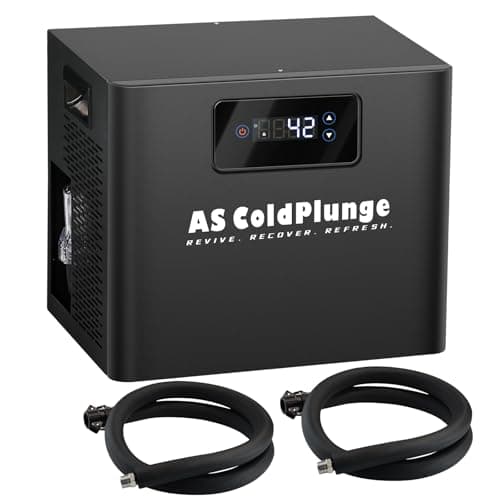
Our AS ColdPlunge ice bath chiller review: a 1/3 HP cooler for tubs up to about 300 litres, with the ice-versus-electricity maths and the listing's gaps.
How often to change ice bath water, which sanitiser to use and how much, how to scrub inflatable and rigid tubs, and the signs your cold plunge water has gone bad.
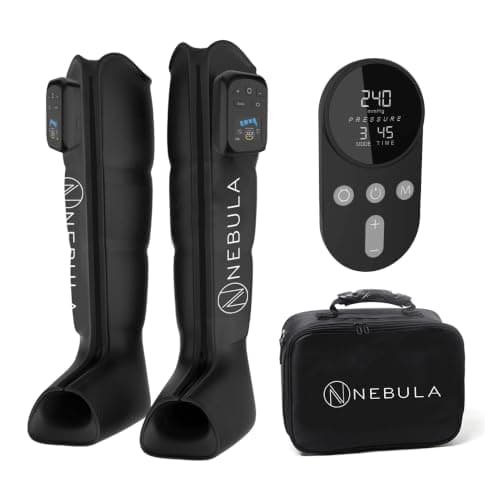
Nebula wireless compression boots review: cordless, USB-C, a 120 minute battery and foot to thigh coverage for £249.99, but no published pressure figure.
Sauna temperature explained: 70 to 100°C for Finnish saunas, 45 to 65°C for infrared, 40 to 45°C for steam rooms, plus beginner settings and safety.
Best Exercise is a participant in the Amazon EU Associates Programme, an affiliate advertising programme designed to provide a means for sites to earn advertising fees by advertising and linking to Amazon.co.uk. As an Amazon Associate we earn from qualifying purchases. This comes at no extra cost to you and never influences our independent reviews or rankings.