Recovery
Compression Boots Benefits: What the Research Actually Shows
The real benefits of compression boots, judged against the research: what helps (soreness, feeling recovered), what doesn't hold up, and who should avoid them.

By Mike Shilling, Recovery & Training Editor · Updated 7 September 2026
Ask ten people what an ice bath should be set at and you will get answers ranging from 2C to 15C, mostly delivered with total confidence. The honest answer is that there is a band rather than a number, and where you sit in that band should be decided by how long you plan to stay in, not by how hard you want to look.
For most people recovering from training: 10C to 15C, for eight to fifteen minutes. That is it. Everything below is the reasoning and the practical detail.
Cold water does three useful things to a sore body: it constricts blood vessels, slows nerve conduction so pain signals arrive muted, and shifts fluid out of the limbs. All of those start happening well before the water becomes dangerous, and the 10C to 15C range sits comfortably past the threshold where they kick in.
The other half of the argument is behavioural. Below 8C, most beginners spend the first ninety seconds fighting the gasp reflex, which means they are not relaxing, not breathing properly, and not staying in long enough for the immersion to do much. A tub at 13C lets you sit, breathe out slowly, and actually complete the session. Consistency beats bravado here by a wide margin.
This is the part that gets lost. Dose in cold water immersion is a product of how cold and how long, and a systematic review of the dose response for immersion duration and temperature found that the combinations landing in a similar total exposure produce broadly similar recovery outcomes. Ten minutes at 12C and four minutes at 6C are not two different protocols; they are two routes to about the same place.
Which means the sensible way to choose is backwards. Decide how long you can hold a calm breath pattern, then pick the temperature that fits.
| Water temperature | Sensible session length | Who it suits |
|---|---|---|
| 15C | 10 to 15 minutes | First month of plunging, or anyone nervous about the cold |
| 12C to 14C | 8 to 12 minutes | The default for post-training recovery |
| 8C to 11C | 5 to 8 minutes | Experienced, comfortable with the breath response |
| 5C to 7C | 3 to 5 minutes | Well practised, tub with a thermometer, never alone |
| Below 5C | 2 to 3 minutes | Not worth it for recovery, and the risk curve turns steep |
Nobody mentions this in the American videos, and it dominates the cost of the whole habit here. UK mains water in deep winter arrives somewhere around 6C to 10C, which is already in range; you fill the tub, put the lid on, and you have an ice bath without buying a single bag of ice. By late August that same tap is delivering water at 17C to 19C, and you are looking at twelve to fourteen kilos of ice per session to reach 12C.
Rough arithmetic for planning: a kilo of ice absorbs enough heat as it melts to cool about 12 litres of water by roughly 1.5C. A 250 litre working fill therefore needs somewhere near 2kg of ice per degree you want to drop. Six degrees in summer is twelve kilos, or about £15 of supermarket ice, per session. That is why people quietly stop plunging in July.
Two things fix it. An insulated tub with a lid holds yesterday's temperature so you top up rather than start over, which is the difference between a weekly refill and a daily shopping trip. Or you accept 16C in August and lengthen the session, which is a perfectly respectable trade. Our ice bath roundup explains which tubs actually hold their cold.
Two limits worth knowing. First, timing around lifting: repeated immersion within a couple of hours of resistance training blunts long-term strength and hypertrophy adaptation, because the inflammatory signalling you are damping down is part of how the muscle rebuilds. Plunge on rest days, or hours after the session, or in a training block where recovery matters more than growth.
Second, the cold shock response itself. The sharp rise in heart rate and blood pressure in the first thirty seconds is the genuinely risky part of a cold plunge, and the British Heart Foundation's cold water guidance is worth reading before your first session if you have any cardiovascular history. A review of voluntary cold water exposure is also honest that many of the wider health claims made for cold plunging rest on small, poor-quality studies. Go in for soreness and for the way it makes you feel afterwards; don't go in expecting a metabolic overhaul.
Get a floating thermometer and use it every time. Water at 8C and water at 14C feel nearly identical for the first ten seconds and behave completely differently by minute six, and your skin is a terrible instrument.
Start your timer before you get in, not once you have settled, because settling takes longer than you think and your time perception in cold water runs fast. Breathe out longer than you breathe in for the first minute; that is the whole technique for controlling the gasp reflex.
Rewarm passively. Towel off, put clothes on, move around, drink something hot. Jumping into a hot shower immediately reverses the vasoconstriction you just paid for, and it can drop your core temperature further as cold blood returns from the limbs. Give it fifteen minutes.
Never plunge alone at temperatures below 8C, and get out immediately if you stop shivering, start slurring, or lose fine motor control in your hands. Those are the signs the session has gone past useful.
Between 10C and 15C for most people, most of the time. That band is cold enough to trigger the vasoconstriction and reduced nerve conduction that ease soreness, and warm enough that you can sit still for ten minutes without your breathing falling apart. Experienced plungers who want a shorter, sharper session drop to 5C to 10C and cut the time to three or four minutes.
No, and this is the most common mistake. Below about 5C the useful window shrinks fast, the cold shock response gets harder to control, and the risk of skin damage and hypothermia climbs while the recovery benefit does not. Dose in cold water immersion is temperature multiplied by time, so 12C for ten minutes and 6C for four minutes land in roughly the same place with very different risk.
In January mains water in most of the UK arrives at roughly 6C to 10C, which is already inside the useful range with no ice at all. By August it can reach 17C to 19C, which is why summer plunging gets expensive. This seasonal swing is the single biggest factor in how much ice you buy.
Roughly 1kg of ice cools 12 litres of water by about 1.5C once it has melted. To take 250 litres from 18C down to 12C you need somewhere near 12 to 14kg, or seven supermarket bags. To take the same tub from 9C to 6C in winter you need about 6kg. Insulate the tub and keep the lid on, and yesterday's ice is still working today.
At 15C, ten to fifteen minutes. At 10C to 12C, eight to ten. At 5C to 8C, three to five. Below 5C, two to three minutes and only once you have built up to it. Set a timer before you get in, because your sense of elapsed time in cold water is unreliable.
Yes, a cheap floating one. Guessing at water temperature is hopeless: 8C and 14C feel similar on entry and behave completely differently over ten minutes. Most tubs now include a thermometer, and if yours did not, a pool thermometer costs about £6.
The real benefits of compression boots, judged against the research: what helps (soreness, feeling recovered), what doesn't hold up, and who should avoid them.
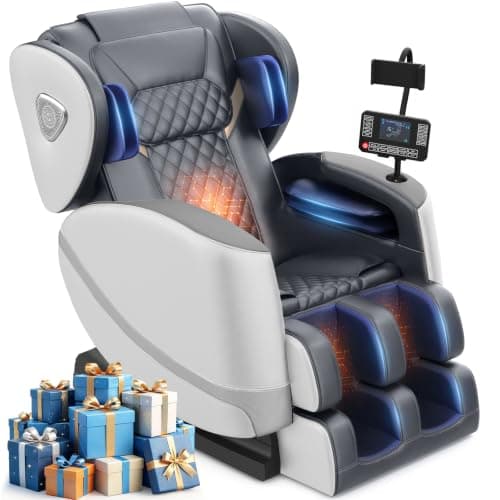
Our FURNIMAT massage chair review of the £470 zero gravity model: 14 fixed nodes, 8 airbags, heat and 165 degree recline, plus a footrest that suits shorter users.
Infrared sauna vs traditional sauna compared: heat, sweat, session length, what the research supports, home costs and safety, plus which one to pick and why.
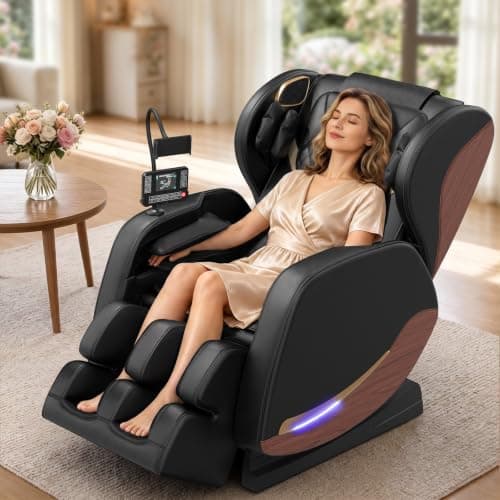
Our yewglen massage chair review: 14 fixed rollers, 8 airbags, back and leg heat, 165 degree recline and a 175cm height cap, compared with rival budget chairs.
Best Exercise is a participant in the Amazon EU Associates Programme, an affiliate advertising programme designed to provide a means for sites to earn advertising fees by advertising and linking to Amazon.co.uk. As an Amazon Associate we earn from qualifying purchases. This comes at no extra cost to you and never influences our independent reviews or rankings.