Contrast Therapy: How to Combine Sauna and Ice Bath Properly
By Mike Shilling, Recovery & Training Editor · Updated 31 August 2026
Finns have been doing this for centuries without calling it a protocol: get hot, get cold, repeat, feel better. Contrast therapy is that, formalised, and it has become the default recovery ritual at every gym that installed a sauna and a plunge tub in the same room. The hot phase dilates blood vessels and raises skin temperature by a genuinely large margin; the cold phase slams them shut. Doing it four times in an hour is a strange sort of cardiovascular exercise you perform lying down.
Whether the vascular pumping does anything measurable to your muscles is less settled than the podcasts suggest. What is not in doubt is how it makes people feel, and for most of us that is the actual point.
The basic protocol
Nothing here is precious. Cycle lengths shift by a few minutes depending on how hot your sauna runs and how cold your water is.
Warm up properly. Ten to fifteen minutes in a sauna at 70C to 80C, or twenty minutes in a hot bath if that is what you have. You want to be sweating freely before you get out, not merely warm.
Get cold quickly. One to three minutes in water at 8C to 12C. Enter slowly enough to control the gasp, then breathe long and slow through the nose. The first thirty seconds are always the worst part and they pass.
Rest for a minute. Stand, breathe, let your heart rate settle. Do not shower warm to speed this up.
Repeat three to four times. Total session lands somewhere around 45 minutes to an hour.
Finish deliberately. Cold if you want to be awake, hot if you want to sleep.
Make the contrast real
The single most common mistake is a hot phase that is not hot and a cold phase that is not cold. A 55C tent and a 16C tub will feel pleasant and do very little. If your kit cannot reach roughly 70C and roughly 10C, spend the money on fixing whichever end is weaker before you worry about round counts.
What the evidence actually supports
Take the two halves separately, because that is how they have been studied.
Heat has the stronger data. The Finnish cohort work that followed more than 2,300 middle-aged men for around twenty years found frequent sauna bathing associated with lower cardiovascular and all-cause mortality (sauna bathing and cardiovascular outcomes). Those were traditional saunas at 80C and above, used four to seven times a week, over years. That is a habit, not a session.
Cold water has a reasonable case for mood, alertness and perceived recovery, and a much weaker one for the physiological claims stacked on top of it. A review of voluntary cold water exposure found the psychological effects fairly consistent while flagging the genuine cardiovascular risk of the initial cold shock response (health effects of voluntary cold water exposure). The British Heart Foundation covers that risk in plain language and is worth ten minutes before your first plunge (BHF on cold water swimming).
Put them together and the honest summary is this: contrast therapy is well supported as something that makes you feel recovered, sleep better and enjoy the evening. Claims about lymphatic flushing and accelerated tissue repair run ahead of what anyone has demonstrated.
When not to do it
Right after a hard lifting session, if muscle growth is what you are chasing. Cold water immersion straight after resistance training suppresses the anabolic signalling that drives adaptation, and a controlled trial found smaller long-term strength and hypertrophy gains than active recovery in the same lifters (cold water immersion and strength adaptation). Leave four to six hours between the barbell and the tub, or put contrast sessions on rest days.
The picture flips during a competition week, a tournament, or a block of heavy conditioning where the priority is turning up fresh tomorrow rather than adapting next month. That is exactly when contrast therapy earns its place.
Skip it entirely, or clear it with a doctor first, if you are pregnant, have a heart condition, have blood pressure problems in either direction, or you have been drinking. Heat exhaustion creeps up on people who go too long or arrive dehydrated, so know the NHS warning signs for heat exhaustion and heatstroke before you extend a session past 45 minutes.
Common mistakes
Sitting in the cold too long. More is not better. Two minutes at 10C does the job; ten minutes just makes you cold, and raises the risk of the after-drop shivering that follows you around for an hour.
Warming up in a hot shower between rounds. It kills the contrast and turns the session into a long shower. Air-dry instead.
Doing it every day and expecting the same hit. Three sessions a week keeps the effect vivid; daily use makes it routine, and you stop noticing.
Ignoring the sleep timing. A cold finish at 10pm will keep some people wired past midnight. Finish hot in the evening.
Checking the phone between rounds. Not a physiological argument, but the people who get most from this treat it as forty-five minutes off the grid, and the ones who scroll through it tend to quit within a month.
Doing it at home without spending thousands
You need one hot thing and one cold thing, and the cold half is much cheaper than people expect. An insulated tub like The Cold Pod 320L costs £129.99 and needs nothing but water and, in summer, ice. Taller users are better off with the 440L version for the extra legroom.
For heat, the choice is between a tent and a blanket. A portable sauna tent lets you sit up with your head out and your hands free, which suits reading and long sessions, though it takes up floor space and tops out around 55C to 60C. A sauna blanket reaches 80C, distributes heat more evenly and lives in a cupboard, but you are lying down with your arms inside it. Neither reproduces a real cabin sauna, which matters if your goal is to replicate the Finnish studies rather than to feel good on a Tuesday evening.
A cheaper route exists and works fine: hottest bath you can stand, then a cold shower run at full cold for 60 to 90 seconds, three rounds. It is a weaker contrast than sauna to plunge, and it costs nothing. Start there, see whether you actually keep doing it for a month, then buy the kit.
Alternating hot and cold exposure in the same session, usually a sauna or hot bath followed by cold water, repeated for a few rounds. The heat opens blood vessels and the cold clamps them shut, and the pumping action between the two is where the supposed benefit comes from. Most people do it because it feels excellent, which is a perfectly good reason.
How long should each hot and cold cycle be?
Ten to fifteen minutes hot, then one to three minutes cold. The exact numbers matter less than the contrast being genuine: 70C to 80C in the sauna against 8C to 12C in the water. A tepid shower after a warm bath is not contrast therapy, it is just a bath.
How many rounds should you do?
Three to four rounds is the sweet spot for a 45 minute session. Beyond that most people are tired rather than refreshed, and the sauna time starts eating into the evening. Two rounds is fine on a weeknight.
Should you finish on hot or cold?
Finish cold if you want to feel alert and you are heading into your day, and finish hot if you are going to bed within a couple of hours, because the drop in core temperature afterwards helps you fall asleep. There is no strong evidence either way for recovery, so pick by what you need next.
Is contrast therapy safe?
For most healthy adults, yes, with sensible limits. The first thirty seconds in cold water are the risky part because of the cold shock response, and heat brings its own risks if you go too long or arrive dehydrated. Anyone with heart problems, high or low blood pressure, or who is pregnant should ask their GP before starting.
Does contrast therapy help you recover from training?
It reliably helps how recovered you feel, and it is genuinely useful during competition weeks or heavy conditioning blocks. Do not use it straight after resistance training if muscle growth is the goal, because the cold half blunts the adaptation you just worked for.
WHOOP vs Apple Watch compared for UK buyers: WHOOP 5.0 and MG memberships against the Apple Watch Series 12, SE 3 and Ultra 4. Battery, recovery, HRV, sleep, GPS, accuracy research and the real cost over three years.
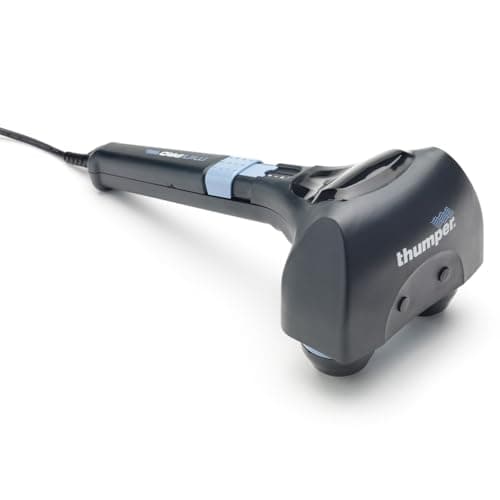
Our Thumper Mini Pro review: a corded, broad-head percussive massager with 6mm stroke and a long handle for your back. How it compares with massage guns.
Are massage chairs good for you? What randomised trials show for back pain, neck pain, stress and muscle soreness, who should avoid them, and how long and often to use one.
Best Exercise is a participant in the Amazon EU Associates Programme, an affiliate advertising programme designed to provide a means for sites to earn advertising fees by advertising and linking to Amazon.co.uk. As an Amazon Associate we earn from qualifying purchases. This comes at no extra cost to you and never influences our independent reviews or rankings.