Recovery
Vibrating Foam Roller: Are They Worth It Over a Normal One?
Is a vibrating foam roller worth the extra money? What the research shows on range of motion, pain and DOMS, who should pay more, and what to look for.

By Mike Shilling, Recovery & Training Editor · Updated 27 October 2026
Start on the lowest intensity, pick a 15 to 20 minute auto programme, recline into zero gravity and let the chair do one full cycle before you change anything. That's the whole method for a first session. Most people get more out of a massage chair by turning things down, not up, and the mistakes that leave owners bruised nearly all come from long sessions at high intensity in the first week.
The rest of this guide covers the settings on a typical home chair, how long and how often to use it, how to fit it around training, and the health conditions where you should ask a GP before sitting down.
Plug the chair in, check the shoulder and calf sections are clear of cushions, and sit right back so your spine touches the backrest along its whole length. Then:
Afterwards, notice how your neck and lower back feel over the next 24 hours. If nothing is tender, raise roller intensity by one step next time. If something is, stay where you are or drop a level.
Fit matters more than settings
Fixed-roller chairs press at set points, so if you're much shorter or taller than the chair was designed for, the rollers land in the wrong place and no setting fixes it. Check the listed height range before you buy. The YONISEE, for example, tops out around 5ft 9in.
15 to 20 minutes is the right session for most people, and it's what nearly every auto programme defaults to. Some manufacturers give a maximum in the manual, often 30 minutes, and you should treat that as a ceiling rather than a target.
The trials that found benefits weren't using marathon sessions either. In a 2023 randomised trial of 60 office workers with neck and shoulder pain, the chair group used a 20 minute neck programme twice a week for six weeks on top of heat treatment, and reported less pain and disability than heat alone. That was a premium chair with a dedicated neck mode, so a budget fixed-roller chair won't necessarily match it, but the dose is a useful guide.
Longer isn't better. Past about half an hour the rollers keep working the same tissue, and that's when people get the bruised, achy feeling that puts them off the chair for a week.
Daily use is fine for most healthy adults. Once a day in the evening is the pattern most owners settle into; two shorter sessions (say 15 minutes in the morning and 15 at night) works if you get stiff from sitting at a desk.
Give a spot a rest if it's tender to touch the next morning. Bony areas take the most punishment: the top of the shoulders, the base of the skull and the back of the pelvis. A day off from targeted modes on those areas usually sorts it out.
Zero gravity reclines the chair until your knees sit at or slightly above heart level. It does two useful things: it takes weight off your lower back, and it presses your body more firmly into the back rollers, so the massage feels deeper at the same intensity setting.
Most chairs have two or three zero gravity positions. The ROTAI A37 has three, and the first one is enough for a first session. The deeper positions put more of your weight onto the upper back rollers, so if the rollers already feel strong, a deeper recline will make them stronger. Go one position at a time.
Getting up quickly after a deep recline can leave you light-headed, especially if you've dozed off. Let the chair return upright, sit for a moment, then stand.
Home chairs use two different mechanisms, and they need different handling.
| Setting | What it does | Where to start | What to watch for |
|---|---|---|---|
| Roller intensity | How hard the rollers press into your back, neck and hips | Lowest level | Bruising along the spine or shoulder blades |
| Roller width / position | How far apart the rollers sit, or where they focus | Medium width, full back | Rollers sitting on your spine itself rather than either side of it |
| Speed | How fast the kneading or tapping cycles | Slow | Tapping on the neck at high speed feels harsh fast |
| Airbag pressure | How tightly the air cells squeeze arms, hips, calves and feet | Low | Pins and needles, or a squeeze that lingers in your arms |
| Foot rollers | Rolling or scraping under the soles | Low or off | Tender arches after the first few sessions |
Rollers knead, tap and roll along your back. On a fixed-node chair like the FURNIMAT zero gravity model, they press at set points; on an SL-track chair they travel from your neck down under your glutes. Either way, the lowest setting on a new chair often feels stronger than you expect.
Airbags compress your arms, hips, calves and feet in cycles. Some people love the calf squeeze and some find the arm cells claustrophobic. If an airbag cycle leaves your hands tingling, take your arms out of the sleeves; it's fine to run the chair without them.
Heat pads usually sit in the lumbar area, and sometimes in the calves. They're gentle (most chairs run them warm, not hot), and heat makes the first few minutes more comfortable by taking the edge off stiff muscles.
Keep it on the lower setting if you have reduced sensation in your back or legs, for example from diabetes or nerve damage, because you won't feel it if it gets too warm. And don't run heat on an area with a fresh injury that's still swollen.
A massage chair is a decent way to wind down after a session, and you'll probably feel less sore. A 2018 meta-analysis of 99 studies found that massage was the most effective method for reducing DOMS and perceived fatigue among the recovery techniques it compared. Almost all of that research used massage from a therapist's hands, though, so expect a smaller effect from a chair working a fixed pattern.
How to fit it in:
A short 5 to 10 minute session on low before training is fine if it helps you feel looser, but don't let it replace a proper warm-up.
Most healthy adults can use a chair without problems. Speak to your GP or midwife before using one if any of these apply:
Also be careful with the neck if you have any neck condition. Serious injuries from massage chairs are rare, and the most recent case report we found involved a bleed around the cervical spine, which we cover in more detail in are massage chairs good for you. Stop straight away if you feel pain, numbness, tingling or dizziness.
Starting on high. The single most common complaint from new owners is bruising, and it nearly always follows a first week on medium or high. Start low and work up over a fortnight.
Running back-to-back programmes. When one programme ends, get up. Restarting it straight away doubles the session without you noticing.
Sitting forward. If you sit with a gap behind your lower back, the rollers miss it and work harder on your shoulders instead. Sit all the way back and use a thin cushion only if the chair recommends one.
Ignoring height range. A chair built for someone 5ft 4in will put rollers in the wrong place on someone 6ft 1in, and turning the intensity up just makes the wrong spot sorer.
Expecting it to fix pain. A chair can ease muscle tension and help you relax. It won't correct posture or treat a back problem that hasn't been assessed, and if pain lasts more than a few weeks you should see a GP rather than add more chair time.
Using it on a sore, swollen calf. Muscle soreness after training feels tight and achy in both legs. A clot usually means throbbing pain and swelling in one. If you're unsure which you've got, don't massage it.
15 to 20 minutes per session suits most people, and it's the length most auto programmes run for. Your manual may give its own limit, so check it and stick to whichever is shorter. Going much past 30 minutes keeps pressing the same spots and is a common cause of next-day tenderness.
Once a day is fine for most healthy adults, and some people split it into two shorter sessions. If you wake up bruised or sore where the rollers worked, drop the intensity and give that area a day or two off before going again.
After is the better fit. Wait until you've cooled down, showered and had something to eat, then run a gentle full-body programme. Before training, a short 5 to 10 minute session on low is fine as part of a warm-up, but it doesn't replace moving.
Yes, most owners end up using it every session. Reclining with your knees at or above heart level takes load off your lower back and presses your body more firmly into the back rollers, so the massage feels deeper without turning the intensity up.
Most chairs switch off automatically when the programme ends, usually after 15 to 20 minutes, so a short doze isn't a problem. Don't sleep in it overnight, and don't leave heat running on a timer you've overridden.
Check with a GP first if you're pregnant, have osteoporosis, have had a DVT or a blood clotting disorder, take blood thinners, have a pacemaker or other implant, or have had surgery in the last few months. Don't use one at all on a leg that's suddenly painful and swollen, since that can be a sign of a clot.
Is a vibrating foam roller worth the extra money? What the research shows on range of motion, pain and DOMS, who should pay more, and what to look for.
How to use a portable steam sauna tent at home: setup, which water to use, pre-heat time, how long to sit in it, cleaning to stop mould, and who should check with a GP first.
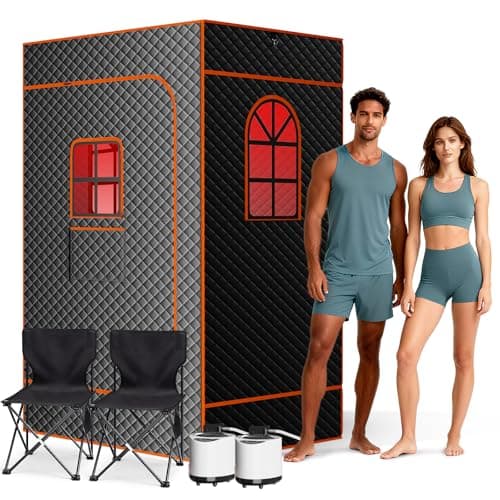
An honest Obqer 2 person portable steam sauna review: two 1200W generators, 9 heat levels, a 120 x 90cm footprint and £212.99 price, compared with Manastin and SereneLife.
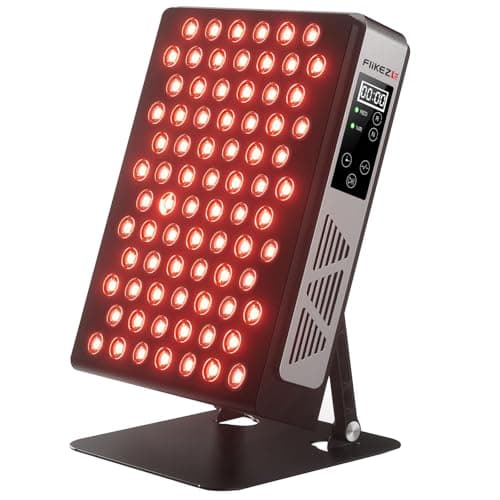
FliKEZE red light therapy review: 78 quad chip LEDs, 630 to 850nm, a 134 mW/cm² claim at 6 inches, five intensity levels and how it compares at £249.99.
Best Exercise is a participant in the Amazon EU Associates Programme, an affiliate advertising programme designed to provide a means for sites to earn advertising fees by advertising and linking to Amazon.co.uk. As an Amazon Associate we earn from qualifying purchases. This comes at no extra cost to you and never influences our independent reviews or rankings.