Recovery
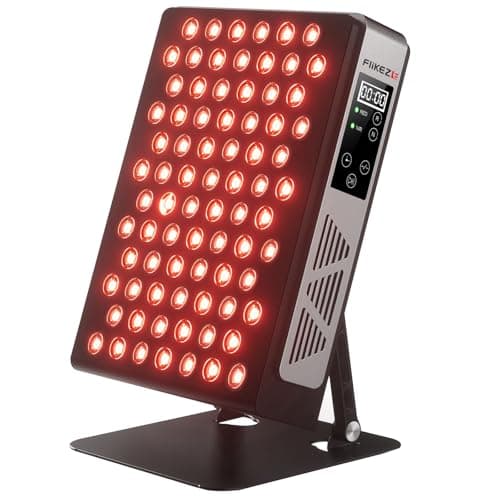
FliKEZE Red Light Therapy Review: 78 Quad Chip LEDs for £249.99
FliKEZE red light therapy review: 78 quad chip LEDs, 630 to 850nm, a 134 mW/cm² claim at 6 inches, five intensity levels and how it compares at £249.99.

By Mike Shilling, Recovery & Training Editor · Updated 4 October 2026
Yes, for most people, with a narrower list of benefits than the marketing suggests. The clinical trials that exist show massage chairs can reduce back and neck pain a little, lower some markers of stress, and probably take the edge off post-workout soreness. They don't beat physiotherapy, they don't fix posture, and the "detox" and "immune boost" claims on Amazon listings have no evidence behind them.
That's still a decent result for something you can use while watching TV. Here's what the research actually found, who should be careful, and how to use one properly.
The most useful trial is a 2020 Korean study that randomly assigned 56 people with lower back pain to either massage chair sessions or basic physiotherapy. Both groups improved in pain and function, and the chair cost less per patient. But physiotherapy produced the larger improvement on both pain and disability scores.
So the chair helped, just not as much as treatment involving a professional and movement. If your back hurts, a chair is a reasonable thing to add, not a substitute for being assessed. The NHS advice on back pain is to keep active, and to see a GP if pain hasn't improved after a few weeks or comes with numbness, weakness or bladder problems.
A 2023 trial in 60 office workers compared heat treatment alone with heat treatment plus 20 minutes in a massage chair, twice a week for 6 weeks. The chair group saw a significant drop in neck pain and neck disability scores, plus a higher pressure pain threshold. The chair in that trial was a premium Bodyfriend model running a dedicated neck programme, which is worth bearing in mind if you're looking at a £400 fixed-node chair.
Results here are softer. A 2022 pilot trial gave 41 adults aged 50 to 75 a chair to use twice a day for 6 months, against 39 who got lifestyle advice. Users showed lower DHEA-S and better self-rated mood and health; afternoon cortisol trended down but didn't reach statistical significance. It's a small study and participants knew which group they were in, so take it as encouraging rather than proven.
Massage has the best evidence of the common recovery methods. A 2018 meta-analysis of 99 studies found massage was the most effective technique for reducing DOMS and perceived fatigue, ahead of compression garments, cold water immersion and active recovery. Almost all of that research used therapists' hands. A chair can't target a sore hamstring the way a therapist or a massage gun can, so think of it as a general relaxation tool after training rather than a precise one.
They won't correct your posture, cure sciatica, flush toxins, or replace strength work for a bad back. Claims about "boosting circulation" are vague enough to be technically true of almost anything warm and squeezy, and don't translate into any measured health outcome. If a listing promises to treat a condition, ignore that line.
Most healthy adults can use a chair safely, but check with a GP before you buy one if any of these apply:
Serious injuries are rare, but they do happen. A 2025 case report described a bleed around the cervical spine after use of an electric massage chair. That's one case, not a pattern, but it's a good reason to keep neck intensity on low and stop straight away if you feel pain, numbness or tingling.
Keep sessions to 15 to 20 minutes. The trials above used 20 to 30 minutes, and most auto programmes stop at 15 or 20, which is about right. Start on the lowest intensity for the first week, since fixed rollers in particular can bruise if your back doesn't line up with them.
Daily use is fine for most people. After training, wait until you've cooled down and eaten, then use a gentle full-body programme; save the deep or targeted modes for rest days. If you've got a choice of features, a zero gravity recline and heat are the two that most owners end up using every time.
Mechanism matters more than feature count. Fixed-node chairs like the NAGLIFOR and Gegcucey cost £400 to £500 and press at set points, so how well they fit depends on your height. SL-track chairs such as the FURNIMAT 4D run rollers along your spine and scan your body, and they start around £800. If you want the kind of chair the trials used, the track is the feature to pay for.
They can ease lower back pain, but they aren't the best treatment. In a 2020 randomised trial of 56 people, a massage chair reduced pain and improved function, but physiotherapy did better on both measures. Use a chair as a comfort tool alongside exercise and see a GP if back pain lasts more than a few weeks.
15 to 20 minutes per session is the common guidance, and most chairs' auto programmes run for that long. The trials that found benefits used 20 to 30 minute sessions. Longer sessions add pressure on the same spots without obvious extra benefit, and can leave you sore.
For most healthy adults, yes. One trial had people aged 50 to 75 use a chair twice a day for 6 months. Back off if you're bruised or sore the next day, and keep intensity low on bony areas like the neck.
Check with a doctor first if you're pregnant, have osteoporosis, a blood clotting disorder or take blood thinners, have a pacemaker, recent surgery, a spinal injury or unexplained back pain. Avoid strong neck programmes if you have any neck condition.
It'll probably make you feel less sore. Massage ranks first among common recovery methods for reducing soreness and perceived fatigue in a 2018 meta-analysis, but those studies used hands-on massage, so expect a smaller effect from a chair.
Rarely, but yes. Case reports describe serious injuries, including a 2025 report of a bleed around the cervical spine after electric massage chair use. Bruising and soreness from too much pressure are more common. Use gentle intensities on the neck and stop if anything causes pain, numbness or tingling.
FliKEZE red light therapy review: 78 quad chip LEDs, 630 to 850nm, a 134 mW/cm² claim at 6 inches, five intensity levels and how it compares at £249.99.
How to use a red light therapy panel properly: the right distance and session time, how often, before or after training, eye safety and how to work out your dose.
The real benefits of compression boots, judged against the research: what helps (soreness, feeling recovered), what doesn't hold up, and who should avoid them.
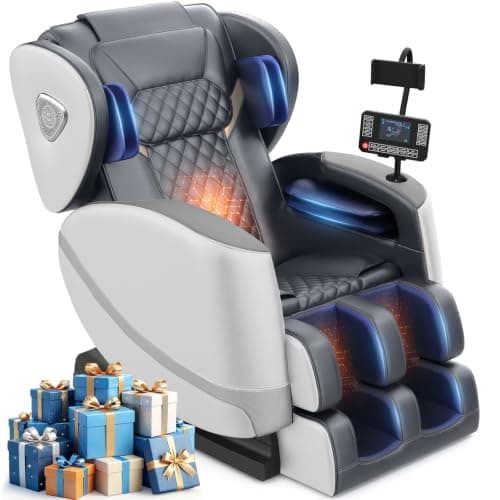
Our FURNIMAT massage chair review of the £470 zero gravity model: 14 fixed nodes, 8 airbags, heat and 165 degree recline, plus a footrest that suits shorter users.
Best Exercise is a participant in the Amazon EU Associates Programme, an affiliate advertising programme designed to provide a means for sites to earn advertising fees by advertising and linking to Amazon.co.uk. As an Amazon Associate we earn from qualifying purchases. This comes at no extra cost to you and never influences our independent reviews or rankings.