Recovery
Amazfit Helio Strap Review: A £100 Whoop Alternative With No Subscription
Amazfit Helio Strap review: £99.99 screenless band with 10-day battery, BioCharge readiness, rep counting and HR broadcast. No subscription. Is it a real Whoop rival?

By Paul Kendrick, Cardio & Endurance Editor · Updated 14 November 2026
Buy the Garmin Cirqa if you want screenless sleep and recovery tracking without paying every year. It's about £179 once, the core health data lives in the free Garmin Connect app, and the band costs less than a single year of WHOOP Peak. Pick WHOOP only if you train hard most days, want its Strain score telling you how much to do, and value a 14 day battery you can top up without taking the band off. For everyone else, and especially anyone already on Garmin, the Cirqa is the better buy.
Both are the same idea: a small sensor pod on a fabric strap, no display, everything read on your phone. The difference is the business model, and that decides more than any sensor.
Check the Garmin Cirqa price on Amazon£179How we compared them
This guide uses the Garmin Cirqa listing on Amazon UK, Garmin's published features as reported in detailed spec breakdowns (Garmin's UK product page blocked our checks), WHOOP membership details we've covered in earlier reviews, and peer-reviewed validation studies. WHOOP's UK site also blocks our checks, so WHOOP tier prices are "at the time of writing". We haven't worn the two side by side, so battery and accuracy figures are the makers' claims unless a study says otherwise.
| Feature | Garmin Cirqa | WHOOP 5.0 |
|---|---|---|
| How you pay | About £179, once | Yearly membership, band included |
| Ongoing cost | None required; Connect+ optional | £169 One, £229 Peak, £349 Life a year (reported) |
| Battery (claimed) | Up to 10 days | 14 plus days |
| Charging | Off the wrist, Garmin cable | Slide-on pack, stays on |
| Water rating | 5 ATM | Swim and shower safe |
| Built-in GPS | No, uses your phone | No, uses your phone |
| Morning score | Body Battery, sleep score, HRV status | Recovery, Strain, Sleep Performance |
| Arm wear | Garmin upper arm band, sold separately | Bicep band available |
| App | Garmin Connect | WHOOP app |
This is the whole argument for most buyers. The Cirqa was £179 on Amazon UK when we checked, and nothing you need is locked behind a subscription. Amazon's listing says heart rate, Body Battery, stress, Pulse Ox and women's health tracking all come through the free Garmin Connect app.
WHOOP doesn't sell you a band. You buy a membership, the hardware comes with it, and if you stop paying there's nothing left to read. Peak was £229 for 12 months on Amazon UK at the time of writing, and UK coverage has put One at £169 and Life at £349 a year.
Run it over two years and the gap is wide:
| Two-year cost | Total |
|---|---|
| Garmin Cirqa | about £179 |
| Garmin Cirqa plus upper arm band | about £229 |
| WHOOP One | £338 |
| WHOOP Peak | £458 |
| WHOOP Life | £698 |
So the Cirqa with the extra arm band still costs the same as one year of WHOOP Peak. By year three you're £400 or more ahead. Our WHOOP Peak review goes through the membership model properly, and it's the same story we found in Garmin vs WHOOP with Garmin's watches.
Garmin does have its own optional subscription. Connect+ adds live activity view, Garmin Coach training plans, nutrition tracking and the Active Intelligence AI insights. It's not needed for the recovery side, but there's one annoyance: watching your heart rate in real time during a workout sits behind it. On a screenless band that's the only way to see anything mid-session, so if you want that, budget for Connect+ or pair a chest strap with something that has a screen.
WHOOP wins, and the charging design matters as much as the headline number. The 5.0 is rated at 14 plus days and its battery pack slides on while you wear it, so you never miss a night. The Cirqa is rated at up to 10 days on Amazon's listing, comes off to charge on Garmin's own cable (not USB-C), and turning on all-day Pulse Ox cuts into that figure.
Ten days is still plenty. Charge it on Sunday mornings and you'll rarely think about it. The real risk with any off-wrist charging is forgetting to put it back on, which is how a week of sleep data quietly disappears.
On paper there's less between them than the price gap suggests. The Cirqa has Garmin's optical heart rate sensor with skin temperature, Pulse Ox (off by default), and an accelerometer, according to detailed spec breakdowns, but no gyroscope and no built-in GPS. Pair it with your phone and outdoor runs and rides pick up distance and pace from the phone's GPS. A single button on the pod lets you start an activity without opening the app.
WHOOP's 5.0 covers heart rate, HRV, resting heart rate, respiratory rate and skin temperature, with no screen and no GPS either. Its ECG and blood pressure insights only come with the Life tier and the WHOOP MG hardware, so at Peak and One the sensor lists look similar.
One quiet win for Garmin: the owner's manual says the Cirqa can broadcast heart rate to a Garmin Edge bike computer, so it doubles as a ride sensor.
This is the part people actually buy these bands for, and the two take different routes.
WHOOP gives you three numbers. Recovery is your morning readiness, built largely from overnight HRV, resting heart rate and sleep. Strain tracks how hard your day was on a 0 to 21 scale and gives you a target based on how recovered you are. Sleep Performance compares what you got against what you needed. For someone training six days a week, that Strain target is the one feature Garmin doesn't copy directly, and it's the best reason to pick WHOOP.
Garmin spreads the same job across several features. Body Battery is an energy gauge that charges with sleep and rest and drains with activity and stress. Sleep score grades the night and comes with coaching on how much you need, plus sleep stages, naps and a sleep alignment view that shows how closely you track your circadian rhythm. HRV status compares your overnight HRV against your own baseline and needs about three weeks of wear to settle. Spec breakdowns also list Training Readiness and training load on the Cirqa, which brings it closer to WHOOP's Strain model than Garmin's earlier fitness bands.
WHOOP's version is tidier and more opinionated. Garmin's is more spread out but gives you more to look at, and nothing on the recovery side costs extra.
Nobody has tested the Cirqa against WHOOP yet, so treat any "more accurate" claim with suspicion. The best evidence uses older hardware from both brands.
A 2025 study tracked 13 adults over 536 nights against a Polar H10 chest strap. WHOOP 4.0's overnight HRV was out by about 8% on average, while the Garmin Fenix 6 was out by about 10.5%, just over the study's 10% threshold (validation of nocturnal resting heart rate and HRV in consumer wearables). That's a lean towards WHOOP on HRV, from a small group and from a watch rather than a band.
For sleep, a 2024 systematic review of studies against polysomnography found WHOOP was within 1.4 minutes of lab total sleep time on average but overestimated REM by 21 minutes. The Garmin Vivosmart 4 overestimated total sleep by about 47 minutes and was poor at spotting time awake, though that figure rests on only two studies (Fitbit Charge 4, Garmin Vivosmart 4 and WHOOP vs polysomnography). The authors said all three need work on sleep stages.
So WHOOP has the better published record, on older kit. In practice, both are trend trackers. Watch how your HRV and sleep move over weeks, not what last night's REM figure says.
Both are light fabric bands built to be forgotten about overnight, which is the point of going screenless. The Cirqa pod is small and the complete band weighs around 21g in the L/XL size. Garmin sells an upper arm band (about £50 extra) and you set the wear position in Garmin Connect. WHOOP offers bicep and body-wear options too.
Arm wear matters more than it sounds. Lifters who find a wrist pod digs in during presses or catches on a barbell will get on better with either band on the upper arm.
If you already wear a Garmin watch, this settles it. The Cirqa drops into the same Garmin Connect account, and the app is free, deep and works on iPhone and Android. WHOOP's app is cleaner and more focused, with coaching built into every tier, but it's a closed system and it's all you get.
Buy the Garmin Cirqa if you want sleep, HRV and Body Battery data without a yearly bill, you already use Garmin Connect, or you're curious about screenless tracking and don't want to commit £169 a year to find out. It's also the pick if you'll keep a tracker for three years or more, where WHOOP's costs really pile up. Our Garmin Cirqa review covers it in more depth.
Buy WHOOP if you train hard most days and want a Strain target to steer the dose, you hate charging and want the 14 day battery, or you'll use WHOOP Peak's health extras. Go in knowing you're renting it.
If the Cirqa still feels like a lot for a band with no screen, the Fitbit Air is cheaper again. We compare it with the Cirqa in Garmin Cirqa vs Fitbit Air and with WHOOP in Fitbit Air vs WHOOP.
For most people, yes, because you buy it once for about £179 and Body Battery, sleep score and HRV status all work without a subscription. WHOOP still has the longer 14 day battery, charging you can do while wearing it, and a Strain score that's built for people who train hard every day. If you want recovery data without a yearly bill, get the Cirqa.
No. Heart rate, stress, Body Battery, Pulse Ox, sleep score and HRV status all sit in the free Garmin Connect app. The optional Connect+ plan adds live activity view, Garmin Coach plans, nutrition tracking and Garmin's AI insights. The catch is that seeing your heart rate live during a workout is one of the paid extras.
WHOOP has no hardware price. Its memberships have been reported at £169 (One), £229 (Peak) and £349 (Life) a year, and Peak was £229 for 12 months on Amazon UK at the time of writing. Over two years that's £338 to £698, against a one-off £179 for the Cirqa. Check WHOOP's own site for current tier prices before you buy.
WHOOP. The 5.0 is rated at 14 plus days and you charge it by sliding a battery pack on without taking the band off. The Cirqa is rated at up to 10 days, has to come off to charge on Garmin's own cable, and loses some of that if you turn on all-day Pulse Ox.
Yes. Garmin sells an upper arm band separately, and you tell Garmin Connect where you're wearing it. WHOOP also sells bicep and body-wear options, so both suit lifters who find a wrist tracker gets in the way.
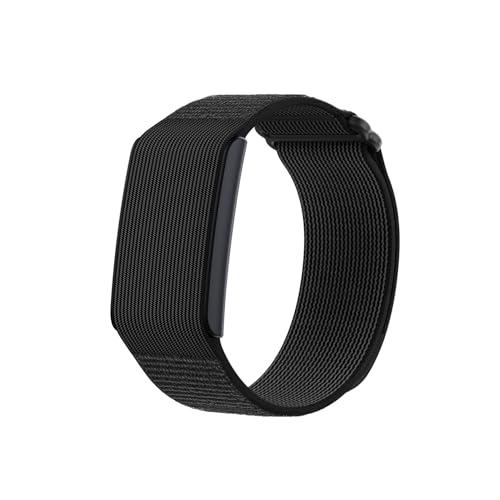
Amazfit Helio Strap review: £99.99 screenless band with 10-day battery, BioCharge readiness, rep counting and HR broadcast. No subscription. Is it a real Whoop rival?
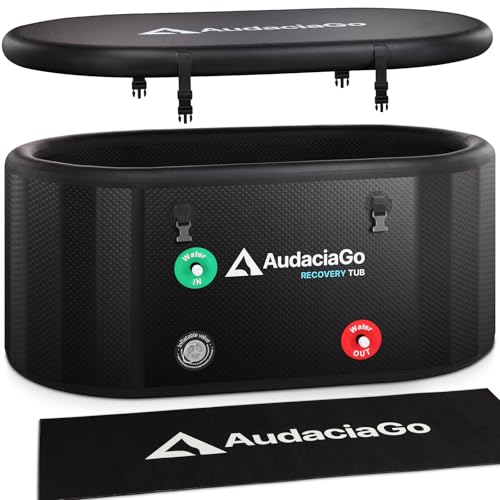
Our AudaciaGo XL ice bath review: a 140 gallon inflatable cold plunge with lid, pump and chiller ports, and why £602 is hard to justify against rivals.
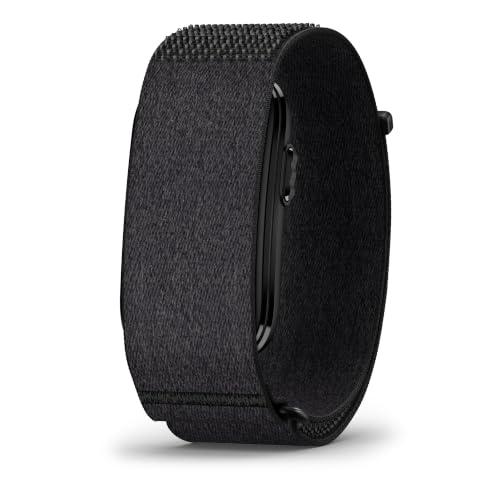
Garmin CIRQA review: a £179 screenless band with 10 day battery, sleep coaching, HRV status and no subscription. How it compares with Whoop and Fitbit Air.
Garmin Cirqa vs Fitbit Air for UK buyers: £179 against £84.99. Battery, sensors, subscriptions, Garmin Connect vs Google Health and who each band suits.
Best Exercise is a participant in the Amazon EU Associates Programme, an affiliate advertising programme designed to provide a means for sites to earn advertising fees by advertising and linking to Amazon.co.uk. As an Amazon Associate we earn from qualifying purchases. This comes at no extra cost to you and never influences our independent reviews or rankings.