Recovery
Fitbit Air vs WHOOP: Which Screenless Tracker Should You Buy?
Fitbit Air vs WHOOP for UK buyers: £84.99 against a £169 to £349 yearly membership. Battery, sensors, coaching, accuracy research and two-year cost compared.

By Paul Kendrick, Cardio & Endurance Editor · Updated 13 November 2026
We may earn a commission from qualifying purchases made through links on this page, at no extra cost to you. This never affects our ratings.
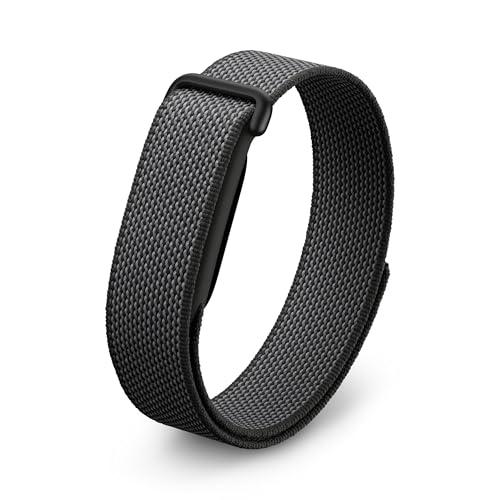
The Google Fitbit Air is a good buy at £84.99 if you want sleep, heart rate and daily activity tracking without a screen and without a mandatory subscription. It's a small pebble on a fabric band that weighs 12g, lasts up to 7 days between charges and does its job in the background. The catch is what's missing: no display, no GPS, no clock. If you can live with reading everything on your phone, it's the best-value screenless tracker you can buy in the UK right now. If you can't, look at the Fitbit Charge 6.
Google launched the Air in May 2026 as a direct answer to Whoop, and the pricing shows it. Whoop rents you a band through a membership; Google sells you a tracker outright and charges extra only for the AI coach. That difference matters more than any single sensor.
Check the Google Fitbit Air price on Amazon£84.99How we review
This review is based on Google's published Fitbit Air specifications and support pages, launch coverage from established tech outlets, peer-reviewed research on wrist-worn sleep and heart rate accuracy, and recurring themes in owner feedback. We haven't worn this exact unit ourselves, so we treat battery and accuracy numbers as manufacturer claims and report only patterns that several sources agree on.
Google's official Fitbit Air tech specs list a pebble-shaped tracker measuring 34.9 x 17 x 8.3 mm that weighs 5.2g on its own and 12g with the band. It snaps into a removable band, and the box includes a textile Performance Loop. Silicone and polyurethane bands are sold separately.
Sensors cover the essentials: an optical heart rate monitor, a 3-axis accelerometer and gyroscope, red and infrared sensors for blood oxygen (SpO2) and a temperature sensor that feeds skin temperature variation into the app. There's a vibration motor for silent alarms and Smart Wake, which nudges you awake during a lighter sleep phase.
What's not there matters as much. No screen, so you can't check the time or your heart rate mid-workout. No GPS, so a run is logged from your phone's location or entered after the fact. No NFC payments, no ECG app listed in the specs and no notifications on the wrist. You get a status light and a buzz, and that's the whole interface.
| Price (UK) | £84.99 on the Google Store and Amazon UK |
|---|---|
| Display | None (status light and vibration only) |
| Sensors | Optical heart rate, SpO2, skin temperature, accelerometer and gyroscope |
| Health alerts | High and low heart rate, irregular rhythm notifications, HRV |
| GPS | None (uses phone for outdoor workouts) |
| Battery | Up to 7 days; 5 minute charge gives about 1 day; 0 to 100% in 90 minutes |
| Water resistance | 50 m |
| Weight | 5.2 g tracker, 12 g with band |
| Connectivity | Bluetooth 5.0; Android 11+ or iOS 16.4+ |
| Account and app | Google account and Google Health app required |
| Subscription | Optional Google Health Premium; 3 months included |
The Air does its best work overnight. A 12g pebble on a soft band is far easier to forget about than a watch, and the habit of wearing it every night is what makes sleep data worth anything. You get sleep duration and stages, resting heart rate, HRV and SpO2 trends, all without a subscription.
How accurate is wrist sleep tracking in general? Moderately. A 2024 systematic review in JMIR mHealth and uHealth compared the Fitbit Charge 4, Garmin Vivosmart 4 and Whoop against polysomnography, the lab standard. The Charge 4 and Vivosmart 4 showed moderate accuracy for sleep stages and total sleep time, and Whoop's total sleep time came within 1.4 minutes of the lab figure but it missed REM by 21 minutes. The review covered only 8 studies, and the authors concluded all three need work on classifying specific stages. The Air is a newer device that wasn't in that research, so treat its sleep stage splits as a rough guide. Total sleep time and consistency over weeks are the numbers to trust.
Daytime heart rate is a similar story. Steady walking, easy cycling and resting readings are where wrist optical sensors do well; hard intervals and heavy lifting, where your wrist flexes, are where they lag. That's true of every wrist wearable and the Air doesn't escape it. If your training leans on precise zones, pair a chest strap with whatever you wear and read our heart rate zone training guide to make use of the numbers.
The Fitbit app is now the Google Health app, and the Air is built around it. Google's store page describes personalised coaching built with Gemini, included with a Google Health Premium membership. That's the paid layer: the free app gives you your data, and Premium gives you a coach that reads it and tells you what to do about it.
The Air ships with 3 months of Premium. Afterwards, UK coverage puts it at roughly £7.99 a month or £79.99 a year, though we couldn't confirm that on Google's own store page, so check the price in the app before you start the trial. Over a year that's about £80 on top of the £85 tracker, which still lands well under Whoop's membership model. Some of the more advanced metrics Google has talked about, such as blood pressure trends, are described as Premium features and were flagged as coming soon at launch, so don't buy the Air for something that isn't live yet.
Is the coach worth paying for? That depends on whether you'll actually open it. A coaching feature that suggests an easier day after a bad night is useful if you act on it, and a monthly charge for advice you ignore is a waste. Our advice: use the free trial properly for 3 months, then decide. The tracker keeps working either way.
The obvious rival is Whoop. Our WHOOP Peak review covers the model in detail: a screenless band bundled with a 12 month membership at around £229, which stops working the moment you stop paying. The Air costs £84.99 once, and you keep it. Whoop counters with a longer battery and a more mature recovery and strain score, and it has years of refinement behind its sleep and recovery analysis. For a direct feature-by-feature breakdown, see Fitbit Air vs Whoop.
The other comparison is closer to home. The Fitbit Charge 6 costs about the same, and it gives you a colour touchscreen, built-in GPS, ECG, Google Wallet and heart rate broadcast to gym equipment. What it doesn't have is the Air's 12g weight and its screenless focus. If you want to look at your wrist, track runs without your phone or pay for a coffee with it, buy the Charge 6. If you want a tracker you stop thinking about, buy the Air.
One more option for context: the Oura Ring 5 tracks sleep from your finger, but it's a different price bracket and leans on a subscription too.
See the Google Fitbit Air on Amazon UK£84.99Buy the Fitbit Air if sleep and recovery are your main interest and you want to improve them without another screen demanding attention. It suits people who lift or do classes at the gym, desk workers trying to move more, and anyone who finds smartwatch notifications a distraction. It's also the sensible first tracker if you're curious about Whoop-style data but don't want to commit to £229 a year.
Skip it if you run or cycle outdoors and want pace on your wrist, if you like checking the time and your stats mid-workout, or if you want contactless payments. A GPS watch such as those in our best Garmin watch guide will serve you better, and for broader sleep context our sleep and muscle recovery guide explains what your numbers are telling you.
At £84.99 the Air undercuts nearly everything with similar sensors, and the optional subscription is what separates it from Whoop. Add a year of Premium and you're at about £165, still cheaper than a single year of Whoop Peak. The compromises are plain: no screen, no GPS, a mandatory Google account, and sleep staging that's good for trends rather than precise to the minute.
I'd give it 4.2 out of 5. It loses marks for the missing GPS and the Premium gate on the coach, not for anything it does badly.
No. Heart rate, HRV, SpO2, steps, sleep and workout logging all work without paying anything. The Gemini-based coaching is the part that sits behind Google Health Premium, and the Air includes 3 months of it. After the trial UK coverage puts Premium at about £7.99 a month, so check the current price in the app before you commit.
Neither. It has no display and no built-in GPS, so you read everything in the Google Health app on your phone. A small status light and a vibration motor handle low-battery warnings and silent alarms. If you run and want pace and distance from your wrist, the Fitbit Charge 6 or a running watch is the better pick.
Google quotes up to 7 days. A 5 minute charge gives roughly a day of use and a full charge takes about 90 minutes on the magnetic USB-C charger. Because there's no screen to power, real-world results should sit close to the claim, though we haven't run our own endurance test.
It's water resistant to 50 metres, so showers and pool swims are fine. Google asks you to dry the band after it gets wet, because a damp band is harder on your skin. Textile bands in particular take a while to dry, and the silicone Active Sport band is a better choice for sweaty or wet use.
Yes. It needs the Google Health app (the renamed Fitbit app) and a Google account, on Android 11 or higher or iOS 16.4 or higher. The Air syncs over Bluetooth within about 30 feet.
For most people on a budget, yes, mainly because you own the hardware and the core tracking is free. Whoop still has the more mature recovery and strain scoring and a longer battery. We compare them head to head in our Fitbit Air vs Whoop piece.
Fitbit Air vs WHOOP for UK buyers: £84.99 against a £169 to £349 yearly membership. Battery, sensors, coaching, accuracy research and two-year cost compared.
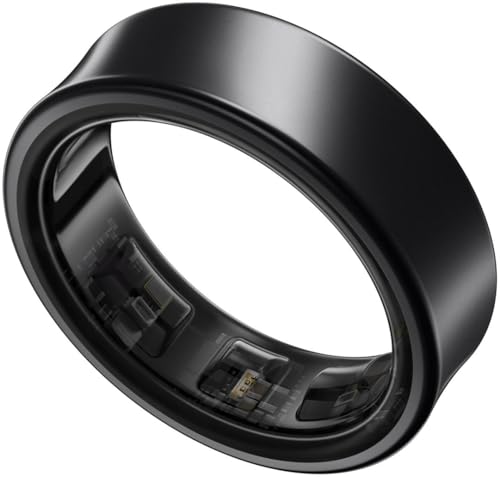
Samsung Galaxy Ring review for UK buyers: titanium build, up to 7 day battery, no subscription, Android only, sizing kit advice and how it compares with Oura.
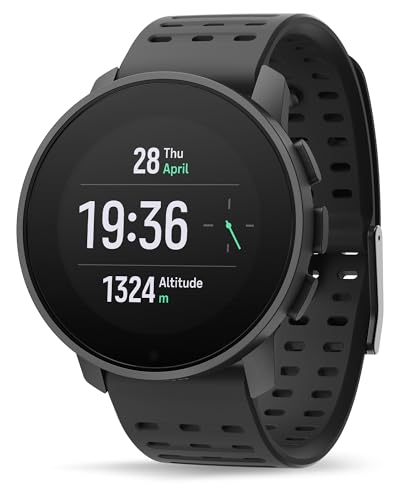
A Suunto 9 Peak Pro review for UK buyers: 40 hours of GPS, 21 days of daily use, sapphire glass and a £189 price, plus what's dated next to the Race 2.
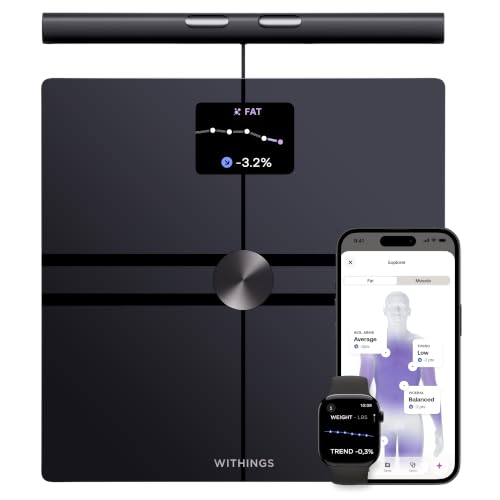
Withings BodyFit review for UK buyers: a handle-equipped scale with 6-zone fat and muscle readings, what the DEXA claim covers, and the BodyScan 2 comparison.
Best Exercise is a participant in the Amazon EU Associates Programme, an affiliate advertising programme designed to provide a means for sites to earn advertising fees by advertising and linking to Amazon.co.uk. As an Amazon Associate we earn from qualifying purchases. This comes at no extra cost to you and never influences our independent reviews or rankings.