Recovery
Garmin vs WHOOP: Which Recovery Tracker Should You Buy?
Garmin vs WHOOP for UK buyers: two-year cost, GPS, Body Battery and Training Readiness against WHOOP recovery, sleep accuracy research, battery and who should pick which.

By Jacob Chambers, Founder & Lead Reviewer · Updated 8 November 2026
For most people the Oura ring is the better buy: it's more comfortable to sleep in, cheaper to run each year, it tracks sleep at least as well, and you own the hardware. Choose WHOOP if you train hard most days and want a coach telling you how much to do, because its Strain and Recovery loop is the best training-load tool you can wear without a screen. If you lift heavy, that tips it towards WHOOP too, since a ring on your finger and a loaded barbell don't get on.
The detail matters, because WHOOP sells three membership tiers and Oura now has two rings on sale, and the cheapest Oura route works out well below the dearest WHOOP one.
How we compared them
This comparison draws on Oura's UK store pages (checked 8 November 2026), WHOOP's published membership details, current Amazon UK listings and peer-reviewed validation studies. We haven't worn the two side by side, so battery and accuracy figures from the manufacturers are treated as claims. WHOOP's UK website blocked our requests, so we quote only the WHOOP price we could confirm.
WHOOP sells memberships with the hardware included. One covers strain, recovery and sleep on the WHOOP 5.0 band. Peak, the middle tier, adds Healthspan (WHOOP Age and Pace of Aging), Health Monitor and Stress Monitor on the same band. Life is the top tier and the only way to get the WHOOP MG, which adds an ECG and blood pressure insights. Peak was £229 for 12 months on Amazon UK at the time of writing; check One and Life on WHOOP's own site, because UK pricing has moved since launch.
Oura launched the Oura Ring 5 in June 2026. It's £399 in silver or black and £499 in the gold, deep rose, stealth and brushed silver finishes on Oura's UK store, and Oura says it's 40% thinner, lighter and smaller than before. The Ring 4 is still on Oura's site and Amazon UK had it at roughly £229 to £269 depending on size and finish when we checked. Both rings need the Oura membership: £5.99 a month or £69.99 a year in the UK, with the first month free for new members.
| Form factor | WHOOP: screenless band for wrist or bicep. Oura: titanium finger ring, no screen |
|---|---|
| Upfront cost | WHOOP: none, hardware bundled. Oura Ring 5: £399 to £499. Oura Ring 4: around £229 to £269 on Amazon UK |
| Ongoing cost | WHOOP Peak: £229 a year (Amazon UK). Oura: £5.99 a month or £69.99 a year |
| Battery | WHOOP 5.0: 14 plus days claimed. Oura Ring 5: 6 to 9 days. Oura Ring 4: 5 to 8 days |
| Charging | WHOOP: slide-on battery pack, band stays on. Oura: ring comes off to charge (about 80 minutes for Ring 5) |
| Sensors | Both: optical heart rate, HRV, blood oxygen, skin temperature, accelerometer. WHOOP MG adds ECG |
| Headline scores | WHOOP: Recovery, Strain (0 to 21), Sleep. Oura: Readiness, Sleep, Activity |
| Water resistance | Oura Ring 5: 100m, IP68. WHOOP: check current spec on WHOOP's site |
| GPS | Neither has GPS; both borrow your phone's |
A ring is the least intrusive tracker you can wear, and that's Oura's real advantage. It looks like jewellery, it doesn't catch on a shirt cuff, and you barely notice it at night, which matters because a device you actually sleep in gives you better data than a clever one left on the bedside table. The Ring 5's smaller size helps anyone who found earlier rings chunky.
The catch is sizing. Oura rings run differently from normal jewellery sizes, so you need the sizing kit first and a few days' wait before ordering the ring itself. Your fingers swell in heat and after salty meals, and a ring that's loose in winter can feel tight in July.
WHOOP's band is softer and more forgiving, and you can move it to your upper arm with WHOOP's bicep band, a popular option with people who wear a watch on their wrist. For lifters this is the decisive point. A ring sits exactly where a barbell or kettlebell handle presses into your palm, and plenty of people end up taking it off for gym sessions, which leaves holes in the data you're paying for.
Both products are built around one morning number, and both use similar inputs: overnight heart rate variability, resting heart rate, respiratory rate, skin temperature and sleep.
WHOOP's Recovery is a percentage with a traffic-light colour, and it's tied to the previous day's Strain. Sleep Coach then tells you how much sleep you need tonight to recover from what you did today, which makes WHOOP more prescriptive than anything Oura offers. If you like being told what to do, that's a big plus.
Oura's Readiness score reads the same signals but frames them around general health rather than training, and the app layers on longer-term features such as daytime stress and its Oura Advisor AI assistant. It's better at gently flagging that something's off (a temperature rise before a cold, a few nights of poor sleep) than at telling an athlete how hard to go. For the bigger picture on why sleep matters more than most recovery gadgets, read our guide to sleep and muscle recovery.
This is WHOOP's clearest win. Strain scores each day's cardiovascular load from 0 to 21, and the app compares it with your Recovery so you can see whether you're overreaching. Oura has an Activity score, step counting and workout heart rate, and it'll detect some activities automatically, but there's no equivalent training-load target.
Neither device handles strength training well. Wrist and finger heart rate barely moves during a heavy set of five, so WHOOP can rate a hard squat session below an easy jog, and Oura has the same blind spot. Lifters should use the overnight recovery reading and treat the workout figure as rough. Neither has GPS either, so runners and cyclists will still want a watch; our Garmin vs Apple Watch comparison covers that side.
WHOOP claims 14 plus days from the 5.0, and the slide-on charger means the band never leaves your body. Oura rates the Ring 5 at 6 to 9 days and the Ring 4 at 5 to 8, both depending on ring size. A weekly charge is easy enough, but you do have to take the ring off, and if you forget it on the charger at bedtime you lose a night. On paper and in practice, WHOOP wins this.
Prices below are UK figures at the time of writing, using the annual Oura membership.
By year three the gap widens in Oura's favour, because you're only paying £69.99 a year against WHOOP's £229. WHOOP's answer is that hardware upgrades come with the membership, which is fair if you'd otherwise buy a new ring every two years. Most people won't. We go through WHOOP's subscription maths in more detail in our WHOOP Peak review.
The best independent evidence for Oura comes from a 2024 study of 35 healthy adults who slept a night in a lab wearing an Oura Ring Gen3, a Fitbit Sense 2 and an Apple Watch Series 8 while hooked up to polysomnography. Oura picked out light, deep and REM sleep with sensitivity of about 76% to 80%, and it was the only device with no significant difference from the lab reference for any stage total (accuracy of three commercial wearables for sleep tracking).
For WHOOP, a validation study of the older WHOOP 2.0 against an ECG found heart rate agreement was excellent, with bias under 0.4%, but overnight HRV error approached or exceeded the smallest change you'd want to act on (validation of WHOOP heart rate and HRV against ECG). That study only had six participants, so treat it as a pointer rather than a verdict.
Two cautions apply to both. The research uses older hardware than the WHOOP 5.0 and Oura Ring 5, so the manufacturers' newer accuracy claims are still unproven. And a single night's HRV from either device is noisy; watch the weekly trend. If you want exact numbers, a chest strap from our best heart rate monitor guide beats both.
Buy the Oura ring if sleep, general health and early warning of illness matter more to you than training load, you want something you'll forget you're wearing, and you'd rather own the hardware and pay less each year. The Ring 4 at a discount is the best value; the Ring 5 is worth the extra if you have slim fingers or want the smallest ring available.
Buy WHOOP if you train hard five or six days a week, lift heavy enough that a ring gets in the way, or want a daily strain target and sleep instructions rather than a health report. Peak is the sensible tier for most athletes.
If you're torn and you already own a smartwatch, Oura is the better companion, since a watch covers the workout side and the ring handles sleep without doubling up. Anyone weighing WHOOP against a watch instead should read our WHOOP vs Apple Watch comparison, and you'll find the rest of our recovery kit in the recovery section.
Check Oura Ring 5 prices and sizes on Amazon£399 Check the WHOOP Peak price on Amazon£229 for 12 monthsOura, narrowly. A ring is less noticeable in bed than a wrist strap, and the Oura Ring Gen3 matched polysomnography closely in a 2024 lab study, with no significant difference from the lab reference for light, deep or REM sleep totals. WHOOP's sleep coaching is more prescriptive, telling you how much sleep you need tonight based on yesterday's strain, so it's the better choice if you want instructions rather than a report.
WHOOP. Its Strain score (0 to 21) and the link between strain and the next morning's Recovery are the whole point of the product, and Oura has nothing quite like it. Oura tracks activity and workout heart rate, but it's built around sleep and readiness rather than training load. If you train hard most days and want a number telling you how much to do, pick WHOOP.
At the time of writing, WHOOP Peak is £229 a year on Amazon UK, so £458 over two years. The Oura Ring 5 is £399 plus a £69.99 annual membership, about £539 over two years. An Oura Ring 4 bought at around £239 on Amazon brings the Oura total down to roughly £379, the cheapest of the three.
You can, but plenty of lifters don't enjoy it. A ring sits right where a barbell, dumbbell or pull-up bar presses into your palm, and the titanium shell can scuff. Wearing it on a finger of your non-dominant hand helps, or you can take it off for the session and accept a gap in your workout data. WHOOP's wrist or bicep band avoids the problem.
WHOOP doesn't work at all without an active membership, because the hardware comes bundled with it and the band has no screen. You own an Oura ring outright, but without the membership it offers only limited functionality, so in practice both are subscription products. Oura's membership is cheaper at £5.99 a month or £69.99 a year.
If you can find a Ring 4 at a big discount, it's the better value. Oura still sells it, it uses the same app and membership, and Amazon UK listings were around £229 to £269 depending on size and finish at the time of writing. The Ring 5 is about 40% smaller and claims slightly longer battery life (6 to 9 days against 5 to 8), which matters most if you have slim fingers or find bulky rings uncomfortable.
Garmin vs WHOOP for UK buyers: two-year cost, GPS, Body Battery and Training Readiness against WHOOP recovery, sleep accuracy research, battery and who should pick which.
How to build your own sauna in the UK: indoor or garden, sizing, timber, insulation, ventilation, heater sizing, Part P electrics and planning rules.
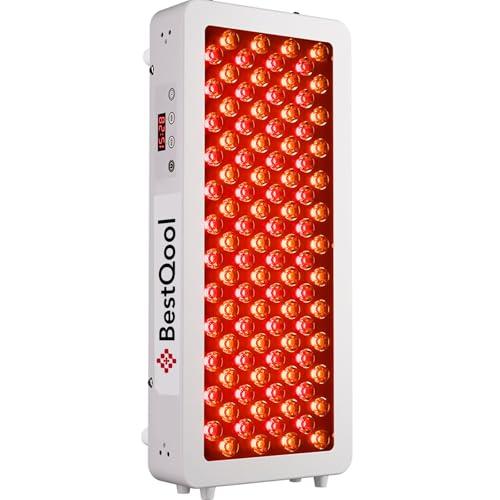
BestQool Pro100 review: 160W, 100 dual chip LEDs, four wavelengths and 109 mW/cm² at 3 inches. How it differs from the 105W and who should buy it.
A massage gun can ease the tight glutes and hamstrings that come with sciatica, but it can't fix a pinched nerve. Where to use it, settings and red flags.
Best Exercise is a participant in the Amazon EU Associates Programme, an affiliate advertising programme designed to provide a means for sites to earn advertising fees by advertising and linking to Amazon.co.uk. As an Amazon Associate we earn from qualifying purchases. This comes at no extra cost to you and never influences our independent reviews or rankings.