Recovery
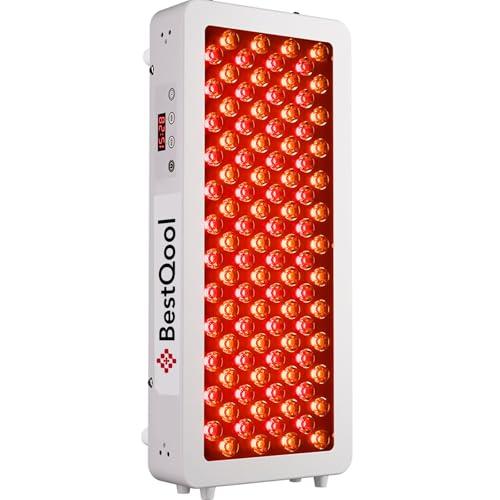
BestQool Pro100 Review: A Bigger BestQool Panel for £319
BestQool Pro100 review: 160W, 100 dual chip LEDs, four wavelengths and 109 mW/cm² at 3 inches. How it differs from the 105W and who should buy it.

By Mike Shilling, Recovery & Training Editor · Updated 7 November 2026
A massage gun can be good for sciatica in a limited way: it can ease the tight glute, piriformis and hamstring muscles that often come along with it, and that can make sitting, walking and sleeping more comfortable. What it can't do is fix the cause. Sciatica comes from a nerve root being irritated or squashed, usually by a disc in your lower back, and no amount of percussion on your bum will move that disc.
So think of a massage gun as a comfort tool for the muscles around the problem, not a treatment for the nerve itself. Used gently and in the right places it's a reasonable thing to try. Used hard, straight over the nerve or on the spine, it can make things worse.
Not medical advice
This guide is general information for adults with ordinary, non-urgent sciatica. It's based on NHS guidance and published research, not on clinical assessment of you. If your symptoms are severe, spreading or getting worse, get checked by a GP or physio before you put a massage gun anywhere near them.
The NHS describes sciatica as what happens when the sciatic nerve, which runs from your lower back down to your feet, gets irritated or compressed. The typical picture is pain in the buttock and down the back of one leg, sometimes into the foot, which can feel sharp or burning and may come with tingling, numbness or weakness. It often gets worse when you move, cough or sneeze.
The most common cause is a slipped disc. Spinal stenosis (narrowing of the spinal canal), a vertebra slipping out of place and back injuries are other causes. The good news: most cases settle within a few weeks to a few months.
That matters for the massage gun question. The pain is felt in the leg, but the trouble usually starts in the spine. Your glutes and hamstrings often tense up to guard the area, though, and that secondary tightness is the part a massage gun can reach.
Stick to the meaty muscle around the nerve, not the nerve's path. These are the areas worth working:
If you take blood thinners, have a bleeding disorder or have had recent surgery, ask your GP first. There's a published case report of a large bleed in a patient on anticoagulants who used a massage gun repeatedly on the abdomen. It's a rare and extreme case, but it shows these devices aren't harmless in every body.
Sciatica calls for the gentlest version of normal massage gun use. If you're new to the device, our guide on how to use a massage gun covers the basics; for sciatica, tighten it up like this:
A simple rule covers most of it: muscle discomfort that eases as you go is fine; anything that sends pain, burning or tingling down the leg means stop.
Honestly, not much, and nothing direct. A 2023 systematic review of percussive therapy pulled together 13 studies and found that massage guns gave short-term gains in muscle strength, power and flexibility, and that repeated treatments reduced people's experience of musculoskeletal pain. The authors also noted every included study had weaknesses in method or reporting.
Those studies looked at muscle performance and general musculoskeletal pain, not nerve pain. We couldn't find a trial testing massage guns on people with sciatica specifically. So the fair reading is that a massage gun may help the muscle tension that rides along with sciatica, and there's no evidence it helps the nerve problem itself.
The NHS doesn't list massage guns among its sciatica treatments. It does mention that physiotherapy can include manual therapy such as massage, alongside exercises, which tells you hands-on soft tissue work has a place, as part of a wider plan.
The NHS self-care advice for sciatica is mostly about staying active: keep up normal activities as much as you can, avoid long periods sitting or lying down, and use heat packs on the painful area. Its view is that moving, even when it's uncomfortable, isn't harmful and can help you recover sooner.
A massage gun fits neatly in front of that. A few minutes on the glutes and hamstrings can loosen you up enough to do your exercises more comfortably. Our sciatica exercises guide has gentle stretches and mobility drills that suit a short session straight after. If you also get stubborn tender spots in the glutes or lower back, our guide to muscle knots explains what they are and how to work them.
The NHS says to see a GP if your sciatica hasn't improved after a few weeks, is getting worse, or is stopping you doing normal activities.
Call 999 or go to A&E if you have any of these, as they can point to cauda equina syndrome, a serious compression of the nerves at the base of the spine that needs urgent hospital treatment:
Don't drive yourself. No massage gun belongs anywhere near these symptoms.
You don't need a powerful one. For this job, low starting speeds, a soft head and a comfortable handle matter more than stall force or a 16mm stroke. A budget gun covers it, and our best massage gun UK roundup lists the options at each price.
If you want something quieter and easier to hold for regular sessions, the mid-price Hypervolt 3 is a good fit: it weighs about 900g, has five speeds and a pressure sensor so you can see how hard you are pushing, and includes a heated head, which pairs well with the NHS's heat advice.
It can if you use it in the wrong place or too hard. Pressing a fast, deep head straight over the line of the sciatic nerve, the deep middle of the buttock or the back of the thigh, can aggravate an irritated nerve and bring on more shooting pain or tingling. Keep to the muscle around the nerve, use a low speed and a soft head, and stop if your leg symptoms flare.
Not on the spine itself. You can work the thick muscles either side of the lower back on a low setting, but never run the head over the bony ridge in the middle. If the root of your sciatica is a slipped disc, hammering the area won't move the disc and may just make it sorer.
About 30 to 60 seconds per muscle area, two or three areas per session, is plenty. Glutes, the outer hip and the hamstrings are the usual targets. Once or twice a day is fine if it feels good; more time doesn't mean more relief and can leave tissue bruised.
It often helps. The piriformis sits deep in the buttock and can tighten up and add to sciatic-type pain. Work it gently with a soft or ball head on a low speed, and back off immediately if you feel pins and needles or pain shooting down the leg, because the sciatic nerve runs very close to it.
See a GP if the pain hasn't improved after a few weeks, is getting worse, or is stopping you doing normal things. Call 999 or go to A&E if you have sciatica in both legs, weakness or numbness in both legs, numbness around the genitals or anus, or new problems controlling your bladder or bowels.
BestQool Pro100 review: 160W, 100 dual chip LEDs, four wavelengths and 109 mW/cm² at 3 inches. How it differs from the 105W and who should buy it.
Yes, a TENS machine can occasionally make pain worse. Here is why it happens, how to place the pads and set the intensity, how long to use it, who should avoid TENS, and what the evidence says for sciatica.
Can a vibration plate help lymphatic drainage? What whole-body vibration really does to circulation and swelling, what the thin research shows, how to use one safely and who should avoid it.
Can red light therapy cause cancer? Why red and near infrared LEDs aren't UV, what studies say about existing tumours, who should check with a GP first.
Best Exercise is a participant in the Amazon EU Associates Programme, an affiliate advertising programme designed to provide a means for sites to earn advertising fees by advertising and linking to Amazon.co.uk. As an Amazon Associate we earn from qualifying purchases. This comes at no extra cost to you and never influences our independent reviews or rankings.