Recovery
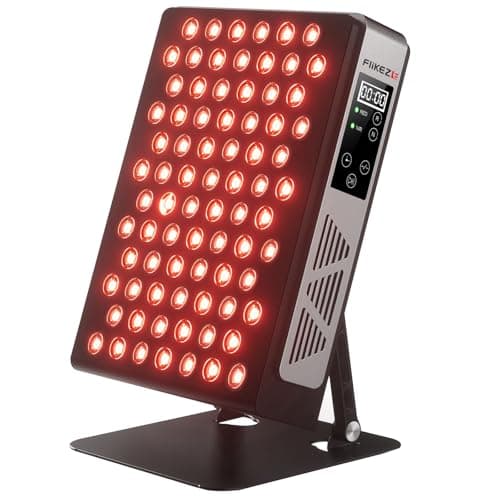
FliKEZE Red Light Therapy Review: 78 Quad Chip LEDs for £249.99
FliKEZE red light therapy review: 78 quad chip LEDs, 630 to 850nm, a 134 mW/cm² claim at 6 inches, five intensity levels and how it compares at £249.99.

By Mike Shilling, Recovery & Training Editor · Updated 1 October 2026
Active recovery is light movement in place of sitting still: an easy walk the day after leg day, 10 minutes of gentle cycling after intervals, a slow swim or a mobility session. The idea is that keeping blood moving helps you bounce back faster. The honest answer from the research is that it does clear lactate faster and takes the edge off soreness a little, but it doesn't reliably make your next workout better than plain rest. That still makes it worth doing; you just need to keep it easy.
Anything low impact you can do at a conversational pace. The best choices are the ones that don't load the muscles you trained hard.
The clearest effect is on lactate. In a 2017 study, 14 young swimmers did a maximal 200m freestyle and then either rested passively for 15 minutes or rested for 5 and swam easily for 10. Self-paced active recovery cleared blood lactate more than twice as fast (0.43 versus 0.18 mmol per litre per minute). The swimmers picked their own pace, settling at about 69% of their race speed, which suggests you don't need a precise target to get the benefit.
Faster lactate clearance sounds great. But lactate isn't the cause of next-day soreness, and clearing it doesn't automatically mean better performance later.
Soreness is where the evidence gets more mixed. A 2018 meta-analysis of 99 studies found that active recovery produced a small reduction in muscle soreness, along with massage, compression and cold water. Massage came out on top for soreness and fatigue. Active recovery was useful, just not the strongest option.
The most sobering result is recent. A 2026 network meta-analysis pooled 16 randomised trials in competitive endurance athletes and found that no recovery method clearly outperformed passive rest for soreness, muscle damage markers or sport performance. For performance, the confidence intervals for active recovery ruled out any clinically important effect. The evidence base was thin, with most comparisons resting on a single trial, but it's a useful reality check.
Our position: do active recovery because it feels good, keeps you in the habit of moving and adds easy volume to your week. Don't expect it to rescue a programme that's too hard or a week of bad sleep.
Easy. That's the whole rule, and it's where people get it wrong. Aim for roughly 3 to 4 out of 10 on perceived effort, or heart rate zone 1 into the low end of zone 2. You should be able to talk in full sentences. Our heart rate zone training guide explains how to find your zones.
If an active recovery ride turns into a sweaty 45 minute tempo session, it's no longer recovery. It's another workout, and it'll make you more tired for the next hard day, not less.
10 minute cooldown after intervals. Drop the resistance on the bike, rower or treadmill and keep moving for 5 to 10 minutes, letting your breathing settle. Finish with 2 or 3 minutes of easy stretches for the muscles you used.
Rest day walk. 30 minutes of walking at a pace where you could chat. Add hills if you feel good; skip them if your legs are wrecked.
Easy bike spin. 20 to 30 minutes at low resistance and a comfortable 70 to 85rpm. This is a good choice the day after heavy squats or a long run. Set the saddle properly first; our exercise bike seat height guide takes five minutes.
Mobility circuit. Two rounds of 8 slow reps each of cat-cow, the 90/90 hip stretch, the couch stretch and the world's greatest stretch, then 5 minutes of easy walking.
Swim or pool session. 20 minutes of easy swimming, mixing strokes, or walking lengths in the shallow end if you're not a confident swimmer.
You need both. Active recovery days let you move without adding stress, while full rest days give your body and head a break. For most people training three to five times a week, one or two active recovery days plus at least one full rest day works well.
Take a full rest day instead of active recovery when you're unusually sore, sleeping badly, getting ill, or your resting heart rate is well above normal. And if you've been training hard for 4 to 8 weeks and everything feels heavy, a deload week is probably a better fix than more easy sessions.
Going too hard. Already covered, but it's the most common one. Keep it conversational.
Picking the same muscles you just smashed. After a brutal leg day, easy cycling is fine, but hill walking or stair climbing at speed isn't recovery.
Skipping sleep and food. No recovery session makes up for poor sleep or too little protein. Our guide to sleep and muscle recovery covers what actually helps there.
Expecting it to cure soreness. It helps a bit. DOMS usually peaks at one to two days and fades over a few more, whatever you do.
Massage guns, compression boots and massage chairs can make rest days more comfortable, and massage has the best soreness evidence of the common methods. But none of them replace moving. If you're thinking about kit, our guide on how to use a massage gun is a good place to start, and our Gegcucey massage chair review covers what a budget chair can and can't do.
Active recovery means doing light movement, such as an easy walk, gentle cycling, swimming or mobility work, instead of complete rest. It covers two things: a short easy cooldown straight after hard exercise, and a low-intensity session on a rest day.
For clearing lactate after a hard effort, yes: light movement clears it faster than sitting still. For performance in your next session, the evidence is much weaker. A 2026 network meta-analysis of endurance athletes found no recovery method, active recovery included, clearly beat passive rest. Do it because it feels better and keeps you moving, not because it's magic.
Easy enough that you could hold a full conversation. That's roughly heart rate zone 1 to low zone 2, or about 3 to 4 out of 10 on effort. If you're breathing hard or sweating heavily, you've turned it into a training session.
A cooldown of 5 to 15 minutes after hard training is plenty. A rest-day session can be 20 to 45 minutes. Longer isn't better; the goal is to feel fresher afterwards, not more tired.
A little. A 2018 meta-analysis of 99 studies found active recovery reduced muscle soreness, but massage did better. Expect a modest effect on soreness rather than a cure.
Most people training three to five times a week do well with one or two easy active recovery days and at least one full rest day. If you're very sore or sleeping badly, take the full rest.
FliKEZE red light therapy review: 78 quad chip LEDs, 630 to 850nm, a 134 mW/cm² claim at 6 inches, five intensity levels and how it compares at £249.99.
How to use a red light therapy panel properly: the right distance and session time, how often, before or after training, eye safety and how to work out your dose.
The real benefits of compression boots, judged against the research: what helps (soreness, feeling recovered), what doesn't hold up, and who should avoid them.
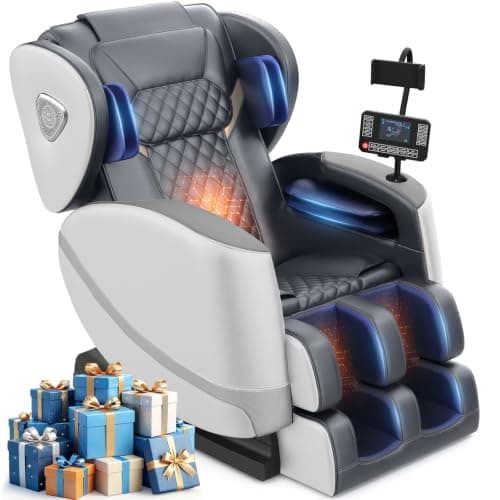
Our FURNIMAT massage chair review of the £470 zero gravity model: 14 fixed nodes, 8 airbags, heat and 165 degree recline, plus a footrest that suits shorter users.
Best Exercise is a participant in the Amazon EU Associates Programme, an affiliate advertising programme designed to provide a means for sites to earn advertising fees by advertising and linking to Amazon.co.uk. As an Amazon Associate we earn from qualifying purchases. This comes at no extra cost to you and never influences our independent reviews or rankings.