Recovery
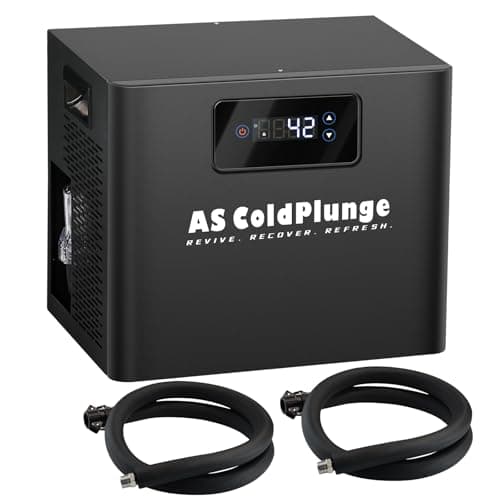
AS ColdPlunge Ice Bath Chiller Review: £687 to Stop Buying Ice
Our AS ColdPlunge ice bath chiller review: a 1/3 HP cooler for tubs up to about 300 litres, with the ice-versus-electricity maths and the listing's gaps.

By Mike Shilling, Recovery & Training Editor · Updated 31 October 2026
We may earn a commission from qualifying purchases made through links on this page, at no extra cost to you. This never affects our ratings.
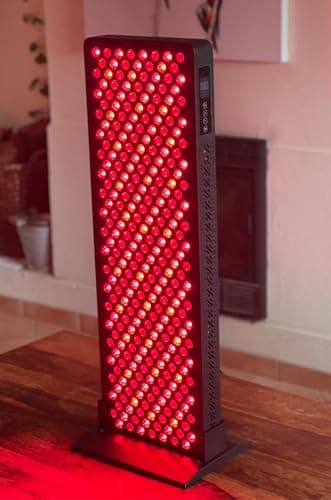
The SpectraHeal Max Ultra is a good full body red light panel for £399.00, and its spec sheet is stronger than most panels at that price: 300 LEDs, five wavelengths, a 92cm tall housing and separate brightness control for red and near infrared light. What holds the score at 4.1 is the usual problem with this category. The headline brightness figure comes from SpectraHeal alone, and the science behind full body sessions for recovery is less convincing than the marketing suggests.
It's also a big price drop. SpectraHeal's own website lists the Max Ultra at £1,195 and showed it as sold out when we checked, while Amazon UK has it in stock at £399. We'd treat the website price as an aspirational RRP rather than a sign that you're getting a £1,195 panel for a third of the cost.
How we review
We haven't used this panel ourselves. This review is based on the Amazon UK listing, the specifications on SpectraHeal's own product page, the peer-reviewed research on photobiomodulation linked below, and comparison with the red light panels we've already covered. We haven't measured its irradiance, and we say clearly where a figure is SpectraHeal's claim rather than an independent measurement.
It suits people who want to treat a large area in one go, such as the whole back, both legs or the torso, and who'll actually use the panel several times a week. At 92 by 30cm it covers far more of you than a laptop-sized panel, so you aren't shuffling it around one knee at a time. The over-door hook and pulley system also means you can hang it rather than buying a stand, which is handy in a spare room.
Skip it if you mainly want a facial routine or one sore joint treated. A smaller, cheaper panel does that job, and the Max Ultra's 13.5kg weight and size make it a fixture rather than something you move about. Skip it as well if you're hoping for a proven way to recover faster from hard training, because the evidence for whole body light doesn't support that yet.
| LEDs | 300 x 5W |
|---|---|
| Rated wattage | 1500W (LED rating, not wall draw) |
| Wavelengths | 630nm, 660nm (red); 810nm, 830nm, 850nm (near infrared) |
| Wavelength mix | About 80% of LEDs at 660nm and 850nm (brand figure) |
| Irradiance | 189 mW/cm2 at 6in/15cm (brand claim, not on Amazon listing) |
| Dimensions | 92 x 30 x 6.5cm |
| Weight | 13.5kg |
| Pulsing | Adjustable, 0 to 10,000Hz |
| Controls | Colour screen and remote: timer, brightness, pulsing |
| EMF and flicker | Ultra-low EMF, flicker-free (brand claims) |
| Mounting | Over-door hook, steel cables, pulley, mount bracket |
| Warranty | 3 years, plus 30-day trial |
| Price | £399.00 on Amazon UK |
Ignore it. SpectraHeal arrives at 1500W the same way almost every brand does: 300 LEDs, each rated at 5W, multiplied together. Real panels with 5W-rated chips draw a fraction of that from the wall, and SpectraHeal doesn't publish a measured draw, so we can't give you one. The Nebula 1020W is a useful reference, because Nebula does publish its draw, and it's 288W rather than 1020W.
The number that tells you how strong a panel is, and so how long a session needs to be, is irradiance at a stated distance, measured in mW/cm2. Here SpectraHeal does better than most of the Amazon market by publishing a figure: 189 mW/cm2 at 6 inches, on its own Max Ultra product page. The Amazon listing doesn't repeat it, and the brand gives no readings at 12 or 18 inches and doesn't say what meter it used. Cheap solar-type meters tend to over-read red light, which is why we'd call it a claim rather than a fact.
If the figure is roughly right, it's bright. That's more than the Nebula's published 95 mW/cm2 at 6 inches and above the Hooga ULTRA360's 132 mW/cm2 at the same distance. In practice that should mean shorter sessions, not better results, which we'll come back to.
Most budget panels use two wavelengths, 660nm red and 850nm near infrared. The Max Ultra adds 630nm, 810nm and 830nm, with SpectraHeal saying about 80% of the LEDs sit at 660 and 850nm. That's a sensible split, because 660 and 850nm are the most studied wavelengths in the research. The extra three widen the spread a little; we wouldn't pay more for them on their own, but they don't do any harm.
The control panel is the bigger practical win. You can run red only, near infrared only or both, and dim each channel from 1% to 100%. If you want gentle red light in the evening, as SpectraHeal suggests for winding down before bed, you can do that without the near infrared running at full power. The pulsing mode goes from 0 to 10,000Hz; pulsed light has been studied, but there isn't enough consistent human evidence to tell you which frequency to use, so we'd leave it on continuous unless you've a specific reason.
The Nebula 1020W is the closest rival. It's taller at 104cm and costs about £20 less at £379.99, and Nebula publishes both its irradiance and its real wall draw, which earns trust. Its warranty is only one year as standard, or two if you register it, against the SpectraHeal's three. If you value verified numbers, take the Nebula. If you value the warranty and a brighter claimed output, the SpectraHeal edges it.
The Helios 2 Series 600W costs about the same at £399.99 and comes with a five year warranty from a UK company, but it's a smaller panel with 120 LEDs and no independently measured irradiance figure. For the same money, the SpectraHeal gives you far more coverage.
The Hooga ULTRA360 is the pick for targeted work at around £307.59. It publishes 132 mW/cm2 at 6 inches, but it's about the size of a laptop lid, so it isn't a full body panel and shouldn't be bought as one.
Check the SpectraHeal price on Amazonaround £399The best evidence for red light in a sporting context covers targeted treatment of specific muscles. A 2025 systematic review and meta-analysis of 14 studies on delayed onset muscle soreness found photobiomodulation reduced pain scores at 72 and 96 hours and improved muscle strength at 24 and 48 hours compared with placebo. Only four studies had enough data to pool, though, and they applied light to a few points on the sore muscle rather than bathing the body in it.
Whole body panels have a weaker record. A 2025 systematic review of whole body photobiomodulation found five studies with 105 active participants. None showed a benefit for fatigue markers or exercise performance, although two reported better sleep quality. That's the honest position for a panel like the Max Ultra: it might help you sleep, and it might take the edge off sore muscles if you treat them directly at close range, but there's no good evidence that standing in front of it makes you recover faster overall.
Dose matters too. Light therapy follows a biphasic dose response, meaning too little does nothing and too much can cancel out the benefit. With a claimed 189 mW/cm2, the risk with this panel is overdoing it rather than underdoing it, so start short. Our guide on how to use red light therapy explains how to set distance and session time, and red light therapy for recovery looks at the training evidence in more depth.
The over-door hook and pulley let you hang the panel at body height, but 13.5kg on a hook puts real load on a door, so we'd only use it on a solid door and check the frame first. A floor stand is sold separately on SpectraHeal's site. Wear the supplied goggles, especially with the near infrared running, because you can't see 810 to 850nm light and so won't blink away from it. If you take photosensitising medication, have a skin condition, or have a history of skin cancer, check with your GP before using any red light panel.
On paper it's one of the better full body panels you can buy for around £400. It has 300 LEDs across five wavelengths (630, 660, 810, 830 and 850nm), measures 92 by 30cm, lets you dim red and near infrared separately, and comes with a 3-year warranty and a 30-day trial. The main weakness is that its 189 mW/cm2 irradiance claim comes from SpectraHeal, not an independent test.
No. The 1500W figure is 300 LEDs multiplied by their 5W rating. It isn't the power the panel draws from the wall or the light that reaches your skin, and SpectraHeal doesn't publish a measured wall draw. Irradiance at a stated distance is the number that tells you how strong a panel is.
SpectraHeal's own product page states 189 mW/cm2 at 6 inches (15cm). The Amazon listing gives no irradiance figure at all, and SpectraHeal doesn't quote readings at other distances or say what meter it used, so treat the number as a manufacturer claim until someone measures it independently.
SpectraHeal doesn't publish a recommended dose chart on the pages we checked. With a panel this bright, sessions of around 5 to 10 minutes at 6 to 12 inches are a reasonable place to start, because light therapy follows a biphasic dose response and more isn't better past a point. Our guide on how to use red light therapy covers distance and timing in detail.
Possibly, for targeted use on sore muscles: a 2025 meta-analysis found photobiomodulation reduced soreness at 72 and 96 hours after exercise. The evidence for whole body panels is weaker, and a 2025 systematic review found no benefit for recovery or performance markers, although two small studies reported better sleep.
Our AS ColdPlunge ice bath chiller review: a 1/3 HP cooler for tubs up to about 300 litres, with the ice-versus-electricity maths and the listing's gaps.
How often to change ice bath water, which sanitiser to use and how much, how to scrub inflatable and rigid tubs, and the signs your cold plunge water has gone bad.
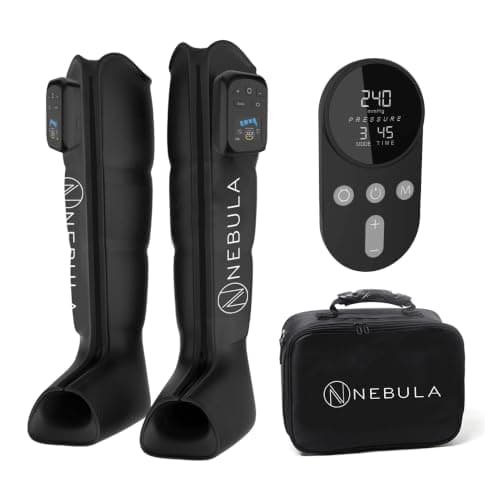
Nebula wireless compression boots review: cordless, USB-C, a 120 minute battery and foot to thigh coverage for £249.99, but no published pressure figure.
What a sauna hat is, why felted wool keeps your head cooler in a hot sauna, whether it helps you stay in longer, how to size, wet and wash one, and which to buy.
Best Exercise is a participant in the Amazon EU Associates Programme, an affiliate advertising programme designed to provide a means for sites to earn advertising fees by advertising and linking to Amazon.co.uk. As an Amazon Associate we earn from qualifying purchases. This comes at no extra cost to you and never influences our independent reviews or rankings.