Recovery
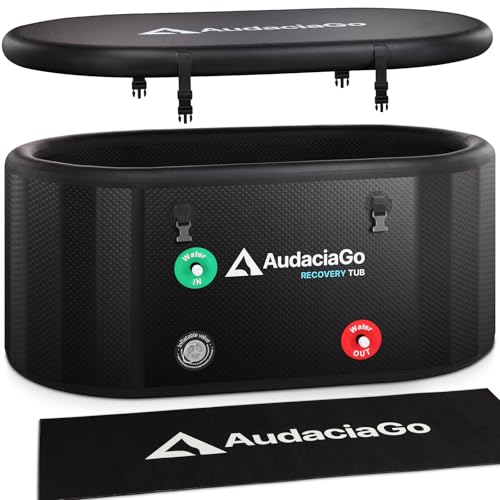
AudaciaGo XL Ice Bath Review: £600 for an Inflatable With No Chiller
Our AudaciaGo XL ice bath review: a 140 gallon inflatable cold plunge with lid, pump and chiller ports, and why £602 is hard to justify against rivals.

By Paul Kendrick, Cardio & Endurance Editor · Updated 14 November 2026
We may earn a commission from qualifying purchases made through links on this page, at no extra cost to you. This never affects our ratings.
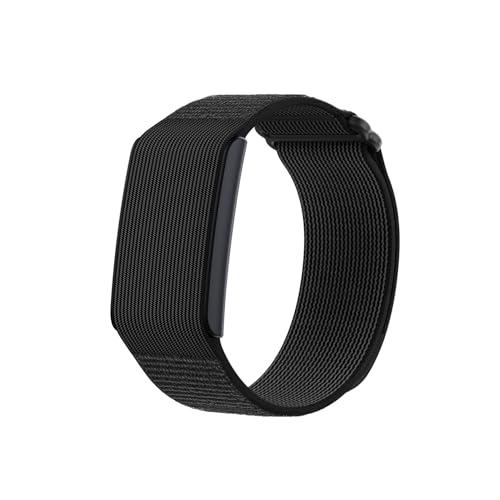
The Amazfit Helio Strap is one of the cheapest serious Whoop alternatives you can buy in the UK, and it leans further towards the gym than most screenless bands. It costs £99.99 on Amazon UK, it lasts up to 10 days, it counts your reps, and it charges you nothing after that. You can wear it on your wrist for sleep and move it to your upper arm for training, where it doubles as a heart rate strap for your watch or treadmill. The trade-off is the Zepp app, which is fine but nowhere near Whoop or Garmin for polish. If you lift, do HYROX or just want recovery numbers without a monthly bill, this is the one I'd buy.
Amazfit released it in June 2025, and the UK price hasn't moved much since. Amazfit's own store sells it for £99.90, so Amazon is effectively the same.
Check the Amazfit Helio Strap price on Amazon£99.99How we review
This review is based on Amazfit's published UK specifications and FAQ, the Amazon UK listing, peer-reviewed research on optical heart rate and sleep tracking accuracy, recurring patterns in owner feedback, and comparison with the rival trackers we've already covered. We haven't run our own long-term test on this unit, so battery and accuracy figures are Amazfit's claims unless we say otherwise.
The official Helio Strap page lists a small pod measuring 33.97 x 24.3 x 10.59 mm in a fibre-reinforced polymer shell, on a 22mm nylon strap with a hook and loop fastening. It weighs 20g and fits wrists from 145 to 205mm. There's no screen, no buttons to speak of and no GPS. A rotor motor handles vibration.
Inside is Amazfit's BioTracker 6.0 optical sensor (5 photodiodes and 2 LEDs), plus an accelerometer, gyroscope and temperature sensor. It records heart rate every second, all day, and stores up to 21 days of heart rate offline, which matters for team sports where your phone sits in a bag. Outdoor runs borrow your phone's GPS.
In the box you get the band with strap attached, a magnetic charging head and a manual. No USB-C cable, so you'll need your own.
| Price (UK) | £99.99 on Amazon UK, £99.90 direct from Amazfit |
|---|---|
| Display | None (vibration motor only) |
| Sensors | BioTracker 6.0 PPG (5PD + 2LED), accelerometer, gyroscope, temperature |
| Battery | Up to 10 days typical use (232 mAh) |
| Water resistance | 5 ATM (showering and shallow-water swimming) |
| Weight | 20 g |
| Fit | Wrist (145 to 205 mm) or upper arm with armband extension |
| GPS | None (uses phone GPS) |
| HR broadcast | Yes, to watches, treadmills, bike computers and apps (BLE) |
| Sports modes | 57 listed on Amazfit's spec sheet |
| Offline HR storage | Up to 21 days |
| Compatibility | Android 7.0+ or iOS 15.0+, Zepp app |
| Subscription | None required |
One oddity: the Amazon listing says 110+ sports modes, while Amazfit's own spec sheet lists 57 and the product copy says 50+. I'd trust the manufacturer's spec page. It also helps to know what that list includes: strength training, HIIT, rowing machine, HYROX race, pool swimming and a long list of ball and combat sports.
This is the Whoop part of the job. Overnight the Helio Strap tracks sleep stages (including REM), naps over 20 minutes, sleep HRV, sleep breathing quality and a sleep score. Through the day it logs heart rate, blood oxygen and stress.
Amazfit rolls that into BioCharge, a morning energy score that drains through the day based on activity and stress. Its newer HybridCharge layer combines BioCharge with LifeLoad and Training Load to give you one number for how much you've got left. If you've used Garmin's Body Battery or Whoop's Recovery, you'll recognise the idea straight away. Our Amazfit Balance 3 review makes the same point: it's a familiar readiness score in Amazfit's packaging, and none the worse for that.
How far should you trust the sleep numbers? About as far as any wrist tracker. A 2024 systematic review in JMIR mHealth and uHealth found Fitbit, Garmin and Whoop devices were moderately accurate for total sleep time and weaker at splitting sleep into stages. The Helio Strap wasn't in that research. Treat your stage breakdown as a rough guide and watch the trend in total sleep and overnight HRV across weeks.
This is where the Helio Strap pulls ahead of most screenless bands. Amazfit designed it to sit on your upper arm during training using an armband extension, because gripping a bar or kettlebell changes blood flow at the wrist and throws optical sensors off.
The research backs the idea. A 2025 validation study in JMIR Cardio put Polar's arm-worn Verity Sense against an ECG chest strap across 9 activities, from lying down to HIIT. On the upper arm it averaged a mean absolute error of 1.43 bpm, while a wrist-worn Polar watch in the same study averaged 6.41 bpm. That's a different device from the Helio Strap, so it doesn't prove Amazfit's accuracy. It does show why the upper arm is the better spot for training.
On the arm it becomes a live heart rate source. Amazfit says it'll broadcast to its own watches, third-party smartwatches, treadmills, cycling computers and training apps. It connects over BLE only, so check your kit supports Bluetooth heart rate before you ditch your chest strap.
Strength training is the other selling point. Inside the Strength Training mode it auto-recognises 25 movements, including barbell squats, bench press, deadlift, pull-ups, lat pulldowns, bent over rows and bicep curls. It logs sets, reps and rest. Anything it doesn't recognise, you pick from a list in the Zepp app afterwards. There's also an official HYROX Race mode, plus VO2 max, training load, training effect and recovery time after each session.
Data syncs from Zepp to Strava, TrainingPeaks (via Terra), adidas Running, komoot, Relive, Apple Health and Google Fit. If you already own an Amazfit watch, the strap and watch share data so tracking carries on when one is on charge.
Whoop. Our WHOOP Peak review covers the membership model: roughly £229 for 12 months, and the band stops being useful when you stop paying. Whoop claims 14+ days of battery and has the more mature recovery coaching. Over two years you'd pay about £458 for Whoop against £99.99 for the Helio Strap. Unless Whoop's coaching is worth £350 to you, Amazfit wins.
Fitbit Air. The Google Fitbit Air costs £84.99, weighs 12g with its band and lasts up to 7 days. It's lighter and simpler, but its Gemini coaching sits behind Google Health Premium after a 3 month trial, and it has nothing like the Helio Strap's rep counting or heart rate broadcast. Pick the Air for sleep and steps, the Helio Strap for the gym.
Garmin Cirqa. Garmin's Cirqa band is £179, also subscription-free (Connect+ is optional) and also rated for up to 10 days. You get Body Battery, HRV status, skin temperature and Garmin Connect, which is the better app. It costs £79 more, and for lifters it doesn't offer the arm-wear and rep counting that make the Helio Strap stand out.
Polar Loop. The Polar Loop is £109 on Amazon UK, weighs 29g, lasts up to 8 days and gives you the free Polar Flow app with Nightly Recharge. It's a sleep and wellness band first. The Helio Strap gets more out of a training session for a tenner less.
For the full field, see our Whoop alternatives guide.
See the Amazfit Helio Strap on Amazon UK£99.99Buy the Helio Strap if you lift, do HYROX or circuits, and want recovery and readiness numbers without paying every month. It suits people who already wear an Amazfit watch and want tracking to carry on while the watch charges. It's also a good fit if you hate chest straps but want decent heart rate data on a treadmill or bike.
Skip it if you want to see the time or your heart rate on your wrist, or if you run outdoors without your phone. A GPS watch is the better tool there. Skip it too if you're deep in Garmin Connect, because the Cirqa will slot into your existing data far more neatly. And if sleep is your only interest, the Fitbit Air or Polar Loop does that job for less fuss. Our sleep and muscle recovery guide explains which overnight numbers are worth acting on.
At £99.99 the Helio Strap undercuts the Cirqa by £79 and costs less than half of one year of Whoop. It still gives you the training tools most screenless bands skip. Its weaknesses are real: the Zepp app is functional rather than good, there's no cable in the box, and you'll want to confirm the armband is included before you count on bicep wear.
I'd give it 4.3 out of 5. It drops marks for the app and the packaging gaps, not for anything the hardware gets wrong.
No. Amazfit says the Zepp app gives you training, recovery, health and performance insights without a required monthly subscription. You pay £99.99 for the band and that's it, which is the main reason people look at it instead of Whoop.
Amazfit quotes up to 10 days from a 232 mAh battery. Its test assumes all-day wear with continuous heart rate and blood oxygen, 8 hours of sleep breathing monitoring, stress tracking and three 60 minute workouts a week. Heavier use will cut that. Note the box has a magnetic charging head but no USB-C cable.
It's rated 5 ATM, which Amazfit says is fine for showering and swimming in shallow water but not for diving or high-pressure water. Take it off for hot showers and the sauna, because Amazfit warns steam can affect the seal over time.
Yes. Amazfit designed it to go on the upper arm for training using an armband extension, and on the wrist for daily wear. On the arm it's steadier when you're gripping a bar or kettlebell. The official packing list only mentions the band, strap and charging head, so check whether the armband is included with your listing before you buy.
For most gym and cardio training, probably. It broadcasts live heart rate to watches, treadmills, bike computers and apps over Bluetooth, and research on other upper-arm optical sensors shows they track close to an ECG chest strap. Amazfit only lists BLE connections, so older ANT+ only kit won't pair.
On cost, easily. You own it outright for £99.99, against roughly £229 a year for Whoop Peak. Whoop has the longer battery (14+ days claimed), a more polished app and more mature recovery coaching. If you mainly want sleep and readiness data and hate subscriptions, the Helio Strap is the better buy.
Our AudaciaGo XL ice bath review: a 140 gallon inflatable cold plunge with lid, pump and chiller ports, and why £602 is hard to justify against rivals.
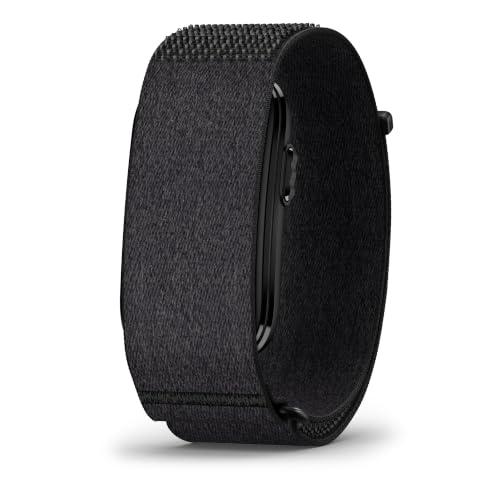
Garmin CIRQA review: a £179 screenless band with 10 day battery, sleep coaching, HRV status and no subscription. How it compares with Whoop and Fitbit Air.
Garmin Cirqa vs Fitbit Air for UK buyers: £179 against £84.99. Battery, sensors, subscriptions, Garmin Connect vs Google Health and who each band suits.
Garmin Cirqa vs WHOOP for UK buyers: £179 once against a yearly membership. Battery, sensors, recovery scores, arm wear and two-year cost compared.
Best Exercise is a participant in the Amazon EU Associates Programme, an affiliate advertising programme designed to provide a means for sites to earn advertising fees by advertising and linking to Amazon.co.uk. As an Amazon Associate we earn from qualifying purchases. This comes at no extra cost to you and never influences our independent reviews or rankings.