Recovery
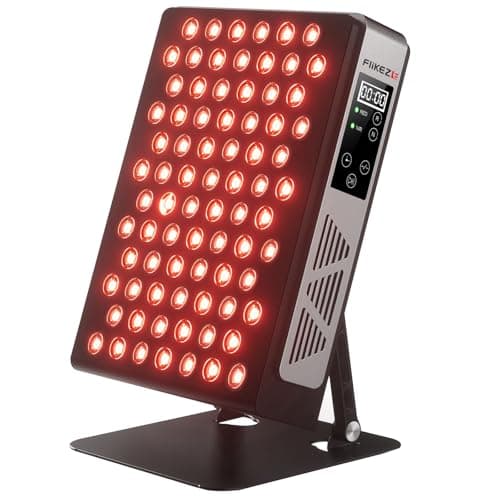
FliKEZE Red Light Therapy Review: 78 Quad Chip LEDs for £249.99
FliKEZE red light therapy review: 78 quad chip LEDs, 630 to 850nm, a 134 mW/cm² claim at 6 inches, five intensity levels and how it compares at £249.99.

By Mike Shilling, Recovery & Training Editor · Updated 9 September 2026
If you lift weights and then get straight into an ice bath, you are undoing part of the session you just did. That is not a hot take; it has been repeatedly demonstrated since 2015, and it is the single most useful thing to know about cold plunge timing. Almost everything else about when to get in the water is a matter of preference.
The reason the question keeps coming up is that cold water genuinely helps with some things and genuinely interferes with others, and the two happen at different times. Sorting out which is which takes about five minutes of reading and saves months of accidentally sabotaging your training.
Plunge after training, not before, and not immediately after if the session was resistance work. On rest days, plunge whenever you like.
For most people that means something like: lift in the morning, plunge in the evening. Or lift Monday, plunge Tuesday. The gap is what protects the adaptation.
Cold muscle produces less force. Drop muscle temperature and you slow the rate of contraction, reduce power output and increase the perception of stiffness, which is a poor way to begin a heavy squat session. You also blunt the warm-up effect you spent ten minutes creating.
There is one exception worth knowing. Endurance athletes competing in hot conditions sometimes pre-cool deliberately, lowering core temperature before a long effort so they take longer to reach the temperature at which performance falls apart. If you are racing a marathon in 28°C heat, that is a legitimate tactic. If you are doing a Tuesday session in a cold garage, it is not.
Here is the mechanism, without the biochemistry lecture. Resistance training damages muscle fibres slightly and triggers a signalling cascade, chiefly through a protein complex called mTORC1, that tells the muscle to rebuild bigger. That signal peaks in the hours immediately after the session. Cooling the muscle by a few degrees during that window dampens the signal.
The foundational study, published in the Journal of Physiology in 2015, put trained men through twelve weeks of strength training with either cold water immersion or active recovery afterwards, and found that post-exercise cold water immersion attenuated both acute anabolic signalling and long-term muscle adaptations. Later work confirmed that cold water immersion attenuates fibre hypertrophy but not strength gain, which is a useful nuance: you lose some size, less strength.
A 2024 meta-analysis pooling the available trials, memorably titled "Throwing cold water on muscle growth", found the same directional effect across studies. The effect size is not enormous. It is consistent enough that if hypertrophy is your goal, it is silly to hand it away for free.
The practical rule
Four to six hours between resistance training and cold water is the minimum worth bothering with, and a full day is better. If your gym session and your plunge have to happen close together, do the plunge first and train later, or skip the plunge entirely that day. Nothing bad happens if you miss one.
Set the muscle-growth question aside and cold immersion earns its place in several situations.
Between two sessions in the same day or on consecutive days. If you are playing a tournament, running back-to-back hard days, or in a training block where tomorrow's session matters more than long-term size, cold water speeds up how quickly you feel ready to go again. A systematic review of cold water immersion for recovery from muscle fatigue found a reliable reduction in soreness and creatine kinase, the marker of muscle damage.
Soreness that is affecting your life. Delayed onset muscle soreness after an unfamiliar session responds well to immersion, and there is nothing wrong with using it for that.
Heat. After a long summer run, cold water lowers core temperature faster than sitting in the shade.
The mental side. A lot of people plunge because of how it makes them feel for the next two hours, not because of anything measurable in a muscle biopsy. That is a completely legitimate reason and nobody needs to justify it with a study.
If it's the blunted-adaptation worry keeping you out of the water on lifting days, the alternative worth a look is nutritional rather than thermal. Tart cherry juice in the UK has reasonable trial data for soreness and does nothing to the muscle's temperature during the window that matters.
More cold is not better, and neither is longer. A meta-analysis examining exactly this found water between 11 and 15°C for 11 to 15 minutes more effective for reducing soreness than colder water or longer immersions. That is roughly the temperature of a British outdoor tap in March, and it is achievable in any garden tub without a chiller for about half the year.
If you are starting out, three minutes at 12°C is plenty. Build from there. Our guides on how long to stay in an ice bath and ice bath temperature go into the specifics.
A simple structure that respects the timing:
Plunging immediately post-lift because it feels virtuous. It is the one timing that costs you something. Wait.
Chasing colder water. Below about 10°C the added benefit disappears and the risk of cold shock and lingering numbness rises. There is no prize for 3°C.
Going in on a bad day and getting cold shock. The gasp reflex is involuntary and it is what drowns people in open water. Enter slowly, exhale on the way in, and never plunge alone when you are new to it. If you have any heart condition or high blood pressure, read the British Heart Foundation's guidance on cold water and the heart and talk to your GP first.
Treating it as a substitute for sleep and food. Cold water is a small lever. Sleep is a large one.
You do not need a chiller to run this properly through a British autumn and winter, which is when an unchilled tub sits naturally in the 8 to 14°C range. A budget barrel like the Nebula 400L will do the job for under £80, and something with a rigid frame and a filter pump such as the Lay-Z-Spa Glacial Dip makes it easier to keep up over months. Our best ice bath UK guide compares the field, and contrast therapy covers pairing cold with sauna heat.
After, in almost every case, but not immediately after if you lift. Cold immersion straight after resistance training measurably reduces the muscle-building signal, so leave at least four to six hours or plunge on rest days. Before a workout, cold water reduces power output and makes the first ten minutes of training feel awful, which is not a trade worth making.
Four to six hours is the practical minimum, and a full day is better. The anabolic signalling that drives muscle growth peaks in the hours right after a session, and that is the window cold immersion interferes with. Train in the morning and plunge before bed, and you keep both.
It does not stop it, but it does reduce it. A meta-analysis of post-exercise cold water immersion found smaller hypertrophy gains in groups that plunged after resistance training compared with those that did not. Strength gains held up better than muscle size. The effect is real, consistent and small enough that it only matters if muscle is your goal.
Not before, but it can help between sessions in the heat. Pre-cooling has a narrow use case for endurance athletes competing in hot conditions, where lowering core temperature before a long effort delays overheating. For a normal gym session in a British winter, it just makes you cold and stiff.
Yes, provided you are not doing it straight after resistance training. Daily short exposures at 11 to 15°C are well tolerated by most healthy people. Build up gradually rather than starting with ten-minute sessions, and stop if you get numbness that lingers after you warm up.
Alternating hot and cold is a reasonable alternative when you want the circulatory and psychological effects without a long cold exposure, and it may sidestep some of the adaptation blunting. The evidence base is thinner than for straight cold immersion, though.
FliKEZE red light therapy review: 78 quad chip LEDs, 630 to 850nm, a 134 mW/cm² claim at 6 inches, five intensity levels and how it compares at £249.99.
How to use a red light therapy panel properly: the right distance and session time, how often, before or after training, eye safety and how to work out your dose.
The real benefits of compression boots, judged against the research: what helps (soreness, feeling recovered), what doesn't hold up, and who should avoid them.
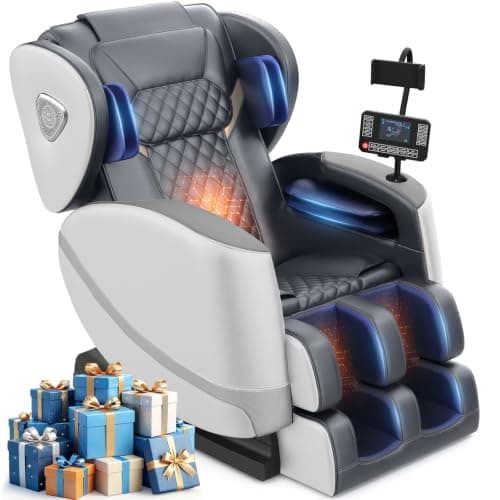
Our FURNIMAT massage chair review of the £470 zero gravity model: 14 fixed nodes, 8 airbags, heat and 165 degree recline, plus a footrest that suits shorter users.
Best Exercise is a participant in the Amazon EU Associates Programme, an affiliate advertising programme designed to provide a means for sites to earn advertising fees by advertising and linking to Amazon.co.uk. As an Amazon Associate we earn from qualifying purchases. This comes at no extra cost to you and never influences our independent reviews or rankings.