Recovery
Amazfit Helio Strap Review: A £100 Whoop Alternative With No Subscription
Amazfit Helio Strap review: £99.99 screenless band with 10-day battery, BioCharge readiness, rep counting and HR broadcast. No subscription. Is it a real Whoop rival?

By Paul Kendrick, Cardio & Endurance Editor · Updated 14 November 2026
We may earn a commission from qualifying purchases made through links on this page, at no extra cost to you. This never affects our ratings.
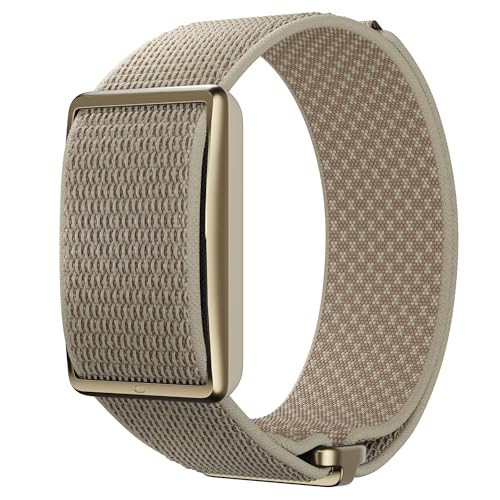
The Polar Loop is the best way to get Polar's sleep and recovery tools without buying a £300 sports watch, and at £109 on Amazon UK it costs less than half a year of Whoop. It's a 29g screen-free band with 24/7 heart rate, nightly HRV, Nightly Recharge and automatic workout detection, and Polar charges nothing after the purchase. I'd buy it over a Whoop membership for most people. The real gaps are the ones Polar chose on purpose: no screen, no GPS and, less obviously, no vibration motor, so there's no silent alarm.
Polar launched the Loop in September 2025 at £149.50. The Amazon price has since dropped to around £109, which changes the maths against both Whoop and the cheaper screenless bands.
Check the Polar Loop price on Amazon£109How we review
This review is based on Polar's published Loop specifications and launch material, recurring patterns in owner feedback, published research on wrist-worn sleep tracking, and comparison with the Polar watches and screenless trackers we've already covered. We haven't worn this exact unit ourselves, so battery and accuracy figures are reported as Polar's claims.
Polar's official Loop product page lists a 27 x 42 x 9 mm pod with a stainless steel case that weighs 19.5g on its own and 29g on the included SoftWeave textile band. The band comes in S/M (135 to 190 mm wrists) and M/L (160 to 230 mm), and Polar sells leather, magnetic silicone and an upper-arm sport armband separately. The armband is worth knowing about if you lift, since optical sensors read more steadily on the bicep than on a flexing wrist.
Inside sits Polar's optical heart rate sensor (OHR Gen 3.5, branded Precision Prime), an accelerometer and a 170 mAh battery rated for up to 8 days. It's water resistant to WR30 and Polar calls it swim-safe, although in the pool you get heart rate and calories, not lengths or strokes.
The interface is your phone. You sync over Bluetooth to the free Polar Flow app, and the band holds about 4 weeks of data if you forget. There's no display, no button-driven workout start and, per Polar's page, no buzzing or beeping. That last point is a selling point for some and a dealbreaker for others.
| Price (UK) | £109 on Amazon UK (launch RRP £149.50) |
|---|---|
| Display | None |
| Sensors | Optical heart rate (OHR Gen 3.5, Precision Prime), accelerometer |
| Recovery and sleep | Nightly Recharge, Sleep Plus Stages, SleepWise, nightly HRV |
| Training | Automatic training detection, Training Load Pro, Activity Targets |
| GPS | None built in; phone GPS via the Polar Flow app |
| Battery | Up to 8 days (170 mAh) |
| Water resistance | WR30, suitable for swimming |
| Weight | 19.5 g pod, 29 g with SoftWeave band |
| Memory | About 4 weeks of data |
| Connectivity | Bluetooth; one connection only, can't broadcast heart rate |
| Subscription | None required; Polar Flow app is free |
This is why you'd buy a Polar over a cheaper band. Polar has been refining its sleep and recovery tools on watches for years, and the Loop puts the same features on a strap you'll actually wear to bed. Nightly Recharge combines your sleep score with overnight heart rate, HRV and breathing rate to tell you how well you recovered. Sleep Plus Stages splits the night into light, deep, REM and interrupted sleep, and SleepWise uses that history to estimate how alert you're likely to be through the day.
On our Polar Vantage V3 review we called Polar's recovery suite the most coherent on any watch, and the Loop gets the parts that matter for recovery without the £400 price tag.
Keep expectations sensible about the sleep stages, though. A 2024 systematic review in JMIR mHealth and uHealth compared the Fitbit Charge 4, Garmin Vivosmart 4 and Whoop against lab polysomnography and found moderate accuracy for sleep staging across all three, with Whoop close on total sleep time but off on REM. Polar wasn't in that review and the Loop is newer still, so treat the stage breakdown as a rough guide. Total sleep, consistency and your HRV trend over several weeks are the numbers to act on. Our sleep and muscle recovery guide explains what to do with them.
Polar's launch announcement says the Loop recognises and records workouts without a button press, and the product page adds that it detects start and end from your heart rate and movement, with sensitivity you can adjust in Flow. That's handy for gym sessions and classes. For anything outdoors where you want a route, you start the session from the Flow app and let your phone handle GPS.
Training Load Pro then compares each session's strain against what your body is used to, so you can see when a hard week is stacking up on top of poor sleep. Pair it with Nightly Recharge and you've got the core of what Whoop charges a membership for. Activity Targets set a daily movement goal scaled to your fitness, though without a vibration motor the band can't nudge you when you've been sitting too long.
There are two limits worth flagging for gym users. The Loop supports a single Bluetooth connection, used for syncing, so it can't send live heart rate to a treadmill, Zwift or a bike computer. And with no screen you can't see your heart rate mid-set. If you train to zones, a chest strap from our best heart rate monitor guide fixes both.
Polar also bundles free trials with the Loop: 60 days of Strava, 30 days of TrainingPeaks and 3 months of Clue Plus. Polar separately sells an optional Fitness Program subscription for its watches, but its Loop page describes the band as subscription-free and we couldn't confirm that the Loop supports Fitness Program, so don't count on it.
This is the comparison most buyers are making. Our WHOOP Peak review covers the membership: around £229 for 12 months, a WHOOP 5.0 band with a claimed 14 plus day battery that charges without coming off your wrist, and nothing to read if you stop paying. Over two years that's roughly £458. The Loop is £109 once.
What Whoop still does better: battery life, the slide-on charger, a strain and recovery score many owners find easier to act on, and haptics for a silent alarm. What the Loop does better: you own it, Polar's training load tools are deeper, and there's no annual renewal email. For most people who want recovery data rather than a coaching relationship, the Loop wins on value by a long way. Our Whoop alternatives guide lines up the other options.
The Google Fitbit Air is the closest rival at £84.99. It's lighter at 12g, adds SpO2, skin temperature and a vibrating Smart Wake alarm, and also skips a compulsory subscription, though its Gemini coach sits behind Google Health Premium after a 3 month trial. The Loop gives you the better training load tools and longer claimed battery (8 days against 7), and it doesn't need a Google account. If the alarm and the extra sensors matter, pick the Air. If you train and want Polar's recovery scoring, pick the Loop.
The Amazfit Helio Strap and Garmin's screenless Cirqa are the other bands in this space. Amazfit tends to undercut on price through the Zepp app, while the Cirqa suits anyone already living in Garmin Connect. Check those reviews for their current pricing and features before you decide, since the Loop's case rests on Polar's recovery software rather than raw hardware.
See the Polar Loop on Amazon UK£109Buy the Polar Loop if you want serious sleep and recovery data, train at the gym or in classes, and refuse to pay a monthly fee for it. It also makes sense for Polar watch owners who don't want to sleep in a chunky watch, and for anyone who finds a screen on the wrist distracting.
Skip it if you rely on a vibrating alarm to wake up without disturbing a partner, if you run outdoors and want pace without carrying a phone, or if you want to broadcast heart rate to gym equipment. A GPS watch from our best Garmin watch guide covers the running side, and the Fitbit Air covers the silent alarm for less money.
At £109 the Loop costs less than half a year of Whoop and comes with no ongoing fee. The software is where the value sits: Nightly Recharge, sleep staging and Training Load Pro are the same tools Polar puts on its expensive watches. The compromises are a missing vibration motor, no GPS and no heart rate broadcast, and those are worth checking against how you'd actually use it.
I'd give it 4.1 out of 5. It loses marks for the absent silent alarm and the single Bluetooth connection, not for anything in its core tracking.
No. Polar sells the Loop as a one-time purchase and the Polar Flow app is free, so sleep, Nightly Recharge, training load and activity tracking all work without a monthly fee. Polar does sell an optional Fitness Program subscription for its watches, but we couldn't confirm on Polar's own pages that it supports the Loop, so don't buy the band expecting it.
On cost, clearly. The Loop is about £109 once, while Whoop Peak runs around £229 for every 12 months and stops working if you cancel. Whoop has the longer claimed battery (14 plus days against 8), a more polished strain and recovery score and wrist haptics for alarms. If you want the data without the rent, the Loop is the better buy.
Neither. There's no display and no built-in GPS. For outdoor runs and rides you start the session in the Polar Flow app and pick your phone as the recording device, which gives you route, pace and distance from the phone's GPS.
Polar doesn't list any vibration alerts, and its product page leans on the fact that the band doesn't buzz or beep. That means no silent wake-up alarm and no inactivity nudges on the wrist. If a vibrating alarm matters to you, the Fitbit Air or Whoop have one.
Yes. It's rated WR30 and Polar calls it suitable for swimming. It records heart rate and calories in the water, but not stroke count or distance, so serious swimmers will still want a watch.
Polar quotes up to 8 days on a charge from its 170 mAh battery. It charges with the included Polar Charge 2.0 cable, which uses a proprietary connector on the band end. The band stores around 4 weeks of data, so a missed sync won't cost you anything.
Amazfit Helio Strap review: £99.99 screenless band with 10-day battery, BioCharge readiness, rep counting and HR broadcast. No subscription. Is it a real Whoop rival?
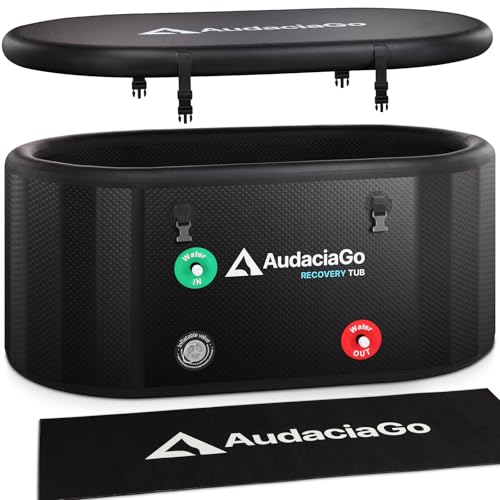
Our AudaciaGo XL ice bath review: a 140 gallon inflatable cold plunge with lid, pump and chiller ports, and why £602 is hard to justify against rivals.
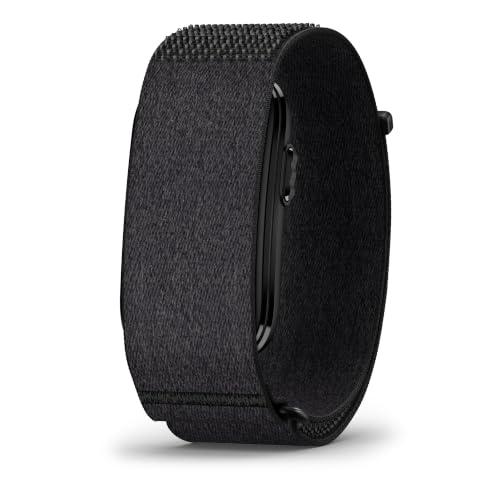
Garmin CIRQA review: a £179 screenless band with 10 day battery, sleep coaching, HRV status and no subscription. How it compares with Whoop and Fitbit Air.
Garmin Cirqa vs Fitbit Air for UK buyers: £179 against £84.99. Battery, sensors, subscriptions, Garmin Connect vs Google Health and who each band suits.
Best Exercise is a participant in the Amazon EU Associates Programme, an affiliate advertising programme designed to provide a means for sites to earn advertising fees by advertising and linking to Amazon.co.uk. As an Amazon Associate we earn from qualifying purchases. This comes at no extra cost to you and never influences our independent reviews or rankings.