Recovery
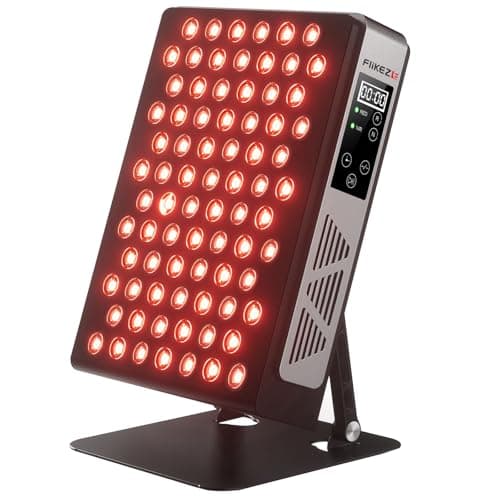
FliKEZE Red Light Therapy Review: 78 Quad Chip LEDs for £249.99
FliKEZE red light therapy review: 78 quad chip LEDs, 630 to 850nm, a 134 mW/cm² claim at 6 inches, five intensity levels and how it compares at £249.99.

By Mike Shilling, Recovery & Training Editor · Updated 10 September 2026
Compression boots look like a gimmick and mostly are not, though they work in a narrower way than the marketing suggests. Zip your legs into inflatable sleeves, and a pump inflates chambers in sequence from the foot upward, squeezing blood and lymph toward the trunk before releasing and starting again. The technology is borrowed from hospital wards, where intermittent pneumatic compression has been used for decades to reduce clot risk in immobile patients. Athletes borrowed it because it feels good on trashed legs.
Whether it does anything measurable to performance is a separate question, and the honest answer is: less than the price tags imply. What follows is how to get the most out of them anyway.
If your toes tingle, the pressure is too high
Pins and needles, numbness or a cold foot means the pressure is compressing more than you want it to. Drop it by 10 to 20 mmHg. The sensation you are after is a firm, rhythmic squeeze that you stop noticing after five minutes, not something you are enduring.
Manufacturers offer ranges up to about 110 mmHg, and almost nobody needs the top of that. Higher pressure does not push more blood; past a certain point it just occludes the vessels you are trying to move fluid through and makes the session unpleasant.
A reasonable ladder:
Calves tolerate more pressure than thighs. Most decent units let you set zone-by-zone pressure, and turning the thigh chambers down a notch below the calves makes long sessions considerably more pleasant.
After hard training is the default. Within a few hours of the session is fine; there is no evidence that the window is tight.
On rest days works just as well and is arguably a better use, because the boots then do not compete with eating and showering for your attention.
In the evening is where most people end up, on the sofa, which is fine and probably the reason adherence is decent.
Before training, briefly and at low pressure, is a reasonable warm-up for stiff legs. Do not do a full 30 minute session and then try to sprint.
The one genuine advantage compression has over cold water immersion is timing freedom. Ice baths after strength work blunt the long-term adaptation you trained for; compression carries no such penalty, so you can use it after a heavy lower-body session without undoing anything. We cover that trade-off in cold plunge before or after a workout.
Be clear-eyed here, because the gap between what these devices do and what they are marketed as doing is wide.
Perceived soreness is where the evidence is mixed. A small trial in ten long distance runners found no significant difference in soreness after a week of daily sessions (Effects of Intermittent Pneumatic Compression on DOMS in Long Distance Runners), while a 2025 study reported benefits on soreness and the recovery of muscular fatigue (effects of intermittent pneumatic compression on DOMS and muscular fatigue).
Objective performance recovery is a weaker story. A review of lower-limb intermittent pneumatic compression for sports recovery found the effects on functional performance measures inconsistent, with several outcomes no better than passive rest (Effects of lower-limb intermittent pneumatic compression on sports recovery).
So: your legs will feel better, and you will probably not jump higher tomorrow. Feeling better is worth something, particularly across a heavy training block, and the enforced 25 minutes of sitting still with your legs up is doing more than people give it credit for.
Cranking the pressure to maximum on day one. Nothing about compression rewards intensity the way training does. You end up with numb feet and a device you stop using.
Using them instead of sleeping. Compression is a marginal gain sitting on top of the things that actually drive recovery: sleep, food and sensible training load. If any of those are broken, fix them before spending £300 on boots.
Wearing them over sore, undiagnosed swelling. A single swollen, warm, painful calf is not a training niggle until a doctor says it is. Compression on top of a clot is genuinely dangerous, and the NHS page on deep vein thrombosis is worth two minutes of your time before you use them for the first time.
Skipping the size chart. Boots that are too short leave the top of your thigh uncompressed and boots that are too long bunch at the ankle. Both waste the sequencing.
Storing them inflated and damp. Air the liners after use, store deflated, and the bladders last years instead of months.
Pair it with something that keeps you in the chair. Compression is one of the few recovery tools that is entirely compatible with reading, working or watching something, and adherence is where nearly all of its value comes from.
Stack it sensibly with other recovery work rather than piling everything on at once. A short foam rolling session before the boots, or a massage gun on a specific tight spot afterward, covers what compression cannot: local tissue work on one stubborn area. Compression handles the whole limb, generally.
If you are still deciding which unit to buy, our best compression boots UK guide compares the main options, and there is more heat, cold and percussion kit in our recovery section.
Twenty to thirty minutes is the sweet spot for most people, and it is the duration used in most of the research. Under 15 minutes rarely feels like enough to do anything; past 45 minutes you get diminishing returns and pins and needles. Daily use at 20 minutes beats a single 90 minute marathon session once a week.
Start at the lower end, roughly 40 to 60 mmHg, and work up only if that feels ineffective. Most units top out around 100 to 110 mmHg, and higher is not better; it is just less comfortable. The pressure should feel like a firm squeeze you can relax into, not something you have to breathe through.
After, or on a rest day, is where they belong. Ten minutes before a session at a low pressure works fine as a warm-up for the legs, but the main use is post-training or in the evening. Unlike cold water immersion, compression has no evidence of blunting strength or muscle gains, so you can use it after lifting without worrying.
For how your legs feel, yes, consistently. Multiple trials show reduced perceived soreness after hard training. For measurable performance recovery the evidence is much weaker and often shows no difference against doing nothing. Buy them for comfort and for the fact that they make you sit still for 25 minutes, not for a performance edge.
Yes, for healthy adults. There is no accumulation problem the way there is with heat or cold, and daily 20 to 30 minute sessions are what most users settle on. The exception is anyone with a circulatory condition, who needs medical clearance first.
Anyone with a known or suspected deep vein thrombosis, active infection or open wound on the legs, severe peripheral arterial disease, uncontrolled heart failure, or a recent leg fracture. If you have any circulatory diagnosis, or unexplained pain, swelling and warmth in one calf, speak to a doctor before using them.
FliKEZE red light therapy review: 78 quad chip LEDs, 630 to 850nm, a 134 mW/cm² claim at 6 inches, five intensity levels and how it compares at £249.99.
How to use a red light therapy panel properly: the right distance and session time, how often, before or after training, eye safety and how to work out your dose.
The real benefits of compression boots, judged against the research: what helps (soreness, feeling recovered), what doesn't hold up, and who should avoid them.
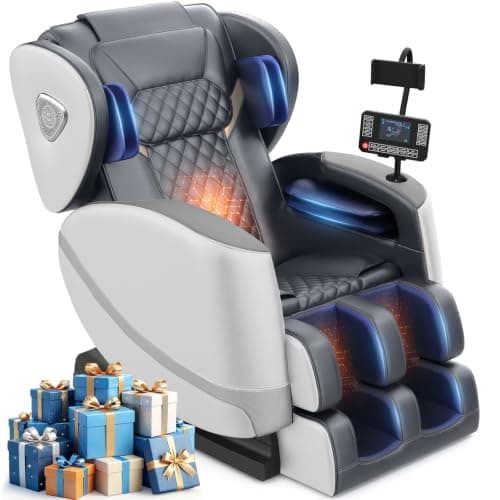
Our FURNIMAT massage chair review of the £470 zero gravity model: 14 fixed nodes, 8 airbags, heat and 165 degree recline, plus a footrest that suits shorter users.
Best Exercise is a participant in the Amazon EU Associates Programme, an affiliate advertising programme designed to provide a means for sites to earn advertising fees by advertising and linking to Amazon.co.uk. As an Amazon Associate we earn from qualifying purchases. This comes at no extra cost to you and never influences our independent reviews or rankings.